
Mealybugs on ferns are one of the most common problems that many fern plant growers encounter, causing them to feel sick of finding ways to eliminate plant pests in their gardens.
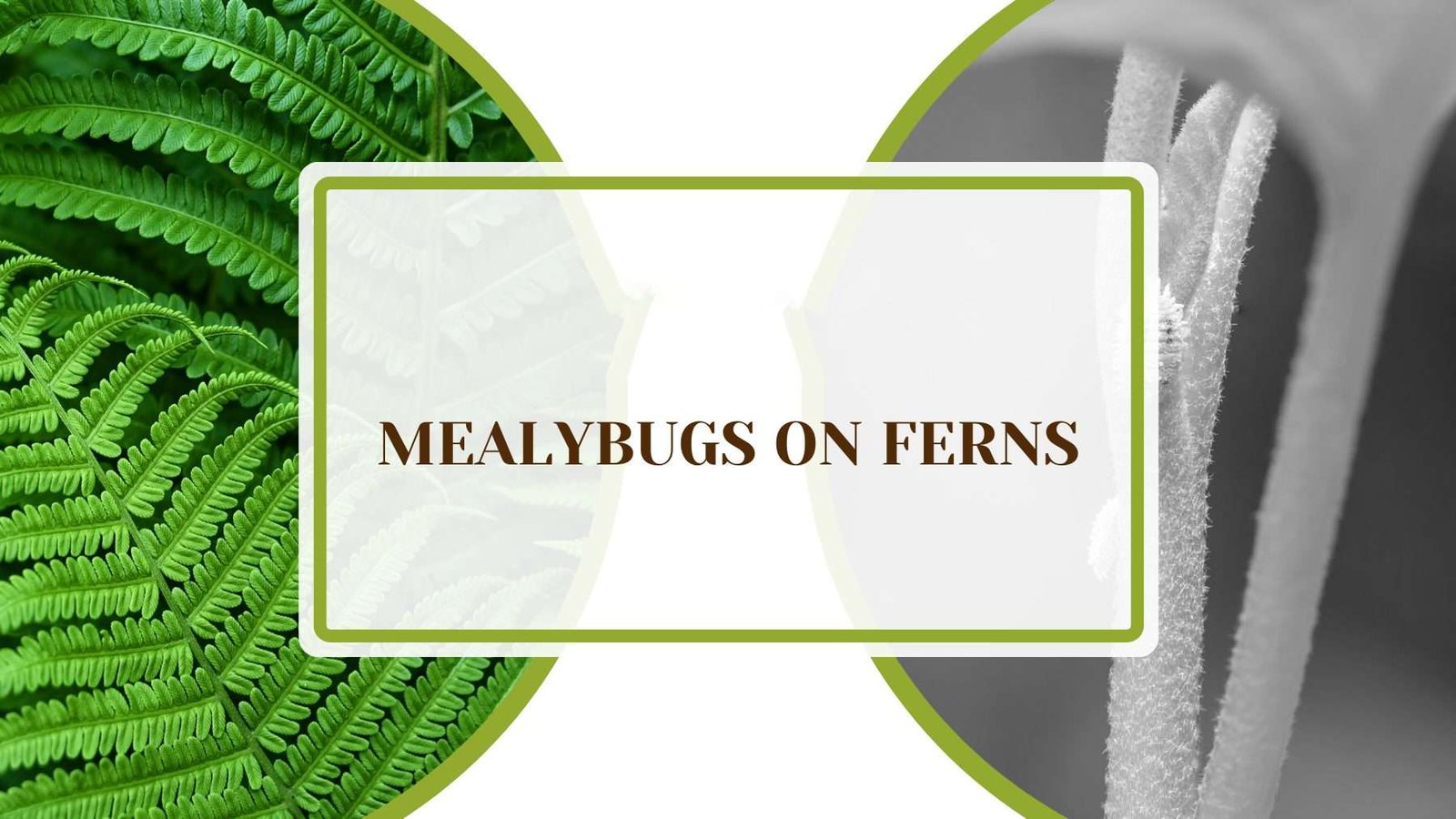
Luckily, we have found the real causes of mealybugs on your ferns and how you can kill this destructive pest!
What Causes Mealybugs on Your Ferns?
Mealybugs are caused on your ferns due to bringing home a new plant, using contaminated soil for your ferns, overwatering, and improper care of your ferns. Below is everything you need to know about the causes of annoying mealybugs on your ferns.

– Introducing a New Indoor Plant to Your Home
Even if it’s unintentional, excitement to bring new indoor plants to the house can be one of the causes of mealybugs infestations among your houseplants. Once you bring in infected plants, best of luck to your beautiful and well-taken-care-of ferns; mealybugs will slowly infect all of them!
However, the infestation usually happens shortly after you bring a new plant home, so you need to keep an eye on this because mealybugs can hide somewhere before they cause damage. Thus, it would be best to isolate new plants that you bring home, so wherever you buy a new plant, inspect it and make sure that it is free from mealybugs before you bring it inside.
– Using Contaminated Soil for Your Ferns
Another cause of having mealybugs on your ferns is the use of a contaminated potting soil mixture. Some pests like mealybugs lay their eggs on soil and quickly spread to different areas of a plant garden. So, it is important to properly seal and store any leftover soil mixture using an air-tight container because pests are incapable of surviving in places without oxygen.
– Overwatering Your Ferns
It is highly advised to stop overwatering your plants. Mealybugs tend to live on plants that contain high levels of nitrogen so that they can spread and infest every plant in your garden. Enough water and the right amount of moisture are needed for houseplants like ferns.

– Ferns Are Not Given Proper Care
If ferns are weakened and stressed or not given proper care, they tend to become more prone to mealybugs or other pests. Like any other plants, ferns may have a reduced natural defense when they are in this type of situation, so it would be easier for any pests and other insects like scale insects to set in and damage them.
How to Control Mealybugs on Your Ferns
You can get rid of mealybugs on your ferns if you are knowledgeable and prepared for this. You can identify the type of infestation your fern has, and you know how to isolate, prune, wash away, remove, and use neem oil and systemic insecticides when needed. You can find the answers to how below.

– Be Knowledgeable and Well-Prepared
You must know how this pest can slowly destroy your ferns and eventually kill them all. Without the necessary knowledge and preparations, you cannot help your ferns and save them from mealybugs.
Prepare everything you need to fight the mealybugs on your ferns, such as water, 70% rubbing alcohol, gloves, bottle spray, dish soap, a bowl or any watering can, cotton swabs, and cotton balls.
It is also important to know that the mealybug life cycle lasts for about 7 to 10 weeks. Before mealybugs turn into adults, they hatch into nymphs first for about 1 to 2 weeks. After hatching into a nymph, they mature into adult mealybugs for another 6 to 9 weeks. Once the mealybugs start hatching, their number can rapidly grow over time. So, keep an eye on them.
– Identify the Type of Infestations
It is important to identify the type of infestation for you to decide which treatment you should apply. Early detection is very important and will help you save your plants.
Light Infestation: This type of mild mealybug infestation occurs when you spot a clump of white with a cotton-like texture, which is actually the mealybugs’ eggs. The earlier you detect these spots, the easier it is to provide a solution and get rid of these pests immediately. The infestation will also be less serious if addressed immediately.
Heavy Infestation: You can identify how heavy an infestation is by the number of eggs cramped in a single spot that has a waxy substance around it called honeydew. This substance fosters the growth of the fungus. The leaves slowly turn into a yellowish color and fall from the plant over time.
– Isolate New and Affected Plants
Isolation is a very important practice to prevent the spread of mealybugs on your ferns. When you bring new indoor plants to your home, make it a practice to isolate new plants for a couple of weeks to make sure that they are not carrying mealybugs or any other pest before introducing them to your collection.
Be watchful; because of the small size of the eggs and nymphs, it is a hard task to spot them during their early stages. Most plant owners don’t usually notice their presence until their number grows and starts to overtake the plants.
– Use Neem Oil to Kill Mealybugs
Using neem oil is an organic way of addressing a mealybug infestation on ferns. To do this, you need to mix a solution. Prepare 1/2 tablespoons of oil, dish soap, and water. Combine the oil and one quart of water with a few drops of dish soap. The dish soap will work as an emulsifier to make the mixture more effective.

After combining the ingredients, shake the mixture well to ensure that you mix the substances evenly. Then, spray your solution on the infested areas of your plant. Mealybugs may hide under the leaves, so ensure that you apply your solution to that area as well. Repeat the process every 7 to 14 days until the mealybugs are fully eliminated.
Neem oil is an effective pest control solution because it disrupts the reproductive cycle of mealybugs. Take note that this oil may harm insects like bees, so it’s important not to apply it to blooming plants. Before applying it to your plants, test a small amount of it in a small area to see if your plant is sensitive to this type of oil.
– Use Systemic Insecticides
When choosing the insecticide you’re going to use, read the label of the product before buying it to make sure that the insecticide is appropriate for your plant. You can now apply the insecticide on the soil or on the foliage of your plant by following the procedures stated on the product label.
Wait for the insecticide to fully show its effectiveness. Systemic insecticides tend to have a slower effect compared to contact insecticides, so patience is required. However, systemic insecticides provide greater protection than contact insecticides.
Reapply the insecticide as much as needed by following the instructions on its label every time. The frequency of reapplication of the product varies because some insecticides need to be reapplied every few weeks to preserve their effectiveness.
Take note that systemic insecticides might be harmful to other non-target organisms and insects, so they must be applied with caution. Moreover, insecticides are not meant to be applied on edible plants since they may pose a potential harm to people if the plants are consumed.
Using systemic insecticides is a lot safer than insecticidal soap spray because some plants like ferns are sensitive when they get exposed to it.
– Pruning and Cleaning of Affected Ferns
Pruning is one of the most effective ways to get rid of mealybugs on your ferns, especially when the infestations are highly severe. To do this, you need to do some inspections first; areas where infestations are severe need special attention.
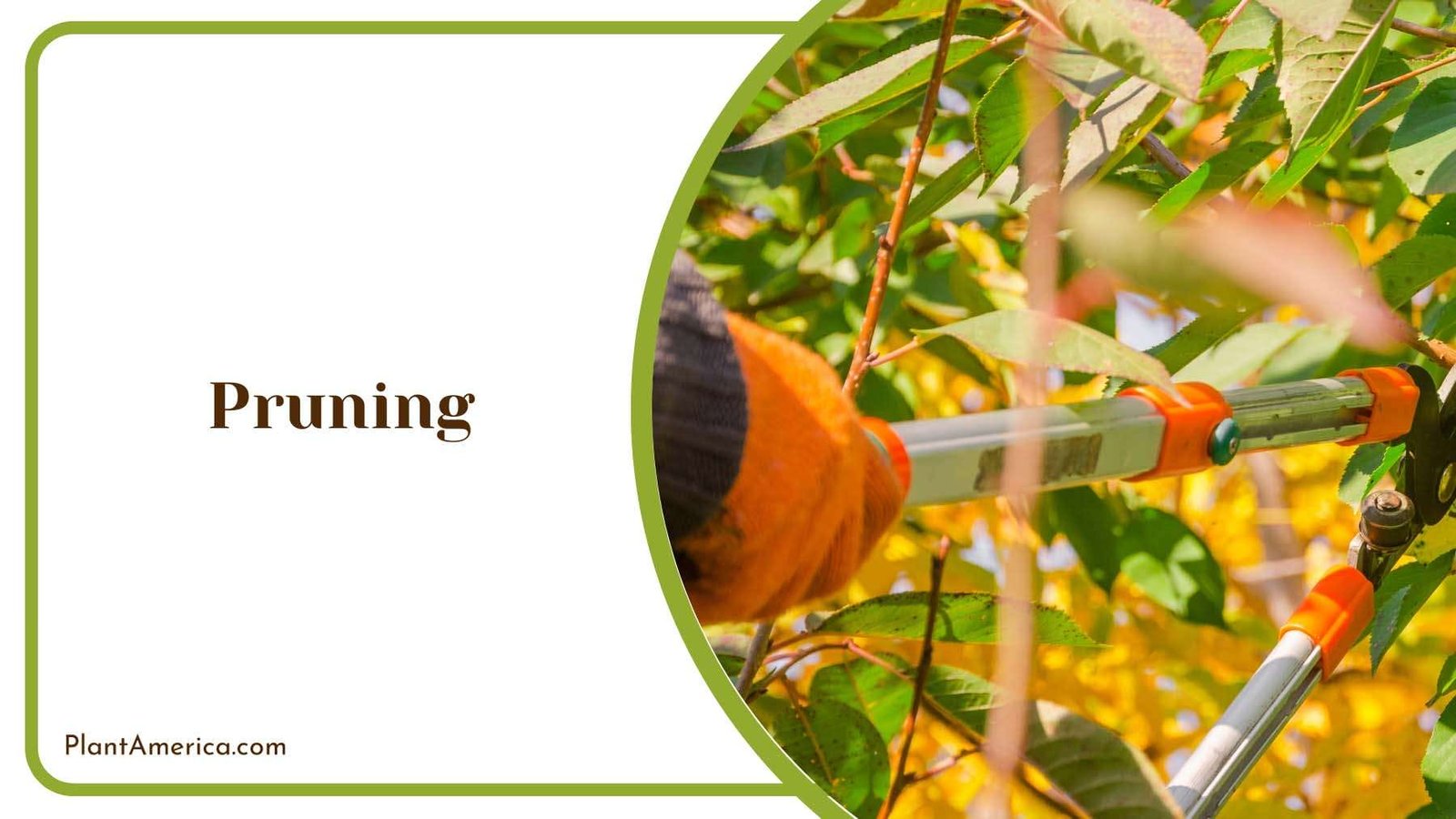
With the use of clean and sharp pruning shears, you can easily remove all the affected areas of your ferns. Make sure to cut properly all the areas of infestation to prevent the mealybugs from spreading further. Also, you need to collect and dispose of all the pruned parts of your ferns properly to prevent mealybugs from attacking the remaining plants.
Now that pruning is done, you need to do some monitoring to make sure that all mealybugs are gone. If an infestation happens again, repeat the pruning process, or try another method to stop the mealybugs from spreading.
– Manual Removal of Mealybugs
Removing mealybugs manually is a commonly used method that has been employed effectively throughout the years. All you need to do is to provide a mixture of dish soap and water or rubbing alcohol. You can use a cotton bud soaked in alcohol or a mixture of dish soap and water. Examine your plant, check for any signs of infestation, and identify the location of the mealybugs.
After doing this, it’s time to get rid of the mealybugs by using a cotton swab; carefully brush off the mealybugs, and remove all of them by checking all sides of the leaves. Then, dispose of the diseased parts completely. To get rid of the mealybugs, use a piece of clothing or tissue paper to remove the dead pests.
Make sure that they are properly disposed of so they don’t start infesting other plants. Consistently pay attention to your plants to see if there are new infestations. You need to perform the same process until the mealybugs are fully gone.
– Wash Away the Mealybugs
You can get rid of mealy bugs by washing them away using a high-pressure hose. Once you locate the infected areas, spray your plants and wash off all the mealybugs. Spray everywhere that mealybugs might hide. Do this process repeatedly until the mealybugs are all gone.
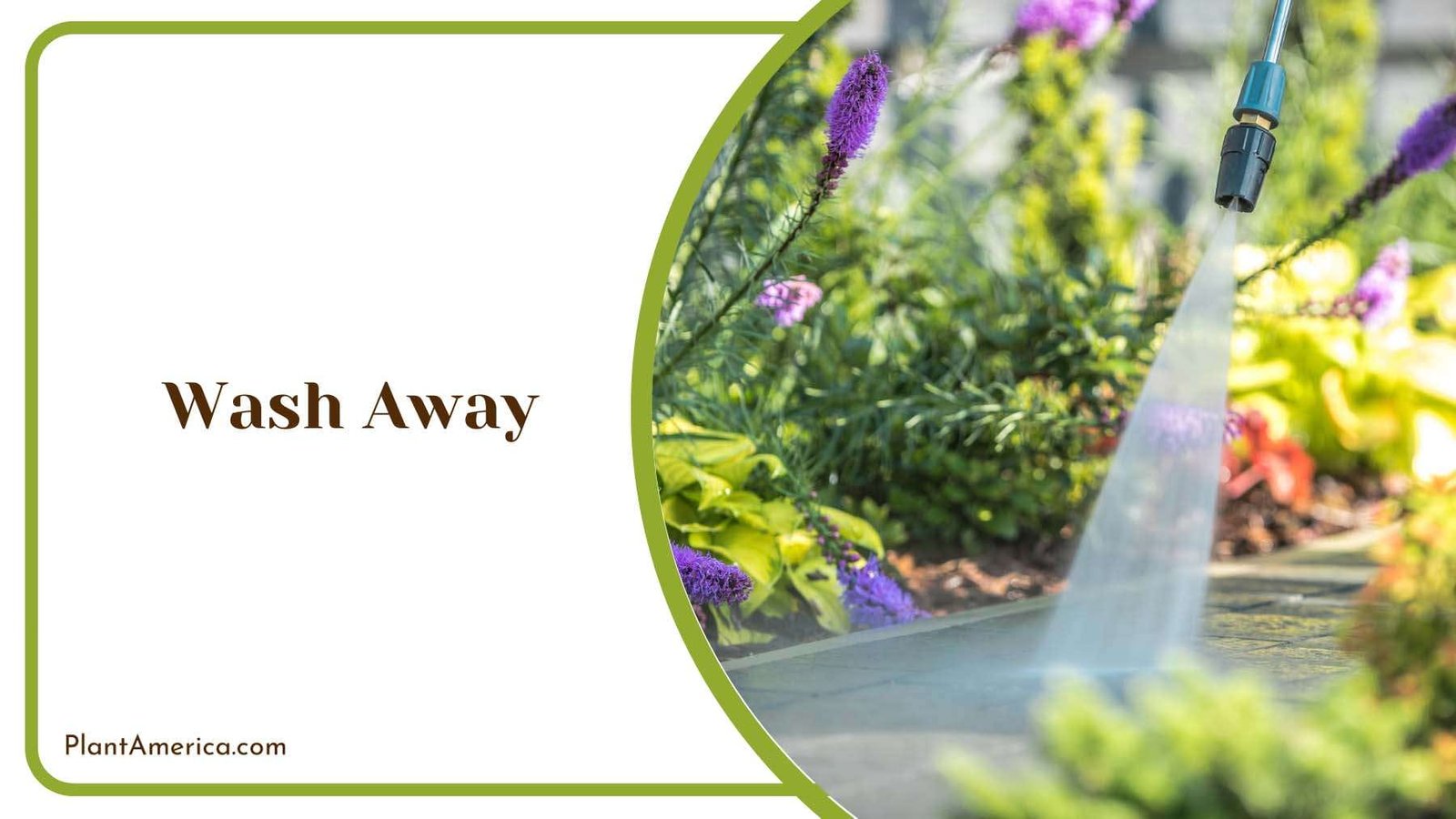
If the infestation is severe, you can do this process often, such as every few days. However, be mindful that this method can also wash away other insects that are helpful to other plants so you need to be extra careful while doing this.
Among other methods, washing away the mealybugs is very simple and easy. It is inexpensive, and it is the safest process to save your plants. However, if your ferns are experiencing severe infestations, this method does not provide a 100 percent guarantee that the infestation will be treated.
Conclusion
Isn’t it easy to get rid of mealybugs? Let’s do a recap of everything we covered so far:
- Mealybugs can infect your ferns and cause light to severe damage.
- It is important that your ferns are properly taken care of so that they have a strong defense against pests like mealybugs.
- You can use natural and artificial ways to control mealybugs.
- A lot of extra time for plant monitoring and providing the support that your lovely fern needs.
- Pruning is only applicable to ferns that are severely infected by mealybugs.

Now that you know the best ways to get rid of mealybugs on houseplants, expect healthy and lovely fern plants that are free from pests!