
How to transplant Lenten Roses is a rewarding experience for any gardening enthusiast. Whether you’re a seasoned gardener or just starting out, we’ve made the steps as simple as possible without sacrificing details and information!
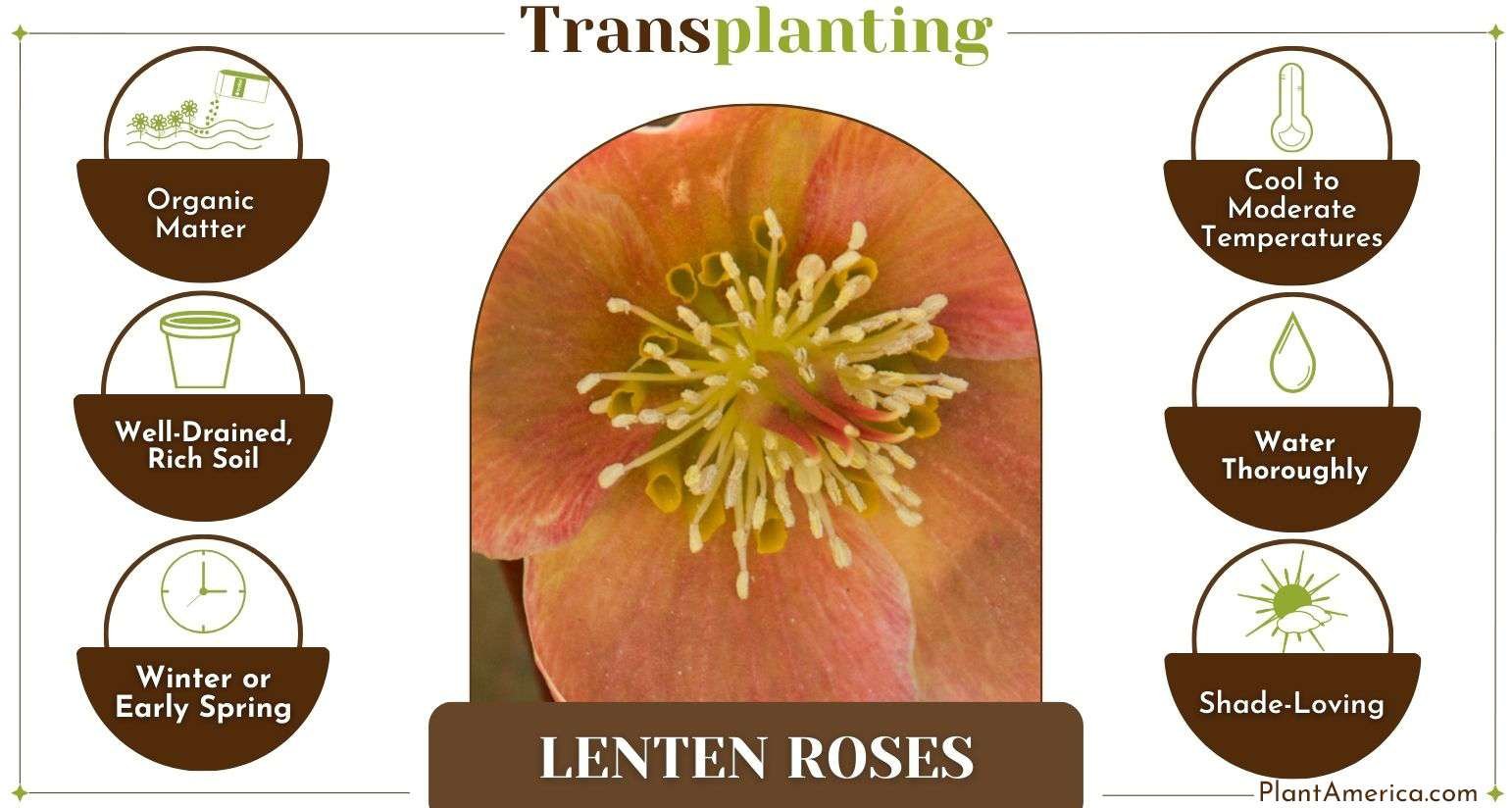
Factors to Consider for Transplantation of Lenten Roses
Transplanting these roses can be a rewarding process when done correctly. Let’s look at each factor.
– Best Time to Transplant
Hellebores are best transplanted during the early spring or late autumn when the weather is cool and the plant is either dormant or experiencing minimal active growth. Avoid transplanting during the hot summer months when the plant is more stressed.

– Soil and Fertilization
Ensure the transplant location has well-draining soil rich in organic matter. Hellebores thrive in slightly acidic to neutral soil. Incorporate compost into the planting hole to enhance soil fertility.
– Watering (Before and After Transplanting)
Before transplanting, water the hellebore thoroughly a day or two in advance to hydrate the root ball. After transplanting, keep the soil consistently moist but not waterlogged.
– Temperature Requirements
Hellebores prefer cool to moderate temperatures. Protect the plant from extreme heat by providing afternoon shade, especially in warmer climates.
– Proper Pot (Potting Medium) or Ideal Spot
Select a new planting location with the same or similar growing conditions as the original spot. The ideal spot provides dappled or filtered sunlight, as hellebores thrive in partial to full shade.
– Light Requirements
Hellebores are shade-loving plants. Too much direct sunlight can scorch the leaves and stress the plant. Look for a spot that receives morning sun or filtered light.

How to Transplant a Lenten Rose in Your Garden
To transplant a Lenten Rose in your garden, also known as Helleborus orientalis, start by picking the right time, using the right tools, and preparing the new location. Next, all you need to do is pre-water the plant, dig it up, trim and inspect the roots before transplanting it.
1. Gather Your Tools
To transplant a Hellebore effectively, you’ll need the right tools. To begin, make sure you have a reliable spade or garden fork on hand. These tools must be sharp to protect the plant’s roots. They are crucial for carefully digging around the Hellebore’s root system without causing any unnecessary harm.
Now, you’ll also need a pair of high-quality pruning shears. These will come in handy for trimming damaged roots or removing old foliage. This allows the plant to establish itself in its new location, promoting healthier growth. Don’t forget to keep a bucket or tarp nearby while you work.
All these items serve a dual purpose. Not only do they help collect debris, but they also maintain a tidy and organized workspace. Lastly, it’s important to prepare the new planting hole ahead of time. This careful planning ensures that the Lenten Rose can be transplanted smoothly, reducing any stress on the plant.
2. Prepare the New Location
Start by choosing an appropriate spot in your garden or landscape that provides the right conditions. Hellebores thrive in partial to full shade, which makes them excellent choices for shaded woodland gardens or under the dappled sunlight of larger trees.
Make sure your soil drains well because these plants don’t like sitting in waterlogged ground. When you’re putting in your Hellebore, start by digging a hole that’s a bit bigger and deeper than the root ball. This gives those roots some space to stretch out and get comfortable in their new spot.
If you’re planting more than one Hellebore, space them out about 18 to 24 inches apart. This way, they can grow and fill the space while also getting enough air around them to avoid fungal diseases. You want the soil in that hole to be really high-quality, so mix in some organic materials like compost or well-rotted leaf mold.
This isn’t just about giving them nutrients. It also helps with drainage. Before you put your Hellebore in the ground, make sure the area is clean and free of weeds or any junk that might get in their way. A neat and tidy spot sets the stage for a smooth move.
And when you’re planning your garden layout, remember to give your plants some space. Don’t squeeze them in too close together as they need room to breathe. Good airflow is important to keep those fungal diseases away and keep your plants happy and healthy.
3. Water the Lenten Rose
Before you start transplanting, make sure you give the Hellebore’s soil a good soak. This means giving it a deep watering a day or two before the transplant. This moisture helps the plant prepare for the move and prevents the root ball from falling apart during the process.

Remember, you don’t want to overwater, which can make the soil too wet, but you also don’t want the plant to be parched. Finding that balance is key. Giving careful attention to watering will greatly improve the chances of your transplant being successful. It ensures the Hellebore is ready for its new home and reduces any Hellebore transplant shock from the move.
4. Dig Up the Lenten Rose
When transplanting your Hellebores, here’s what you need to do. First, grab your spade or garden fork. Be gentle as you start circling the plant. Keep a safe distance from the base to protect those delicate roots. Make sure your circle is neat.
Why? Because Hellebores have roots all tangled up, and we don’t want to mess them up. As you dig, try to keep the soil around the plant loose. This makes it easier to lift the whole thing out later.
When you’re ready to lift, grab the plant by its base, not the stem or leaves. This is super important. It keeps the plant healthy and helps it survive the move. Just remember these three things: dig a circle, be gentle, and hold the base.
5. Trim and Inspect the Roots
Once you’ve carefully lifted the plant from its original location, take a moment to examine the root system. Healthy Hellebore roots should be white or light tan and feel firm when touched. But sometimes, you might come across damaged or dead parts.
To deal with these, grab a pair of sharp pruning shears. Use them to carefully cut off any roots that appear diseased, discolored, or excessively long. This isn’t just about keeping the plant in good shape but also about helping it grow new, strong roots when you transplant it.
6. Place in the New Hole
When you’re ready to place your Hellebore into its new hole, make sure it matches the depth of its previous spot. This is vital for the plant’s well-being. Incorrect placement, whether too deep or too shallow, can bring about problems.
Planting it too deep may hinder new growth and expose it to rot. On the other hand, planting it too high might dry out the roots and destabilize the plant. Carefully position the Hellebore so that the top of the root ball lines up with the surrounding soil level.
Once you’ve got the right depth, use the soil you removed earlier to fill the hole. As you do this, gently pat it down to eliminate any air pockets. This step offers a sturdy base for your Hellebore to thrive and flourish in its new location.
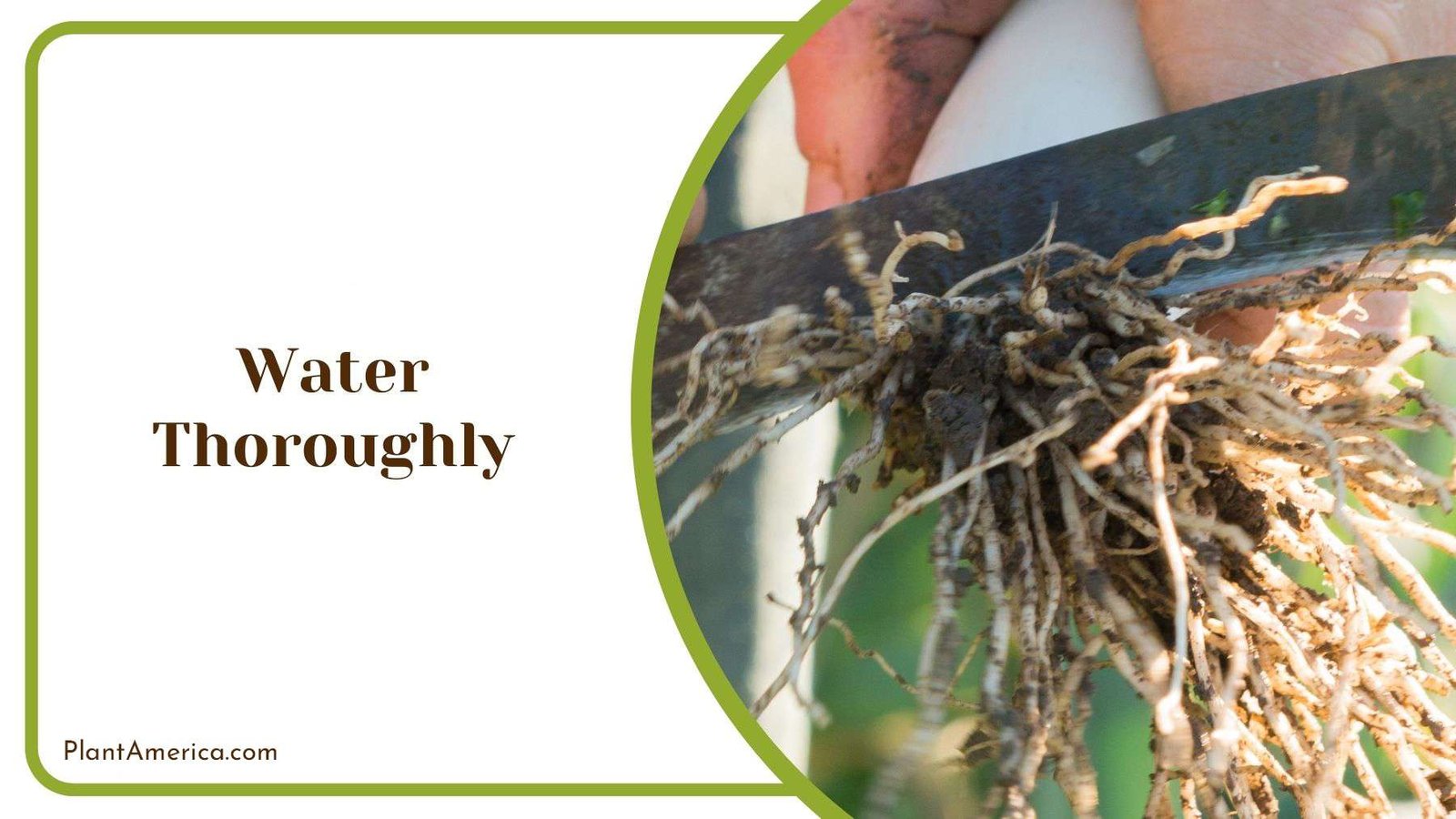
7. Water Thoroughly
This step is crucial when transplanting hellebores. Why? First, it helps settle the soil around the root ball, getting rid of air pockets that can slow down root growth. Second, it ensures the plant gets the water it needs to thrive in its new spot. Giving enough water also reduces stress on the plant, which is vital for its recovery after transplanting.
8. Apply Mulch
Now that your Hellebore has found its new spot and you’ve given it a good drink, let’s talk about mulching, which is important in its overall care. But first off, why is mulch important? Well, it serves several key purposes.
To begin, it helps maintain the soil’s moisture levels. This is especially vital during the initial settling period of your Hellebore. These plants thrive on consistent moisture, and mulch prevents the soil from drying out too rapidly.
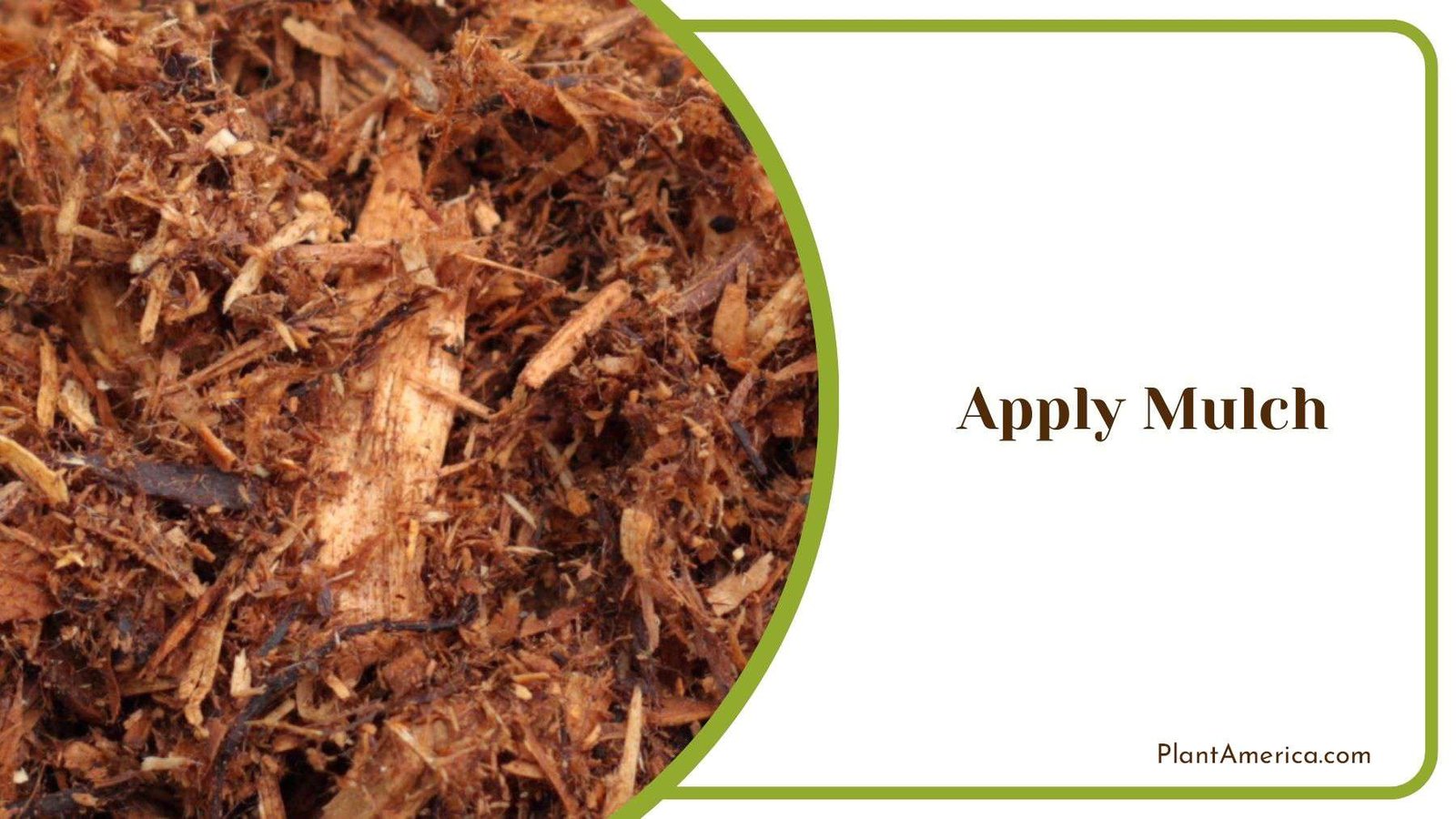
Secondly, mulch acts as a natural barrier against weeds. It cuts down on the competition for nutrients, allowing your freshly transplanted Hellebore to grow without any pesky weed interference. Lastly, mulch aids in regulating soil temperature. It keeps the soil cooler during hot spells and warmer when it’s cold, which is perfect for Hellebores, known for their preference for shade.
Now, when you’re applying mulch, aim for a layer that’s roughly two to three inches thick. However, here’s a vital tip: make sure it doesn’t come into contact with the stem or leaves of your Hellebore. This can lead to problems like rot.
One more thing to remember: periodically check your mulch. If it starts thinning out, add more to maintain that ideal thickness and keep it effectively doing its job. Your Hellebore will appreciate it.
9. Monitor and Maintain
It’s really important to keep a close eye on your Hellebores during their first growing season. Look out for any signs of stress, like leaves wilting or turning yellow, and deal with them as soon as you spot them.
Make sure you water them enough, especially when it’s dry outside, as these plants really like a consistent supply of moisture. Putting some organic mulch around the base of the plant is a smart move because it keeps the soil moist and keeps those pesky weeds at bay.
Oh, and don’t forget to check your plants for bugs like aphids and slugs as they can sometimes be a problem. It’s best to deal with them early on to avoid any damage. All in all, keeping a vigilant and attentive eye on your transplanted Hellebores will help them thrive in your garden for years to come.
FAQs
How Can Hellebores Be Properly Propagated?
Yes, Hellebores can be properly propagated. One common approach is dividing established clumps in late winter or early spring when the plants are still dormant. Gently separate the clump into smaller sections, each containing roots and foliage, and replant them in well-prepared, shaded areas.
Alternatively, you can collect Hellebore seeds when they ripen in late spring or early summer and sow them in containers or directly in the garden. Keep the soil consistently moist during the germination process, and you’ll soon have new Hellebore plants ready to grow.
How Long Does It Take for Transplanted Hellebores to Bloom?
It may take a year or more for transplanted Hellebores to bloom after the transplant, depending on the health of the plant and the conditions provided. Be patient, as they often need time to establish their root system before producing flowers.
Conclusion
Transplanting Hellebores is easier now that you know how, wouldn’t you agree? Let’s go over some important notes before we wrap this up!
- Transplant Hellebores in late winter or early spring for the best results.
- Hellebores thrive in partial to full shade with well-drained, rich soil.
- It may take a year or more for transplanted Hellebores to bloom.
- Large, established Hellebores can be divided during transplantation.
- Keep an eye out for aphids, and slugs while maintaining good air circulation to prevent fungal issues.
When it comes to transplanting Hellebore plants, use this guide to help you do the activity successfully!