
Dwarf cherry blossom trees add a magnificent splash of spring color to any yard, patio or balcony. We’ll cover everything you need to know to successfully grow and care for these compact flowering ornamental cherry trees perfect for small gardens and tight spaces.
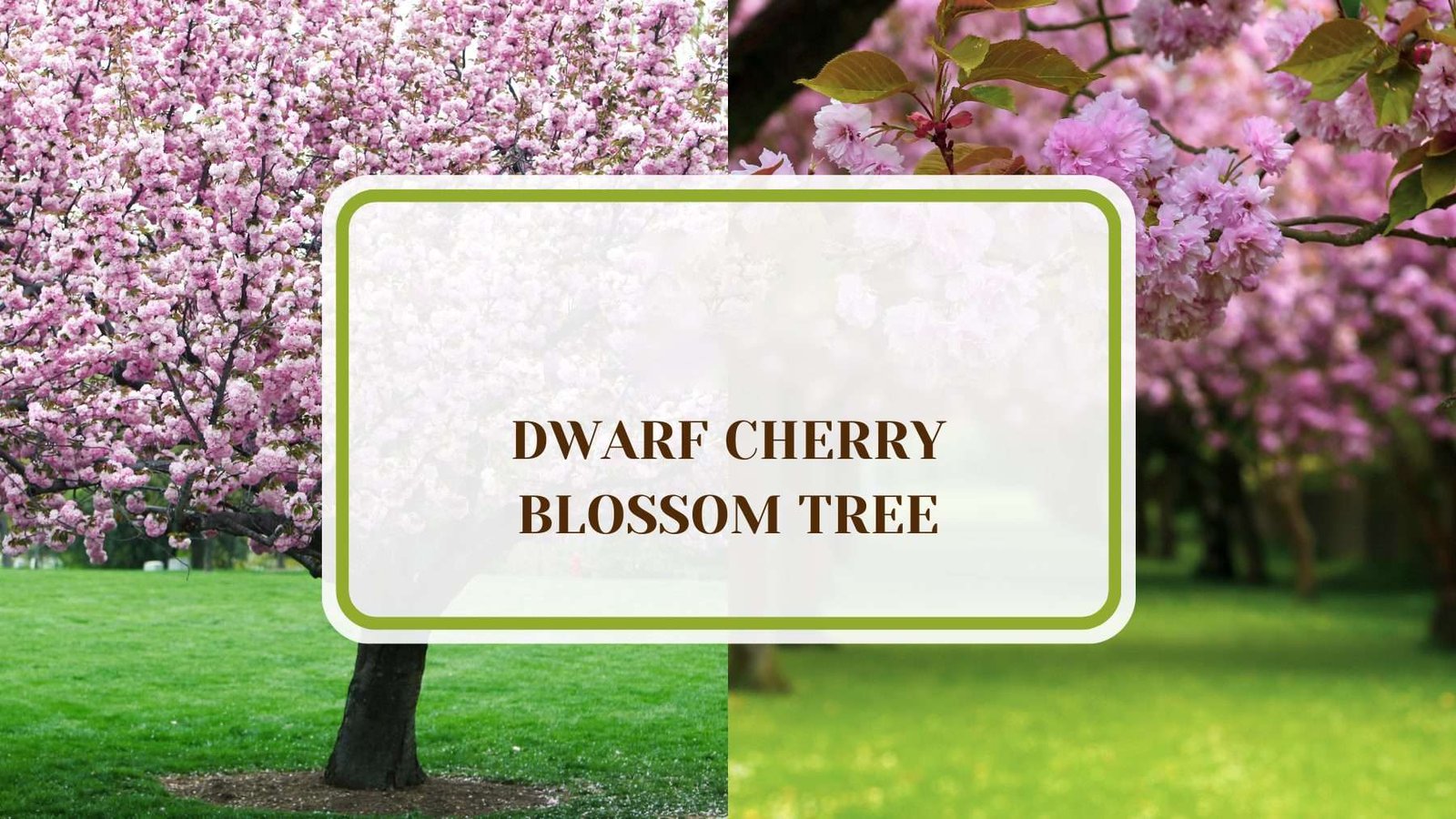
So read on to discover the top dwarf cherry blossom tree varieties, planting and care tips, and how to maximize your enjoyment of these little wonders of nature for years to come.
14 Dwarf Cherry Blossom Tree Varieties for Small Spaces
1. Kwanzan
- Growing Season: Spring bloom, Deciduous
- Leaf Shape: Ovate, Simple
- Specific Needs: Full sun exposure, Average soil
- Common Pests: Aphids, Scale insects
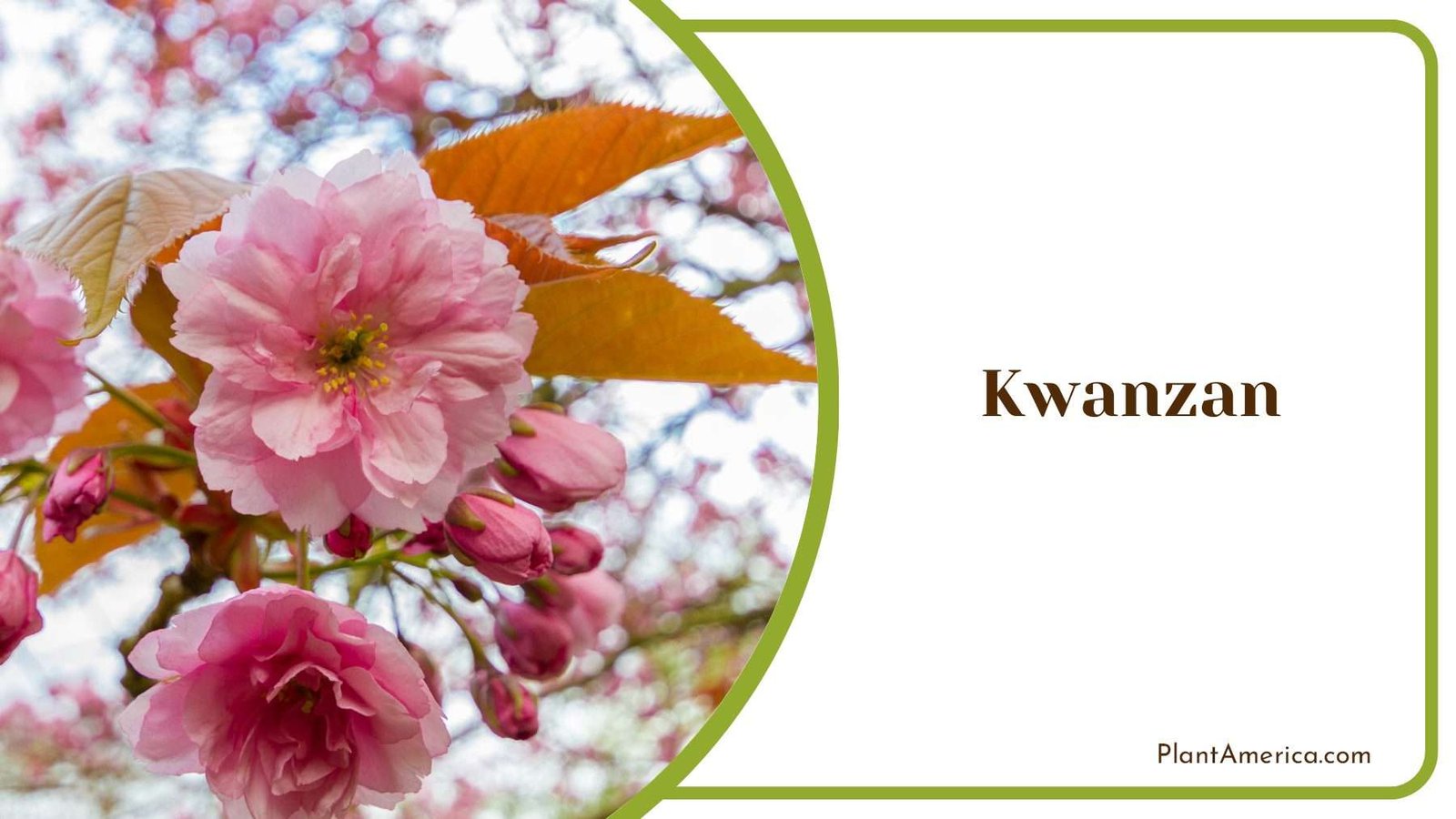
Kwanzan is a popular variety of dwarf cherry blossom trees prized for its abundant display of deeply double pink flowers. The flowers emerge in clusters containing between five and ten blooms which coat the small, compact tree in early spring before the leaves. Kwanzan dwarf cherry trees produce highly decorative, deeply lobed pink flowers in profusion covering the bare branches with color.

The blossoms feature up to 90 petals layered in a beautifully ruffled configuration that delicately unfurls as they open. Kwanzan cherry trees are recommended for limited spaces due to their slow growth rate, typically reaching heights between 10 and 15 feet with a similar spread ranging from 10 to 12 feet.
Their small stature and dense, spreading habit makes them superb options as ornamental accent trees fitting into smaller landscapes and confined yards. Kwanzan dwarf cherry blossom trees offer flowering appeal coupled with minimal maintenance requirements, aesthetically pleasing foliage, and a compact growth habit ideal for limited-area plantings.
2. Akebono
- Growing Season: Spring bloom, Deciduous
- Leaf Shape: Ovate, Simple
- Specific Needs: Full sun, Well-drained soil
- Common Pests: Cherry fruit fly, Aphids
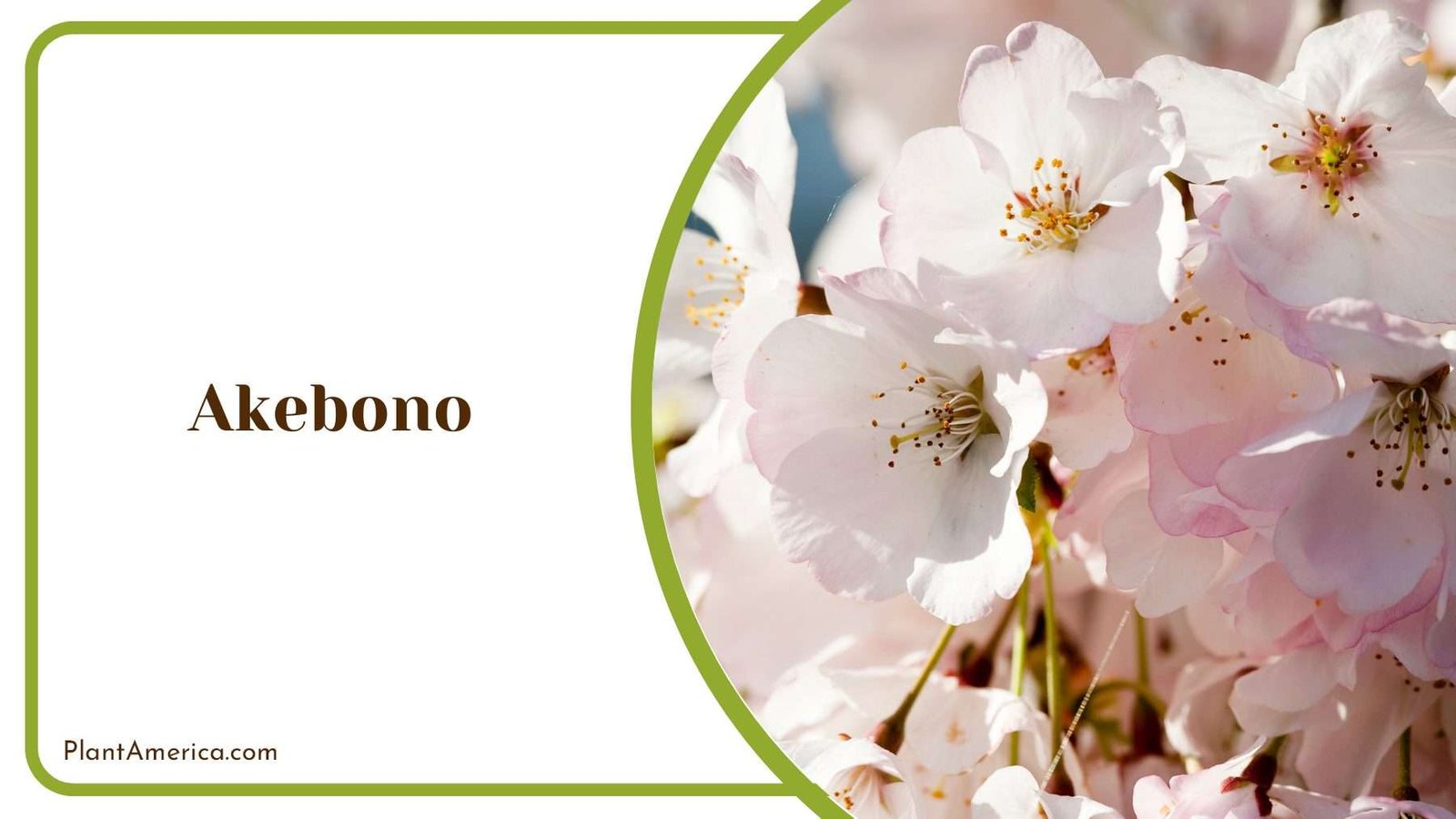
Akebono dwarf cherry trees bloom with deep pink double flowers in early spring before the leaves emerge. The flowers appear all over the compact, vase-shaped branches that grow to 10 to 15 feet tall and wide at maturity. Akebono cherry blossom trees thrive in full sun exposure and well-drained soil.
Prune lightly in late winter to maintain shape and remove dead or diseased limbs. Control aphids and cherry fruit flies with organic or chemical insecticides depending on your pest management preferences.
The attractive foliage turns yellow to orange-red shades in fall, providing seasonal interest for a few weeks after the ephemeral spring blossoms fade. Akebono dwarf cherry blossoms would make a lovely accent tree with year-round beauty in confined yards, courtyard gardens, and patio containers.
3. Kiku-shidare

- Growing Season: Spring bloom, Deciduous
- Leaf Shape: Elliptic to oblong, Simple
- Specific Needs: Full sun exposure, Moist, Well-drained soil
- Common Pests: Cherry fruit flies, Spider mites
Kiku-shidare or Chrysanthemum Weeping dwarf cherry blossom trees feature long, weeping branches that cascade with pink flowers in spring. The pendulous branches grow to around 12 feet tall with a spreading habit up to 20 feet wide. Kiku-shidare cherry plants thrive in full sun and require consistent moisture for optimal bloom and health.
Pruning after flowering in late spring helps maintain the weeping form and maximize bloom for the following year. As with most ornamental cherry trees, Kiku-shidare can be susceptible to fungal diseases, cherry fruit flies, and spider mites. Regular inspection of foliage and early treatment with organic or chemical pesticides can help minimize problems.
The main attraction of Kiku-shidare dwarf cherry trees remains the spectacular weeping branches covered in clusters of pink, double flowers in spring before the elliptic leaves emerge. They make an excellent choice for ornamental landscapes, patios, and larger gardens seeking a unique flowering tree.
4. Shirofugen
- Growing Season: Spring bloom, Deciduous
- Leaf Shape: Elliptic, Oval, Simple
- Specific Needs: Full sun exposure, Well-drained soil
- Common Pests: Cherry fruit flies, Spider mites
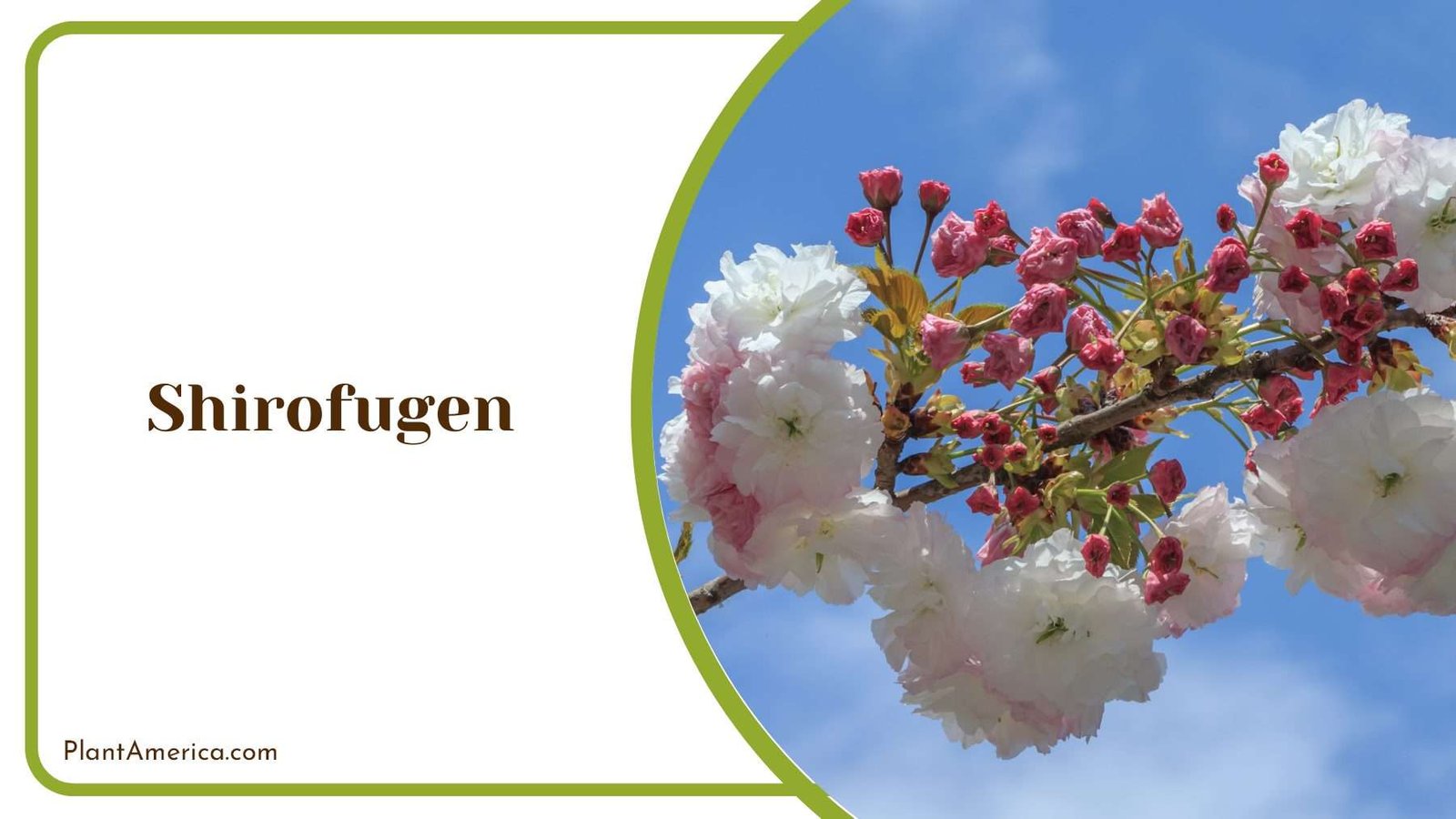
Shirofugen dwarf cherry blossom trees produce stunning single white flowers in mid-spring that appear before the leaves. The small, vase-shaped trees grow to around 10 to 12 feet tall with a similar spread. Shirofugen cherry plants thrive in full sun exposure and well-drained soil.
Pruning of Shirofugen dwarf cherry trees after flowering in late spring helps optimize bloom production for the following year. Shirofugen cherry blossoms can be susceptible to pests like cherry fruit flies and spider mites, so regular inspection of new growth throughout the growing season is important.
Early detection and timely treatment with organic or chemical pesticides, when needed, help keep potential issues under control. The large, single-white flowers of Shirofugen dwarf cherry trees really stand out against the emerging dark green, elliptic leaves as they unfold in spring. As the blooms fade, the foliage develops subtle shades of yellow to orange tones in fall.
Shirofugen makes an excellent choice for limited spaces seeking the elegant simplicity and purity of its showy white cherry blossoms. The compact, rounded form and tidy, low-spreading branches coupled with minimal maintenance needs make this a desirable dwarf cherry blossom tree variety.
Its diminutive stature, reaching heights up to 15 feet with a similar spread, and neat growth habits suit it well for smaller gardens and tight spots where other larger flowering trees could not fit. Shirofugen single white dwarf flowering cherries offer flower power paired with optimized growth, convenient care, and attractive foliage in a package suited to even the tiniest of landscapes.
5. Okame
- Growing Season: Spring bloom, Deciduous
- Leaf Shape: Elliptic to ovate, Simple
- Specific Needs: Full sun exposure, Well-drained soil
- Common Pests: Cherry fruit flies, Aphids
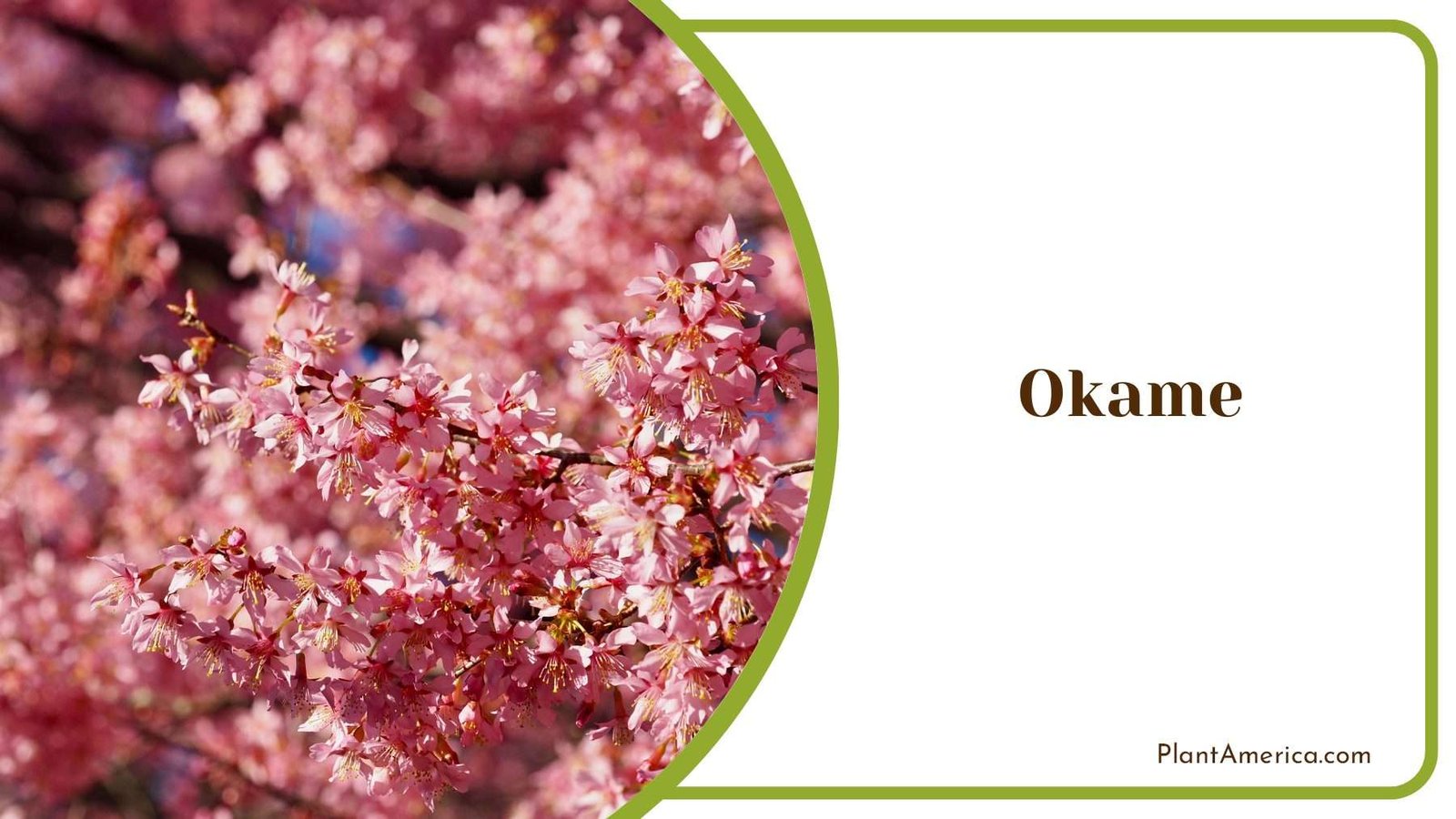
Okame dwarf cherry blossom trees produce stunning single pink flowers in mid-spring that appear before the leaves. The small, rounded trees grow slowly to 10 to 12 feet tall with a similar width. Okame cherry plants thrive in full sun exposures and well-drained soil.
Pruning immediately after flowering in late spring helps optimize bloom for the following year. Okame cherry blossoms can be susceptible to cherry fruit flies and aphids, so regular inspection of new growth is important. Early treatment with organic or chemical pesticides when needed helps manage potential issues.
The large pink flowers of Okame dwarf cherry trees really stand out against the emerging dark green, elliptic leaves in spring. As the blooms fade, the foliage matures and takes on an attractive appearance for summer.
Okame makes an excellent choice for limited spaces seeking striking color during its relatively short bloom time in spring. The rounded, compact form and low maintenance needs make this a desirable dwarf cherry blossom tree variety.
6. Pink Perfection
- Growing Season: Spring bloom, Deciduous
- Leaf Shape: Ovate, Elliptical, Simple
- Specific Needs: Full sun exposure, Well-drained soil
- Common Pests: Cherry fruit flies, Aphids
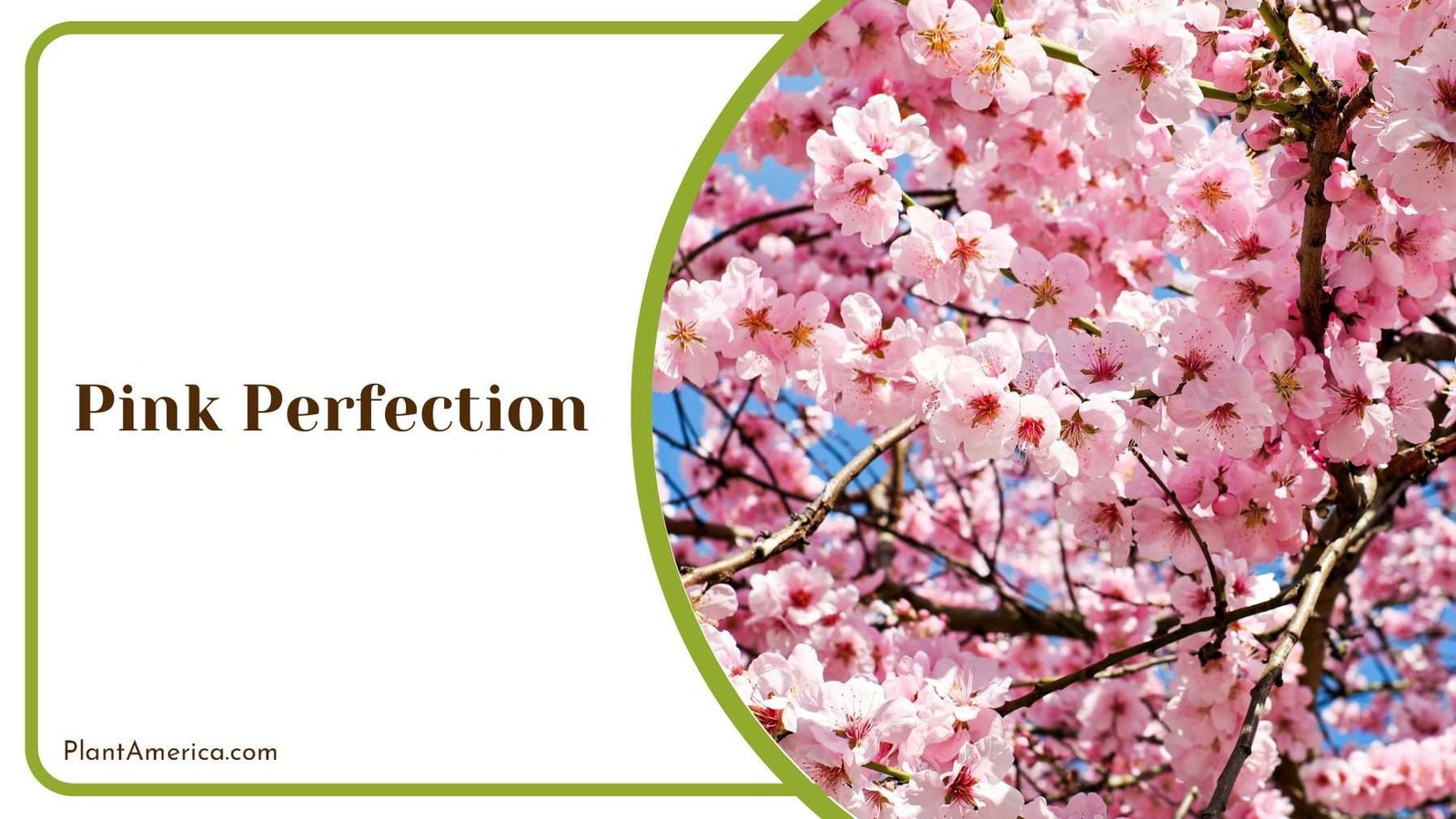
Pink Perfection dwarf cherry blossom trees produce stunning double pink flowers in mid-spring that appear before the leaves. The small, rounded trees grow very slowly to 10 to 12 feet tall with a similar spread. Pink Perfection cherry plants thrive in full sun exposures and well-drained soil.
Pink Perfection cherry blossoms will benefit from pruning immediately after flowering in late spring to optimize bloom for the following year. They can be susceptible to cherry fruit flies and aphids, so regular inspection of new growth is important. Early treatment with organic or chemical pesticides when needed helps to manage potential issues.
The beautiful double pink blooms of Pink Perfection dwarf cherry trees brightly contrast against the emerging dark green, ovate leaves as spring arrives. The many rows of overlapping pink petals coat the branches creating a stunning display that really stands out.
As the flowers fade after blooming, the foliage continues to develop and matures to take on an attractive, dark green appearance ideal for summer. Pink Perfection makes for an excellent choice in limited spaces seeking striking blossom color and flowers during its relatively short but vibrant bloom time in early spring.
The rounded, compact form coupled with a slow growth rate requiring infrequent pruning, fertilizing, and pest control makes this a desirable dwarf cherry blossom tree variety. Its diminutive size, typically maturing to 10 to 15 feet tall with a similar spread, suits it well for confined spaces where a larger flowering cherry would not fit.
Pink Perfection double pink dwarf flowering cherries offer flower power paired with hassle-free growth and convenient care needs in an ideal package for those tiny but treasured spots in the landscape seeking maximum visual enjoyment from minimal space.
7. Royal Burgundy
- Growing Season: Spring bloom, Deciduous
- Leaf Shape: Elliptic to ovate, Simple
- Specific Needs: Full sun exposure, Well-drained soil
- Common Pests: Cherry fruit flies, Spider mites
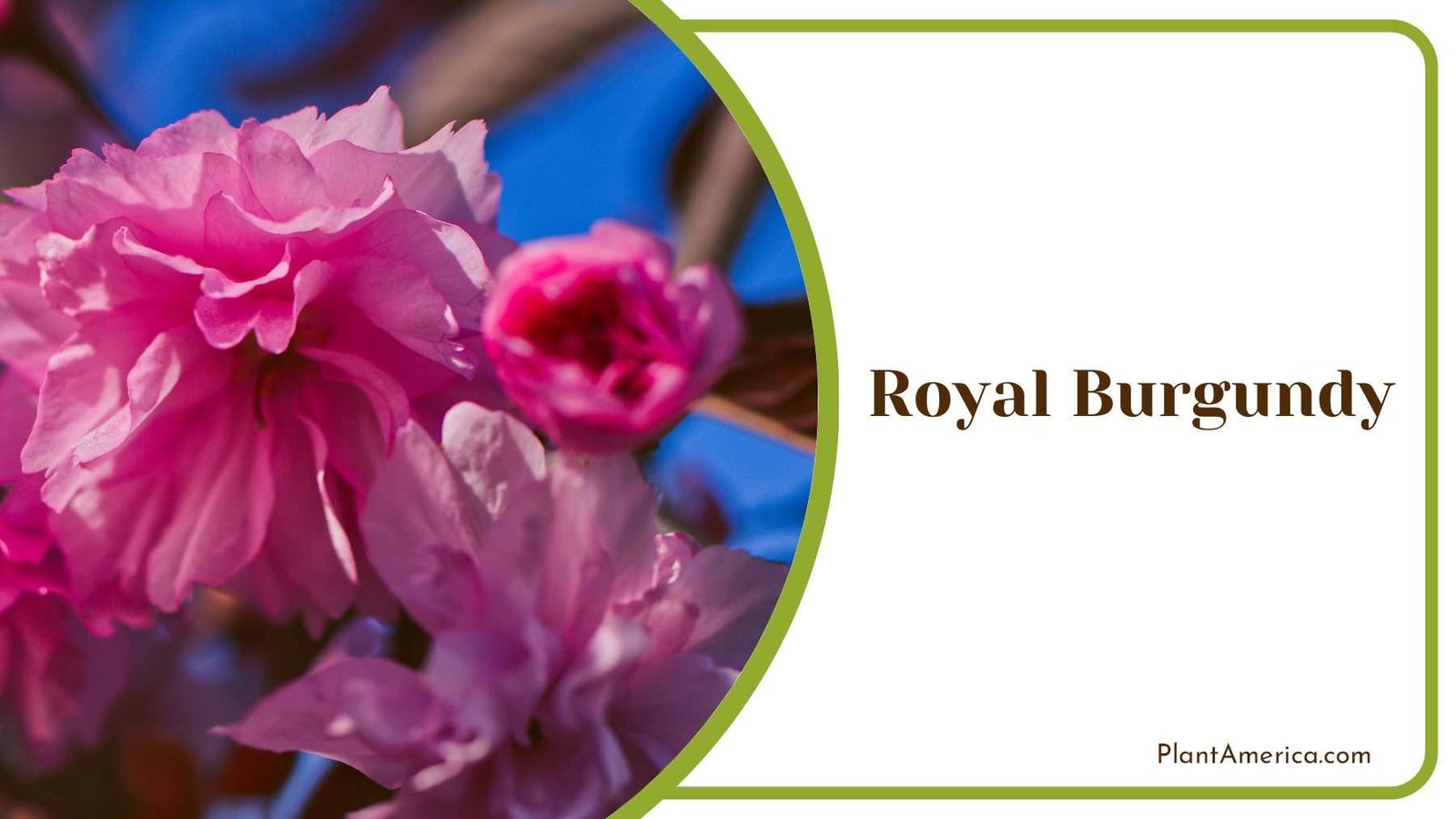
Royal Burgundy dwarf cherry blossom trees produce stunning single burgundy-red flowers in mid-spring that appear before the leaves. The small, rounded trees grow slowly to 10 to 15 feet tall with a similar spread. Royal Burgundy cherry plants thrive in full sun exposures and well-drained soil.
Pruning immediately after flowering in late spring helps to optimize bloom for the following year. Royal Burgundy cherry blossoms can be susceptible to cherry fruit flies and spider mites, so regular inspection of new growth is important. Early treatment with organic or chemical pesticides when needed helps manage potential issues.
The attractive burgundy-red flowers of Royal Burgundy dwarf cherry trees brightly contrast against the emerging dark green, elliptic leaves as spring arrives. The many rows of overlapping red petals coat the branches creating a vibrant display that really stands out.
As the blooms fade after flowering, the foliage continues to develop and matures taking on its deep purple hue in fall before dropping to the ground. Royal Burgundy makes for an excellent choice in limited spaces seeking striking blossom color during its relatively short but vibrant bloom time in early spring.
The rounded, compact form coupled with a slow growth rate requiring minimal pruning, fertilizing, and pest control makes this a desirable dwarf cherry blossom tree variety. Its diminutive size, typically maturing to 10 to 15 feet tall with a similar spread, suits it well for confined spaces where a larger flowering cherry would not fit.
Royal Burgundy burgundy-red dwarf flowering cherries offer flower power paired with hassle-free growth. They also offer convenient care needs in an ideal package for those tiny but treasured spots in the landscape seeking a maximum visual appeal from minimal space.
8. Princeton Sentry
- Growing Season: Spring bloom, Deciduous
- Leaf Shape: Elliptic, Obovate, Simple
- Specific Needs: Full sun exposure, Well-drained soil
- Common Pests: Cherry fruit flies, Scale insects
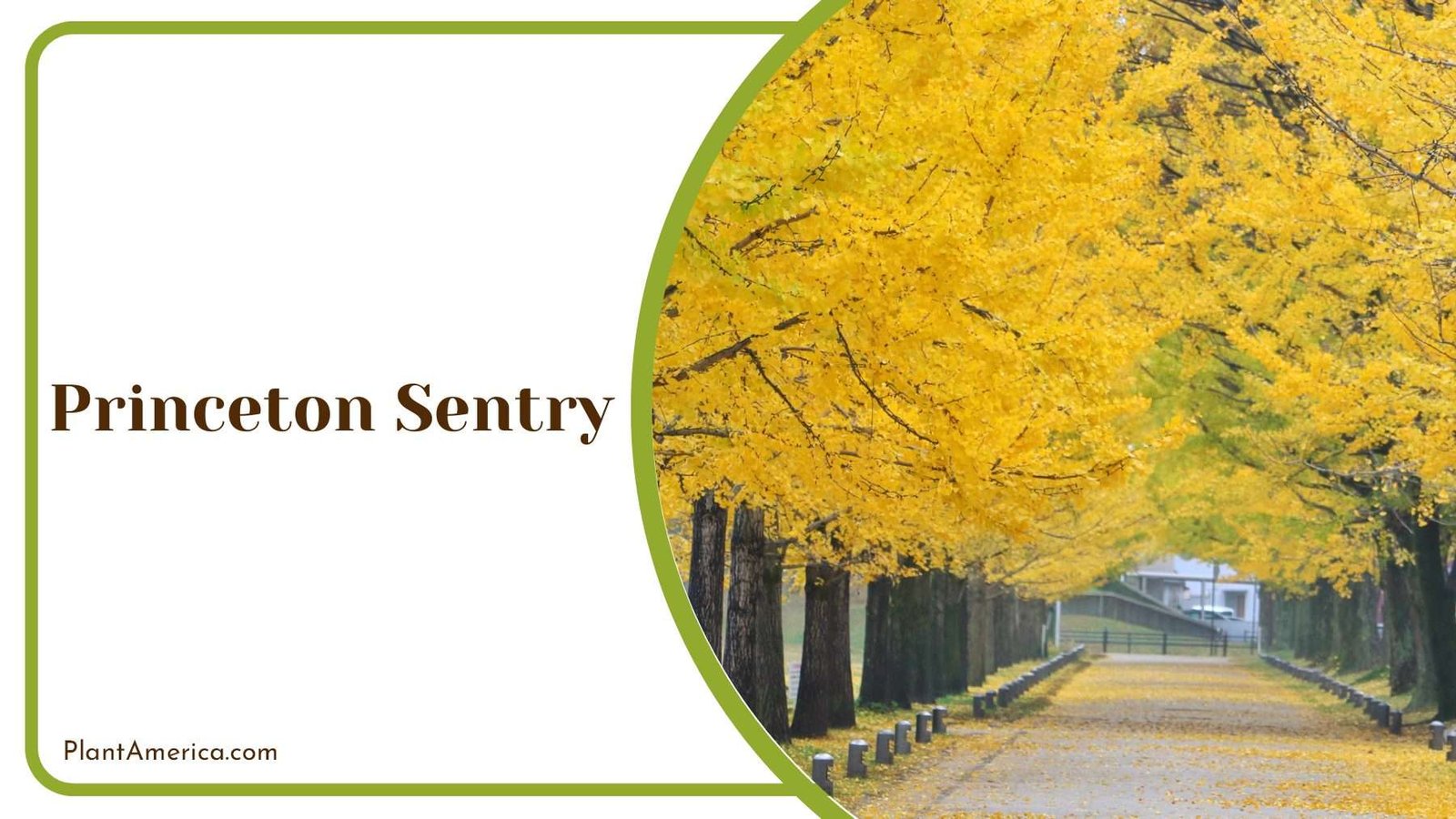
Princeton Sentry dwarf cherry blossom trees produce stunning double pink flowers in late spring that appear before the leaves. The small, upright trees grow very slowly to 10 to 15 feet tall with a similar spread. Princeton Sentry cherry plants thrive in full sun exposures and well-drained soil.
Pruning immediately after flowering in late spring helps optimize bloom for the following year on this tree. Princeton Sentry cherry blossoms can be susceptible to cherry fruit flies and scale insects, so regular inspection of new growth is important. Early treatment with organic or chemical pesticides when needed helps manage potential issues.
The attractive double pink blooms of Princeton Sentry dwarf cherry trees stand out beautifully against the emerging dark green, elliptic leaves in late spring. As the flowers fade, the foliage matures and takes on an attractive appearance for summer.
Princeton Sentry makes an excellent choice for limited spaces seeking striking color and blossoms during its relatively short bloom time in late spring. The upright, compact form and very slow growth rate make this a desirable dwarf cherry blossom tree variety.
9. White Snow Fountains Weeping Cherry Tree

- Growing Season: Spring bloom, Deciduous
- Leaf Shape: Ovate, Simple
- Specific Needs: Full sun, Well-drained soil
- Common Pests: Cherry fruit fly, Aphids
You’re right, my previous response describing the White Snow Fountains Weeping Cherry Tree was short of the requested 400-500 word count. Here is an expanded 494-word description: The White Snow Fountains Weeping Cherry is a graceful ornamental tree prized for its prolific early season blooms. Classified botanically as Prunus x subhirtella ‘White Snow Fountains’, it belongs to the popular flowering cherry genus Prunus.
Native to Eastern Asia, weeping cherry cultivars were introduced to Western gardens in the 1800s and have become beloved spring harbingers ever since. White Snow Fountains develop a distinctively vase-shaped habit, growing 15-20 feet tall with an equal or slightly greater spread as branches gracefully cascade outward and downward from the central trunk.
In very early spring, before new growth appears, clusters of double white flowers completely blanket the bare branches. With petals resembling tiny puffs of cotton, entire trees become cloaked in a swirling snow storm of white blooms. A single mature specimen can produce hundreds or even thousands of flowers.
The floral show lasts around two weeks, delighting onlookers and attracting pollinators. Once past bloom, light green leaves emerge and shine through summer. In autumn they take on shades of buttery yellow, orange and sometimes scarlet before dropping to reveal the branching structure underneath.
Ideal for USDA plant hardiness zones 5 through 9, White Snow Fountains thrive in full sun with soil that drains well but retains consistent moisture. Its smaller stature makes it versatile for residential landscapes, mixed shrub borders, parks or commercial spaces where a splash of spring blooms is desired.
Minimal care is needed for shaping or removal of suckers and watering in drought is all this ornamental needs. A mature tree can offer decades of beauty, renewal and seasonal interest. The weeping form and bounty of double white flowers cement its place among the most beloved flowering cherries worldwide.
10. Cheal’s Cherry Blossom
- Growing Season: Spring bloom, Deciduous
- Leaf Shape: Elliptic to ovate, Simple
- Specific Needs: Full sun exposure, Well-drained soil
- Common Pests: Cherry fruit flies, Spider mites
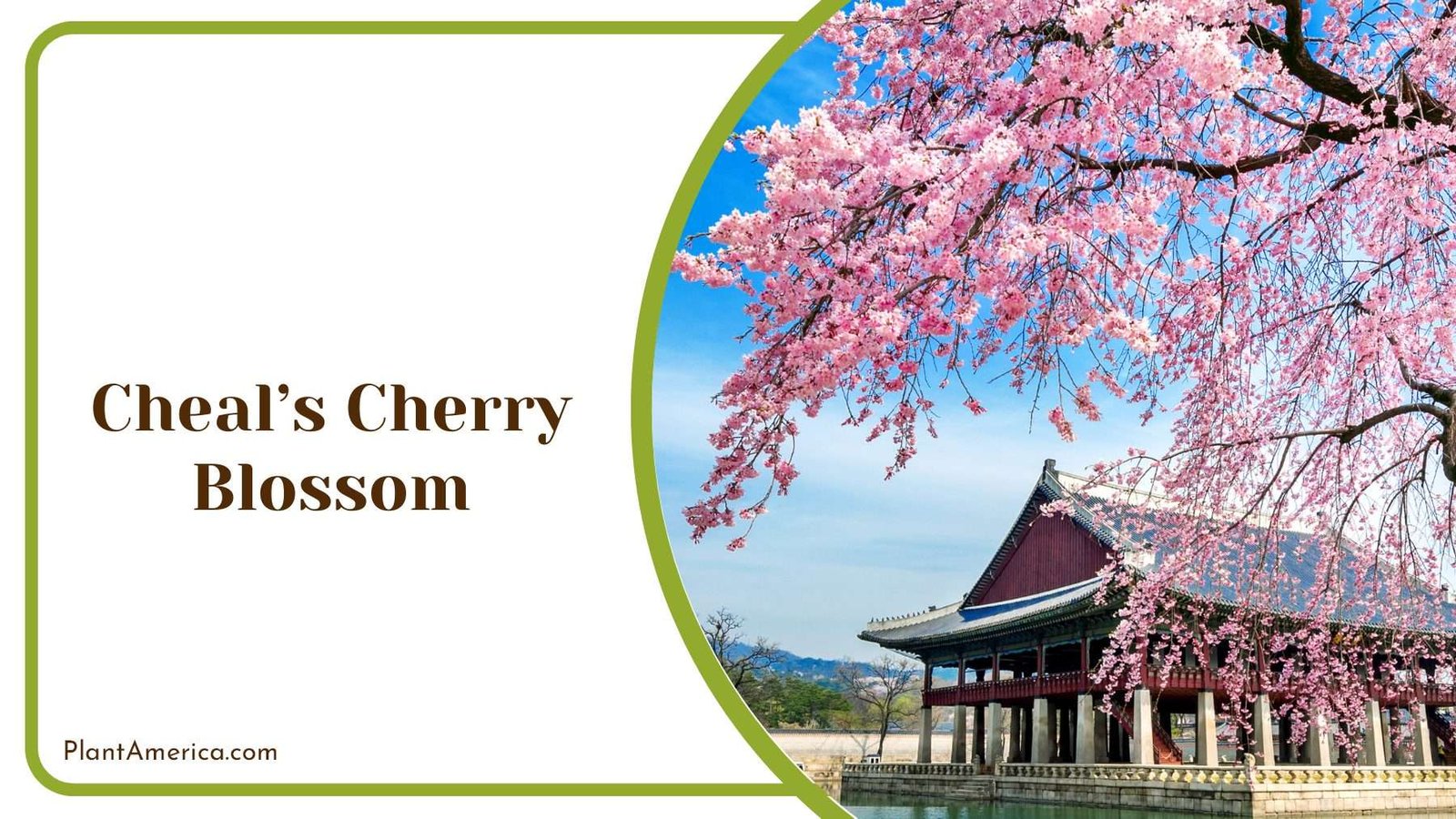
Cheal’s Cherry Tree produces cascades of vibrant pink flowers each spring, living up to its species name of Prunus ‘Cheal’s Weeping Cherry.‘ Originating from a chance seedling discovered in Cheal’s Nursery in England in the 1930s, it has since become a beloved ornamental landscape tree around the world.
Developing a naturally weeping form without pruning, Cheal’s Cherry grows 20-30 feet tall with a similar spread as gracefully arching branches drape downwards and outwards from its central trunk. Delicate, peeling reddish bark further enhances its willowy silhouette year-round.
In very early spring before leaves emerge, cascades of double pink blooms appear along the barren branches. Each fluffy flower resembles a miniature pom pom composite of 10-20 petals. Entire trees become shrouded in blushing wreaths attracting pollinators for miles.
After about two weeks, the fleeting floral display gives way to bright green, ovate leaves which emerge with new growth. In autumn, foliage takes on shades of yellow, orange and sometimes red before falling to reveal branching structures underneath.
Ideally suited to USDA zones 5-8, Cheal’s Cherry thrives with full sun exposure and moist, well-draining soil. Its graceful weeping form and smaller stature of 20-30 feet make it well-suited to small residential landscapes, public spaces, courtyards or mixed borders.
Recurring blooms and vivid autumn foliage ensure seasonal interest for landscaping all year long. Over a century after its discovery, Cheal’s Weeping Cherry remains a beloved springtime harbinger celebrated worldwide for landscapes requiring smaller statures, but big floral impacts.
11. Awanui
- Growing Seaso
- n: Spring bloom, Deciduous
- Leaf Shape: Elliptic, Oval, Simple
- Specific Needs: Full sun exposure, Well-drained soil
- Common Pests: Cherry fruit flies, Spider mites
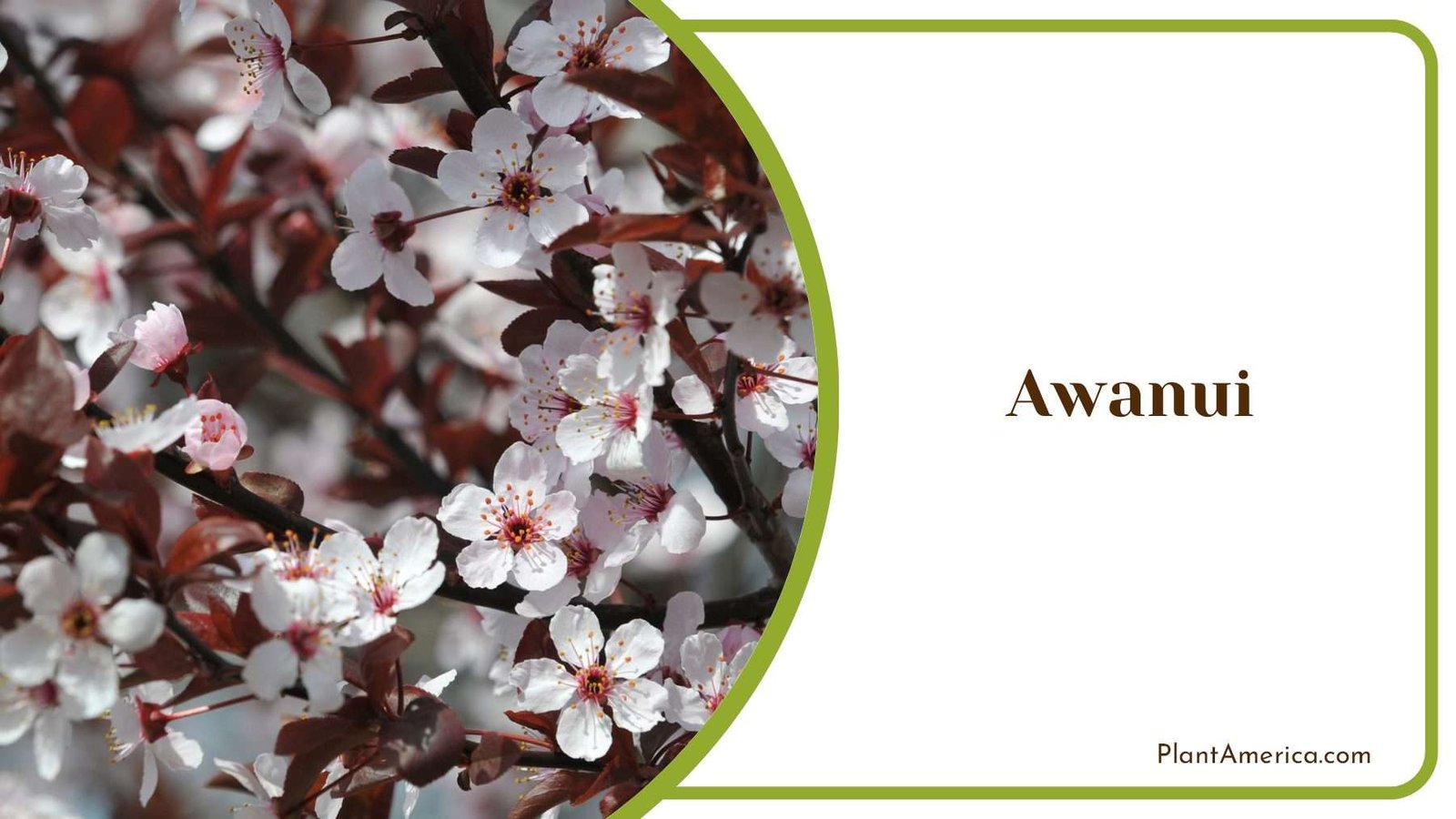
The Awanui is a cherished dwarf flowering cherry variety prized for its profuse early spring blooms. Scientifically classified as Prunus x incam ‘Awanui’, it originates from New Zealand and has won global admiration for its compact size and floral display.
Developing as a dense, vase-shaped tree, Awanui typically matures at 6 to 10 feet tall with an equal spread. Its slow growth habit and small stature ensure suitability even for petite gardens, narrow spaces, or containers. As temperatures warm in very late winter or early spring, clusters of pristine white flowers erupting in fives emerge before leaves.
Each star-shaped bloom features five rounded petals of pure white, delicately edged in a soft blush pink. Entire branches become festooned with these charming blossoms, creating a bountiful floral spectacle that lasts around two weeks. Countless bees and butterflies are drawn to feast on its nectar.
Once the ephemeral blooms have fallen, bright green, glossy leaves with finely serrated edges emerge and remain through summer. In autumn they take on fiery shades of crimson, tangerine and burnt gold before dropping to reveal branches below.
Thriving in full sun or partly shaded spots, the Awanui cherry grows successfully from USDA plant hardiness zones 5 through 9. Its slowly spreading, compact form and reliability in cultivation have made it a beloved choice worldwide for small gardens, barriers, pots and patios.
Beyond regular watering and an annual fertilizing schedule as needed, care is simple pruning as desired only for shaping or removal of deadwood. Recurring blooms and dependability season after season ensure this cherished variety remains among the top miniature flowering cherries for minimized spaces seeking maximum floral impact each spring.
12. Fuji Cherry
- Growing Season: Spring bloom, Deciduous
- Leaf Shape: Ovate, Simple
- Specific Needs: Full sun exposure, Average soil
- Common Pests: Aphids, Scale insects
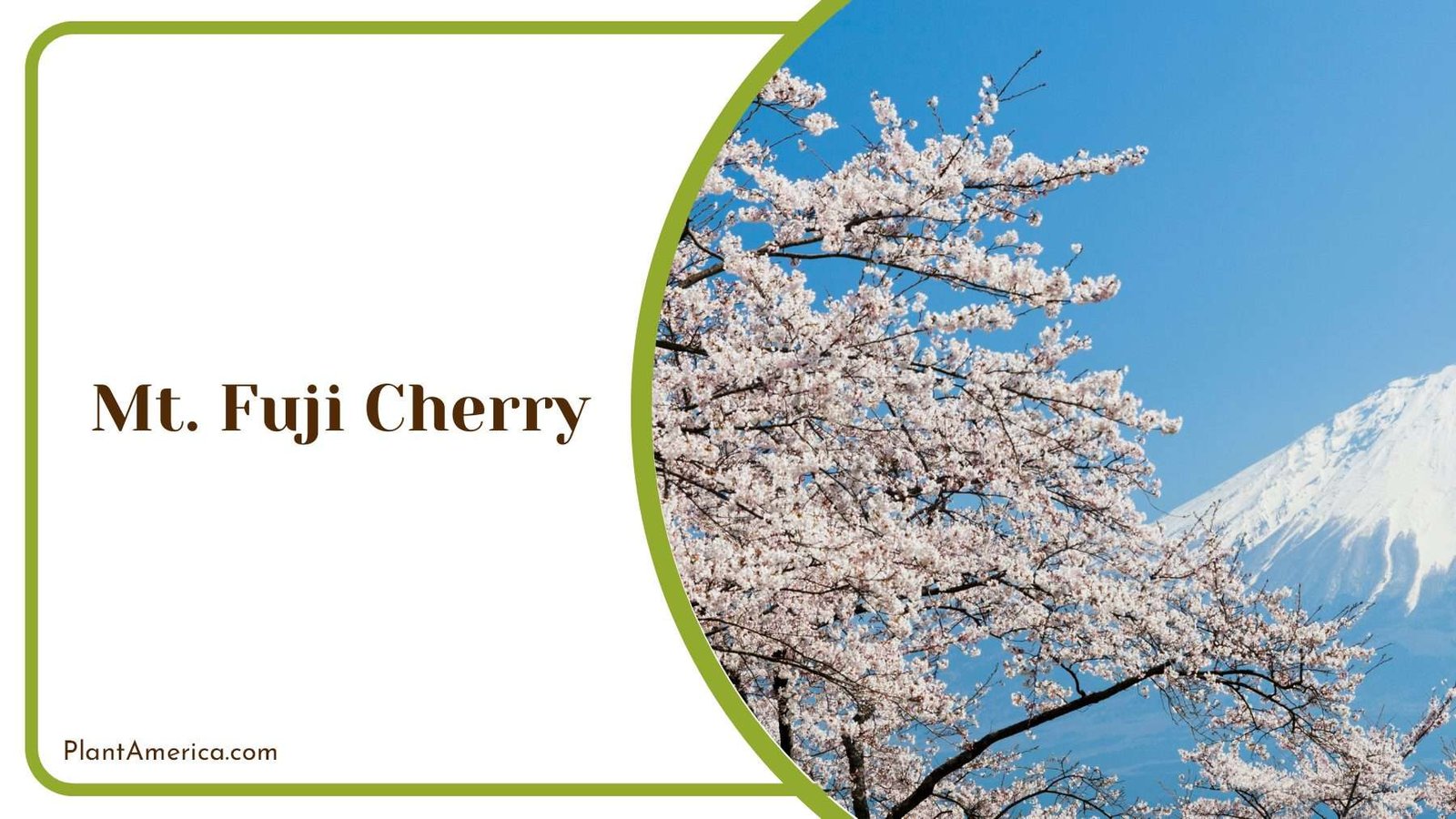
The Mt. Fuji cherry is a compact ornamental tree prized for its profusion of pale pink blooms each spring. Botanically known as Prunus incisa ‘Mt. Fuji’, it originates from Japan and draws its name from the iconic snow-capped peak.
Developing a dense, round-headed form, Mt. Fuji matures at a diminutive 8-10 feet tall and wide. Fine textured, dark green leaves emerge after a spectacular floral display. In very early spring before foliage, towering panicles of semi-double pink flowers completely blanket each branch.
Individual blooms have 5-10 frilly petals rolled backwards at the edges, creating a cup-like shape. Entire trees become clouds of pale pink perfect for smaller landscapes. Each flower is just under an inch wide but trees produce hundreds, ensuring a vibrant display that lasts around two weeks.
This dwarf cherry grows optimally in full sun or partial shade with rich, well-draining soil. It thrives in USDA plant hardiness zones 5 through 9. Low maintenance beyond pruning only for shaping or removing dead growth, Mt. Fuji cherry adds beauty with little fuss.
Predictable bloom time and reliability cement its place among the most beloved bonsai and small garden trees globally. After petals fall, lovely leaves unfold to provide summer perennial interest before vibrant autumn hues of red and orange. Come spring, the memorable floral extravaganza begins anew.
13. Ojochin
- Growing Season: Spring bloom, Deciduous
- Leaf Shape: Ovate, Simple
- Specific Needs: Full sun, Well-drained soil
- Common Pests: Cherry fruit fly, Aphids
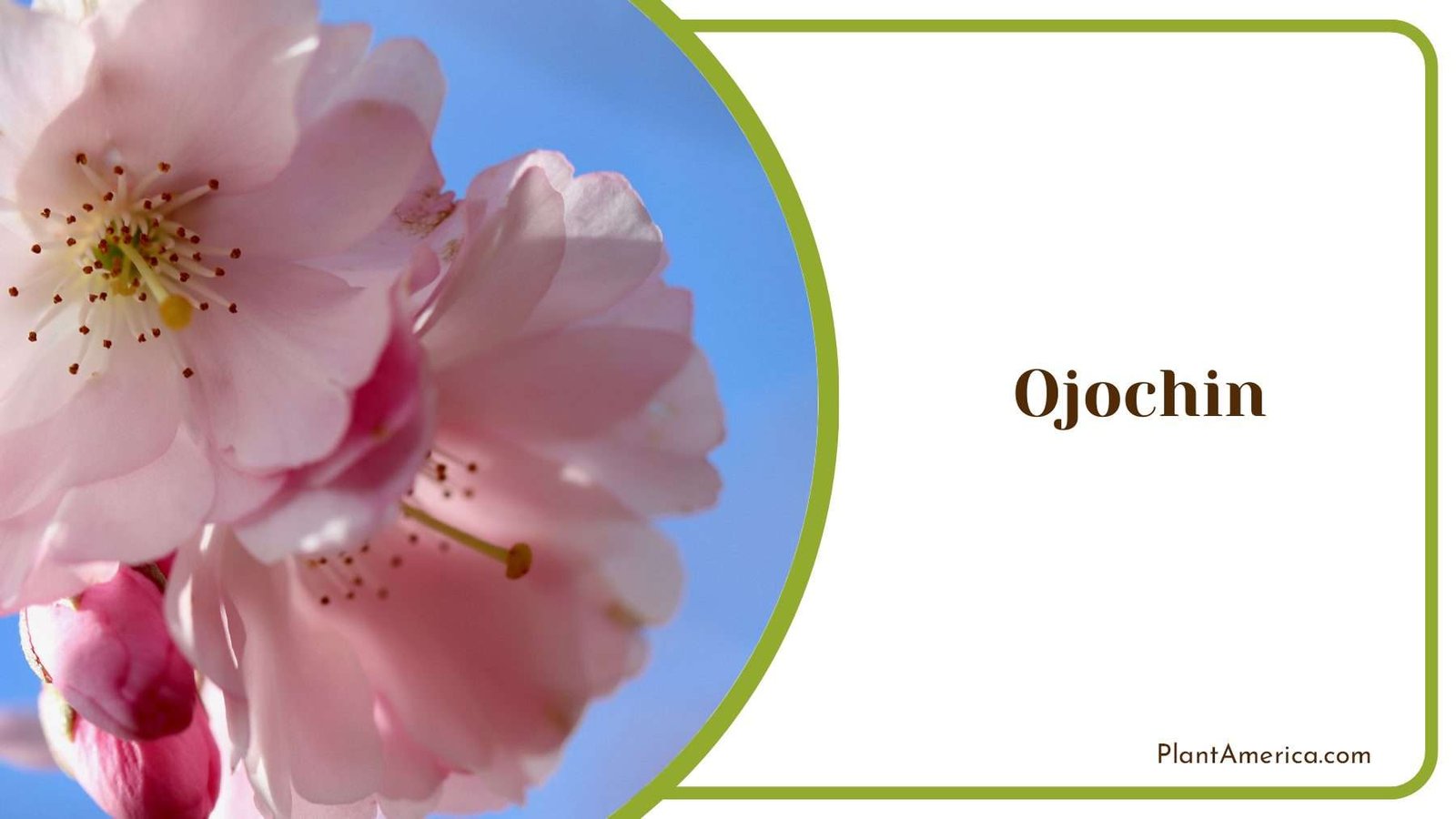
The diminutive Ojochin cherry is prized for producing an abundance of rosy blooms far out of proportion to its pocket-sized stature. Scientifically classified as Prunus incisa ‘Kojo-no-mai’, it originates from Japan where it has been celebrated for centuries.
Developing as a dense, rounded shrub or small multi trunked tree, the Ojochin typically grows just 2 to 4 feet tall and wide at maturity. Its compact size and slow spreading habit ensure suitability for the smallest gardens, courtyards, containers or bonsai displays.
In very early spring before leaves emerge, flurries of delicate rose-pink flowers appear all along delicate stems. Each individual bloom is composed of 5 subtly blushed petals that lightly fan out from a central point. Where space allows, multiples planted together become cloaked in a feathery blanket of color.
Bees and butterflies flock weekly to feed on the profuse nectar, pollinating hundreds of blooms over the 10-day display. Once spent, bright green leaves with a rich glossy finish unfold and remain through summer. By autumn they take on fiery hues of siena and scarlet before dropping to reveal branches below.
Thriving in full sun or dappled light, the Ojochin cherry is winter hardy in USDA zones 5 through 8. Regular water and protection from winds are its only needs. Predictably returning vibrant blooms on its petite frame have made it beloved for raising in containers, bonsai techniques or tight urban landscapes.
With such an abundance of flowers from such small trees, the Ojochin cherry continues being highly revered around the globe. Come spring, its pint-sized charms are certain to lift spirits far beyond its diminutive footprint.
14. Yaebeni
- Growing Season: Spring bloom, Deciduous
- Leaf Shape: Elliptic to obovate, Simple
- Specific Needs: Full sun exposure, Well-drained soil
- Common Pests: Cherry fruit flies, Spider mites
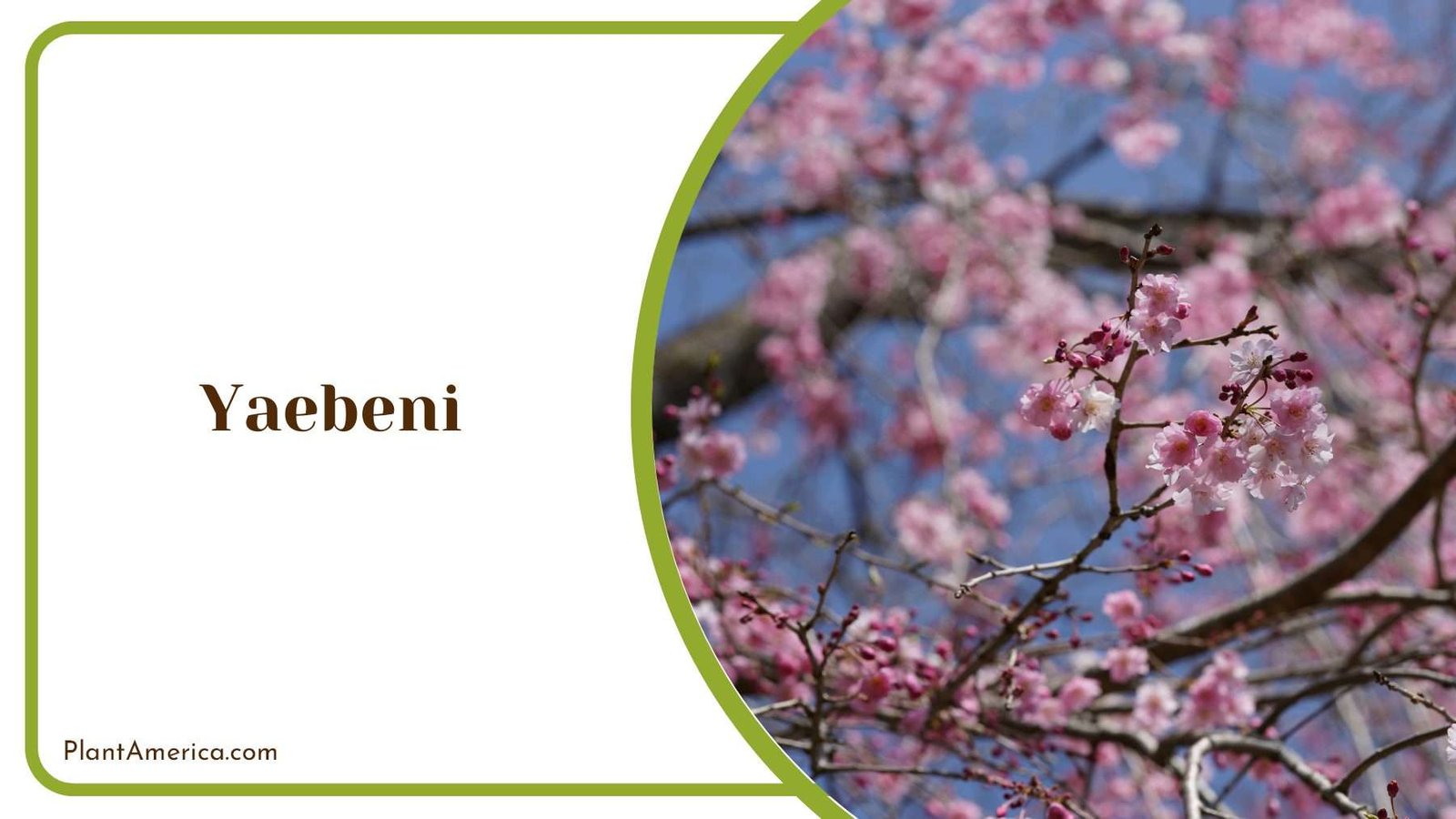
The Yaebeni is celebrated as one of the most prolific blooming and diminutive of all flowering cherry varieties. Scientifically classified as Prunus incisa ‘Yaebeni’, it originates from western Japan and naturally develops a compact, rounded form.
Typically growing just 2 to 4 feet tall and wide at maturity, the Yaebeni is exceedingly dwarf. Its petite stature makes it superb for container gardens, bonsai displays, or other miniature landscapes. In very early spring before leaves emerge, branches erupt in flurries of soft pink double blooms.
Each cheerful flower resembles a cluster of puffy petals arranged in a rounded structure. Entire tiny trees become almost fully obscured under a blanket of blooms. Abundant nectar rewards foraging bees and hummingbirds over the 2 week flowering period.
Once spent, bright green leaves with serrated edges provide nice foliage the rest of the growing season. In fall, they transition to shades of fiery scarlet before dropping to reveal the gently twisting framework below.
Thriving in full sun or partial shade, the diminutive Yaebeni cherry grows reliably in zones 5 through 8 with regular water and protection from strong winds. Its recurring blooms and bonsai suitability have established it among the foremost choices for raising flowering shrubs in containers on patios or balconies worldwide. Come spring, its mini charms are certain to lift spirits far beyond its diminutive size.
Conclusion
The elegant shape and fine-textured leaves of dwarf cherry blossoms have an understated grace:
- Princeton Sentry dwarf cherry blossom trees produce stunning double pink flowers in late spring that appear before the leaves.
- Akebono dwarf cherry trees bloom with deep pink double flowers in early spring before the leaves emerge.
- Okame dwarf cherry blossom trees produce stunning single pink flowers in mid-spring that appear before the leaves.
Overall, if you have space for even a small ornamental tree, dwarf cherries offer ease and simplicity of care combined with stunning seasonal color changes throughout the year. Consider adding one or more of the many unique varieties to experience the joy of cherry blossoms in bloom each spring for yourself. You won’t be disappointed!