
How to transplant a lime tree indoors without spending too much time and effort is possible. Any citrus plants can be easily moved from small pots or containers into larger ones.

The small size allows for easy planting in the ground or various containers. In this article, we will discuss everything regarding transplantation.
How to Transplant a Lime Tree Successfully
To transplant a lime tree successfully, you need to find the ideal location and prepare a hole large enough for the plant’s root-ball. You should also place an organic layer of mulch to protect your plant from weeds and pest attacks and encourage it to grow appropriately.
Let’s take a look at all of these steps more closely, one at a time.
1. Required Tools
To transplant the lime tree successfully, you need multiple tools that will help you and make your work easy. Experts recommend these tools, so everyone should use them. Here is a list of tools.
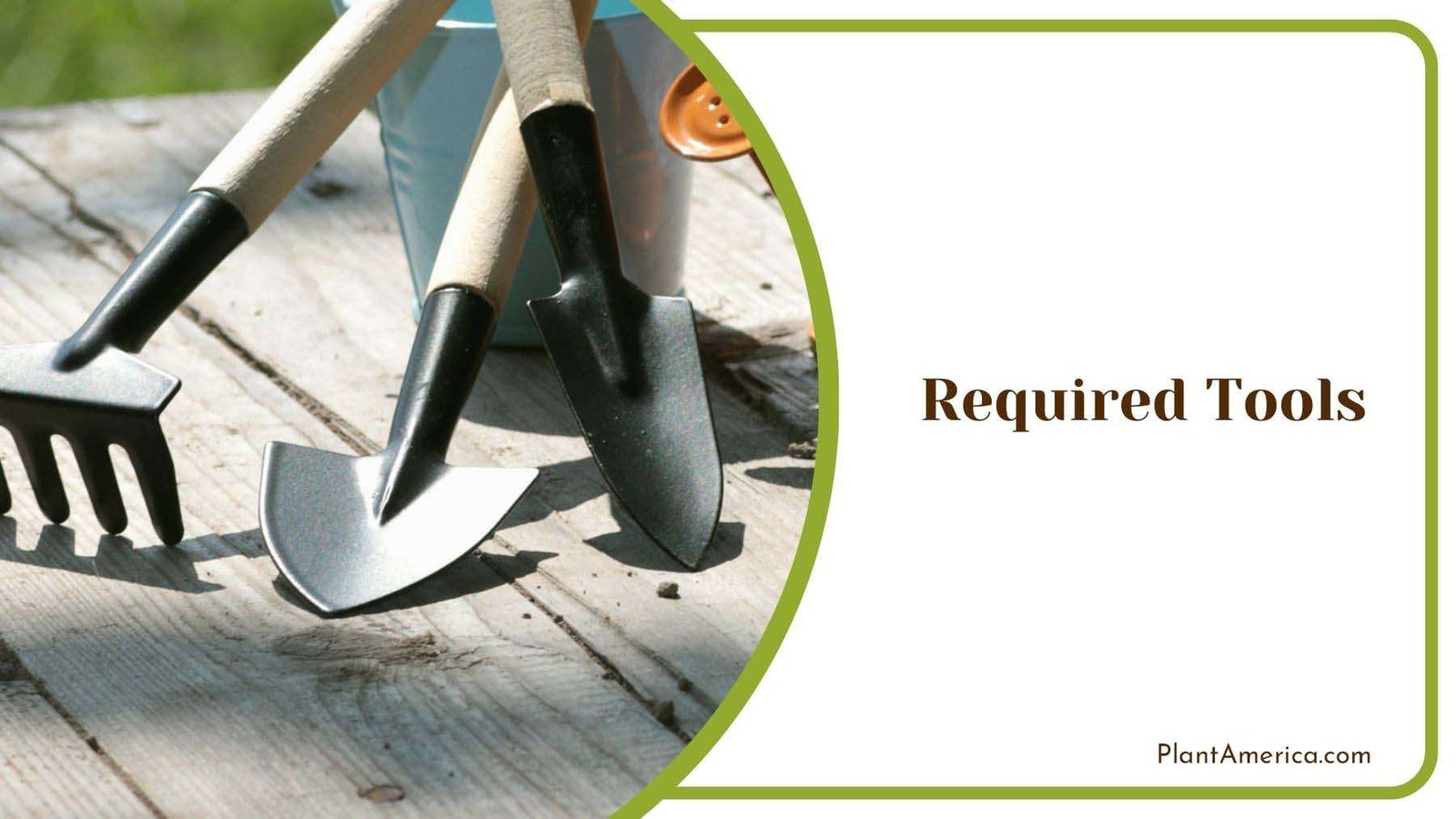
- Shovel: This tool is used for digging a hole due to its sharp edges. The shovel works well and fast.
- Pruning shears: Pruning shears are used to trim the branches and dead leaves and decently shape the tree.
- Loppers: Loppers can be used for thicker branches and stems, and loppers can be used for clean cuts.
- Gloves: Gardening gloves are essential to protect your hands from injury, so always wear them while working.
- Watering can: Plants need water after transplantation, so always carry a watering can with you.
2. Plant the Tree
Dig a hole, and the diameter of the hole should be larger than the root ball size. Hold the tree nicely, avoid damaging its roots, and place this in the exact center of the hole. After that, fill it back with sand and compost for better drainage.
3. Mulch layer
The mulch layer protects lime from different fungal diseases and pests. The ideal depth of the mulch layer should be 2 to 4 inches deep, and organic mulch should always be used for better results. In addition, the mulch layer retains moisture and keeps the soil moist, which is good for plants’ health.
4. Regular Monitoring
Keeping an eye on lime trees is also essential for their growth and productivity. If you notice any issue, you should act against it or consult a professional for better advice. It also allows you to provide optimal care for your lime tree, leading to healthy growth and a bountiful harvest of delicious limes.

Most Important Factors in Transplanting a Lime Tree
The most important factors in transplanting a lime tree include ideal timing (the right season), fertilization, light and temperature requirements, and proper potting techniques. These are the essential factors that you should use if you want to transplant your tree successfully.
1. Best Time to Transplant
The best time to move or transplant established trees is from winter through early spring when plants aren’t actively growing, and there is plenty of moisture in the soil. Transplanting enables plants to develop new roots and re-establish them in the Meyer lemon tree plant zone 2-11 before summer.
Temperatures are reasonable throughout certain times of the year, so your tree will be less stressed during the transfer. Avoid moving a tree when it is extremely hot or cold since this can shock it and make it more difficult for it to grow new roots.
2. Light Requirements
Getting some sunshine and using a plant light to enhance it, but a decent plant light may be used instead of natural light. An excellent broad-spectrum plant light is what you need. Several possibilities are available in a Spring Hill nursery dwarf Meyer lemon tree in various sizes and formats.
Even just buying a plant bulb for your chosen lamp is an option. Make sure the bulb is facing your plant. If your light isn’t above, your tree may need to be rotated. A wide-spectrum plant light that fits your area and produces adequate light will be the ideal grow light for indoor citrus plants.
3. Temperature Requirements
Specific temperature standards should be met to guarantee that a tree can effectively conform to its new climate. The lethargic season, pre-spring or late winter, is the best chance to relocate lime trees. This time diminishes the tree’s anxiety and expands its endurance possibilities.
While relocating lime trees, the suggested temperature range is between 40 to 70 degrees Fahrenheit. The tree might recover from the transfer shock and be established in a climate with these temperatures in the new soil. Try not to move a tree when it is very cold or hot since this can pressure the tree and make it more complicated to adjust to the new climate.
4. Proper Potting Medium
The Cactus Palm and Growing Citrus potting mix is a nice potting mixture. You can make the pot the tree came in twice as big, but you should only place a little tree in a too big, small pool.
If the container is more petite, maintaining the correct moisture levels when watering and fertilizing becomes more challenging. For transplanting citrus trees in containers, bottoms must have practical drainage holes.
The suggested size for older trees is a 10-gallon pot, which should be used for the tree’s life. Perlite will improve drainage when added.
5. Watering
Watering is crucial to a lemon tree’s maintenance, both before and after transplantation. Before Transplantation, it’s crucial to make sure the tree is sufficiently hydrated before transplantation. Deep watering a few days before the relocation enables the tree to absorb enough moisture, ensuring that it is well-hydrated and ready for the stress of transplantation.
After transplantation, watering becomes significantly more important. The tree can initially be in shock because of the damage to its root system. Water the tree liberally soon after transplantation to help it recover.
Keep the soil mix regularly wet throughout the first year, but avoid letting it become soggy, especially if there hasn’t been any rain. As it promotes the growth of a robust root system, steady, deep watering is preferred over frequent shallow watering.
6. Fertilization
While transplanting a citrus tree, legitimate soil readiness is fundamental to ensuring the tree’s excellent foundation and improvement in the new area. It’s vital to initially survey the pH and supplement levels of the dirt in the chosen region.
Citrus trees do best on somewhat acidic soil and ordinarily have a pH between 6 and 7. Assuming the earth is beyond this reach, changes can be required. This can be accomplished by integrating natural matter into the land, such as fertilizer or spoiled excrement.
If you cautiously adhere to these soil planning directions, your fruit tree will prosper in its new environmental elements, guaranteeing it has the right conditions and areas of strength for improvement.
Prevent Transplant Shock in Lime Trees
To diminish transplant shock in newly transplanted lime trees, follow different steps such as pruning and managing bug infestations, applying mulch, protecting them from extreme temperatures, and many others. So, attentive care is key to ensuring the tree’s successful adaptation to its new location.
– Pruning and Managing
Pruning and managing are essential in limiting the transfer of lemon and orange tree transplant shock and advancing solid development. Eliminate any harmed or ailing branches before relocating.

Furthermore, think about pruning back the shade to lessen the weight on the tree and support root advancement. In any case, avoid over-the-top pruning, as this can put extra weight on the tree in places it shouldn’t carry too much weight.
– Checking for Bugs and Infections
Ordinary observing for nuisances and illnesses is fundamental to forestalling any expected harm to garden state bulb Meyer lemon tree live plants. Review the leaves, branches, and trunk consistently for any indications of sickness. If you notice any issues, make a brief move to keep the case from spreading.
– Giving Supplement Enhancement
During the movement interaction, relocated fruit trees might encounter supplement shortages because of disturbed root foundations. Give supplement enhancements like sluggish delivery manure or natural revisions to limit this. Talk with an expert arborist or horticulturist to decide the fitting supplement necessities for your particular tree assortment.
– Keeping up with Ideal Sunlight Exposure
As mentioned before, fruit trees require full sunlight to flourish. Ensure that no blocks or nearby structures are looming over the tree. Prune encompassing plants or trees to maintain ideal sunlight exposure. This will advance solid development and improve the tree’s capacity to secure itself post-relocation.
– Predictable Weed Control
Weeds can rival your recently transplanted citrus trees for supplements, light, and water, hampering their development and foundation. Carry out weed control measures to keep the region around the tree liberated from weeds.
Mulching, hand-pulling, or utilizing natural weed executioners can help forestall weed development and lessen problems. It also helps to reduce lemon tree transplant shock.
Conclusion
The lime tree is very famous, and it is known for its culinary delight and natural beauty. Its vibrant green leaves add grace to your landscape.
- These lush green lemons add an inviting touch of greenery to our surroundings, enhancing the patios and landscape’s aesthetics.
- Incorporating lime trees in your life is not only beneficial for you, but it also enhances the natural beauty.
- Plants need proper care and attention to produce exceptional results. Spare a few moments for your beloved plants.
By following these steps, you can transplant fruit trees in your garden in a good way. We hope you liked the information.