
How to transplant a magnolia tree is easy if you know what to do. Both homeowners and garden enthusiasts favor Magnolia trees due to their beautiful, fragrant blossoms and luxuriant foliage.
To ensure a magnolia tree’s healthy development and long-term success, meticulous planning and the proper procedures must be followed while planting it. Here we will comprehensively describe how to plant a magnolia tree.
What Are the Critical Factors for Transplanting a Magnolia Tree?
The critical factors for transplanting a magnolia tree are; the best time to transplant, light and temperature requirements, proper potting techniques, adequate water, and fertilization. These factors are vital in transplanting the trees and encouraging them to grow more.
The following context shines more light on this perspective. Keep in mind that following all the rules is the only way to success.
1. Best Time to Transplant
The dormant season, in late autumn or early winter, is the ideal time to transplant a Magnolia tree. The roots have a higher chance of taking root in the new site when the tree is not actively expanding.

Ensuring the soil drains appropriately and planting magnolia in a location with the optimum amount of light and moisture is essential for its survival. Water it liberally after planting and throughout the first several weeks to aid the tree’s acclimatization to its new site.
2. Light Requirements
In the garden, full sun to little shade is best for transplanting southern magnolia trees. If you reside in a warm or dry area, your magnolia could benefit from a place shielded from the sweltering afternoon heat. Avoid as much as you can exposed, windy regions because strong gusts break branches and harm huge blossoms.
In the garden, full sun to little shade is best for magnolias. If you reside in a warm or dry area, your magnolia could benefit from a place shielded from the sweltering afternoon heat.
3. Temperature Requirements
Magnolias may survive for a limited period at temperatures as low as 18 degrees Celsius (below 65 degrees Fahrenheit). The magnolia may start to suffer if the temperature falls below this range for more than a few days; over 77 degrees Fahrenheit (25 degrees Celsius) for an extended period can also harm the magnolia.
The ideal temperature range for growing magnolias is between 65 and 77 degrees Fahrenheit and 18 to 25 degrees Celsius. Your magnolias will flourish and blossom to their maximum potential within this range. Manage to supply them with enough sunlight and the right amount of water.
4. Proper Potting Medium
The container is crucial when growing a magnolia tree in a pot. The container has to be 30 cm bigger than the roots of the magnolia. To prevent soil that is flooding, always check that the container has drainage holes. Glazed pots can be utilized. However, the bottom of the vessel has to have a drainage hole for extra water. A solid container for trees is crucial because they get older and heavier, especially for new or planted trees.
5. Watering
Wilted blooms or leaves, discoloration, and slowed growth are possible on the tree. Make sure the root ball doesn’t dry up during the transplantation procedure. Make sure the roots of the magnolia have adequate soil contact in their new position and limit the amount of time they are exposed to the air.
Water it thoroughly and frequently, ensuring the soil surrounding the roots is wet but not soggy. If the tree is exposed to intense sunshine after the transplant, it can also benefit from a canopy that provides shade. Before Transplantation, make sure that you thoroughly water the tree a week or two before the process.
6. Fertilization
Although neutral to slightly alkaline soils are also appropriate for growth, wet, well-drained, slightly acidic soils are preferable for most magnolia species. Although magnolias may grow on clay, loam, or sand soils, most do poorly in moist or poorly drained soils. Plants that have a good foundation can tolerate some drought. These trees grow well on somewhat acidic soil with a pH of 5.0 to 6.0.
The pH of the earth is essential because it affects how easily and readily available nutrients are. It is important to perform a soil test to evaluate your soil’s pH level and nutrient content. You may test your soil’s pH at a professional labor. Get a pH test kit from your neighborhood garden center.
How to Transplant a Magnolia Tree Successfully
To transplant a magnolia tree successfully requires different steps, like digging a large hole and placing it nicely into it, filling it back with discarded soil, and tamping the soil firmly to remove all the air pockets and give water after transplantation.
1. Digging a Hole
Digging a deep hole and the diameter of the hole should be larger than the root-ball size.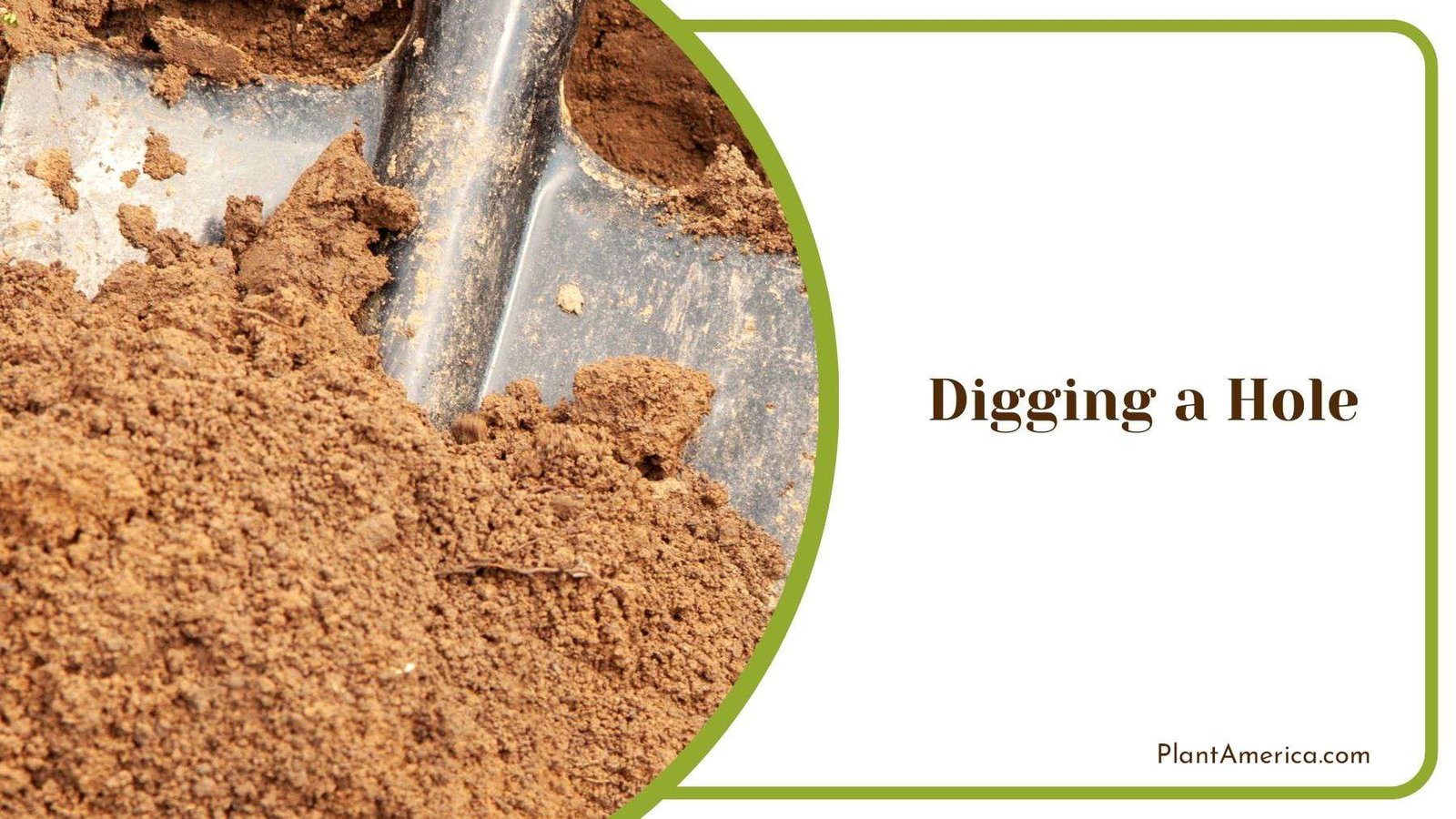 Always use recommended tools such as a shovel or spade for digging. Clean the hole and remove all kinds of debris and weeds because they create an infestation that is not good for the plant’s health.
2. Plant the Tree
Plant the tree into a new pot or ground and ensure it should be placed into the exact center of the hole. After transplanting this, fill it with soil and sand. Tamp it firmly to remove the air pockets.
3. Mulch Layer
The mulch layer has endless benefits, especially when discussing new transplanted plants. The organic mulch layer is very effective and does a fantastic job. It removes weeds and pests. In addition, it retains moisture and keeps the soil moist, which is suitable for the tree.
4. Monitoring
Once you have transplanted the magnolia tree, your job is not done yet. Because now, you have to take care of your beloved plant. 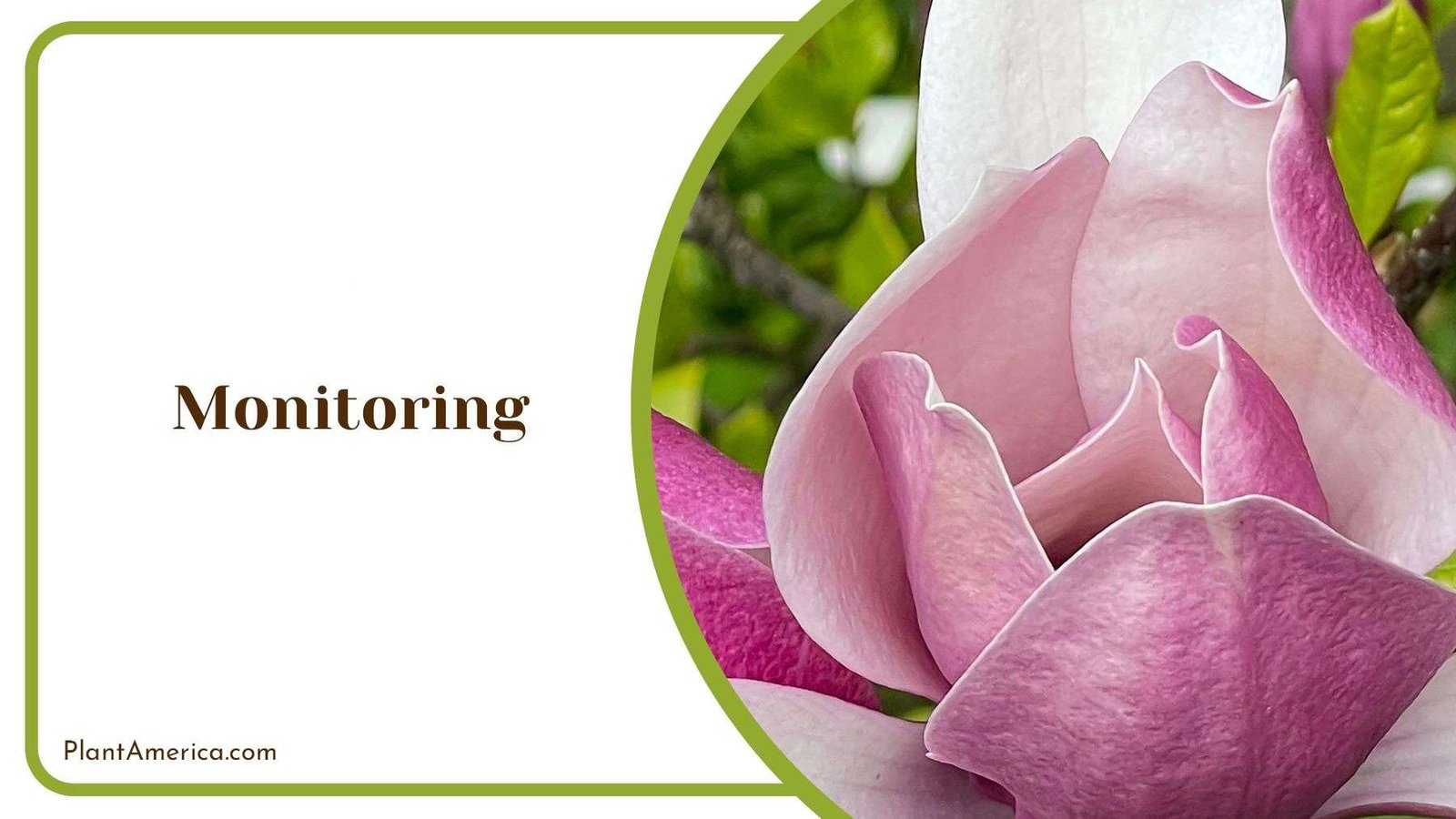 Monitor their growth and progress; regular monitoring will help you address plant issues. So, if you notice anything unhealthy, consult with professionals.
How to Minimize Transplant Shock in Newly Transplanted Magnolia Trees
To minimize transplant shock in newly transplanted magnolia trees involves different steps such as recognizing transplant shock, appropriate time, transplant site ready, trimming the root ball, and trimming the magnolia tee to reduce the transplant shock. Let’s see in detail how to lessen magnolia tree transplant shock in this post.
– Recognize Transplant Shock
Before getting into the specifics, it’s critical to comprehend what transplanted magnolia shock is. The physiological stress that happens when a tree is uprooted and relocated to a new area is known as transplant shock. Because of the disruption to the tree’s root structure while transplanting mature magnolia tree, temporary water and nutrient intake disorders occur.
– Appropriate Time
When it comes to transplanting these trees, timing is essential. The dormant season, of early spring in late winter before new growth starts, is the ideal period for transplanting.
When a tree is transplanted, it can develop its root system before facing the pressures of blossoming and leafing out. Transplant shock risks are increased if surgery is performed excessively hot or dry.
– Get the Transplant Site Ready
The success percentage of the transplant can be significantly increased by prepping the transplant site beforehand. When choosing a place, the correct quantity of sunshine and well-drained soil should be considered.
The soil should be damp but not soggy for trees to grow. They prefer full sun to partial shade. Make sure there is enough room for the tree to grow and form a solid root system by clearing any grass or weeds from the surrounding area.
– Digging the Root Ball
Digging the right root ball is crucial before transplanting the magnolia tree. The group of roots and soil that will be transferred with the tree is known as the root ball. Measure the canopy width of the tree and then drill a hole that is almost the same diameter to find the size of the root ball.
Make sure to incorporate as much of the root structure as possible as you dig down until you reach the root system. When digging, take care not to sever or harm any large roots.
– Trim the Magnolia Tree
Pruning the magnolia tree beforehand will help to lessen the overall size and stress on the root system. Those that are dead or damaged. A maximum of 25 percent of the foliage should be used to preserve the tree’s original form. Pruning supports the tree’s general health and balances the loss of roots after Transplantation.
– Correctly Transplant the Magnolia Tree
It’s time to transfer this tree after digging the root ball and pruning it. Ensure the root ball is intact when carefully raising the tree with a tarp or piece of hessian.
Ensure the tree is level and that the top of the root ball is at or just above ground level before placing it in the prepared hole. Re-fill the hole with the removed dirt, carefully firm the earth around the roots to remove any air pockets.
Frequently Asked Questions
– Can You Replant a Magnolia Branch?
No, you can not replant a magnolia branch since it is not a reliable and effective method to propagate magnolias. These trees are typically grown from cuttings and seeds or by transplanting a young tree with an intact root system. So, replanting the magnolia branch is not recommended.
– How To Transplant a Magnolia Tree Into the Ground
To transplant a magnolia tree into the ground, you must find the ideal location to transplant and create a large hole where the magnolia tree can thrive effectively. Place a hole into the exact center, fill it with discarded soil, and tamp it firmly to remove the air pockets.
– How To Transplant a Magnolia Tree in the Fall
To transplant a magnolia tree in the fall, dig a broad and deep trench, transfer the tree carefully, mulch it, water it properly, and pick a late fall transplant when the tree is dormant to minimize stress if you want to transplant a magnolia tree successfully.
– How to Remove a Magnolia Tree Safely?
To remove a magnolia tree safely, start by examining the roots, gathering your tools (a chainsaw, an ax, and a shovel), cutting the tree from the top down, and removing the stump with a chainsaw or grinder. Make sure you have all the right tools.
Dig around the stump to reveal the roots, and then use a winch, backhoe, or shovel to lift and remove the stump and any remaining seeds.
Conclusion
These trees are one of the best trees. It stands as a remarkable testament to natural beauty and resilience, and having them in your landscape redefines the aesthetics of your home.
- You can transplant this tree outdoors and indoors, so it is up to you which part of your house you want to make attractive.
- We have discussed the transplantation process, so we hope you will learn how to transplant this tree after reading this.
- After transplanting, proper care is essential for healthy growth and productivity, so give your plant adequate time and attention.
- The success of all plants depends on maintenance so make sure you keep an eye on your trees.
Follow these steps and plant this beautiful tree in your garden or landscape and see how you get compliments.