
Full-sun flowering plants bring extra joy to your garden, especially in the peak of summer when color can be hard to find. These cheerful blooms thrive when baked in the hottest rays of sunshine, lifting spirits with their vivid hues and carefree disposition.
We’ll explore the best full-sun flowering plants in this guide, ranging from classic summer stalwarts like black-eyed Susan and coneflower to newer introductions making waves for their drought tolerance, floral display, and ability to attract beneficial pollinator species. Here are a few options you should consider planting.
25 Full Sun Flowering Plants to Light Up Any Garden With Blooms
1. Black-Eyed Susan
- Growing Season: Summer, Fall, Spring
- Leaf Shape: Oval, Lobed
- Specific Needs: Full sun, Well-drained soil
- Common Pests: Aphid, Caterpillars
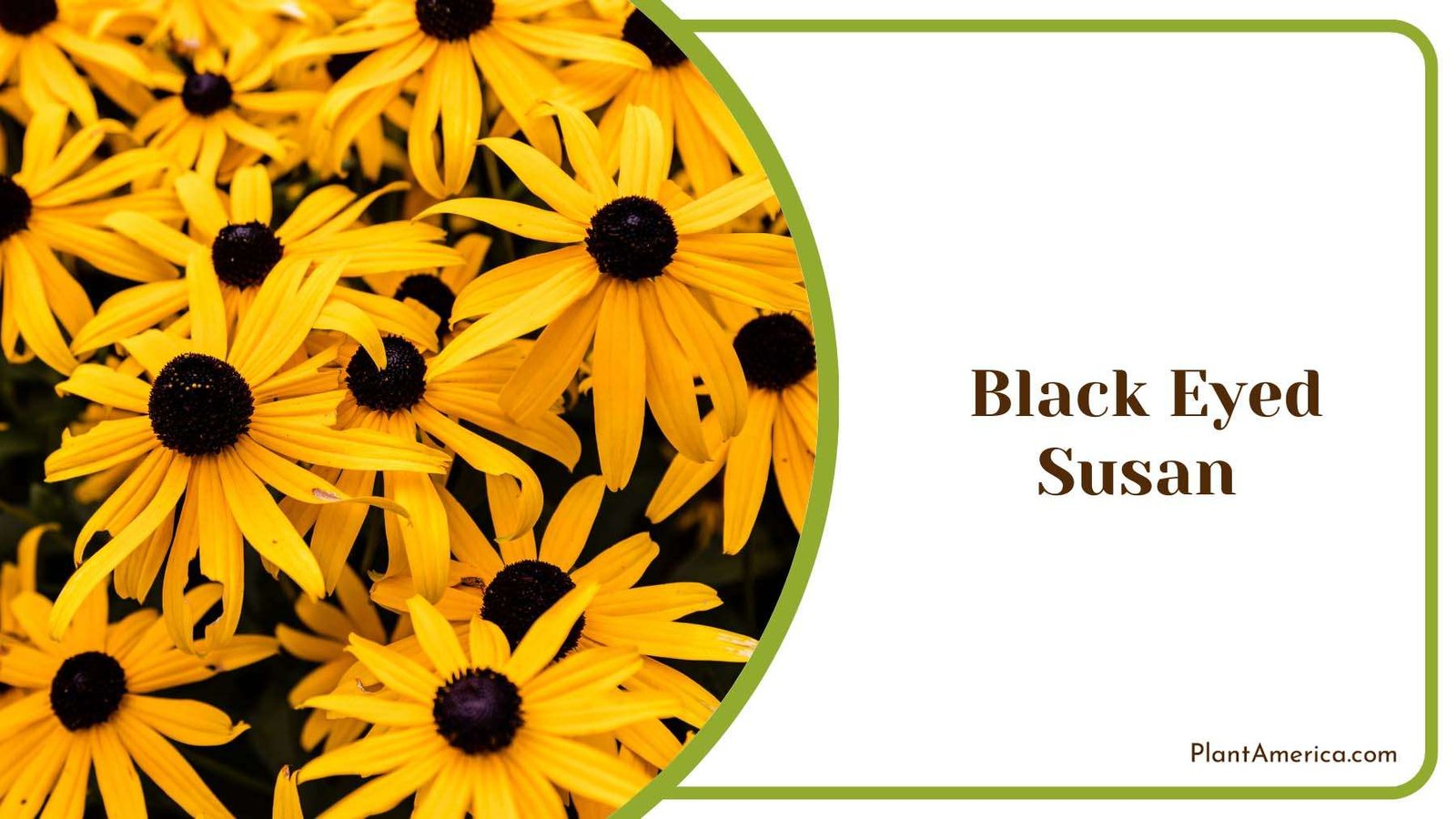
Black-eyed Susan is one of the most practical and reliable yellow perennials a gardener can cultivate within their sunny flowerbeds. The cheerful sunny-yellow blooms first appear in late spring and stay colorful throughout most of the summer months, occasionally providing flowers well into early fall. Black-eyed Susan gets its common name from the dark-centered yellow petals that resemble the eyes of Susan.
With virtually no upkeep, Black-eyed Susan is among the simplest and hardest working “sun perennials” a gardener can plant. The erect flowering stems that reach two to four feet tall provide a profusion of yellow blooms. Almost no pruning or staking is required to keep the plants attractive. Deadheading the faded flowers is recommended to prolong the bloom time and increase the colony size.
When the petals fade and fall off, cut the stem all the way to the basal leaf cluster. This encourages new flowering stems to form from the root crown. Over time, deadheading the spent blossoms enables Black-eyed Susan to spread into dense clumps of vivid sunny color, completely smothering the ground with bright yellow flowers for months on end.
2. Blanket Flower
- Growing Season: Summer, Fall, Spring
- Leaf Shape: Lanced shaped, Lobed
- Specific Needs: Full sun, Well-drained soil
- Common Pests: Aphid, Japanese beetles
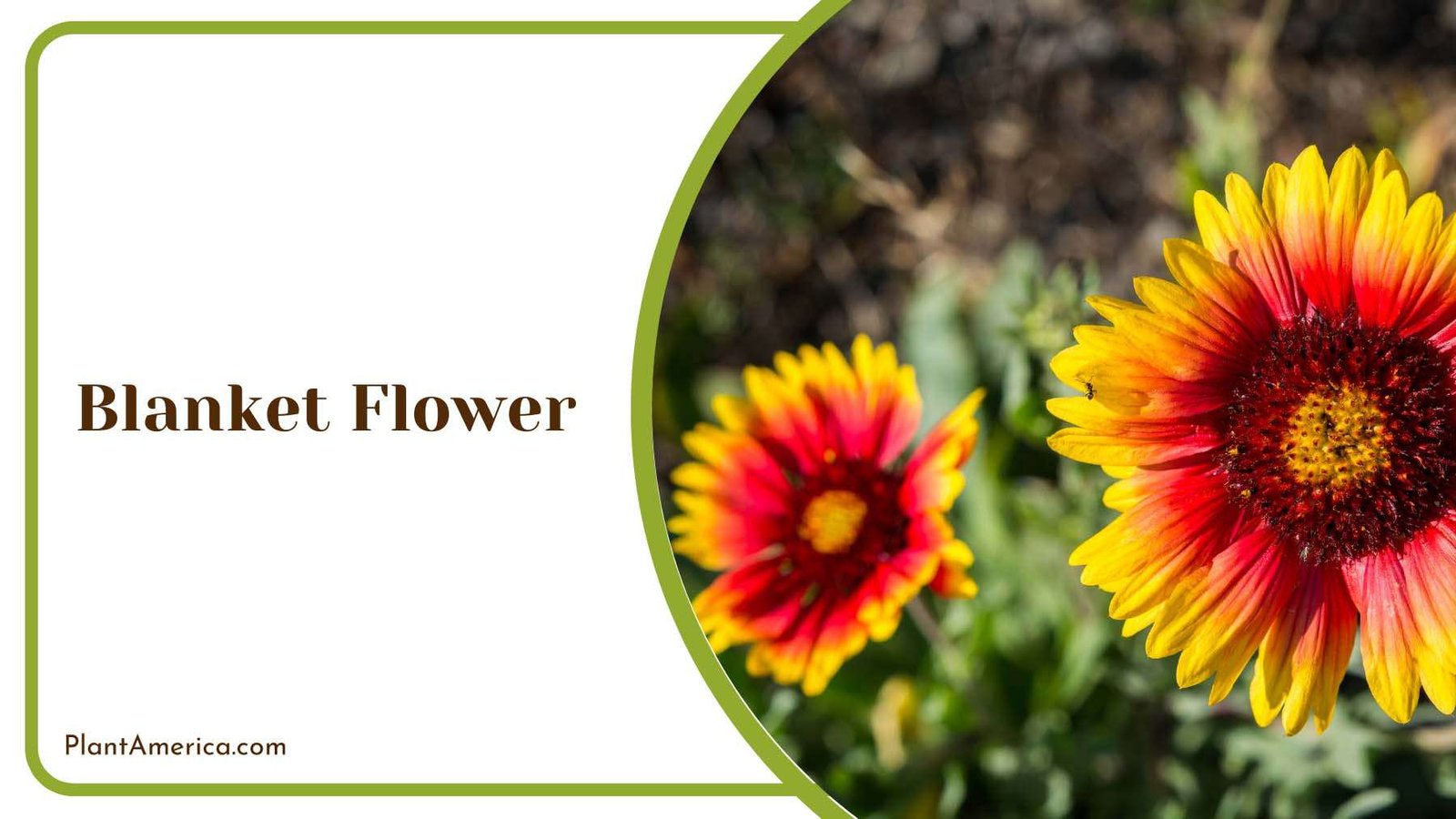
The blanket flower gets its name from how the large blossoms completely “blanket” the plant from top to bottom, outwardly covering the stems and leaves beneath with a colorful rooftop of cheerful blooms.
The clustered, sunflower-shaped flowers come in vivid shades of vibrant orange, happy yellow and energetic red, continuously enticing and attracting a variety of beneficial insects and hardworking pollinators to feast on its nectar and pollen throughout most of the growing season from summer into early fall.
The sturdy, upright stems hold these bright and lively flowers high above the sturdy foliage, creating a cheery and eye-catching floral display that can be seen from a pleasant distance. Viewers are drawn to admire the blanket flower’s prolonged flowering habit and ability to thrive with minimal care needed from the gardener once established, flourishing whether given average water and nutrients or facing tougher drought-like conditions.
It is believed the blanket flower originated on the wide-open Great Plains of central North America, where through natural selection and generations of life on the prairies, it evolved hardy characteristics and survival tactics to withstand the area’s periodic extreme heat, lack of rain, and full sun exposure without protection from other plants. The blanket flower proved itself a resilient survivor on the plains.
3. Butterfly Weed
- Growing Season: Summer
- Leaf Shape: Oval, Lanced shaped
- Specific Needs: Full sun, Well-drained soil
- Common Pests: Aphid, Japanese beetles
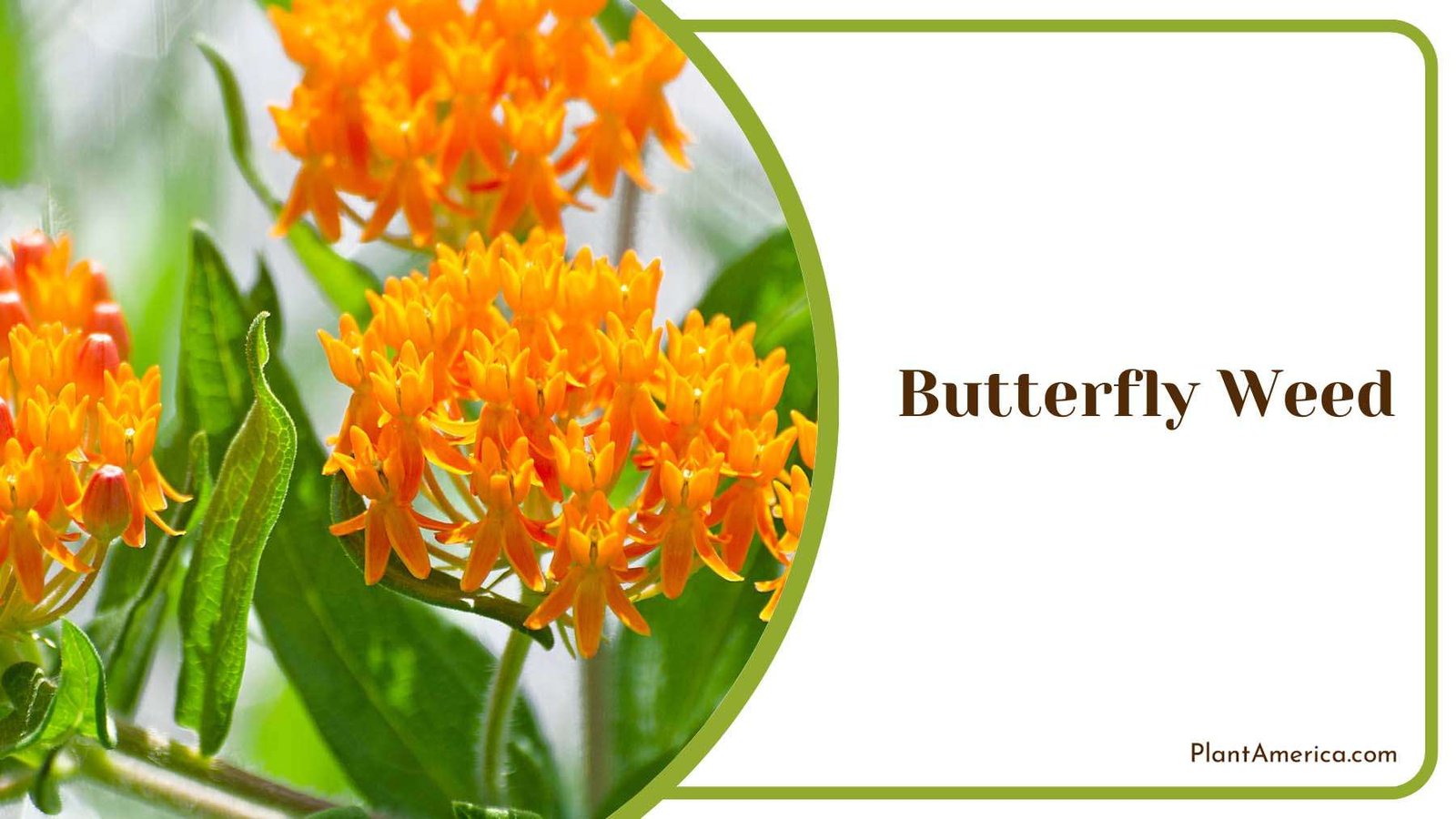
With its brilliant orange, funnel-shaped blossoms, butterfly weed lives up to its name by attracting many butterflies and hummingbirds. Though the flowers only bloom for a few weeks in midsummer, they are a dazzling burst of color that can’t be beaten. This sun plant needs a dry location to thrive, but the trade-off is months of beauty all summer.
4. Coneflower
- Growing Season: Summer
- Leaf Shape: Dark green, Lobed
- Specific Needs: Full sun, Well-drained soil
- Common Pests: Spider mites, Japanese beetles
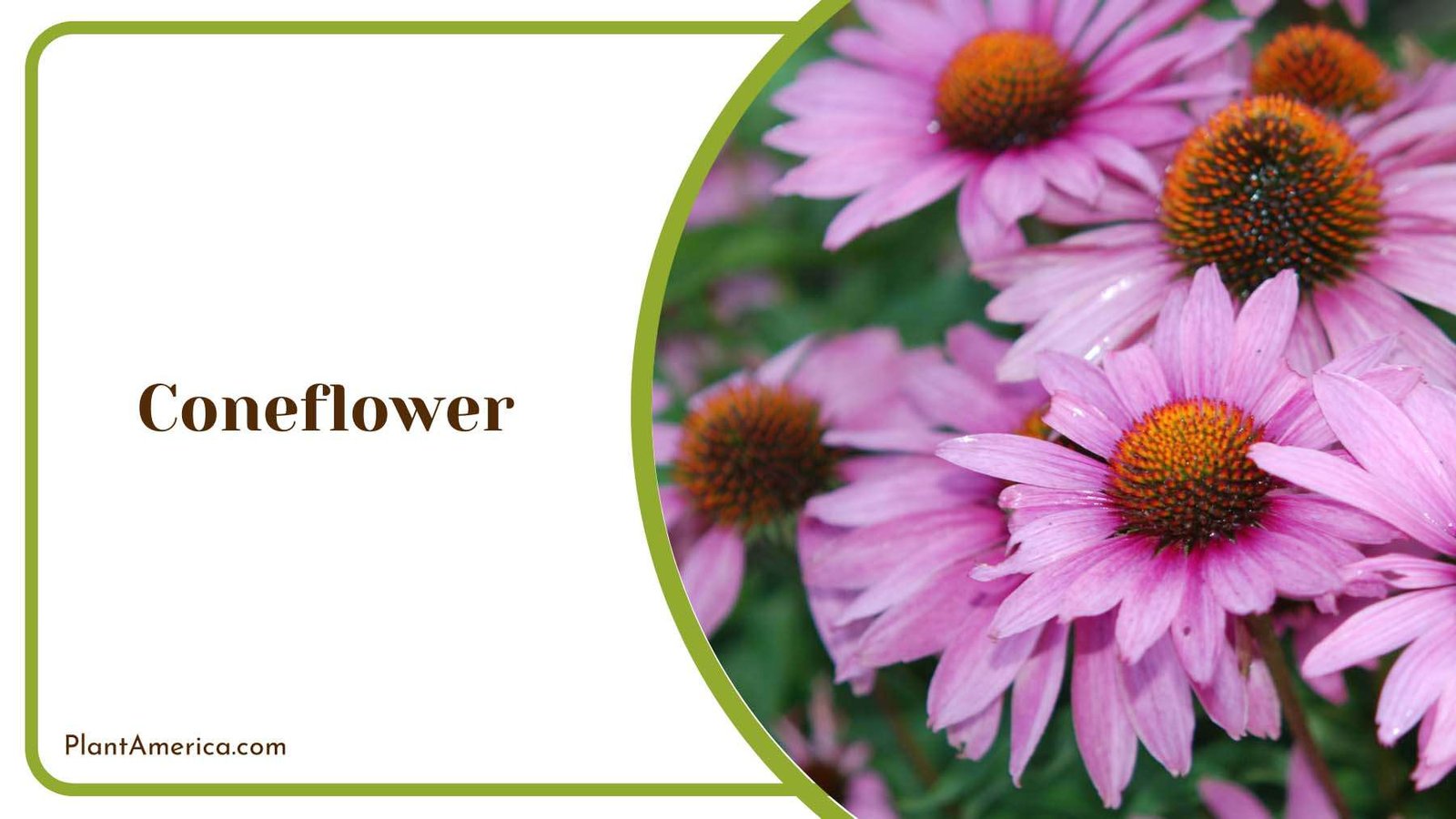
Coneflowers produce beautiful, daisy-like blossoms in summer that come in various colors, from purple to yellow to orange. The rough, gray-green foliage forms a low, mounded shape that pairs nicely with other perennials in beds and borders. In addition to attracting butterflies, coneflowers provide seeds for finches and other songbirds in the fall.
5. Cosmos
- Growing Season: Summer, Fall
- Leaf Shape: Feathery, Fern-like
- Specific Needs: Full sun, Well-drained soil
- Common Pests: Spider mites, Aphids
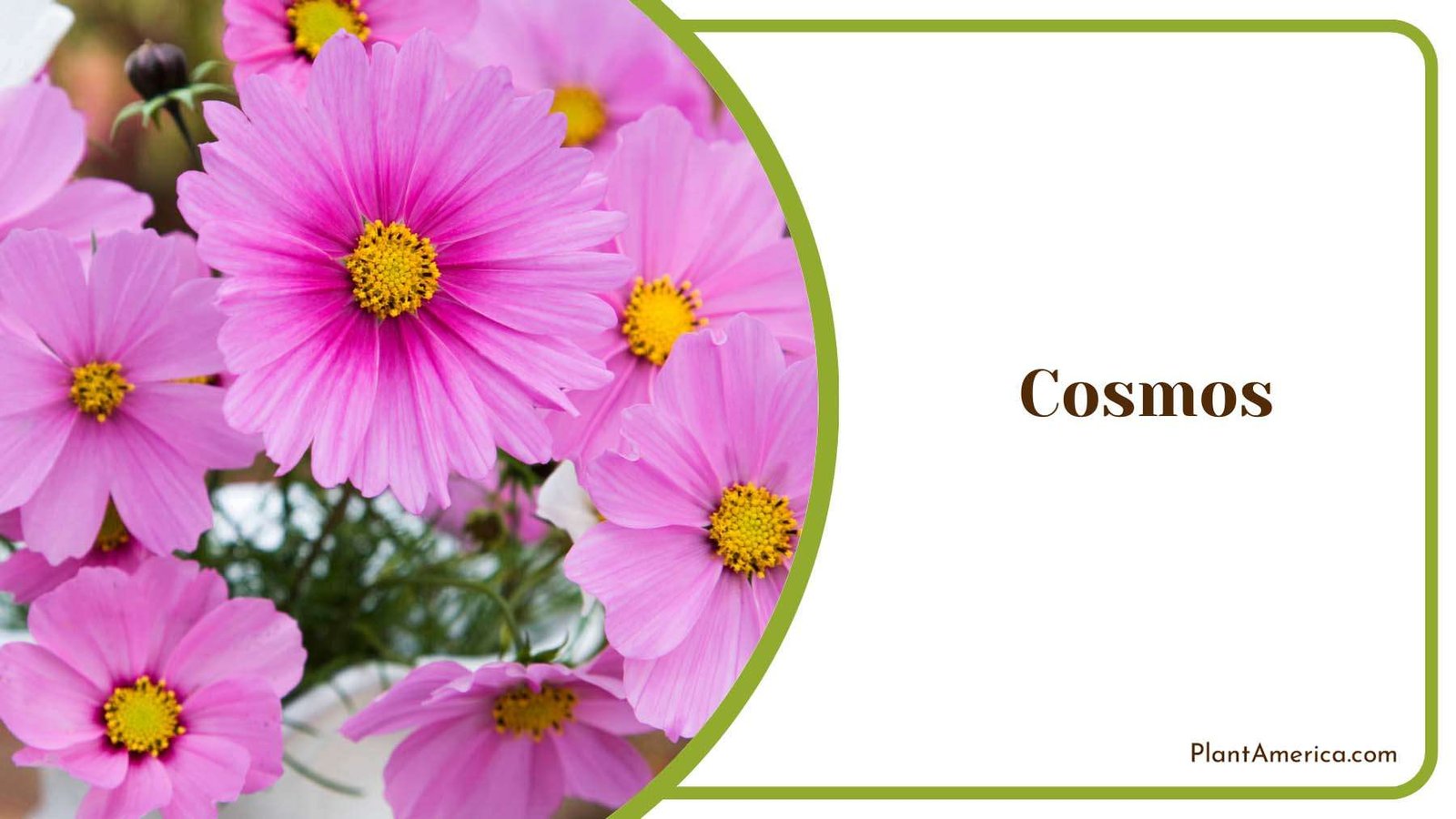
Cosmos are known for their cheerful, daisy-like flowers in soft pinks, crisp whites, and vibrant reds. The slender, well-branched stems produce a succession of these simple yet lovely blooms from midsummer well into fall, making the cosmos a reliable source of color during the hottest, driest months of the year when other flowers have ceased flowering.
Although cosmos are often grown as annuals and purchased as seedlings, left in the garden over winter, they may naturally reseed themselves for the next year’s crop of colorful blossoms. The self-sown seedlings will provide a welcome surprise of cheerful color the following summer.
6. Daylily
- Growing Season: Summer
- Leaf Shape: Long, Narrow
- Specific Needs: Full sun, Low maintenance
- Common Pests: Spider mites, Aphids
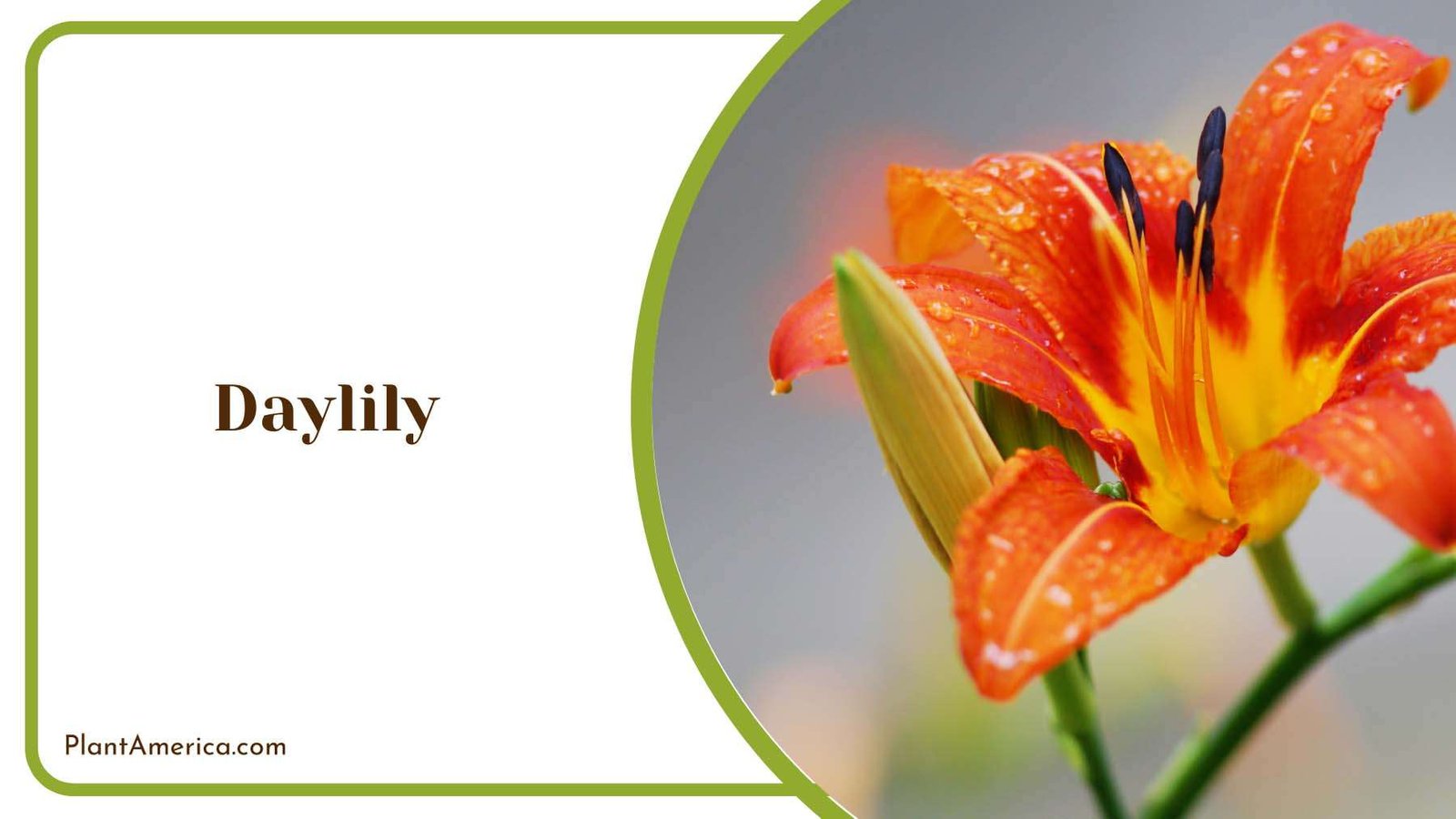
Daylilies bloom for only one day, but that day is packed with cheery colors. These carefree perennials come in a rainbow of colors and bloom all summer. Daylilies are so low maintenance that their main care is dividing the thick roots after clumps get overcrowded. Daylilies can’t be beaten if you want full sun plants that require minimal effort but provide years of summertime color.
7. Globe Thistle
- Growing Season: Summer
- Leaf Shape: Lobed, Grayish leaves
- Specific Needs: Full sun, Well-drained soil
- Common Pests: Spider mites, Aphids
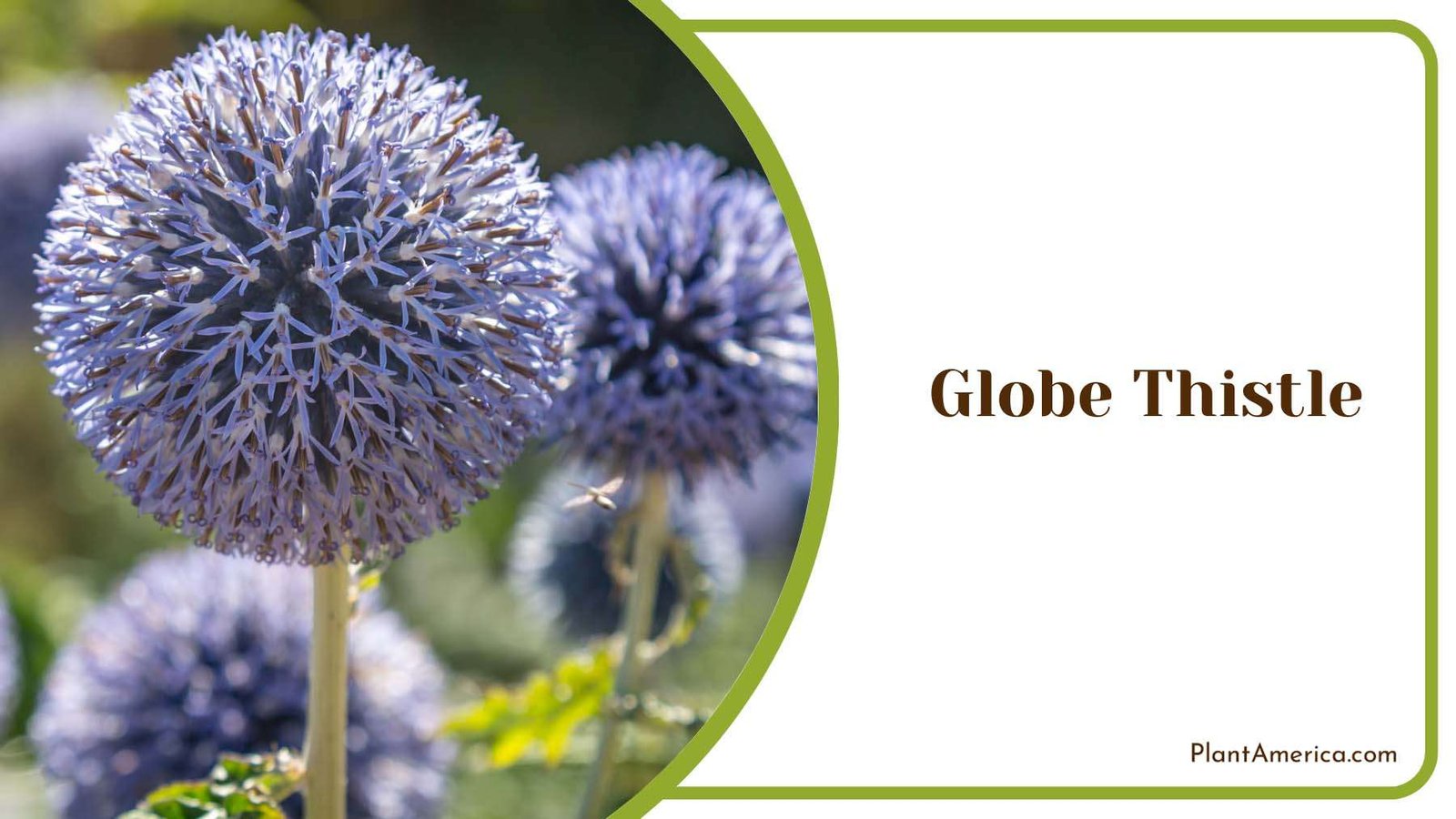
Globe thistle grows tall, branching stalks of narrow, violet-purple flowers that attract butterflies and hummingbirds with their open bloom form and nectar-rich nectaries. The fuzzy, silver-gray foliage forms an attractive low mound that pairs nicely with other border plants and perennials in the landscape.
Deadhead spent flower stalks regularly throughout the summer to promote more branching and flowers on fresh stalks. Cut the stalks completely to the ground at the end of the growing season in fall. Globe thistle is extremely drought tolerant once established and makes a great addition to hot, dry spots where other plants struggle. Its extensive taproot seeks out groundwater to sustain the plant during dry spells.
8. Lantana
- Growing Season: Summer
- Leaf Shape: Oval, Fuzzy leaves
- Specific Needs: Full sun, Well-drained soil
- Common Pests: Spider mites, Aphids
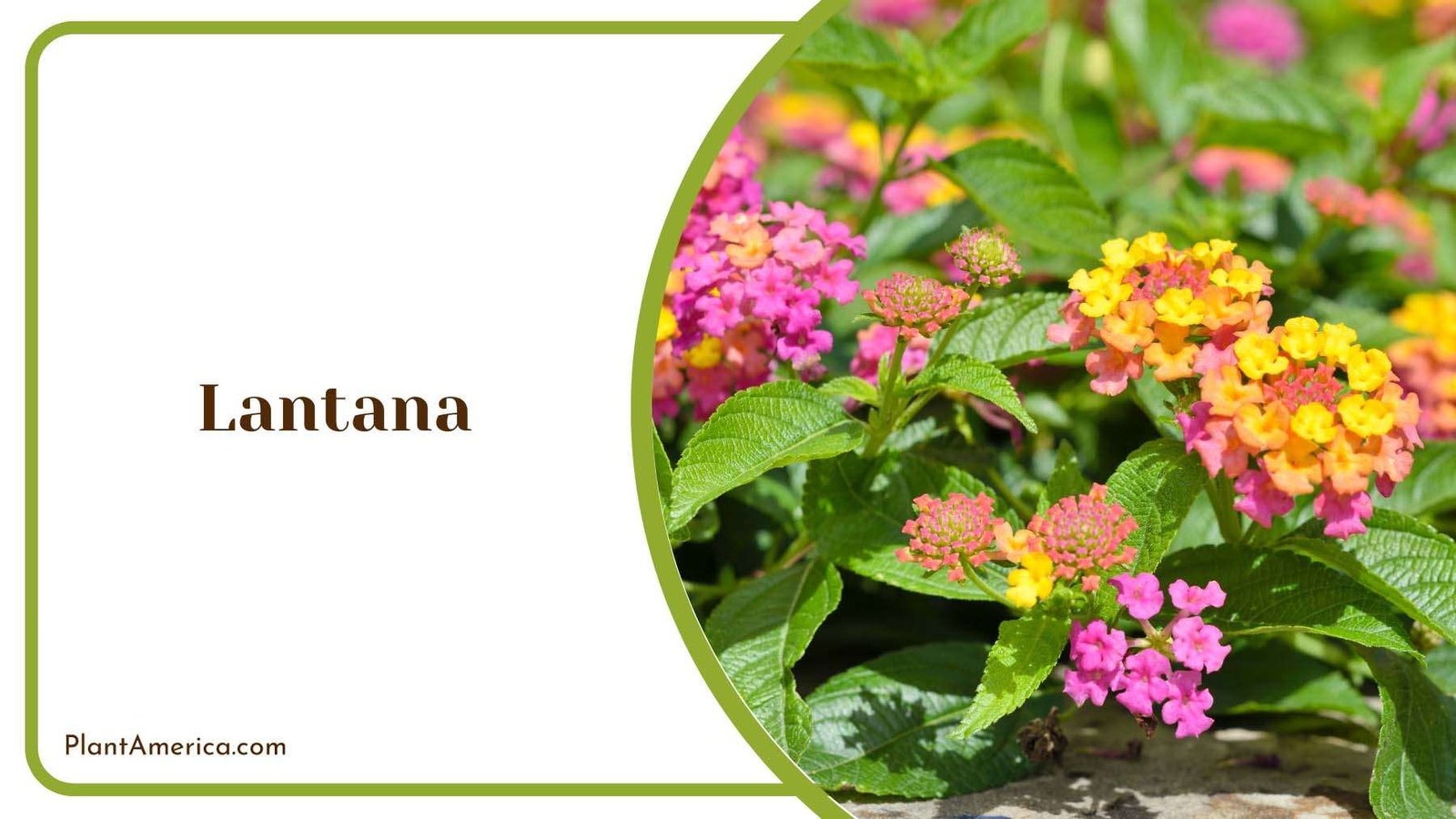
Lantana produces dense clusters of small, tubular flowers in magnificent shades of yellow, orange, and pink. The abundant blossoms attract butterflies, hummingbirds, and beneficial insects all season long while emitting a lovely fragrance, especially in the evening hours.
This compact, mounded shrub thrives when planted in full sun and takes dry conditions in stride once established. Snip off faded flowers as they appear to promote the development of new blossoms throughout the summer. Lantana can also be cut back hard after flowering to allow a second flush of blossoms later in the year.
9. Liatris
- Growing Season: Summer
- Leaf Shape: Linear, Grass-like leaves
- Specific Needs: Full sun, Well-drained soil
- Common Pests: Japanese beetle, Aphids
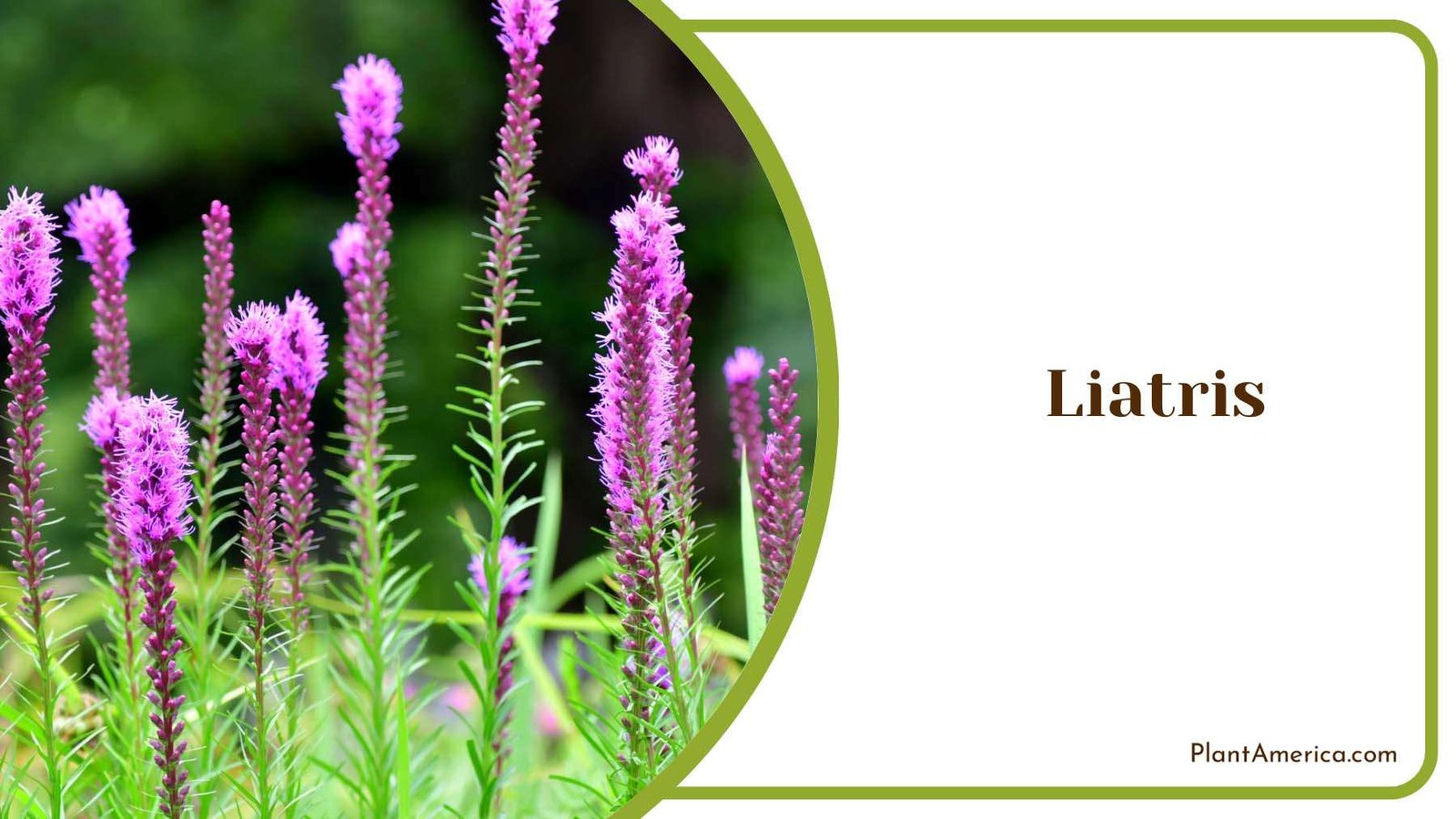
Also called a blazing star, Liatris produces tall spikes of showy flower clusters in purple, pink, and white shades. The narrow foliage is grayish-green and remains neat all season. These perennial clumps spread slowly to form large colonies over time.
Provide liatris with full sun conditions for maximum bloom time, and shearing after flower stalks fade stimulates fresh growth. The nectar-rich flowers attract butterflies and hummingbirds in abundance all summer.
10. Penstemon
- Growing Season: Summer
- Leaf Shape: Narrow, Lanced shaped leaves
- Specific Needs: Full sun, Well-drained soil
- Common Pests: Spider mites, Aphids
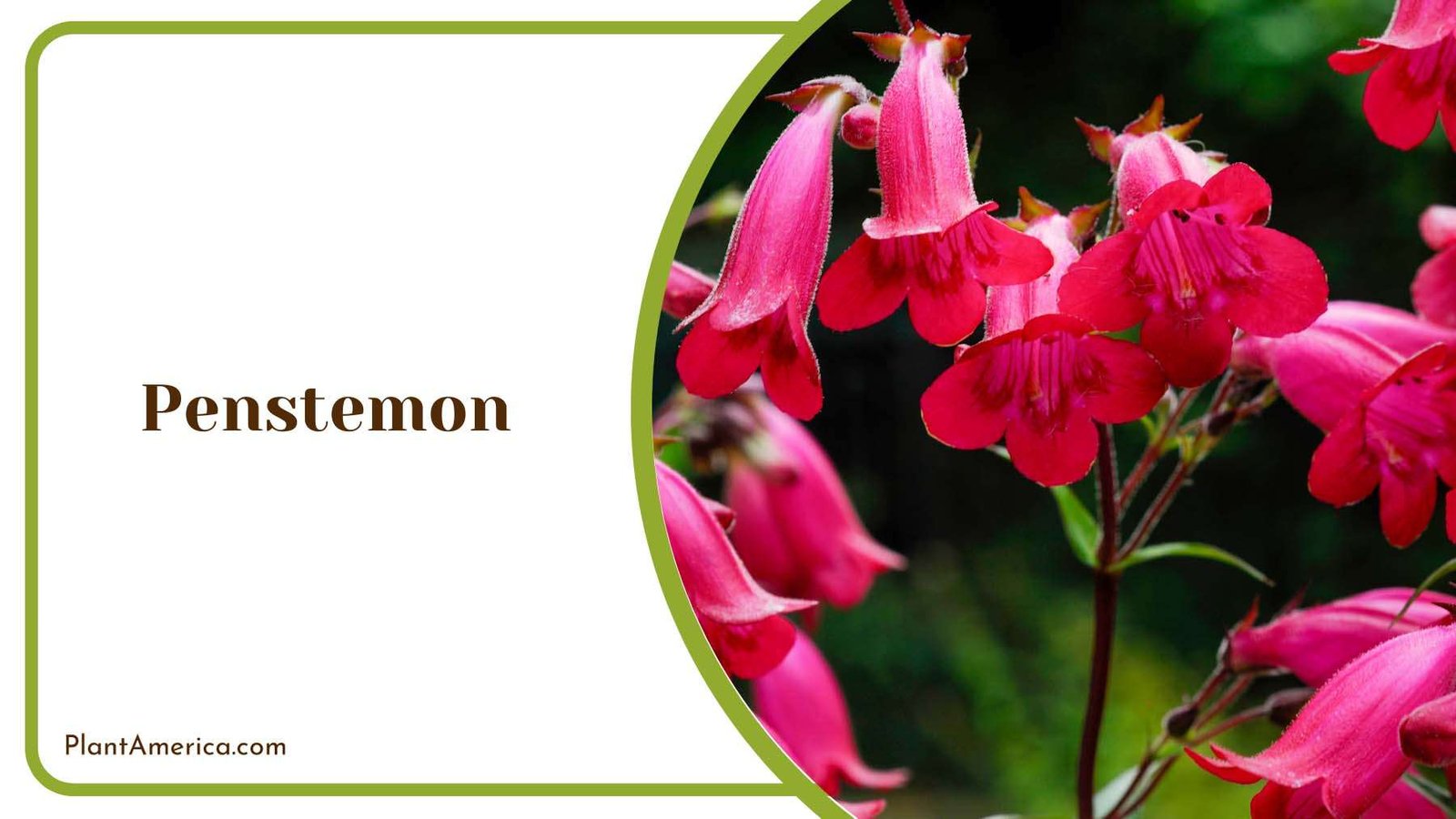
Penstemons produce long spikes of tubular flowers in colors ranging from white, blue, and pink to shades of red. The wedged-shaped leaves form tidy clumps of foliage. Several penstemon species thrive in full sun conditions and bloom profusely throughout summer.
In addition to attracting hummingbirds, penstemons are drought tolerant once established and resistant to many pests and diseases. These long-blooming perennials are fantastic additions to any hot, sunny garden.
11. Phlox
- Growing Season: Summer
- Leaf Shape: Oval, Opposite leaves
- Specific Needs: Full sun, Well-drained soil
- Common Pests: Japanese beetles, Aphids
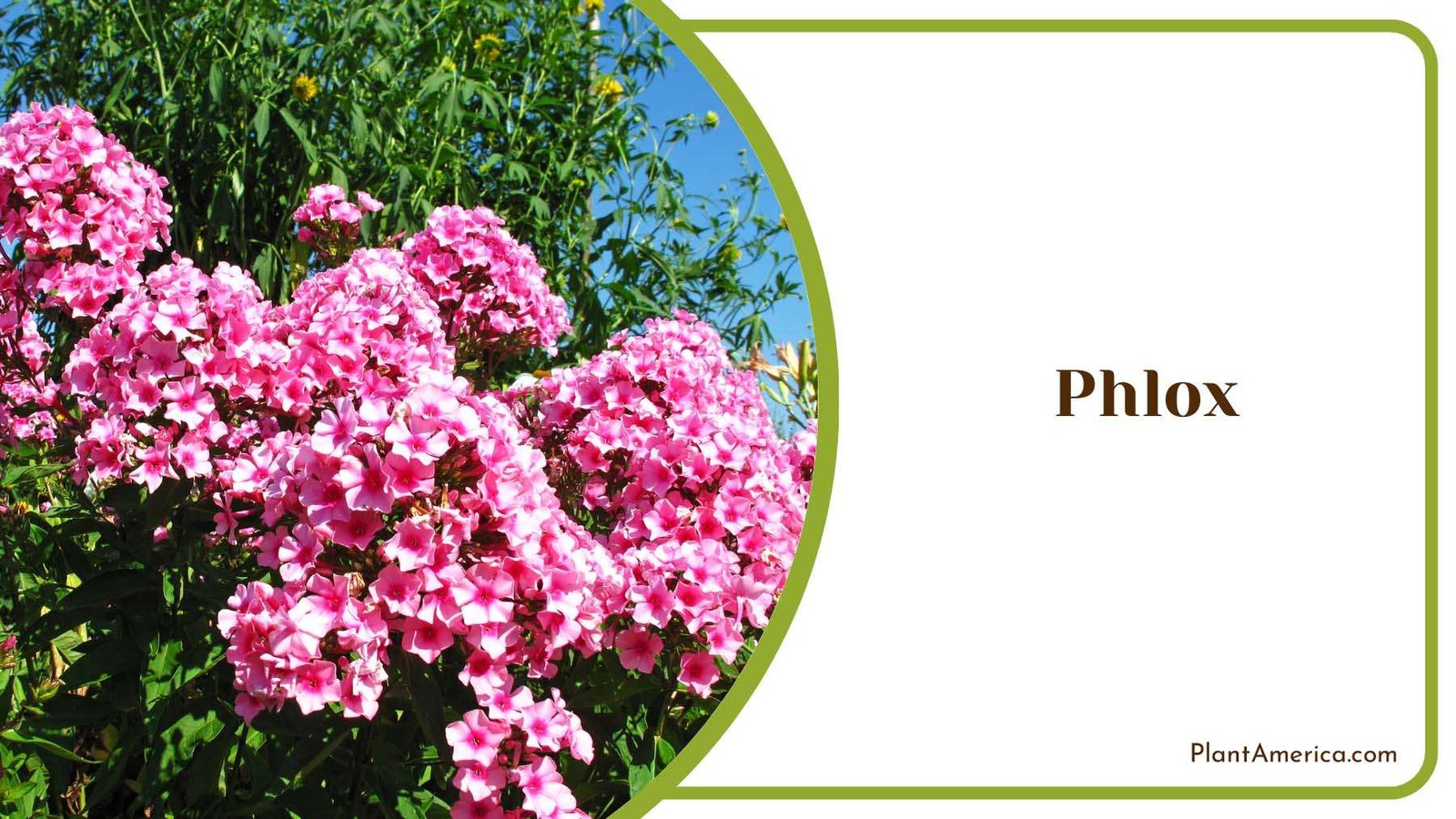
Phlox plants are beloved for their showy clusters of flowers in a wide palette of colors, including pure white, soft pastel pinks, rich lavender purples, and vivid dark reds. The flat-topped flower clusters completely blanket the leafy stems from mid to late summer and often continue blooming well into early fall.
The foliage of phlox plants forms dense, mounded clumps ranging in height from about one to three feet tall, and the spreads extend as wide as the plant is tall, depending on the specific cultivar. Leaf textures vary across the different types of phlox, from fine to crinkled and fuzzy.
12. Poppy
- Growing Season: Summer
- Leaf Shape: Oval, Compound leaves
- Specific Needs: Full sun, Well-drained soil
- Common Pests: Slugs, Aphids
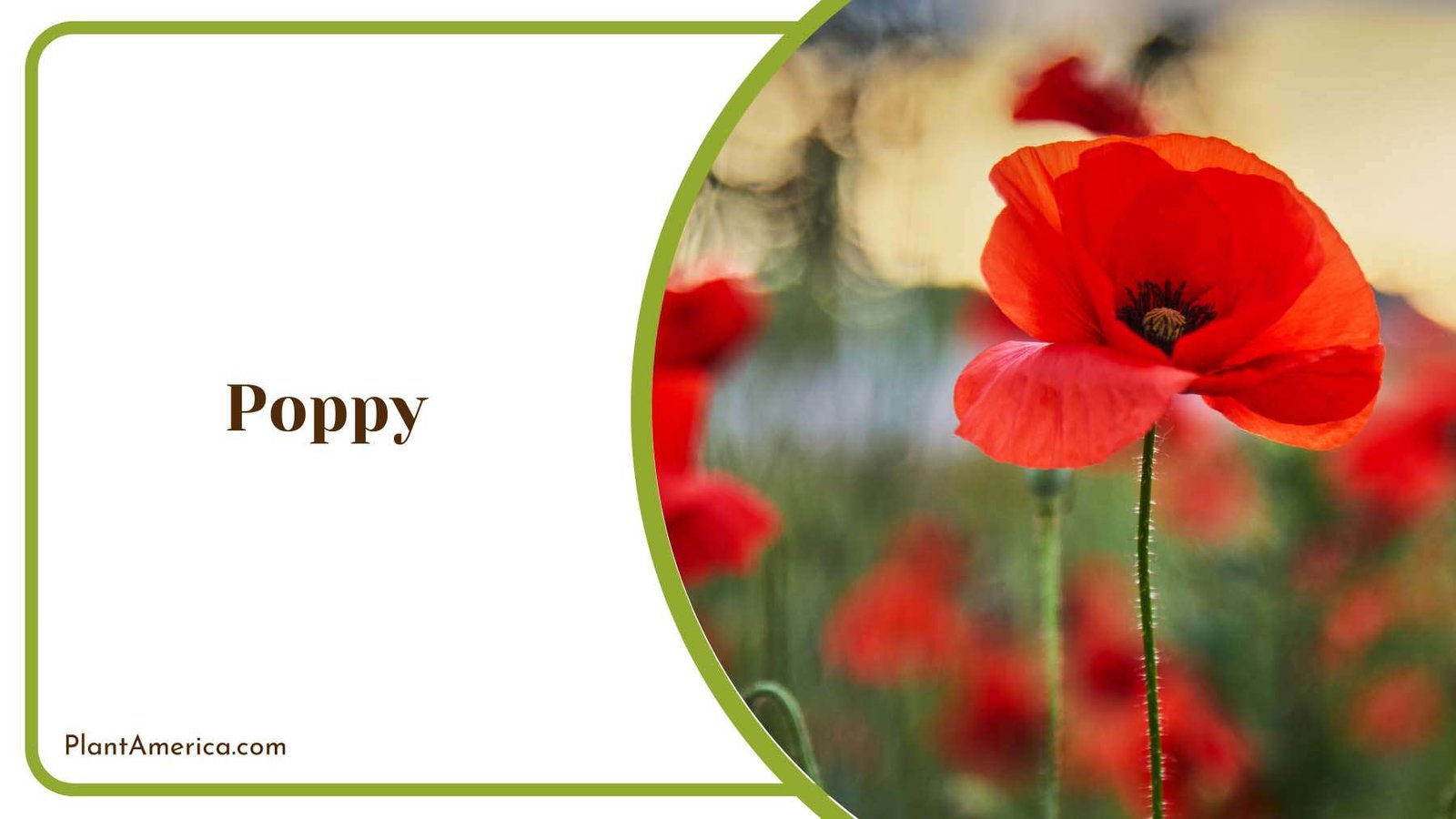
Poppies produce large, showy flowers in brilliant red, orange, pink, and white shades. Individual blooms last just a few days before fading, but they generate plenty of seeds during that short time, ensuring reseeding and return of new poppy plants the following season.
The lacy, deeply divided foliage forms a low-growing carpet around the flowering stems. Poppy leaves emerge early and remain green throughout the growing season, providing an attractive backdrop to the vivid blossoms.
13. Russian Sage
- Growing Season: Summer
- Leaf Shape: Elliptic, Opposite leaves
- Specific Needs: Full sun, Well-drained soil
- Common Pests: Spider mites, Aphids
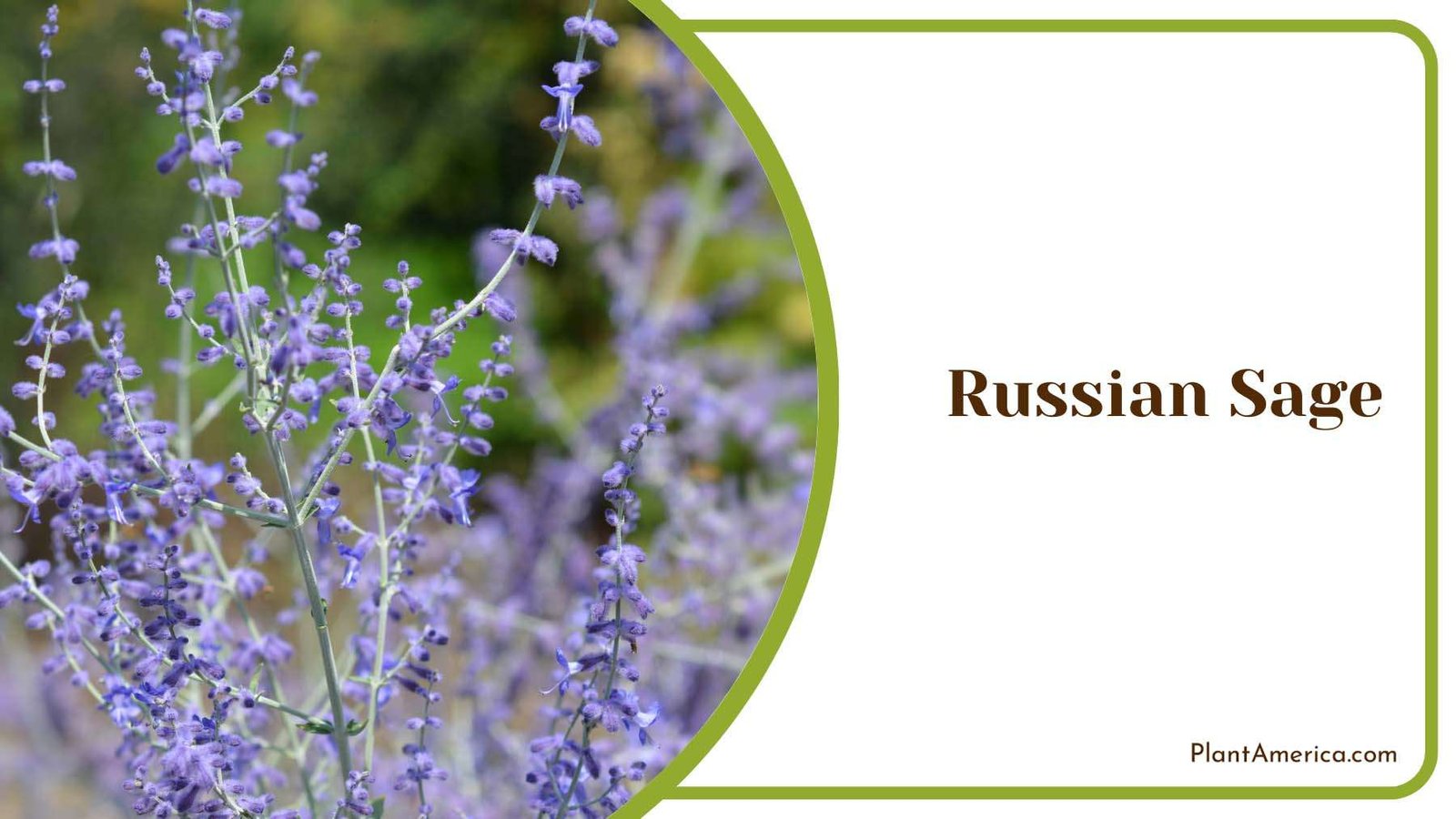
Russian sage produces airy spires of lavender flowers that attract butterflies all summer. The aromatic foliage is grayish-green and aromatic. This drought-tolerant perennial thrives in hot, full sun conditions and may die in winter in colder climates. Provide Russian sage with minimal water once established and trim faded stalks to encourage rebloom. The attractive foliage and long bloom time make this a go-to plant for hot, sunny spots.
14. Salvia
- Growing Season: Summer
- Leaf Shape: Oval, Lanced shaped leaves
- Specific Needs: Full sun, Well-drained soil
- Common Pests: Spider mites, Aphids
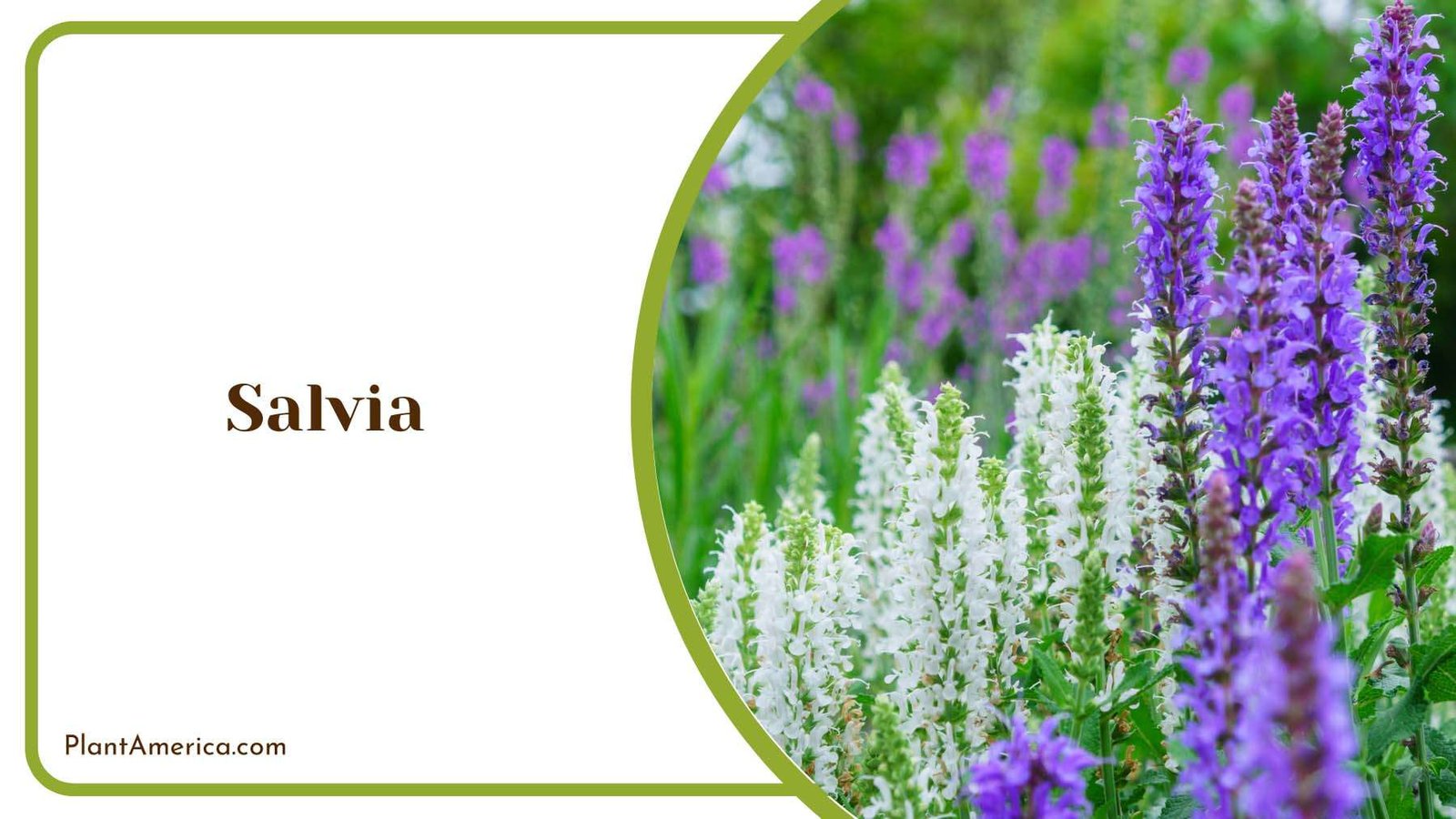
Common salvia, also known as sage, produces spikes of colorful tubular flowers in shades ranging from luminous blue and violet purple to rosy pink and snowy white. The vivid flower stalks rise high above the aromatic foliage, typically grayish-green and covered in fine hairs that give it a silvery appearance.
Most salvias thrive when planted in hot, sunny gardens and require minimal care beyond an occasional pruning of spent flower stalks to encourage additional blooming. Cut off faded flower spikes at or below soil level to promote fresh new growth.
15. Snapdragon
- Growing Season: Fall
- Leaf Shape: Long, Narrow leaves
- Specific Needs: Full sun, Well-drained soil
- Common Pests: Spider mites, Aphids
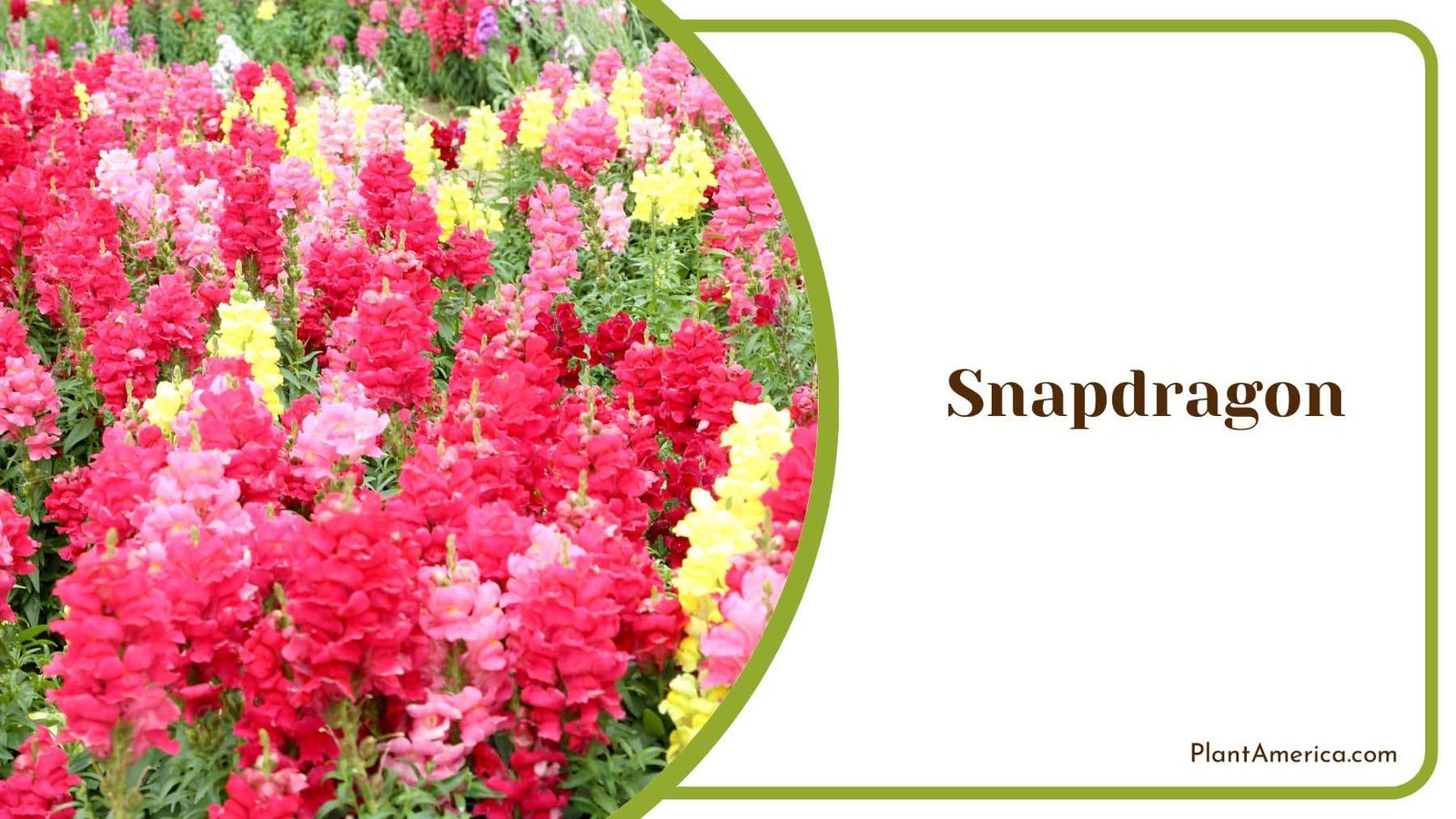
Snapdragons produce tall, upright spikes of tubular flowers in a rainbow of colors, including reds, pinks, oranges, yellows, and even bi-colors. The narrow, grassy foliage forms relatively low, tidy clumps that provide a base for the long flower stalks, which can grow upward to reach heights between two to three feet tall.
With adequate moisture and regular deadheading of faded flowers, snapdragon blooms may last well into fall. Pinch or cut off spent blooms to the next set of leaves to encourage additional flowering. Some varieties will also naturally reseed themselves, ensuring new plants the following year.
16. Sunflower
- Growing Season: Summer
- Leaf Shape: Alternate, Lobed leaves
- Specific Needs: Full sun, Well-drained soil
- Common Pests: Spider mites, Aphids
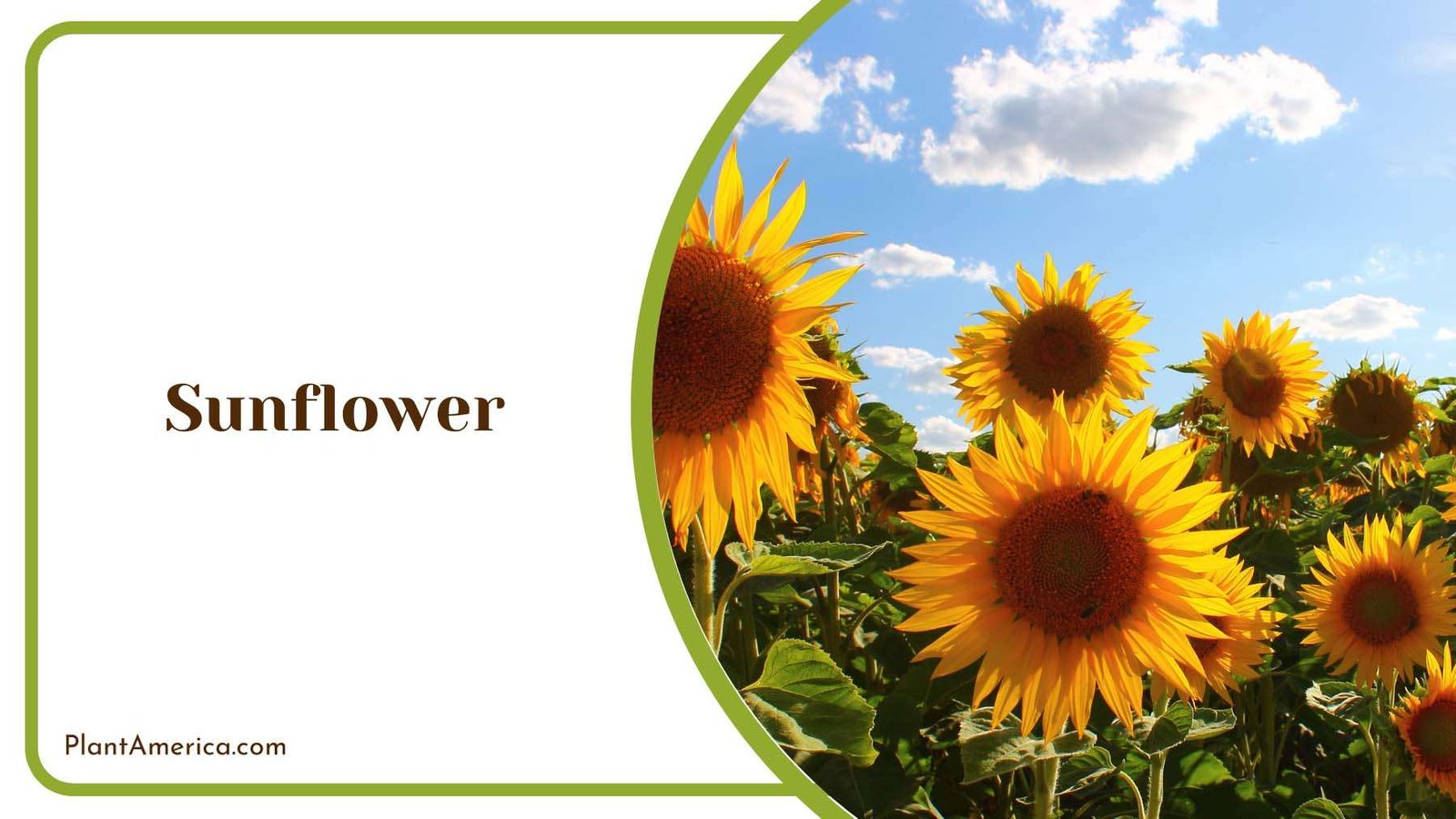
Sunflowers produce large, cheerful flowers in shades of yellow, orange, and even red. The towering flower stalks attract beneficial insects and songbirds, while the circular flower shape makes an eye-catching addition to borders and flower beds.
With such vigor and toughness, sunflowers are an easy choice for full sun flowering plants. Provide ample space and regular water for the first month after planting, then let nature take its course with these spirited beauties!
17. Sunrose
- Growing Season: Summer
- Leaf Shape: Compound, Ferny leaves
- Specific Needs: Full sun, Well-drained soil
- Common Pests: Spider mites, Aphids
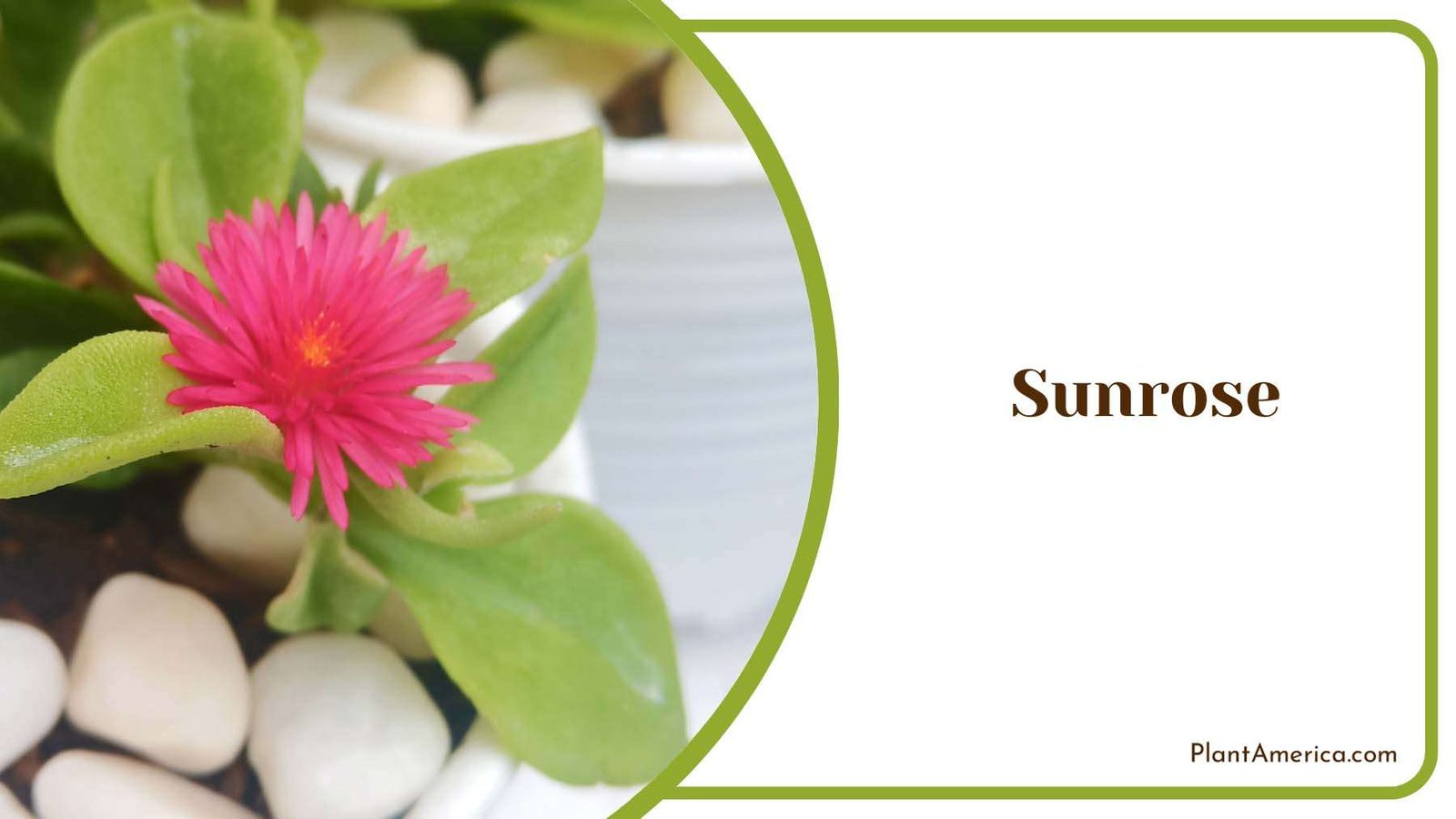
Sunrose produces cheerful daisy-like flowers in vibrant shades of yellow and golden orange. The slender stems bear one to two-inch blooms that resemble a miniature sun disc due to their cheerful color and simple yet striking form.
The feathery, ferny foliage of sunrose forms a low, dense, mounded shape that provides an attractive backdrop to the brightly colored flowers. Snip off faded flower heads to encourage the production of fresh blooms throughout the growing season.
18. Sweet Alyssum
- Growing Season: Summer
- Leaf Shape: Small, Oval leaves
- Specific Needs: Full sun, Well-drained soil
- Common Pests: Spider mites, Aphids
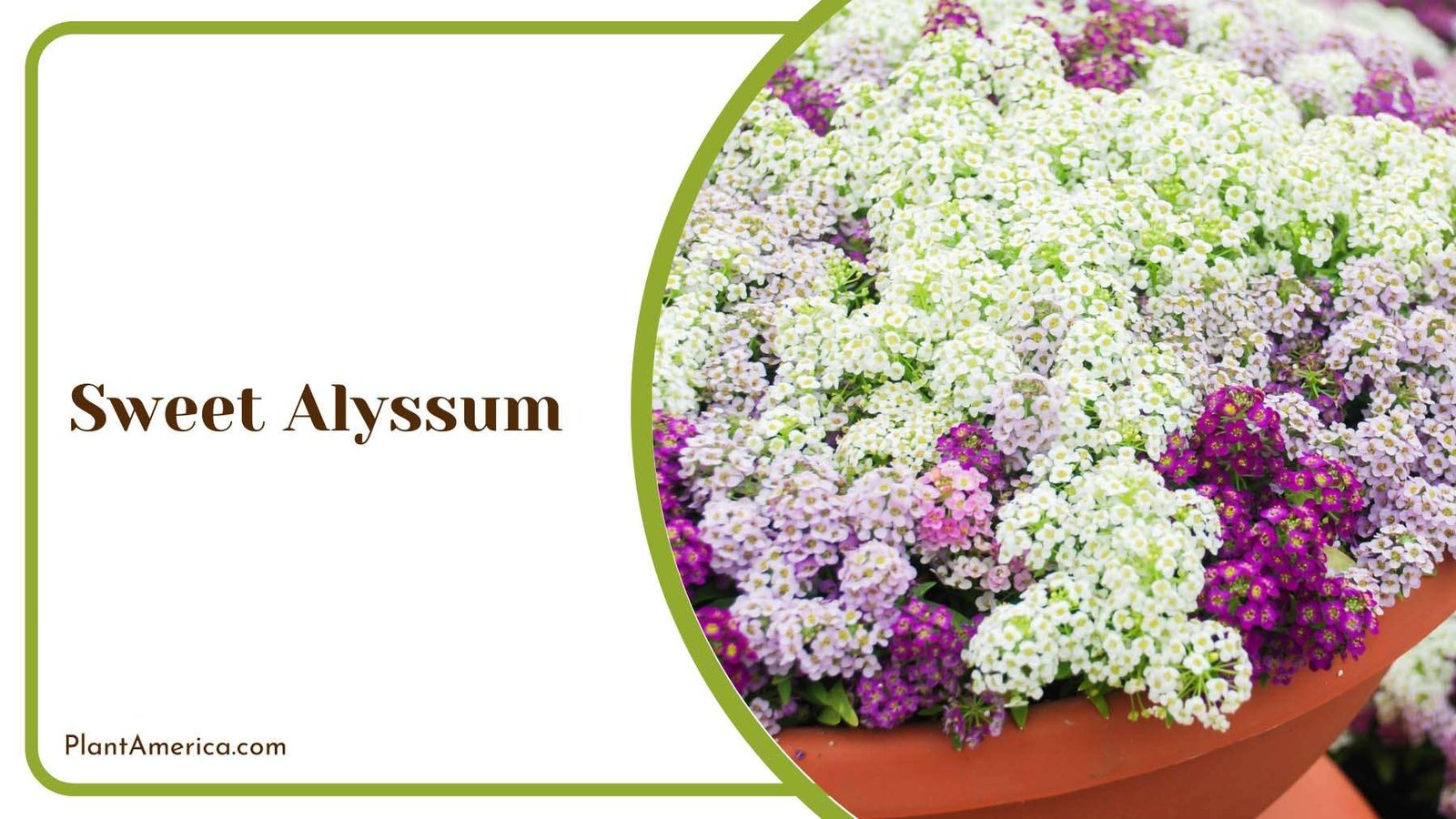
Sweet alyssum produces many tiny, fragrant white flowers that attract beneficial insects like honeybees and predatory wasps. The sweet nectar and pollen reward these hungry helpers while the carpet-forming foliage habit of sweet alyssum quickly spreads to form a dense, low mat that covers the ground. To maintain a neat shape and maximize bloom time, trim the plants about a third after the first flush of flowers fades.
This stimulates the production of fresh growth and bloom throughout summer. Deadhead individual faded flowers extend bloom through summer and into fall for even longer flower power.
Sweet alyssum performs best when planted in full sun and given average, well-drained soil conditions. The heat and drought tolerance of this easy-care flowering groundcover makes it an excellent choice for sunny gardens needing a splash of color and nectar reward for helpful insects.
19. Tickseed
- Growing Season: Summer
- Leaf Shape: Compound, Ovate leaves
- Specific Needs: Full sun, Well-drained soil
- Common Pests: Spider mites, Aphids
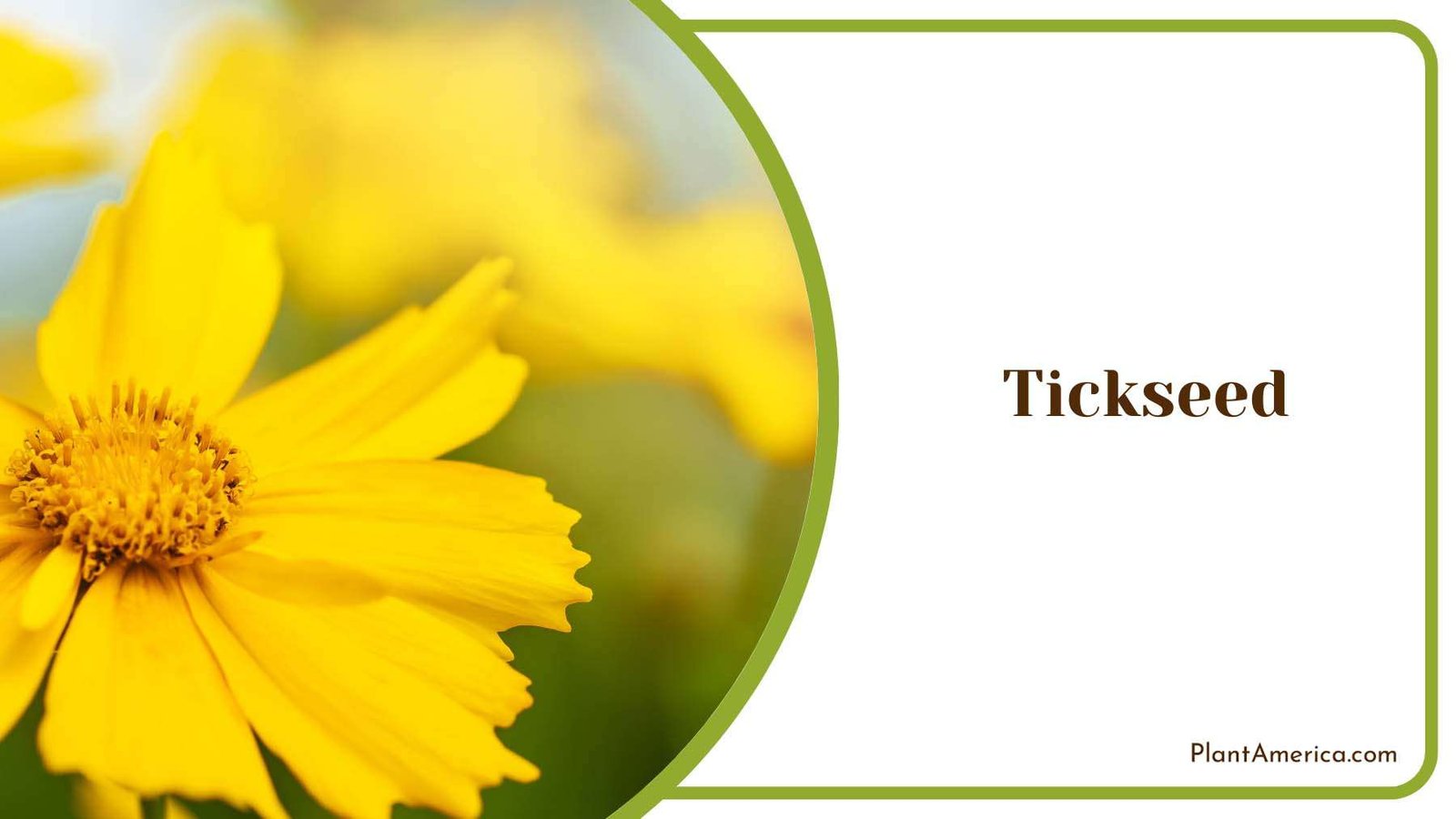
Tickseed produces dense clusters of yellow and orange daisy flowers. The narrow, textured foliage forms mounded clumps around the multiple flowering stems, and several species and hybrids of tickseed bloom from summer into fall, given adequate moisture and fertilizer.
Cut back spent blooms to promote rebloom. Tickseed thrives with full sun exposure and average to drier soil conditions. Tickseed’s heat and drought tolerance make them vibrant additions to any hot and sunny garden beds.
20. Verben
- Growing Season: Summer
- Leaf Shape: Oval, Lanced shaped leaves
- Specific Needs: Full sun, Well-drained soil
- Common Pests: Spider mites, Aphids
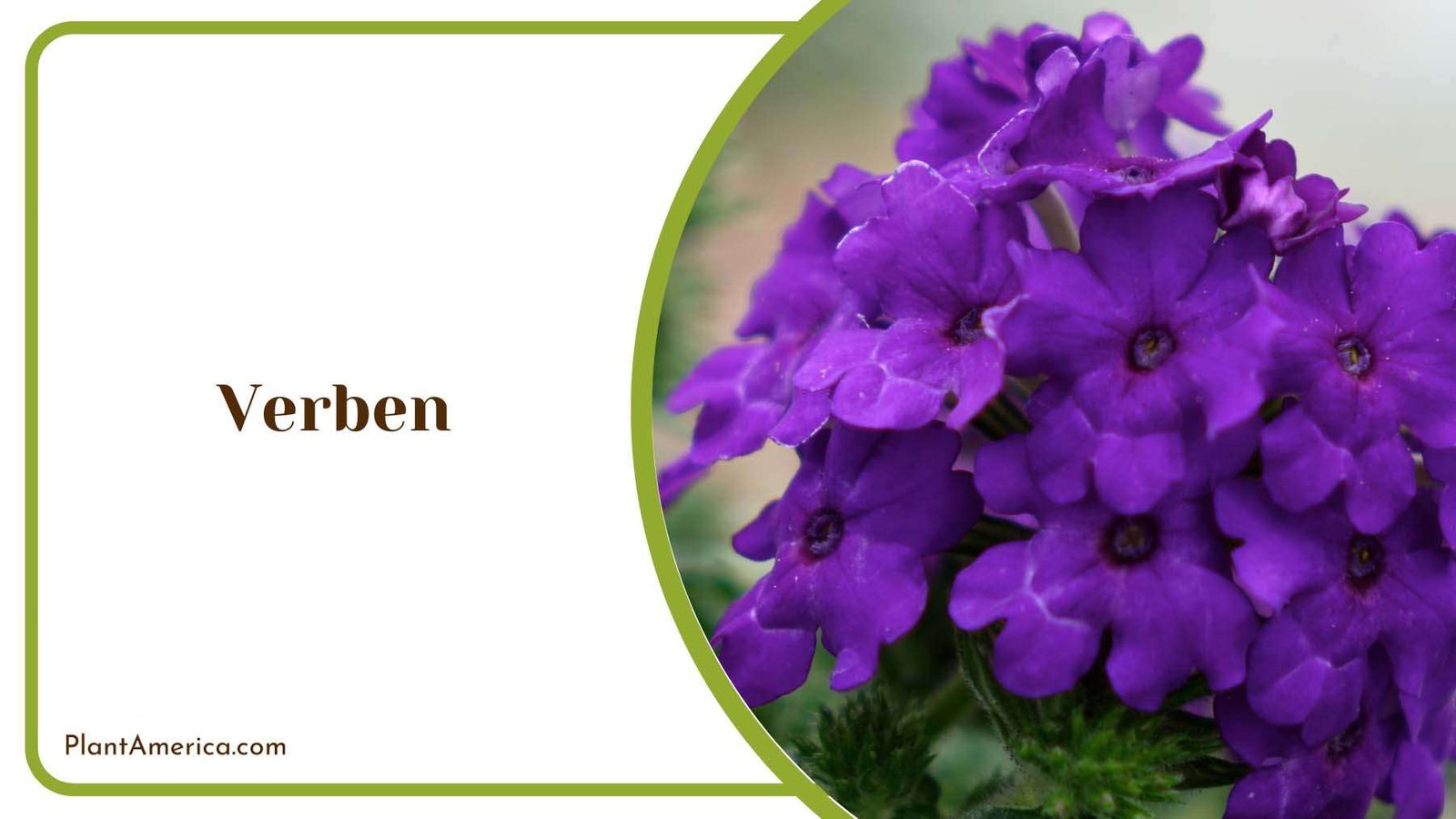
Verbena plants feature drooping clusters of tiny tubular flowers in shades ranging from rich purple through rosy pink, scarlet red, and white. The spreading stems form dense, rounded mounds and will readily cascade over garden edges, walls, and container rims.
Deadhead faded blossoms regularly throughout the summer to encourage verbena’s signature trait: continuous bloom from early summer well through fall, often until frost. Pinch or snip off spent flower clusters down to the next set of healthy leaves.
While some verbena species prefer partial shade, especially in hot climates, most thrive when grown in full sun conditions for at least six hours daily. They also grow best in average, well-drained soil that is amended with organic matter and kept evenly moist.
21. Yarrow
- Growing Season: Summer
- Leaf Shape: Grey-green, Feathery leaves
- Specific Needs: Full sun, Well-drained soil
- Common Pests: Spider mites, Japanese beetle
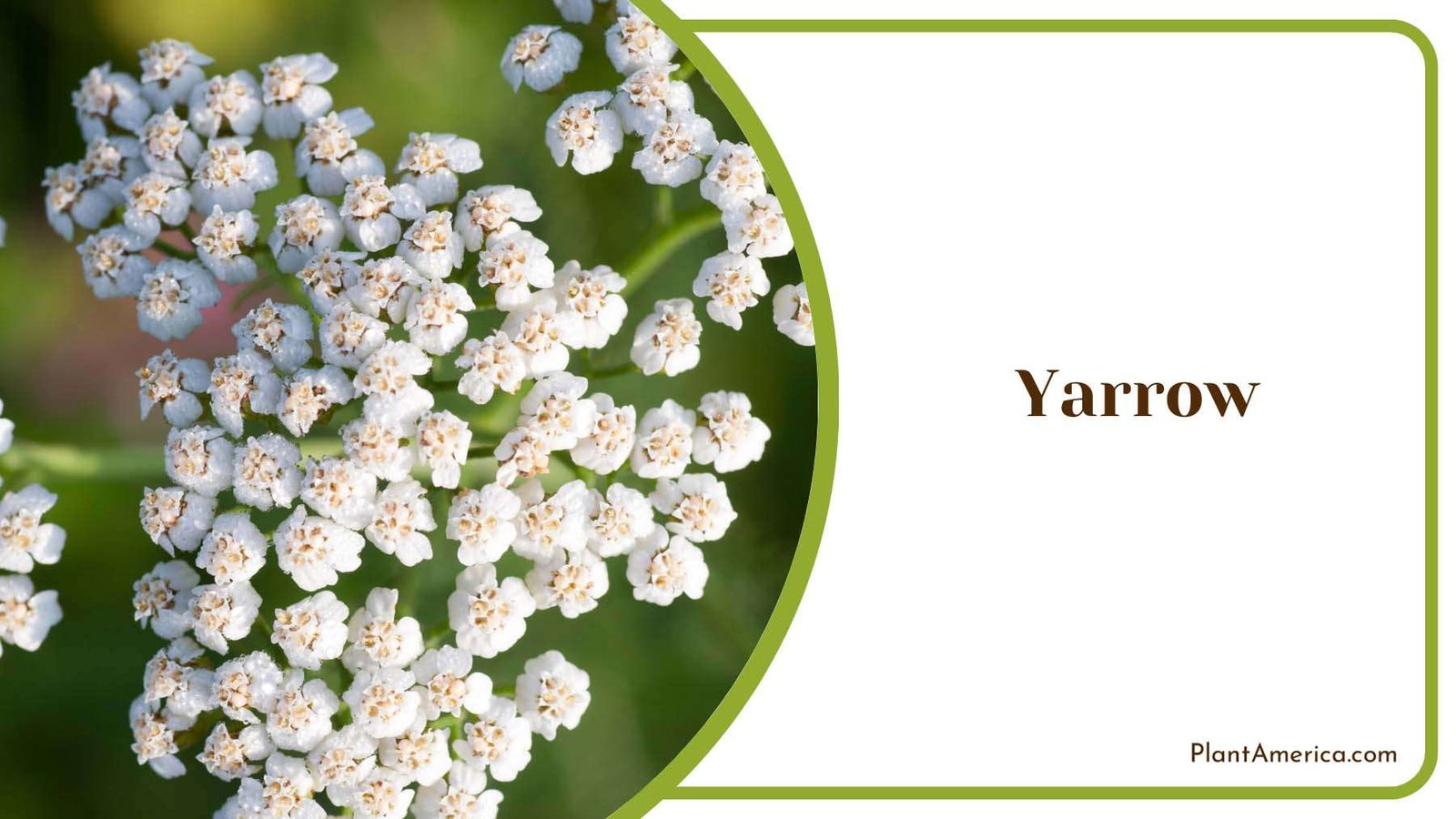
Yarrow produces flat-topped clusters of tiny flowers in white, pink, and yellow shades. The ferny gray-green foliage remains upright all season before dying completely in winter. Many yarrow species thrive best in full sun conditions and tolerate hot and dry locations.
Shear flower stalks after bloom to promote fresh basal growth and divide crowded clumps every three to four years. Yarrow’s attractiveness to pollinators, durability, and versatility make it a fantastic choice for hot, sunny spaces needing reliable color.
22. Zinnia
- Growing Season: Summer
- Leaf Shape: Elliptic, Toothed, Coarsely leaves
- Specific Needs: Full sun, Well-drained soil
- Common Pests: Japanese beetles, Aphids
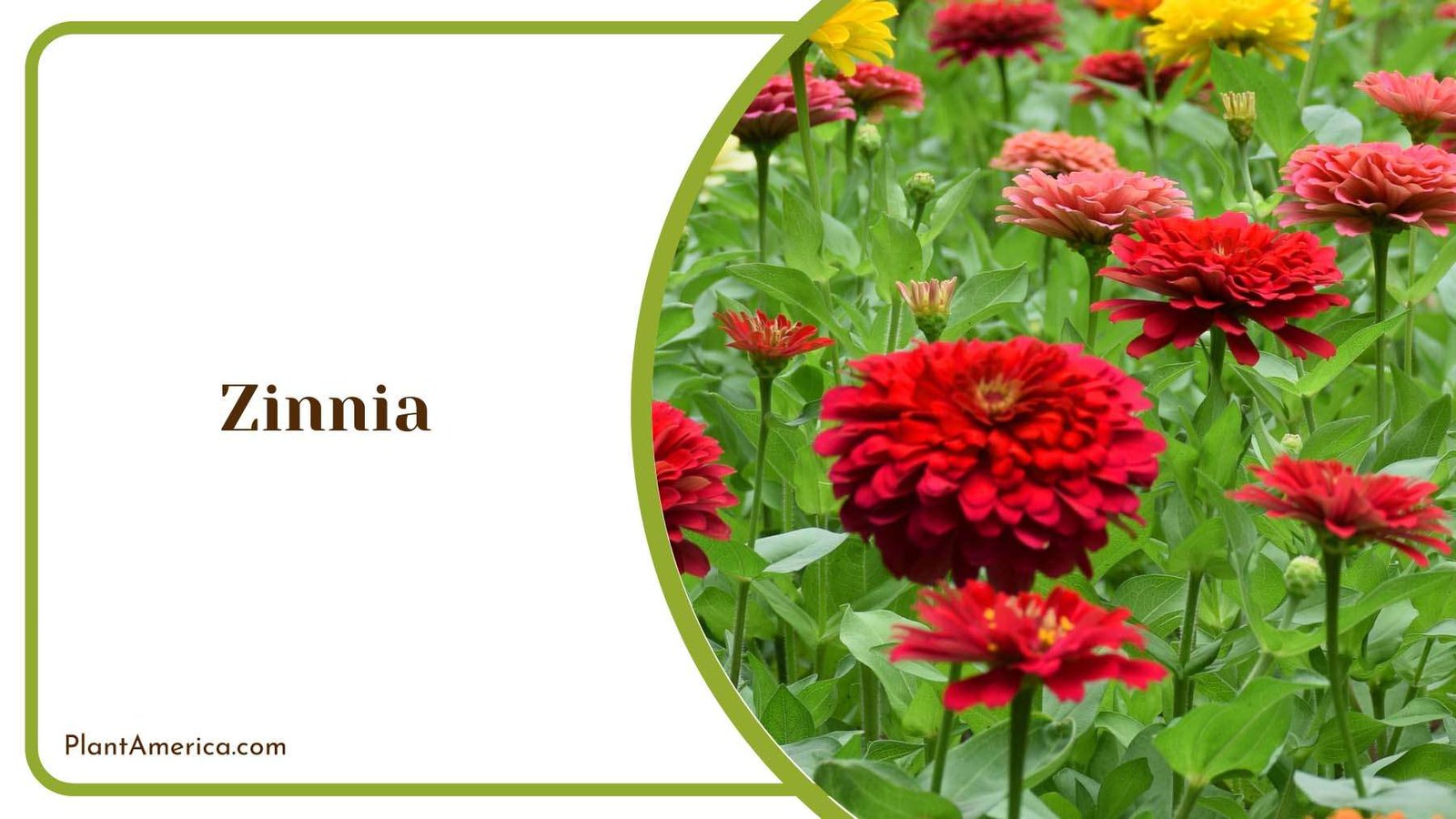
Zinnias produce cheerful daisy flowers from red, orange, yellow, pink, and white. The varieties differ in height and flower size from the common garden zinnia to the giant flowered zinnias. All thrive best with full sun exposure and average, well-drained soil.
Regular deadheading will promote longer bloom times from summer into fall. Zinnias attract beneficial insects while requiring little care beyond staking the taller varieties. These profuse bloomers make perfect additions to hot, sunny gardens.
23. Coreopsis
- Growing Season: Summer
- Leaf Shape: Compound, Lobed leaves
- Specific Needs: Full sun, Well-drained soil
- Common Pests: Spider mites, Japanese beetle
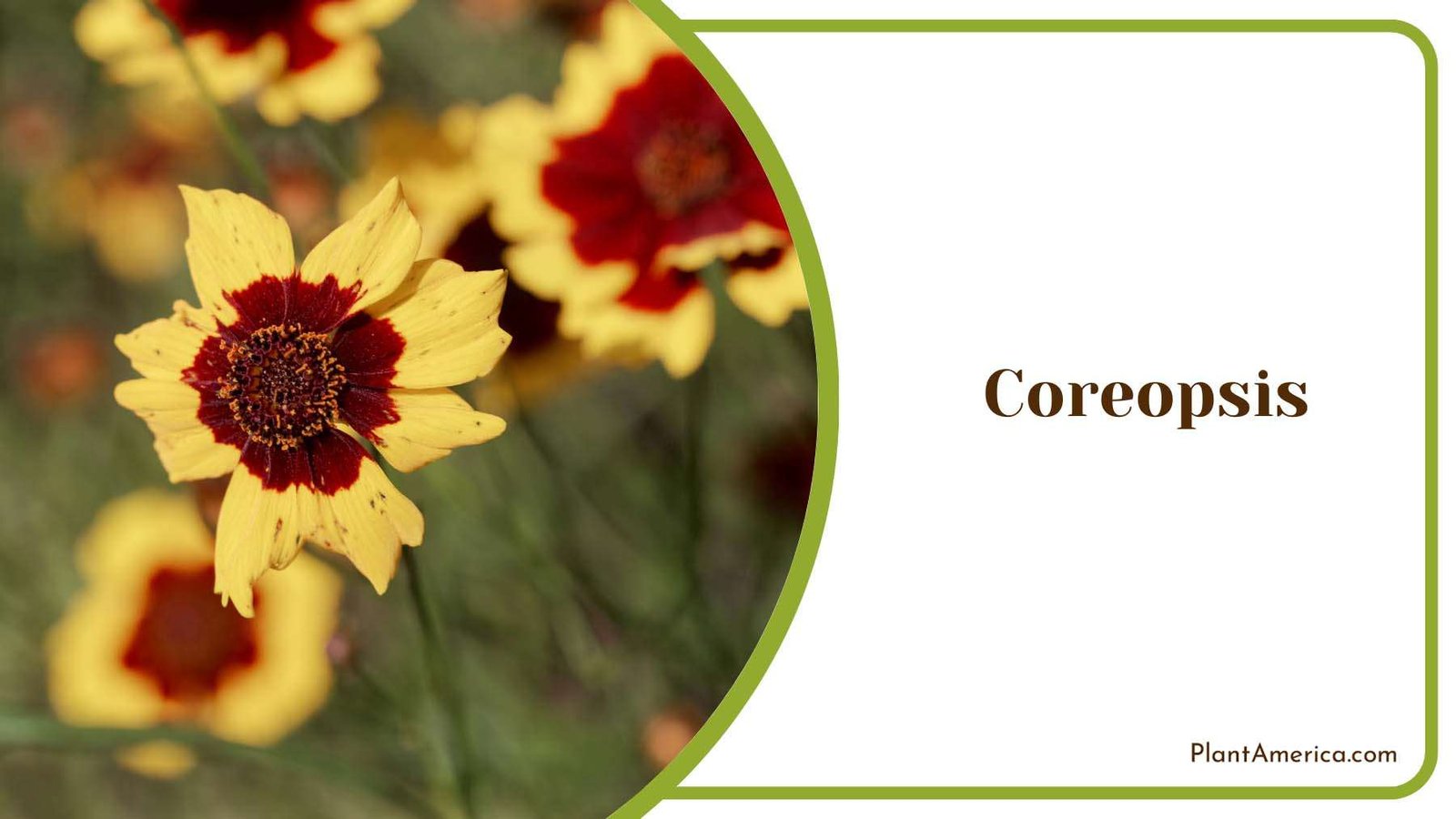
Coreopsis produces cheerful yellow, red, or orange daisy flowers. The slender stems bear single or double blooms atop narrow foliage. Coreopsis thrive best in full sun conditions where they bloom non-stop from summer into fall. Regular deadheading of spent flowers encourages repeat blooming potential. Provide coreopsis with average, well-drained soil and adequate moisture for a nice display of color and texture all season long.
24. Marigold
- Growing Season: Summer
- Leaf Shape: Pinnate, Lobed leaves
- Specific Needs: Full sun, Well-drained soil
- Common Pests: Spider mites, Japanese beetles
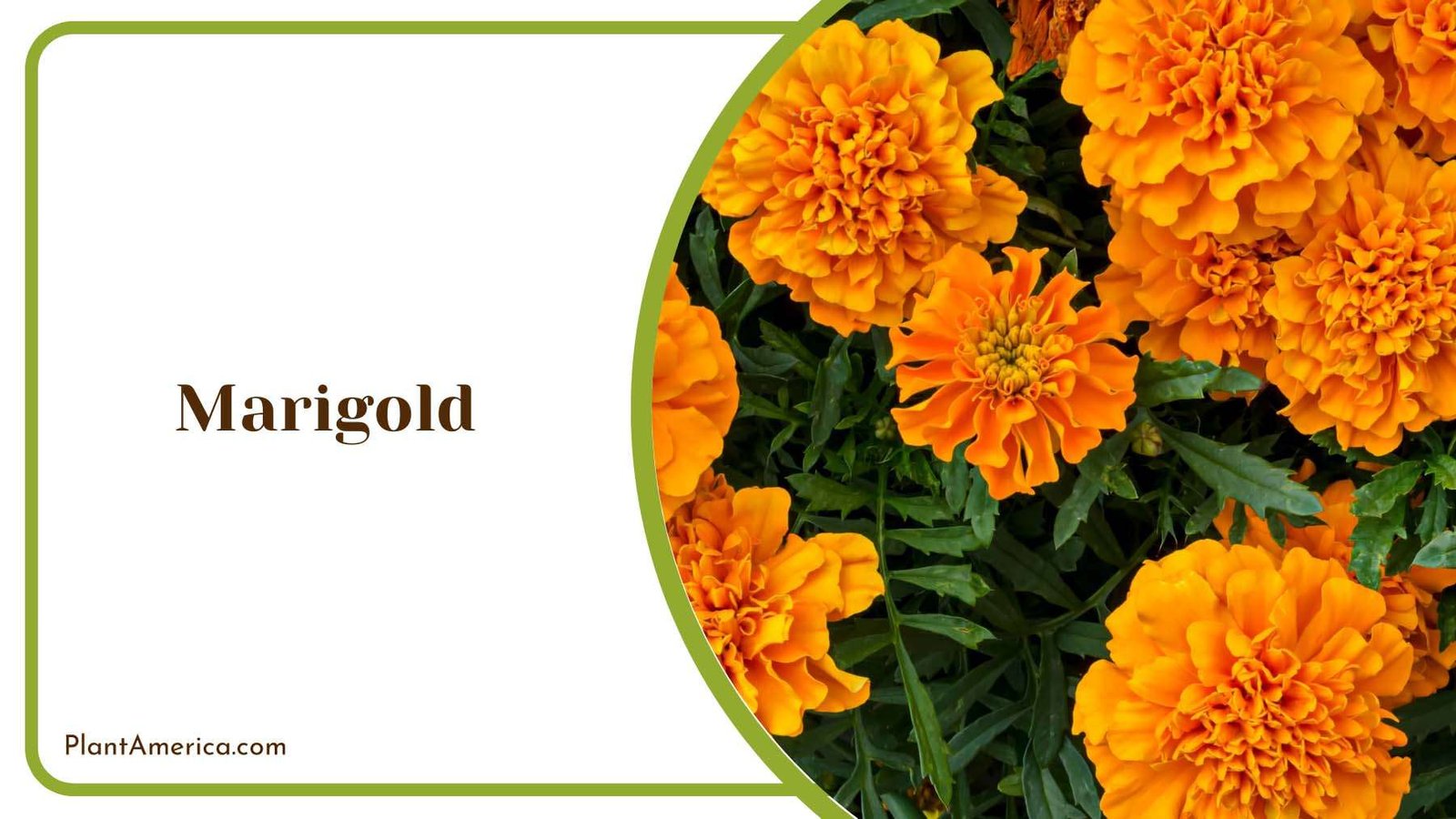
Marigolds produce small flowers in shades of yellow, orange, and gold atop narrow green foliage. Though short-lived, marigold flowers bloom from summer into fall and beyond with adequate fertilizer and water. Provide marigolds with full sun exposure and average to drier soil for best results.
Pinch plants back regularly to promote branching and a bushier habit. In addition to being relatively pest-free, marigolds release an organic insect repellent from their roots, making them great companion plants.
25. Milkweed
- Growing Season: Summer
- Leaf Shape: Summer, Opposite leaves
- Specific Needs: Full sun, Well-drained soil
- Common Pests: Japanese beetle, Aphids
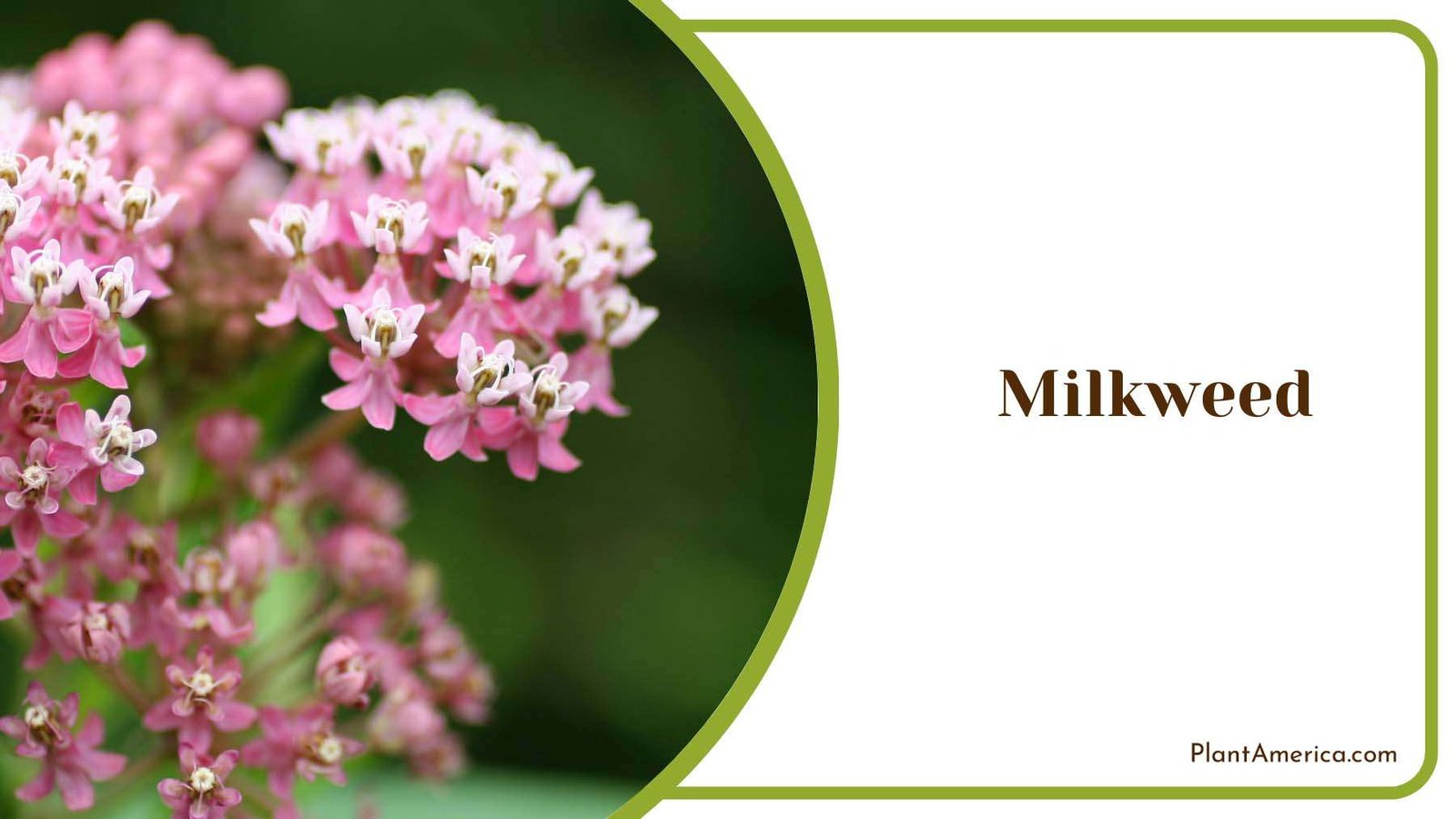
Milkweed produces clusters of fragrant pink, purple, or white flowers atop tall stems. Each flower gives way to characteristic seed pods, which provide vital nutrients for monarch butterflies.
The simple, oval leaves form an upright clump. Several species of milkweed thrive in hot, full sun conditions. Provide milkweed with average, well-drained soil and moisture for ideal growth. Due to its importance for monarch butterflies, milkweed should feature prominently in any butterfly garden or meadow planting.
Conclusion
Adding full-sun flowering plants to your garden offers several benefits:
- Black-eyed Susan is one of the easiest and hardest working “sun perennials” you can plant.
- Poppies produce large, showy flowers in brilliant red, orange, pink, and white shades.
- The blanket flower gets its name from how the large blossoms completely “blanket” the plant from top to bottom.
You can enjoy a non-stop display all season by choosing a variety of sun-loving bloomers in different heights, bloom times, and flower colors. Get started by selecting and planting your favorites from the recommended plants and prepare to soak up the sunny mood-boosting benefits all summer!