
How to transplant purple heart plants of the Commelinaceae family is vital when you’re looking to keep them healthy and beautiful.
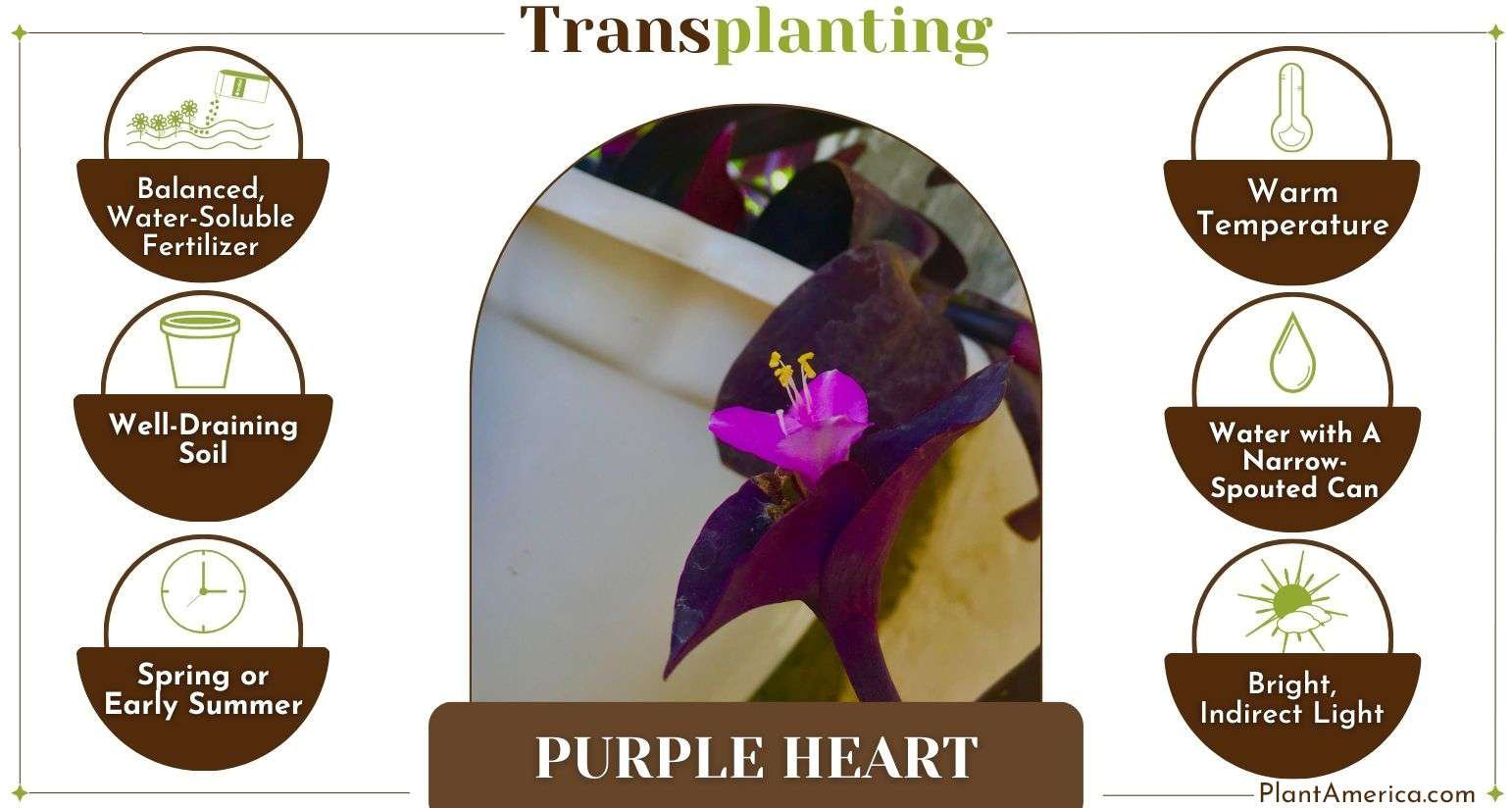 These purple beauties, scientifically known as Tradescantia Pallida, are usually grown in containers, but you can occasionally spot them running wild in open areas.
Whether transplanting or propagating purple heart plants, this guide will get you going!
How to Transplant a Purple Heart Plant?
Transplanting your purple heart plant is as easy as picking and preparing the right time and container. Next, you’ll remove the plant and place it in its new home before giving it the right growing conditions. Just note that inspection and pruning are more critical than most gardeners realize.
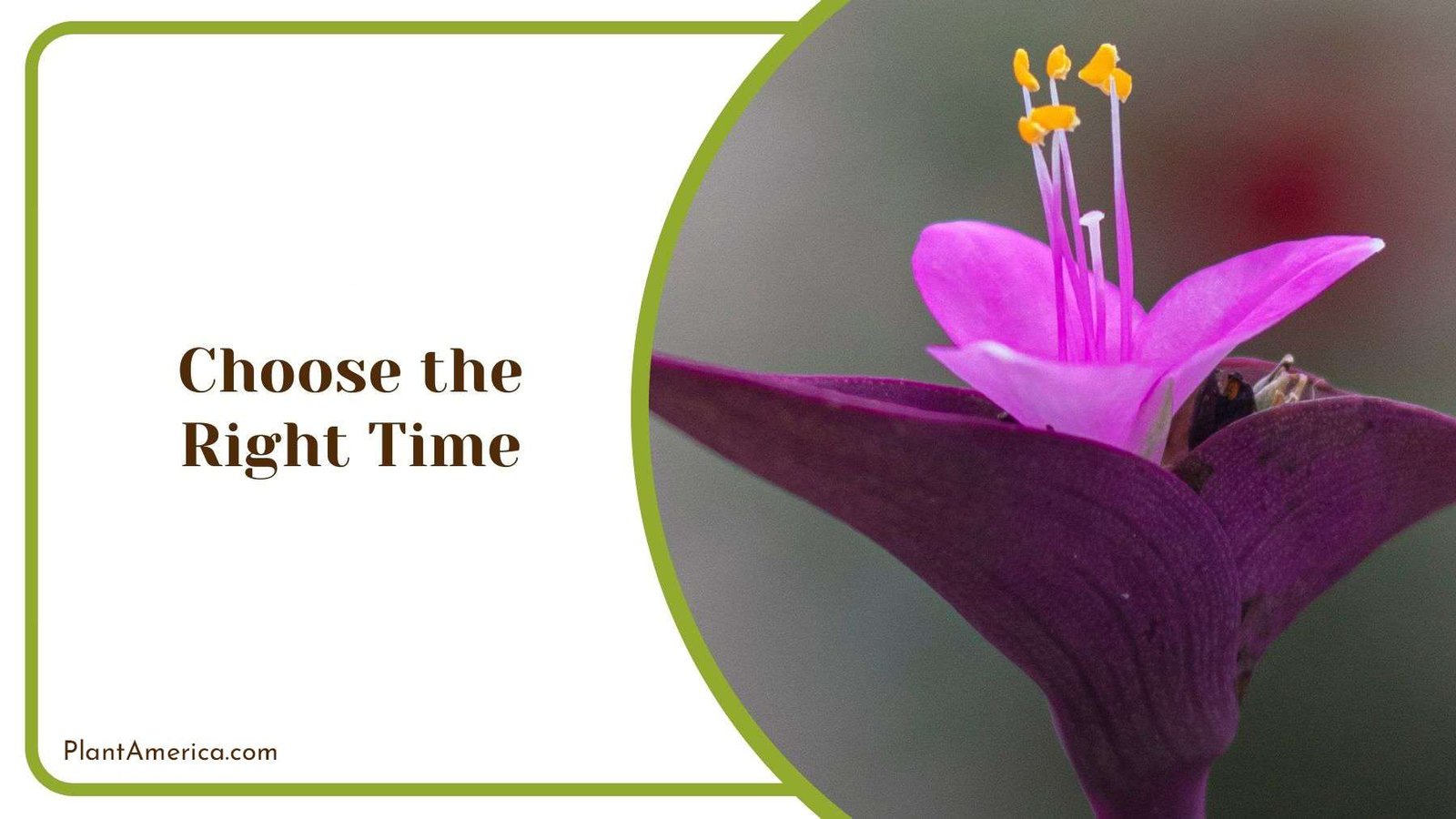
1. Choose the Right Time
The best time to transplant a purple heart is when it’s actively growing. This usually happens in spring or early summer. During this time, the plant has more energy and is more likely to thrive in its new spot. Transplanting it now helps it settle before the weather gets colder. Keep the plant at its ideal temperature, around 60 to 7 F.
2. Select a New Pot
Think about going for a slightly larger pot than your plant’s current one. This offers room for the roots to expand. Opting for a pot that’s around an inch or two wider in diameter is a good plan. When selecting a pot, consider strong materials like clay, ceramic, or plastic.
These materials also assist in maintaining root insulation. Ensure the chosen pot has holes at its base for water drainage. This prevents excess water accumulation and the potential for root rot. Keep in mind that proper drainage significantly contributes to your plant’s overall health.
3. Prepare the New Pot
Let’s start by choosing a new pot. Make sure it’s a bit bigger than the current one and has holes for drainage to avoid overwatering. A bigger pot gives the plant’s roots more space to let plants grow. Now, go for a potting mix that drains well. You can either get a succulent or cactus mix from the store or make your own.
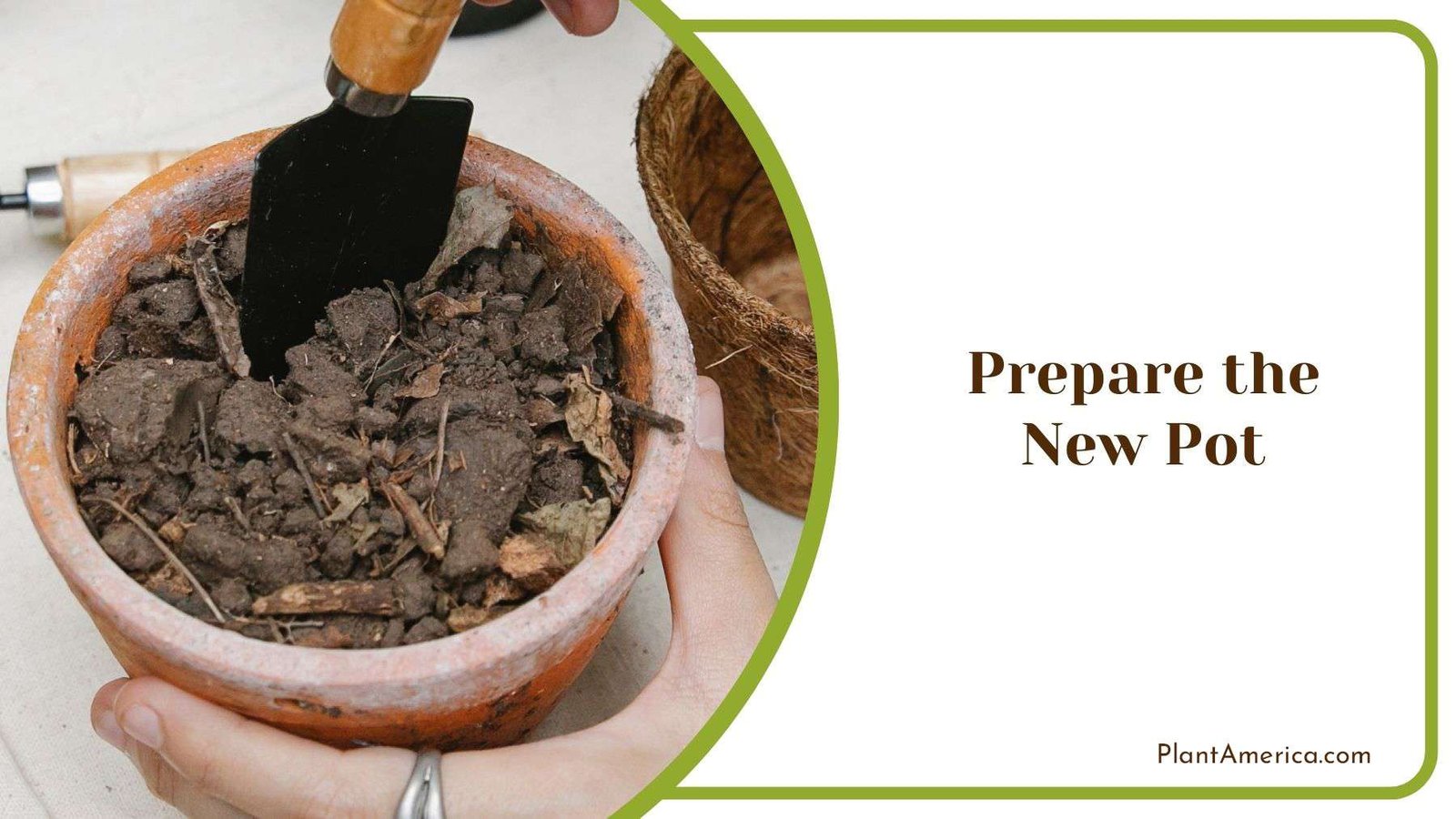
To create your mix, blend regular potting soil with perlite, vermiculite, or sand. This mix helps water flow and air reach the roots, preventing them from getting too wet. Having good drainage is important because the purple heart plant can get root rot if its roots stay in soggy soil for too long.
4. Water the Plant
Keeping your purple heart vine well-hydrated readies it for the move. Watering now ensures sufficient hydration, aiding root strength during pot change and reducing shock risk. Pre-transplant watering refreshes the plant for adjusting to the new location. Well-watered plants adapt better, increasing transplant success.
5. Gently Remove the Plant
To safely remove the purple heart plant from its pot, begin by placing your hand over the pot’s top with spread-out fingers. Gently flip the pot while holding the purple heart vine’s stems’ base to avoid harm. Tap the pot’s bottom to loosen the plant and roots, rotating it slightly for better detachment.

Pull the pot away slowly as the root ball loosens, allowing the plant to come out. Hold the stem’s base to prevent damage. Avoid forceful pulling to protect the roots if the purple heart vine is stuck. Instead, massage the pot’s sides, repeating the tapping and rotating.
6. Inspect and Prune
To start, gently untangle any roots that might be tangled around the root ball or pressed tightly. Look for brown, soft, or harmed roots, as these could mean decay or strain. Then, use clean trimming tools or sharp scissors to make accurate cuts and take away these unwell roots. Cut them back to the healthy part.
This stage is crucial for the Purple Heart Vine’s overall health and to prevent issues in the new pot. Yet, be cautious not to trim too many healthy roots, as this could impact the plant’s ability to settle into its new place. Following root trimming, the plant can concentrate on growing fresh, sturdy roots in the unique potting mix.
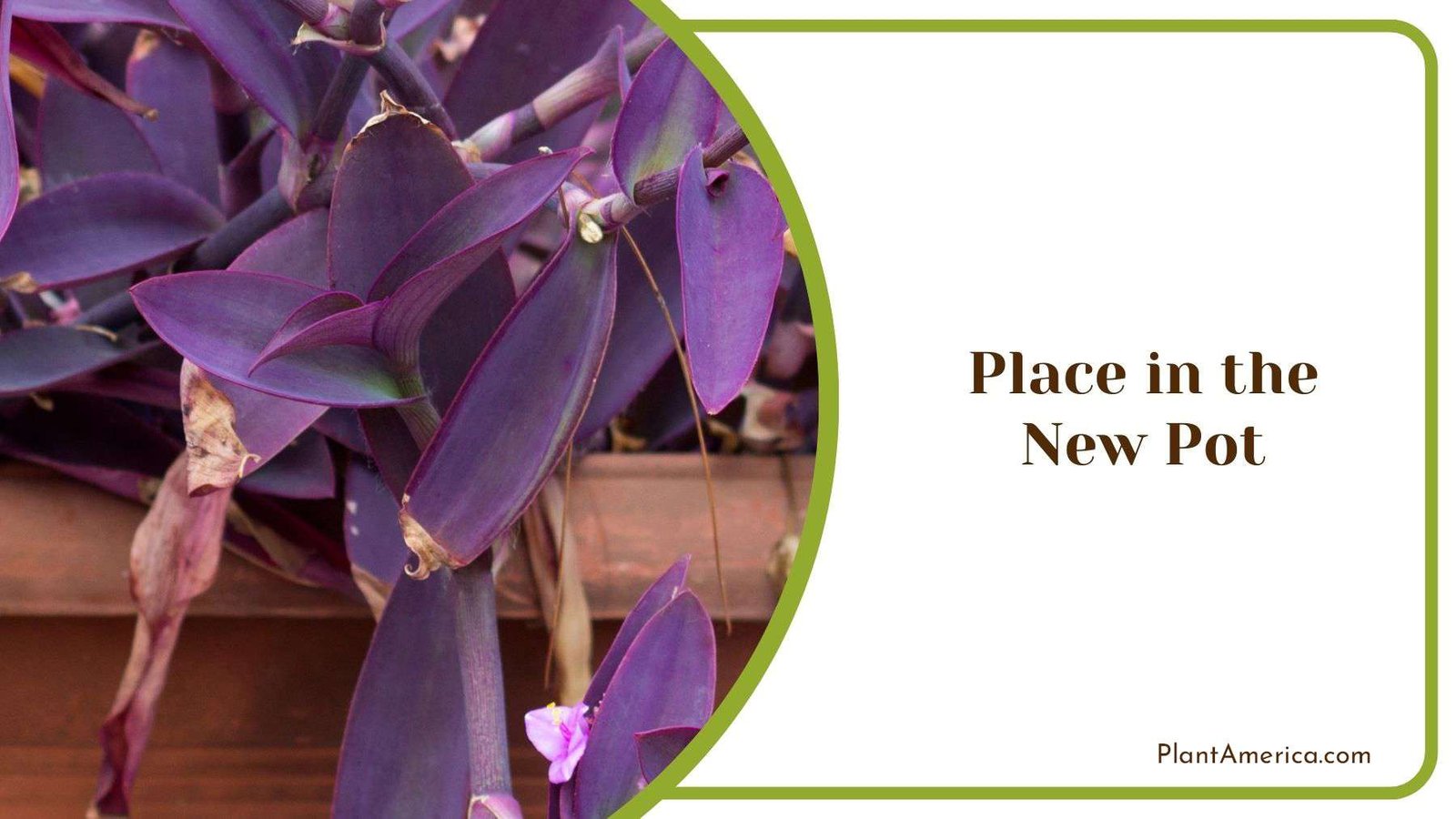
7. Place in the New Pot
Put the purple heart plant in the center of the new pot. Align the base with the pot’s top rim. Hold the plant’s stems and guide the roots into the pot. Let it rest on the soil. Adjust if needed to keep it upright. Keep the root ball top level with the pot’s top for healthy growth and to avoid burying it too deep or leaving too exposed.
8. Fill with Soil
You can use your fingers or a small shovel to put soil around the purple heart vine’s roots. Be gentle and add a bit of soil slowly. While adding soil, tap the sides of the pot now and then or shake it. This helps the soil settle and gets rid of any trapped air. Take your time as you do this.
Make sure the purple heart vine stays upright and steady while you do this. Keep adding soil until the pot is almost full. Leave about an inch of space between the top of the soil and the edge of the pot. This space is helpful for watering without making a mess.
Don’t push the soil too hard as you fill the pot. Purple heart vines like loose, well-draining soil. Once the pot is full, gently pat down the top layer. It will be even, but don’t press too firmly. This gives your plant a firm base to settle in its new home.
9. Water Thoroughly
Gently position the purple heart vine in the new pot at the right height. Water it with a narrow-spouted can, letting water drain from the pot’s bottom. This ensures even moisture distribution, preventing dry patches. Allow complete drainage to avoid overwatering and root problems.
10. Place in Indirect Light
Choose a spot with bright, indirect light for the first few weeks after transplanting. Avoid direct sunlight because it might harm the plant while it’s still sensitive. Too much sun could stress the plant or even cause sunburn. Indirect light is milder and helps the plant adjust more comfortably.
You can put the potted purple heart plant close to a north or east-facing window. Another option is a place where sunlight comes through a sheer curtain. If your plant used to be in a spot with more light, gradually change to lower light. This will help the plant avoid shock.
11. Monitor and Adjust Watering
Proper watering is vital for the plant’s growth in its new pot. The purple heart vine likes slightly drier soil than being consistently wet. To know when to water, put your finger into the ground up to the first knuckle. If the top inch of soil feels dry, it’s time to water.

This helps prevent overwatering, which can harm roots. When watering, use a gentle stream to dampen the soil. Let extra water flow from the pot’s bottom holes. Don’t let the pot sit in a water-filled saucer, as this oversaturates roots.
Initially, while the purple heart vine settles, it might need more frequent watering. But as it gets used to the new home, it may need water less often. Keep in mind that humidity, temperature, and light also affect the watering schedule.
12. Resume Regular Care
As the purple heart vine gets used to its new pot, watch its growth and condition. Put the plant in a spot with bright, indirect light. Ensure it doesn’t get direct exposure to sunlight during this sensitive time. The purple heart plant is settling its roots in the new potting mix.
Slowly start your regular watering routine. Wait until the top inch of the soil feels dry before watering. The purple heart vine prefers a bit of drying between waterings. It helps prevent too much water and root rot.
Besides watering, you can begin light fertilization for good growth. Use balanced, water-soluble fertilizer. Dilute it to half the recommended strength. Apply it every four to six weeks when the plant is growing. Be careful not to over-fertilize. This can make the leaves develop a lot without strong roots.
The purple heart plant might show new shoots as it grows well in the new place. If you want, trim these shoots. It keeps the plant in shape and makes it bushier. Check often for bugs or diseases.
If you find any, fix it fast to stop them from spreading. Remember, every plant adjusts differently to moving. So, keep a close eye on how your plant is doing. As it settles and improves, you can slowly return to your usual care routine. That includes watering, lighting, fertilizing, and trimming.
FAQs
– How Do You Propagate Purple Heart?
You propagate a Purple Heart by selecting healthy stems with at least a few leaves. Trim the stems just beneath a leaf. Take off the lower leaves to uncover the node, and let the cutting dry for a day or two.
Plant the cuttings in soil that drains well. Keep the soil somewhat damp and put the cuttings in a spot with good, gentle light. New roots should start to grow in a few weeks. Once the cuttings have roots, you can move them into their own pots.
– How Do You Propagate Purple Heart Cuttings in Water?
You propagate purple heart cuttings in water by doing the following: First trim the healthy stems right below a node. Nodes are spots where leaves and roots grow. Take off the lower leaves so they’re not underwater. Put the cuttings in a water-filled container, ensuring nodes are underwater and leaves are above.
Put the container where there’s bright, indirect light. Change the water every few days so it doesn’t get stale. As roots grow in a few weeks, move the rooted cuttings into the soil. Keep looking after them while they settle into their new pots.
Conclusion
Before we close, let’s quickly review what we’ve covered about the purple heart vine!
- Transplant purple heart vines during their active growing season for successful adaptation.
- Choose a well-draining potting mix and a slightly larger pot for transplanting.
- Water the plant in its current pot before transplanting and pruning damaged roots.
- Provide bright, indirect light for a few weeks post-transplantation.
- Wait for signs of new growth before resuming regular care and fertilization.
Use this know-how the next time you plan to transplant your purple heart vines!