
How to transplant root beer plants properly is something even expert gardeners occasionally fail! But not to worry, we’ve made sure that everything is as simple and easy as possible.

The root beer plant has a few other names, like Piper Auritum, Hoja Santa, and Mexican Pepperleaf. We like to use the scientific name, but we’ll mention the common name too!
How to Transplant My Beer Plant?
To transplant my beer plant, you only need to pick and prep the right time, place, and plant. After that, you move it from point A to point B, caring for it afterward. You must be notably careful while removing the plant, as taking care of the roots is important.
1. Choose the Right Time
The ideal time to transplant your plant is when it’s actively growing, usually in spring or early summer. This is when the plant can handle the process better and regrow its roots in a new spot. Some grow their plants from root beer plant seeds, while others prefer cuttings.
Don’t transplant during its winter dormancy because the plant might not bounce back well or could get stressed from the cold. Also, avoid transplanting during the hottest days of summer as the plant might have a hard time dealing with the extra stress from the high temperatures.

2. Select a Suitable Location
This aromatic plant thrives in partial to full shade, making it ideal for gardens with dappled sunlight. Avoid direct sun to prevent leaf burn. Find a spot with balanced sunlight and shade. For soil, use well-draining, fertile soil. Boost fertility by adding compost before planting. Avoid water-trapping clay soils to prevent root rot.
It loves warm, tropical climates but can’t handle frost. In cold winters, plant in containers to bring indoors. Protect from strong winds by placing them near other plants or structures.
3. Prepare the New Planting Site
To begin, choose a location with partial to full shade and good, well-draining soil. This spot should shield the plant from strong winds, which can stress it during transplanting. For the Piper Auritum, dig a hole slightly larger than its root ball. This gives its roots space to spread as it settles into its new home.
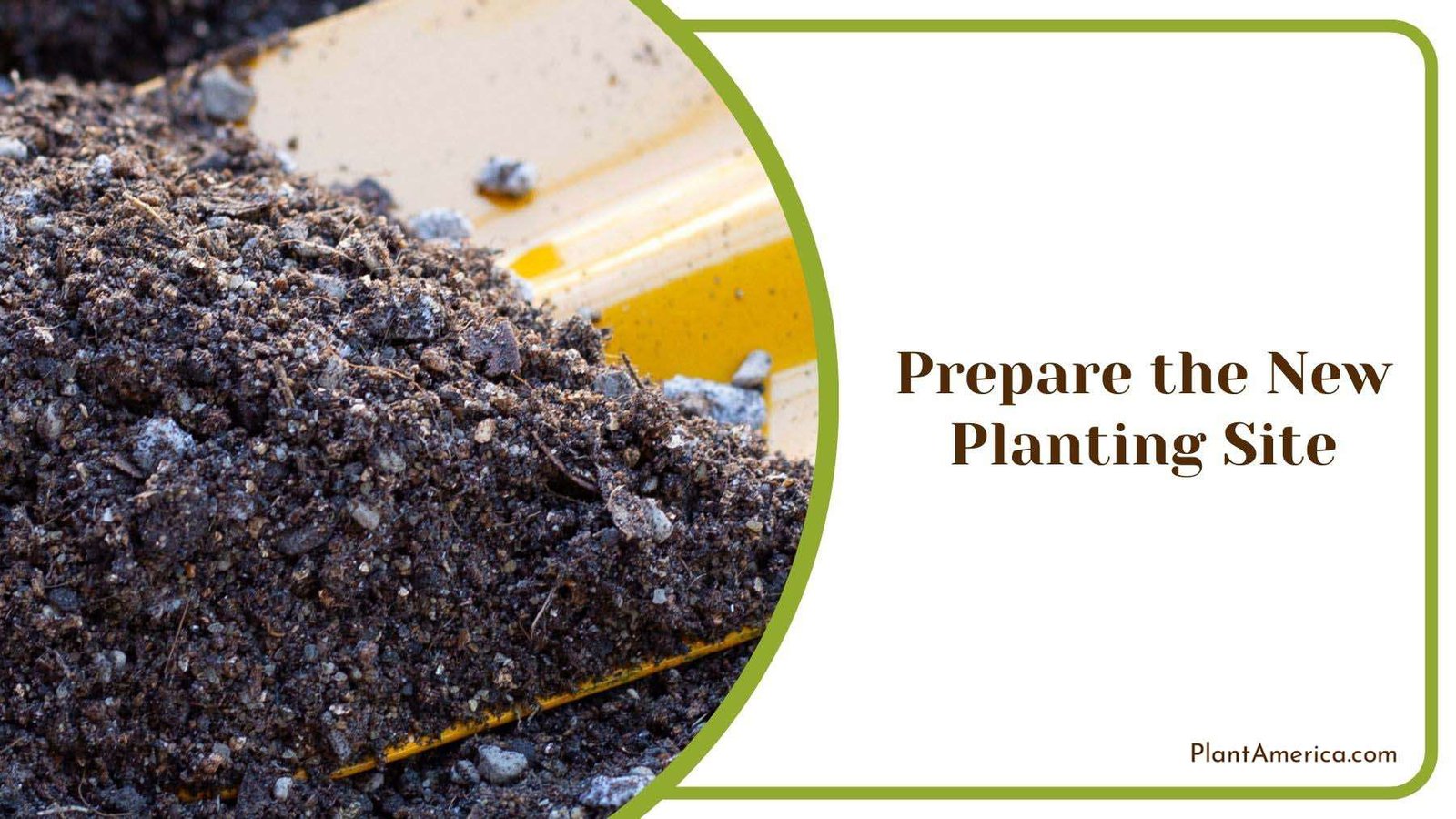
Don’t disturb the surrounding soil too much while digging to preserve the existing microorganisms and nutrients. Soil fertility and drainage are crucial for growth. Add organic compost or well-rotted manure to the dug-out soil for better nutrients.
This compost retains water and maintains proper drainage, preventing the Piper auritum’s roots from becoming waterlogged. With the soil improved, you’re set to transplant. If planting multiple plants, space them about two to three feet apart to allow comfortable leaf growth.
4. Water the Plant
When it comes to watering your Piper Auritum plant, you’ve got a couple of choices. Either opt for a trusty watering can or go for a hose with a gentle spray nozzle. It’s a simple process, really. Gently apply water around the plant’s base, making sure the soil gets a good soak, and every nook of the root ball gets a sip.
This bit of care lets those roots stretch out and grab the nutrients they need, which in turn keeps the plant’s growth spick and span. Since those root systems might still be finding their way, you’re going to need some patience while you watch how they drink up. Don’t rush it! Flooding the soil could lead to a not-so-great situation, like waterlogged soil and rotting roots.
So, after that first watering, just keep an eye on the soil’s moisture for a few weeks. It’s a simple test. Just stick your finger into the soil. One or two inches will do. If the soil’s feeling dry, then it’s time to water. But if it’s still hanging onto some moisture, hold off a bit. Remember, too much water can be just as pesky as too little.
When the heat gets high and the air gets drier than a desert, it’s time to up your watering game. Give your plant a bit more attention during those parched periods. Don’t go overboard when it’s raining, or the soil’s already damp. You wouldn’t want to drown the poor thing in too much of a good thing, right?
5. Carefully Remove the Plant from Its Current Location
Choose either a sharp shovel or a garden trowel, and have a bucket or container ready for the plant. About a day or two before your transplanting day, be sure to give the plant a thorough watering. This aids in soil loosening and facilitates the removal of the plant, minimizing root damage.
Before relocating, quickly inspect the plant for any signs of pests or diseases. If any issues are detected, address them prior to transplanting to prevent the potential spread of problems. When you’re prepared, initiate the digging process around the base of the plant, maintaining a few inches of distance.

Gradually loosen the soil during this process to create a root ball that retains the majority of the plant’s roots. Take your time and proceed with care to safeguard the roots. Exercise caution to prevent harm to these vital components crucial for the plant’s overall health. Keep an eye out for thicker roots and handle them delicately.
You might find it helpful to manually separate and untangle the roots from the soil. In cases where the plant is sizable or possesses extensive roots, enlisting assistance to lift it from the ground is worth considering.
Once the root ball is liberated, cautiously lift the Piper Auritum plant, offering support to the root ball from below to maintain its integrity. While transporting the plant, ensure it remains in an upright position to minimize stress on the roots. If planting isn’t imminent, keep the root ball’s moisture by enveloping it in damp burlap or storing it in a shaded area.
6. Place the Plant in the New Hole
When it’s time to move the Piper Auritum plant, handle it with care. Hold the plant gently by the stem’s base and avoid pressing the delicate leaves. Place the root ball in the hole’s center. Make sure it’s at the same depth as before. The root ball’s top should align with the soil surface.
Check the plant’s direction and leave space for growth. Lower the plant into the hole and guide the roots down evenly. Don’t bend or overcrowd them. Now, fill the hole with soil and press the soil around the roots. Remove air pockets and ensure firm contact for nutrient uptake. Take your time, level the plant, and secure it.
7. Water Thoroughly
Water it well once your beer plant is in its new hole at the right depth. This settles the soil around the roots, removing air pockets from the transplanting process and helping the plant connect with its new home. Hydration also eases transplanting stress, aiding recovery and root absorption of water and nutrients.

The Piper Auritum plant’s roots need moisture to avoid transplant shock. Using a soaker hose or soft spray attachment, gentle watering prevents soil displacement. Ensure even watering on all sides of the roots, letting the soil gradually soak up moisture.
Remember, immediate post-transplant watering is vital. Monitor moisture, maintaining consistent but not excessive levels to prevent root rot. Regular, deep watering during adjustment promotes vigorous root growth and a successful transplant.
8. Mulch and Maintain
After transplanting the Piper Auritum plant, remember to apply mulch around its base. This is a crucial step for a successful establishment. You can use organic mulch like wood chips, straw, or compost. Spread it about two to three inches thick. Mulch serves several purposes for the plant’s growth and health.
First, it retains soil moisture by reducing evaporation, which is especially useful in hot and dry times. Second, it acts as a barrier against weeds. Weeds can compete with the newly transplanted plant for water and nutrients. Third, mulch provides a buffer against extreme temperature changes. This helps keep the root environment stable.
However, be careful not to put the mulch too close to the stem of the Piper Auritum plant. Leave a small gap around the base. This prevents moisture buildup and potential stem rot. As the mulch breaks down over time, it adds organic matter to the soil. This improves the soil’s structure and fertility.
9. Provide Ongoing Care
Remember, consistent watering is vital, especially during dry spells while its roots settle in. Yet, moderation is key! Excessive moisture can lead to root rot and fungal issues. Keep an eye out for signs of stress or pests. Also, watch for wilting, yellowing leaves, or unusual discoloration that might need your attention.

Don’t forget to keep an eye out for common pests like aphids and spider mites. You can handle them using natural insecticides or by giving them a gentle spray. When it’s growing actively, boost your Piper Auritum with a balanced, slow-release fertilizer. Just follow the instructions and avoid going overboard.
Pruning is your friend – it shapes the plant and encourages that lovely bushy growth. Trim away any dead or damaged leaves and stems as needed. Regular pruning helps keep its size in check and prevents it from getting too leggy.
Mulch around the base of the plant serves multiple purposes! It retains moisture, maintains soil temperature, and keeps those pesky competing weeds away. Remember, your care routine might need tweaking based on the weather.
If there’s an extended heatwave or drought, give a bit more shade or water accordingly. And here’s a neat idea: keep a gardening journal. This way, you can jot down your observations and care techniques, making fine-tuning your approach for Piper Auritum and all your plants easier.
FAQs
How To Propagate Root Beer Plant?
To propagate the root beer plant, you can plant seeds or use cuttings. Cuttings get quicker results. To do this, get stem cuttings that are around four to six inches long from stems without flowers. Take off the lower leaves and dip the cut end in a rooting hormone.
Then, put the cuttings in a potting mix that drains well. Make sure to keep the cuttings in a warm and humid place. Don’t forget to water them often. After a few weeks, you should see roots growing, and when that happens, you can move them to their own separate pots.
Conclusion
From choosing the right location to watering thoroughly, we covered everything in this post. Now, let’s go over the important stuff:
- Transplant Piper Auritum during active growth in spring or early summer.
- Choose a shady, well-draining spot with fertile soil for transplanting.
- Provide thorough watering, but avoid overwatering to prevent root rot.
- Monitor for pests, maintain humidity indoors and prune for healthier growth.
- The root beer plant has culinary value but is not known for significant medicinal uses.
With these tips, you know you’re going to have healthy plants all year round and even some root beer flower to boot!