
Building an edible landscape in Florida is honestly one of the most rewarding ways to blend beauty and usefulness in your yard. With the state’s wild mix of heat, humidity, and occasional cold snaps, you can grow a surprising array of food plants all year if you pick the right ones. It’s a fun challenge—sometimes a little sweaty, but always worth it.
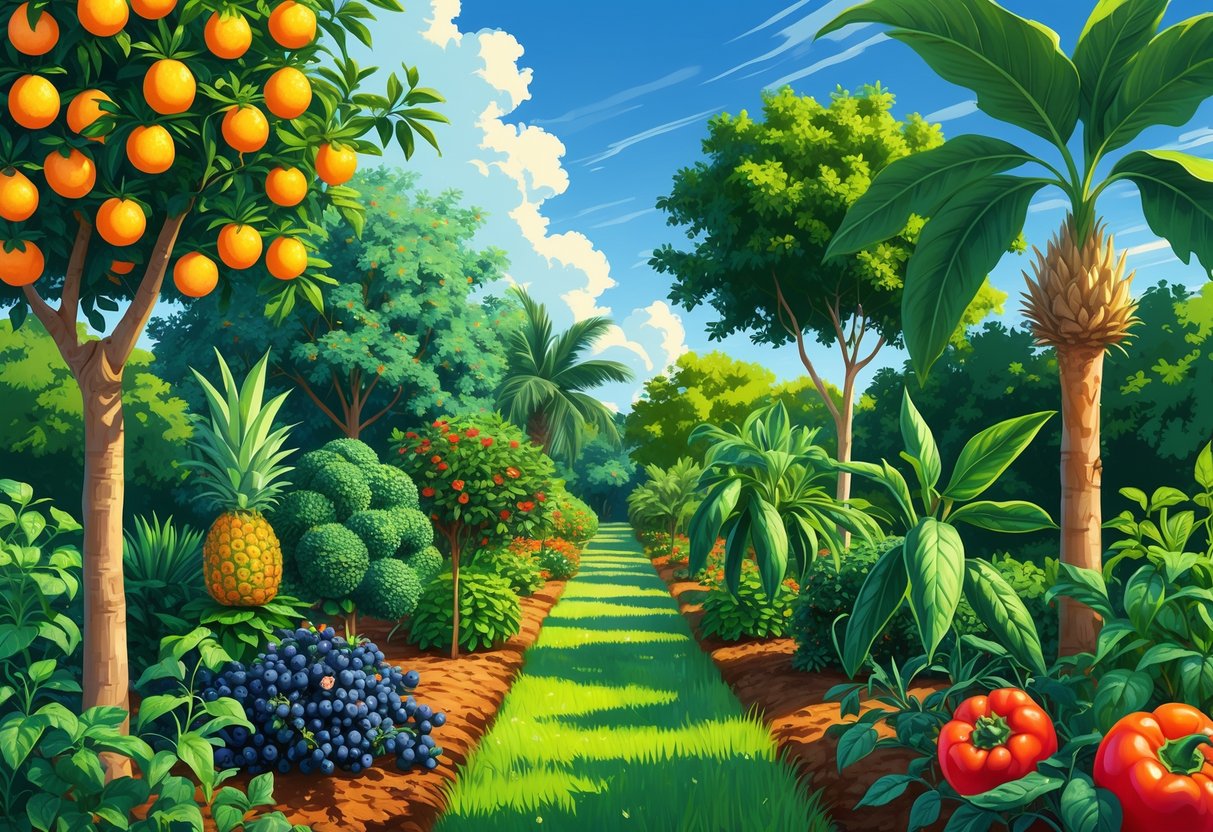
Choosing the right plants is pretty much the whole game here if you want your edible garden to survive Florida’s wild weather. Here are ten of my top picks for plants that don’t just survive—they actually thrive and give you something tasty back for your efforts.
1. Avocado tree
Avocado trees are a classic Florida staple for folks who love guacamole and shade. They’re happiest in well-drained, sandy soil and need plenty of sun—don’t even bother if you’ve got a shady yard.
They’re not fans of high winds or soggy feet, so give them a spot away from flood zones and maybe build up a little mound around the trunk. That helps with airflow and keeps their roots happier.
There are a few solid varieties for Florida, like Bacon, Brogden, and Choquette. They handle our humidity and still churn out good fruit. If you don’t have neighbors with avocado trees, plant two for better pollination. And leave them space—20 to 30 feet is ideal, or you’ll regret it later.
Mulch is your friend here, keeps the weeds down and soil moist. With a little patience (and maybe some luck), you’ll have your own avocados before you know it.
2. Papaya plant
Papaya loves Florida’s warmth, especially if you’re south of Orlando. It needs a solid 6 to 8 hours of sun every day, so don’t try to tuck it in a shady corner and expect sweet fruit.
Cold snaps are a problem—anything below 31°F and you’ll be hauling out the frost blankets. If you’re up north, you’ll have to get creative or just accept losing a plant now and then.
They’re thirsty but hate wet feet, so drainage is key. Give them room to grow and mulch to keep the weeds down. You can start them from seed (super easy, honestly) or grab a nursery plant if you’re impatient. They can get tall but most people keep them trimmed for easier picking.
Papayas come in male, female, and hermaphrodite types. If you want fruit without fuss, go for hermaphrodite varieties like Maradol, Red Lady, or Tainung #2. And if you’ve got nematodes, steer clear or pick resistant types—those little pests are a headache.
3. Pineapple
Pineapples are a quirky but awesome addition to Florida gardens. They want all the sun you can give them and sandy, slightly acidic soil (pH 4.5–5.5 is perfect—don’t overthink it).
Starting new plants is as simple as twisting off a pineapple crown and letting it dry a day or two before planting. They don’t need a ton of fertilizer—just a balanced 10-10-10 a couple times a season does the trick.
Give each plant at least a foot or two of space. Pineapples aren’t fast—they’ll test your patience—but they look cool and taste even better when you finally get a ripe one.
4. Blueberry bush
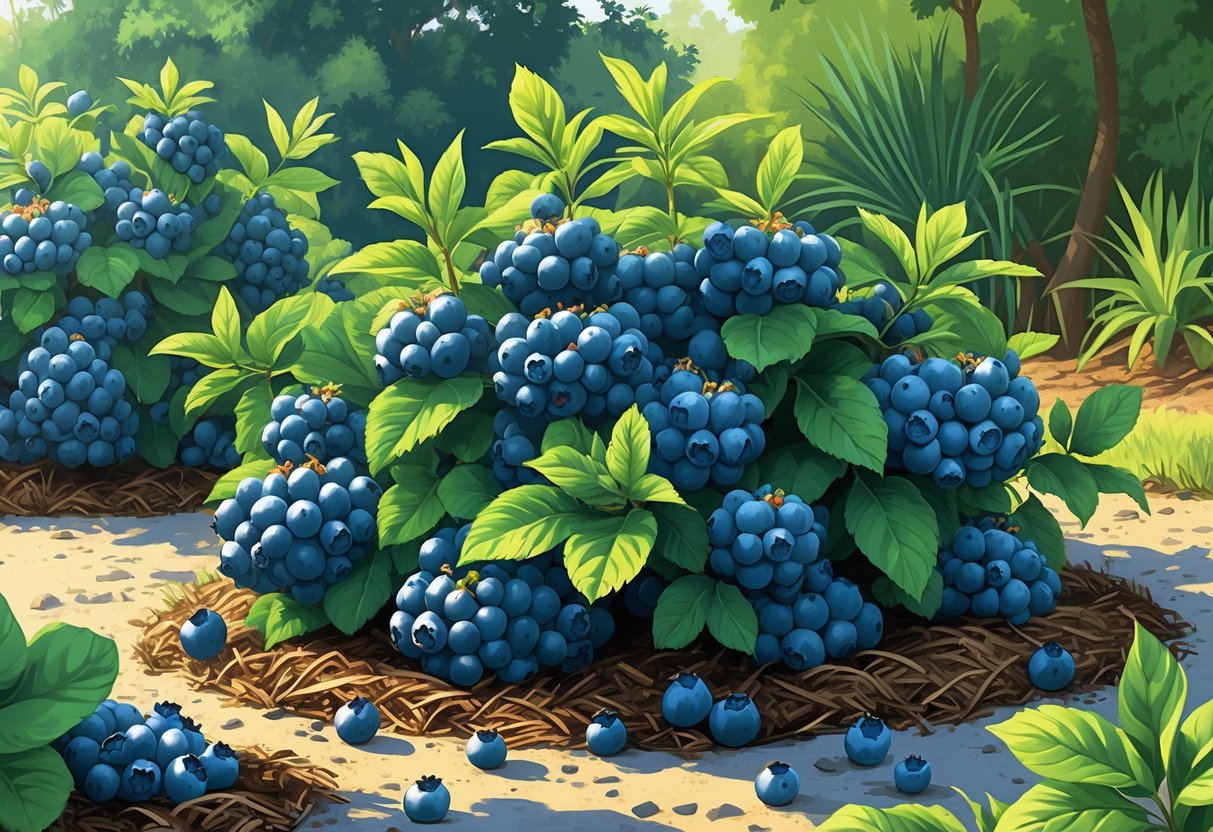
If you’re after berries, native Florida blueberries like Darrow’s are your best bet. They want acidic, well-drained soil (raised beds are a lifesaver here), and you’ll need to space them out—3 to 6 feet apart depending on the type.
Mixing at least two varieties helps with pollination and gets you more fruit. Rabbiteye and highbush are both good options, with subtle differences in taste and size. Keep them watered but don’t drown them—blueberries hate soggy roots. Tossing in some fish meal or coffee grounds can give them a nice boost, too.
5. Mulberry tree
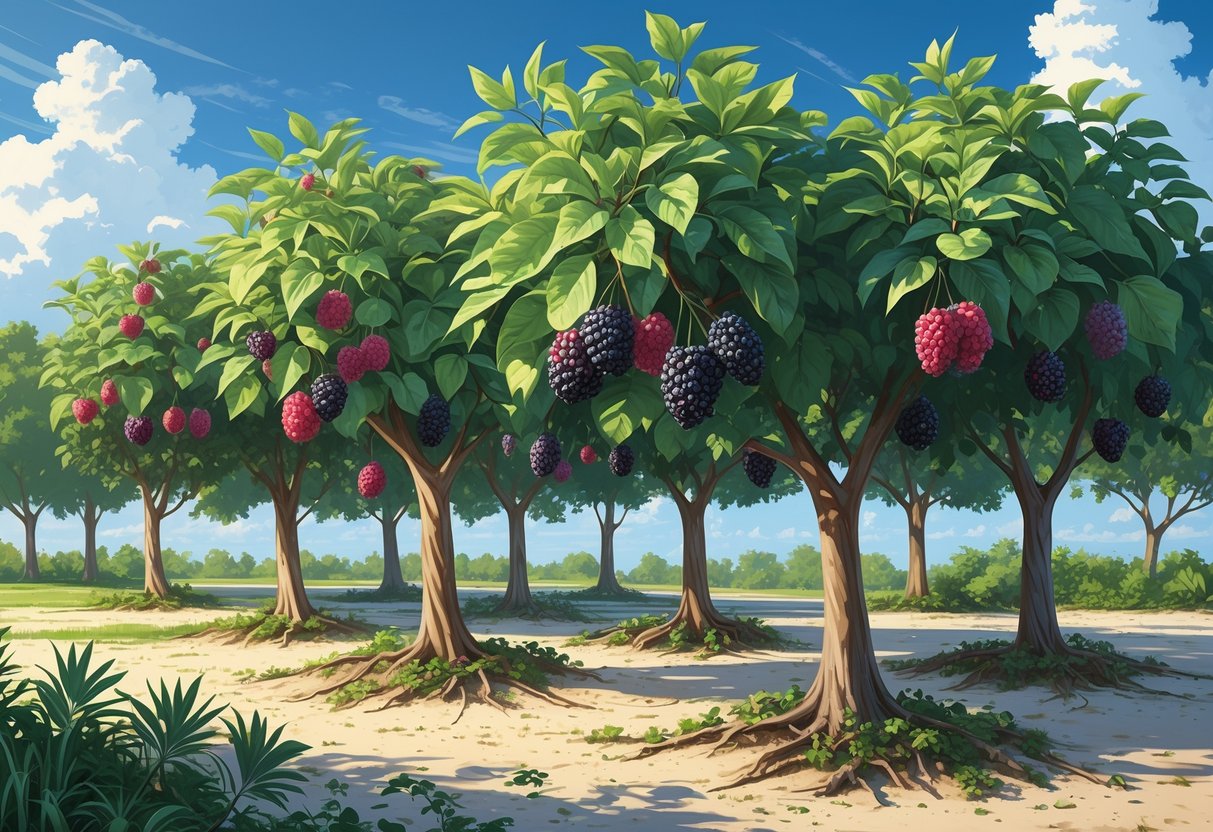
Mulberries are a bit underrated but honestly awesome for Florida gardens. They’re tough, handle our climate, and give you more than one harvest a year.
The Dwarf Everbearing variety is great for smaller spaces or even big pots—sweet, black fruit all summer. If you want bigger berries, try Pakistan mulberry. Plus, they attract birds and other critters, which is a bonus if you like wildlife.
Stick them in well-drained soil, water them regularly when it’s dry, and plant in spring or fall. They’re low-fuss, self-pollinating, and don’t need a ton of attention.
6. Jaboticaba
Jaboticaba is a weird one, but in a good way. It’s an evergreen from Brazil that does just fine in Florida (especially zone 9B and up). The fruit grows right on the trunk and branches—looks wild, tastes even better.
The fruit is sweet and tangy, and the tree stays a manageable size (10–15 feet), so it’s good for small yards or even big containers. They like rich, slightly acidic soil and plenty of water. Fertilize with something organic a couple times a year and you’re set.
It takes a few years before you’ll see fruit, so don’t expect instant gratification. But once it gets going, it’s pretty easy to keep happy, and you can shape it however you want.
7. Sweet Potato Vine
Sweet potato vine (Ipomoea batatas) is a workhorse for edible landscaping. You get edible tubers and, honestly, the foliage is just as pretty as a lot of ornamentals. It grows fast and covers ground like nobody’s business—great for filling in empty spots or containers.
The leaves come in all sorts of colors—green, purple, chartreuse—and they really pop. Plant slips (little shoots from mature tubers) in well-drained, rich soil, and make sure they get at least a half-day of sun. They’re not picky about shade, either, which is handy.
Most folks grow them for the looks, but you can dig up the tubers if you want. Just buy slips from a good source so you don’t bring in pests like weevils.
8. Cuban oregano
Cuban oregano is a tough little herb that loves Florida’s heat. The thick, fuzzy leaves pack a punch—great for salsas, marinades, or just sniffing as you walk by.
It grows fast in containers or beds, but don’t let it sit in wet soil. Drainage is key. It’s both edible and ornamental, and the velvety leaves look great mixed with other plants.
It’s not your typical oregano—more succulent, and you won’t find it dried at the store. Also called Indian borage or Mexican mint, it’s got a bunch of names but is always easy to grow. Give it a haircut now and then, and it’ll keep coming back.
9. Jackfruit tree
Jackfruit trees are for the adventurous, but if you’re in South or lower central Florida, they’ll reward you big time. They need loads of sun and regular water to get established.
These trees get tall—30 to 40 feet isn’t unusual. They start fruiting after 3 or 4 years, and a mature tree can crank out over 150 pounds in a good season.
Cold is their enemy; below 28°F and you’re in trouble. Folks up north will need to baby them with frost protection or just stick to greenhouses. Plant in late spring or early summer, and mound up the soil for drainage. Nursery trees over 2 feet tall are the way to go—cuttings don’t really work for jackfruit.
10. Parsley
Parsley is almost too easy in Florida if you plant it at the right time. Skip summer—it just can’t handle the heat. Fall and winter are perfect.
Give it a spot with a little afternoon shade and keep the soil moist but not soggy. You can start from seed (soak them overnight for better luck) or grab a plant from the nursery. Flat-leaf parsley is usually the favorite for cooking.
Pick leaves as you need them and it’ll keep growing. With a little attention, parsley will stick around for months and keep your kitchen stocked.
Benefits of Growing Edible Plants in Florida
Honestly, growing your own food here just makes sense. You get fresh produce, your landscape looks great, and you’re doing your part for local wildlife. It’s practical and feels good, too.
Year-Round Harvesting Opportunities
Florida’s climate means you don’t really have to take a break—there’s always something you can grow or harvest. Blueberries, citrus, greens—there’s a plant for every season. You don’t need to stash as much in the freezer because you can grab it fresh right from the yard.
With a little planning, you can rotate crops so there’s always something coming in. Peaches up north in winter, mangoes and other tropicals down south in summer—it’s all about knowing your microclimate and mixing things up. Keeps things interesting, too, if you ask me.
Adaptability to Florida’s Climate
Florida’s all over the place when it comes to climate—cooler up north, muggy and hot down south—and that really shapes how plants behave. Edible plants that are actually suited for Florida (especially the ones that are native) just handle the heat, humidity, and those random dry spells way better. You’ll end up watering less, and honestly, you won’t be babysitting them as much as you would with fussier, non-native varieties.
Salt-tolerant plants are a lifesaver if you’re near the coast, while others don’t mind Florida’s stubborn heavy or sandy soils. Picking plants that match your specific climate zone? That’s the ticket. It keeps things simple and means you’re not dumping a bunch of fertilizer or chemicals into the mix.
Enhancing Biodiversity in the Garden
Bringing in native and tough edible plants is great for local wildlife—think pollinators and those good bugs you actually want around. It helps keep everything in check naturally, and your soil just seems happier for it. Since these plants evolved right here, they don’t need much pampering.
Mixing things up with different plants draws in bees, butterflies, and birds, so pollination just happens, both in your garden and nearby. A patchwork of species doesn’t just look good—it makes your garden more productive and helps the whole ecosystem handle whatever Florida throws at it.
Designing an Edible Landscape
Getting an edible landscape going in Florida isn’t just about tossing seeds in the ground. You’ve got to think about what thrives here and where to put it. It’s a bit of a balancing act between making it look good and actually getting food out of it, but it’s worth the effort.
Choosing the Right Plant Combinations
Honestly, picking plants that get along is half the battle. Mix fruit trees, veggies, and herbs that can handle Florida’s heat, humidity, and unpredictable soil, and you’ll have fewer headaches with disease and stunted growth.
Try planting sun-lovers like tomatoes and peppers, but don’t forget about leafy greens that can take some shade. Native plants are your friends—they make life easier and help out the local critters. Mix in some perennials, like pineapple or citrus, with your seasonal veggies so you’ve always got something to harvest.
Companion planting is underrated—basil near tomatoes, for example, can keep bugs at bay. Just watch your spacing and don’t cram things too close, or you’ll have them fighting for light and nutrients. Give everything room to breathe, and your garden will thank you.
Incorporating Aesthetics and Functionality
An edible landscape should be both attractive and productive. If you’ve got space, try putting deciduous trees on the south side—shade in summer, but when winter rolls around, you’ll get that sunlight back. It’s a simple trick for helping with temperature swings.
Honestly, mixing up plant heights, textures, and colors goes a long way toward keeping things interesting all year. Toss in some flowering herbs like rosemary or lavender for a bit of scent, and hey, the pollinators will thank you too.
Don’t underestimate the power of a few well-placed paths or raised beds—makes getting around way easier. Containers can be lifesavers in tight spots. Mulch and drip irrigation? Pretty much essential for saving water and keeping soil happy. With a bit of planning, even a tiny area can turn into a garden that looks good and puts food on your table.