
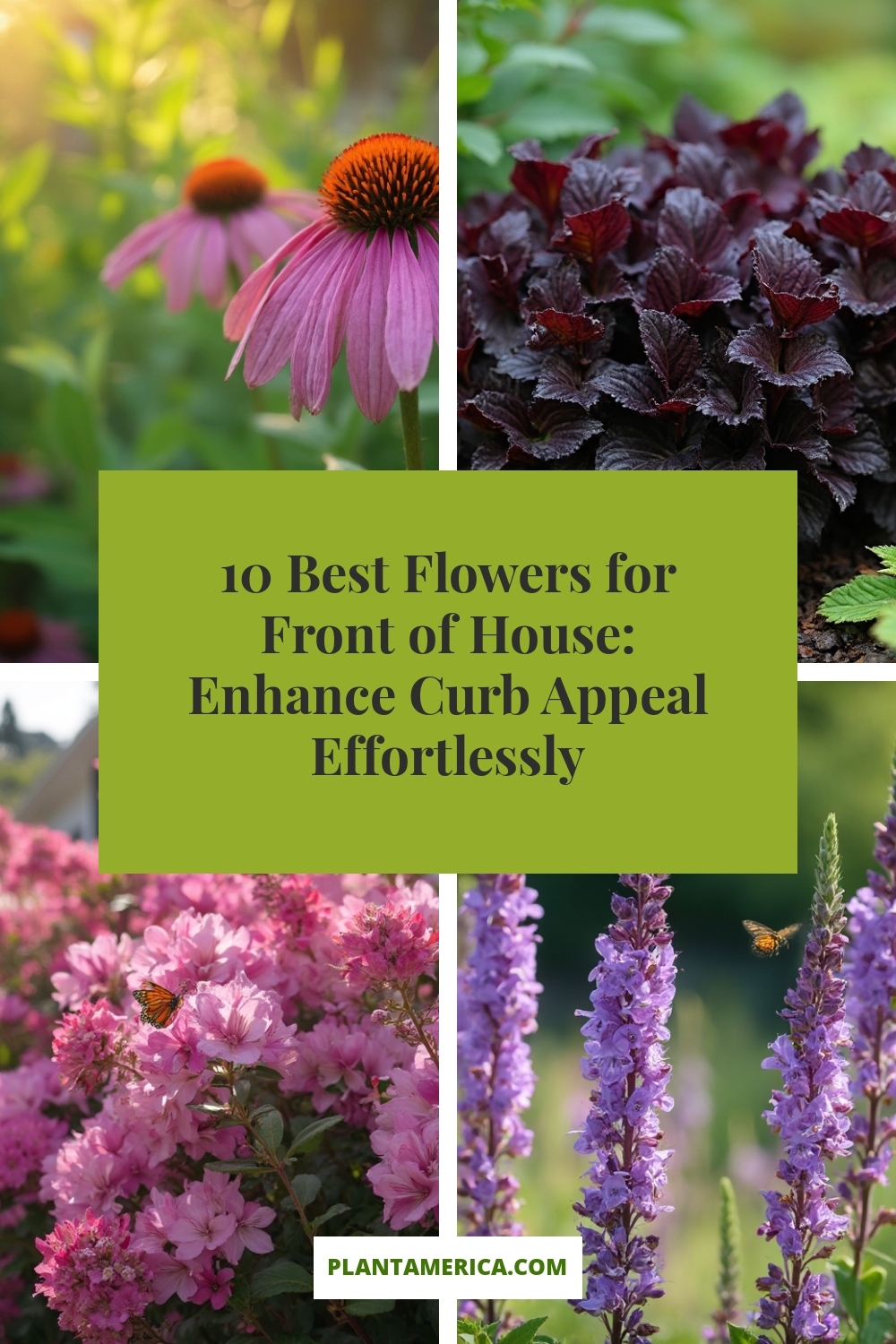
Flowers at the front of a house can make quite a first impression. I always think of them as a friendly welcome mat for guests.
Vibrant flowers can do wonders for your home’s curb appeal and can add a splash of color, making the entrance more inviting. It’s like nature’s way of waving hello!
In my experience, there’s nothing like the sight of colorful blooms to boost your mood after a long day. Flowers planted near the front of your home don’t just look pretty; they can also support local pollinators like bees and butterflies. 🌸🐝
Whether you choose perennials for their year-after-year return or annuals for a seasonal show, selecting the right flowers can create a stunning display. 🌷🌱
1) Rosa ‘Knock Out’
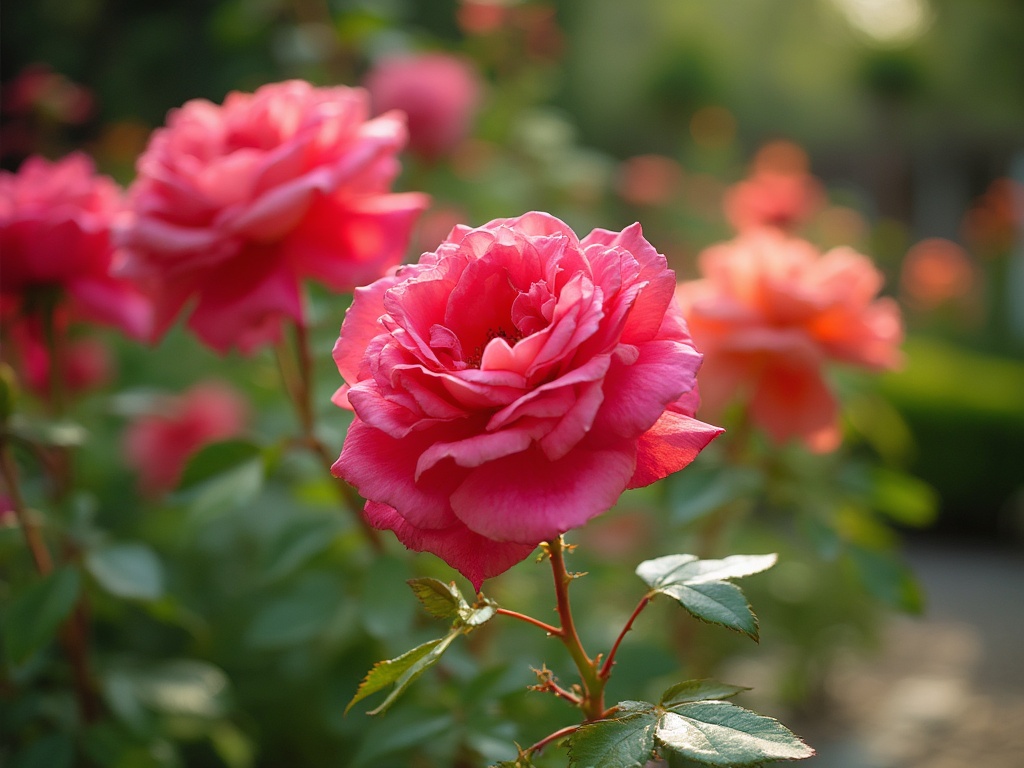
When I think of easy-going flowers, Rosa ‘Knock Out’ comes to mind. These roses are a treat for anyone, even those new to gardening. They demand little attention and still reward me with colorful blooms. 🌸
They thrive in various climates, bringing life and color to the front of any home.
Knock Out roses are incredibly flexible. Whether I plant them alone to make a statement or mix them with other plants, they just work.
Picture them paired with Shasta daisies or coneflowers. It’s like a garden party of colors! They manage to fit in anywhere, brightening up spaces with ease.
One handy tip is to give them a hard trim in late winter or early spring. It’s like giving them a fresh haircut, ensuring they look their best as the weather warms up.
I also like to feed them with a balanced rose food before they start their blooming season. It’s my secret to keeping them happy. 🌿
Another perk? They’re pretty resistant to pests and diseases. That means less worry and more time to enjoy their beauty. So, if you want drama-free roses that are as tough as nails and as pretty as a picture, Rosa ‘Knock Out’ is your go-to! 🌹
2) Hydrangea macrophylla
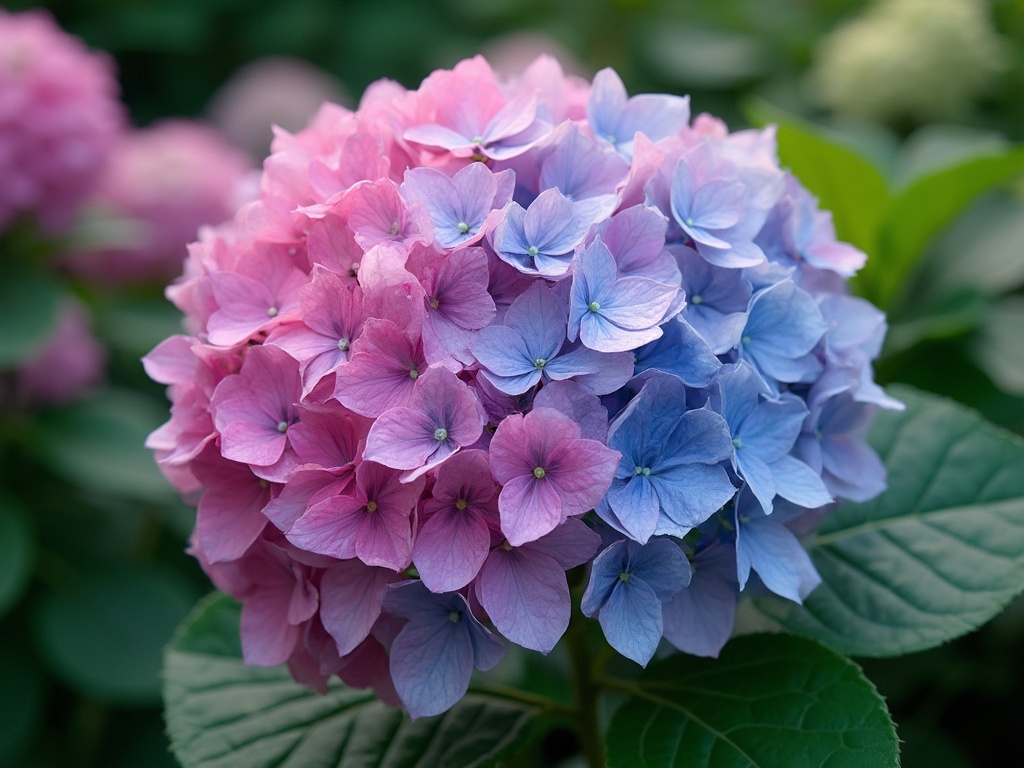
When I think of Hydrangea macrophylla, it brings to mind lush blooms and vibrant petals that can transform any front yard. These beauties, also called bigleaf hydrangeas, are like a floral explosion of colors, usually ranging from pink to blue, depending on soil acidity. Nature’s pH tester right in your garden! 🌸
These hydrangeas grow best in USDA Zones 3-9, making them a flexible choice for many climates. They thrive in well-drained soil, with a mix of sun and shade to keep their blooms happy.
Too much sun, and they might droop like a tired sunbather. 🌞
Their blooms are often large and can handle a fair bit of rain, though too much might make them look a bit saggy. Hydrangeas love a good drink but appreciate well-being a bit more if there’s good drainage.
| Care Tips | |||
|---|---|---|---|
| Water regularly | 🪴 | Provide some shade | |
| Add mulch | 🍃 | Encourage vibrant growth |
I’ve found that they require a little patience and attention but are worth every moment for their show-stopping display. They’re like the divas of the garden world—elegant and just a tad fussy.
3) Lavandula angustifolia
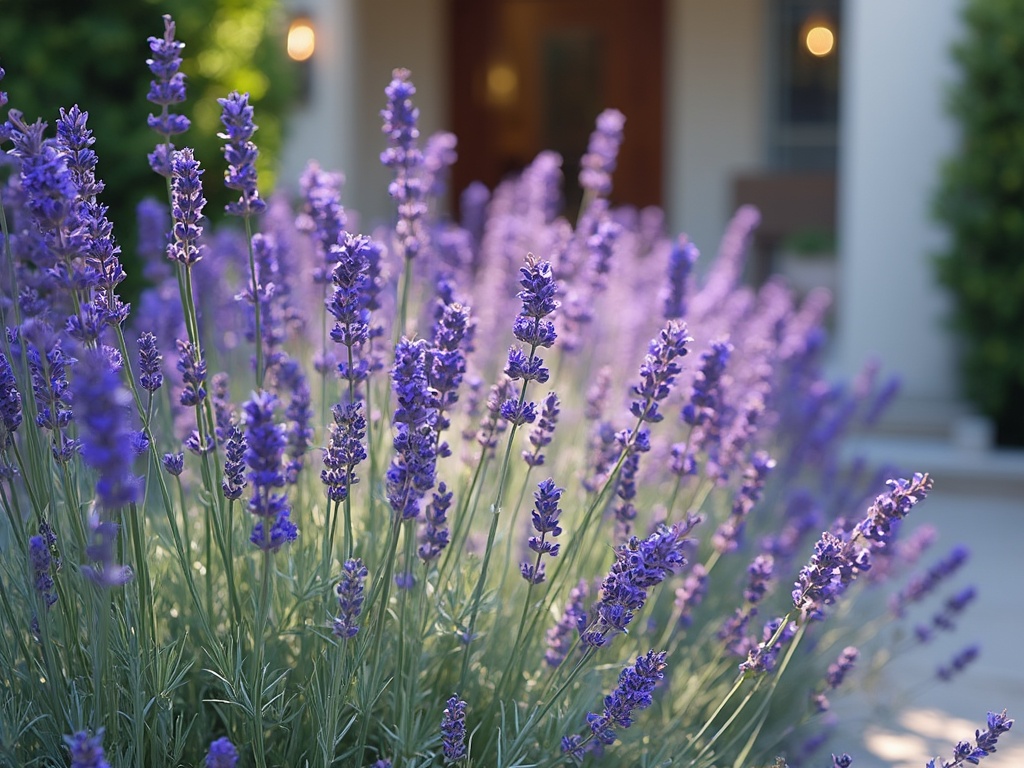
Lavandula angustifolia, or English lavender, is a must-have for any garden. Its beautiful purple-blue flowers combined with the silvery-grey leaves make it a charming choice right at the front of the house. 🌸
The scent of this plant is just delightful. Every time I brush against the leaves, a wonderful, calming fragrance fills the air. This fragrance does not only attract me but also draws in bees and butterflies, turning my garden into a tiny wildlife haven. 🐝
English lavender is quite sturdy and easy to care for. I’ve found it to thrive in full sun and well-drained soil. It rarely throws a fit, even in tough conditions.
Not only does it look stunning, but it also blooms beautifully from early summer. You might even get lucky with a second bloom in the fall! Keeping the plant happy and pruned regularly does the trick, and it remains a favorite in my garden. 🐞
If you’re thinking of giving your front yard a lift, this plant adds a splash of color and a touch of elegance that is hard to beat.
4) Geranium ‘Rozanne’
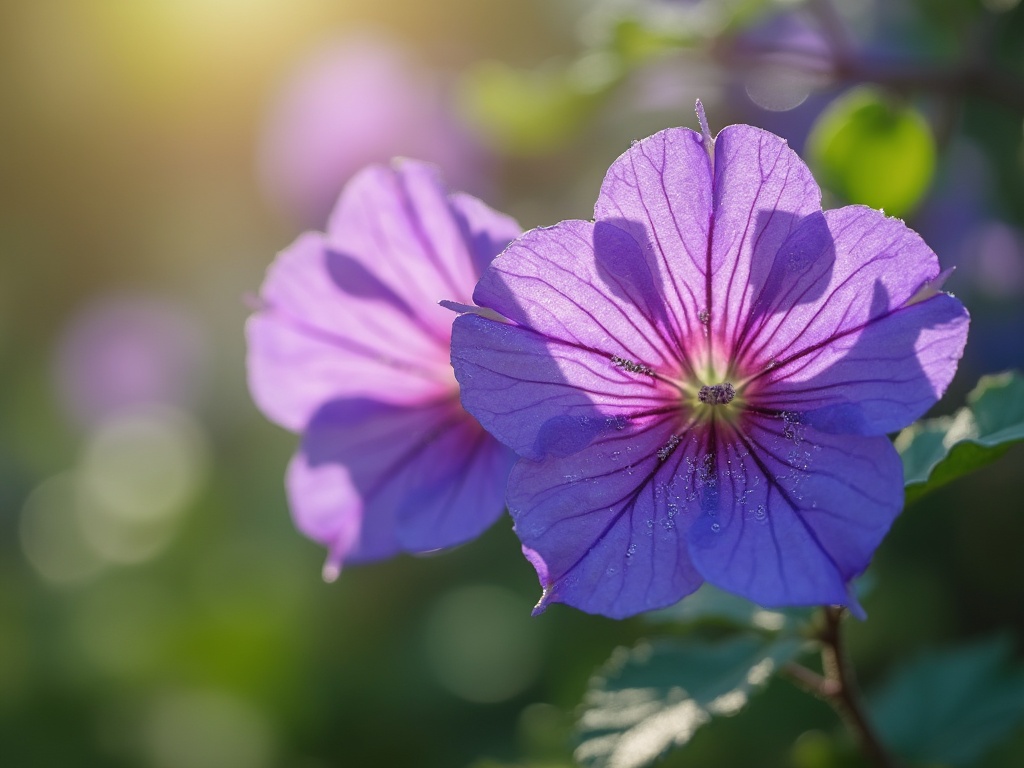
Geranium ‘Rozanne’ is a real gem for anyone looking to add a splash of color to the front of their house. 🌷 This plant has charming purple-blue blooms that last from spring to fall. It’s like having a little piece of a rainbow right in your garden.
I remember planting my first Geranium ‘Rozanne’ and thinking, “Wow, that’s a showstopper!” It doesn’t just look good on its own; it pairs well with taller plants in borders and beds. If you’re into creating a cozy cottage garden vibe, this is your go-to plant. 🏡
One thing that impresses me about ‘Rozanne’ is its toughness. It thrives in USDA zones 5 to 8 and can handle a bit of heat so it’s perfect for rock gardens or hanging baskets. I often find myself amazed at how easily it adapts. 🌱
If you’re concerned about maintenance, don’t be! This geranium is low-maintenance and quite forgiving. Just give it a sunny spot with some afternoon shade if it’s really hot, and keep the soil well-drained. Water it regularly during dry spells, and you’ll be golden. 💧
In my experience, ‘Rozanne’ has the added bonus of being pest-resistant, which means less headache for me. With its vibrant colors and easy care, it really does bring joy to the garden. 💚
5) Buxus sempervirens
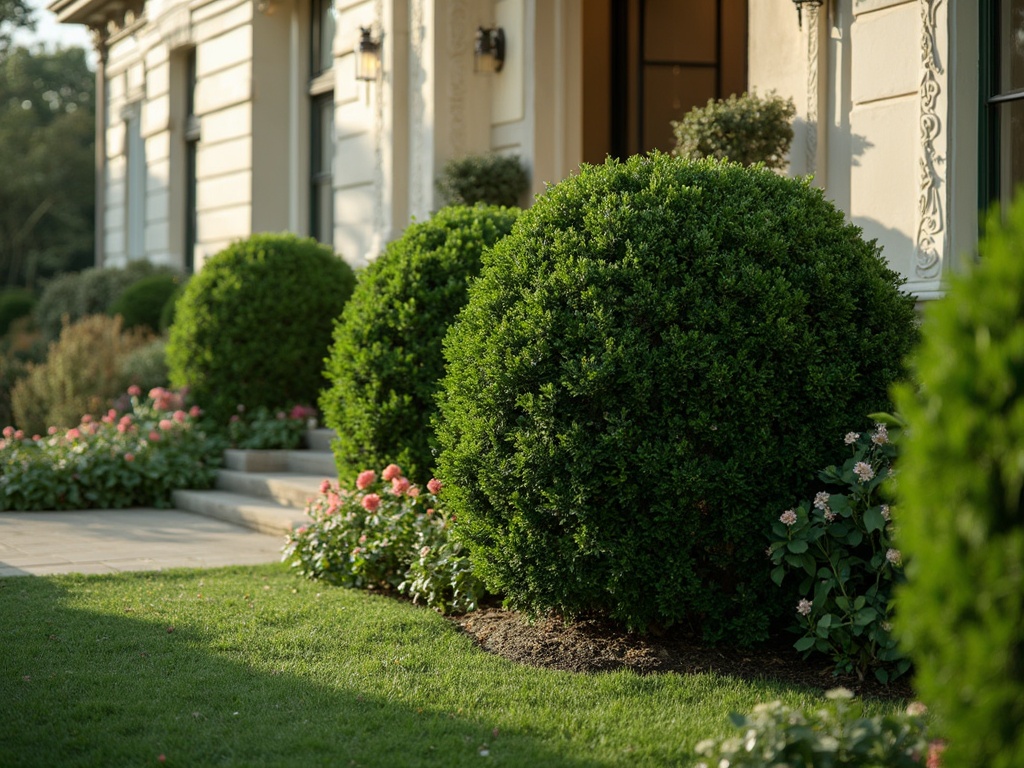
When you think about timeless elegance, Buxus sempervirens is right up there. Known as the common boxwood, it’s reliable and evergreen. It stays green all year, making it a top choice for many gardens.
I find Buxus sempervirens quite easy to shape. Its dense foliage makes it perfect for hedges or topiary art. You know, like those fancy shapes you see in gardens? They handle pruning like a pro! ✂️🌳
Don’t worry if you live in a colder area. Buxus sempervirens is hardy. It can withstand a good dose of frost without missing a beat. Just keep an eye on those leaves. They might get a bronze tint during winter. 🐞❄️
Oh, and let’s not forget the pests. Boxwoods sometimes attract unwelcome guests like the boxwood leafminer. But a bit of regular care keeps them in check.
Remember, they love well-drained soil and partial shade. With some love and care, they’ll be the star in your front garden. 🌱🌸
6) Hibiscus syriacus
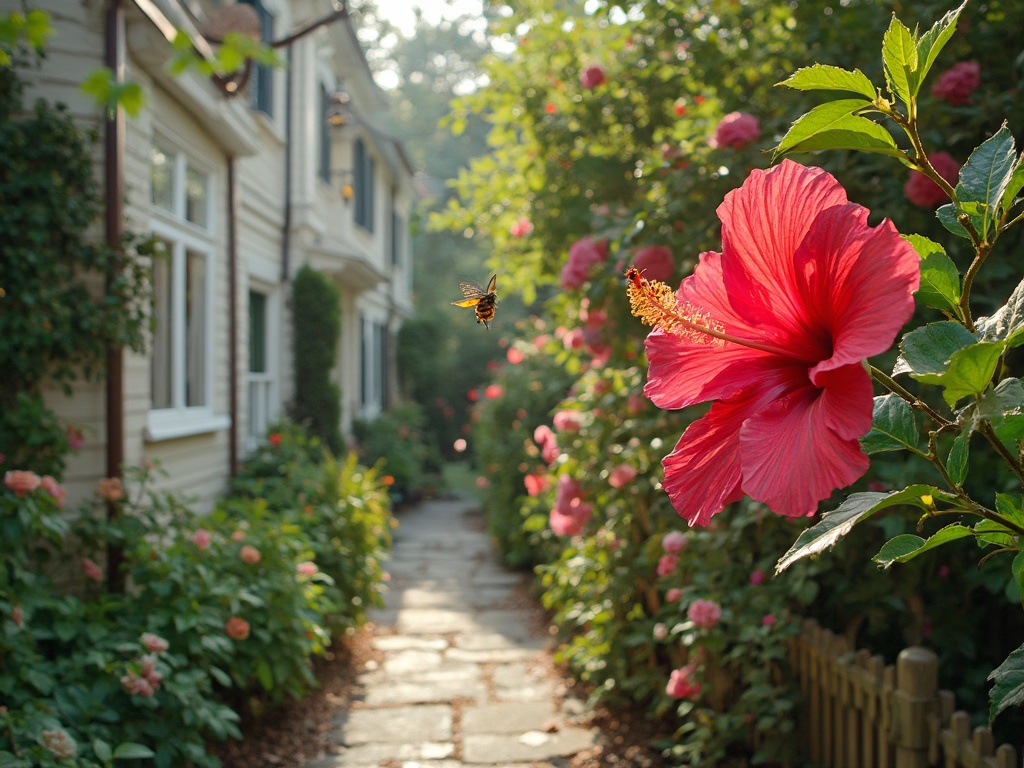
I love planting Hibiscus syriacus, also known as Rose of Sharon, in front of houses. 🌸 It’s like offering a daily bouquet to yourself and your neighbors! These plants produce beautiful flowers with vibrant colors that can brighten up any front yard.
Hibiscus syriacus prefers full sun but can tolerate partial shade. The flowers bloom from late summer to fall, making them a great choice if you want some color after other flowers have faded. They grow quite tall—often reaching up to 12 feet—so they’re perfect for giving a bit of privacy or hiding less attractive building parts.
These plants are quite hardy, surviving in zones 5-9. They’re pretty low-maintenance, which is always a bonus in my book! 🐌 Just a little pruning in the spring keeps them looking tidy. Plus, they attract pollinators like bees, adding a lively buzz to your garden. 🐝
| Sunlight | Height | Zones | Features |
|---|---|---|---|
| Full to partial sun | 8-12 feet | 5-9 | Attracts pollinators |
7) Salvia nemorosa
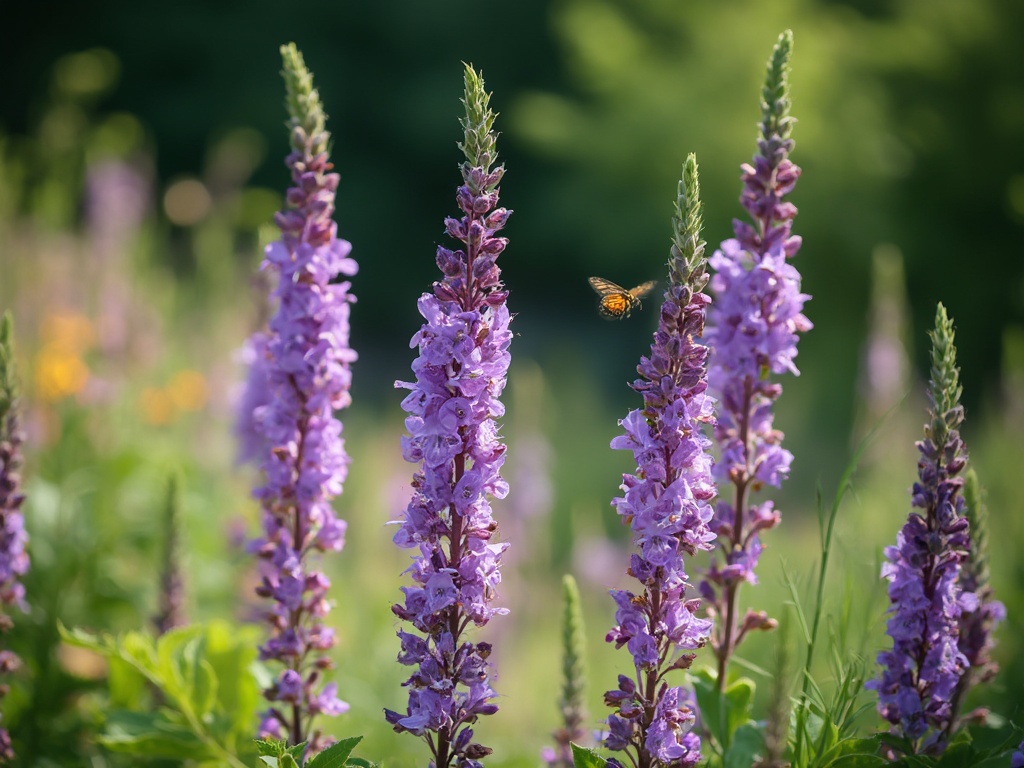
Salvia nemorosa, also known as woodland sage, is a true gem for any garden. This perennial flower bursts with colors ranging from purples to lavenders. When I planted my first Salvia nemorosa, I was amazed by how quickly it added a splash of color to my front yard. 🌸
These plants thrive in full sun, making them perfect for bright spots. I like how they attract bees and butterflies, turning my garden into a lively haven. 🐝 They typically bloom from June to September, ensuring months of beauty.
The compact size of Salvia nemorosa, usually around 12 to 18 inches, makes them ideal for front borders. They pair well with other perennials, creating a layered look. Want to know the best part? They require minimal care! Just a bit of pruning keeps them in shape.
- Thrives in full sun
- Blooms June to September
- Attracts pollinators
8) Phlox paniculata
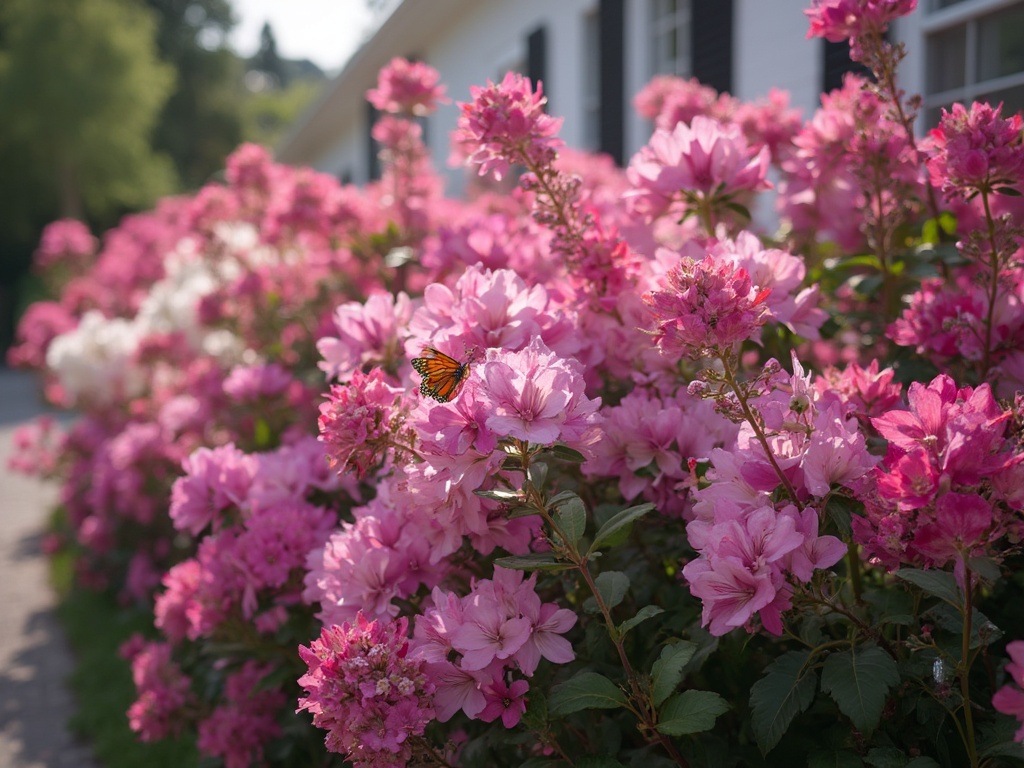
When I think of Phlox paniculata, the first thing that pops to my mind is its bold colors. 🌸 These flowers often come in shades of pink, purple, white, and red. They can be a real showstopper in the front of the house.
What’s really great about them is their height. They’re taller than you’d expect, sometimes reaching up to 4 feet. That’s like having a mini jungle right outside your door! Plus, they bloom in clusters, creating a full and rich look.
They love the sun, which is perfect for those sunny spots in the yard. Just make sure the soil is well-drained but still able to hold some moisture. They’re pretty good with water, especially when it’s hot. Don’t forget the mulch—it keeps their roots cool. 🌱
Phlox paniculata is quite the crowd-pleaser with pollinators. 🐝 You might find bees and butterflies fluttering around, adding even more life to your garden. It’s like a mini wildlife haven right outside your window. Just imagine sitting on the porch, enjoying the peace, and watching a butterfly dance from flower to flower.
They’re not too fussy either, which is perfect for anyone who prefers low-maintenance gardens. A little love and they’ll thrive beautifully! 💚
9) Heuchera ‘Obsidian’
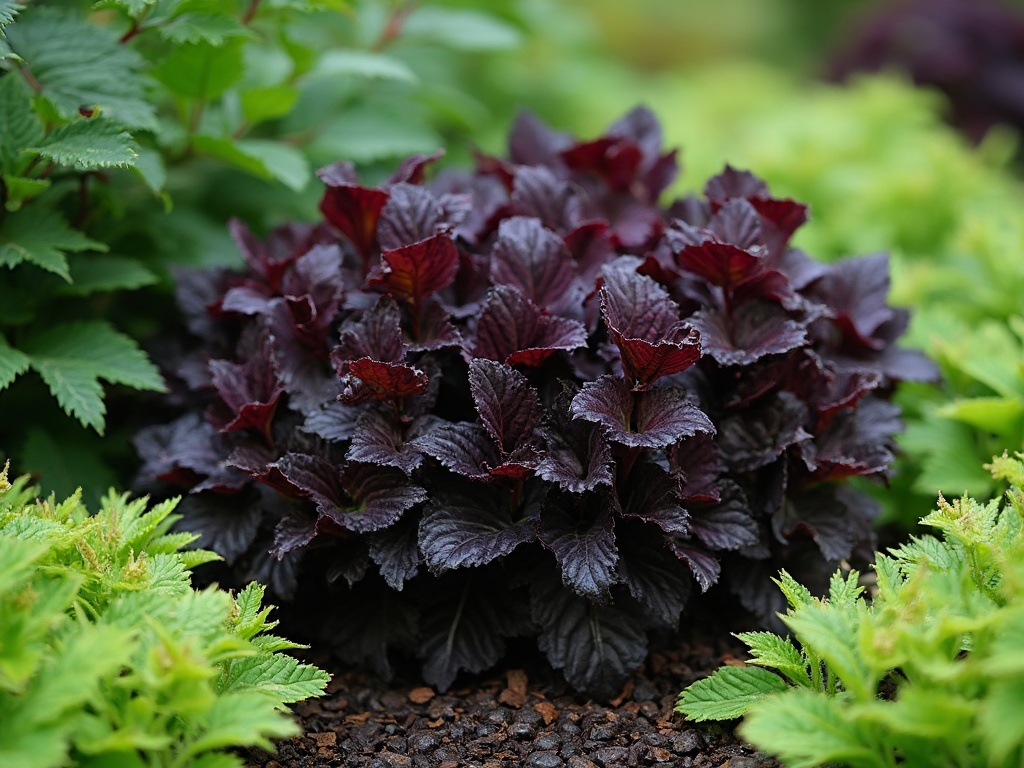
Heuchera ‘Obsidian’ is a little gem for any garden. It boasts stunning dark leaves that are deep purple, almost black. During the summer, it also displays tiny, creamy-white flowers. These look like nature’s own miniature bells, giving a delightful contrast to the dark foliage. 🐝
I find Heuchera ‘Obsidian’ to be perfect for adding a touch of drama to your front yard. It fits well in small spaces, looking fabulous either in pots or directly planted in the ground. Its compact, mound-like shape helps create beautiful layers with other plants, adding depth to any garden setup.
This plant loves both sun and shade, adapting well to different lighting conditions. So, whether your front yard gets full sun or just a sprinkle of morning light, Heuchera ‘Obsidian’ can handle it with grace. It’s a hardy plant that people in zones 4-9 can enjoy without much fuss. 🌸
If you’re thinking about ways to pair it, consider mixing it with bright green hostas or ferns. This combination creates a striking contrast, making your garden pop. It’s like wearing a classic black dress with bold accessories! 💚
10) Echinacea purpurea
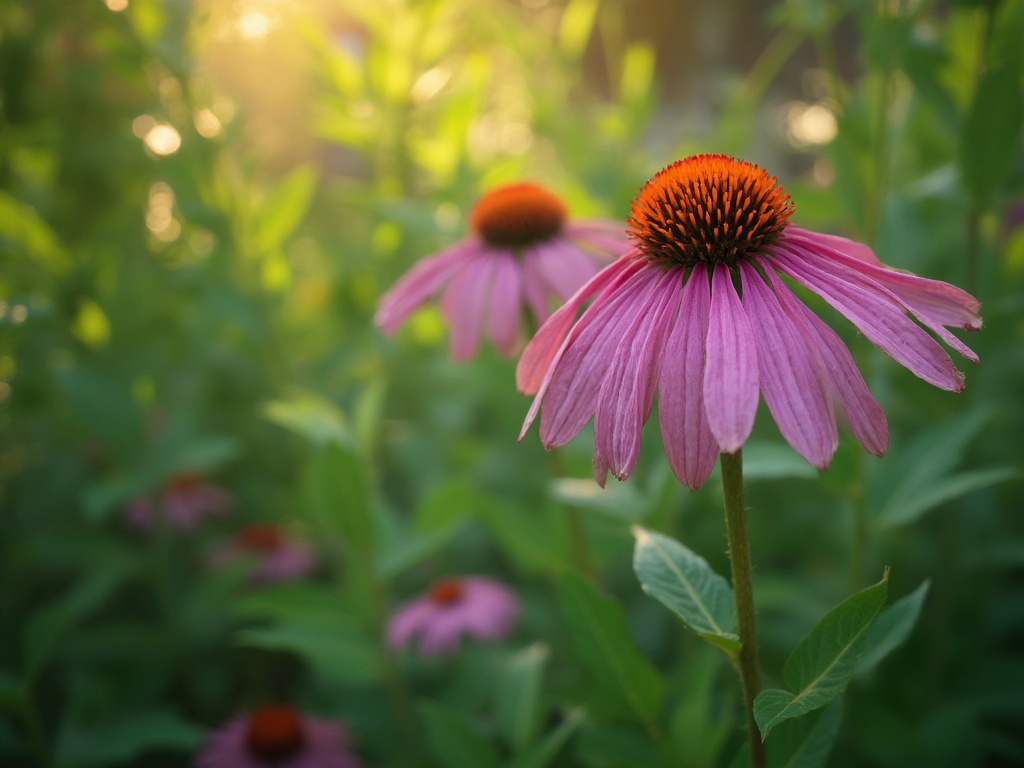
Echinacea purpurea, also known as the Eastern Purple Coneflower, is a charming addition to any front yard. This plant stands tall and proud, reaching heights between 3–4 feet.
I love how it adds a touch of wild elegance to my garden, with its daisy-like petals and bright center.
One of my favorite things about Echinacea purpurea is its hardiness. It thrives in a variety of conditions, which makes it perfect whether you have a green thumb or you’re just starting out.
These flowers don’t demand much attention, making them low-maintenance companions 🐝.
In the winter, Echinacea purpurea might retreat a bit, but come springtime, it returns even more vibrant. This resilient nature never fails to impress me.
They’re perfect for those who enjoy seeing their garden change with the seasons 🌸.
Here’s a quick look at what makes these flowers so appealing:
| 💚 Feature | 👍 Benefit | 🌷 Season | 🌱 Height |
|---|---|---|---|
| Hardy | Low maintenance | Spring | 3-4 ft |
| Colorful blooms | Eye-catching front yard | Mid to late summer | – |
| Adaptable | Grows in various conditions | – | – |
Echinacea purpurea is not just a pretty face; it’s a tough cookie too. Whether you’re a gardening newbie 👩🏻🌾 or a seasoned pro, this plant brings beauty and resilience to the front yard.