
“Vinegar in yard” has more uses than weed control or fertilizing plants. In this post, we’ll spill the secrets of 15 creative ways to put your leftover vinegar bottles to work outside. From protecting seedlings to fixing fences, you’ll be shocked by what a little vinegar can do.

Whether you’re an avid gardener or just looking for simple solutions, you’ll learn problem-solving hacks to keep your yard thriving with minimal effort. With these easy tricks up your sleeve, you’ll wonder why you ever bought expensive yard products again!
Vinegar in Yard Hacks to Spruce Up Your Outdoor Space
1. Weed Control
- Vinegar Type: White distilled vinegar, Apple cider vinegar
- Application Method: Spray directly on weeds, Mix one part vinegar to one part water and spray
- Expected Results: Kills existing weeds, Prevents new growth
- Safety Tips: Wear gloves, Avoid spraying on edible plants
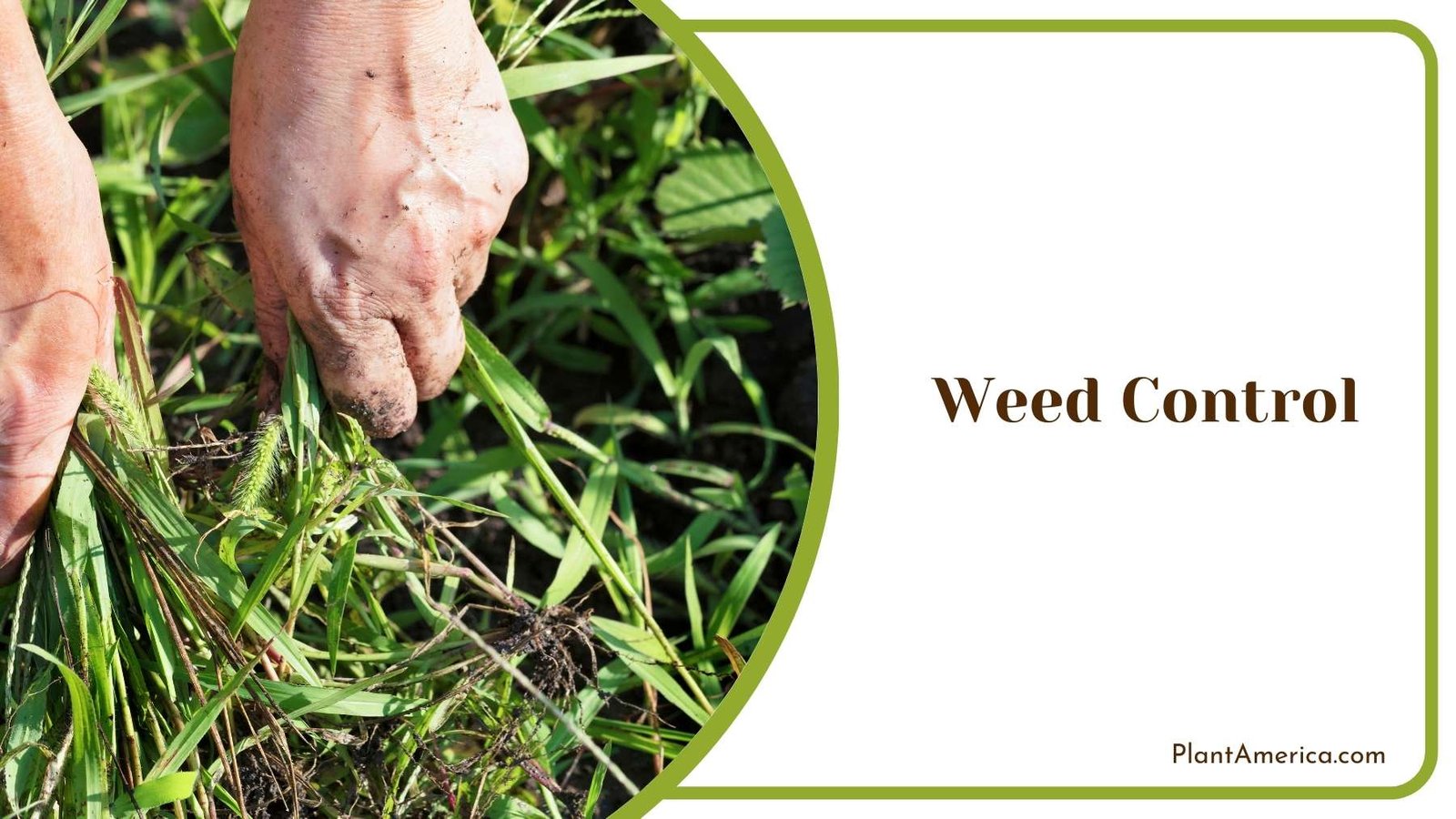
Have you tried pulling that persistent patch of dandelions only to see it return with a vengeance? Before dumping harsh chemicals, give vinegar a try. It’s a surprisingly effective natural weed terminator. A diluted spray of white distilled vinegar works wonders for zapping young weeds and preventing seeds from germinating.
For organicness, apple cider vinegar also delivers. On a sunny day, you can tackle lawn moss by dousing it straight – vinegar is that potent. However, be cautious of spritzing nearby strawberries as the fumes may overwhelm their delicate berries. With diligence, your yard will be unspoiled in no time.
White distilled vinegar is also great for targeting moss and algae growth. Apply it directly with a spray bottle or paintbrush. It will kill the unwanted growth without using synthetic sprays that can pollute the soil. For long-term weed control, keep an apple cider or white distilled vinegar on hand for quick spot treatments as needed.
Along with basic cultivation techniques, regular targeted applications can transform an overgrown patch into a flourishing space for pollinator-friendly plants to thrive. With minimal effort, your yard will be a lush oasis instead of an eyesore.
2. Fertilizer

- Vinegar Type: Apple cider vinegar
- Application Method: Water your plants and soil with a mixture of one part vinegar to ten parts water
- Expected Results: Improves soil composition, Feeds plant essential nutrients
- Safety Tips: Dilute vinegar before applying, Avoid contact with plants during hot/sunny periods
Most gardeners know that apple cider vinegar makes a brilliant all-natural fertilizer. The acetic acid it contains breaks down nutrients in the soil and makes them more readily available for plant uptake. To use it as a fertilizer, mix one vinegar with ten parts of water and use this diluted solution to water your garden beds.
The beneficial bacteria in apple cider vinegar also help condition the soil by improving texture and drainage. With regular application, you’ll develop a nutrient-rich environment for robust plant growth.
The acetic and malic acid in apple cider vinegar act like a multivitamin for everything from flowers to vegetables. They feed plants essential minerals like potassium, phosphorus, and magnesium. As a bonus, the antimicrobial properties help prevent fungal and bacterial diseases from taking control of the soil.
For best results, dilute the vinegar properly before each application. And on hot days, water in the morning so plants aren’t stressed by the acidity under direct sun exposure. Regular fertilizing with vinegar water creates a thriving natural habitat for all garden plantings to take root and prosper.
3. Seed Starter

- Vinegar Type: Apple cider vinegar
- Application Method: Add 1-2 tsp vinegar per cup of seeds and let soak before planting
- Expected Results: Improved germination rates, Stronger seedlings
- Safety Tips: Rinse seeds after soaking before planting
Getting seeds off to a healthy start is vital for a bountiful harvest. Soak them in apple cider vinegar beforehand to boost germination and growth. Acetic acid helps break down germination inhibitors in some seeds that prevent sprouting. It also acts as a natural fungicide to support beneficial microbes in the soil.
Add a teaspoon or two of vinegar per cup of seeds and let them soak for a few hours up to overnight. The acid treatment preps the seeds for sprouting and helps ward off diseases like damping.
Rinsing with fresh water after the soak removes residual acidity before planting your presoaked seeds. This simple step gives them the best chance at reaching their sprouting potential.
With higher germination rates and more robust seedlings emerging, you’ll have a fuller, more productive crop to enjoy all season long. An ACV seed soak takes just minutes but pays big dividends in a healthier new batch of plantings
4. Bug Spray

- Vinegar Type: White distilled vinegar
- Application Method: Mix one part vinegar with two parts water in a spray bottle
- Expected Results: Repels common insects like aphids, Japanese beetles, and squash bugs
- Safety Tips: Test spray on a small area first, Reapply as needed
Growing your organic garden means accepting the occasional presence of unwanted bug guests. Reach for vinegar instead of harsh chemicals when you spot squash bugs feasting on your cucurbits or aphids sucking the life from your roses.
A simple spray of white distilled vinegar and water creates a compelling yet non-toxic remedy. The high acidity alters their senses, making plants less appealing to chomp on. Mix a one-to-two ratio of vinegar to water in a spray bottle and target both the tops and undersides of infested leaves.
The spray works best as a preventative, so it’s crucial to reapply every few days until pests are no longer a problem. The oxygen and acetic acid disrupt the bugs’ breathing and digestive systems without harming beneficial pollinators like bees.
Give plants a thorough covering, but do not over-saturate sensitive blooms on a hot day. Test the spray on a small section first to check for any damage.
With consistent applications, you’ll banish bothersome pests without bringing harsh chemicals into your garden space or home. Better still, the vinegar leaves no residue and breaks down rapidly in sunlight, so it’s safer for the whole family. Enjoy your chemical-free harvest without worry of ingesting pesticide residues.
5. Fungicide

- Vinegar Type: Apple cider vinegar
- Application Method: Mix 1 part vinegar with 3 parts water, Spray or brush onto affected areas
- Expected Results: Prevents fungal infections like powdery mildew and rust
- Safety Tips: Test spray on a small area first, Avoid applying in direct sun
Every gardener dreads the spread of pesky fungal infections that can quickly overtake prized roses or decimate a whole patch of cucurbits. Reach for your trusty apple cider vinegar as an all-natural preventative measure and treatment.
With properties that halt pathogen growth, ACV is a wonder product for the organic garden. Mix a one-to-three ratio vinegar solution and thoroughly coat any affected leaves, stems, or bulbs. The acetic acid raises the pH to acidic levels where fungi cannot survive.
Consistency is critical to gaining the upper hand on persistent infections like powdery mildew. When conditions are damp and humid, spray your susceptible plants every three to five days.
The repeated applications keep fungal spores from taking hold before they can cause damage. Additionally, ACV supports overall plant wellness with nutrients, beneficial microbes, and insect-repelling properties.
Don’t forget rinsing fruits and vegetables with diluted ACV before eating helps remove possible residues as well. With minimal effort, you’ve created the perfect environment for robust plants and maximum, chemical-free harvest yields!
6. PH Adjuster
- Vinegar Type: White distilled vinegar
- Application Method: Mix 1 part vinegar with 10 parts water
- Test soil pH and water plants as needed
- Expected Results: Lowers soil pH for acid-loving plants
- Safety Tips: Adjust pH gradually, Test regularly to avoid over-correction
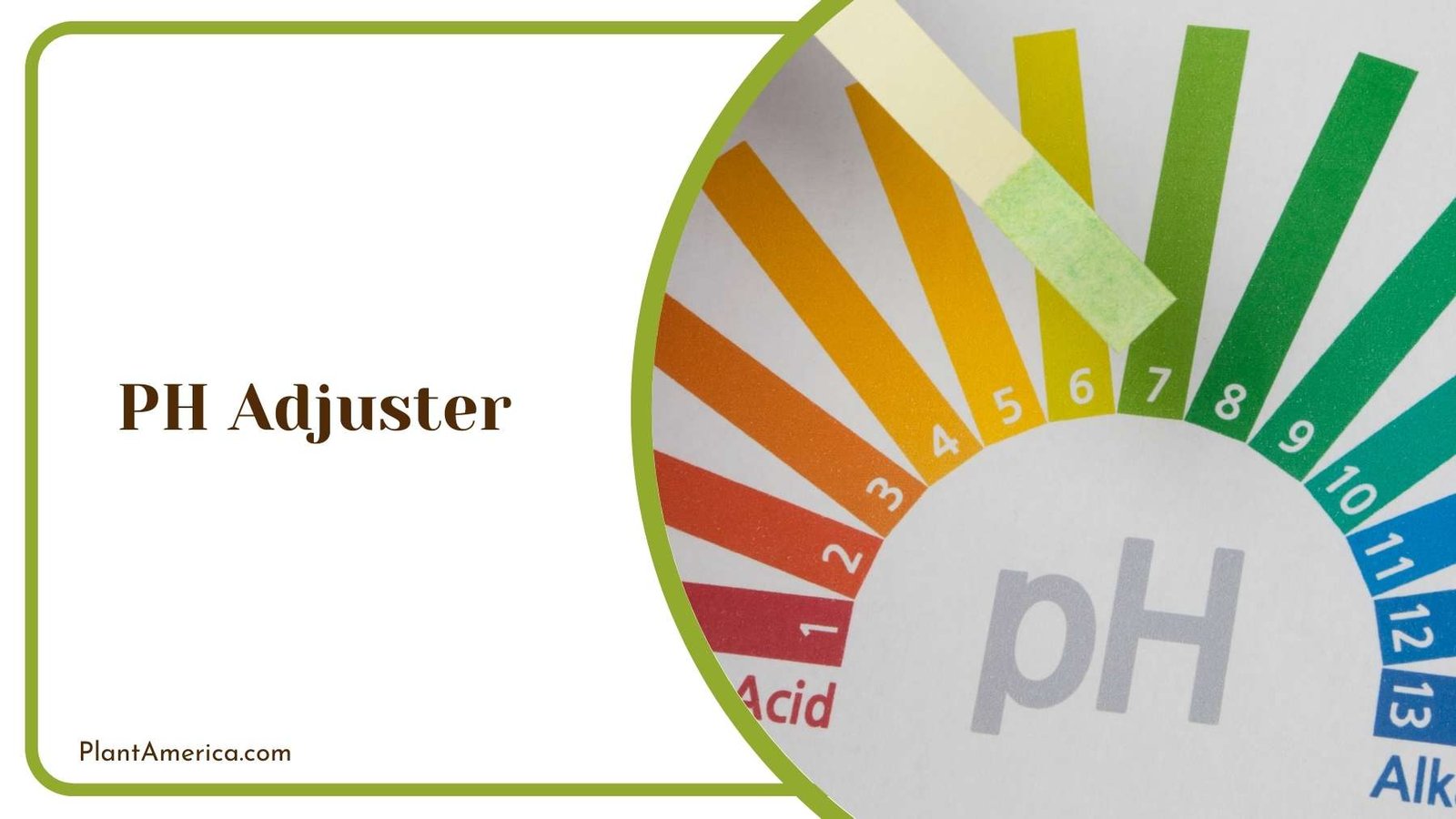
Certain plants thrive in more acidic conditions, whether you’re growing blueberries, hydrangeas, or rhododendrons. Luckily, white distilled vinegar provides a simple, inexpensive way to lower the soil pH for these species without backbreaking effort. Test your existing soil pH and, if high, slowly adjust levels down over time with diluted vinegar applications.
Mix one part vinegar to 10 parts water in a watering can. This dilute formula allows you to regulate alkalinity safely. Water acid-loving plants with the solution, testing again in a few weeks to track progress. Go slowly – overcorrecting pH can be as detrimental as leaving it high. Your blueberry bushes will reward all your labors with bountiful crops of sweet, juicy berries!
Vinegar also chelates or alters soil minerals into forms more available to feed plants. Supplementing regular fertilizer with occasional vinegar doses keeps necessary micronutrients in the accessible balance acid-loving flora want. With minimal effort over time, you’ve optimized soil conditions so these prized plants thrive for years.
7. De-icer
- Vinegar Type: White distilled vinegar
- Application Method: Mix two parts vinegar with one part water, Apply to icy areas as a liquid or spray
- Expected Results: Melts ice safely without harming plants or pavement
- Safety Tips: Reapply as needed, Test small areas for damage first
When winter winds blow and snow blankets your yard, dealing with accumulating ice is inevitable. Reaching for vinegar provides a natural solution over corrosive store-bought chemicals. Its low freezing point allows it to dissolve frost effectively and safely
For walkways and driveways, mix two parts white distilled vinegar with one part water in a pump spray bottle. This dilute ratio is needed for the acetic acid to break the bonds between frozen water molecules.
Liberally spritz icy surfaces and watch as the liquid quickly returns. For small patches, carefully apply the solution directly with a brush. Either method gets quick results without the risk of damage from overspray.
Nearby plantings won’t suffer harm the way they could from anti-freeze deicers that contain ethylene glycol. Once the ice melts under the vinegar’s influence, it harmlessly evaporates rather than leaving toxic residues behind. This provides peace of mind versus chemical-laden store brands.
Also, distilled white vinegar’s antibacterial properties inhibit future ice formation. Reapply as needed after snow or rain to discourage icy buildup. Best of all, the natural solution won’t pollute soil or water supplies like artificial melting agents.
When slip hazards arise this winter, reach for this simple deicing spray rather than risking danger or environmental pollution. With just a jug of vinegar and water, you’ll keep walks clear safely all season long.
8. Wood Preservative

- Vinegar Type: White distilled vinegar
- Application Method: Apply straight or mixed 50/50 with water using a brush or sprayer, Reapply every three to six months
- Expected Results: Protects outdoor wood from moisture, mildew, and rot
- Safety Tips: Test a small area first, Avoid applying in direct sun
As the seasons change, outdoor wood furnishings like decks, fences, and planter boxes require protection from weathering elements. Rather than relying on harsh chemicals, apple cider vinegar naturally defends against moisture, mildew, and rot.
The acetic acid in vinegar alters the pH of wood surfaces to inhibit microbial growth. White distilled vinegar is most effective for the job. Apply it straight using a paintbrush or pump sprayer. For larger areas, mix a 50/50 solution with water for better coverage in one treatment.
Coat all sides of the wood thoroughly, focusing on especially exposed grain. The preservative penetrates the cellular level for a long-lasting shielding effect inside and out. Reapply fresh treatments every three to six months for continued upkeep against fungi and molds.
Unlike synthetic stains or sealers, vinegar breaks down rapidly and poses no risk to the environment, kids, or pets. It leaves behind no visible harmful residue. Best of all, treated wood retains a natural appearance without masking original characteristics or requiring sanding between coats.
With basic applications a few times a year, your outdoor structures will withstand weather beautifully for future seasons.
9. Siding Cleaner
- Vinegar Type: White distilled vinegar
- Application Method: Mix 1 part vinegar with one part water, Apply to the siding with a brush or spray, and rinse
- Expected Results: Cuts through dirt, grime, and mold without harming surfaces
- Safety Tips: Test a small area first, Avoid direct sunlight contact
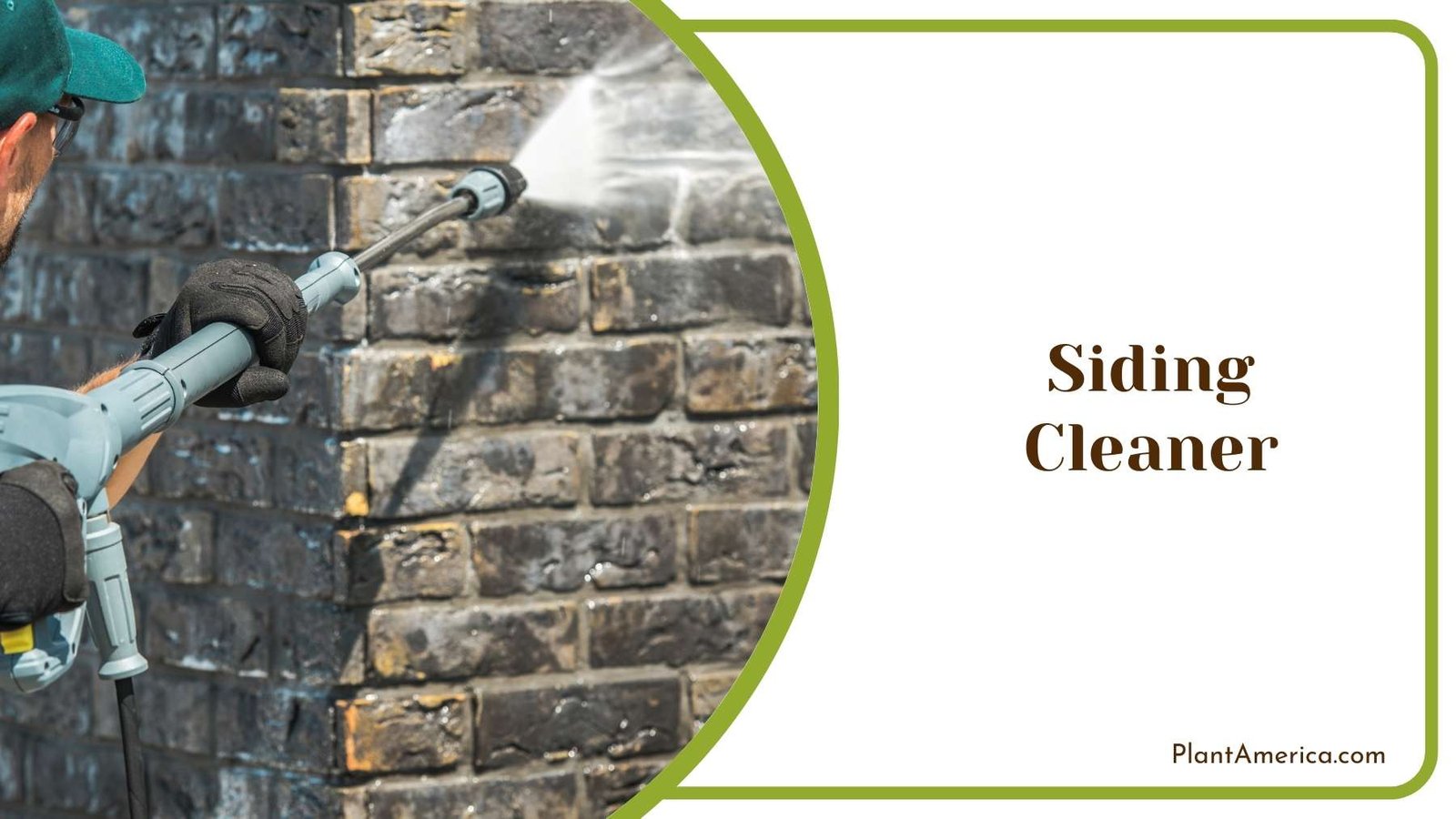
Over time, elements like pollution, moisture, and exposure take their toll on a home’s exterior. Rather than subject siding to harsh chemical cleaners, reach for a gentler DIY white distilled vinegar and water solution.
Mix equal parts of each in a pump spray bottle for a safe yet potent cleanser. The acetic acid works hard to dissolve dirt, grease, and mild growth while remaining friendly to the environment. Starting at the top, apply liberally to the siding using a brush or mist setting. Let soak for five to ten minutes before rinsing thoroughly with a garden hose.
The dual action cleaning properties break down buildup, then neutralize completely upon rinsing. There is no risk of residue damaging surfaces over repeated washings. Siding maintains a like-new appearance without the need for harsh abrasives or toxins.
Scrub gently with a natural fiber wash and vinegar solution for problematic areas. Arm yourself with protective gloves, just in case.
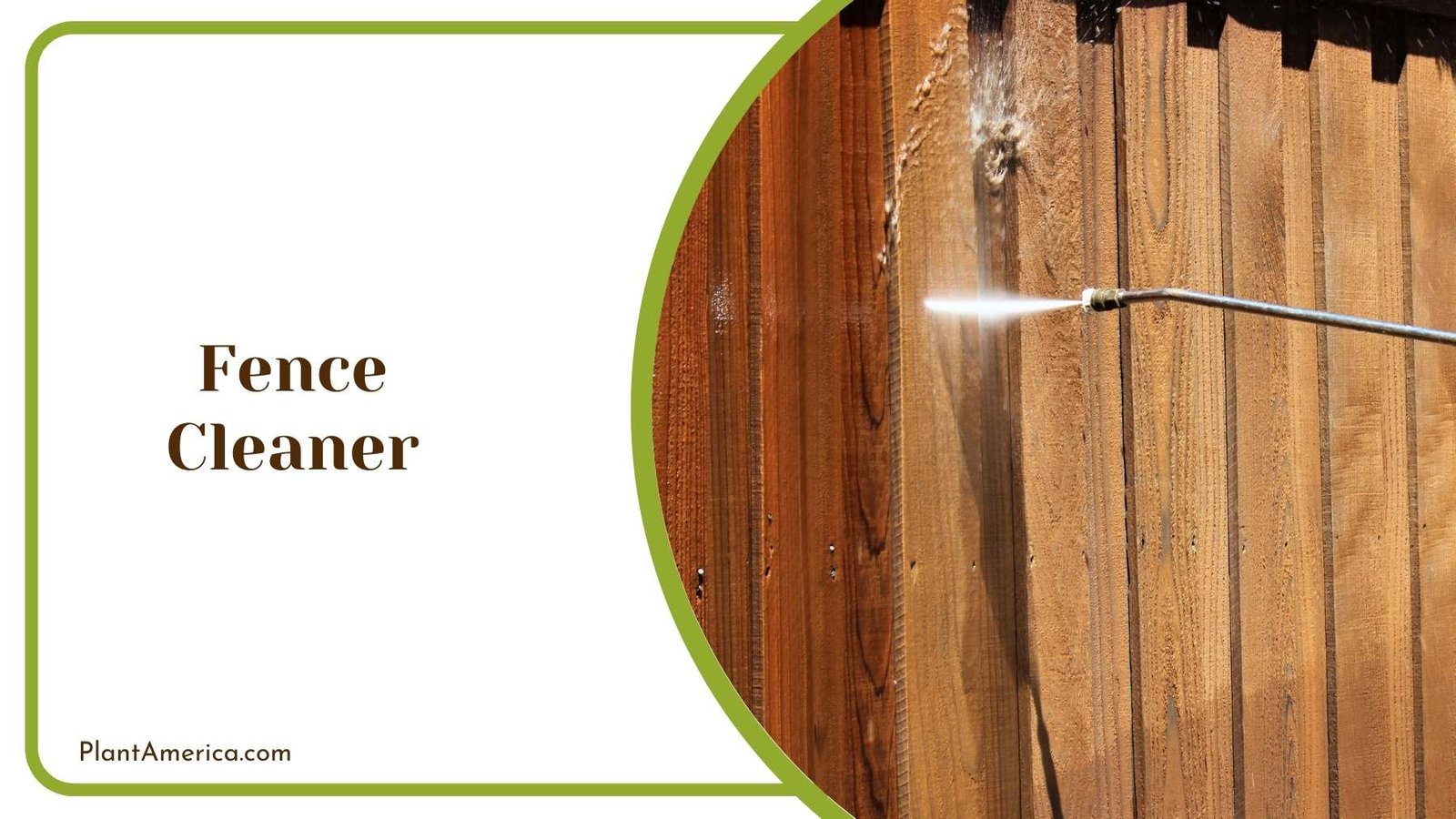
10. Fence Cleaner
- Vinegar Type: White distilled vinegar
- Application Method: Mix one part vinegar with one part water, Spray on fences and scrub with a brush or mitt.
- Expected Results: Removes dirt, mildew, and built-up residue without harming surfaces
- Safety Tips: Wear gloves, Rinse after cleaning
Over the years, fences accumulate grime layers that build character and disguise the original design. Debris, pollution, and moisture deposits can make wooden, vinyl, or composite fences appear dull and dirty. Rather than dousing them in harsh bleaches or chemicals, reach naturally for vinegar.
Its acetic acid safely dissolves stubborn residues while remaining gentle on all common fencing materials. Mix equal parts white distilled vinegar with water in a pump spray bottle for fuss-free cleaning power. Mist fence sections liberally before scrubbing away dirt with an old toothbrush, natural fiber wash mitt, or scratchless sponge.
For vinyl or composite, wire bristle brushes also work well. Take care of any delicate designs or engravings. The vinegar cuts through layers of accumulated grime with minimal effort. No need for elbow grease or abrasives that could damage sensitive surfaces over time.
Rinse thoroughly with a garden hose, safely neutralizing the solution. As with some chemical-laden products, nearby plantings won’t be harmed from slight overspray.
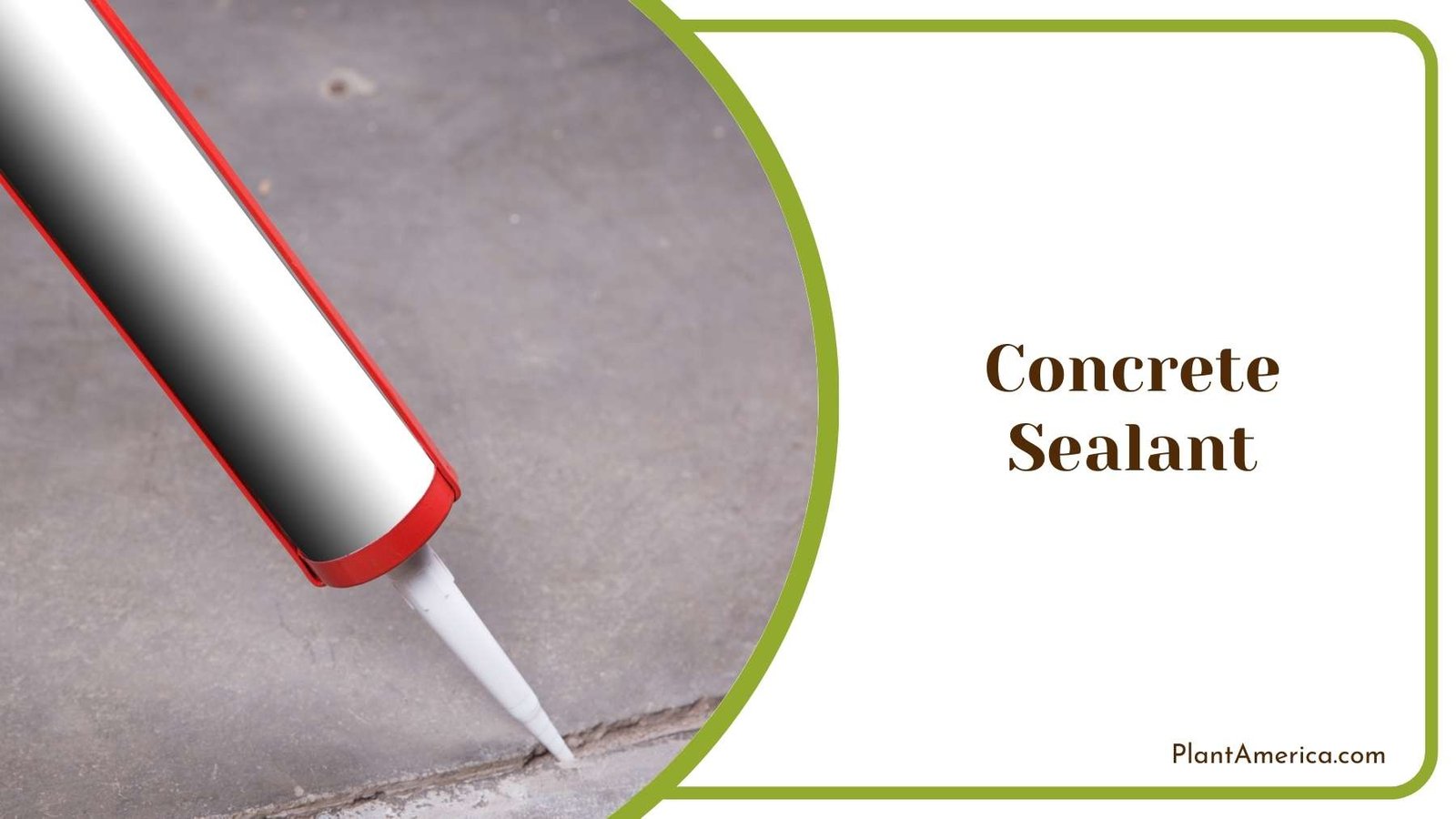
11. Concrete Sealant
- Vinegar Type: White distilled vinegar
- Application Method: Apply undiluted vinegar liberally using a pump sprayer or brush, Allow to dry completely before rinsing
- Expected Results: Protects concrete from weathering, Inhibits stain and mold growth
- Safety Tips: Test a small area first, Avoid contact with plants
Concrete provides durable surfaces for patios, footings, and more, but weather exposure takes its toll over time. Rather than sealing with harsh petroleum-based protectants, keep concrete looking fresh naturally with vinegar’s invisible shield.
Its acidity reacts with the cement to chemically alter pores, forming an invisible barrier impervious to water, oil, and microbial growth. Apply undiluted white distilled vinegar generously with a brush or pump sprayer. Allow to soak in without rinsing for at least four hours, speeding the protective reaction.
This single treatment safeguards against common issues. The sealed surface sheds water instead of allowing stains, efflorescence, and algae residue buildup. Mold, mildew, and lichen won’t establish quickly in shrinking pores either.
With routine natural resealing yearly or as conditions require, concrete maintains durable beauty for decades without further abrasives or chemicals. Vinegar’s protection lasts through weather extremes while safely neutralizing upon drying. Nearby plants remain untouched, leaving your space naturally clean and environmentally conscious.
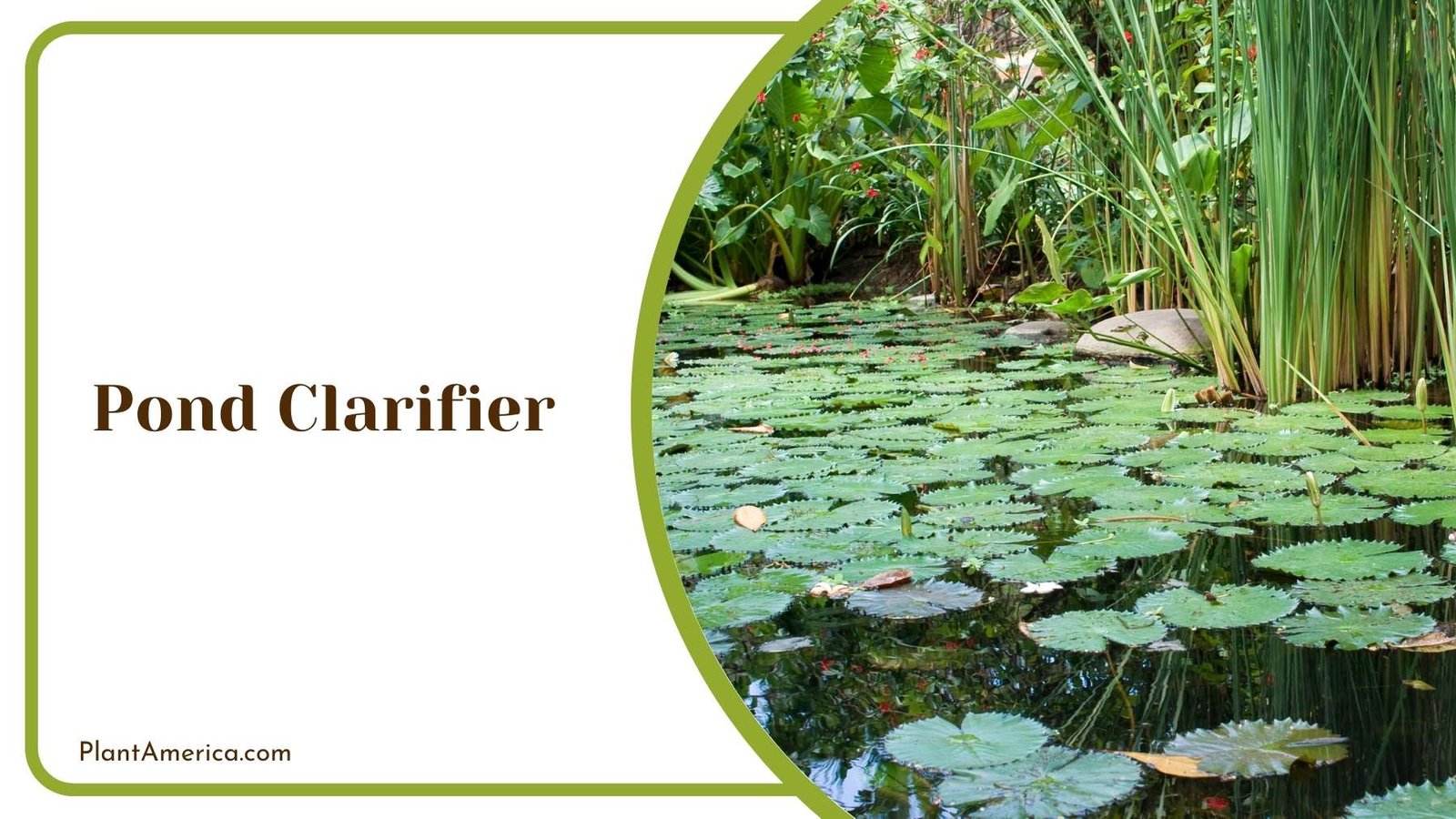
12. Pond Clarifier
- Vinegar Type: Apple cider vinegar
- Application Method: Add one to two cups per 100 gallons of water, Distribute evenly, Repeat monthly.
- Expected Results: Clears cloudy water by removing organic matter and algae growth
- Safety Tips: Test a small amount first, Increase aeration while treating
Nothing ruins the ambiance of an outdoor pond quite like murky, green water overgrown with algae. While stores offer clarifiers containing harsh chemicals, apple cider vinegar delivers an all-natural solution. Its acids safely break down organic contamination, causing clouding without harming beneficial bacteria or aquatic life.
First, calculate your pond’s volume in gallons and add the appropriate ratio of vinegar — about one to two cups per 100 gallons. Distribute it evenly without disturbing the bottom sediment.
The acetic acid goes to work dissolving surface algae and suspended solid particles. Within days, once clear water promotes optimal sunlight penetration inhibition, clarifying the entire water column.
Always increase aeration levels during initial treatment to balance pH changes. Test a small amount first if uncertain of any koi or plants present. The organic breakdown process may create temporary mini “blooms” as algae nutrient levels reduce over subsequent water changes.
13. Paint Remover

- Vinegar Type: White distilled vinegar
- Application Method: Soak a rag in undiluted vinegar and place it over the paint, Cover with plastic, and secure overnight
- Expected Results: Safely removes aging paint without damaging surfaces or polluting
- Safety Tips: Test small area, Ventilate the area well, Avoid skin contact
As homes age, walls accumulate layers of outdated paint that eventually must be stripped before refreshing. Most commercial strippers contain nasty chemicals like methylene chloride and NMP that threaten health and the environment. An all-natural alternative exists using only vinegar’s organic power.
Soak a thick rag or towel in undiluted white distilled vinegar. Wring out excess liquid and apply directly over dried paint surfaces. Completely cover with plastic secured with masking tape to help vinegar soften bonded layers overnight. The acetic acid works safely on all paint types, including enamel, without toxic fumes or residues.
Once uncovered, gently remove softened paint and scrape or sand areas gently as desired. Minimal physical effort yields significant results. For stubborn spots, rewrite the rag with vinegar and reseal for 48 hours until entirely stripped. Proper ventilation and gloves prevent inhalation/contact risks, which are eliminated compared to hazardous store brands.
Vinegar’s effectiveness removes multiple paint coats down to the original material beautifully and naturally. There is no need for abrasives or solvents, and stripped surfaces remain undamaged. Its time-released action protects lungs, drains, and soil quality, unlike the polluting compounds in other products. Achieve a fresh canvas safely for redecorating!
14. Window/Mirror Cleaner

- Vinegar Type: White distilled vinegar, Apple cider vinegar
- Application Method: Mix one part vinegar with one part water in a spray bottle, Wipe surfaces with newspaper or microfiber cloth
- Expected Results: Removes streaks, grime, and residue without harsh chemicals
- Safety Tips: Avoid direct sun exposure after application
Nothing dulls a home’s ambiance quite like cloudy windows and spotty mirrors. While commercial glass cleaners work fast, they often contain toxic propellants and solvents. Reach instead for your all-natural cleaning partner – vinegar
For streak-free results, mix equal parts white distilled or apple cider vinegar with warm water in a spray bottle. The acidity dissolves grease, dust, and water deposits that cause imperfect reflections. Spritz generously onto glass surfaces before wiping away with crumpled newspaper, old t-shirts, or microfiber cloths.
Vinegar cuts through grime, yet its suds-free formula leaves no residue behind. There is no need for dangerous chemical inhalation either! Paper products provide ample swiping power without potentially scratching delicate panes like some wipes can.
Allow the glass to air dry thoroughly to prevent water spots from forming later in sunlight. For extra cleaning power in frames or glazing, dip cloth into undiluted vinegar before scrubbing away dirt and stains.
15. Mulch Enhancer

- Vinegar Type: Apple cider vinegar
- Application Method: Water mulch thoroughly, Spray one part vinegar with ten parts water and reapply every few months
- Expected Results: Suppresses weeds, Repels insects, Controls odors without chemicals
- Safety Tips: Always water bed before and after application
No landscape accouterment stays fresher looking longer than properly maintained mulch. Over time, weeds take root while odor and insects invade unless applying enhanced protection naturally. Meet your new best friend – apple cider vinegar
Its all-purpose properties provide the perfect complement whenever top dressing mulched areas. First, soak the whole bed thoroughly to awaken the microbe activity below. Mix vinegar at a 10:1 ratio with water and spray entirely until run-through.
The organic compounds release gradual control prevailing for months. Equipped with vinegar’s organic shield, mulch establishes an inhospitable zone where weed seeds can’t take hold and difficult invasives perish. Its solid yet natural fragrance also permeates to deter lingering pests without synthetic pesticides.
Conclusion
Vinegar is a remarkably versatile natural tool for yard care and beautification. A few uses that may be wildly unexpected include:
- Pond clarifier – Clears cloudy green water by removing algae and organic contaminants.
- Mulch enhancer – Suppresses weeds and odors while repelling pests without chemicals.
- Paint remover – Safely removes multiple layers of paint from wood, metal, and more through organic breakdown.
Whether tackling stubborn stains, dissolving grime, or enhancing soil health, trying vinegar brings affordable solutions. Its acetic properties work hard yet gently on surfaces while nourishing the earth. With some trial and regular upkeep, discover how far this pantry staple can enhance your outdoor space naturally.