
Types of Wisteria are beloved for their gorgeous cascades of fragrant blooms, but with so many varieties to choose from, it can seem tasking. We’re here to help simplify your search by highlighting 14 of the best Wisteria vines for your garden, from classic Japanese blooms to colorful American varieties.
Whether you want long, flowing purple vines or hanging clusters of pale pink flowers, there’s a Wisteria out there waiting to burst into bloom just for you. So read on, friend, as we explore the mesmerizing world of Wisterias and help you pick out the perfect match for your green space.
14 Exploring Gorgeous Types of Wisteria Varieties Worth Growing
1. Japanese Wisteria

- Growing Season: Spring, Early summer
- Leaf Type: Compound, pinnate, Dark green and velvety
- Specific Needs: Full sun, Sturdy support, Acidic soil
- Common Pests: Aphids, Japanese beetles
Japanese wisteria is known for its abundance of lavender blossoms that perfume the air in spring. The vines produce large clusters of sweetly scented, pea-like purple flowers and thrive with ample climbing space.
The floribunda type produces more flowers, while macrostachya has longer seed pods. With sufficient pruning and support, Japanese wisteria can grow up to 30 feet tall, covering fences and arbors with its graceful spray of blooms.
One would provide a sturdy structure like a wooden pergola or metal trellis for the Japanese wisteria vine to climb. The new growth would be tied regularly to train the vine as it grows properly.
With regular pruning and fertilizing, the Japanese wisteria bloom will reward with an amazing floral display for many springs to come. Japanese wisteria prefers well-draining, acidic soil that is rich in organic matter.
2. Chinese Wisteria
- Growing Season: Spring, Early summer
- Leaf Type: Compound, pinnate, Dark green and velvety
- Specific Needs: Full sun, Sturdy support, Acidic soil
- Common Pests: Aphids, Japanese beetles
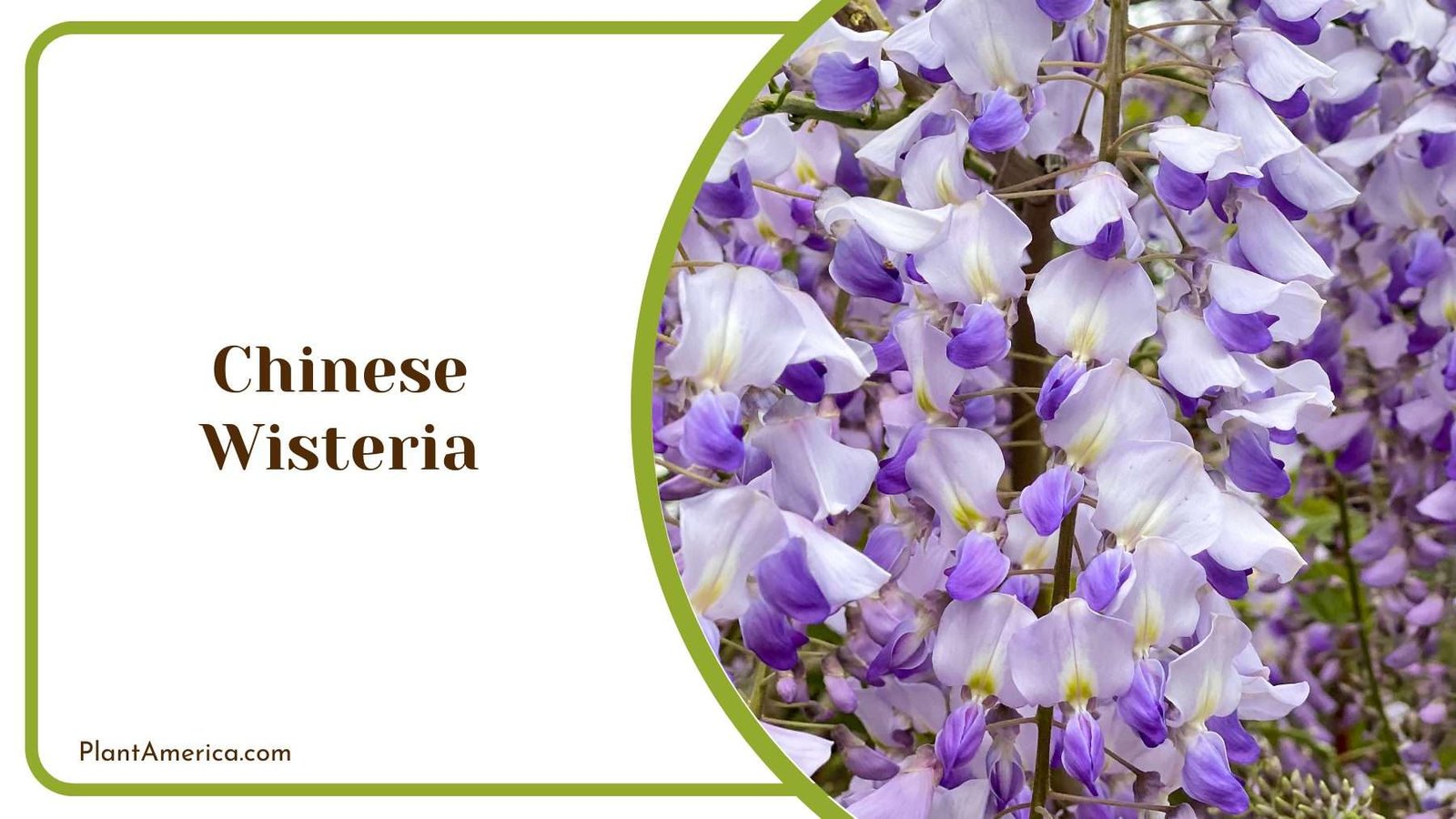
Chinese wisteria is valued for its showy panicles of lavender-blue pea-like flowers that bloom profusely in spring. With its exuberant floral display, the vines climb fast to cover walls, arbors, and trellises.
Chinese wisteria produces larger leaves than other wisteria species and features fragrant blooms in shades of violet, lilac, and white. Chinese wisteria vines can grow 30 to 50 feet long with proper pruning and support.
One would provide sturdy support like a wood trellis or chain link fence for the Chinese wisteria vine. The new growth should be tied regularly as it extends to train the vine properly.
Regular pruning after flowering helps promote the next year’s bloom and controls the size of the vigorous vine. Chinese wisteria thrives in full sun and moist, well-drained soil that is slightly acidic.
3. American Wisteria
- Growing Season: Spring, Early summer
- Leaf Type: Compound, pinnate, Dark green and velvety
- Specific Needs: Full sun, Sturdy support, Acidic soil
- Common Pests: Aphids, Japanese beetles
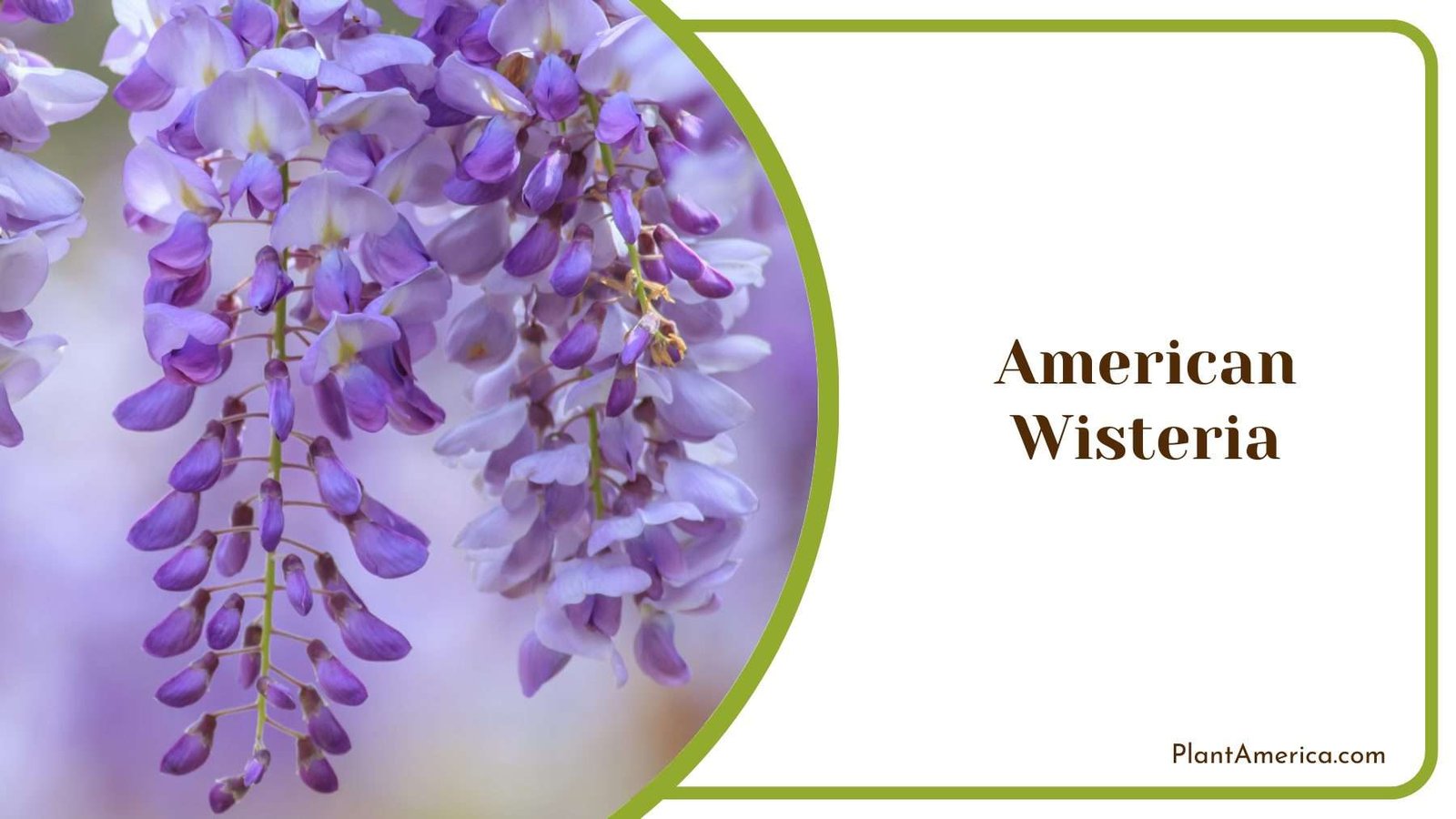
American wisteria differs from its Asian cousins by producing lilac to lavender flowers in pendulous racemes. The blooms appear after foliage in late spring to early summer and are highly fragrant.
American wisteria prefers the coolness of winter dormancy to bloom well and originates from the southern Appalachian mountains. Provide sturdy support structures like wooden arbors, pergolas, or strong chain link fences for the American wisteria vine. The new growth should be tied regularly to the support as it extends.
American wisteria thrives in full sun but requires protection from harsh winds. The soil should be well-drained, acidic, and high in organic matter. Compost and leaf mold added before planting helps the soil hold moisture over winter. Pruning after flowering in midsummer helps shape the American wisteria vine and promote next year’s bloom.
4. Blue Moon Wisteria
- Growing Season: Spring, Early summer
- Leaf Type: Compound, pinnate, Dark green and velvety
- Specific Needs: Full sun, Sturdy support, Acidic soil
- Common Pests: Aphids, Japanese beetles
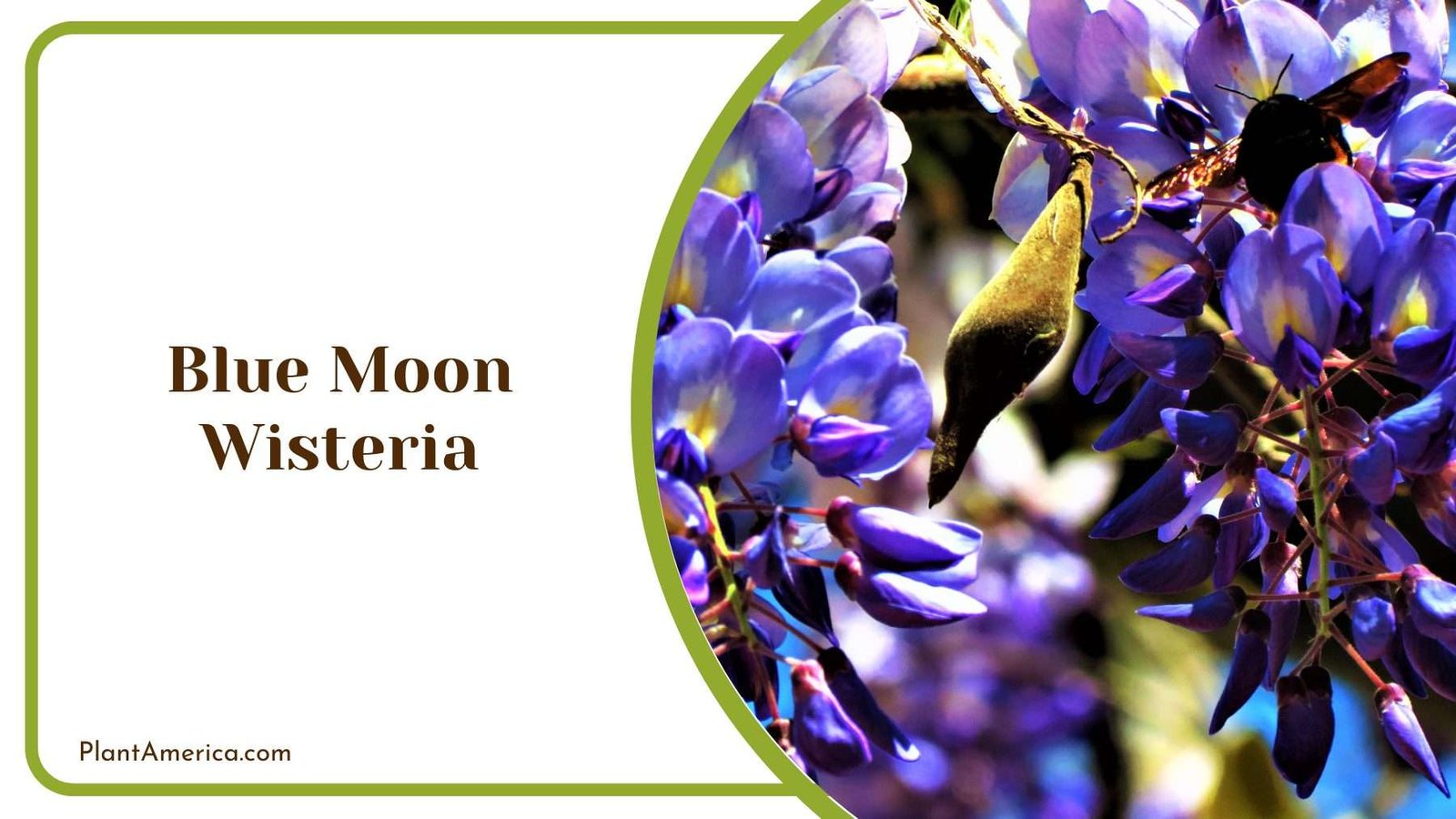
Blue Moon wisteria is prized for its stunning shade of violet-blue flowers that emerge in spring. The blooms have a powdery blue hue and fragrant pea-like flowers that appear in clusters.
Blue Moon wisteria is a hybrid between Japanese and Chinese wisteria, combining the best traits of both parents. The vines climb readily and can grow 20 to 30 feet if given proper support and training.
You should provide sturdy supports like strong trellises, arbors, or chain link fences for the Blue Moon wisteria vines. The new growth would be tied regularly to train the plant as it climbs properly.
Blue Moon wisteria thrives with at least six hours of direct sunlight and well-draining soil enriched with organic matter. Vigorous shoots should be cut back to encourage bushier growth while thinning out crowded or diseased stems.
5. Silky Wisteria
- Growing Season: Spring, Early summer
- Leaf Type: Compound, pinnate, Dark green and velvety
- Specific Needs: Full sun, Sturdy support, Acidic soil
- Common Pests: Aphids, Japanese beetles
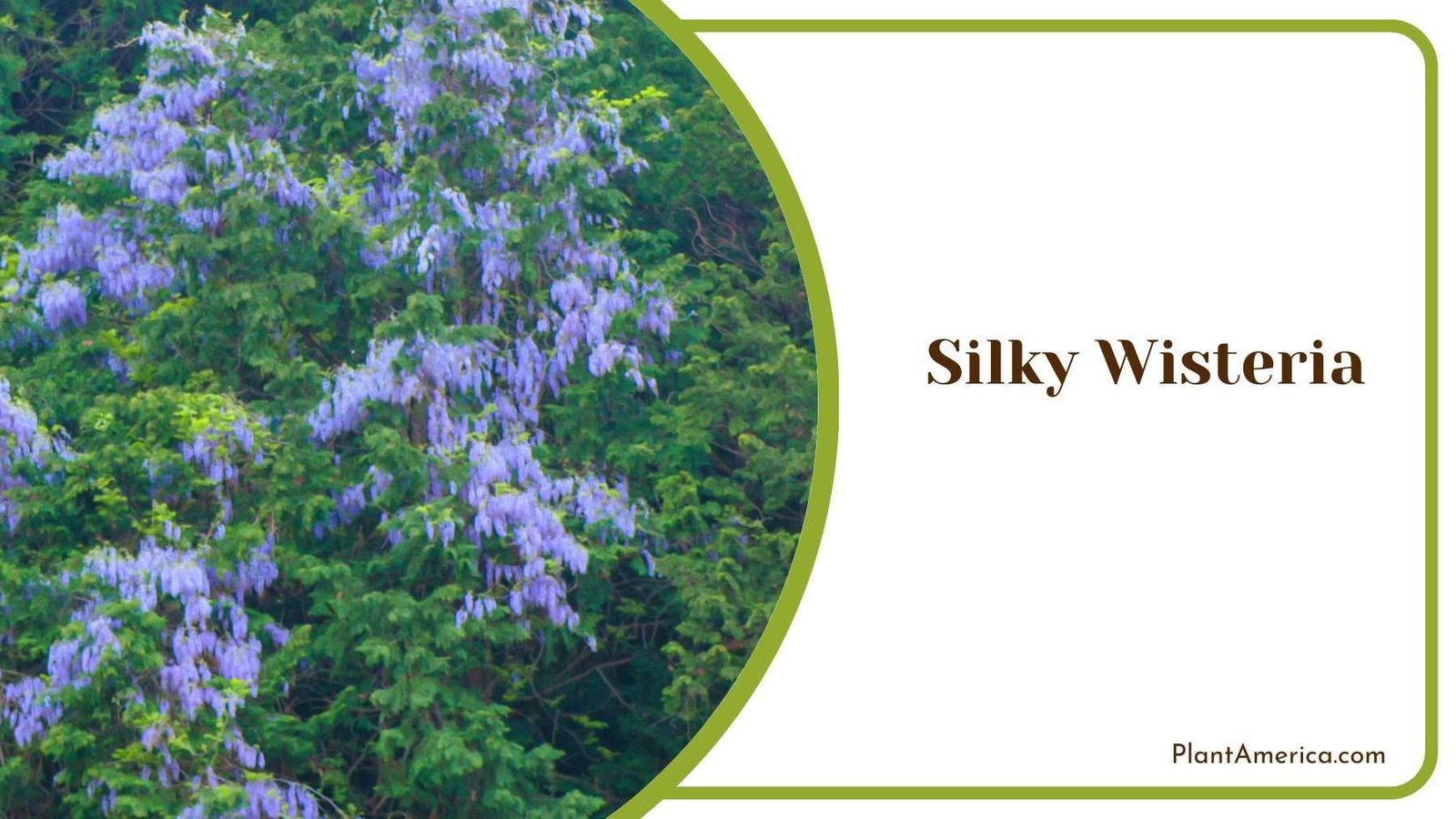
Silky wisteria gets its name from its leaves’ soft, velvety texture. The vines produce dendrobium-like racemes of lilac flowers in spring that emerge directly from the woody stem. Silky wisteria is slower growing than other types of wisteria, reaching around 15 to 20 feet when properly trained and pruned.
Silky wisteria prefers full sun and well-drained soil rich in organic matter. It is essential to water the plant regularly during the growing season, especially when flowering, to ensure an abundant bloom.
Cutting back long, wispy stems to a few strong buds will encourage bushier new growth. Due to its soft leaves, silky wisteria is prone to powdery mildew, so good ventilation and air circulation will help reduce fungal issues.
6. Kentucky Wisteria
- Growing Season: Spring, Early summer
- Leaf Type: Compound, pinnate, Dark green and velvety
- Specific Needs: Full sun, Sturdy support, Acidic soil
- Common Pests: Aphids, Japanese beetles
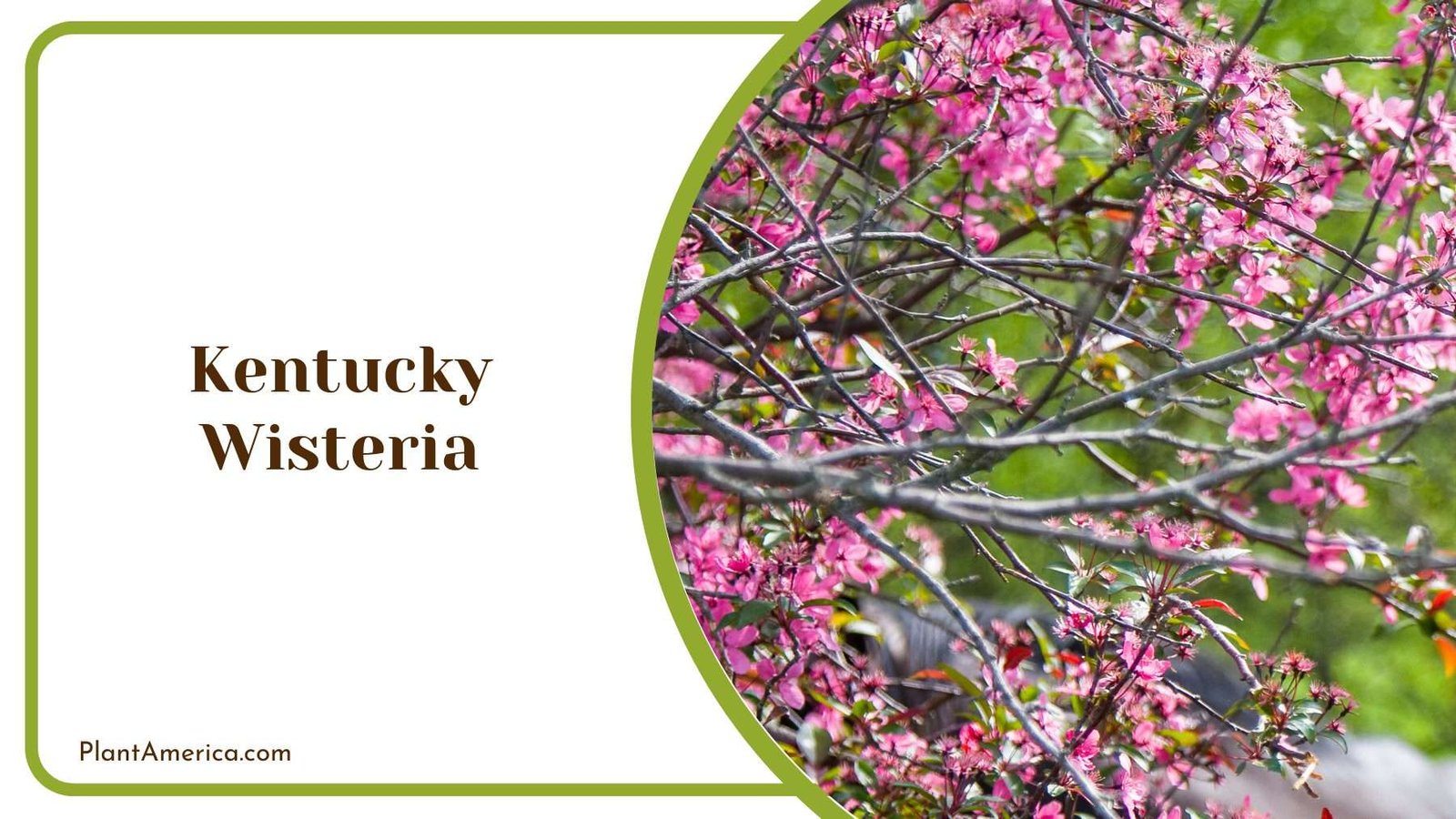
Kentucky wisteria is a variety of American wisteria native to the Appalachian mountains. The vines produce late spring drooping racemes of lilac to violet flowers that are highly fragrant.
The vines produce drooping racemes of lilac to violet flowers in late spring that are highly fragrant. Kentucky wisteria grows more slowly than other species, reaching about 15 to 20 feet when properly trained and pruned.
Provide a sturdy trellis or frame and tie new growth regularly to train the vine properly. Work organic matter into the soil before planting and water regularly during flowering to bring out the best display.
After flowering, prune Kentucky wisteria to remove long shoots and encourage thicker, bushier new growth that will produce more blooms the following spring. Fertilize in late summer to boost rebloom and vigor in fall.
7. Morning Light Wisteria
- Growing Season: Spring, Early summer
- Leaf Type: Compound, pinnate, Dark green and velvety
- Specific Needs: Full sun, Sturdy support, Acidic soil
- Common Pests: Aphids, Japanese beetles
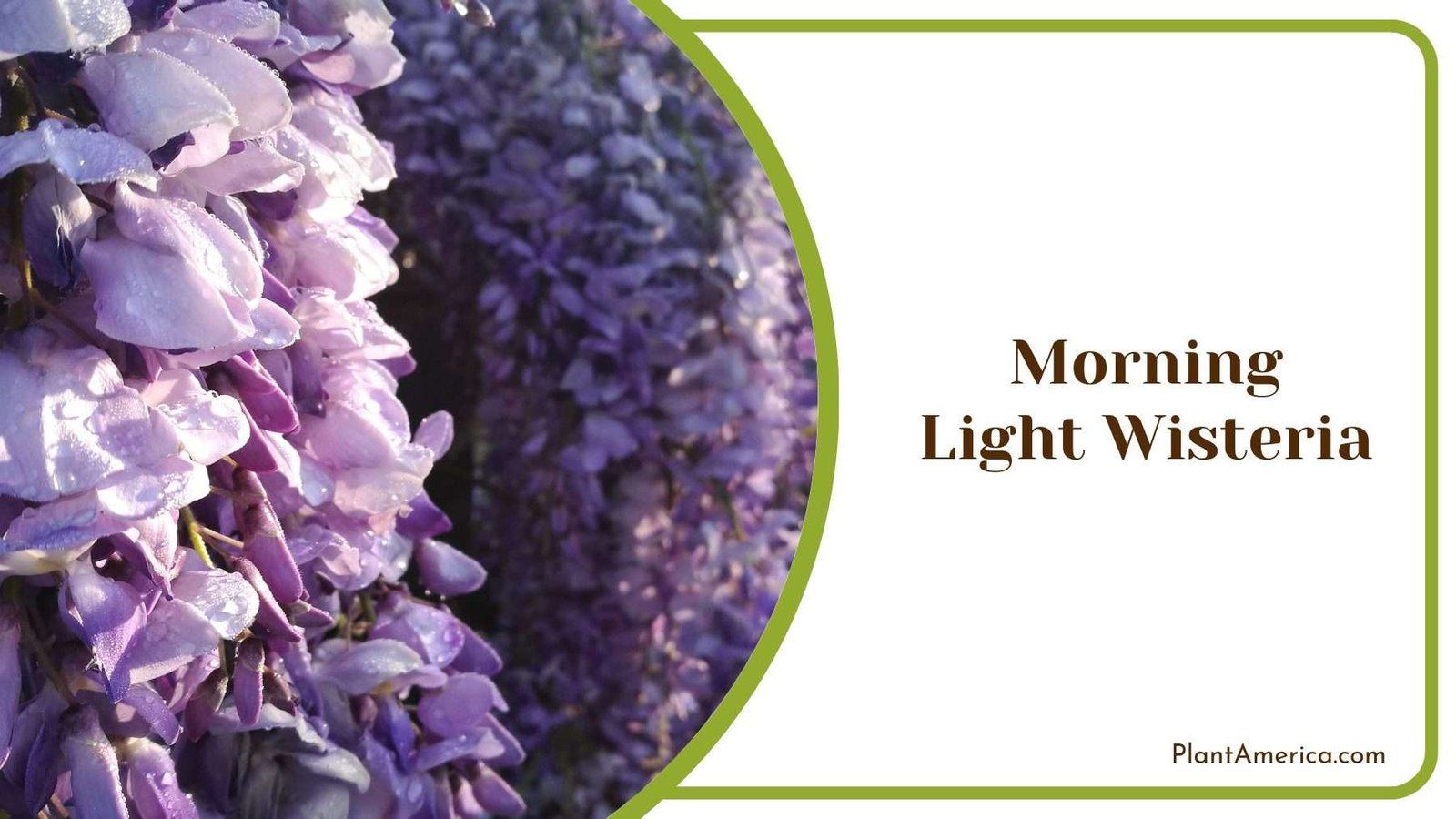
Morning Light wisteria produces loose clusters of pale lilac flowers that bloom in spring, resembling the glow of dawn. Provide ample space and sturdy climbing support for this vigorous vine. Water deeply during flowering and work organic matter into the soil before planting to boost bloom production.
Prune Morning Light wisteria after flowering. Cut long, spindly shoots back to lateral buds near sturdy branches that will produce more flowers next season. Ongoing annual pruning after bloom will direct energy into generating heavier floral displays.
Regular fertilizing during the summer growth cycle also helps maximize bloom production the following spring. Tie new growth firmly to the support as it lengthens to train the plant properly. Morning Light wisteria needs full sun and well-draining soil to thrive.
8. Amethyst Falls Wisteria
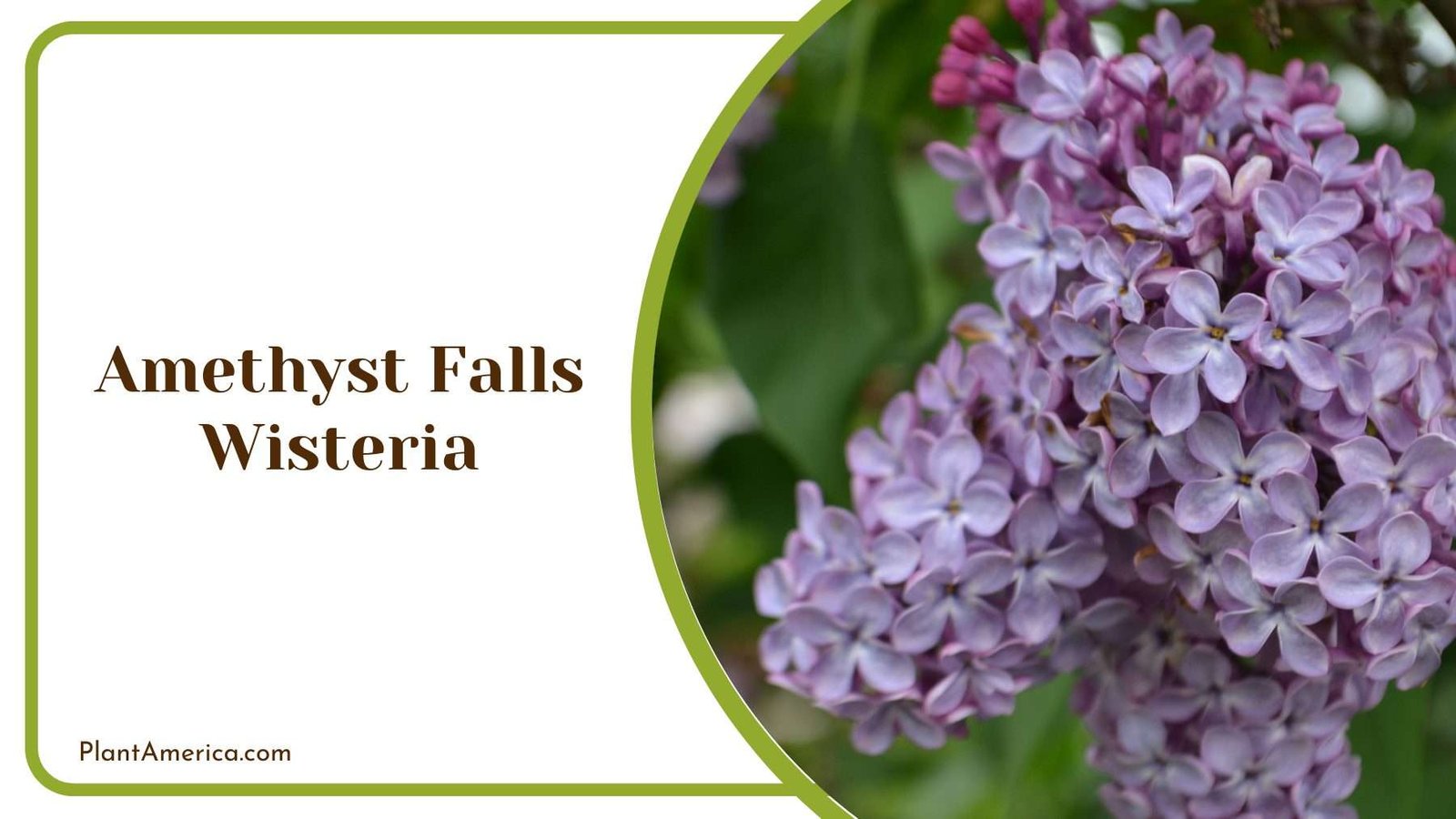
In spring, Amethyst Falls wisteria is prized for its abundant clusters of violet-blue flowers. The blooms have an enchanting bluish-purple hue and sweet fragrance. Amethyst Falls wisteria is a hybrid developed by plant breeders to be more cold hardy and produce heavier blooms. The vines climb readily and can grow 20 to 30 feet if given proper support and training.
Amethyst Falls wisteria thrives with at least six hours of direct sunlight and well-draining soil enriched with organic matter. Compost and peat moss can be worked into the soil before planting to improve nutrient content and texture.
Mulching around the vine’s base helps retain soil moisture during the growing season. Amethyst Falls wisteria can provide many years of enchanting blooms and greenery with proper care and training.
9. Grand Diva Wisteria
- Growing Season: Spring
- Leaf Type: Oval, Deciduous leaves that change colors in fall
- Specific Needs: Full Sun, Well-draining soil
- Common Pests: None reported
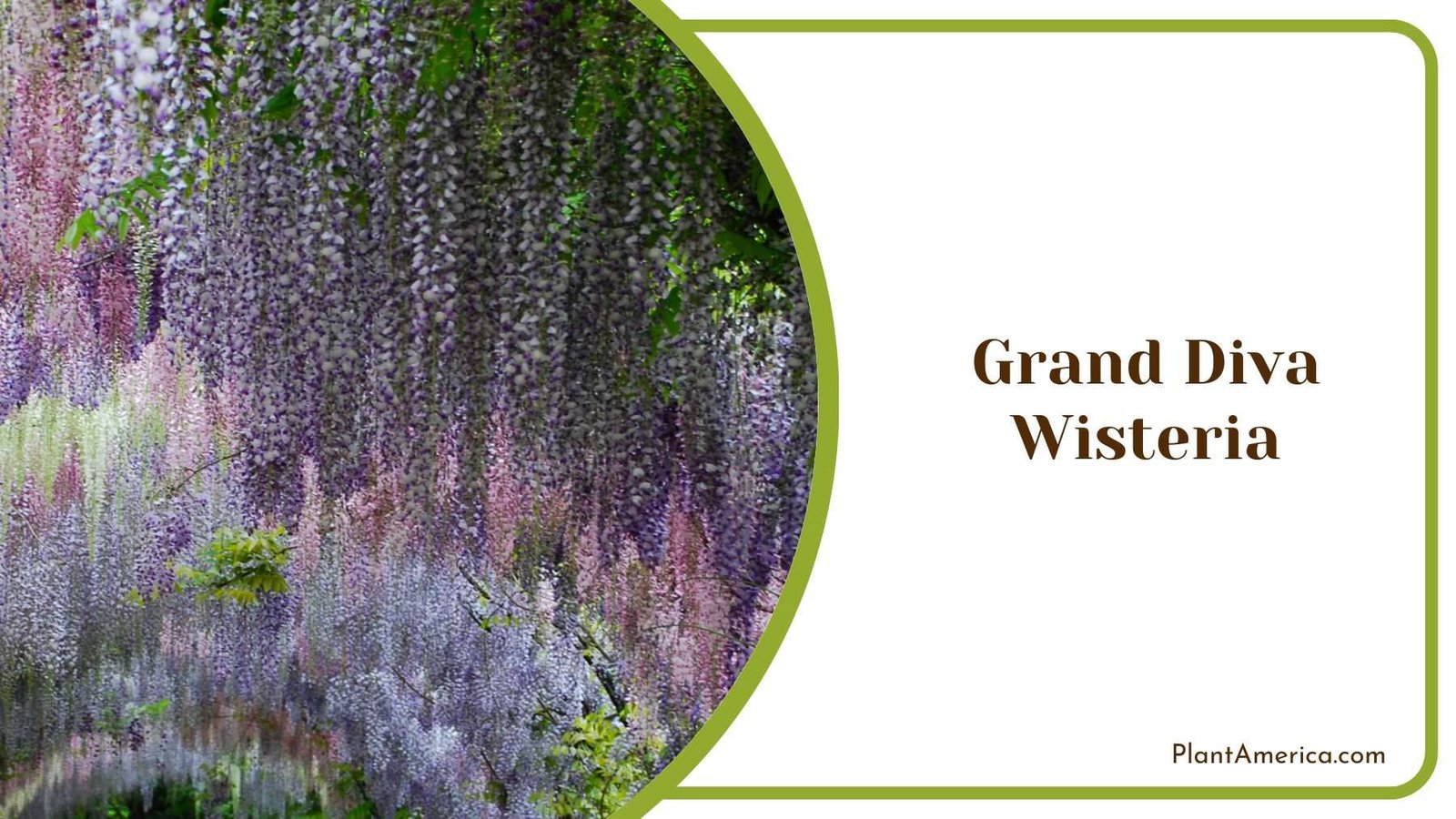
The Grand Diva wisteria is a real showstopper in spring gardens! Its cascades of lush lavender blooms dazzle for weeks in late spring. The diva takes its sweet time producing flowers, too, often not blooming for five to seven years after planting. But it is worth the wait!
Grand Diva thrives with heaps of sunshine and soil that drains quickly after rain. Only water if the top inch is dry. These gals aren’t fussy once established. Trim any seed pods formíng come summer to prolong the next bloom cycle. In fall or early winter, prune longer stems back to strong buds to encourage thicker blooms next.
Her foliage is pretty too, dark green leaves emerge in spring, then transform into brilliant yellow-green shades come autumn. Overall, this wisteria is simply gorgeous whether in bloom or not.
Just be patient for her annual performance – we guarantee that dazzling display will have all the neighbors whistling in admiration for weeks on end come flowering time!
10. White Wisteria

- Growing Season: Spring, Early summer
- Leaf Type: Compound, pinnate, Dark green and velvety
- Specific Needs: Full sun, Sturdy support, Acidic soil
- Common Pests: Aphids, Japanese beetles
White wisteria produces clusters of fragrant white blooms in spring that emerge before its leaves. The clusters start upright and then develop into long-hanging racemes. When adequately pruned and supported, white wisteria vines grow vigorously to about 30 feet tall.
Provide a sturdy structure for the white wisteria vine to climb as it grows. Tie new growth regularly to train the plant properly. White wisteria thrives with at least six hours of direct sunlight and well-draining soil amended with organic nutrients. Watering regularly during flowering helps produce an abundant bloom display.
Prune white wisteria after flowering to promote robust new growth and maximize next year’s blooms. Cut long, leggy shoots back to outer buds on lateral branches. Remove damaged or diseased stems to keep the vine healthy.
Ongoing pruning after each bloom will direct the plant’s energy into producing abundant blooms year after year. With consistent training, pruning, and care, white wisteria will reward you with canopy clouds of sweetly scented white blossoms for many springs.
11. Royal Purple Wisteria
- Growing Season: Spring, Early summer
- Leaf Type: Compound, pinnate, Dark green and velvety
- Specific Needs: Full sun, Sturdy support, Acidic soil
- Common Pests: Aphids, Japanese beetles
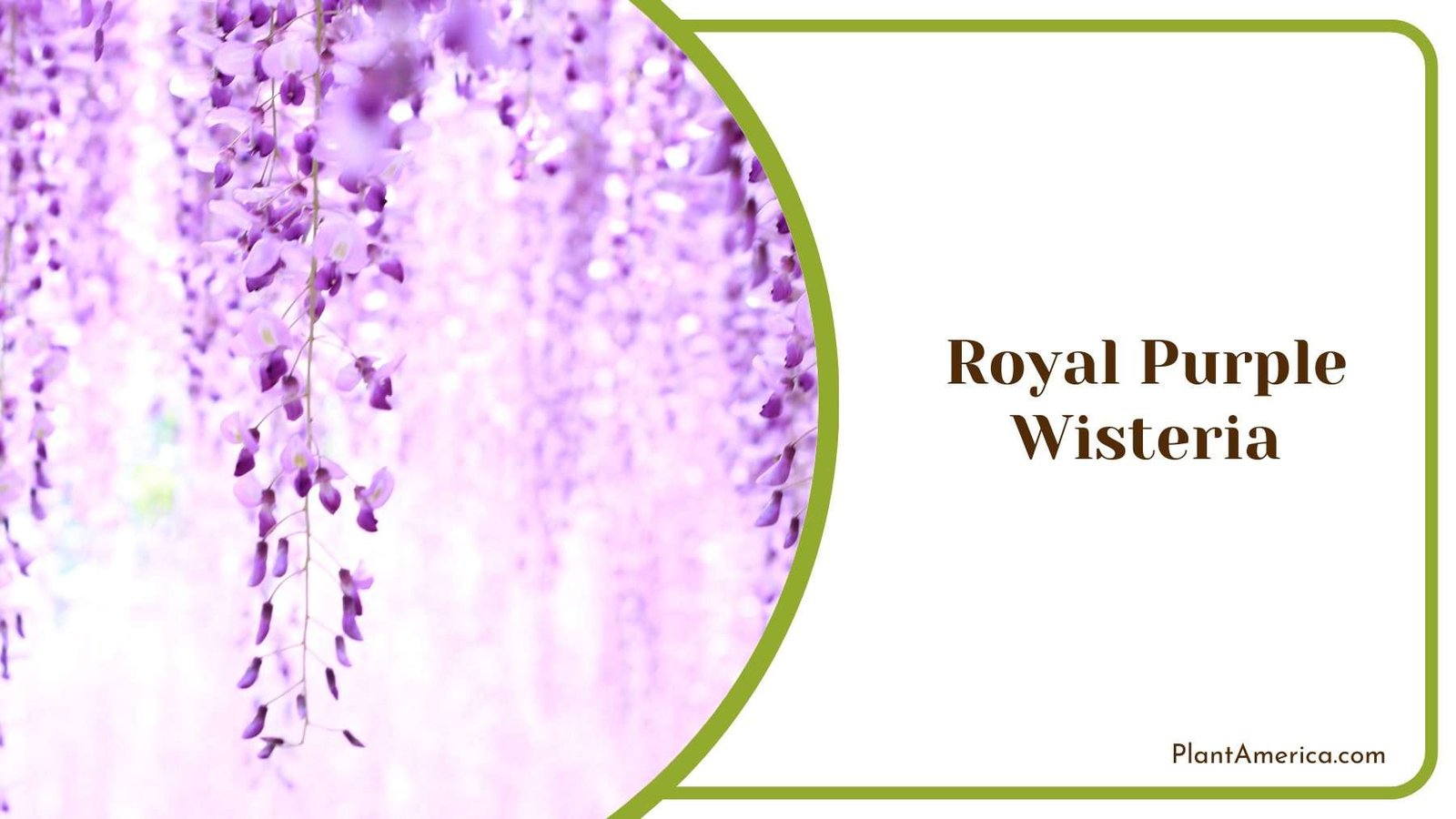
Royal purple wisteria vines produce drooping racemes of sweetly scented lilacs to purple flowers in spring, often before the leaves appear. The blooms emerge along the lengthening stems and as pendulous clusters that weigh down the graceful branches. Royal purple wisteria can climb to 20-30 feet when adequately trained and supported.
Provide a sturdy support structure for the purple wisteria vine, tying new growth regularly as it extends. Royal purple wisteria prefers full sun and well-draining soil enriched with organic matter. Water deeply during flowering to produce an abundance of blooms.
Prune royal purple wisteria after flowering. Selectively cut back long, spindly shoots to outer leaf buds where strong lateral branches will form. Regular pruning after each bloom will direct the plant’s energy into generating heavier blooms each spring.
As the royal purple wisteria ages and is adequately managed, it will reward you with massive displays of enchanting lilac blossoms for many years.
12. Jako Wisteria
- Growing Season: Spring
- Leaf Type: Heart-shaped, Deciduous leaves
- Specific Needs: Part Sun, Moist soil
- Common Pests: Aphids, Spider mites
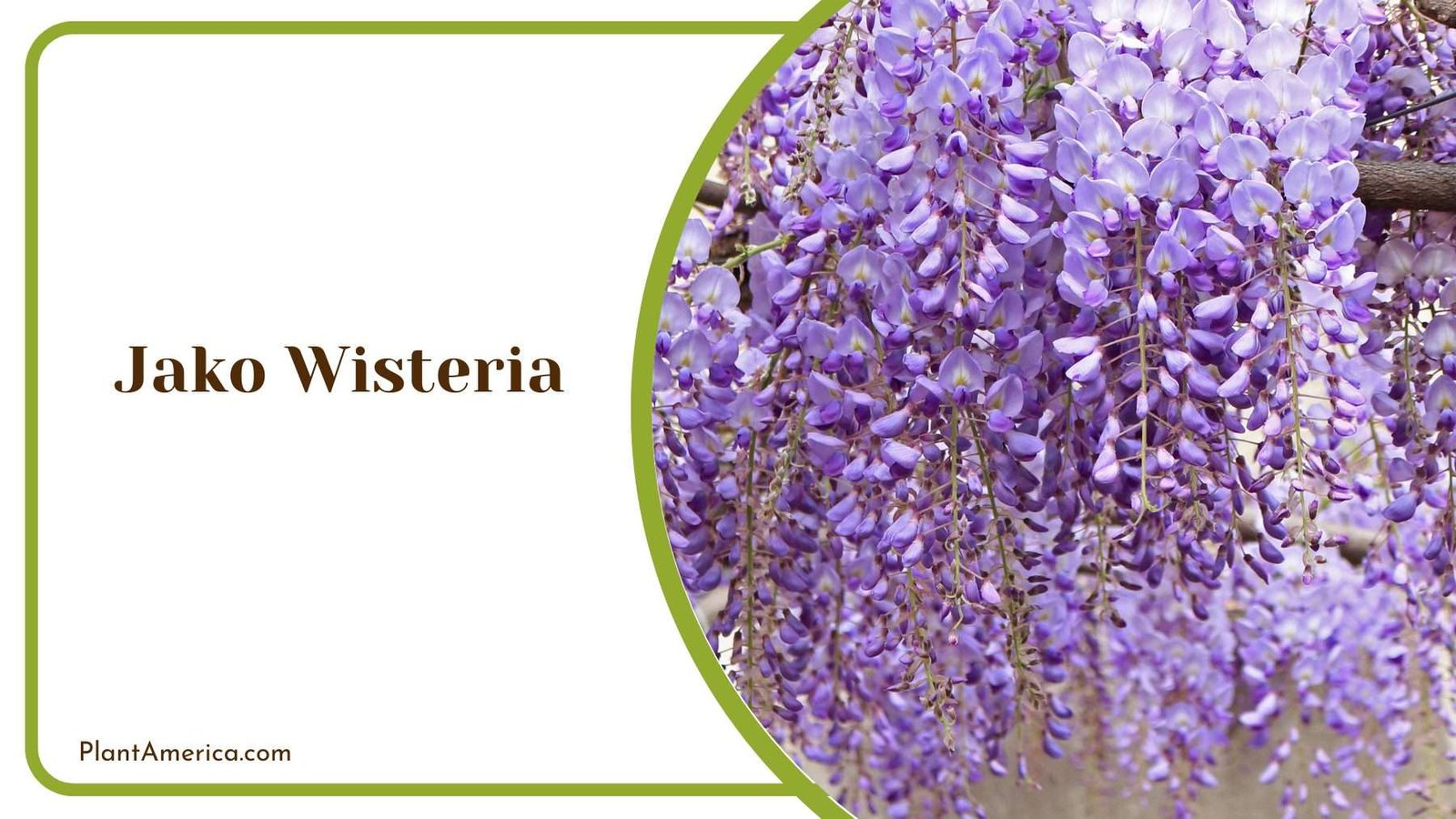
The beautiful Jako wisteria blooms in spring alongside the new growth of its heart-shaped leaves. Pale lavender flowers arrive in loose clusters along the branches before the foliage. Unlike other varieties, Jako appreciates a bit more shade with part sun each day.
Keep its soil consistently moist but not soggy. Amend patches that drain too quickly or remain overly wet for long. Jako does best with humusy, well-nourished dirt, where it can thrive without stress. With its less demanding nature, this wisteria is perfect for gardens with unpredictable light levels.
Occasional pests like aphids and spider mites may affect Jako. Watch for small insects clustered on new growth or fine webbing on the undersides of leaves. Knock aphids off with targeted sprays of water or introduce ladybug predators. Repeatedly spraying leaves with water helps control spider mites as well.
With beautiful blooms, lovely heart-shaped foliage, and adaptable care needs, Jako wisteria is a wonderful option for gardens of all shapes and sizes. Its reliable nature and versatility make it a crowd-pleasing charm.
13. Longwood Purple
- Growing Season: Spring
- Leaf Type: Pinnately compound, Deciduous leaves
- Specific Needs: Full sun, Well-draining soil
- Common Pests: None reported
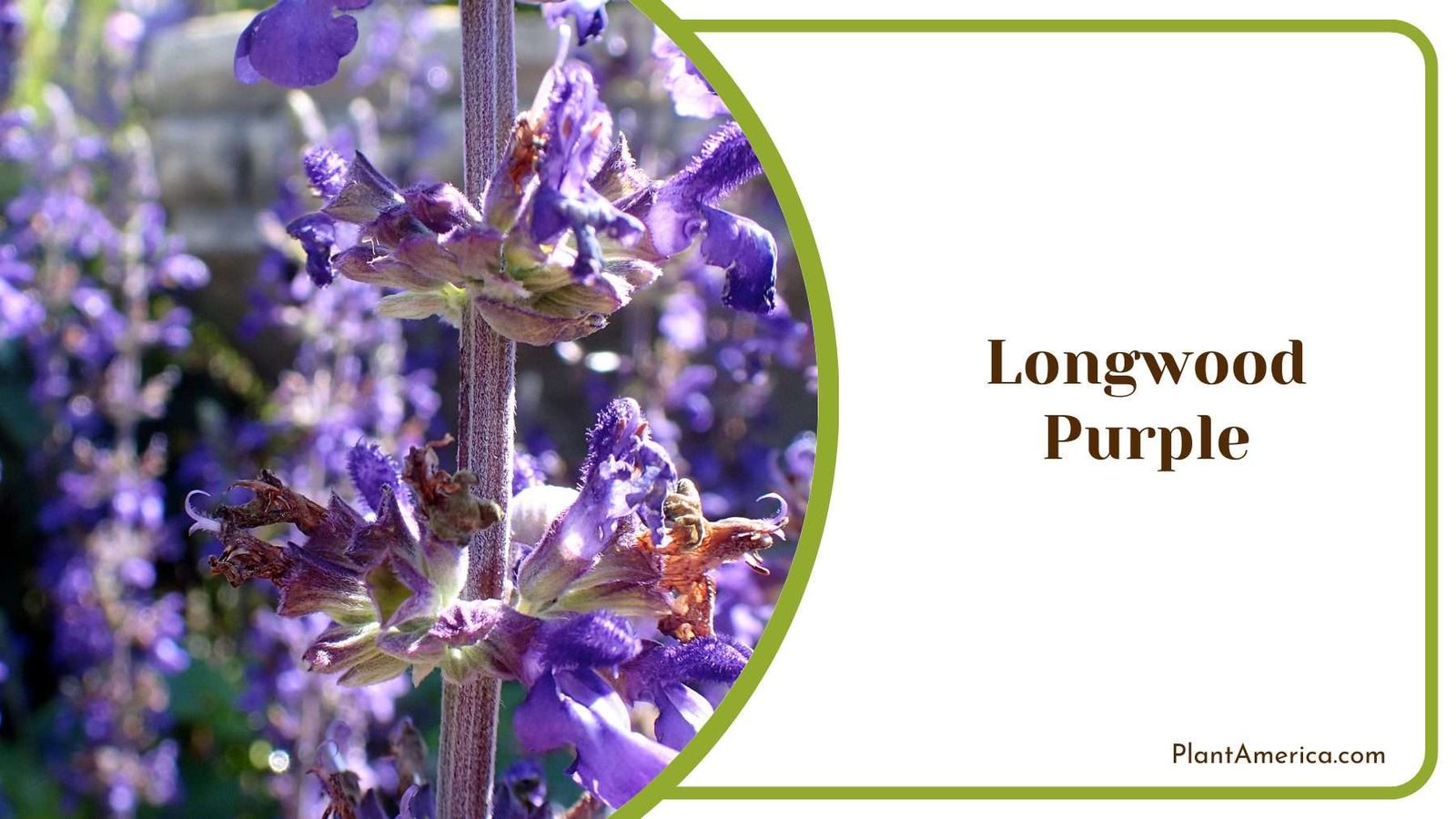
The stunning Longwood Purple wisteria is renowned for producing truly magnificent blooms each spring. Clusters of vibrant violet flowers emerge bountifully along its branches before its delicate, pinnately compound leaves.
Basking in full sun and sandy, well-draining soil suits this variety best. It sends down deep roots thirsty for nutrients and water. Take care that pots drain quickly and the soil never becomes soggy. Longwood Purple thrives with such optimal conditions, yielding unparalleled flowering displays.
Reports show it faces very few pests, ensuring your enjoyment isn’t disrupted by annoying insects or diseases.
Some gardeners have seen cascades over 30 feet long! Its reliable nature and ability to climb sturdily up trellises or structures means Longwood Purple is sure to impress wherever you choose to plant. With such stunning flowers and fuss-free care, this variety is well worth making room for in your garden.
14. Showa-Beni Wisteria
- Growing Season: Spring
- Leaf Type: Pinnately compound, Deciduous leaves
- Specific Needs: Part sun, Moist soil
- Common Pests: Spider mites, Aphids
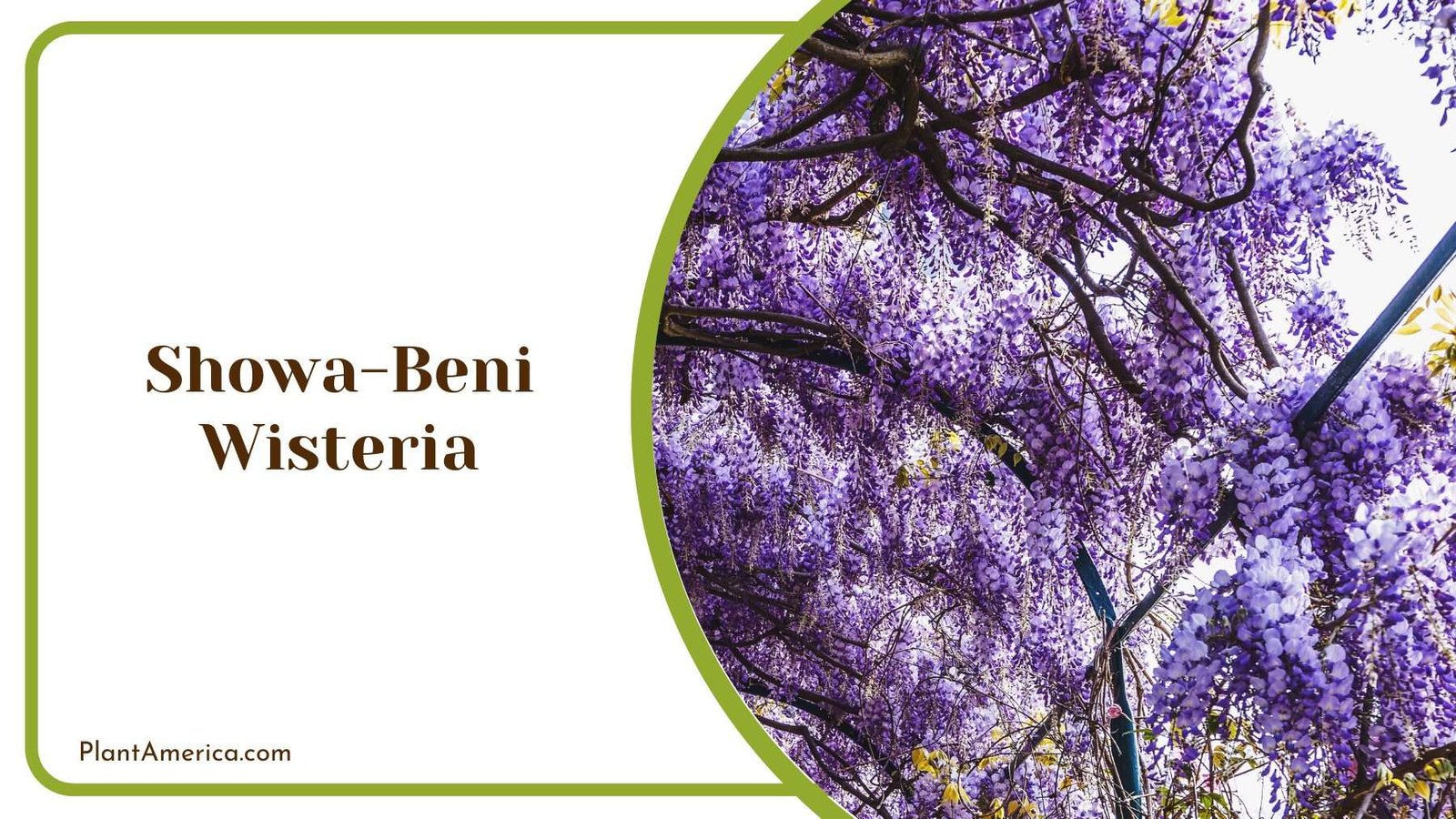
Recognizable by its ruby red blossoms, Showa-Beni Wisteria puts on a truly magnificent show each spring. Clusters of its bright blooms attract attention alongside emerging pinnately compound leaves.
While most wisteria thrive in full sun, Showa-Beni’s flowers retain their vivid color best with part sun each day. Keep its soil moist but well-draining to keep roots healthy. Amend dry spots with compost to retain needed moisture.
Occasional pests like spider mites and aphids may affect it. Watch leaves for fine webbing or green insects clustered on new growth. Spraying leaves consistently with water eliminates mites; ladybugs control aphids.
With stunning red blooms and lush deep green foliage, Showa-Beni will surely be the talk of any garden party when in bloom. Its ability to thrive in part shade makes it suitable for diverse growing conditions, too. This crowd-pleaser is worth adding to your wisteria collection.
Conclusion
When grown with diligent care and pruning, wisteria vines reward gardeners with ample blossoms and architectural interest for many years. The best wisteria to grow are ones that produce vibrant floral displays while thriving in your conditions:
- The Longwood Purple Wisteria shows dazzling violet-blue blooms in bountiful clusters.
- The Showa-Beni wisteria is prized for its eye-catching ruby-red blooms that pop beautifully against its deep green leaves each spring.
- The Morning Light Wisteria greets spring with cheerful pastel lilac blooms.
- The classic Royal Purple Wisteria produces dependable deep violet blooms in abundance.
When you provide wisteria with the care and conditions they need, the blossoms, foliage, and fragrance they offer will bring you joy and enrichment for many springs and summers. So choose the wisteria that captivates you and get planting!