
Purple flowering bushes provide a stunning splash of vibrant color within any type of landscape, and in this article, we’ll cover 20 of the hardiest and most showstopping options. Whether you want an airy accent along the border, long-lasting blooms to attract beneficial pollinators or an all-season jaw-dropping focal point, we’ve got you covered with excellent selections like butterfly bush, lilac, hydrangeas, and more.
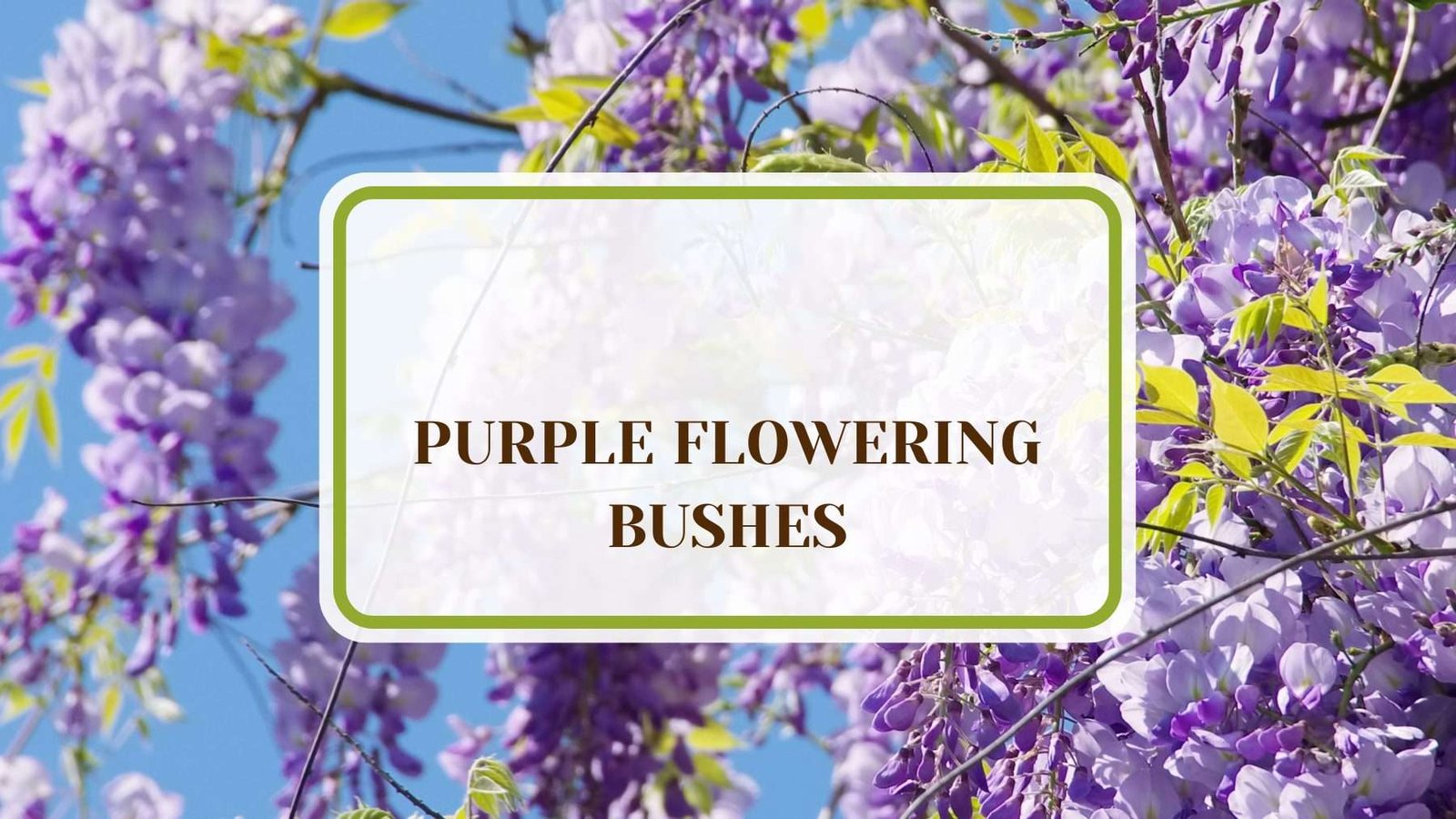
We’ll discuss each variety of purple flowering shrub, including plant size, bloom time, growing requirements, and care tips so you can choose the perfect purple beauties for your yard and garden sanctuary. Let’s dive deeply into our search for your new favorite purple flowering bushes that will thrive with a minimal amount of fuss on your part!
Purple Flowering Bushes and Shrubs to Beautify Your Yard
1. Butterfly Bush
- Growing season: Spring, Summer, Fall
- Leaf shape: Elliptic, Ovate
- Specific needs: Full sun, Well drained soil
- Common pest: Japanese beetles, Aphids
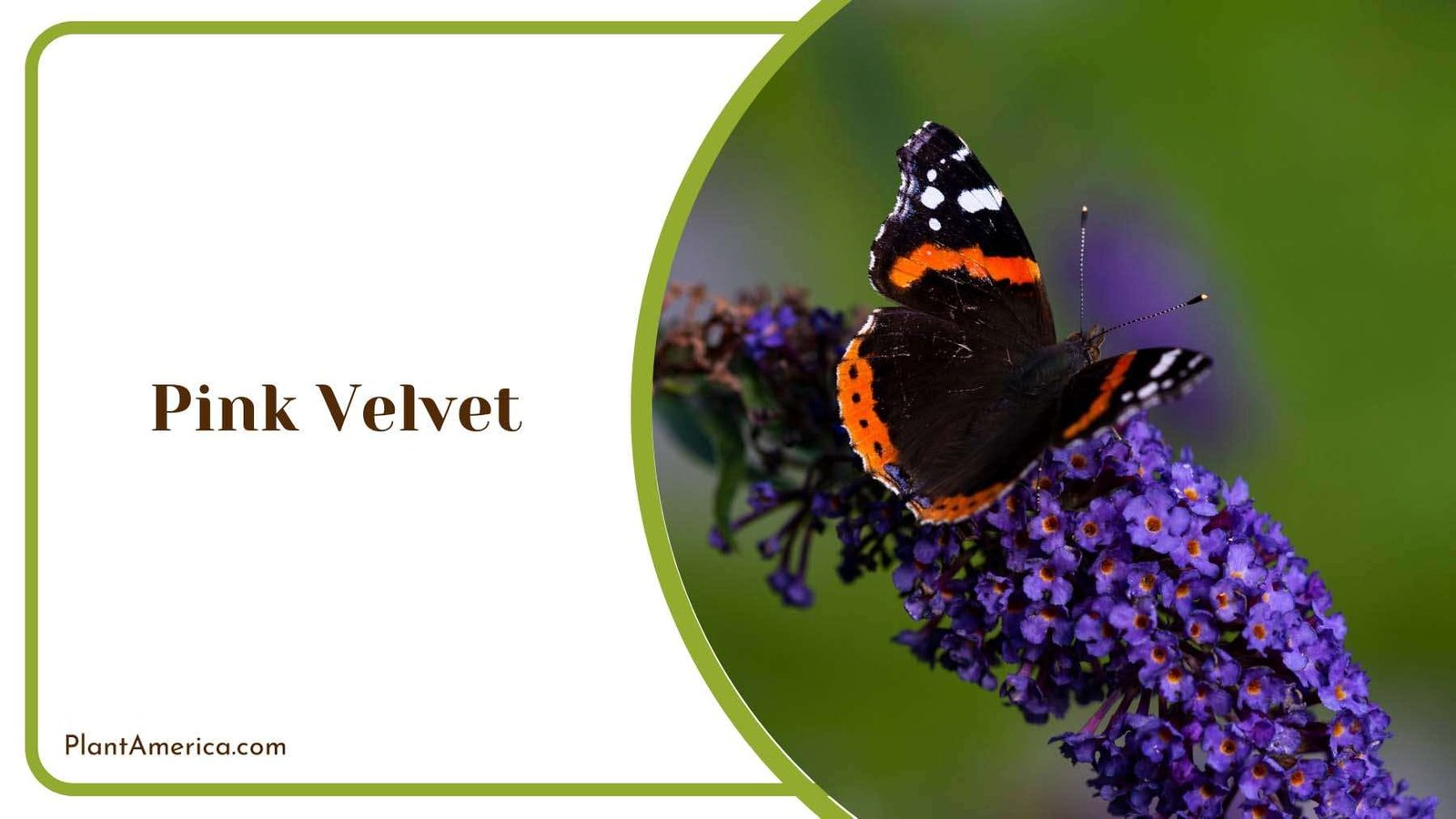
If you seek eye-catching splashes of color and tons of beneficial pollinators that will absolutely adore your garden, the butterfly bush is an excellent selection. This speedily growing perennial shrub produces enormous clusters of tubular bloom in hues of pink, purple, or white.
The flowers last for months on end and irresistibly allure droves of butterflies, bees, and hummingbirds seeking sweet nectar. The butterfly bush demands full, unfiltered sun exposure and sharply drained, often sandy soil conditions to truly thrive at its best. Common insect pests that may periodically bother the plant include Japanese beetles, which can cause damage by chewing holes within the leaves while feeding voraciously on the tissue.
Regular inspections and timely treatments can help minimize defoliation and stem the infestation before it spreads.
2. Lilac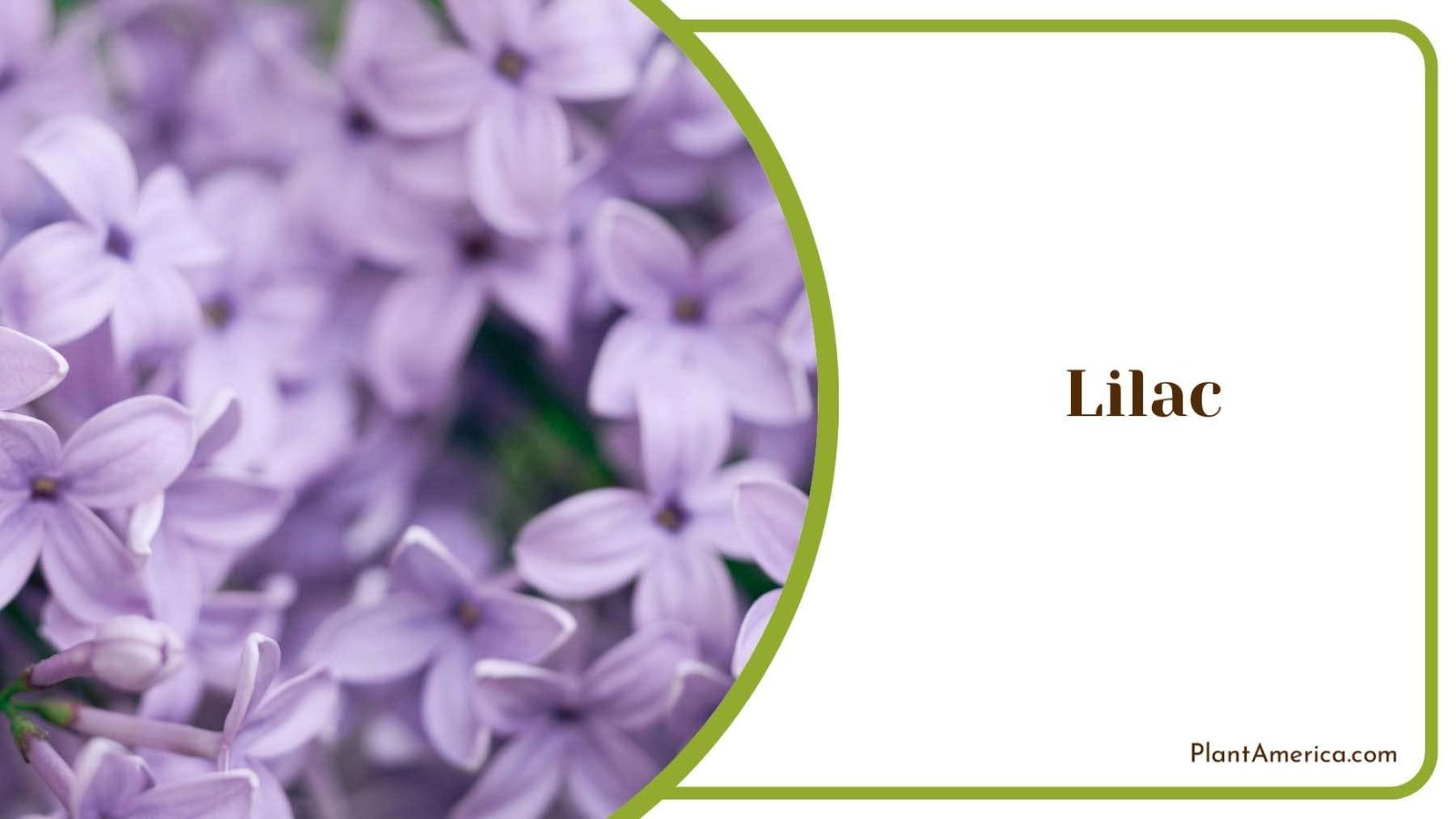
- Growing season: Spring, Summer
- Leaf shape: Elliptic, Ovate
- Specific needs: Full sun, Partial shade, Well drained soil
- Common pest: Lilac borer, Japanese beetle
Lilacs are traditional spring flowering decorative shrubs that fill the entire atmosphere with their heavenly, sweet-smelling fragrance, saturating the entire garden with their sweet perfume.
The shrubs burst forth in hefty clusters of delicate flowers in shades of purple, pink, and white based on the cultivar and sometimes summon fond childhood recollections from years past. Lilacs desire an abundance of sunshine for maximum blossom production but will endure a bit of diffused light, provided that the soil remains properly drained.
Common invaders include the lilac borer, which feeds on the woody parts causing harm, and Japanese beetles, which devour the petals voraciously, causing damage.
3. Grape Hyacinth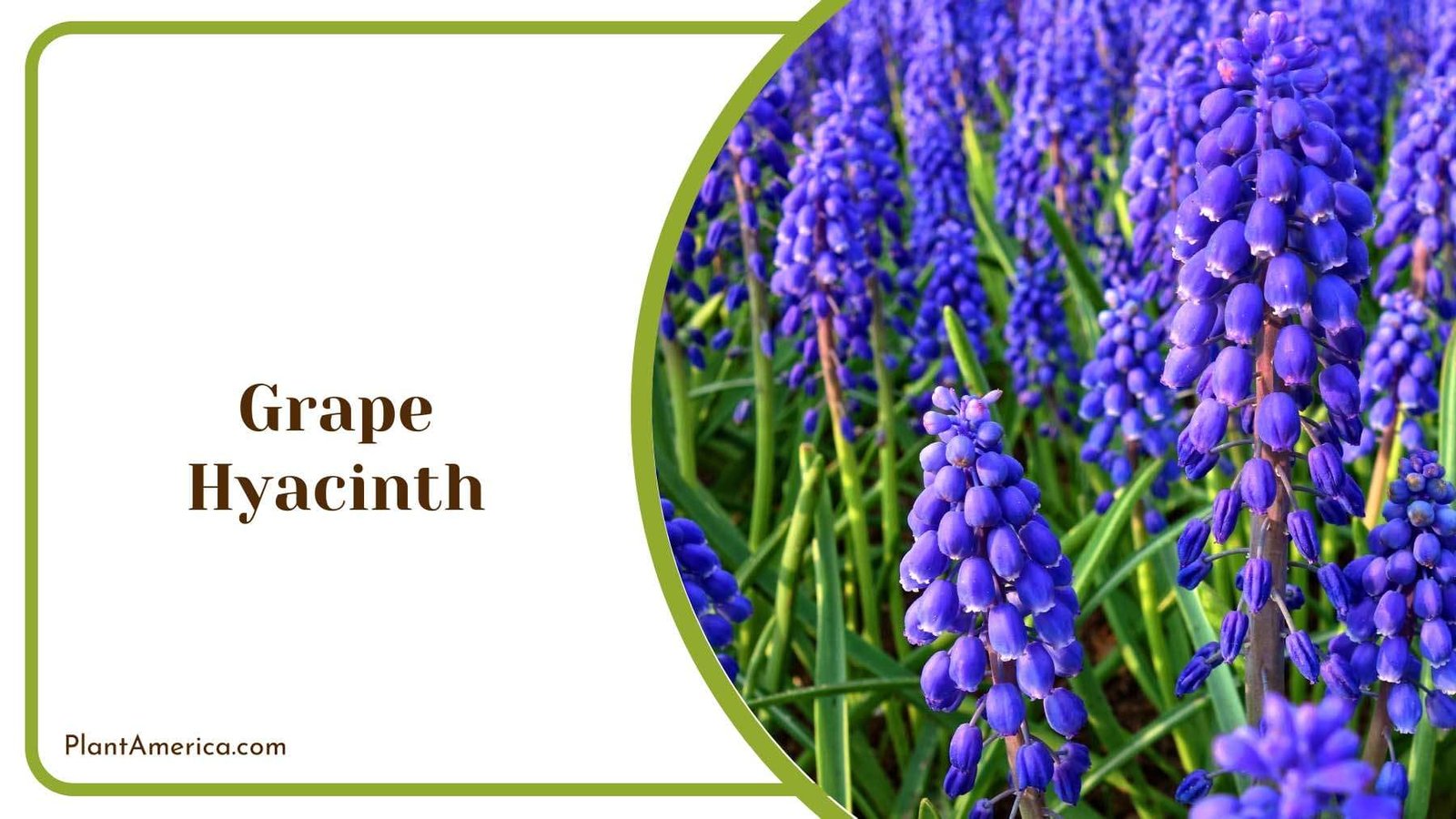
- Growing season: Late winter, Early spring
- Leaf shape: Linear, Flat
- Specific needs: Afternoon shade, Moist soil
- Common pest: None notable
The grape hyacinth may be diminutive in height, but it packs a fragrant purple punch in early springtime. Its abundant clusters of charming bell-shaped blooms in violet, white, and pink hues rise above foliage resembling grass blades.
These blossoms saturate the entire garden with their lovely fragrance during a period when almost nothing else is starting to come into bloom. Grape hyacinths thrive with diffused afternoon rays and constantly moist ground conditions, even slightly marshy earth.
They have very few insect pests or diseases that could potentially cause issues or problems to bother them.
4. Azalea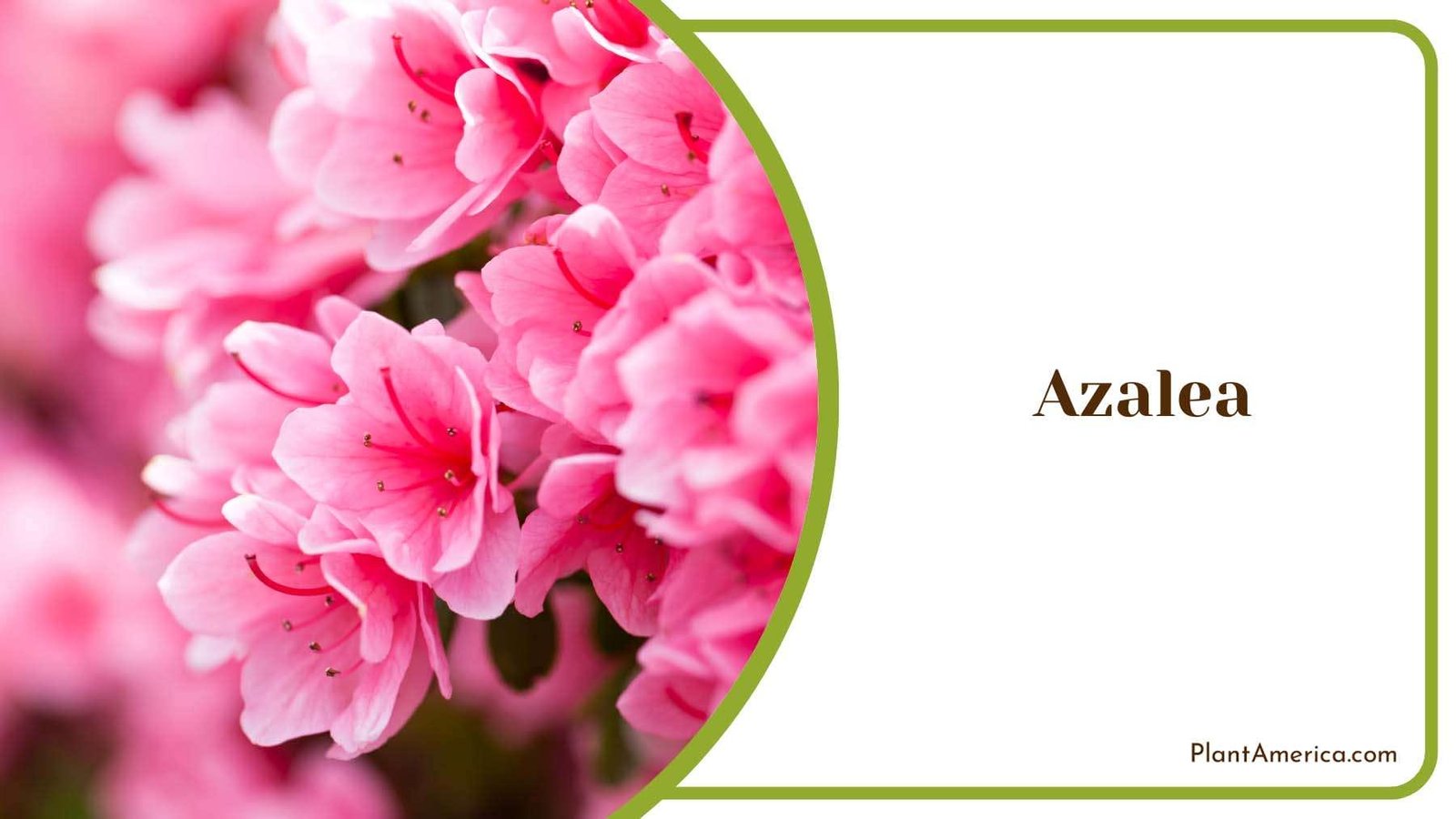
- Growing season: Spring, Summer
- Leaf shape: Oval, Oblong
- Specific needs: Acidic soil, Afternoon shade
- Common pest: Azalea caterpillar, Japanese Beetles
Azaleas furnish brilliant splashes of color to the spring garden. Their trumpet-shaped blooms blossom in shades of pink, purple, crimson red, and white and are frequently subtly fragrant.
These acid-loving bushes necessitate constantly moist, somewhat acidic soil that is plentiful in organic material to absolutely thrive. An ideal soil pH range for azaleas is four to five. Regular watering and mulching help maintain adequate soil moisture levels while decomposing mulch and organic amendments improve soil structure and nutrient retention.
Potential invaders can include azalea caterpillars that feast on the leaves and blossom buds, causing damage. These pests can be manually removed or managed using organic or chemical treatments.
Azaleas are excellent choices for mass plantings, foundation plantings, or specimen plants. Once established, they require little maintenance besides periodic pruning to shape. The spring show of colorful blooms is followed by dark green leaves that often take on copper, purple or red hues in fall before dropping for the winter.
5. Clethra
- Growing season: Late summer, Fall
- Leaf shape: Oval, Oblong
- Specific needs: Evenly moist soil, Afternoon shade
- Common pest: None notable
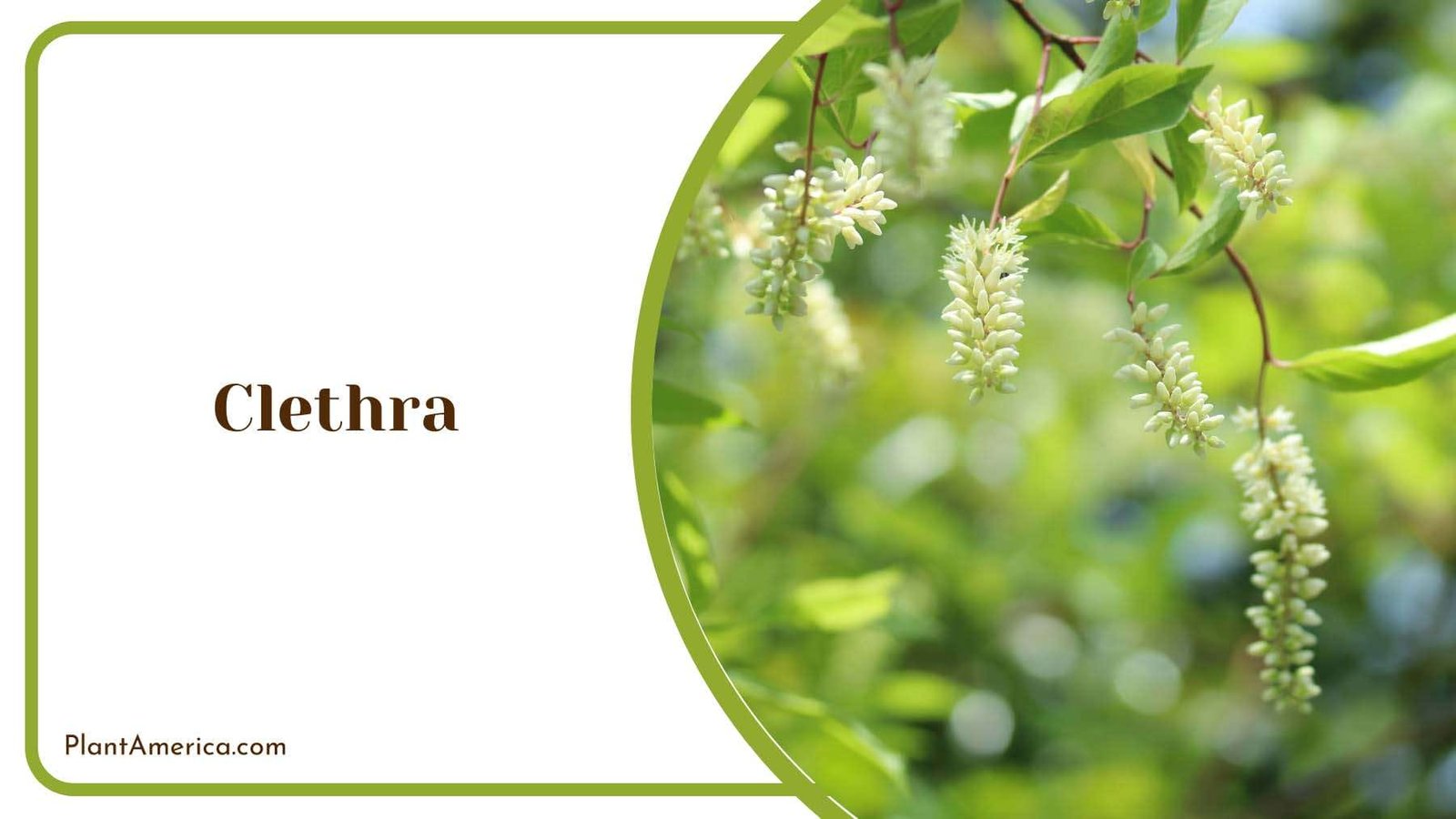
The sweet pepperbush, also known as summertime clethra, will inundate your entire garden with fragrant panicles of white blossoms.
The eye-catching narrow foliage transforms from golden to yellow during the fall season. This low-care shrub thrives with diffused afternoon sunshine and constantly moist, well-draining, slightly acidic soil. There are just a couple of insect pests or diseases to bother with that could potentially cause difficulties.
Because of this, the clethra is essentially hassle-free and perfect for the novice gardener who doesn’t want to spend a lot of time fussing over plant maintenance. The clethra’s low demands make it an excellent selection for those just embarking on gardening.
6. Fuchsia
- Growing season: Summer, Spring , Fall
- Leaf shape: Oval, Round
- Specific needs: Rich, well-drained soil, Part shade
- Common pest: Whiteflies, Aphids
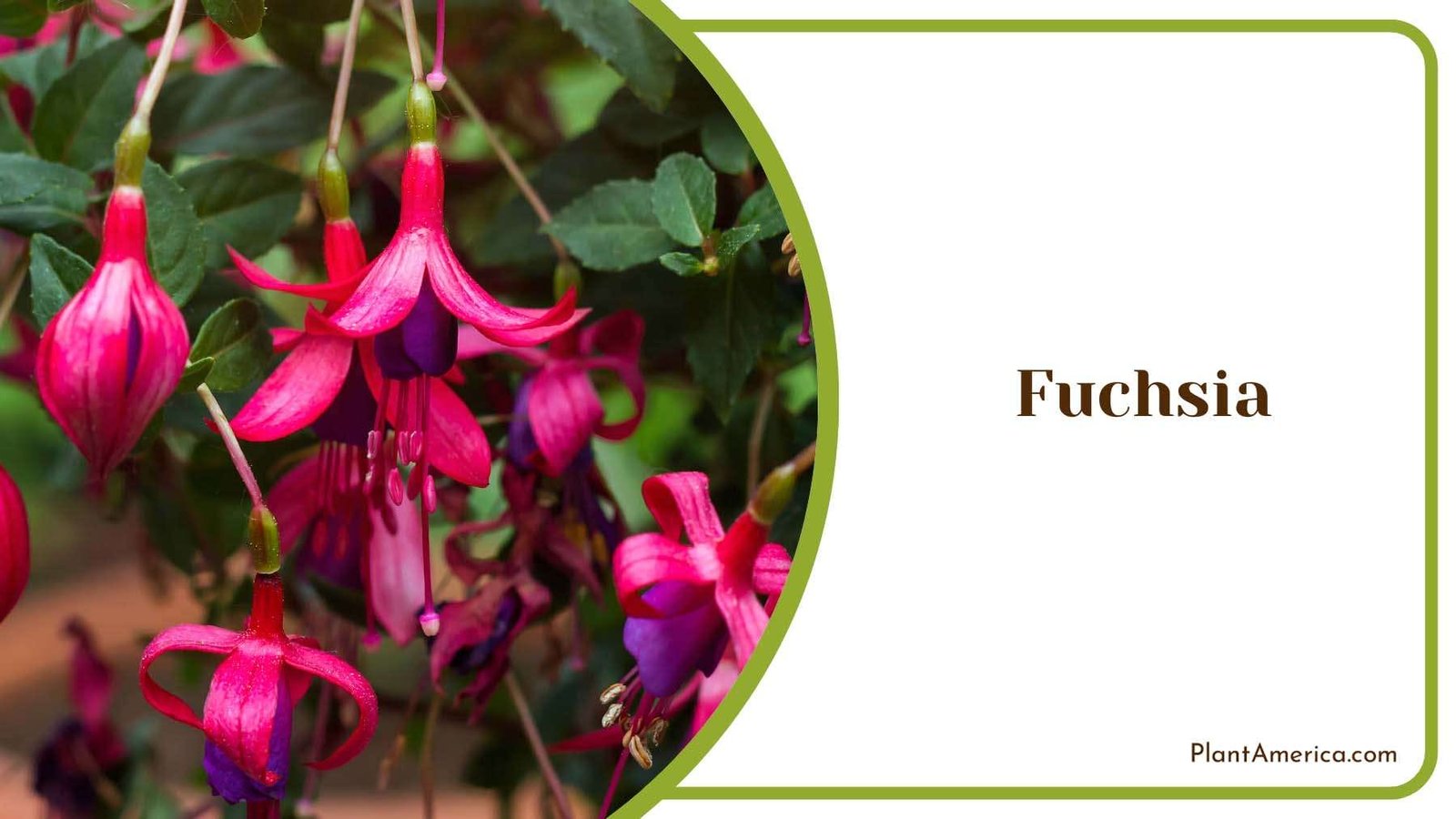
The colorful fuchsia bush produces spectacular tubular or bell-shaped blooms in hues of purple, red, and pink, extending from stems that appear to float mid-air. A mild summer atmosphere suits this attractively ornamental shrub most agreeable. The blossoms attract hummingbirds and butterflies foraging for nectar.
Fuchsia bushes necessitate fertile, somewhat acidic soil and partial shade. Whiteflies and aphids can be irritating insect pests that require treatment at times in order to keep their populations under management and from harming the plant. Periodic inspections and timely treatments are essential to maintain the health of fuchsia bushes. Pruning fruitless varieties after flowering stimulates new growth that will produce additional blossoms throughout the growing season.
To overwinter fuchsia bushes, cut stems back before bringing them indoors ahead of colder weather. Place the plant in partial shade and water thoroughly, allowing the soil to dry slightly between waterings. In springtime, trim spent growth and transplant it into the garden after the final frost, mulching with organic material to help conserve soil moisture during warmer months when the plant is most active..
7. Buddleia
- Growing season: Summer, Spring
- Leaf shape: Ovate, Oblong
- Specific needs: Full Sun, Well-drained soil
- Common pest: None notable
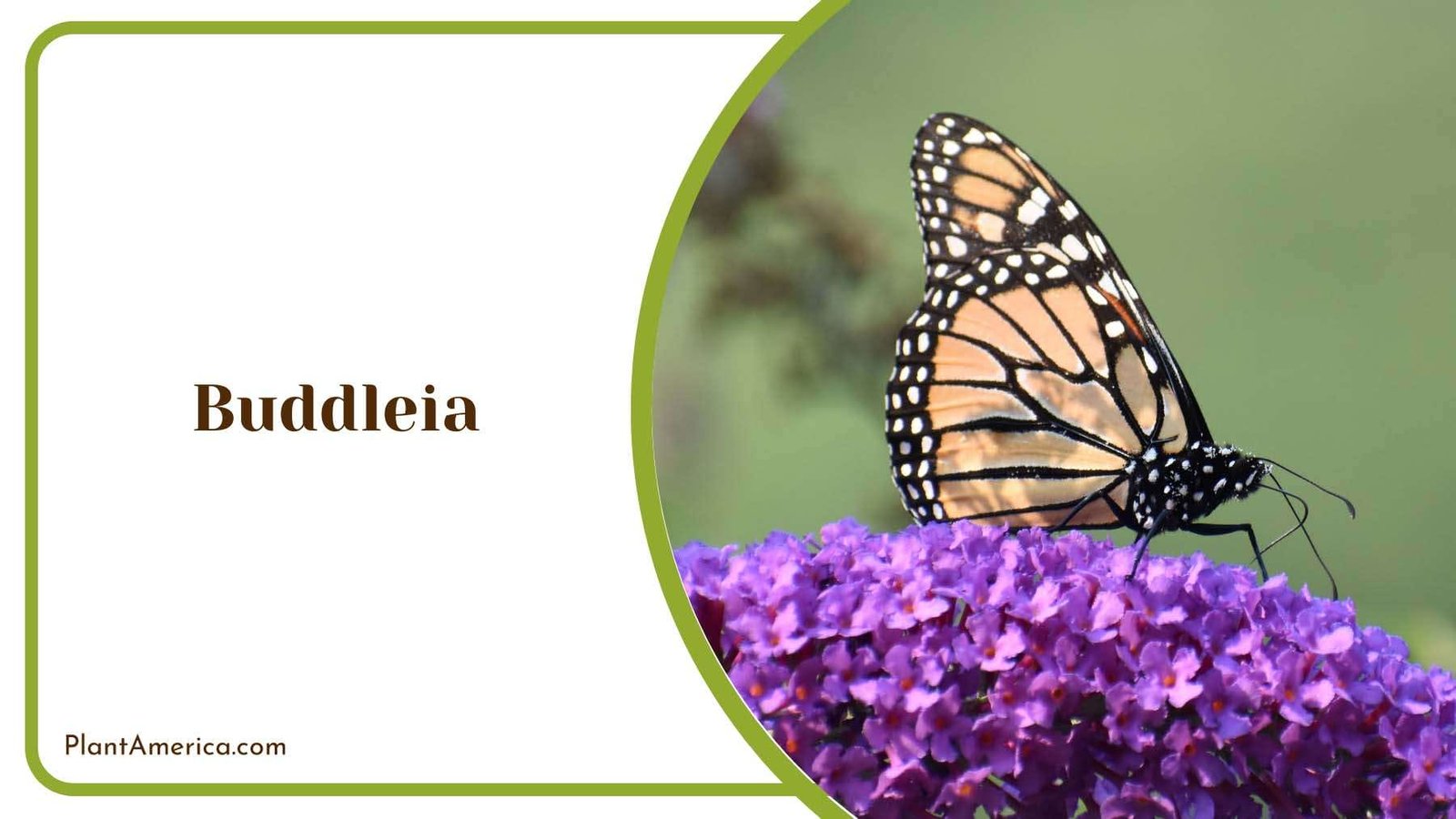
The infamous butterfly bush, more precisely called buddleia, erupts into full bloom summer through fall with pinks, purples, and whites, attracting hordes of butterflies foraging for nectar and pollen. These carefree shrubs necessitate complete sunshine, thriving in hot, dry environments once established. The fragrant panicles entice not just butterflies but also bees and other beneficial insects foraging for pollen and nectar too.
Buddleias require little care and maintenance and have few significant pest issues, making them a good choice for the low-upkeep gardener. Their tolerance for being ignored and resistance to most garden pests contribute to their simplistic yet captivating charm. Pruning after flowering stimulates fresh growth beneficial to the plant and extends the blooming period into fall.
Buddleia roots readily, propagate easily by cutting. Plant in spring or summer in well-draining, fertile soil and space bushes several feet apart to allow for air circulation which minimizes fungus issues. Established plants have few requirements aside from pruning and an occasional fertilizer boost to encourage blooms. Leave seed heads through winter for birds to forage.
The hardiness and repute for beautiful color and fragrance have made buddleia an extremely popular choice for low-fuss gardens, attracting pollinators and bringing life and activity to outdoor spaces with their magnetism for butterflies.m.
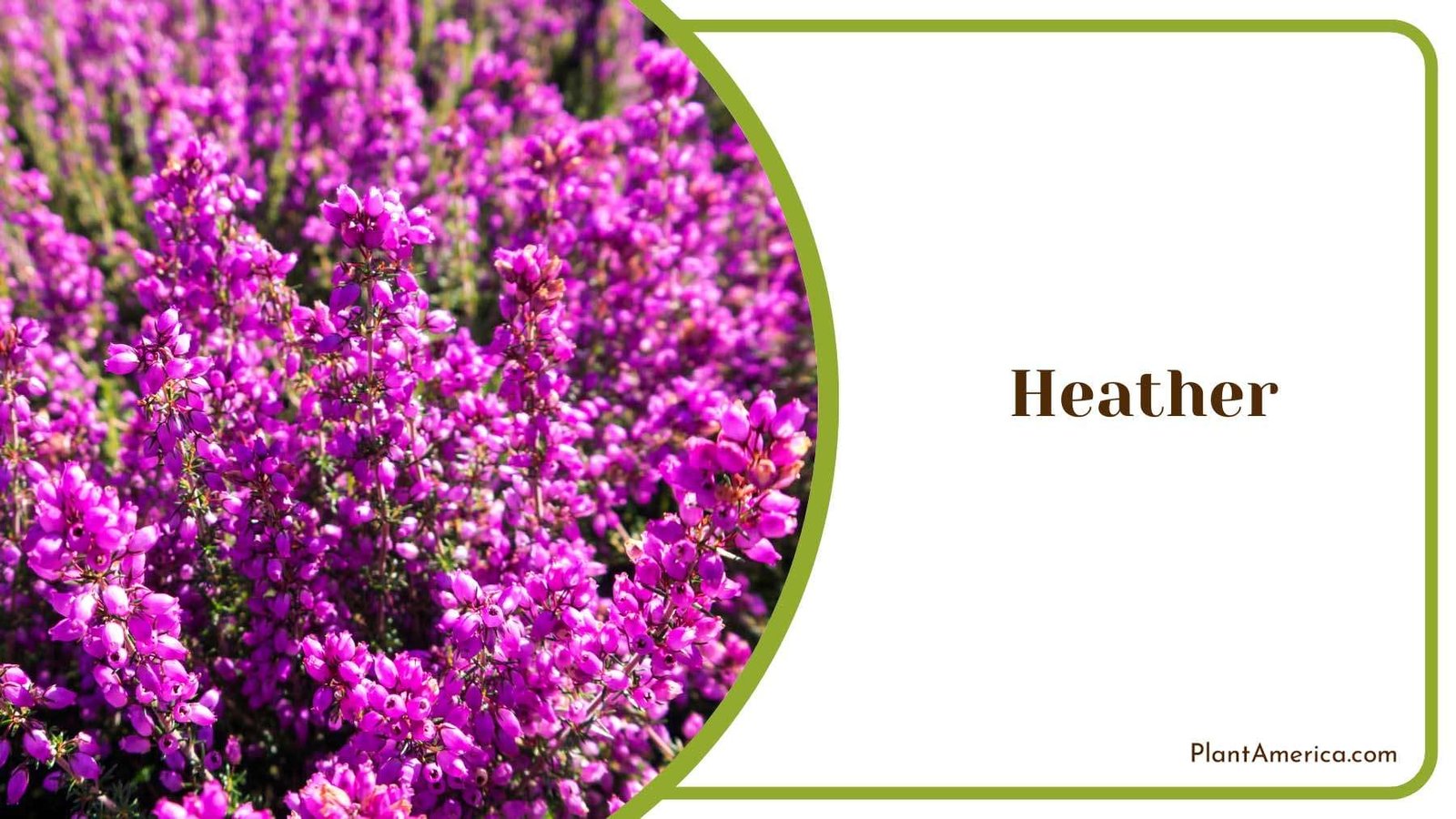
8. Heather
- Growing season: Summer, Spring
- Leaf shape: Scale-like, Oval
- Specific needs: Acidic soil, Full Sun
- Common pest: None notable
Heather shrubs will cloak themselves in charming bell or urn-shaped blooms. Their foliage creates low cushions of needle-like leaves, and the flowers come in purple, pink, white, and sometimes yellow hues.
Heathers prefer free-draining, somewhat acidic soil and full sun exposure. Prune away faded flowers after blooming has finished in order to encourage additional flowers to form. Aside from the occasional nibble from a deer browsing through the garden, heathers have few serious pest problems, making them an undemanding choice for the low-maintenance gardener.
Their hardiness and resistance to most typical garden insects and diseases contribute to their appeal. Divide plants every three to four years in spring or fall to keep the heather healthy and encourage prolific blooms. For smaller varieties, set transplants or cuttings in sandy soil and keep the soil slightly moist, though not overly wet.
Heathers flourish with good air circulation, so space shrubs at least one to two feet apart, depending on the variety. Place small stepping stones throughout the planting bed to allow for foot traffic and make weeding easier. During spring and summer, apply an acid-based fertilizer specifically for ericaceous plants that will not raise the soil pH.
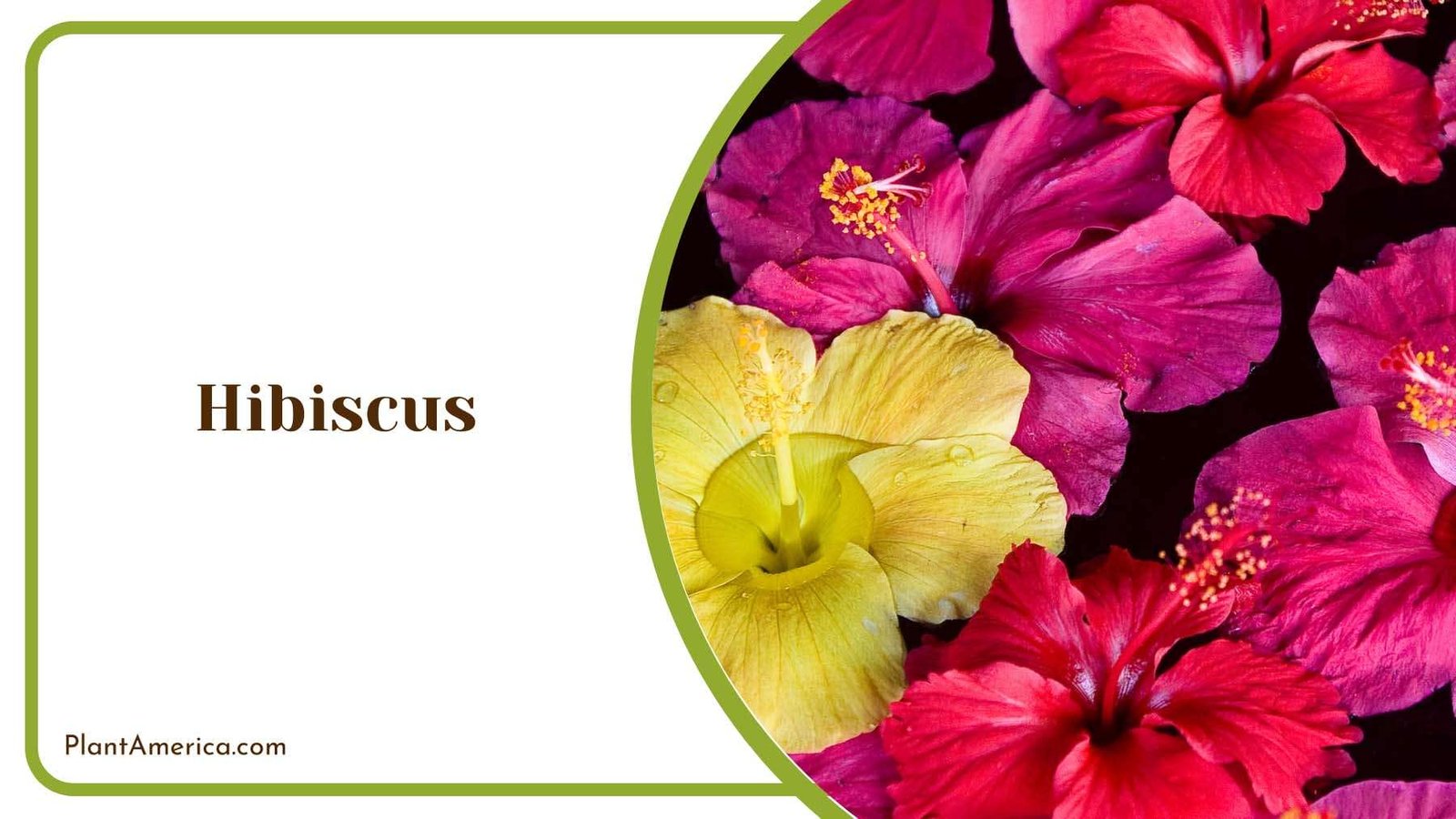
9. Hibiscus
- Growing season: Summer, Spring
- Leaf shape: Palmately lobed, Flat
- Specific needs: Moist soil, Full sun
- Common pest: Aphids, Spider mites
The hibiscus shrub erupts with colorful trumpet-shaped blooms in hues of reds, pinks, and purples. These tropical beauties necessitate continuously moist, nutrient-rich soil and complete sunshine exposure to blossom at their optimum potential.
Hibiscus makes spectacular focal points within the garden landscape. Common insect pests include aphids that gather on fresh growth to suck out sap and spider mites that can lead to stippling and premature leaf loss reduction. It is important to watch for symptoms of infestation and treat promptly with insecticidal soap or horticultural oil to avoid damage to the plant.
Regular pruning will also help keep the plant healthy and stimulate increased blossoming. Remove spent blooms to encourage new growth and trim back any damaged or crossing branches. Fertilize in spring and summer with a balanced, water-soluble plant food every two to three weeks to maximize flowering.
Hibiscus prefers evenly moist soil, so water thoroughly and allow the top few inches to dry slightly between waterings. Mulch around the base with organic material like shredded leaves or bark to help conserve moisture, suppress weeds, and regulate soil temperatures. Overwintering hibiscus in colder climates requires moving pots inside before first frost.
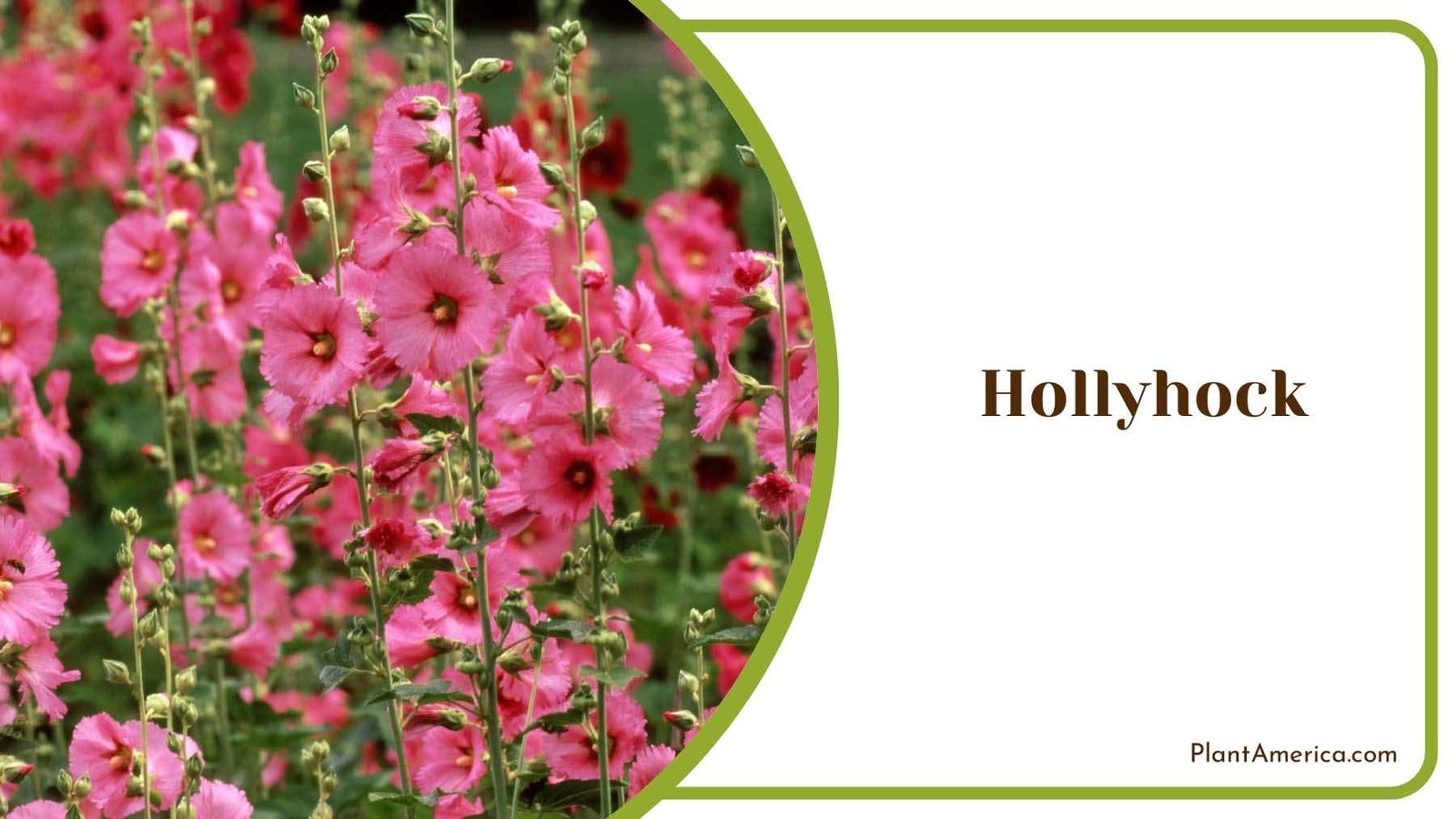
10. Hollyhock
- Growing season: Summer, Spring
- Leaf shape: Palmately lobed, Flat
- Specific needs: Full sun, Moist soil
- Common pest: Aphids, Rust fly
The stately hollyhock brings old-fashioned charm and nostalgic appeal to the summertime garden with its towering stalks of vivid purple, pink, and crimson flowers. These simple yet strikingly colorful blooms attract hungry hummingbirds seeking nectar.
Hollyhocks thrive in complete sunshine and constantly moist, nutrient-rich soil. Occasional aphid infestations that sap plant juices and rust fungal disease, which forms orange spots, can mar and discolor the leaves, diminishing the plant’s beauty. It is wise to keep an eye out for these potential issues and tackle them promptly in order to preserve the hollyhock’s ornamental value and appearance within the landscape.
Regular inspections and preventative spraying can help keep pests and diseases at bay. Pruning deadheads encourages additional blooming, and removing unsightly lower leaves allows for better air circulation. Taller varieties may require staking to prevent damage from wind and rain.
Planting hollyhocks in an area with good air drainage and air circulation can help reduce the likelihood of fungal infections. Ensure the soil drains well and water the base of the stem in the morning to allow foliage time to dry. Mulching with straw or leaves helps conserve moisture while keeping fruit and lateral roots cool.
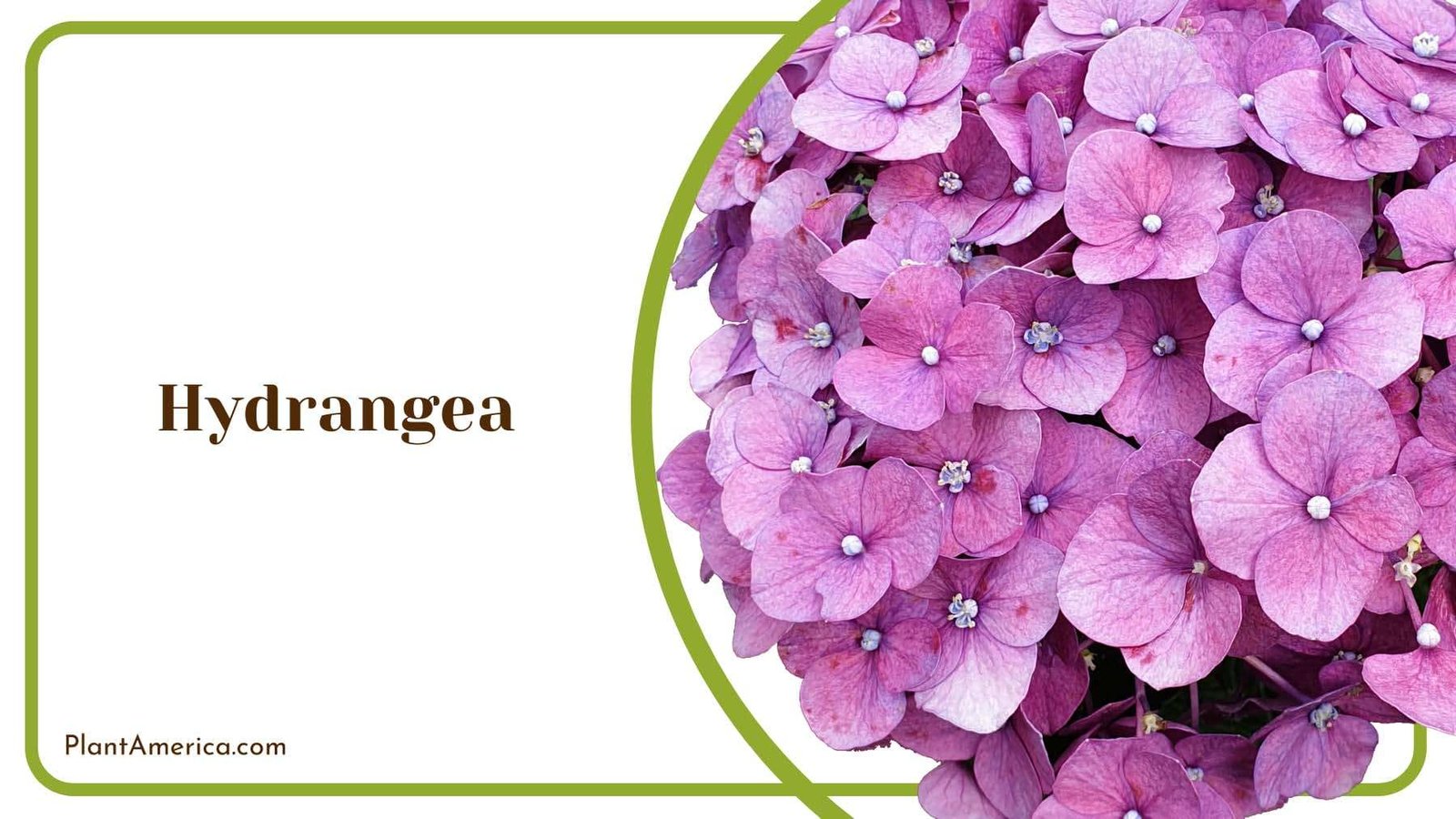
11. Hydrangea
- Growing season: Summer, Spring
- Leaf shape: Simple, Flat
- Specific needs: Evenly moist soil, Partial shade
- Common pest: None notable
Nothing signifies summertime in the garden quite like the sizable, showy blooms of hydrangeas. The mophead and lacecap varieties both create large flower heads in pinks, purples, or blues based on soil acidity.
Hydrangeas prefer filtered shade and constantly moist, evenly moist soil conditions to truly blossom at their very finest potential. These decorative shrubs offer vivid blooms of interest from late spring entirely through fall with hardly any serious insect pest problems to bother themselves with.
Their low care demands, resilience, and extended bloom time frame make hydrangeas favored ornamental garden plants, particularly for those seeking brightly colored flower displays that demand little attention and fuss.
12. Lavender
- Growing season: Summer, Spring
- Leaf shape: Linear, Flatt
- Specific needs: Good drainage, Full sun
- Common pest: Aphids, Spider mites
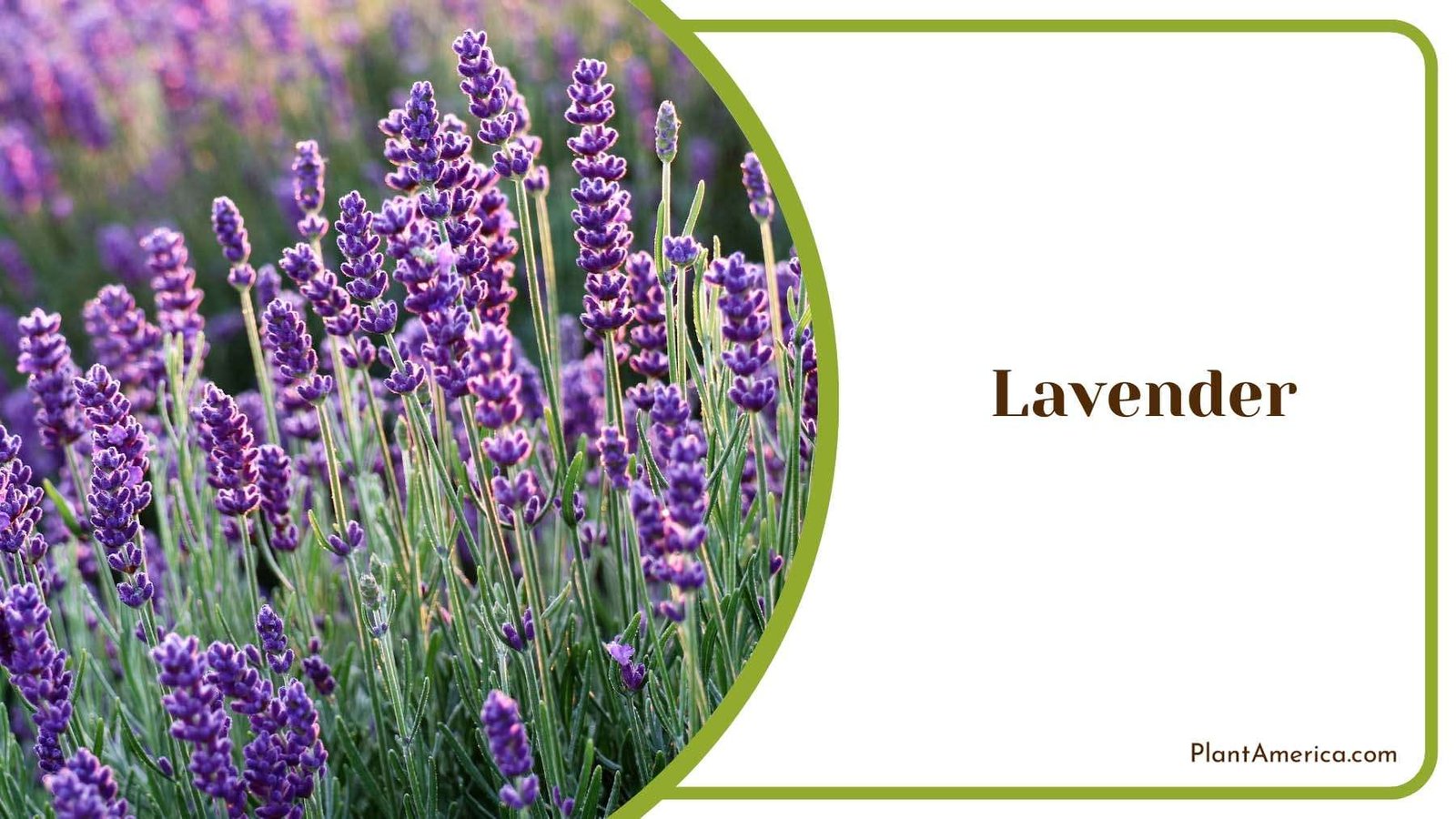
The quintessential herb native to the Mediterranean region, lavender shrubs saturate the entire garden landscape with their soothing fragrances and grayish aromatic foliage. The upright spikes of purple flowers attract hordes of butterflies and bees foraging for both pollen and nectar in huge quantities.
Plant lavender bushes in total, unfiltered sunshine exposure, and sharply drained, often sandy-textured soil. Common insect pests that may periodically bother the plant encompass aphids that accumulate on fresh new growth to suck plant sap and spider mites that spin webbing on the undersides of leaves while feeding, weakening the plant if left unmonitored and untreated.
Frequent inspections and prompt treatments are crucial for keeping these potential threats at bay and under control.
13. Plumbago
- Growing season: Summer, Spring
- Leaf shape: Ovate, Elliptic
- Specific needs: Full sun, Well-drained soil
- Common pest: None notable
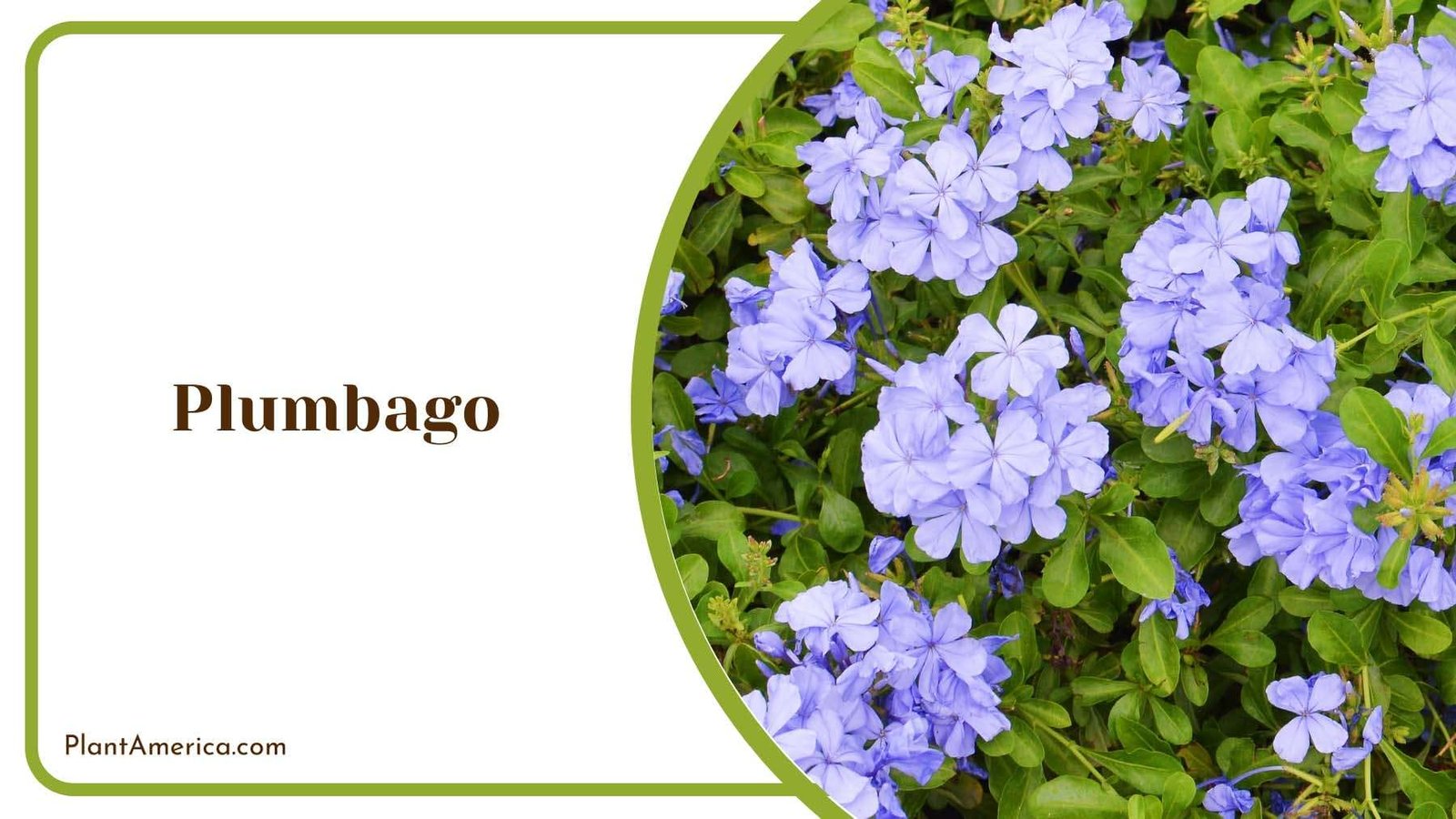
The plumbago shrub produces immense clusters of delicate, sky blue to lilac blossoms that resemble tiny forget-me-nots. This summer blooming plant prefers absolute, unobstructed sunlight exposure and sharply drained, often sandy textured soil types to absolutely flourish at its very optimum potential.
The sweetly fragrant flowers irresistibly attract droves of butterflies and bees foraging for nectar. Aside from the occasional leaf nibble from a curious deer or hungry rabbit, plumbago has hardly any noteworthy insect pest problems to mar its ornamental appeal.
Its low care demands and tolerance for being disregarded make this shrub an ideal choice for the gardener seeking carefree, brightly colored visual interest that demands very little fussing or bothering.
14. Sage
- Growing season: Summer, Spring
- Leaf shape: Simple, Robust
- Specific needs: Full sun, Well-drained soil
- Common pest: None notable
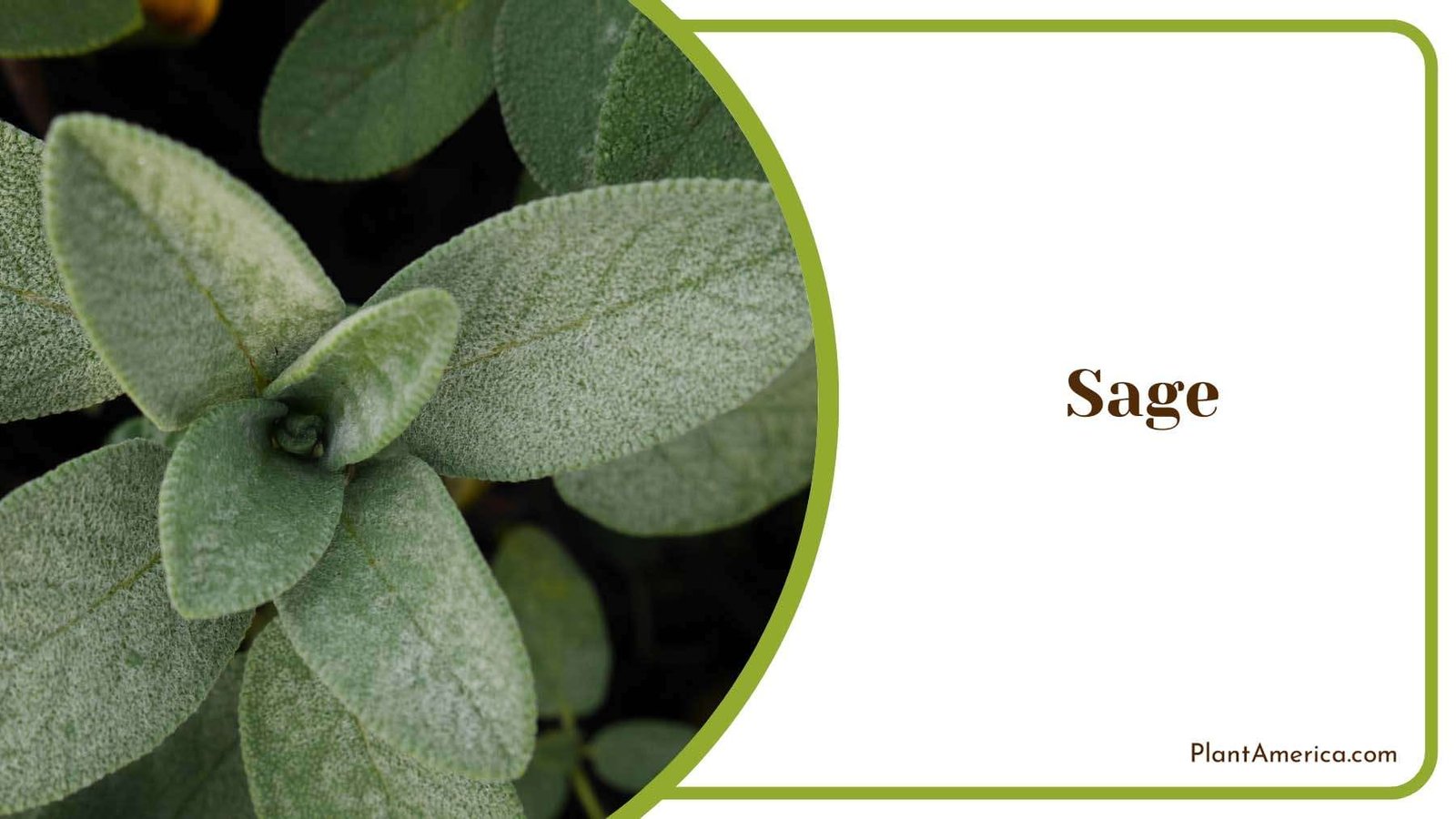
Sage shrubs saturate the entire summer garden landscape with fragrant grayish to silvery aromatic foliage and upright spikes of vivid blue to purple blossom that attract hordes of hungry butterflies foraging for nectars.
The nectar-rich flower clusters last for many weeks of beauty. Many sage kinds prefer sharply drained, often sandy textured soil types and complete, unfiltered sunlight exposure for optimum blossom production. These low care plants have very few significant insect pest problems to cause issues, making them popular plants for the gardener seeking carefree color and fragrance that demands little fussing.
Their extended bloom time frame, tolerance for being disregarded, and resilience to most common garden insects contribute to their laid-back, unfussy charm.
15. Purple Sage
- Growing season: Summer, Spring
- Leaf shape: Simple, Flat
- Specific needs: Good drainage, Full sun
- Common pest: None notable
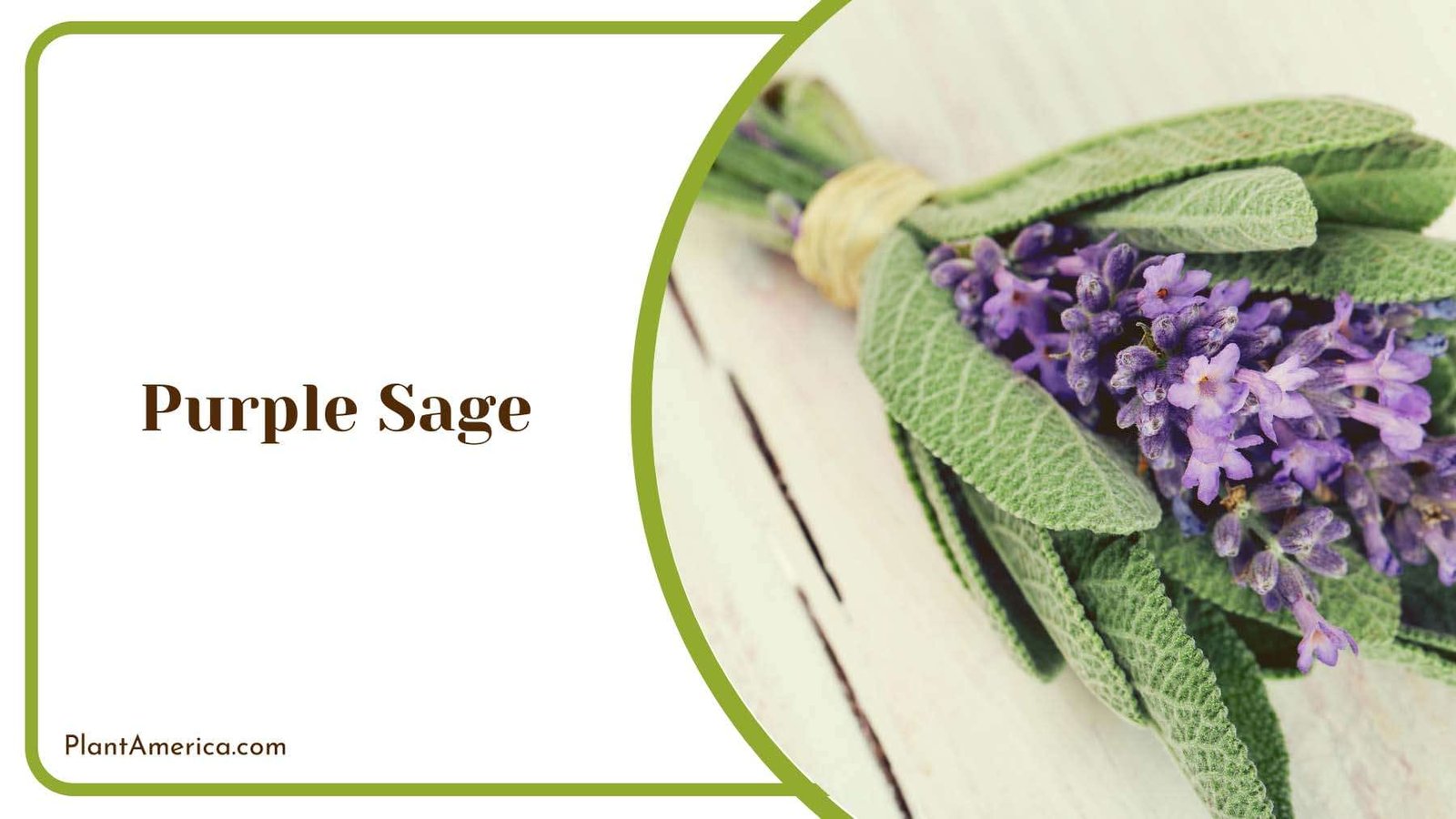
Purple sage elevates traditional salvias to an absolutely new height with its breath-taking upright spikes of vivid violet-blue flowers. The sweetly aromatic, nectar-rich flower clusters attract hordes of bees, butterflies, and hungry hummingbirds for weeks without end.
Plant this exceptionally drought-resistant shrub in complete, unfiltered sunlight exposure and sharply drained, often sandy-textured soil. Purple sage necessitates very little care and upkeep with hardly any serious insect pest problems thanks to natural defenses within the plant chemistry.
Its tolerance for being ignored and resilience to most common garden insects makes purple sage an exceptional choice for the low-maintenance gardener seeking weeks of colorful visual interest that demands very little endeavor in return.
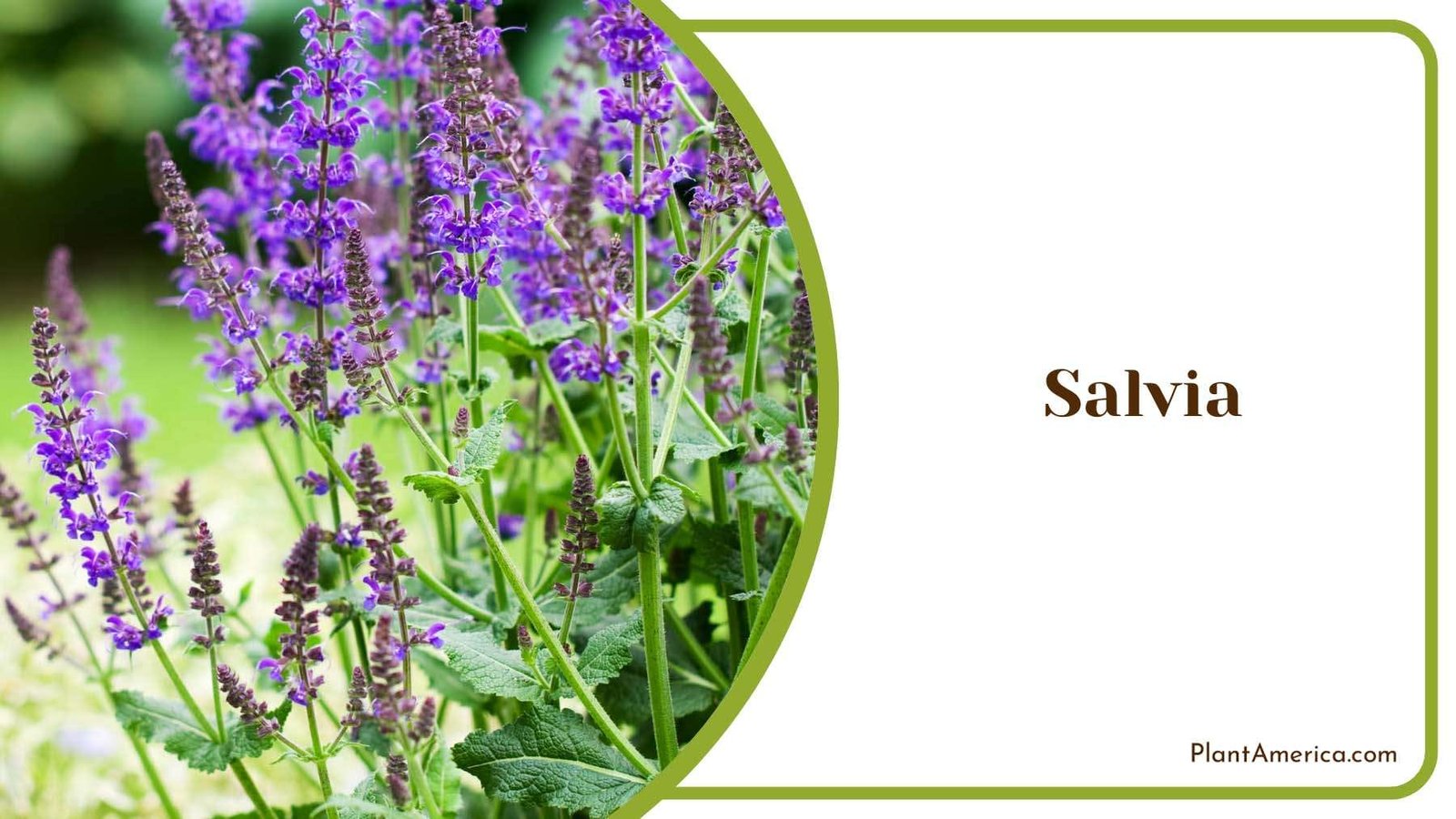
16. Salvia
- Growing season: Summer, Spring
- Leaf shape: Simple, Flat
- Specific needs: Well drained soil, Full sun
- Common pest: Japanese beetles, Aphids
The traditional perennial salvia produces thick spikes of strikingly beautiful blue, purple, and pink bloom that bees and butterflies flock to for their sweet nectar. This exceptional heat and drought-resistant plant flourish in full, unfiltered sun exposure and sharply drained, often sandy soil types.
Japanese beetles will routinely feed on the leaves, chewing small holes that mar the foliage’s appearance, while occasional aphid infestations can develop, clustering on young growth to sap plant juices. It is wise to keep an eye out for these potential issues and treat them promptly in order to preserve the salvia’s ornamental appeal and performance within the landscape.
Regular scouting and timely pest control tactics can help keep salvia in tip-top shape all season long.
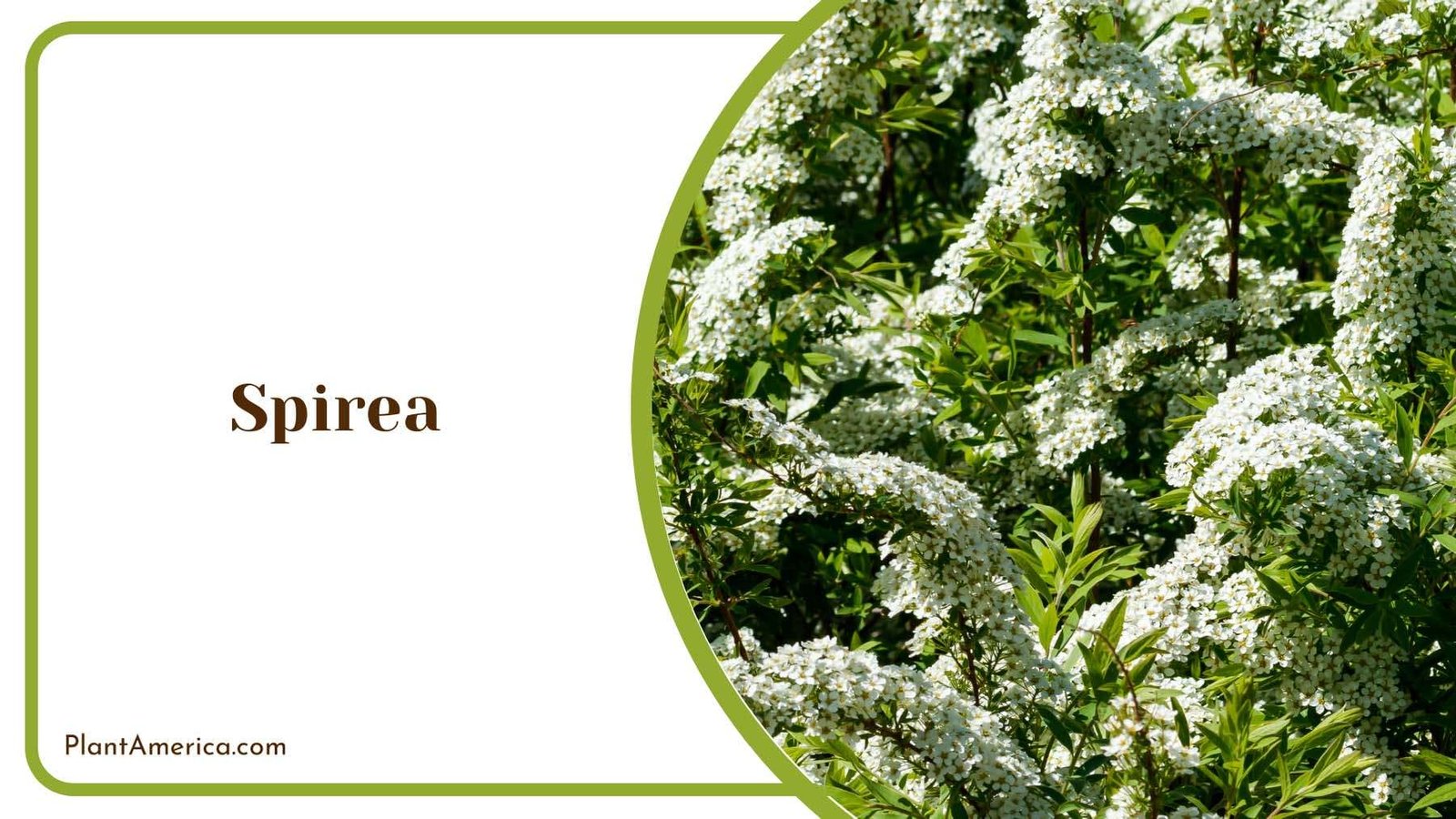
17. Spirea
- Growing season: Summer, Spring
- Leaf shape: Simple, Robust
- Specific needs: Moist soil, Full sun, Partial shade
- Common pest: Spirea aphid, Beetles
Spirea shrubs erupt into fluffy puffs of pink, red, and purple blossom that appear in early springtime and sometimes again during summertime. These low upkeep, flowering ornamental shrubs thrive in moist, yet fast-draining soil and excel in full sun as well as partial shade.
The spirea aphid, a tiny green sap-sucking insect pest, can inhabit fresh new stems causing the foliage to twist, curl up, and turn yellow. It is crucial to keep a watchful eye out for the tell-tale signs of an aphid infestation and take immediate action with an insecticidal soap spray or horticultural oil in order to limit damage and stem the infestation before it spreads any further.
Frequent inspections and prompt treatments are vital to maintaining the spirea’s health and appearance.
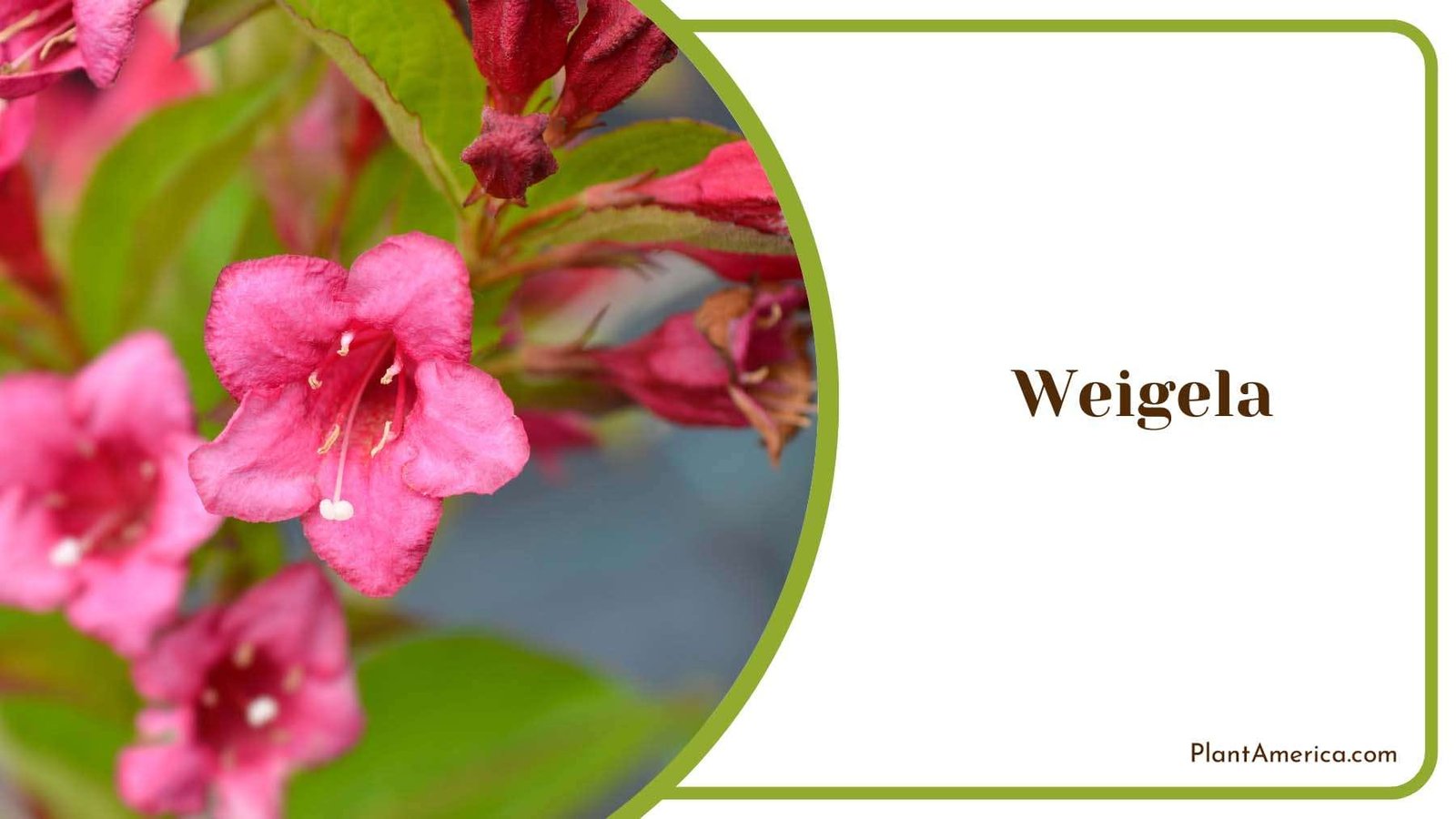
18. Weigela
- Growing season: Summer, Spring
- Leaf shape: Simple, Robust
- Specific needs: Moist soil, Full sun
- Common pest: Japanese beetles, Spider mites
The traditional weigela shrub boasts big clusters of trumpet-shaped blossoms in vivid hues of pink, purple, and white from early springtime all the way through the height of summer.
Attractive ornamental foliage follows afterward. These gorgeously sweet-smelling flowers irresistibly lure in hummingbirds and butterflies foraging for abundant nectar. Plant weigelas in complete, unobstructed sunlight exposure and nutrient-rich, moist soil in order to encourage optimum growth and vigor.
Potential insect pests that may periodically bother the plant encompass Japanese beetles, which chew holes within the leaf tissue, and spider mites which spin webbing on the undersides of leaves while feeding, potentially disfiguring the plant’s ornamental appearance. Periodic inspections and timely treatments can help minimize pest damage and maintain the plant’s ornamental appeal.
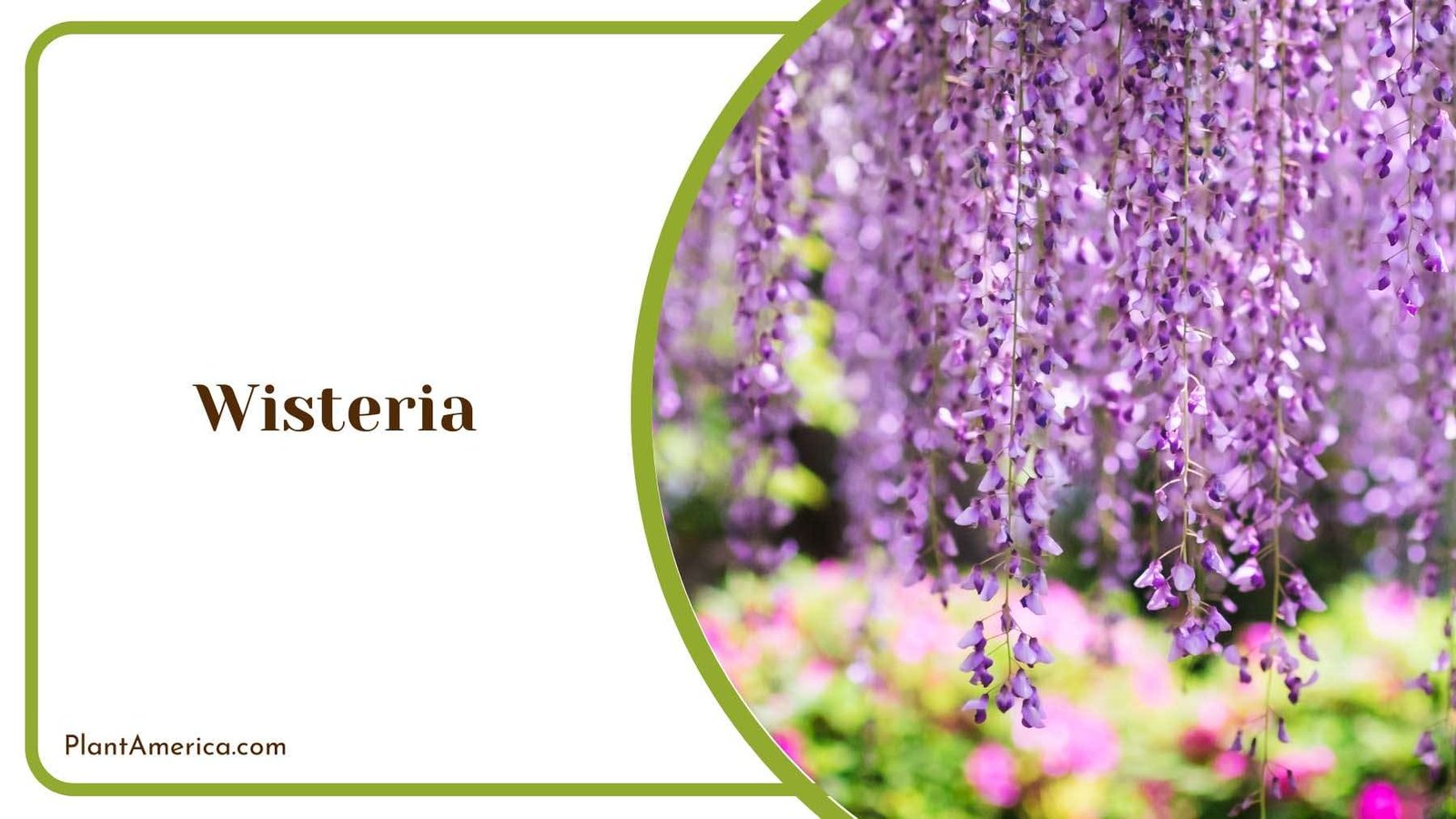
19. Wisteria
- Growing season: Summer, Spring
- Leaf shape: Pinnately compound, Simple
- Specific needs: Well drained soil, Full sun
- Common pest: Japanese beetles, Spider mites
The graceful wisteria vine produces extensive drooping clusters of sweetly fragrant lavender to violet pea-shaped blossoms in early springtime. When the vine comes into complete full bloom, it casts a tranquil purple haze across the entire landscape.
Prune the wisteria blossoms completely back after blooming has finished in order to maintain the vines compact and bushy. Plant the wisteria vine in sharply drained, often sandy textured earth and expose it to total, unfiltered sunshine exposure for optimum blooming yield.
Potential insect pests that may periodically pose issues include Japanese beetles, which voraciously feed on the leafy tissue, and spider mites, which spin webbing on the undersides of leaves while feeding, potentially debilitating the plant if left unattended. Frequent oversight and immediate treatments can help reduce pest damage.
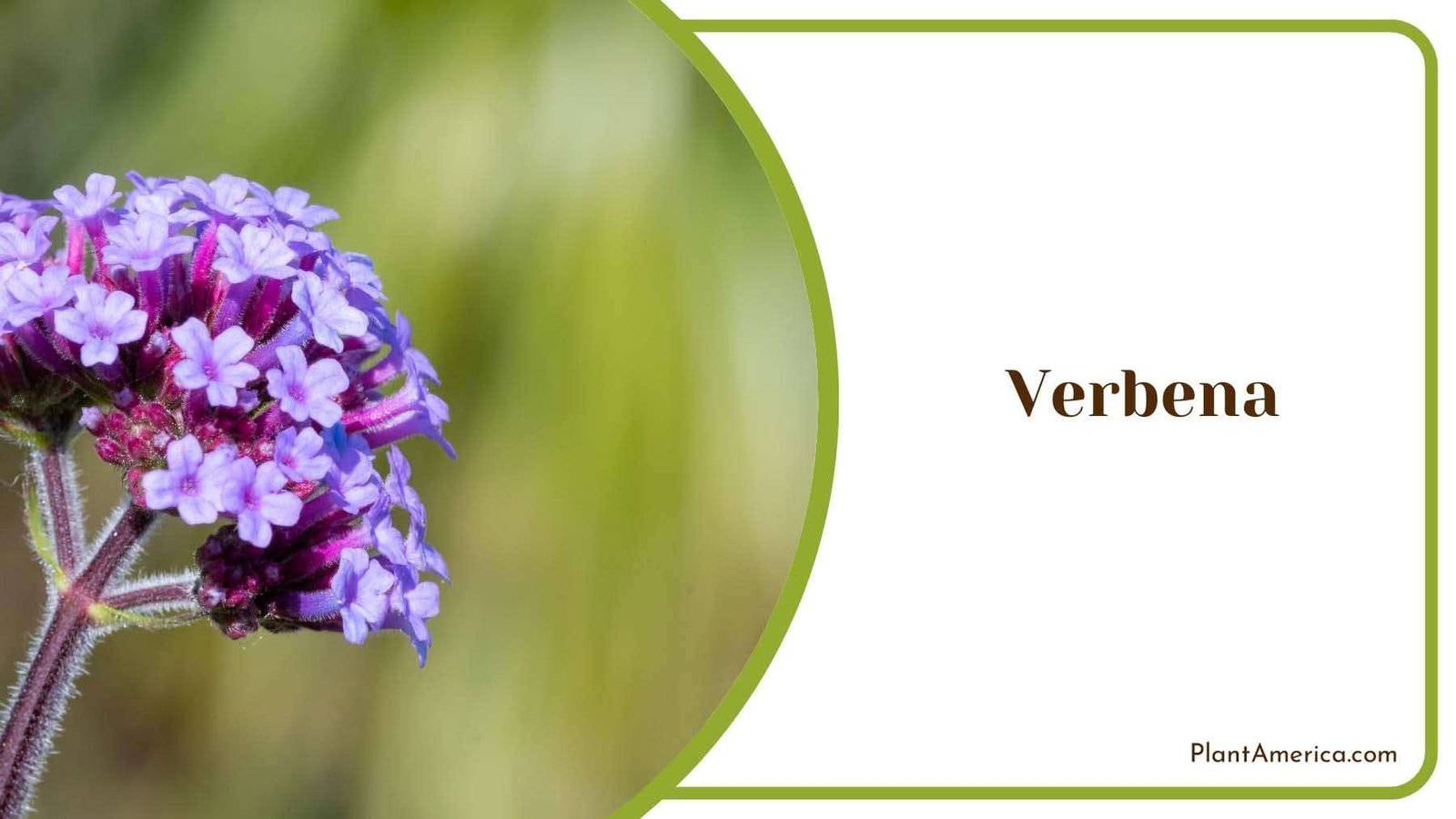
20. Verbena
- Growing season: Spring, Fall
- Leaf shape: Ovate, Robust
- Specific needs: Well drained soil, Full sun
- Common pest: Whiteflies, Spider mites
The verbena shrub produces large clusters of vividly colored flowers in hues of purple, pink, and crimson red from early springtime through the end of summer and into early fall. These compact, spreading plants truly thrive in full, unfiltered sunlight and sharply drained, often sandy soil conditions.
The sweetly fragrant blooms irresistibly attract swarms of butterflies seeking abundant nectar. Common insect pests that frequently afflict verbena include whiteflies which suck plant juices and leave behind a sticky residue, as well as spider mites which spin webbing on the undersides of leaves while feeding, potentially weakening the plant if left unchecked.
Regular inspections and timely pest treatments can help minimize damage and preserve the plant’s ornamental appeal. Therefore, if you choose to grow a verbena, be prepared to take all of these things into consideration.
Conclusion
Purple flowers make a stunning hue, and when placed alongside other blossoming, colorful flowers, they are more than enough to make a statement, and here are a few of our favorites.
- Purple sage elevates traditional salvias to an absolutely new height with its breathtaking upright spikes of vivid violet-blue flowers.
- The sweet pepperbush, also known as summertime clethra, will inundate your entire garden with fragrant panicles of white blossoms.
- Azaleas furnish brilliant blinding splashes of brilliant color to the spring garden and their trumpet-shaped blooms blossom in shades of pink, purple, crimson red, and white and are frequently subtly fragrant.
- Purple sage elevates traditional salvias to an absolutely new height with its breathtaking upright spikes of vivid violet-blue flowers.
- Lilacs are traditional spring flowering decorative shrubs that fill the entire atmosphere with their heavenly, sweet-smelling fragrance, saturating the entire garden with their sweet perfume.
While maintenance demands fluctuate to some degree among kinds, every solitary one of the purple flowering bushes on this list will grant you with months of exquisite elegance and delight for your endeavors. Choose the varieties that sweetly sing to you and plant them with copious joy and expectant anticipation of the pure bliss they will bring to your garden for many years yet to come.