
Philodendron Selloum of the Araceae family is a tropical plant that is a stunner evergreen. This philodendron genus plant deeply lobed, large, shiny leaves and height gives it the character of a tree.
That is the reason it is also called Tree philodendron. Selloum is also easy-to-grow as a houseplant with some specific needs.
What Is a Philodendron Selloum?
A Philodendron Selloum is a native plant from South America that belongs to the Aracaea family. For this unique plant to thrive, it is vital to know how it grows in its original environment. The non-climbing philodendron can spread up to five feet and take up quite a lot of space.
Philodendron Selloum Care
Philodendron Selloum indoor plant often needs specific care and maintenance. Take note of the following requirements:
 Water
Water
To keep your Philodendron Selloum thriving, reproduce growing conditions similar to a tropical forest. The key to success in doing so is to water it regularly. Your goal is to keep the soil moist. Avoid soggy and very dry conditions.
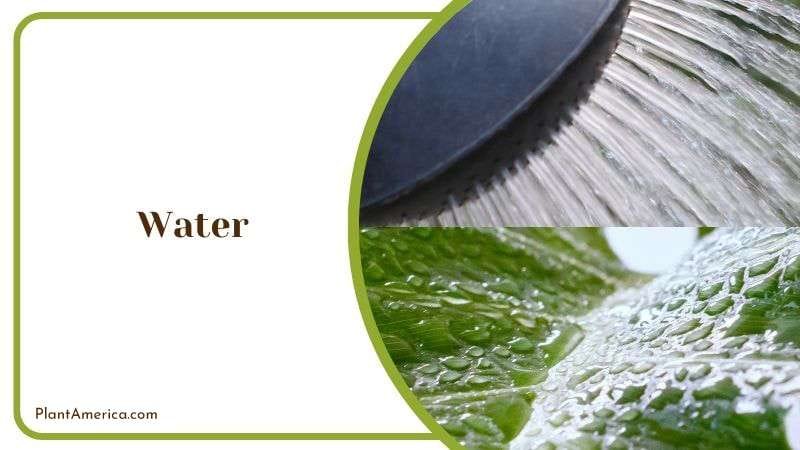
You may ask, how do you know when it is the right time to water your plants? Here is a simple way to check your soil before watering. This simple step ensures good health.
Before watering the Philodendron Selloum, let the soil dry out in between. You can check the soil moisture by digging two inches of the soil and feeling its texture. If it is moist, wait for another day, but if it is dry, water it. In case the soil is wet, do not water until the soil is dry again.
Remember, overwatering kills the plant and causes root rot, which is irreversible.
 Light
Light
Philodendron Selloum flourishes best in filtered or indirect light. The light coming from a sunny window is ideal. Avoid direct exposure to light that burns the leaves of this plant. It can survive in the shade but will not be happy.

Ideally, plant it near an east-facing window. This is a perfect location for the Philodendron Selloum plant, where it will receive bright indirect sunlight throughout the day.
 Soil
Soil
The vitality of this tropical plant depends on the kind of soil it grows in.
Philodendron Selloum soil mixture is one of the essential parts of plant care. The wrong potting soil can create a myriad of difficulties and distress for the plant. The greatest of plant distress is a consequence of poor drainage or overwatering.
This plant belongs to the Aracaea family, and its roots need good airflow or aeration. Aerated potting mix is also a well-drained soil with a porous texture.
For the soil to aid aeration, it will require a mix of chunky ingredients to allow air pockets in the potting medium.
Add perlite to make it porous and peat moss to make it rich. Selloum philodendron loves rich, well-draining soil that is alkaline based.
 Temperature
Philodendron Selloum grows best in temperatures over 60 to 75 degrees Fahrenheit and can not tolerate temperatures lower than 55 degrees. In addition to this, high humidity ensures the fast growth rate of the Philodendron Selloum.
In winter, the plant needs to be protected from frost and very low temperatures. You can place it near the sunniest window during that time.
 Humidity
The perfect humidity level for Selloum philodendron is above 60 percent. Since it is a plant from the rainforests, high humidity makes it grow abundantly and stay in good health.
Here are some ideas for you to increase humidity around your plants:
- Mist your plants regularly
- Install a humidifier close to the plant
- Place the pot over a pebble tray
- Group plants together
In a dry and very hot region, you may need to use more than one of the above methods to create the right environment for your humidity-loving Selloum philodendron plants.
 Fertilizer
The Tree philodendron doesn’t need much fertilizer, but growers recommend giving it a light feed of liquid fertilizer during the growing season. Here are a few things to remember:

- Never fertilize it in the dormant season, which is winters
- Always dilute your liquid fertilizer before applying
- Fertilize away from the stem
- Choose a good quality, well-balanced fertilizer
- Prefer natural or organic fertilizer
It is a good idea to look for natural or organic fertilizers for your plants.
 Pruning
Tree philodendron needs pruning occasionally. There can be a few reasons for that:
- The plant is getting sick, and you want to prevent the spread of the disease
- The plant is outgrowing its space
- Routine cutting back to encourage new growth
- Cutting the aerial roots that have become unruly
Cutting back plants is an excellent way to promote new growth. It also helps in shaping your plant and encourages good health. You may also want to prune your plants when they have become large, and you do not have enough space for them to grow. The plant becomes leggy when there is a lack of light too.
Tips to Properly Prune Your Philodendron Selloum
Pruning is done in spring. Use this guide to prune your Philodendron Selloum in the right season for any of the above reasons.
- Water your philodendron before going to the next step. It will reduce the intensity of shock for the plant
- With a clean and sharp knife, start cutting the leaves of the plant and slowly reduce its height
- Next, you can trim the branches. Remember, this will affect the growth of the plant. New shoots will grow from where you cut the branch
- Water your plant once more thoroughly
- Place your plant in partial sunlight
Now that we know the basics of its care, let us look at what problems Philodendron Selloum plants face and how to troubleshoot them.
Propagation
It is easy to propagate Philodendron Selloum plants. Although there is more than one way to do this, we recommend the stem cutting method for the best results. Let us first look at its growth and then guide you step-by-step to propagate this plant.
– Growth
Philodendron Selloum take up a lot of room as they behave like a tree. They grow a trunk once they mature. The leaves can be as big as about 23 to 36 inches in length and about 59 inches in width.

It grows fast and will need to be repotted once they overgrow the existing pots. They will need a bigger pot every year or so. Potting should always be done during the growing season and never in the dormant one. Here are a few things to keep in mind:
- Water plant a few hours before transplanting
- Shift the pot in the evening
- Choose a pot two inches bigger than the previous one
- Choose the best potting mix that you can manage
- Clay of terracotta pots is best
If you are wondering about the Philodendron Selloum flower, then yes, it does bloom. It takes about 15 to 20 years for this plant to produce a flower.
– Stem Cutting Method
Stem cuttings are a popular method used to reproduce a variety of philodendrons. It works best for this type too. Follow a step-by-step guide on how to propagate Philodendron Selloum through stem cutting.

- Select a stem that is suitable for propagation
- Ensure that the section that you select has at least one node
- Disinfect your scissors or pruning shears by using rubbing alcohol
- Make a clear cut on the stem
- Putting cinnamon on the cut helps prevent disease
- Put the cutting into a potting mix or in peat moss
- Water well and place this cutting in a sheltered location
In about three or four weeks, roots will begin growing, and the Philodendron Selloum growth rate is faster in spring. It is a perfect way to share extra cuttings with friends or save a plant from root rot.
The non-climbing variety also grows pups. You can separate the baby Philodendron Selloum plants and grow them in individual pots. As young plants, they will need some shelter and care. Make sure you do not overwater them.
Problems
– Yellow Leaves
Philodendron Selloum is known for its prominent rich, vibrant, and dark-colored leaves. If they begin to turn yellow, it is because of over-watering.

To resolve this problem, you must stop watering and let the soil dry out completely. Remember, the soil needs to be moist, not soggy.
– Brown Tips
Philodendron Selloum leaves turn brown when there is poor drainage, and overwatering. Look at the soil mix; if it is too wet, then let it dry. If the topsoil looks fine, there could be a problem with drainage. Check if there are enough drainage holes.
To make things a bit tricky, this could be a sign of under-watering too. If the soil is too dry, you must water.
– Dark Patches on Leaves
Philodendron Selloum leaves can get dark patches and indicate something serious. Monitor the leaves for bacterial blight. This disease can attack leaves and make them rot. It spreads around the plant very fast.
The disease is not curable. The plant needs to be discarded if the problem goes out of hand. The best way to control it is to catch it in the beginning. If you allow your leaves to remain dry, the problem will not persist.
Final note:
Yes. Philodendron Selloum needs repotting when it outgrows the pot. It is done in spring. It also grows into a tree-like plant which means it will need a bigger pot to support its growth and look good aesthetically. In short, yes, it is a good idea to repot your plants when it is the right time.