
Philodendron hastatum is a tropical plant belonging to the genus Philodendron. It is native to southeast Brazil, where it thrives in the humid and subtropical climate.
Taking care of this highly decorative and eye-catching plant involves maintaining optimal soil and making sure that they get water as per their requirements. Would you like to add it to your home garden? You’re in the right place to find some useful information and tips!
JUMP TO TOPIC
How to Care for a Philodendron Hastatum
To care for a Philodendron Hastatum, you don’t have to create any special conditions for its cultivation. Similar to other Philodendrons, Philodendron hastatum is not a high-maintenance plant and can adapt to most indoor surroundings. All you have to do is make sure that you fulfill its basic requirements.

 Soil Requirements
This spectacular plant enjoys loose and well-drained soil, which provides aeration and prevents water retention. Even though it generally prefers moisture and soil with high organic matter, this does not mean its roots should be soaking wet.

On the contrary, this metallic sword-like beauty can survive in dry conditions and does not like excessive watering. It thrives mainly in growth mediums containing perlite, vermiculite, and peat, which improve the structure of the substrate and soil drainage.
 Water Requirements
As you might expect from a tropical plant, Philodendron hastatum thrives in moisture. It should be watered two to three times a week during his growing season, in spring and summer.
However, Philodendron is a dormant plant that, in fall and winter, decreases its function to a bare minimum due to reduced sunlight. Watering should be reduced to about once a week. The exact timing will depend on the indoor conditions, such as temperature and air humidity.

There is a general rule to determine when to water when it comes to these plants. Before watering, feel the soil with the tip of your fingers. If the substrate is moist, skip watering for a couple of days. Even though the Philodendron hastatum enjoys moisture, sometimes too much water can lead to root rot, which will severely harm the plant’s health.
The ideal time to water is when the 1 to 3 inches of the substrate are dry. Additionally, when watering this beautiful vine, avoid the leaves and wipe them from time to time. If your Philodendron is droopy, that might be the sign you have overwatered your Philodendron Hastatum. In most cases, if you find a correct watering regime, the plant will quickly recover.
 Light Requirements
Similar to other tropical plants, Philodendron hastatum is fond of moderate and indirect sunlight. Exposing your Philodendron hastatum to direct sunlight might burn its leaves. Considering its natural habitat, you should try to recreate those conditions indoors for your plant to thrive.
These plants live underneath the rainforest canopy, in the shade, and with a lot of diffused light. Therefore, it is vital to keep your plant in similar conditions, ensuring that it receives enough indirect sunlight.
If the stems of your Philodendron hastatum appear to be droopy and excessively long, this might be the indicator that your plant is not getting enough light. In fact, these plants will grow in length like any other vine, searching for light.

Additionally, from time to time, you might find one or two older leaves have become yellowish. Don’t worry: an infrequent yellow leaf is a common occurrence. However, if you notice several other leaves turning yellow, it might indicate a high level of sun exposure. On the other hand, not providing enough bright light to your Philodendron can cause its stems to become leggy.
 Temperature Requirements
Philodendron hastatum, originating from the rainforests in Brazil, prefers warmer temperatures and high humidity. The silver sword’s ideal temperature is between 60 to 80 °F. Given it’s a tropical plant that likes heat, Philodendron generally does not cope well with cooler temperatures. Prolonged exposure to low temperatures in most cases damages or kills the plant.

While growing the Philodendron hastatum indoors is not a particular challenge in terms of its temperature requirements, you should keep the plant away from radiators and vents.
 Humidity
Given that rainforests are not only shady and warm but also very humid, Philodendrons generally enjoy moisture. The optimal level of humidity is around 70-90 percent. If you want to recreate the perfect conditions for your silver leaf Philodendron to thrive, you can use humidifiers to increase the level of humidity.

Another option is to use a pebble tray with water and mist the plant frequently. When winter sets in, you should watch out for yellow and droopy leaves, which are usually an indication that your plant lacks moisture.
 Pruning
If your plant is growing very long, this is your sign that you should prune it. The benefits of pruning are several. If you want to keep your plant bushy and full, rather than resembling a long vine, you might want to prune your silver sword.
Most plants generally respond well to pruning, as it encourages a fuller, denser, and happier plant. The best period to prune your Philodendron hastatum is in summer and spring when the growth increases, even though you can prune it anytime to keep it in the desired shape.

When pruning, you might want to cut the longest and oldest stems, which appear to be yellowish or simply too long for your indoor space. You want to cut at the joints, where they meet the main crown of the plant. If your stems are falling beneath the soil level, cut them at the soil line and water after pruning.
 Fertilizer
Philodendron hastatum is a plant that grows relatively quickly, which means that it needs a lot of energy and therefore quickly consumes nutrients. In such a situation, the plant will grow better and faster if you feed it regularly

Once a month, from spring to autumn, add a balanced liquid fertilizer with an NPK ratio of 20:20: 20. In winter, when the plant is resting, it is not necessary to feed it.
Propagating Philodendron Hastatum
If you are wondering how to propagate your Philodendron hastatum, no worries, we got you covered. Similar to other epiphytes, Philodendron hastatum is very easy to propagate. The Silver leaf Philodendron is not demanding, and they quickly root up. The process involves just a couple of simple steps, which require tools commonly found in every household.
Philodendron Hastatum Problems
Even though Philodendron hastatum is relatively easy to take care of, it does come with a set of potential issues.
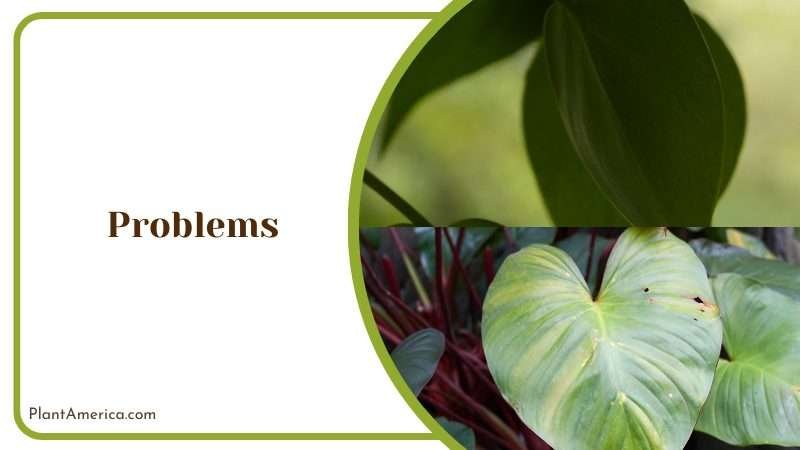
- Leaf Spot Diseases: One of the most common problems with Philodendron hastatum is leaf spot disease, caused by bacteria or fungus, which are usually a consequence of unfavorable indoor conditions, such as excessive humidity or damp soil.
- Yellowing of the Leaves: Excessive watering of the plant causes metabolic disorders that often translate into unhealthy yellowing on the leaves. Those leaves cannot recover, and it is best to remove them and adjust the watering regime to the plant’s basic needs. For a few weeks, skip the watering to allow the substrate to dry out, creating a pleasant environment for the plant.
- Wilting of the Leaves: Although Philodendron hastatum will not mind if you skip watering a few times, extended periods without water will still have consequences on its leaves, such as twisting and wilting. Fortunately, this is a problem you can solve by changing the rhythm of watering. The good news is that the leaf can recover if it has not been exposed to severe dehydration.
- Leaf Color Loss: The silvery tone that distinguishes this plant from other Philodendrons is directly related to the amount of light the plant receives. In the absence of light, this tone gradually fades, which indicates that the plant needs a better spot with enough sunlight. Additionally, the plant in an unfavorable place bends towards the light source, develops irregularly, and loses shape.
- Pests: Even though the plant is very resilient, it is not to say that it cannot be exposed to vicious pest attacks. The most common invaders are spider mites and mealybugs. Spider mites like dry conditions and will settle on your plant if you do not provide an adequate level of humidity.
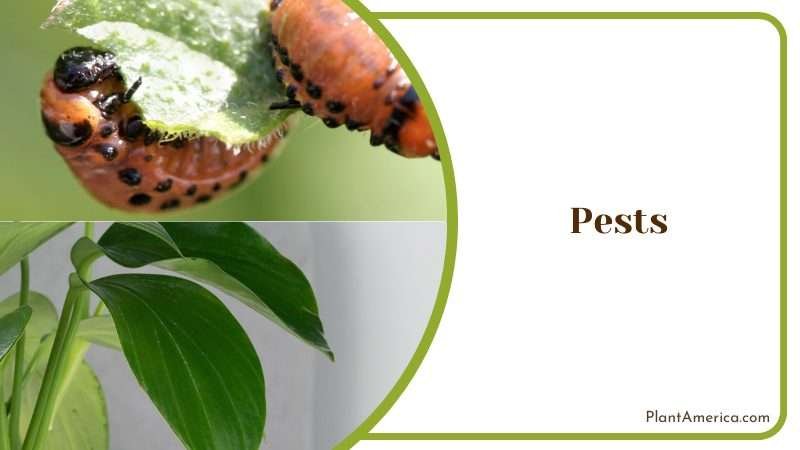
Ofter, you cannot notice them with the naked eye, but you can detect them by the reddish spider webs between the leaves. On the other hand, mealy bugs leave honeydew on the leaves as they feed on the sap of the plant. They reproduce quickly and easily transmit to other plants.
In any case, if you notice signs of their presence, do not hesitate to deal with this problem immediately. You have several effective remedies at your disposal: neem oil solution, cotton balls dipped in rubbing alcohol, or, ultimately, industrial insecticide for house plant pests. You should take into account that some pests may still survive, so it is best to repeat the treatment one or two more times.
Philodendron Hastatum belongs to Araceae family of plants and was previously known as Philodendron domesticum.
Conclusion
In conclusion, the Philodendron Hastatum, commonly known as the Silver Sword Philodendron, is a rare and striking houseplant that can bring a touch of the exotic into your home. With its stunning, silvery leaves, it’s no wonder that this plant has captured the hearts of enthusiasts. Remember that the Philodendron Silver Sword prefers bright indirect light to thrive, as direct sunlight can damage the delicate leaf surface.
To maintain the lustrous sheen of your Silver Sword, wipe the leaves gently with a damp cloth to remove any dust accumulation. This not only keeps the plant looking its best but also facilitates efficient photosynthesis. When it comes to watering, ensure that excess water can drain freely to prevent root rot, and be vigilant for the telltale signs of yellow leaves which indicate overwatering.
As your plant grows, providing support with a moss pole can encourage it to maintain its upright, elegant form and prevent drooping leaves. Should you wish to propagate your Philodendron Silver Sword, stem cuttings can be rooted in water or directly in the soil, offering a straightforward method to expand your collection or share with fellow plant lovers.
By following these Silver Sword care tips, you can ensure your Philodendron Hastatum remains healthy, vibrant, and a joy to grow. Whether you’re a seasoned plant parent or new to the world of houseplants, the Philodendron Silver Sword is a rewarding choice that is sure to make a statement in any indoor garden.