
Philodendron gabby of the Araceae family is a stunning houseplant that has cream and white foliage paired with some green leaves in between. It is a highly unpredictable plant and may change its patterns and hues, making each individual plant a masterpiece.
It is easy to grow and is an undeniable treat for the eyes. Continue reading for some essential tips and tricks to keep this philodendron genus plant healthy and happy.
Quick Overview
Here is a handy table of this plant’s requirements.
| Requirements | Philodendron Gabby |
| Light | Prefers indirect bright light |
| Water | Water when the top one inch of the soil is dry |
| Soil | Any soil that is part perlite and part peat moss or coir works best |
| Temperature | Temperatures between 55 to 90 degrees Fahrenheit |
| Humidity | Needs high humidity levels |
| Fertilizer | Prefers a slow-release fertilizer |
What is a Philodendron Gabby?
A Philodendron hederaceum gabby is a houseplant from the Araceae family of tropical plants that has cream and white foliage paired with some green leaves in between. It is known for its dramatic foliage and easy-to-grow reputation, leading to its rising popularity among urban gardens.

Philodendron hederaceum gabby is a naturally occurring variety that originated from Philodendron Brasil. The plant was introduced by the family of gardeners who owned the company “Gabriella Lane.” Because of this name, they decided to call this variant Gabby, leading to its more commonly-used nickname gabriella plant.
Philodendron Gabby Care
Philodendron gabby comes with its specific care, and the following guide will help you understand all segments of it.
 Soil
Soil
Philodendron gabby soil is the source of all food for the plant. Its health depends on the kind of soil you create for it, so invest time in picking up the right ready-made soil from the garden store or make your own. Any soil that is part perlite and part peat moss or coir works best.
Peat moss and coir help retain moisture and offer mild nutrients, which are good for plants. Perlite, on the other hand, offers good drainage. Together, they form a potting mixture that is well-draining and rich in organic matter.
Here is a recipe for you to try:
- Mix 50 percent perlite with 50 percent coconut coir and peat moss.
- Add a slow-release fertilizer or worm casting during the growing season
 Water
Water
Philodendron gabby is a tropical plant and prefers moist soil. It may tolerate slightly dry soil too, but it is best not to let that happen. Water when the top one inch of the soil is dry, and it is recommended to let the water dry out to 25 percent moist. If your soil retains moisture, you may just need a cup of water in 10 days — how amazing is that?
Avoid overwatering your plant at any cost. Too much water and poor drainage can cause root rot, which leads to a very sick plant or even a dead one. You can avoid this by maintaining a good gap between two waterings and by making sure that the potting mix drains well. Ensure there are enough drainage holes in the pot too.
Watering Philodendron gabby depends on how fast the water evaporates or how big the plant is. It needs frequent irrigation in the growing season as the plant grows fast from spring to summer. In winter, the plant may need less water.
 Temperature
Philodendron gabby prefers temperatures between 55 to 90 degrees Fahrenheit.
 Humidity
Humidity is the magic factor for the Philodendron gabby. If the plant gets high humidity and is allowed to grab a textured surface like a moss pole, it can grow leaves as big as 1 foot. How exciting is that? There are a couple of ways that you can increase humidity for this plant.
- Install a humidifier and use it a couple of times during hot, dry days.
- Mist your plants occasionally.
- Keep the leaves clean by washing them if you can.
- Keep it close to other plants so that they create a microclimate and regulate humidity for each other.
 Fertilizer
The Philodendron gabby plant prefers a slow-release fertilizer. Add the one that releases over six months at the time of plantation. In this case, the plant will have a steady supply of food throughout the growing season, and you will save a lot of time too.

An alternate method could be to apply up to three equally spaced feedings from spring to summer. You can use a liquid feed after heavily diluting it with water during each watering as well.
Natural fertilizers that can be used are:
- Worm castings
- Fish emulsions
- Compost
- Manure
Be mindful that the potting mix doesn’t become clogged with fertilizers and chemicals. Be mindful of feeding your plants in moderation.
 Light
Light
Like other philodendrons, gabby also prefers indirect bright light. Direct exposure to light scorches its leaves, and very low lighting condition slows down the growth of the plant.
Place your plants near a sunny window that gets bright indirect light. Any location that gets filtered light will work.
– Potting
Philodendron gabby is a climber. You need a pot that helps it grow upwards while allowing it to trail downwards. Hanging baskets would be perfect for this. If you want to keep it as a bushier plant, you can prune the stems and keep them in shape.
In any case, the pot must have the following features:
- Enough drainage holes
- Not too big or too compact for the plants
Change the pot size by 1 inch as the plant outgrows the pot. It should be down in the growing season of the plant and never during winter.
– Toxicity
Philodendron gabby is toxic for both humans and animals. Keep it away from children and pets. When ingested, the plant can cause swelling of the mouth, lips and tongue. It causes stomach irritation and nausea too.
– How to Identify Gabby?
Variegated philodendrons may look identical to the eyes of a beginner, so here are a few distinct features of the Gabby philodendron to watch out for.
- Gabby has a very unpredictable variegation
- Leaves on top are not brighter than on the bottom, unlike other plants
- The bottom leaves are light-colored
- Gabby has highly variegated leaves
- Propagation is slow
- The nodes are close together and not far apart
Propagation
Propagating any plant is rewarding in more than one way. You get free plants, extra plants can be gifted or sold, and the parent plant stays healthy too. Propagate Philodendron gabby by stem cuttings or air layering without a hassle. It is a slow-growing plant, and that is why it may take a while to see progress on the cuttings.
Before you begin propagating, keep these points in mind:
- Propagate during the growing season, which is summer for this plant
- Water your plant well before taking cuttings
- Take multiple cuttings
- Use sterilized tools
- Have new pots ready
- Water immediately after
- Keep cuttings protected after planting
– Air Layering
The following guide will help you propagate the Philodendron gabby plant. First, let us take a look at what you will need.
You will need:
- Plastic wrap
- Peat moss
- Piece of string
Once you have all these things ready, take a hand-size piece of plastic and put moist peat moss inside. Wrap it carefully around a node of a healthy stem, leaving two nodes above it. Secure it with a string.
Let it stay there for a few weeks until you see roots through the clear plastic, then cut it and plant it in the soil. Water and keep the cutting protected for a couple of days.
– Stem Cutting
You can also propagate Philodendron gabby using the stem cutting method. For this method, follow the step-by-step guide outlined below:
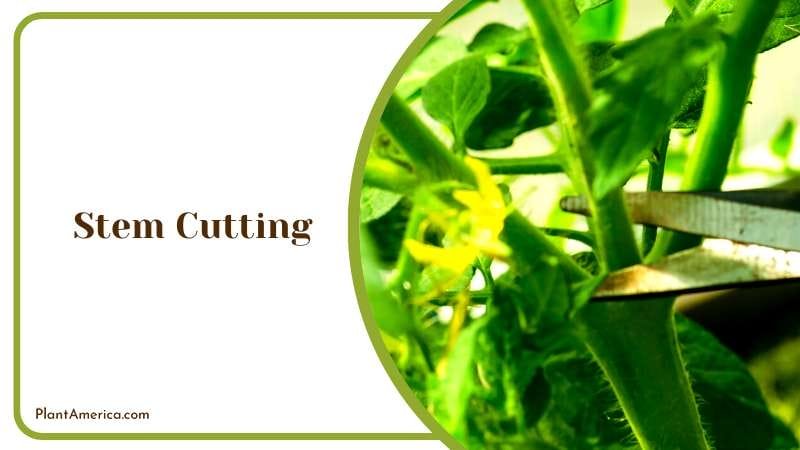
- Use sterilized scissors and make a cut on a stem with more than two nodes
- Dip it in rooting hormone (optional)
- Plant it in a moist peat moss-based potting mix
- Water well and keep it protected from strong winds, too much water, and direct exposure to light
Remember, this plant is a slow grower and may take a while to show results. Air layering will be a more successful way of propagating this one.
Problems
Philodendron gabby is usually pest-resistant, so problems occur when the plant is not properly taken care of. From losing its colors to withering, anything can happen because of too much or too little light, water and fertilizer.
Let us look at some of the symptoms and their solutions in the next section.
– Pale Leaves
Philodendron gabby leaves become pale when there is very low light. Bring the plant into a location where there is plenty of indirect bright sunlight.
– Withering Foliage
The plant sheds older leaves, but if younger leaves are also withering it can be because of too much water. The soil can be changed or in worst cases, you can take cuttings to save the plant. Overwatering causes root rot, which may lead to the death of plants too.
You can first check the soil before you water. Follow the water requirement section for knowing when and how much to water your gabby plant.
– Leggy Stems
The stems of Philodendron gabby may look leggy when there is very low light. The stems stretch to find light and become weaker in the process. Bring it closer to a brightly lit space.
– Small Leaves
Philodendron gabby will grow bigger leaves if the plant is supported by a moss pole.

The leaves can grow up to a foot and look stunning if they are properly staked and the aerial roots are able to grab a support structure.