
North Carolina flower has a hidden gem waiting to be discovered – the beautiful pink camellias native to the Tar Heel state. In this article, we’ll introduce you to some of the best pink camellia varieties that fill gardens across North Carolina with vibrant colors every winter.
From frilly blooms resembling tutus to heart-shaped blossoms perfect for romance, these camellias offer a delightful show when many other flowers have gone dormant for the season. Whether you want to experience the magic of cherry blossoms, find a show-stopping focal plant, or add a pop of pastel to your borders, one of these cold-hardy Southern belles will surely become your newest plant crush.
North Carolina Flower You Should Plant in Your Garden
1. Adam’s Needle

- Growing season: Blooms December through March
- Afternoon shade beneficial
- Leaf shape: Glossy dark leaves, Oval leaves with pointed tips
- Specific needs: Rich, Consistently moist soil, Mulch well
- Common pests: Aphids, Scale insects
Adam’s Needle (Yucca filamentosa) is an architectural evergreen shrub prized for its sword-like leaves, towering flower stalks and drought tolerance. Native to Eastern North America, it forms dense rosettes of stiff, pointed foliage atop multiple basal stems.
This yucca thrives in full sun and poor, dry soils with minimal irrigation once established. Its primitive appearance suits naturalized landscapes like meadows. Alternatively, sculptural forms elevate modern beds. Durable and slow-growing, Adam’s Needle retains structure through winter.
Beyond ornamental qualities, Adam’s Needle supplies bird and insect habitat. Hummingbirds favor nectar-rich blooms while butterflies lay eggs amidst foliage. Some Native American groups used fiber from leaves to produce rope, sandals and baskets.
Adaptable and tough, this evergreen demands little fuss. Self-seeding encourages spreading to naturalize an authentic appearance. Allowed room for drama, mature specimens cast alien-like silhouettes against the sky.
With its prehistoric leaves, summer flower show and tough good looks, Adam’s Needle proves a versatile choice to define borders, act as a specimen or naturalize landscapes sustainably for decades to come with zero inputs required..
2. American Beautyberry
- Growing season: Blooms January through March
- Afternoon shade beneficial
- Leaf shape: Glossy dark leaves, Heart shaped leaves
- Specific needs: Rich, Consistently moist soil, Mulch well
- Common pests: Aphids, Scale insects
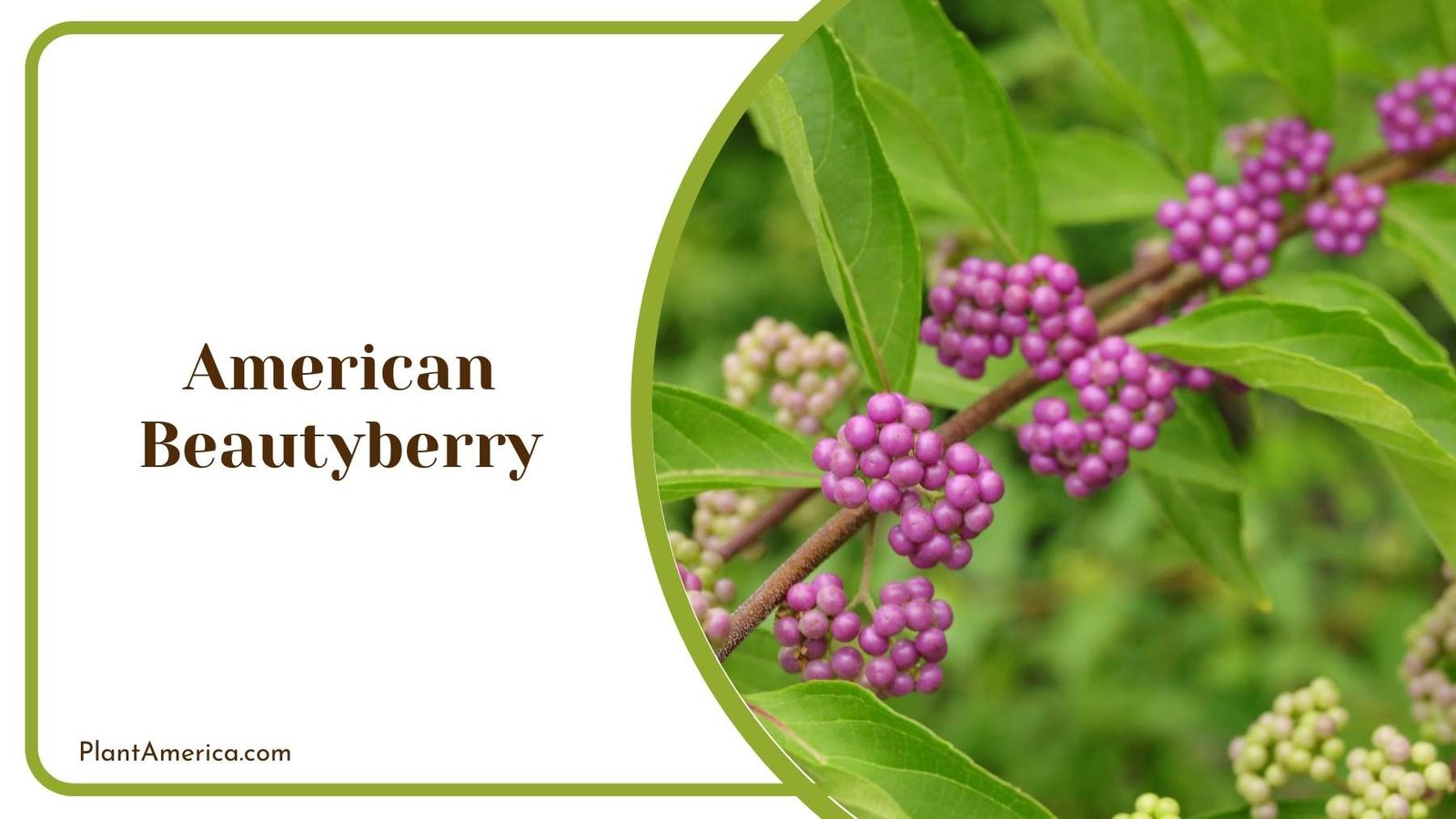
The American Beautyberry (Callicarpa americana) is a vibrant deciduous shrub valued for its autumn fruit display and drought tolerance. Native throughout eastern North America, it forms an open multi-stemmed structure reaching three to six feet tall and wide.
In summer, clusters of violet flowers emerge amongst the coarse, opposite green leaves. Come fall, purple berries ripen in rounded clusters along arching stems, providing striking winter interest long after leaves drop.
This beauty thrives in full sun or partial shade with regular water while young, becoming drought tolerant once established. Tolerant of various soils, it naturalizes easily amongst other natives. Alternatively, carefully placed specimens enrich borders, rain gardens or wildlife areas.
Beyond incredible fall and winter color, American Beautyberry supplies abundant food for birds. Over 50 species rely on its nutrient-dense berries to fuel winter migration or support brooding season. Small mammals also consume the fruit.
Adaptable and low maintenance, it reseeds prolifically with minimal inputs. Pruning after fruiting encourages denser habits. Combined with neighbors like asters or grasses, it covers colorful autumn gardens beautifully.
With its ability to sustain wildlife through lean seasons and define borders naturally with bursts of jewel tone fruit, American Beautyberry proves a beneficial, low-care addition to any native landscape, rain garden or habitat area needing seasonal color and dependable structure..
3. Southern Belle

- Growing season: Blooms January through March
- Afternoon shade recommended
- Leaf shape: Dark green leaves, Rounded leaves
- Specific needs: Rich, Well-draining soil, Mulch well
- Common pests: Aphids, Spider mites
The Southern Belle hibiscus is a true beauty that brings vivid color and tropical flair to gardens. Native to warm climates, this hibiscus boasts huge blooms measuring up to 8 inches wide. From summer through early fall, an explosion of bright red flowers emerges daily, contrasting vibrantly with the plant’s deep green leaves.
The flowers only last for a single day before fading, but more continue forming so the show goes on all season long. Growing 4-6 feet tall and wide, this bushy perennial shrub lends drama and structure to beds and borders. It prefers full sun and well-draining soil to really thrive.
The Southern Belle is very hardy once established and tolerates both heat and humidity beautifully. Attracting hummingbirds, butterflies and more, it creates a lively environment in the garden.
With its large, vivid blooms and excellent performance all summer, this hibiscus lives up to its name as a true southern belle—adding exuberant pops of color wherever planted.
4. Cotton Candy Hellebore
- Growing season: Blooms January through March
- Afternoon shade favorable
- Leaf shape: Glossy leaves, Rounded leaves
- Specific needs: Rich soil, Consistently moist soil, Mulch well
- Common pests: Aphids, Spider mites
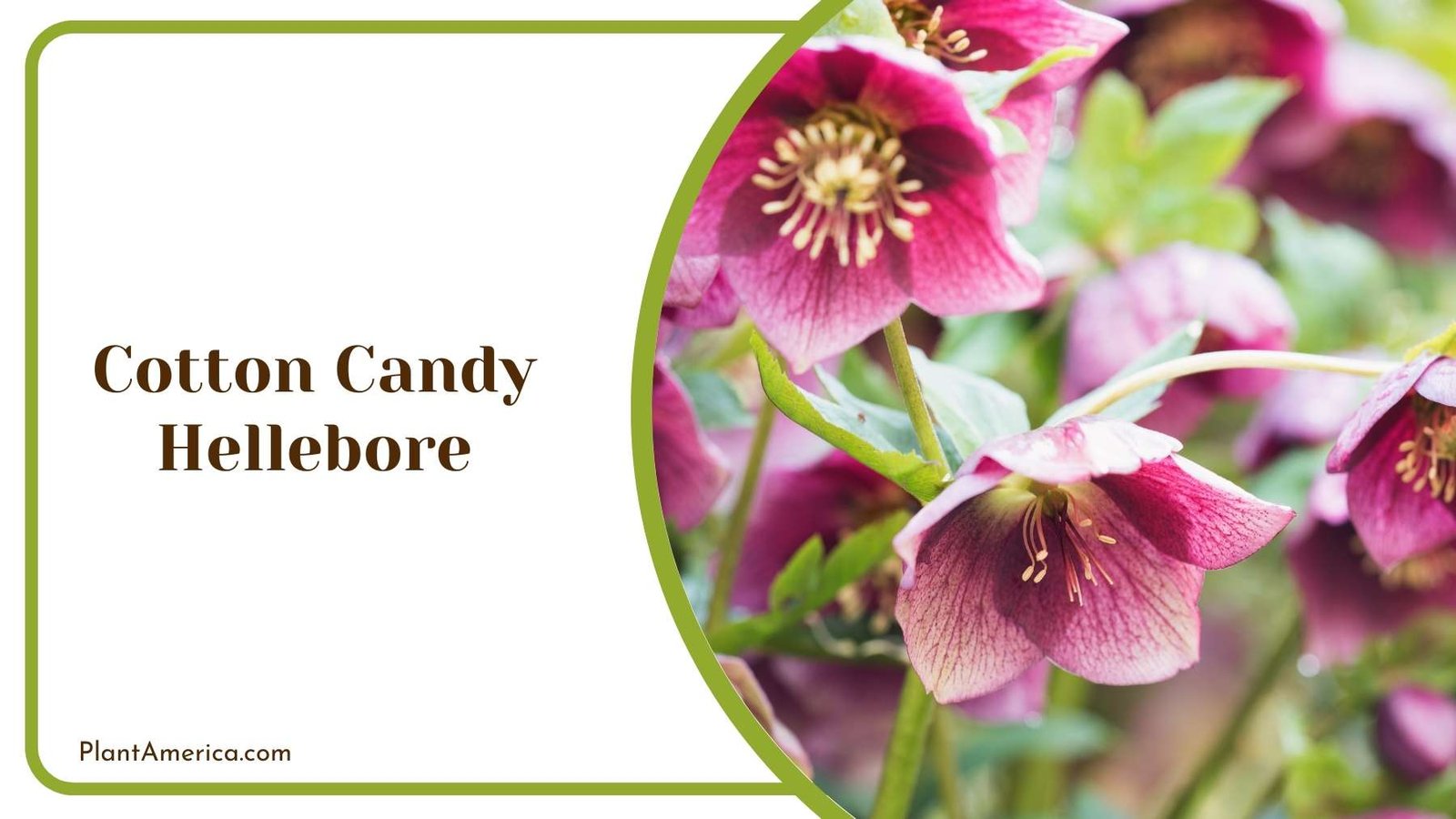
The Cotton Candy Hellebore is a winter-blooming perennial adored for its unusual blooms. Native to woodland environments, this hellebore brings joy to gardens during colder months when little else is in flower.
From mid-winter through early spring, clusters of delicate bell-shaped blooms emerge in a stunning soft pink hue resembling wisps of cotton candy. Each bloom starts as tight rounded buds before gradually unfurling wide open faces nearly three to four inches across. Up to 20 blooms or more may appear on strong stems rising 12 to 18 inches above deep green foliage.
The thick leathery leaves remain attractive all year, providing structure even after flowers fade. Come fall, foliage sometimes displays hints of purple, burgundy or bronzing. Although a woodland plant, hellebores thrive when given partial sun along with consistent high soil moisture during active growth periods.
Cotton Candy Hellebores flourish in light-contained beds, border fronts, or naturalized in meadows and wildlife gardens. Bumblebees and early butterflies appreciate these long-lasting nectar-rich blooms. Birds enjoy seeds forming in summer atop nodding bells too.
Propagation occurs via division of root crowns in fall once foliage yellows. Patience is key as new divisions establish slowly over two plus years. Hellebores’ long bloom time and delightful scent provide welcome color during colder seasons. Deadheading spent bells promotes potential rebloom.
Overall, Cotton Candy Hellebores lend distinctive softer hues to winter-spring gardens. Their cold hardiness and low care needs make them a reliable addition for naturalistic plantings or contained garden beds alike. Few flowers can compare to hellebores’ charm at such a bleak time of the year.
5. Azaleas
- Growing season: Blooms January through March
- Afternoon shade beneficial: Yes
- Leaf shape: Dark green leaves, Rounded leaves
- Specific needs: Rich, Consistently moist soil, Mulch well
- Common pests: Aphids, Spider mites
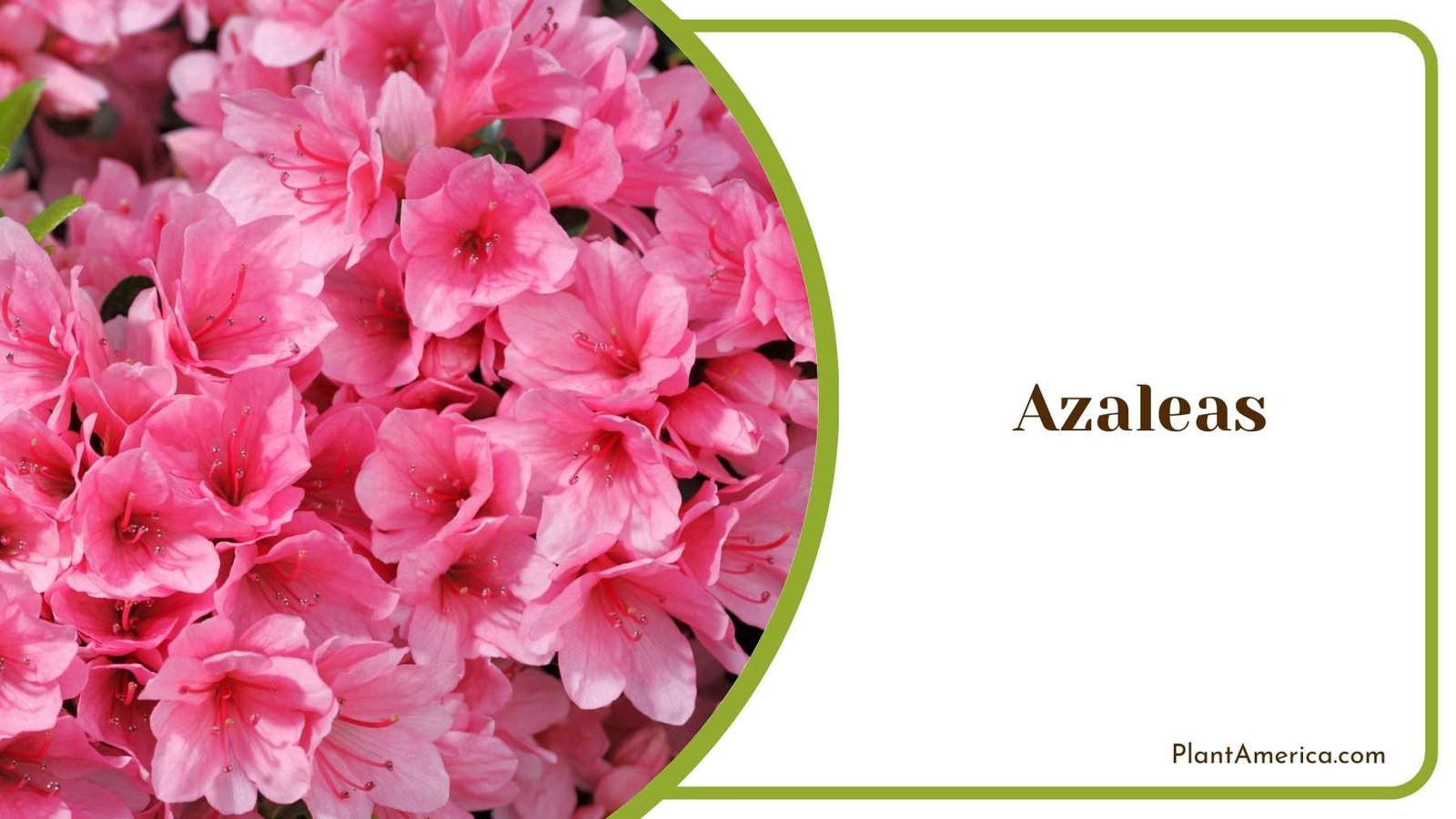
Azaleas are beloved spring-blooming shrubs prized for their vibrant flowers and ornamental foliage. Native to Asia, North America, and Europe, dozens of cultivated varieties offer a wide palette of blooms in shades of white, pink, red, yellow, and orange.
Azaleas thrive in partial shade and well-draining acidic soil rich in organic matter. In late spring, cylindrical buds emerge and swell before opening into lush clusters of frilly petals. Blooms may appear solitary or in large profusions depending on the variety. From a distance, azaleas resemble colorful floating nets among the branches.
After flowering concludes by early summer, azaleas retain attractive narrow green leaves until fall when some varieties showcase beautiful autumnal hues. Handsome trunks and branches also provide winter interest. In colder months, cover or mulch around crowns for protection.
Ideal locations include borders, foundation plantings, screening large structures, or mixed shrub borders. Dense clusters of blooms ensure continuous color for weeks. As Foundation plants, azaleas ensure lovely color transitioning from the ground to walls or fences.
While generally carefree, azaleas appreciate shelter from harsh sun and wind. Amending soil with compost or pine needles maintains acidity while providing nutrients. Infrequent deep watering during dry spells prevents wilting, though drainage is key.
Pruning directly after flowering promotes repeat bloom next spring and prevents leggy growth over time. Harder pruning may take years to regenerate flowers.
Various cultivars mean there’s an azalea to suit any light and soil conditions, from sunny coastal gardens to woodland retreats. As a classic garden staple, azaleas never fail to brighten spring gardens with their cheerful pastel hues..
6. Pink Princess

- Growing season: Blooms January through March
- Afternoon shade favored
- Leaf shape: Glossy leaves, Rounded leaves
- Specific needs: Rich, Well-draining soil, Mulch well
- Common pests: Aphids, Spider mites
The Pink Princess azalea is a beloved variety prized for its vibrant blooms of pretty pink flowers. As one of the earliest azaleas to bloom, it provides a welcome splash of color starting in late spring. Clusters of broad, ruffled petals emerge in a delicate pink blush tone with deeper pink veining.
Blooms gracefully drape downward on weeping branches, cradled amongst new lush spring growth. The flowers seem to glow, illuminating any shaded corner. Come summer, Palmer’s green foliage provides ornamental texture until fall, when leaves hint at fiery shades of red and oranges.
Throughout winter dormancy, plant shapes and branches retain interest, covered in flaky bark reminiscent of crumbling stone. Growing three to five feet tall and wide ultimately, Pink Princess azaleas suit varied gardens or containers well. Ideal sitting takes advantage of their weeping form spilling over walls or trellises beautifully.
To thrive, Pink Princess appreciates rich organic soil with consistent moisture like other azaleas. Shelter from scorching sun protects petals, extending bloom time nearly 2-3 weeks. Deadheading spent flowers promotes a flush of repeat blooms if timing and conditions allow. Minimal pruning otherwise lets this variety showcase its natural weeping habit.
Few spring shrubs match the charming impression of Pink Princess bursting forth in delightful blush bouquets. Their kind, soft tones create a soothing scene, welcoming all with their cheerful glow. As an early harbinger of warmer seasons, Pink Princess azaleas spread optimism and delight wherever planted come balmy nights of late spring..
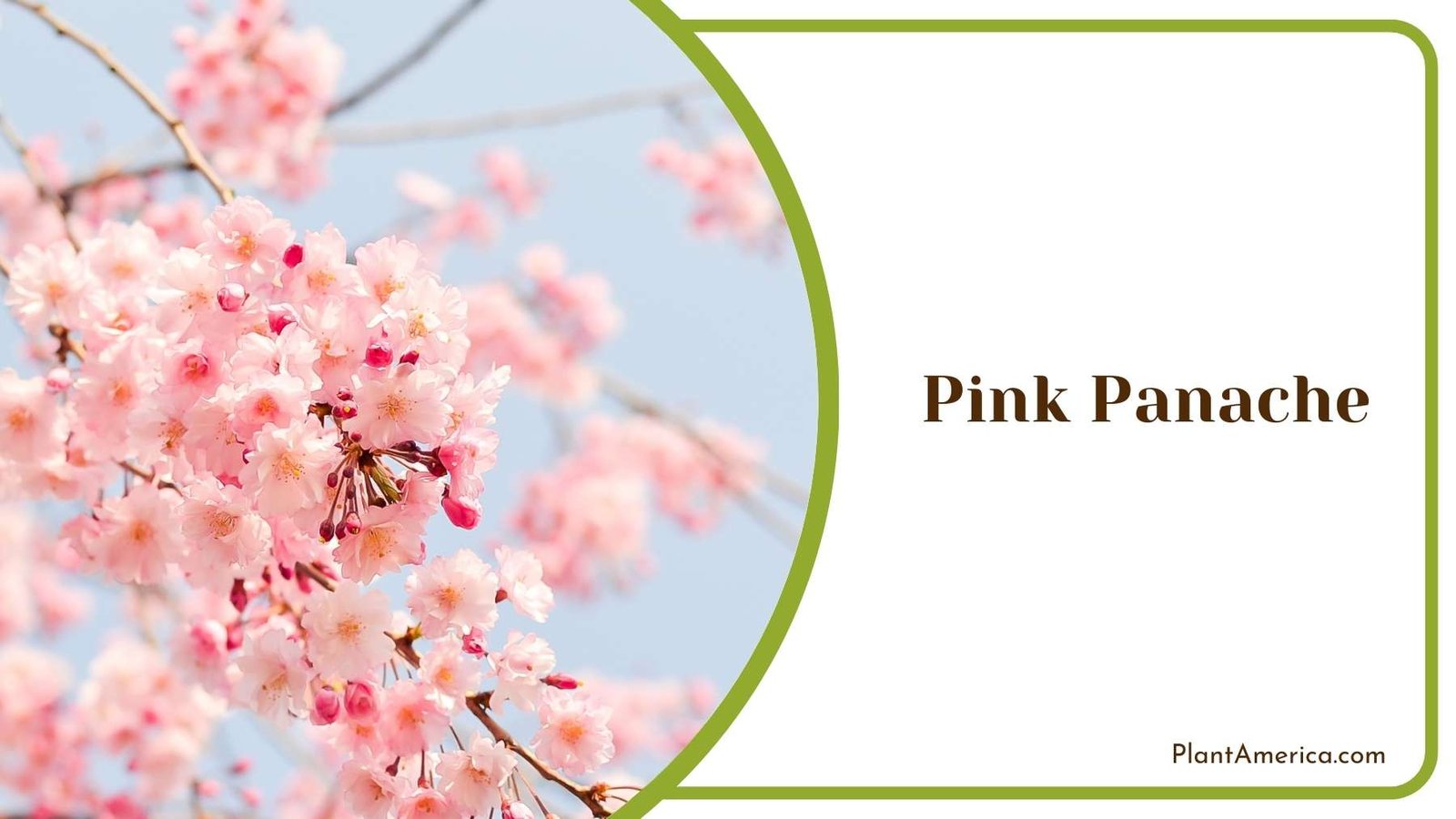
7. Pink Panache
- Growing season: Blooms January through March
- Afternoon shade favored
- Leaf shape: Glossy leaves, Rounded leaves
- Specific needs: Rich, Consistently moist soil, Mulch well
- Common pests: Aphids, Spider mites
The Pink Panache hydrangea is sure to bring panache to any garden with its showy blooms. Throughout summer, large flower heads measuring 10-12 inches across emerge in a shimmering palette of soft pink hues. Individual florets begin pale and mature to shades of blush, rose, and cream—creating an airy, multidimensional texture.
The sheer magnitude and subtlety of color make these hydrangea blooms truly striking. Growing 3-4 feet tall and wide, Pink Panache forms a lush shrub with personality to spare. Its traits don’t stop at the flowers, either—heavy glossy leaves provide interest even after blooming.
Hardy and trouble-free, this hydrangea is ideal for landscapes, beds, or patio containers with morning sun to light shade. As the season progresses, its florets may take on tones of blue or purple in more acidic soils. Either way, the Pink Panache delivers great architectural structure combined with flamboyant panache to any setting it brightens with its beauty.
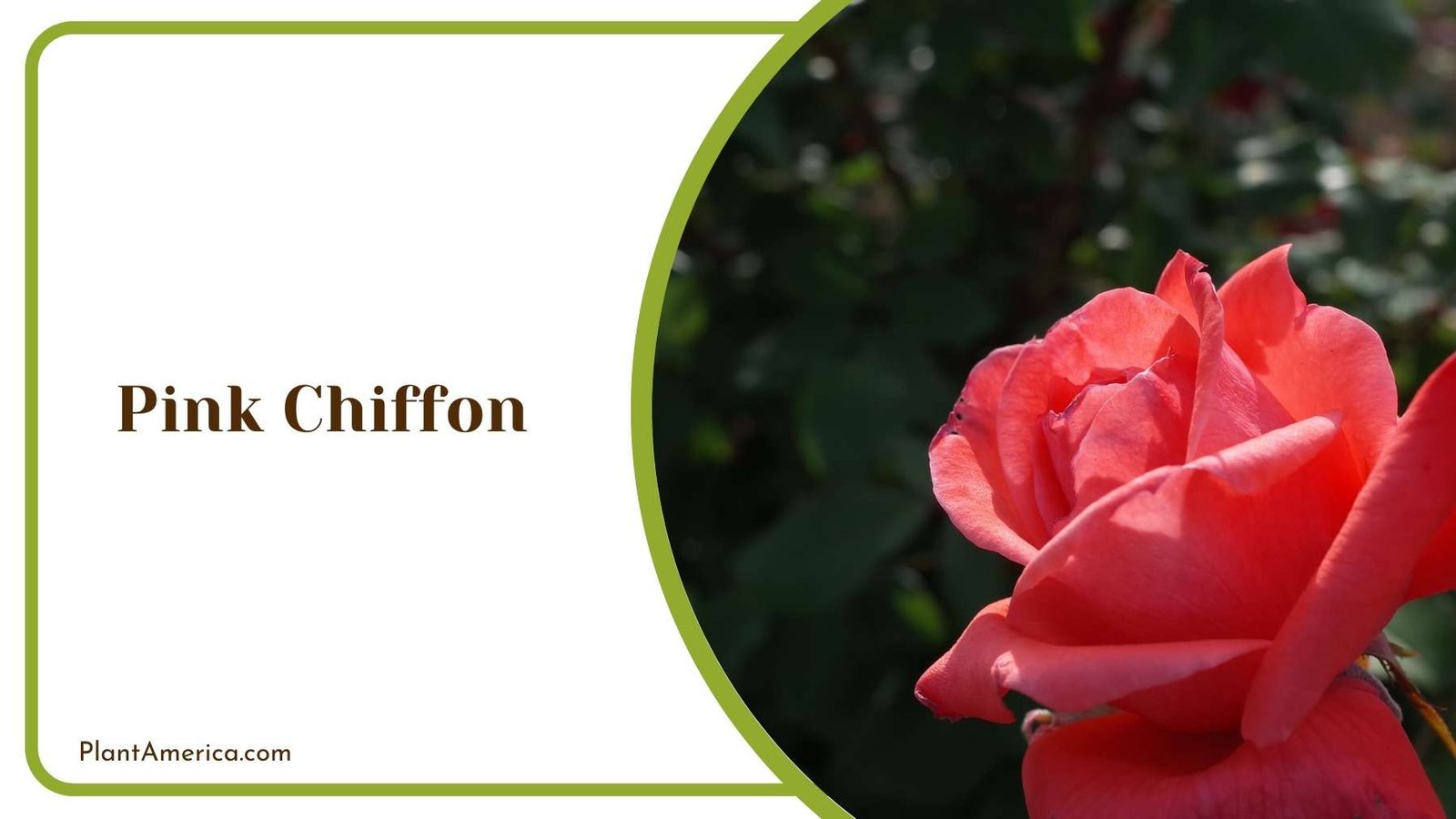
8. Pink Chiffon
- Growing season: Blooms January through March
- Afternoon shade favored
- Leaf shape: Dark green leaves, Oval leaves
- Specific needs: Rich, Consistently moist soil, Mulch well
- Common pests: Aphids, Spider mites
The Pink Chiffon rose presents a vision of ethereal femininity in the garden. Its soft pink blooms appear by the dozen, seeming to float delicately on graceful arching canes. As the buds first emerge, they display the palest blush of pink—like the finest silk chiffon. But as they fully unfurl, a charming flush of rose develops, remaining see-through and translucent.
Below the blooms, neat dark foliage acts as the perfect backdrop for this elegant star. Reaching four to five feet tall and wide at maturity, Pink Chiffon has an arching, vining form suited well to garden beds, patios or trellises. It prefers full sun but can handle some light shade with fewer blooms.
Repeatedly bearing its lacy blossoms throughout the warm months, this rose brings romantic grandeur and refined charm. Its ethereal grace and subtle color make quite an impression, lifting the mood with its delightfully soft and feminine presence..
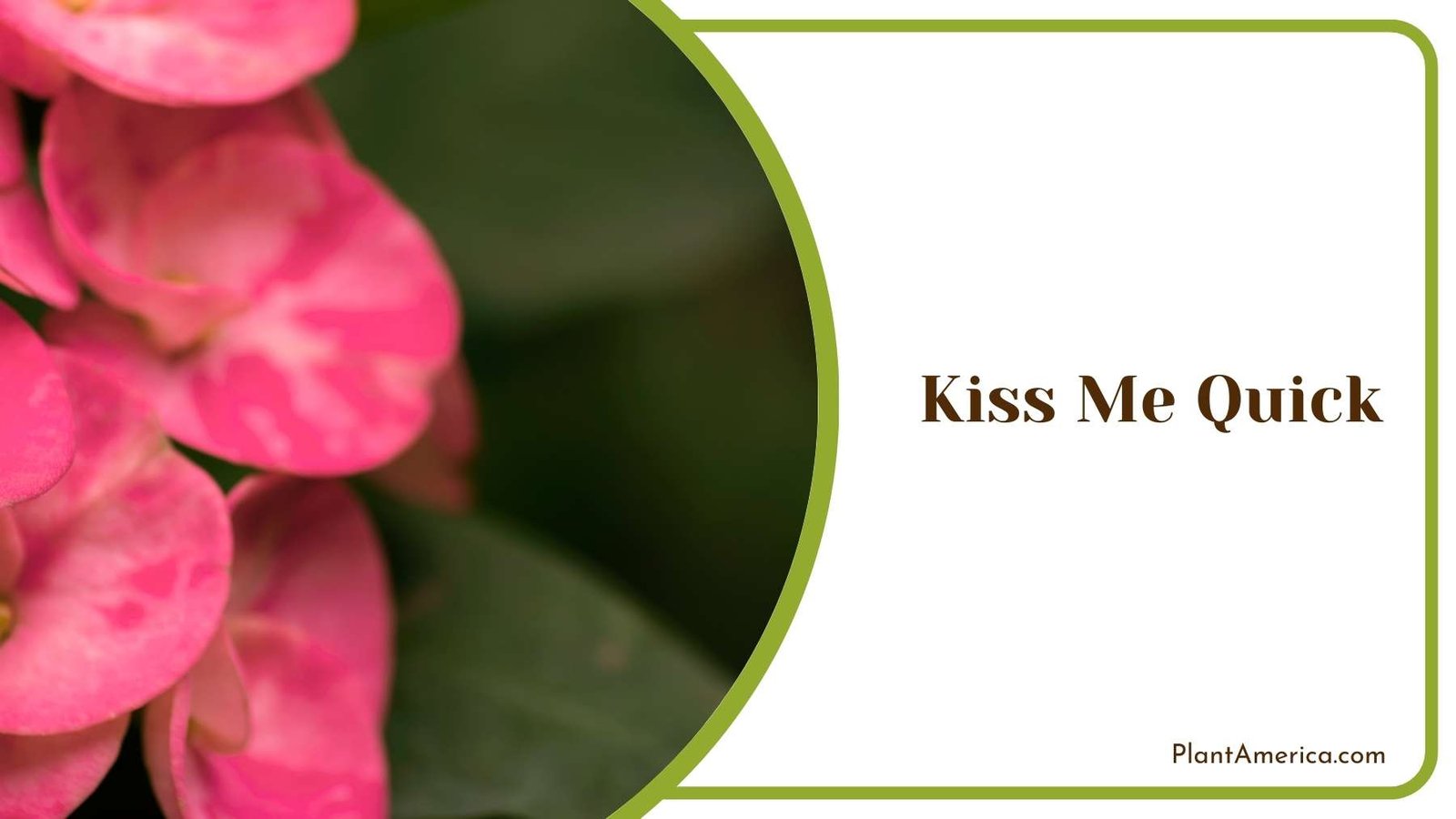
9. Kiss Me Quick
- Growing season: Blooms January through March, : Afternoon shade favored
- Leaf shape: Glossy leaves, : Heart shaped leaves
- Specific needs: Rich, : Consistently moist soil, : Mulch well
- Common pests: Aphids, : Spider mites
The aptly named Kiss Me Quick succulent lives up to its romantic name with its abundance of delicate pink flowers. Its common name comes from the fleeting nature of the blooms, which open for just one day before withering away. However, this is made up for by the profuse and constant flowering it produces throughout the spring and summer months.
The rosettes of Kiss Me Quick form tight rounded clusters of gray-green leaves just over an inch across. In optimal growing conditions, the rosettes will sprawl happily, looking like spilling jewels across the soil. Come late spring and summer, short stalks bearing single pink flowers emerge from the leaf axils.
Kiss Me Quick thrives in sunny, well-draining soils and moderate watering. It hails from rocky hillsides in Paraguay, so heat and drought tolerance are strong suits. In containers or rock gardens, its shimmering rosettes cascade beautifully over edges while flowers drift above.
Propagation is simple via leaf cuttings laid on dry soil, where they will sprout small plantlets. In just a few growing seasons, a single plant can multiply abundantly to give to friends. Its easy care and profuse blooming make Kiss Me Quick a charming option for sunny yards, patios or window sills.
With rosettes that resemble pressed flowers and blooms that offer fleeting floral moments, Kiss Me Quick captures the magic and ephemeral nature of romance in the botanical world. Its delicate beauty brings a sweet touch and thrill of discovery to any sunny locale it chooses to adorn come spring and summer..
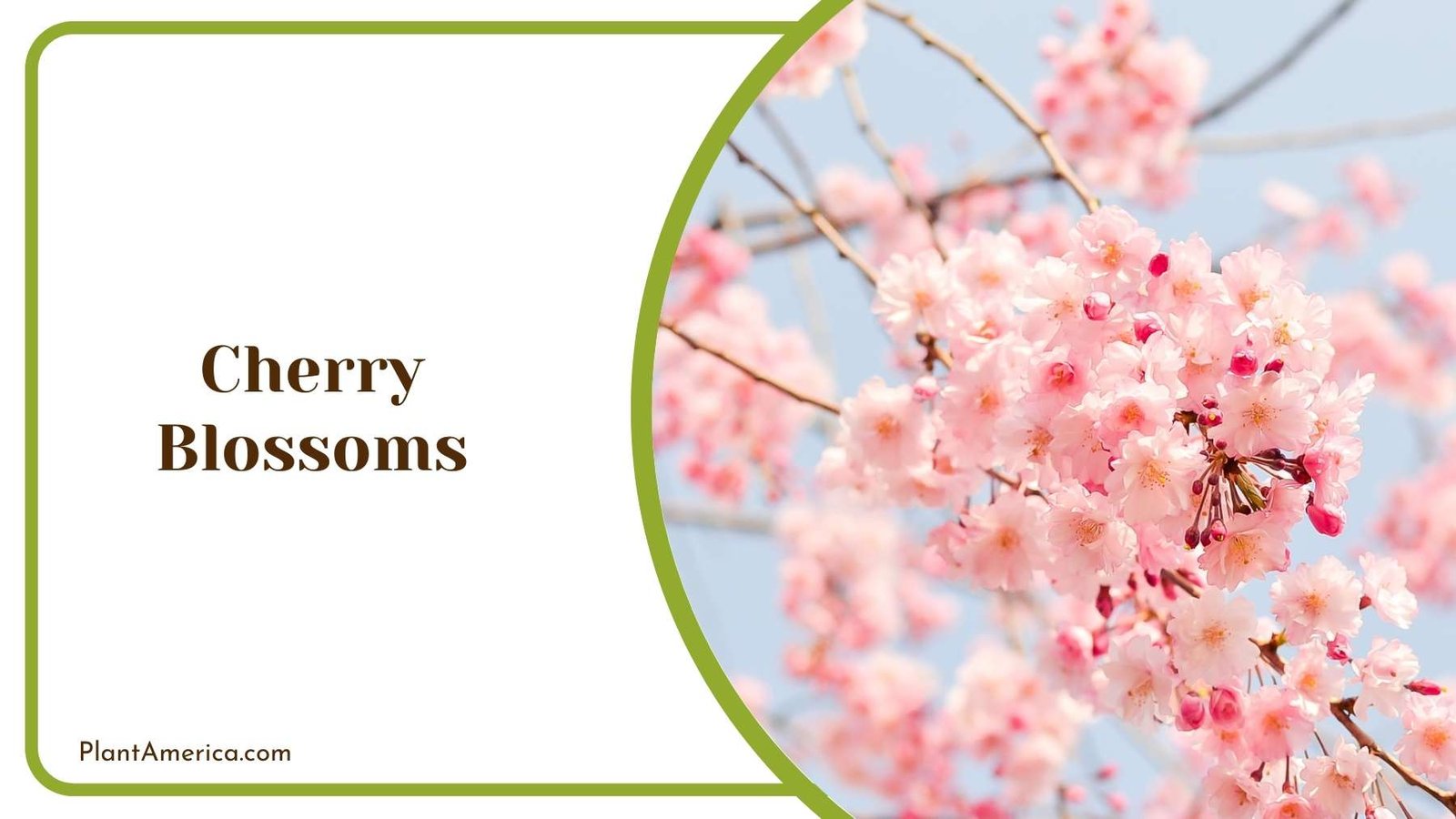
10. Cherry Blossoms
- Growing season: Blooms January through March
- Afternoon shade favored
- Leaf shape: Dark leaves, Oval leaves
- Specific needs: Rich, Consistently moist soil, Mulch well
- Common pests: Aphids, Spider mites, Watch for root rot in soggy patches
Cherry Blossom Kiss brings the delicate beauty of cherry blossoms to gardens in a compact shrub. Starting in early spring, clusters of pale pink buds emerge along its branches. As the buds open, they reveal soft pink blooms that look just like cherry blossoms. Each flower has five rounded petals surrounding a yellow center. Their color is a very faint baby pink, as if kissed by blushing cherry blossoms.
This deciduous shrub grows three to four feet tall and wide at maturity. After its spring blooming, it develops lovely green leaves for the rest of the year. In fall, the leaves take on shades of yellow, orange and scarlet before dropping for winter.
Cherry Blossom Kiss thrives in zones five to nine with full to part sun. Its flowers are short-lived but plentiful for two to three weeks each spring. Hummingbirds and bees are attracted to the abundant nectar.
This carefree shrub enhances spring’s beauty without requiring pruning or pampering. Its delicate blooms and colorful foliage provide seasonal interest that continues all year. A lovely addition for fans of cherry blossoms and casual gardens.
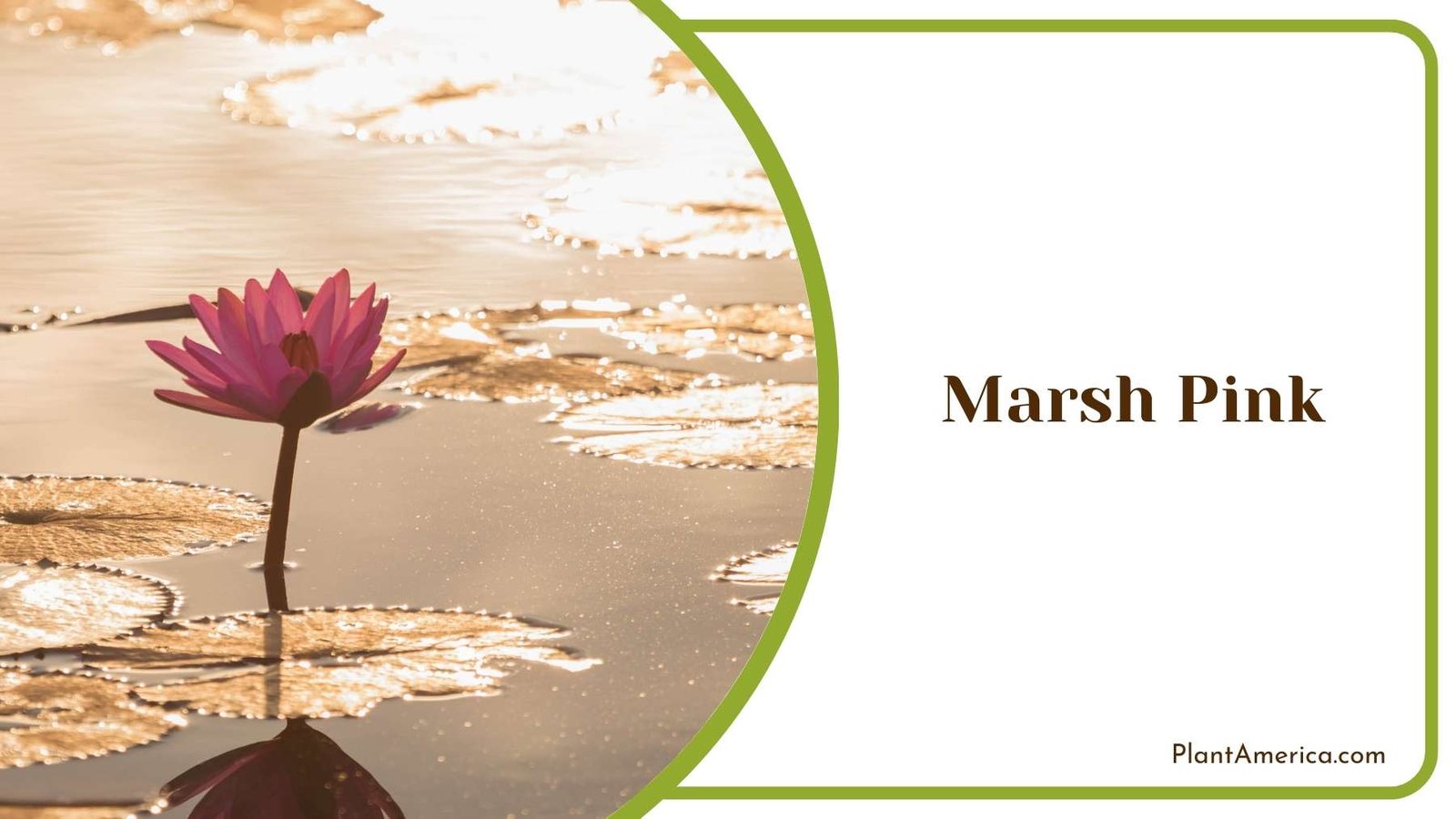
11. Marsh Pink
- Growing season: Blooms January through March, Afternoon shade favored
- Leaf shape: Glossy leaves, Heart shaped leaves
- Specific needs: Rich, Consistently moist soil, Mulch well
- Common pests: Aphids, Spider mites, Watch for root rot in soggy patches
The Marsh Pink is a delicate wildflower that blooms in wet meadows and marshes in early summer. Its cheerful pink flowers nod gracefully above thin, wiry stems that can reach up to 2 feet tall.
Each pink blossom, about an inch wide, has five rounded petals and a greenish center. The flowers are prolific, completely covering the erect stems. Blooming from June to August, the Marsh Pink creates a lovely pink carpet amidst reedy marsh vegetation.
The oval gray-green leaves of the Marsh Pink are alternate, smooth-edged, and slender. They remain small, only about an inch long, for the entire growing season. After blooming finishes in late summer, seed capsules form that eventually split open to disperse fruits.
Native to North America, the Marsh Pink grows naturally in wet, soggy soils alongside streams, pond edges, fens, and bogs. It prefers full sun but can tolerate partial shade. Good drainage is important, though it is adapted to seasonally flooded conditions.
While a delicate wildflower, the Marsh Pink is quite resilient. Its diminutive size allows it to peek above cattail rushes and sedges while avoiding being overwhelmed. Birdwatchers enjoy its nectar attracting hummingbirds and butterflies to marshes.
Home gardeners can cultivate Marsh Pinks by sowing seeds indoors early and transplanting outdoors after danger of frost. It also spreads readily via reseeding once established. An ideal choice for inclusion in native wetland gardens or naturalistic restorations.
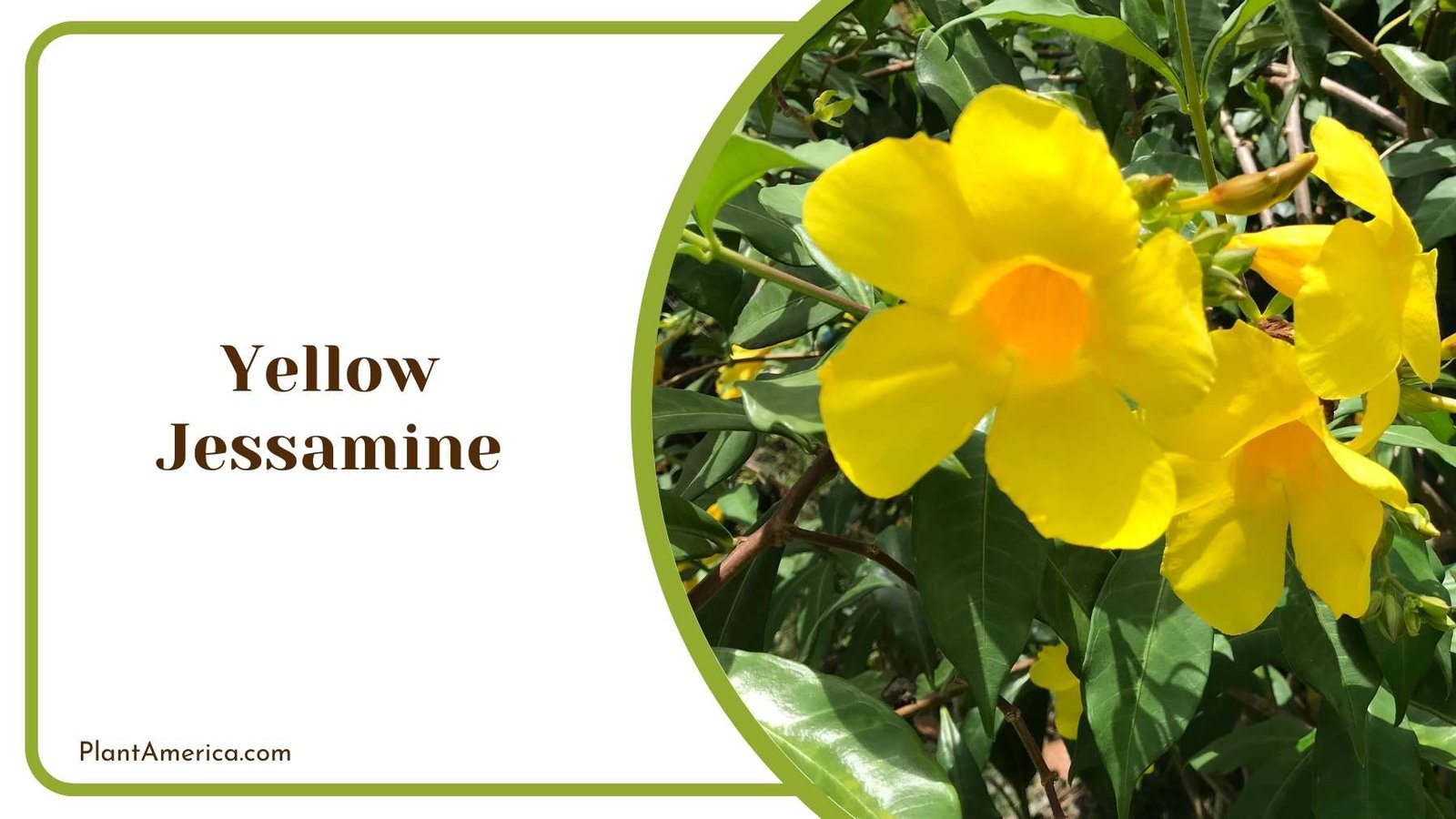
12. Yellow Jessamine
- Growing season: Blooms January through March, Afternoon shade favored
- Leaf shape: Dark leaves, Oval leaves
- Specific needs: Rich, Consistently moist soil, Mulch well
- Common pests: Aphids, Spider mites, Watch for root rot in soggy patches
The cheerful yellow jessamine vine is a beautiful spring blooming climber known for its abundance of fragrant yellow flowers. Native to woodland areas of eastern North America, it is well-suited to thrive in partly shaded gardens.
As temperatures rise in spring, four-petaled flowers emerge in clusters at stem tips and leaf nodes. Individual blossoms are about half inch wide with small yellow centers. The pleasantly scented flowers attract beneficial pollinators throughout the day.
Once established, a vigorous vine can grow 15 feet or more in a single season, blanketing fences, arbors or small trees in flowers. The glossy evergreen leaves provide green cover even after blooms have faded by early summer. In fall and winter, clusters of blue-black berries featuring a single seed add visual interest.
Yellow jessamine vines thrive with only occasional watering once established. They prefer rich, well-draining soil in partly sunny spots protected from harsh winds. No serious pests generally trouble this resilient native. Pruning after flowering helps shape growth and encourage repeat blooms the following spring.
With a carefree climbing habit suited to any climate zone in the South, yellow jessamine brings cheerfulness with golden blossoms and fragrance. Whether rambling over walls, fences or draping through shrubs, it ensures delightful color and texture throughout the year. For gardens seeking early blooms and continuous green cover, yellow jessamine is a superb choice..
13. Swamp Milkweed

- Growing season: Blooms January through March, Afternoon shade favored
- Leaf shape: Glossy leaves, Rounded leaves
- Specific needs: Rich, Consistently moist soil, Mulch well
- Common pests: Aphids, Spider mites, Watch for root rot in soggy patches
Swamp milkweed is a hardy native perennial that thrives in wetland habitats. With thick stems rising two to five feet tall from a thick rhizomatous root system, it is an iconic sight in marshes, fens and wet meadows across eastern North America.
In summer, dense spikes of fragrant pink flowers appear at stem tips, attracting myriad pollinators. Individual blossoms have five distinct petals clustered densely together. After blooming completes in early fall, narrow seed pods form that persist into winter, splitting open to release silky seeds on fluffy white threads.
The stalks and branches are lined with smooth oval leaves that remain attractive shades of green all season. Come autumn foliage takes on hints of bronze and yellow before leaves drop for the winter dormant period.
Thriving in seasonal wet or continually moist rich soils, swamp milkweed establishes readily to form dense colonies. Tolerant of seasonal flooding or only periodic wet feet, it is an invaluable native for restoring wetland habitats or rain gardens.
The flowers provide crucial food for declining monarch butterfly populations while the plants themselves host monarch caterpillars. Birds also enjoy seeds through winter. Cultivation is simple via division or seed starting indoors before transplanting outdoors in spring.
With attractions spanning seasons from fragrant flowers to seed pods and beneficial associations, swamp milkweed is an ecologically valuable addition to any property seeking to nurture local wildlife. It spreads determinedly via rhizomes ensuring lasting natural beauty and nourishment.
14. Dense Blazing Star

- Growing season: Blooms January through March, Afternoon shade favored
- Leaf shape: Glossy leaves, Heart shaped leaves
- Specific needs: Rich, Consistently moist soil, Mulch well
- Common pests: Aphids, Scale insect
Dense blazing star is a classic North American prairie wildflower that brings beauty and pollinator appeal to gardens each summer. Clump-forming perennial clumps grow two to four feet tall on wiry stems holding dense spikes of lavender-pink flowers.
From July through September, individual star-shaped florets in shades of soft magenta or lavender color the spikes. They resemble small pom-poms dangling along the stem, attracting butterflies, bees and hummingbirds seeking nectar.
The thick stems arise from grass-like tufts of narrow gray-green leaves. Beyond the blooming period, fluffy white seed heads take shape, resembling miniature fireworks plumes. Foliage takes on subtle burgundy-bronze hints prior to dying back for winter.
Well-drained soil and full sun bring out the best in dense blazing stars. They tolerate some dry conditions once established in gardens. Frequent division every three to five years reinvigorates clumps and spreads the plant further.
Whether naturalizing in meadows or prairie restorations, adding texture to perennial borders, or punctuating rain gardens, dense blazing stars bring delight. Come late summer its vivid blooms stand out amongst fading flowers, serving as a beacon until first frosts. Seedheads continue providing structure and interest into fall and winter too.
As a quintessential prairie native, dense blazing star supports diminishing pollinator populations. Dividing and sharing with gardening friends ensures this durable plant remains widespread as an iconic summer bloom and wildlife supporter everywhere.
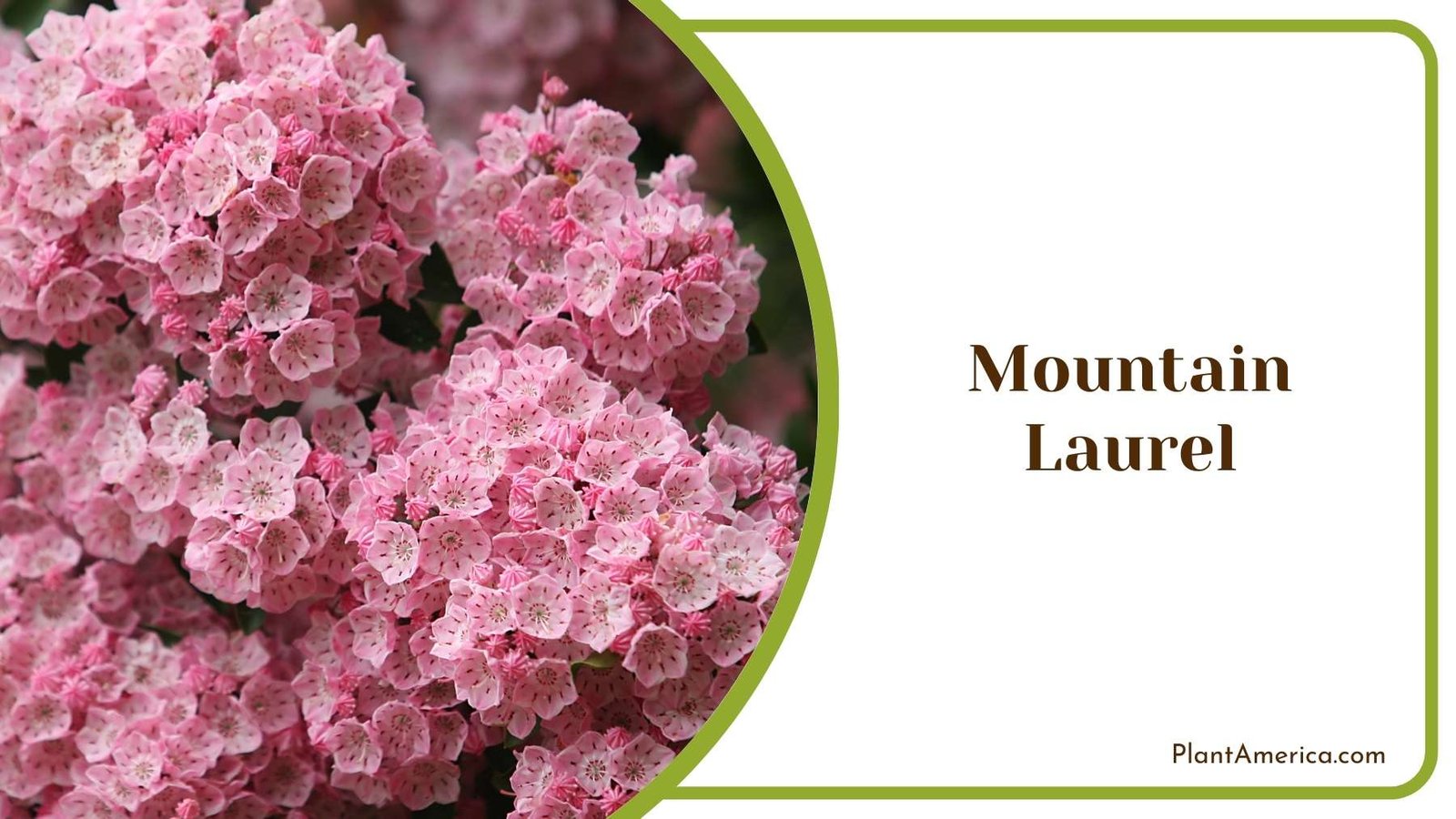
15. Mountain Laurel
- Growing season: Blooms January through March, Afternoon shade favored
- Leaf shape: Glossy leaves, Heart shaped leaves
- Specific needs: Rich, Consistently moist soil, Mulch well
- Common pests: Aphids, Scale insect
Mountain laurel is an iconic broadleaf evergreen shrub indigenous to eastern North America. In spring, clusters of perfect umbel-shaped flowers blooms disguise the plant in pastel pink, white or sometimes lavender color.
The fragrant blooms emerge directly from old wood on the branches in early spring before the new foliage. This incredible floral display can persist for several weeks as a wonderful harbinger of warmer weather to come.
After blooming finished in early summer, the plant maintains its appealing structure and texture year-round thanks to glossy, leathery leaves. These are evergreen, remaining attached to the branches until being gradually replaced by new foliage.
Mountain laurel grows six to 12 feet tall and wide given the right conditions, developing an attractive rounded habit. It excels in partial shade within oak-hickory or pine habitats but also thrives in gardens with organic, well-draining soils.
While toxic to humans if ingested, mountain laurel flowers nevertheless attract numerous pollinators such as bees, butterflies, hummingbirds and more. Birds also relish the berries later in summer.
This rugged shrub poses few troubles even for inexperienced gardeners. Minor pruning keeps its size optimized but otherwise depends carefree once established. It also withstands heat, humidity and soul exposure tolerably.
Mountain laurel stands as a statement native planting ideal for naturalizing. Or it can serve as a structural foundation shrub, screening, or framing garden vistas with its charming springtime blooms. This enduring broadleaf evergreen warrants changing landscapes across eastern regions with its timeless mountain elegance.
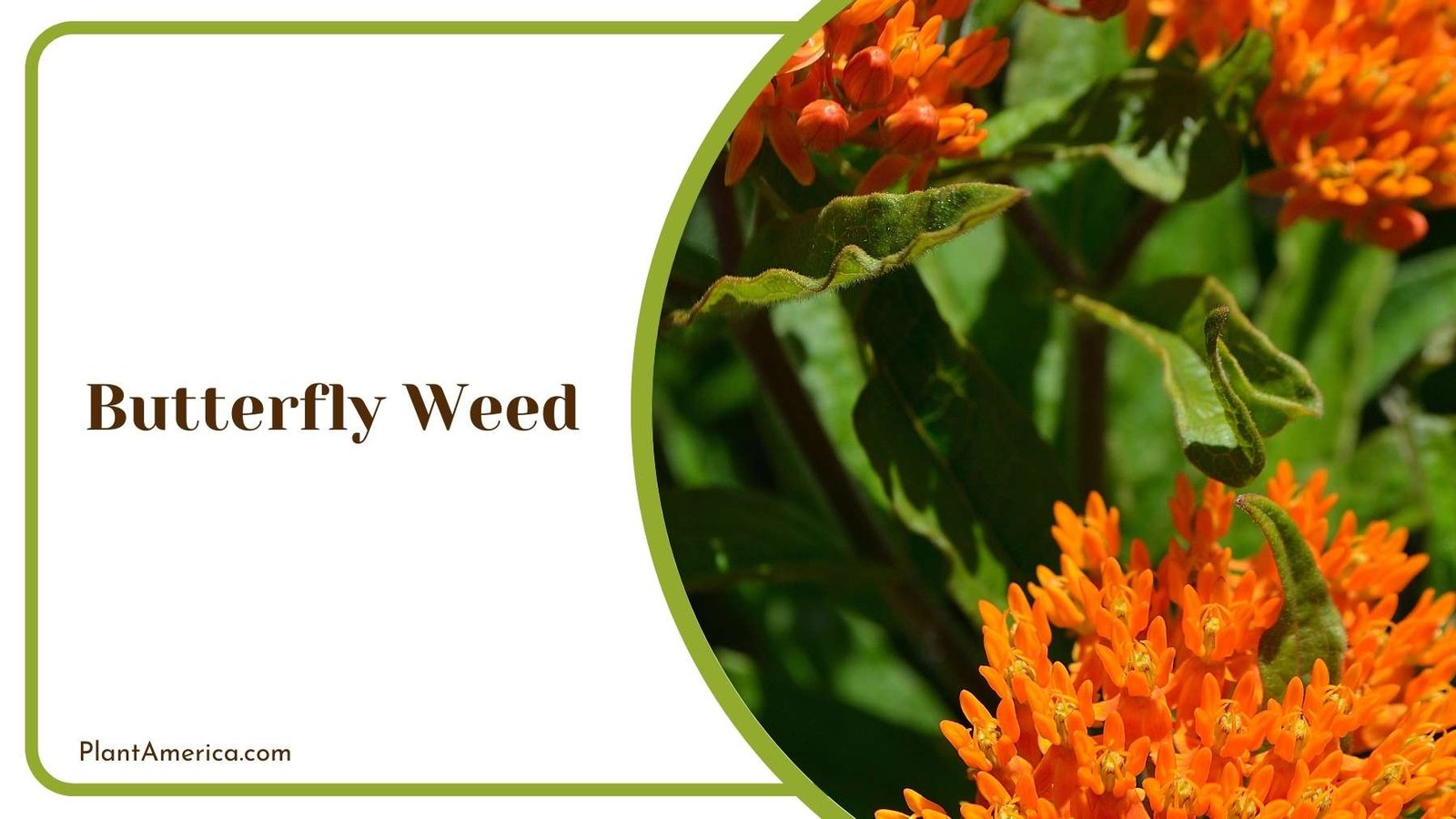
16. Butterfly Weed
- Growing season: Blooms January through March
- Afternoon shade favored
- Leaf shape: Glossy leaves, Heart shaped leaves
- Specific needs: Rich, Consistently moist soil, Mulch well
- Common pests: Aphids, Scale insect
Butterfly weed is a bold native perennial beloved by butterflies and gardeners alike. From mid summer into fall, tall spikes of brilliant orange-red tubular flowers rise above distinct basal clumps of featherlike green foliage.
Individual flowers emerge in whorled clusters all along upright stalks reaching two to four feet tall. Their nectar and pollen reward myriad butterflies and pollinators seeking food. In particular, monarchs are heavily attracted to lay eggs on the plant later in season.
After blooming finishes, fluffy seed heads form and persist through winter providing goldfinches with nutrients. Meanwhile, the foliage remains and adopts hints of burgundy and red-tones come frost, anchored by a stout taproot.
Well-drained soil in full sun is ideal to encourage sturdy growth and abundant flowers. Once established, butterfly weed proves itself resiliently drought and heat tolerant. Its taproot confers winter hardiness from zones three to nine
Bee balm’s cheerful orange sparks delight across prairie plantings, pollinator gardens, meadow restorations or sunny perennial borders. Blooms flutter thickly among grasslike foliage from late summer like fluttering butterflies themselves.
This tough native wildflower supports declining pollinator populations better than many. Its efficient spread allows generously dividing and sharing with gardening friends and organizations around the community. Butterfly weed is certain to attract winged visitors wherever met with sunshine, enriching greenspaces.
17. Wild Geranium
- Growing season: Blooms January through March, Afternoon shade favored
- Leaf shape: Glossy leaves, Rounded leaves
- Specific needs: Rich, Consistently moist soil, Mulch well
- Common pests: Aphids, Scale insect
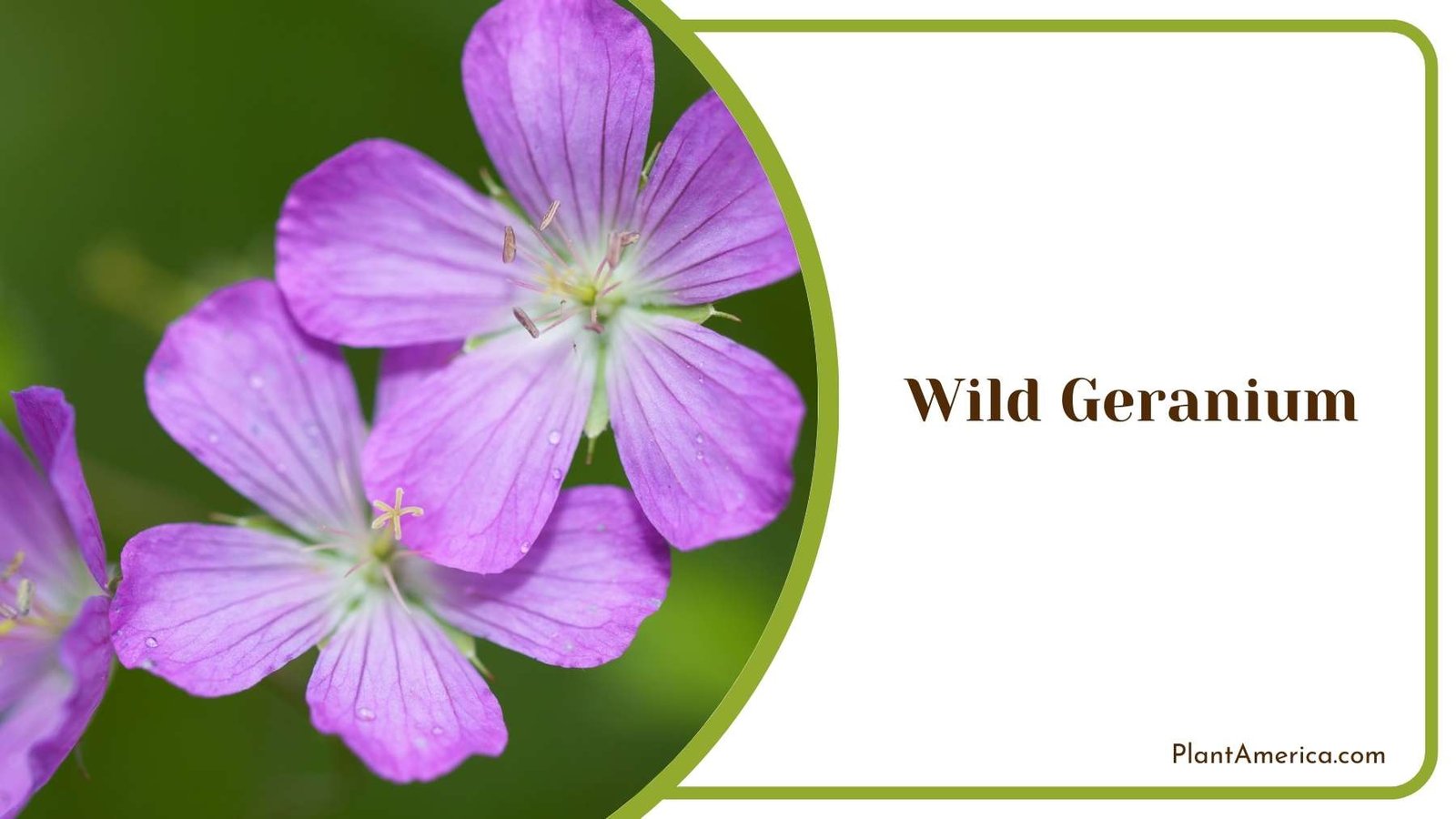
Wild geranium is a cheerful perennial wildflower native to eastern and central North America. In spring and summer, clusters of dainty five-petaled pink blooms appear above basal leaf rosettes.
Individual flowers measure about half inch wide in soft shades of rose-pink or rarely white. Blooming starts in mid-spring and may continue intermittently through summer, particularly if deadheaded. Flowering stems grow six to 24 inches tall depending on environment and variety.
The palmately lobed green leaves have deeper pink veins. Basal leaf shapes vary from rounded to kidney form, eventually turning ruddy wine shades before senescing for winter. Seeds develop inside spiraled seed pods.
Well-drained soil and partial sun bring out the best in wild geraniums. Though drought tolerant once established, they still flourish with occasional watering during hot, dry spells. Hardiness ranges north to zone three.
An adaptable groundcover, wild geraniums naturalize readily in meadow and woodland edges. Their creeping rhizomes spread to form dense carpets over time, smothering weeds naturally. Small bright blooms also grace rock gardens and perennial beds.
Butterflies, bees and hummingbirds feed from the generous nectar rewards. Later, birds enjoy seeds. As a spectacular native harbinger of springtime color followed by eye-catching foliage shifts through seasons, wild geranium is a treasure for pollinator-focused gardens..
18. Great White Trillium
- Growing season: Blooms January through March, Afternoon shade favored
- Leaf shape: Dark leaves, Rounded leaves
- Specific needs: Rich, Consistently moist soil, Mulch well
- Common pests: Aphids, Scale insect
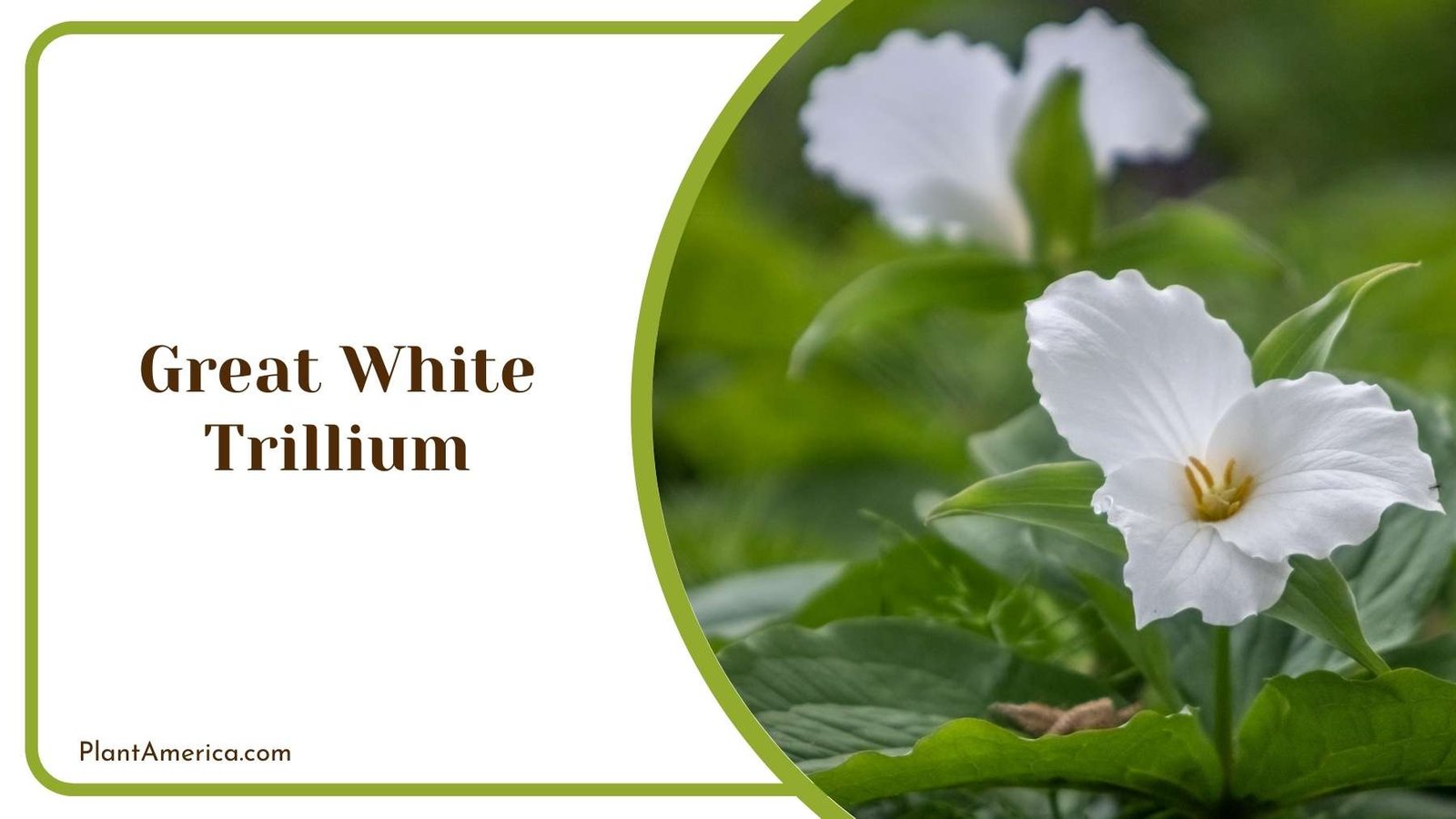
The great white trillium is a stately native wildflower of eastern North American hardwood forests. In early spring, solitary white blooms emerge directly from the ground on tall stems reaching up to two feet tall.
Each blossom has three broad white petals and three oval green sepals containing reproductive structures. Flowers face upward and outward on thin erect stalks above a whorl of three large oval leaves. Blooming occurs very early, sometimes even poking through snow in woodlands of the Northeast.
After flowering wraps up by late May, fruit capsules begin to form containing red seeds. Leaves gradually yellow and senesce through summer, often remaining on the plant until the following spring. All above ground parts then die back until next blossoming.
Prized for their unique beauty, great white trilliums grow from rhizomes in rich, moist, well-draining partially shaded woodland or forest edge habitats. There they form slowly expanding colonies naturalized in the understory.
While protected in some areas, trilliums remain somewhat ephemeral spring ambassadors. Their singular blooming may be enjoyed for just two to three weeks depending on the year’s weather patterns. Afterward, their stately structure and foliage persist into summer as reminders seen poking from leaf litter.
For any woodland garden seeking to cultivate an aura of wildness and harmony with nature, great white trilliums are premier choices. Few spring wildflowers match their elegant simplicity and delicacy of presence.
19. Wild Bergamot

- Growing season: Blooms January through March, Afternoon shade favored
- Leaf shape: Glossy leaves, Rounded leaves
- Specific needs: Rich, Consistently moist soil, Mulch well
- Common pests: Aphids, Camellia weevils
Wild bergamot is a lovely midsummer blooming native wildflower found across central and eastern North America. Known as bee balm, its zigzagging stems bear whorls of soft pink flowers beloved by pollinators.
From July to early September, dense spikes of tubular flowers emerge in shades of pale pink to lavender. Individual blooms have fuzzy magenta interiors and pronounced lips that easily collect pollen. The flowers attract hummingbirds, butterflies and a wealth of other pollinators with their alluring nectar.
After blooming subsides, seedheads take shape resembling small brush strokes. Leaves are softly fuzzy, with coarse tooth edges and an aromatic citrus scent when crushed. They provide greenery through fall before senescing for winter.
Found in sunny meadows, prairies and open woodland edges, wild bergamot thrives in well-draining soil. It tolerates drought once established and spreads readily via underground rhizomes. Hardiness ranges from zones three to nine.
Cultivation favors dividing clumps every three to four years or collecting fluffy seeds for starting new plants. Pinching stems promotes bushier habits and repeat blooming. Generally pest and disease-free.
Few native wildflowers match the cheerful impact and longevity of wild bergamot blooms through the dog days of summer. Beloved by pollinators and admirers alike, it imparts essential wildlife value with its bright waterside meadow presence. An ornamental recommendation for any garden nurturing the balance of nature’s beauty.
20. Red Columbine
- Growing season: Blooms January through March
- Afternoon shade favored:
- Leaf shape: Dark leaves, Heart shaped leaves
- Specific needs: Rich soil, Consistently moist soil, Mulch well
- Common pests: Spider mites, Camellia weevils
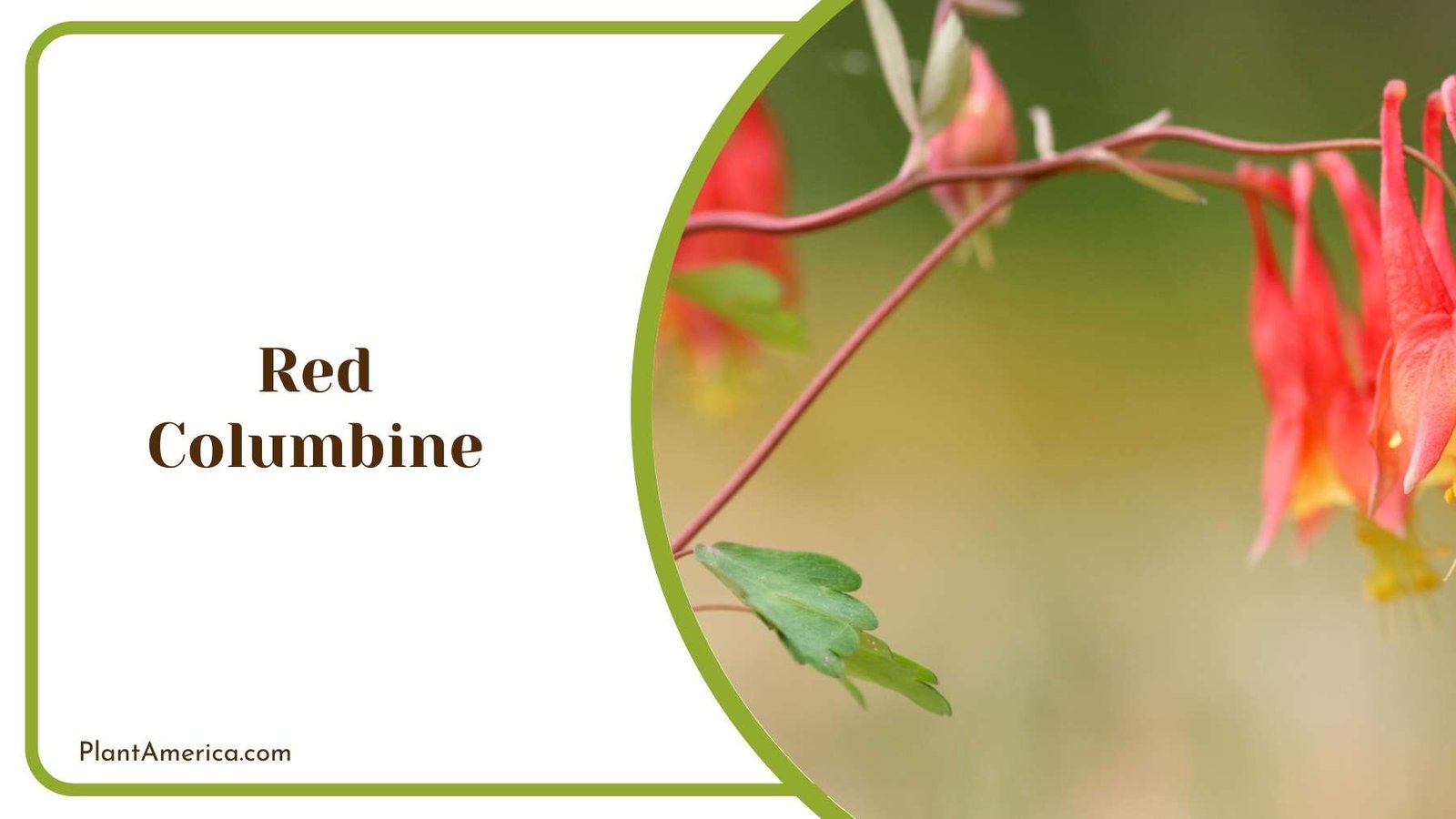
Red columbine is a darling native wildflower that adds whimsical charm to woodland gardens each spring. Delicate nodding blooms dangle from thin stems like tiny hanging baskets of red, pink and yellow.
From late spring through early summer, individual columbine flowers open in shades of rosy red, with five backward-curving spurred petals surrounding a copse of bright yellow stamens and pistils. Some cultivars also bear white or bicolored blooms.
The lush green foliage is made up of finely cut, delicate leaflets that remain trimley compact even after blooming finishes. Seed heads follow, bursting with feathery plumes that disperse downy seeds on the breeze.
Ideal columbine habitat mimics partial shade of deciduous woodlands, especially where moisture is ample and soils well-draining. Once established, plants prove reasonably drought tolerant and winter hardy.
Hummingbird moths, butterflies and hummingbirds revel in this lovely native’s nectar rewards. Later, seedheads feed birds through winter. Whether naturalizing amid ferns and hostas or bordering a shaded seating area, columbine brings enchantment.
Easy from seed or division, columbines also readily self-sow modestly without becoming invasive. Their whimsical grace looks charming alongside epimediums, bleeding hearts and ferns in a wildwood garden evoking simpler times. All in all, a superb choice for any shaded setting seeking native floral charm.
Conclusion
This collection features stunning flowers with eye-catching blooms varieties well-suited to North Carolina’s climate:
- The Southern Belle hibiscus is a true beauty that brings vivid color and tropical flair to gardens.
- Pink Princess camellias bearing rounded flowers in a luminous shade of pink, evoking splendor.
- Red columbine is a darling native wildflower that adds whimsical charm to woodland gardens each spring.
Whether seeking single statement specimens, mixed borders, or casual naturalizing, one will find several varieties to suit any garden goals or microclimates within this collection. For those wishing to experience camellias’ delightful charm and ethereal beauty in Carolina winters and beyond, exploring these top thirty-five pink performers is a worthwhile journey.