
Mealybugs on Calathea can quickly lead to the decline of your indoor beauty. To ensure a healthy plant, it’s crucial to regularly inspect its large, round leaves for any signs of damage.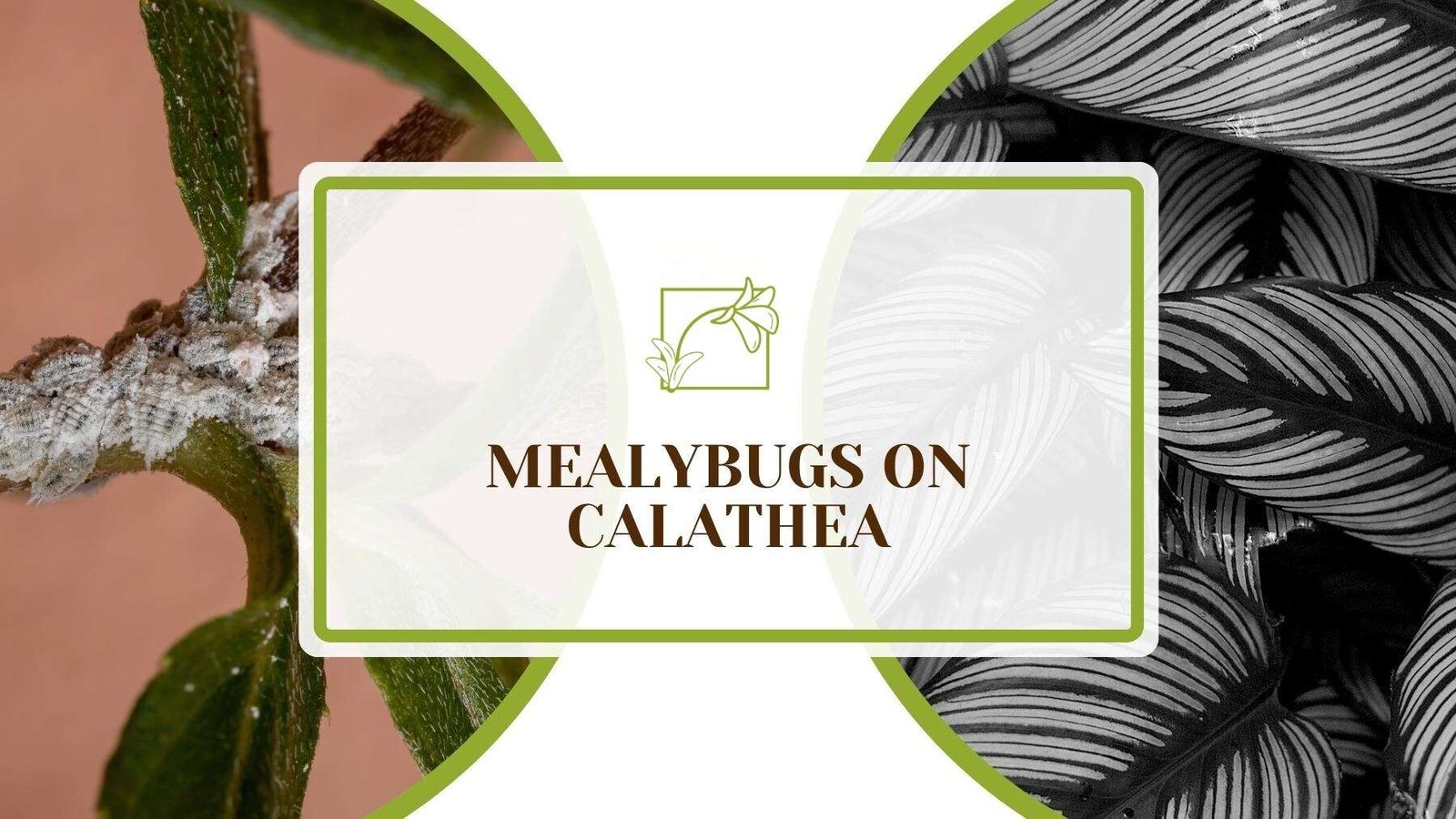
These little critters leave a characteristic sign, so if you happen to discover them, we have several methods to share for effective removal. And when it comes to identifying the infection, we’ve got you covered as well, so let’s get started!
How to Identify Mealybug Damage on Calatheas
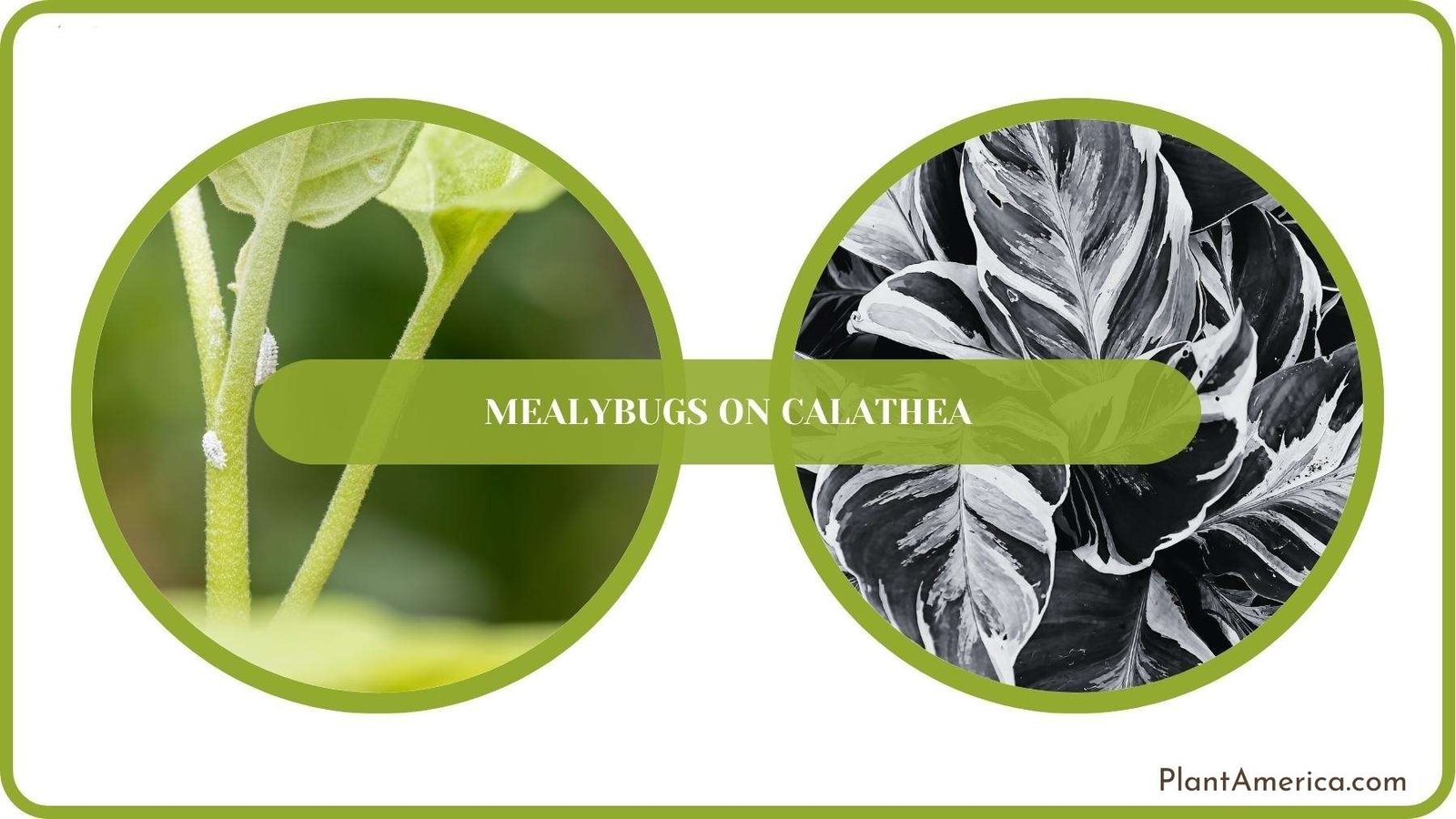
To identify mealybug damage on Calatheas, check for a cottony substance or honeydew residue on the leaves of your plants. These tiny pests earned their name due to the waxy residue they leave behind on leaves.
Though individually inconspicuous, their striking white color and fuzzy, velvety texture help distinguish them from other minuscule plant nuisances, like spider mites and fungus gnats.
Among the common intruders in indoor plants, including the delicate Calatheas of the Marantaceae family, are mealybugs. If you happen to notice a sticky feel on your Calathea plant‘s leaves or the appearance of a dark, sooty substance, it’s a clear sign of mealybug presence, as they tend to excrete a substance called honeydew.
Even the most robust Calathes can fall victim to mealybug invasions, often gaining access by hitching a ride on the plant itself or arriving with a new addition to your plant collection. But how can you identify them in their early stages? Let’s explore the primary signs of damage made by mealybug infestations!
– Is the Environment Too Warm or Moist
First, we have to look at ourselves, and drenching your Calatheas and leaving them in too hot of an environment can generate a habitat that mealybugs thrive in for reproduction and survival.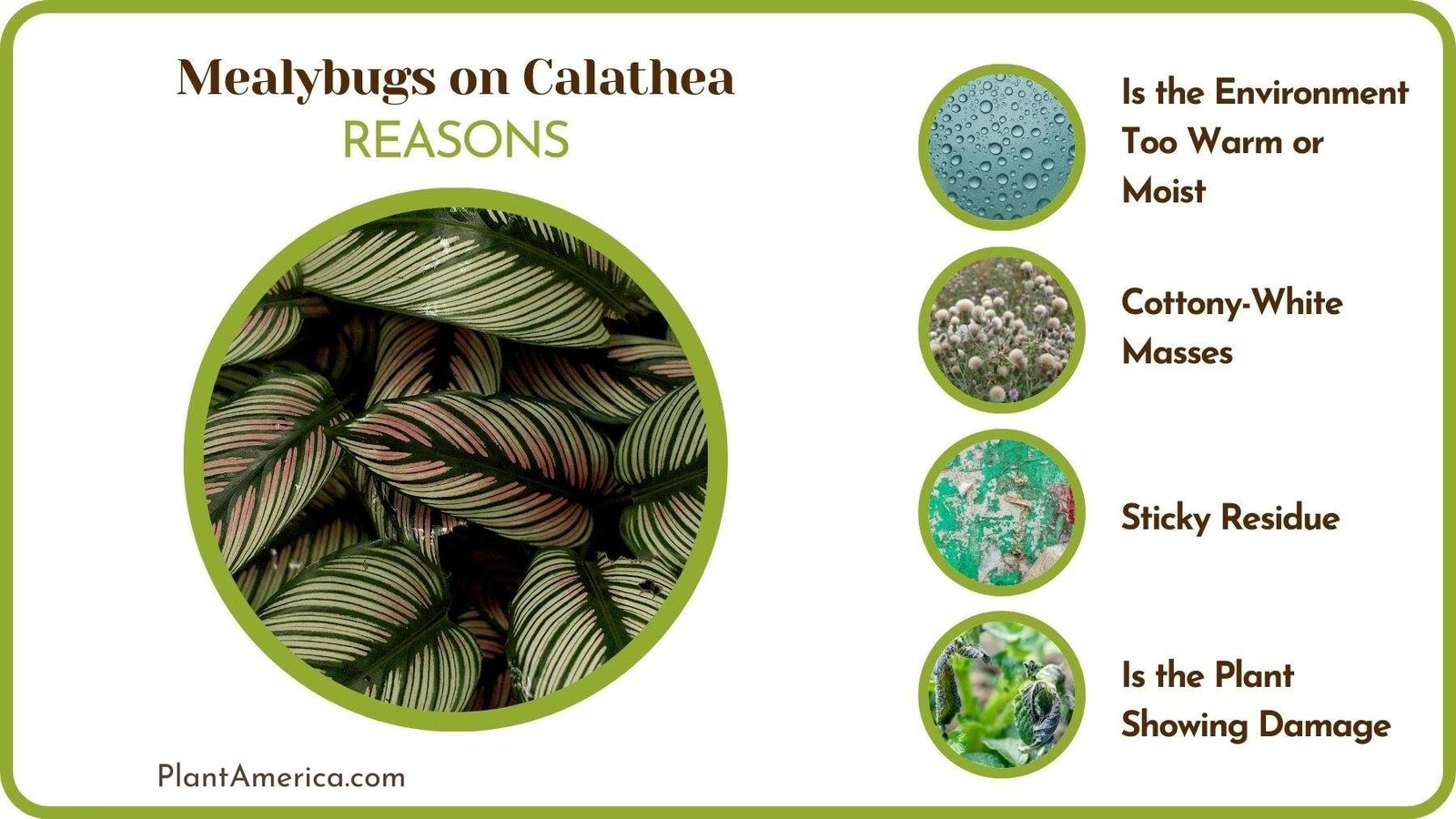
In such a weakened state, the natural mechanisms that protect against these pests are compromised, rendering the plants progressively more susceptible to infestation.
Hence, adopting appropriate watering practices is crucial. Ensure that you let the upper inch of the soil dry out between waterings and verify that the pot of your Calathea has adequate drainage to avert waterlogging.
– Cottony-White Masses
Spotting mealybugs on your calatheas necessitates identifying the unique cottony colonies they create. Early detection is pivotal for timely intervention. These clusters bear a resemblance to tiny white cotton-like tufts and often inhabit concealed nooks and crannies on the plant.
To catch them in their early stages, establish a routine of inspecting your plant. Focus your attention on these concealed crevices. Glide your fingertips gently along the junctions of stems and in areas where stems meet the soil.
– Sticky Residue
At some point in their life cycle, mealybugs will produce a secretion known as honeydew, a viscous liquid they discharge while feeding on plant sap. This honeydew can amass on leaves, stems, and nearby surfaces, resulting in a visible sticky residue.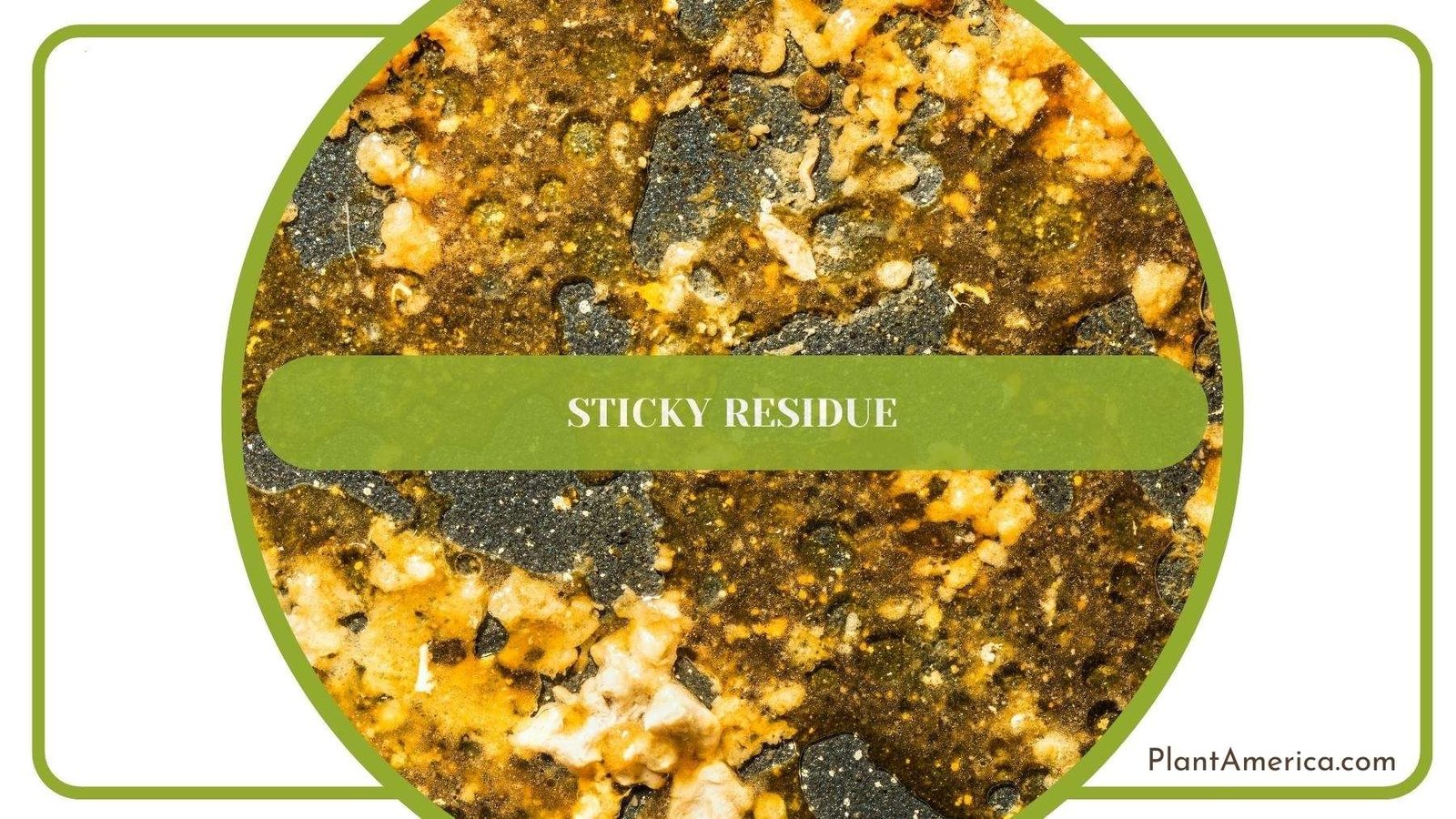
Regularly inspect your plant’s leaves, stems, and hidden areas. Watch for any glossy or adhesive patches on the plant’s surfaces. Gently run your fingers across the leaves and stems. If you feel a sticky or clingy sensation upon touch, it might signify the presence of honeydew left by mealybugs.
This sticky substance can become a breeding ground for fungal pathogens, eventually fostering the growth of a dark, sooty mold.
– Is the Plant Showing Damage
The invasion of mealybugs will inevitably lead to a decline in the plant’s growth and overall development. If you observe that your calathea is exhibiting reduced vigor in its growth or producing smaller-than-usual new leaves, this could be an indication of pest harm.
Affected leaves might begin to curl or display deformities. These distortions often stem from mealybugs feeding on the plant’s tissues, causing the leaves to take on irregular shapes. Additionally, the presence of leaves turning yellow, coupled with symptoms like the emergence of brown spots, could also be attributed to mealybug infestation.
As the bugs extract the plant’s sap, it can result in leaf wilting and drooping, mirroring symptoms reminiscent of root rot. This wilting can manifest even if the plant is receiving adequate watering, as the pests disrupt the plant’s capacity to efficiently absorb water and essential nutrients.
How To Get Rid of Mealybugs From Calatheas
Although there are numerous indicators to detect an early mealybug infestation, effectively combating them demands a distinct set of strategies. You have an array of choices to explore. While tailoring your pest control approach to best fit your plant is essential, it’s recommended to diversify your efforts and simultaneously experiment with several different methods!
– Prune Affected Plant Parts
Trim away impacted leaves and stems using sanitized shears, then properly dispose of the removed portions. 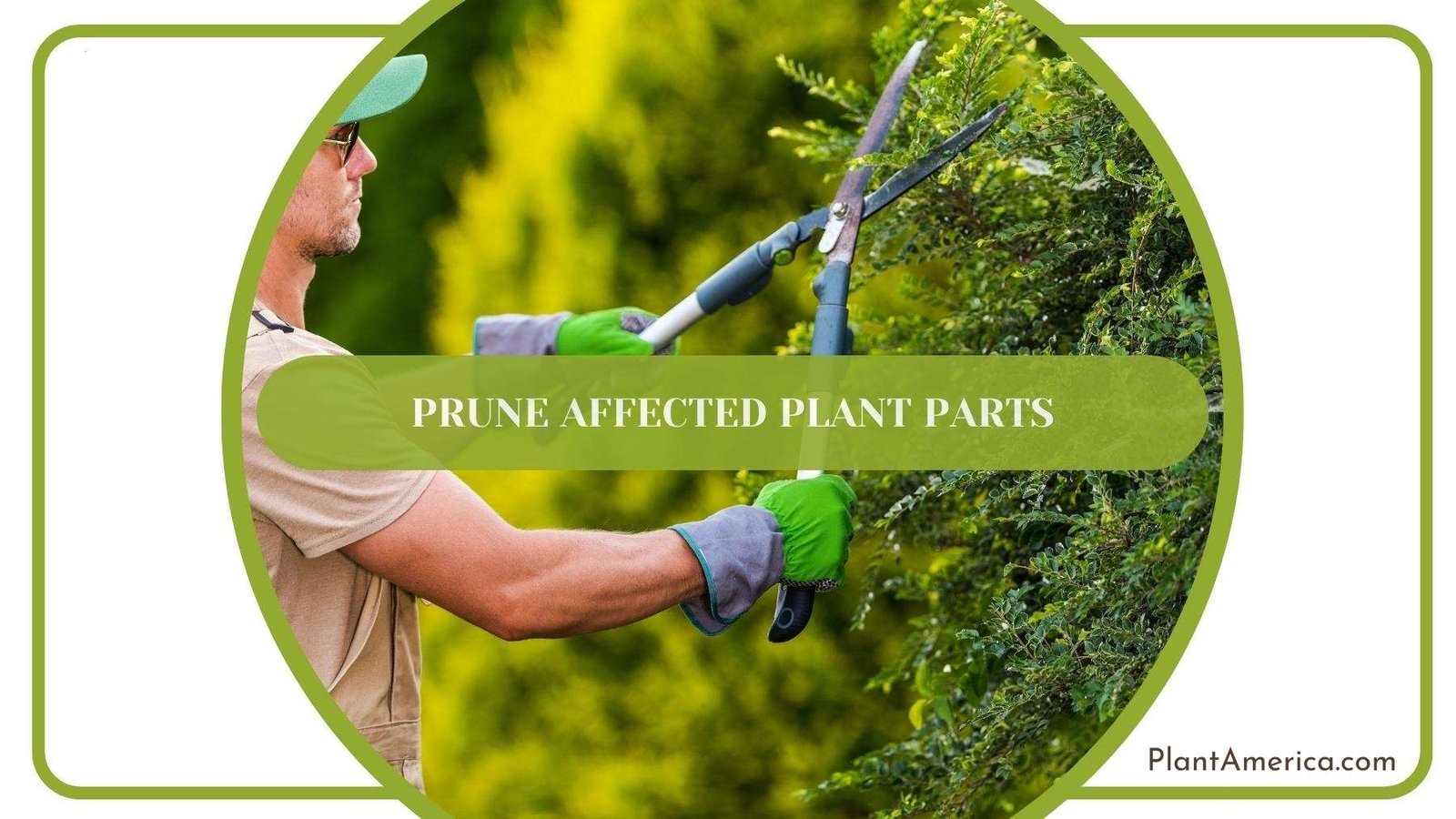 As a general rule for any pest issue, consider repotting the plant and replacing the soil to ensure no dormant bugs remain hidden beneath the surface.
– Wash Them Away
In the initial phases of an infestation, you might opt for a gentle approach by giving the plant a thorough rinse under lukewarm running water. Utilizing the shower or a similar setup, carefully cleanse each leaf and stem, making sure to eliminate all observable signs of plant pests.
This method can effectively dislodge and remove the mealybugs and their secretions from the plant’s surfaces, impeding their progression and providing your plant a chance to recover.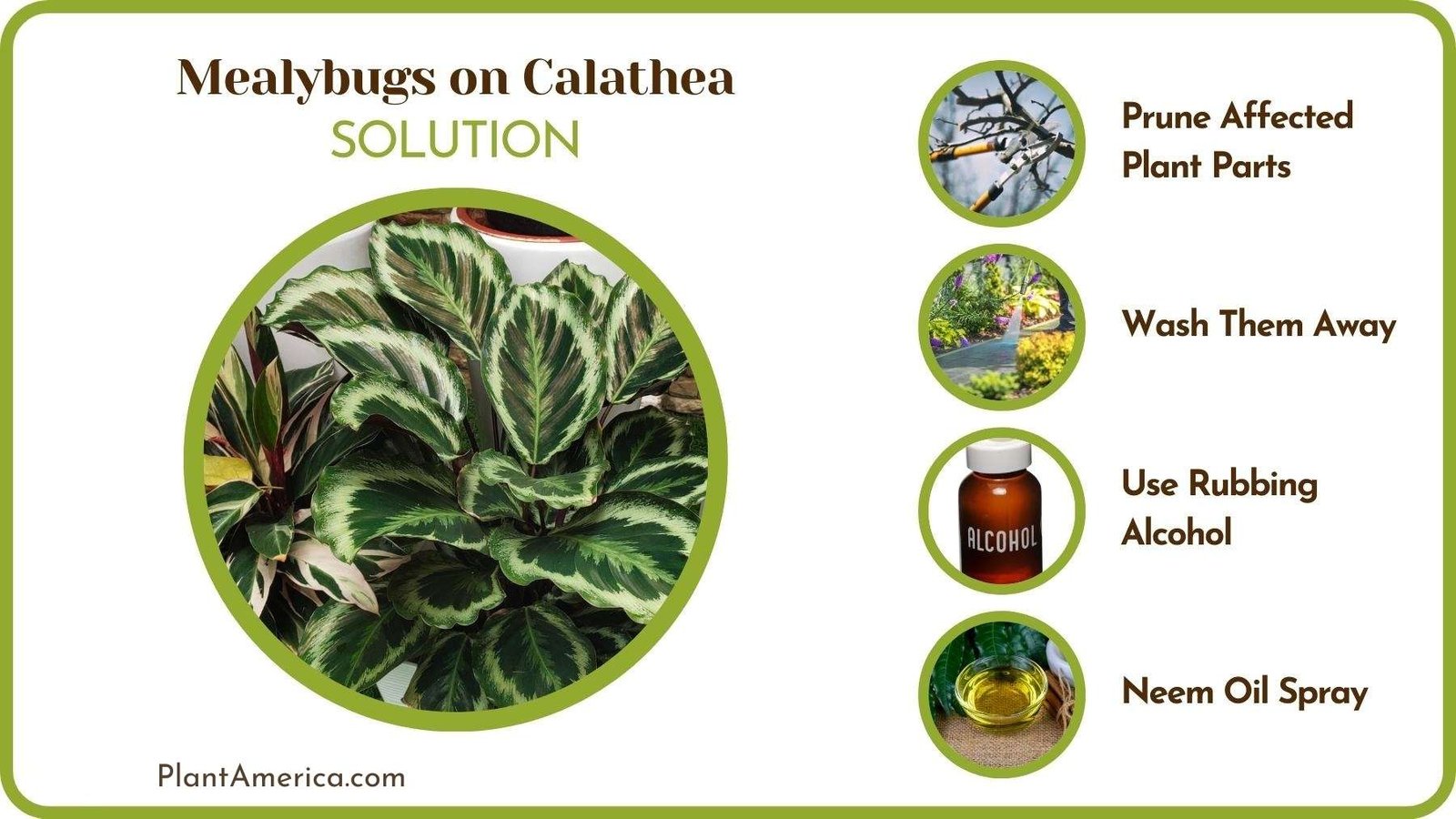
– Use Rubbing Alcohol
In cases where the infestation hasn’t escalated significantly, an effective strategy involves employing items like cotton swabs dipped in alcohol. Gently apply these to the visible adult mealybugs as well as their nests, aiming to carefully dislodge and remove them. For more heavily infested regions, simultaneous pruning of affected areas can be undertaken for a more comprehensive approach.
Alternatively, a diluted isopropyl alcohol solution can be prepared by mixing it with water. This solution can then be poured into a spray bottle for application. Thoroughly spray the entire plant, ensuring coverage of all surfaces including the upper and lower sides of leaves, stems, the soil line, and every intricate crevice. This method is effective at eradicating pests from various hiding spots and minimizes the likelihood of their resurgence.
– Neem Oil Spray
Neem oil stands as a remarkable natural and environmentally friendly pesticide, boasting safety for plants, animals, and humans alike. Its environmental safety and non-toxic properties make it an ideal choice. While the oil concentrate can be easily obtained, you should abide by the dilution instructions provided on the packaging before applying it.
This potent oil operates by disrupting the feeding cycles of the bugs. It hampers the progression of larvae into adults and concurrently smothers the adult mealybugs, ultimately leading to their suffocation. To effectively utilize neem tree oil, it’s advised to either spray or wipe down the entire plant comprehensively, encompassing stems as well. Diluted oil serves as a coat that deters pests and obstructs their development. Keep in mind that the effectiveness of these treatments might take several days to manifest, necessitating regular reapplication to sustain the impact.
An additional boost of neem oil is its inherent anti-fungal properties, which contribute to curbing the development of sooty mold in areas where honeydew accumulates. These oils provide a lasting shield against potential future infestations, a protective aspect that sets them apart from other alternatives, which lack this prolonged safeguarding effect.
– Use Insecticidal Soaps
These are designed to be safe for both humans and animals, but excessive concentrations can potentially harm plants. The active ingredient adheres to mealybugs, disrupting their waxy protective layer and eventually leading to their suffocation.
Creating a homemade recipe involves combining mild, unscented dish soap with water. Aim for a ratio of approximately one teaspoon of soap per gallon of water. The solution can be either sprayed onto the plant or applied using a cotton bud. As is the case with the alcohol, the soap solution needs to come into direct contact and be allowed to remain on the plant to effectively eliminate the bugs.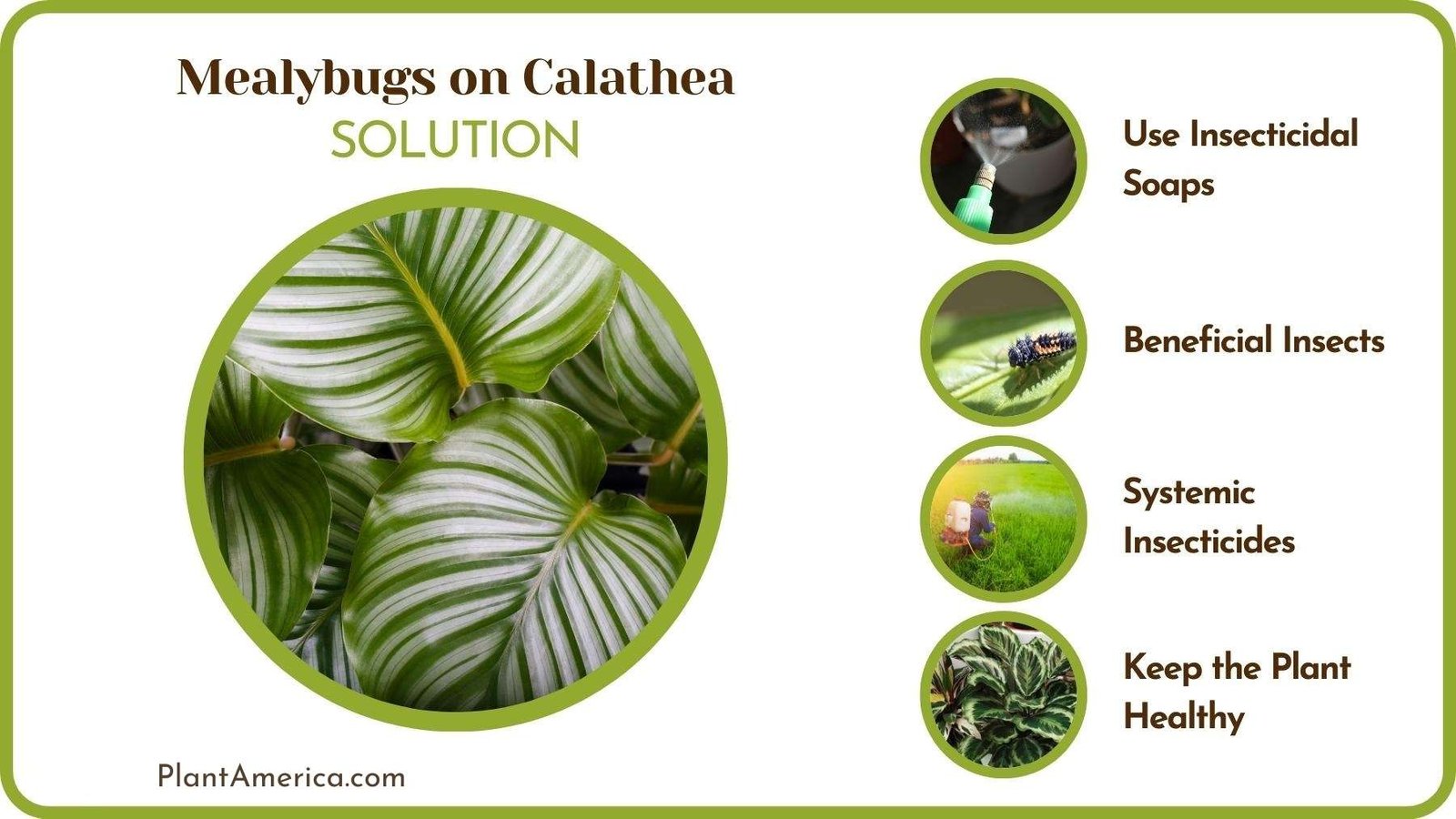
To avoid potential harm, try to apply soap sprays during cooler parts of the day when temperatures are not excessively high.
– Beneficial Insects
The concept might appear paradoxical – introducing new insects to combat existing insect problems. However, the world of insects holds a plethora of beneficial allies. Among them, lacewings and ladybugs stand out as two prominent examples.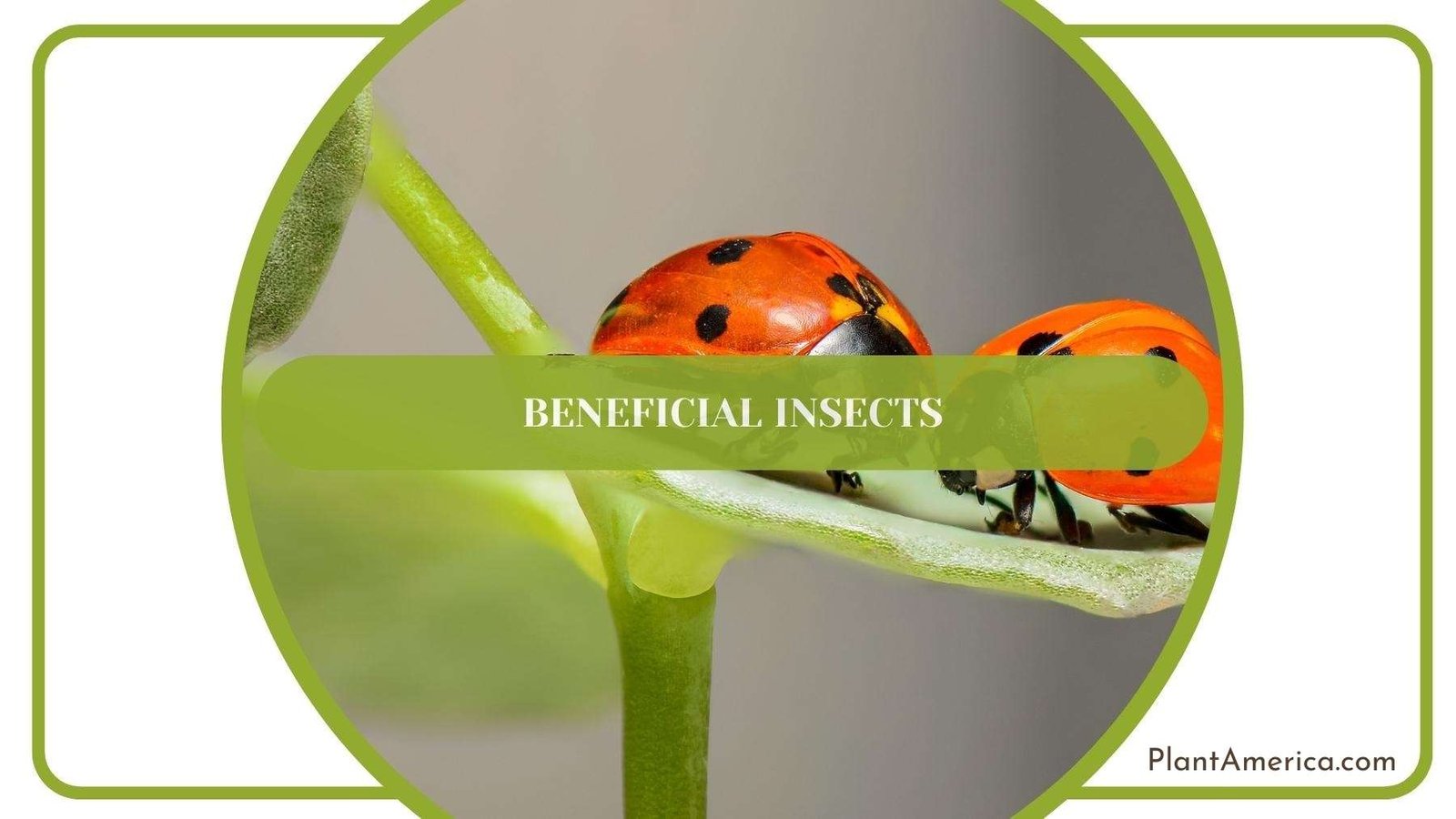
Ladybugs, often regarded as symbols of good luck, play a vital role in natural pest control. Their effectiveness is particularly pronounced in the early phases of an infestation. This explains why many individuals opt for the utilization of these beneficial insects as a preventive measure against persistent pest issues.
– Systemic Insecticides
Traditional synthetic pesticides, reliant on chemical formulations, often exhibit limited efficacy when combating mealybug infestations. This is primarily due to the mealybugs’ waxy shield, which repels the chemicals’ effects. Additionally, the adaptive nature of mealybug populations can lead to the development of resistance to these pesticidal compounds. This resilience is particularly evident when plants have endured repeated infestations and have been subjected to the same chemicals on numerous occasions.
The use of chemical pesticides on indoor plants necessitates caution, as they can potentially harbor toxins harmful to both human occupants and resident animals within the household. Given these complexities, seeking alternative, more environmentally friendly strategies is generally advisable for maintaining a safe and harmonious indoor environment.
– Keep the Plant Healthy
There’s a simple postulate when it comes to plant care — a healthy plant is better equipped to resist and recover from pest attacks, making it an essential aspect of integrated pest management. And there’s a great care guide to follow!
Overwatering, as we said, can create an environment conducive to mealybug breeding, as it increases humidity around the plant. Ensure that you water your Calathea appropriately by allowing the top inch of the soil to dry out before watering again.
Common calathea plants thrive in humid conditions, but excessively high humidity can attract mealybugs. Use a humidity tray or a room humidifier to maintain consistent humidity levels around the plant without making it excessively damp.
Use a well-draining potting mix that retains enough moisture without becoming soggy. Calatheas prefer slightly acidic soil with good aeration. Quarantine new plants before introducing them to your existing collection. This prevents potential infestations from spreading to healthy plants.
Regularly remove dead or yellowing leaves, which will not only enhance the plant’s appearance but also eliminate hiding spots for pests like mealybugs and spider mites. Maintain proper fertilization to ensure your Calathea receives essential nutrients. Balanced nutrition strengthens the plant’s natural defenses against pests.
Keep the plant clean by gently wiping the Calathea leaves with a damp cloth to remove dust and debris. This also makes it easier to spot any signs of bugs.
By consistently following these practices, you create an environment that promotes the health and vitality of your Calatheas. A robust and thriving plant is less susceptible to mealybug infestations and better equipped to resist and recover from such challenges.
Conclusion
The threat of mealybugs to your cherished Calatheas is real and can lead to their swift decline. To ensure the continued health and beauty of your plants, regular inspection of their distinctive round leaves is essential. Let’s remind ourselves of an arsenal of effective methods for their removal:
- Mealybugs, with their characteristic cottony-white appearance and sticky residue, are unmistakable invaders. They can sneak in due to environmental factors, weakened plants, or even hitchhiking on new additions to your plant collection.
- By learning to recognize their telltale signs, such as cottony-white substances, sticky residue, and damage to the plant’s growth, you’re well-equipped to intervene early and save Calatheas from their harmful effects.
- You have a range of options at your disposal, from pruning affected parts and washing them away to using isopropyl alcohol, neem tree oil, and insecticidal soaps. The introduction of beneficial insects like ladybugs and lacewings can also play a role in natural pest control.
- Maintaining your Calathea’s health is pivotal in deterring mealybug infestations. Proper watering practices, adequate humidity, well-draining soil, and regular cleaning all contribute to a plant that can better resist and recover from pest attacks.
By applying these your indoor oasis of Calatheas will continue to flourish, adding a touch of natural beauty to your living space.