
Mealybugs on Boston Ferns of the Nephrolepidaceae family are one of the common sights in the warmer parts of the year. Naturally, the pests are nobody’s favorite, and we could all do without them.

Although they won’t cause huge damage, there are ways to prevent them in their tracks. And the key is in early recognition and employing some efficient eradication methods — join us as we share them all!
How To Recognize Mealybugs on Boston Ferns
To recognize mealybugs on Boston Ferns, you have to look out for obvious signs. Those small, soft, and predominantly white pests can be quite elusive. They feed on sap and typically take refuge on the undersides of Nephrolepis exaltata fronds or where individual leaves connect to the rib.
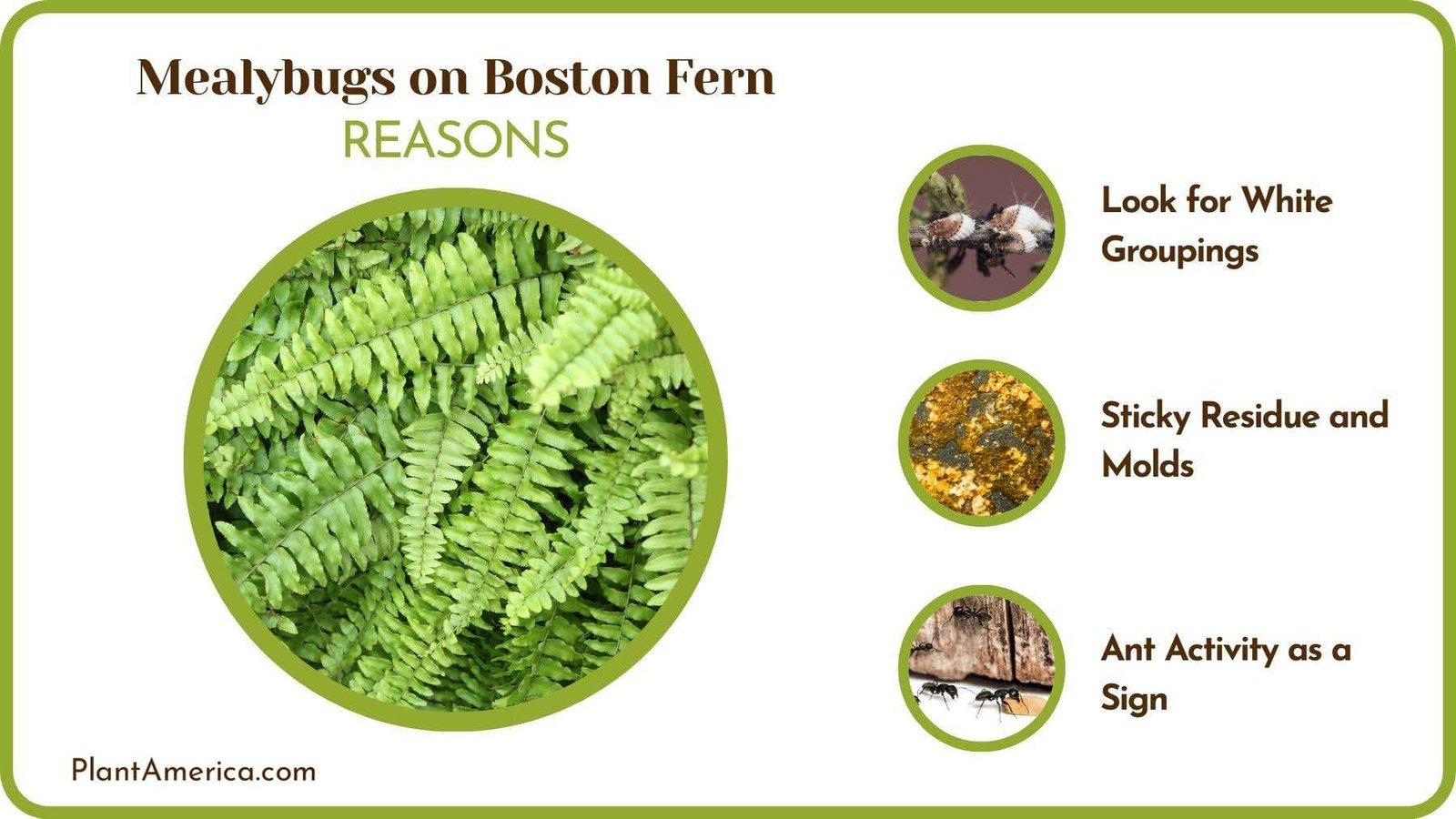
Rather than directly spotting the bugs, you might sense the fern’s stickiness, a result of the sugary residue they leave behind called honeydew. Or there may be signs of their white eggs or powdery disease-like dust! These can also introduce several serious pathogens, among which the brown-leaf causing Rhizoctonia aerial blight stands out. Mealybugs have a tendency to catch a ride on other indoor plants or linger in the vicinity of the soil until they manage to spread throughout the entire plant.
– Look for White Groupings
Spotting mealybugs requires distinguishing their distinct cottony clusters against the deep green of the fern. Detecting these colonies early on is crucial to getting rid of them efficiently. These clusters appear like small, white, cotton-like tufts and frequently take up residence in hidden corners of the plant. And what you’re looking at are mealybugs’ eggs, which you’d like to see destroyed as soon as possible!
To catch them during their initial phases, develop a habit of regularly examining your fern. Concentrate on exploring these concealed crevices. Run your fingertips delicately along the points where stems intersect and in regions where stems come into contact with the soil. If there’s a fluffy sensation underneath your skin, then you should explore it!
– Sticky Residue and Molds
At a certain point, mealybugs will generate a secretion referred to as honeydew— a thick liquid they release while feeding on plant sap. This honeydew has the potential to accumulate on leaves, stems, and adjacent surfaces, leading to an evident sticky residue.

Regularly examine the leaves, stems, and concealed parts of your Boston fern. Be on the lookout for any shiny or tacky patches on these surfaces. Gently glide your fingers over the leaves and stems. If you detect a sensation of stickiness or clinginess upon touch, it could indicate the presence of honeydew left behind by mealybugs.
This sticky substance can create an environment conducive to the growth of fungal pathogens, ultimately fostering the development of a dark, sooty mold.
– Ant Activity as a Sign
The sugary honeydew produced by mealybugs can also attract ant armies onto the fern. The honeydew acts as a food source, leading to a symbiotic relationship between ants and mealybugs. In exchange for access to this sweet treat, ants safeguard mealybugs from predators.
If you notice a consistent procession of ants traveling to and from your ferns, it’s a definite indicator of this interaction. You might spot them crawling along the plant’s stems, leaves, or flowers.
At times, ants might even set up nests close to the infested fern to readily access the substance. Additionally, you might observe ants tending to the mealybugs, effectively “milking” them to obtain the food.
How To Deal With Mealybugs on Boston Ferns
To deal with mealybugs on Boston Ferns, isolate and prune the affected parts and handpick the pests. After that wash the plant gently to ensure that there are no signs of infestation left. You can also use rubbing alcohol as a post-treatment measure.
Certainly, numerous indicators can assist in the early detection of a mealybug infestation on Boston ferns. However, efficiently tackling these pests demands a distinct strategy.

While tailoring your methods to suit the particular characteristics of your fern is crucial, it’s wise to diversify your approaches and experiment with various techniques simultaneously to achieve the best possible outcome.
– Isolate and Prune the Affected Parts
Prior to commencing treatment, isolate your Boston fern in order to avert the insects’ spread to other ferns or other plants. It’s advised to trim the infested leaves and any other compromised sections of the plant to halt the bugs’ potential to further infect it.

Use pruners that are both sharp and sterilized for this pruning process. Be cautious not to remove more than 30% of the leaves in a single pruning session. Exceeding this threshold could subject the plant to undue stress.
– Handpick the Pests
No action, like manual action. Should the pests be observable without magnification, put on a pair of gloves and manually remove them. This highly efficient method isn’t for the weak of stomach, but if you’ve got the guts, you can definitely have some fun squeezing those pests to death!
However, if the pests are exceedingly minuscule, you will need to explore alternative methods for their elimination.
– Wash the Plant
After identifying the insects, give your plant a thorough cleansing by positioning it beneath a stream of running water. Be sure to repeat this process multiple times to ensure the complete removal of all mealybugs.
Be cautious not to overwater the Boston fern, as excessive moisture can lead to soil saturation and subsequent complications, such as pythium root rot from overwatering and even plant death. The best idea is to get your fern out of the container (if the soil is compact), and let it dry post-washing, or place it in an area with bright indirect sunlight and allow the soil to fully dry out.
– Rubbing Alcohol
When dealing with Boston ferns that haven’t suffered extensive infestation, an effective technique involves utilizing materials like cotton swabs soaked in alcohol. Gently apply alcohol-dipped swabs to both the visible adult mealybugs and their nests, with the aim of delicately dislodging and eliminating them. For areas with more severe infestation, a comprehensive approach can involve pruning the affected sections simultaneously.
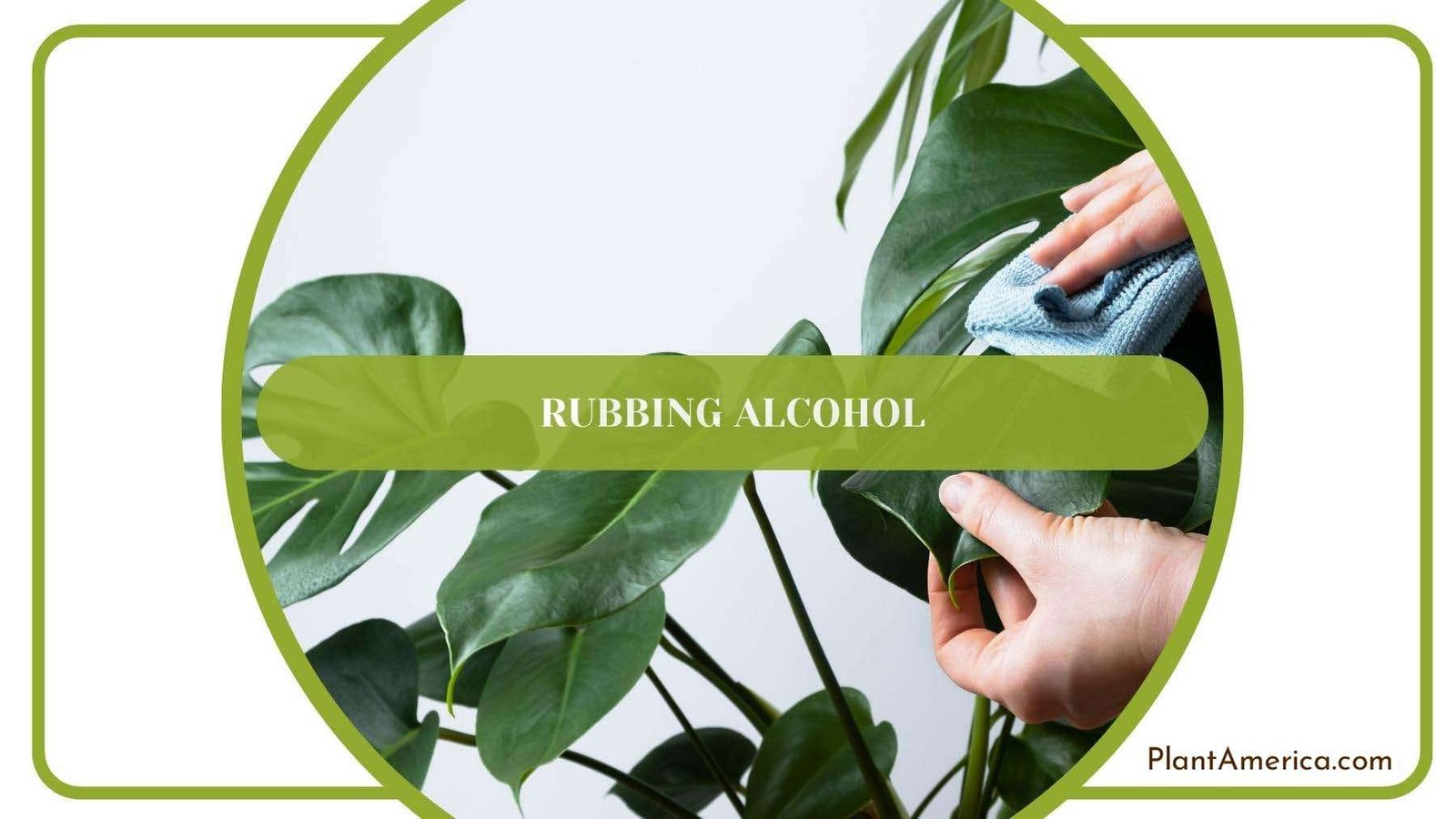
As an alternative, a spraying solution of diluted isopropyl alcohol can be prepared by mixing it with water. Thoroughly spray the entire fern, making sure to cover all surfaces including the upper and lower sides of leaves, stems, the soil line, and every intricate crevice. This method is highly effective in eliminating pests from their various hiding spots and reduces the likelihood of their resurgence.
– Neem Oil
This oil offers a natural and eco-friendly solution for Boston ferns. Safe for plants, animals, and humans, its non-toxic nature makes it an optimal choice. Dilute according to packaging instructions before use.

This potent oil disrupts bugs’ feeding cycles, inhibiting larvae growth and suffocating adult mealybugs. To apply, thoroughly spray or wipe down the entire plant, including stems. The diluted oil acts as a barrier hindering pests and their development. Expect several days for it to work and reapply regularly.
Neem tree oil’s anti-fungal properties also counteract sooty mold growth from honeydew. Its lasting protection sets it apart, acting as a shield against future infestations, unlike other options.
– Insecticidal Soaps
Formulated with human and animal safety in mind, these treatments should be used with care as high concentrations could potentially harm your Boston ferns. The active ingredient in these solutions disrupt mealybugs’ protective waxy layer, ultimately suffocating them.
For a DIY approach, blend mild, unscented dish soap with water. A ratio of around one teaspoon of soap per gallon of water works well. You can apply this mixture through spraying or by using a cotton bud. Just like the alcohol method, ensure direct contact and allow the solution to stay on the plant to eliminate the pests.
To prevent potential harm, opt for applying soap sprays during cooler parts of the day when temperatures are not overly high.
– Pyrethrum Solution
To eliminate bugs from your plant, some gardeners swear by the use of pyrethrum. Derived from plants, pyrethrum serves as a botanical remedy that effectively eradicates pests. Apply the powder directly onto the plant or create a watered solution for use as a spray.
Consistent application over several days is necessary to ensure the pests are completely eliminated.
– Insecticides Can Help
When dealing with Boston ferns, traditional chemical pesticides often prove ineffective against mealybug infestations. These pesticides rely on chemicals that are repelled by the waxy shield of mealybugs. Furthermore, these pests can adapt and develop resistance to these chemical compounds, especially after repeated infestations and exposure to the same chemicals.
Using chemical pesticides on indoor plants requires care, as they may contain toxins harmful to humans and pets in the household. Given these complexities, it’s generally wise to explore alternative, environmentally friendly approaches to maintain a safe and balanced indoor environment.
– Friendly Insects
It might seem counterintuitive to address insect problems by introducing new insects, but the insect world offers a range of beneficial allies. Two notable examples are lacewings and ladybugs.

Ladybugs, often seen as symbols of good fortune, play a crucial role in natural pest management. Their efficacy is especially notable during the initial stages of an infestation. This is why many people choose to use these helpful insects proactively to ward off recurring pest challenges.
– Keeping the Fern Pest-Free
Maintaining the health of your Boston fern is a proactive strategy against mealybug infestations. Follow this Boston fern care guide to keep your plant thriving and resilient:
Ensure your fern is planted in well-draining soil with a pH of 5 to 5.5, enriched with organic materials. If growing in a container, choose one with proper drainage to prevent water accumulation that can lead to root rot.
Provide your fern with cool morning sunlight. Aim for a minimum of a few hours of bright, filtered, or indirect light daily. Avoid direct sun exposure, which can cause burns, and prevent your fern from growing in complete shade.
Keep the soil consistently moist by watering regularly. When the topsoil goes dry, it’s time for another watering session. Outdoor ferns might need more frequent watering than indoor ones, so ensure they don’t dry out completely to prevent stress and potential damage.
These ferns require higher humidity levels than most indoor environments offer. Increase humidity by using a room humidifier, placing pots on a tray of water-filled pebbles (without pots touching the water), or misting the fern often. Shield them from drafts and vents.
Apply a balanced houseplant fertilizer during spring and summer, adhering to the recommended dosage on the product’s label, providing just the necessary nutrients for healthy growth.
In cooler climates, overwintering your fern is important. Move it to a cool, dark location where the temperature remains above 55 degrees F (around 13°C), such as a basement. Reduce watering to once a month during this period. In spring, trim away dead fronds and reintroduce the fern outdoors.
Always monitor your plants or use sticky traps to see if there are any mealybugs about. Remember that you can easily propagate Boston ferns from a single healthy leaf part dipped in a glass of water until it develops roots.
By maintaining these guidelines, you’ll establish a robust environment for your Boston fern plants, making them more resilient against mealybug infestations and other potential issues.

Conclusion
Dealing with mealybugs on Boston fern requires a combination of vigilance, knowledge, and proactive care. These pests might be a common occurrence during warmer periods, but their impact can be minimized through early recognition and effective eradication methods.
- Recognizing the signs of mealybug presence, such as their distinct cottony clusters, sticky residues, and ant activity, is crucial for timely intervention. Once identified, a variety of approaches can be employed to tackle the infestation.
- From isolating and pruning affected parts to manual removal and washing the plant, each method targets different stages of infestation. The use of rubbing alcohol, neem tree oil, insecticidal soaps, pyrethrum solutions, and even the introduction of beneficial insects like ladybugs can all contribute to successful elimination.
- However, the key to long-term prevention lies in employing the following plant care tips: Adequate soil, appropriate lighting, proper watering, humidity management, and regular fertilization are all essential aspects of care. Overwintering and monitoring your ferns also play a role in their overall well-being.
With knowledge and dedication, you can successfully navigate the challenges posed by these pesky pests and enjoy your thriving Boston fern throughout the year.