
Indoor citrus trees can add a bright spot of color and fresh flavor to your home, even in the colder months. We will explore ten varieties that produce tasty citrus fruits with minimal fuss, perfect for growing on your apartment balcony or inside your house.

Each tree has been chosen for its dwarf or compact size so it will not take up too much space. Whether it’s warm and sunny by the window or a bit darker under the stairs, one of these cuties will surely thrive with just a little water and care from you.
Low-Maintenance Indoor Citrus Trees to Brighten Up Your Space
1. Dwarf Meyer Lemon
- Growing Season: All year round, Produces fruit in winter
- Leaf Type: Glossy, dark green, oval leaves
- Specific Needs: Bright, indirect light, Keep soil moist but not soggy
- Common Pests: Mealybugs, Scale, Aphids
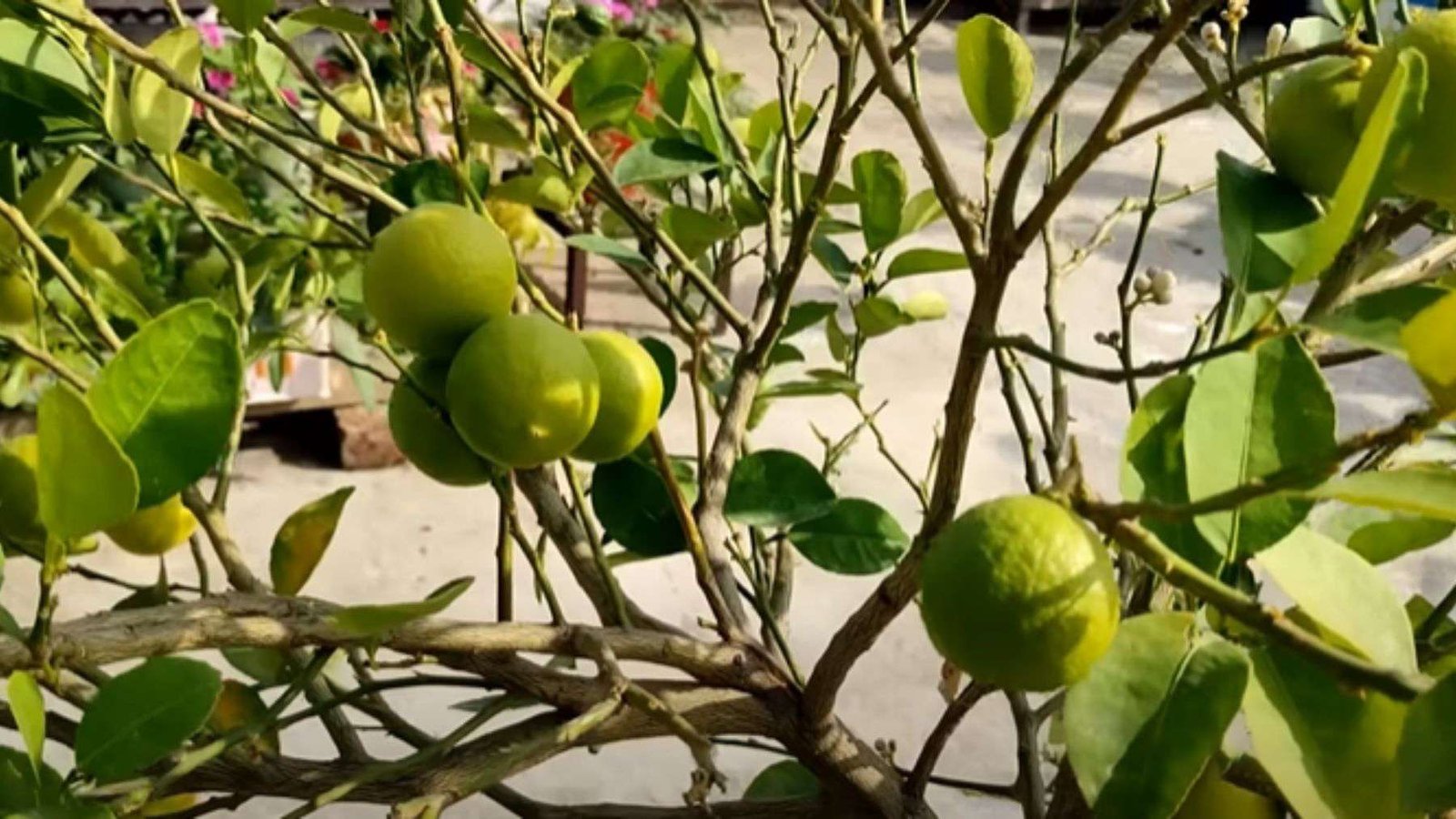
The dwarf Meyer lemon is one of the top indoor citrus trees for apartments and smaller spaces. Its compact size stays under five feet, making it perfect for growing on a kitchen windowsill. It is also one the easiest indoor citrus to care for, with glossy deep green leaves and a bounty of tangy lemons through the winter months when other fresh fruits are scarce.
The Meyer lemon tree is known for its fragrant flowers and sweet-scented glossy foliage. Its flowers are pale yellow with a lovely perfume. Beyond its attractive appearance, this dwarf citrus tree is also a consistent producer of lemons.
You can expect your indoor Meyer lemon tree to fruit multiple times throughout the year, providing fresh lemons when needed. The fruits are slightly less acidic than regular store-bought lemons, making them perfect for cooking and snacking. This tree is ideal for growing indoors with minimal care requirements of part sun and occasional watering.
When growing Meyer lemons indoors, choose a spot with plentiful, bright, indirect sunlight for at least 6 hours daily. East or west-facing windows are ideal. In terms of fertilizing, apply a balanced citrus fertilizer or houseplant food in the spring and summer according to label instructions. Pests like mealybugs and scales can sometimes affect indoor citrus trees.
2. Kumquat

- Growing Season: Late winter to early spring
- Leaf Type: Oval, shiny green leaves with nice fragrance
- Specific Needs: Well-draining soil, Part sun to full sun exposure
- Common Pests: Mealybugs, Scale insects, Citrus rust mites
The kumquat is one of the hardier citrus varieties you can grow indoors year-round. As long as it receives plenty of warmth and bright light, it will reward you with its cheerful orange fruits in winter when options are limited. The fruits are deliciously tart yet slightly sweet, containing balanced flavors of acidity and sugar in each bite-sized piece.
You can pop the whole miniature fruit in your mouth and let the flavors burst forth, enjoying the sweet outer skin and tart inner flesh together. Its fruits are a real treat and add colorful decoration as well. We promise you’ll be delighted by Kumquat’s unique taste and will keep returning for more.
In addition to its tasty fruits, the kumquat shrub presents lovely dark green, shiny oval leaves. It retains its pleasing foliage all year as an evergreen, serving as a cheerful accent to your indoor space.
The leaves also emit a lovely citrus aroma that spreads through the air if you lightly brush against them. Their compact size makes kumquats a practical choice even for compact city apartments with limited floor space.
Just place your plant in a spot with partial to full sun, keep the soil well-draining, and water when the top inch of soil becomes dry. Give your kumquat a little care and attention, too – speaking to plants or giving them a gentle touch has been shown to aid their growth.
With some tender, loving care, your kumquat will provide you with seasons of visual charm and sweet edible fruits to come.
3. Calamondin Orange
- Growing Season: All year round, Fruits winter to spring
- Leaf Type: Glossy green, Elliptical leaves
- Specific Needs: Bright light, Keep soil moist
- Common Pests: Scale, Mealybugs, Aphids
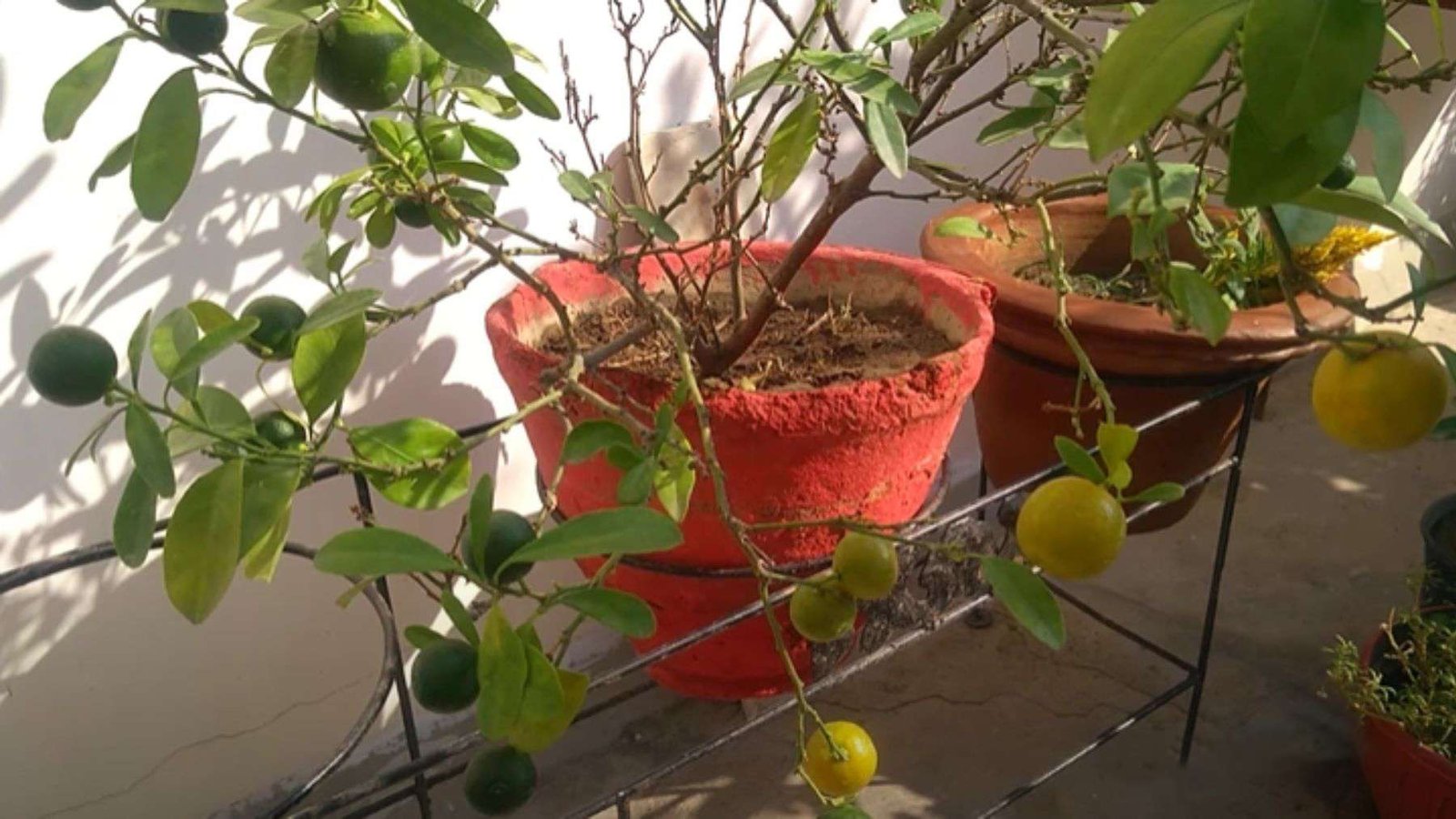
The calamondin orange tree, also called the kumquat orange, is a unique small citrus well-suited for indoor growing. Unlike regular oranges, its fruit has a thick, tangy rind that can be eaten like candy! Its exterior and interior offer bold tart-citrus flavors that are enjoyable or used in cocktails, sauces, and more.
This ornamental citrus tree stays under five feet tall even when mature, making it quite compact. Its dark green elliptical leaves provide lush foliage throughout the year to liven up your living space. In warmer months, it bears fragrant white flowers, which give way to its signature tiny orange fruits. Beyond its good looks, this tree is also low maintenance and thrives in most average home conditions.
For the best results, give a calamondin tree partial sun up against an east or west-facing window where it can receive bright filtered light for six or more hours daily. Maintain consistent moisture by regularly checking the top soil inch and watering when dry. Fertilize in spring and summer with a citrus or all-purpose formula. Prune only to shape the plant or remove decaying wood.
With these simple cares, your calamondin tree will reward you with its unusual little fruits year-round. Enjoy them fresh from the tree or incorporate them into recipes instead of regular citrus.
4. Kaffir Lime
- Growing Season: Year-round
- Leaf Type: Glossy green, Long and slender leaves
- Specific Needs: Bright light, High humidity
- Common Pests: Spider mites, Aphids, Whiteflies
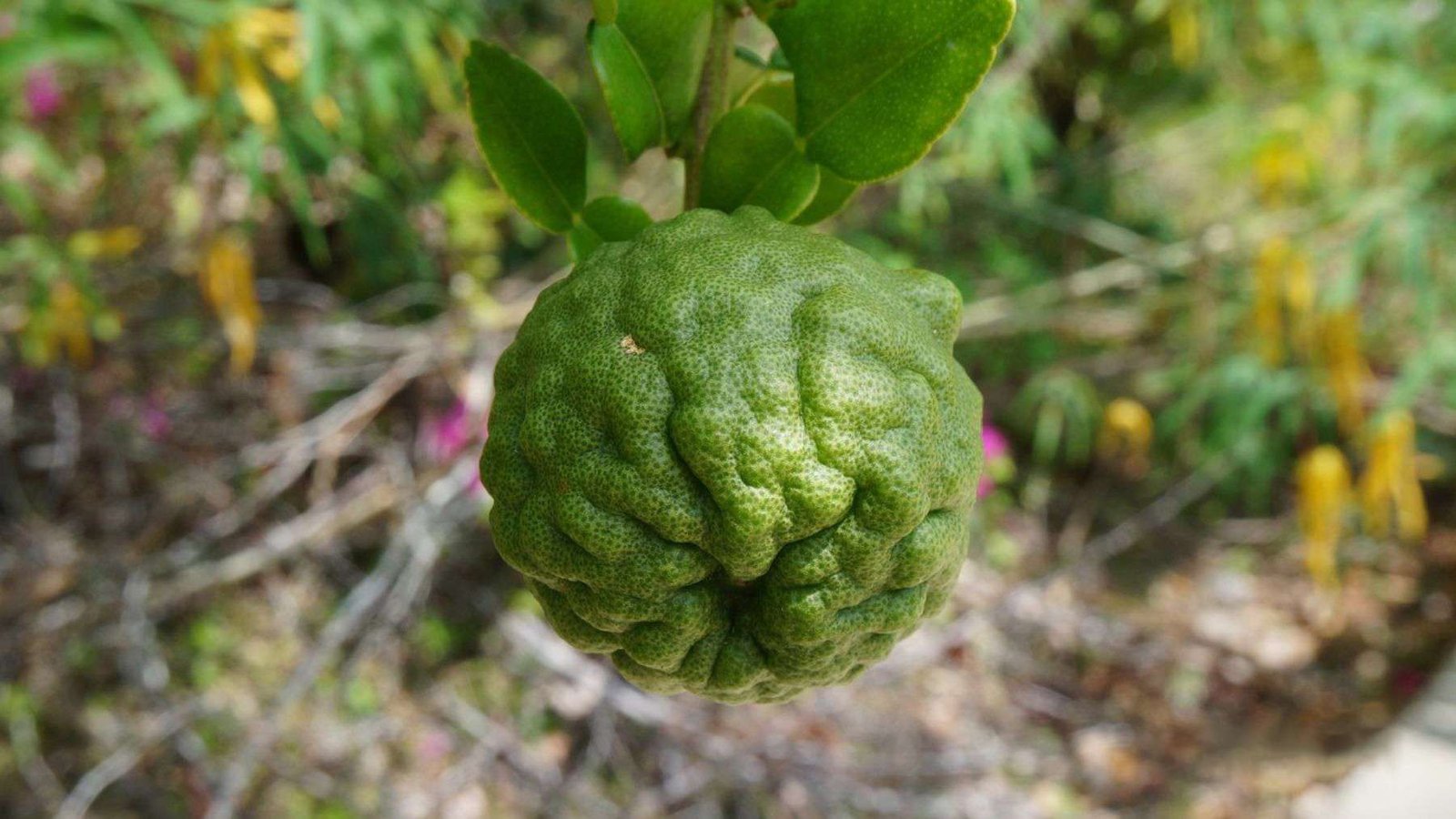
The kaffir lime tree is a unique evergreen citrus known for its fragrant leaves rather than its fruits. Native to Southeast Asia, this tree is prized for the strong lime aroma of its leaves and zest, which are used to infuse Thai dishes. It thrives when grown as a houseplant and brings an exotic touch to any living space.
Despite not producing edible fruits, the kaffir lime tree has much to offer visually and aromatically. Its glossy dark green leaves emerge long and slender with an intensely lime-scented oil. The plant also produces small lime-colored flowers and pea-sized inedible fruits. Beyond aesthetics, its foliage is essential for finishing classic Thai curries, soups, and salads with lime zestiness.
To grow kaffir lime indoors, give it partial sun or bright filtered light. Maintain warmth and high humidity levels near other houseplants. Occasional misting is ideal. Water your kaffir lime when the top inch of soil becomes dry and fertilize monthly in spring and summer. Prune to shape and remove any dead or diseased growth as needed.
With a few cares, this tree will reward you with its cheerful appearance and complex lime aroma throughout the year. Snip leaves for the kitchen as desired, or try growing several for a stunning tropical display that adds herbaceous flair to your living space.
5. Bearss Lime

- Growing Season: Year-round, Fruits in spring/summer
- Leaf Type: Glossy green, Elliptical leaves
- Specific Needs: Bright light, Keep soil consistently moist
- Common Pests: Scale, Mealybugs, Aphids
The Bearss lime tree produces an abundant crop of sweetly acidic limes perfect for growing indoors. Known for its heavy fruiting habit and dwarf size, this variety is ideal for smaller spaces. Native to Florida, it stays quite compact and makes an attractive addition to any well-lit area in your home.
Its deep green elliptical leaves lend lovely texture all year. You can look forward to an impressive display of fragrant white flowers in spring and summer. These give way to thin-skinned limes that offer a vibrant sour-sweet flavor profile. Enjoy them freshly sliced in drinks or sorbets. At maturity, a Bearss lime tree grows only six to eight feet tall but will fill out with fruit.
Light and moisture are key to success when growing this tree indoors. Place it near an east or west-facing window to receive at least six hours of diffused sunlight daily. Maintain warm temperatures above 60 degrees Fahrenheit. Apply balanced houseplant fertilizer monthly during spring and summer.
When growing conditions are ideal, a Bearss lime tree rewards with plentiful sweet limes throughout the year. Its petite stature also makes it suitable for smaller kitchens and office desks. Plus, the fresh aroma of its blooms is a delight. You can enjoy this lime’s looks and tastiness for indoor seasons with just regular care.
6. Dwarf Eureka Lemon

- Growing Season: Year-round
- Leaf Type: Glossy green, Elliptical leaves
- Specific Needs: Bright light, Keep soil consistently moist
- Common Pests: Scale, Mealybugs, Aphids
The dwarf Eureka lemon tree produces sweetly tangy fruits that are a delight to grow indoors. Known for its compact size and heavy yields, this variety is perfect for patios, yards, and homes. Native to California, it stays compact yet bustling with blooms and lemons even when potted.
Its fragrant deep green elliptical leaves provide cheerful greenery year-round. In warmer seasons, expect an impressive show of white flowers. These give way to classic Eureka lemons with vibrant yellow skin and extremely juice-filled flesh.
Enjoy them freshly sliced in beverages, preserves, or simply on their own. At maturity, a dwarf Eureka lemon grows only six and eight feet tall but has a mighty bounty.
Give your tree partial sun against an eastern or western window for up to six hours daily for optimal results. Keep soil consistently moist and aim for warm temperatures above 60°F. Fertilize monthly throughout spring and summer with a balanced houseplant food or citrus fertilizer. Prune occasionally to shape and thin the canopy.
When conditions are ideal, your dwarf Eureka lemon tree repays your care with a profuse harvest of sweet lemons all winter and spring. Its compact size makes it appropriate for smaller kitchens and bedrooms, too.
This variety is a delicious way to enjoy citrus indoors year-round with just regular watering and pruning.
7. Dwarf Satsuma Mandarin

- Growing Season: Year-round, Fruits winter to spring
- Leaf Type: Glossy green, Elliptical leaves
- Specific Needs: Bright light, Keep soil consistently moist
- Common Pests: Scale, Whiteflies, Mealybugs
The dwarf satsuma mandarin tree brings a beautiful burst of bright fruit to your living areas during the colder seasons. Despite its petite stature, this variety packs a big flavor and fragrance. Native to Japan and China, it stays compact yet full of colorful blooms and mandarins even when potted indoors.
Dark green and shiny elliptical leaves cover this tree lushly year-round. In winter, its twigs are dotted with fragrant pale pink flowers. These develop into small seedless mandarins around November. Their skin is deep reddish-orange, and their flesh is super sweet yet tangy—perfect for enjoying out of hand. Even at maturity, it maxes out at just six feet tall.
To thrive indoors, situate in an eastern or western exposure to bright light for at least six hours daily. Keep the soil consistently moist and within 60-75°F temperatures. Fertilize monthly during spring and summer with a balanced formula. Prune lightly to shape and maintain its size.
Under ideal conditions, your dwarf satsuma mandarin tree will brighten dreary days with its bounty of beautiful blossoms and sweet, juicy mandarins. Their petite stature also makes them perfect for smaller patios or bedrooms. With regular care throughout the year, you can savor fresh citrus from this tree all winter long indoors.
8. Key Lime
- Growing Season: Year-round in warm conditions, May-October in colder climates
- Leaf Type: Glossy green, oval leaves with wrinkled texture
- Specific Needs: Bright light, High humidity, Well-draining soil
- Common Pests: Mealybugs, Aphids, Scale insects
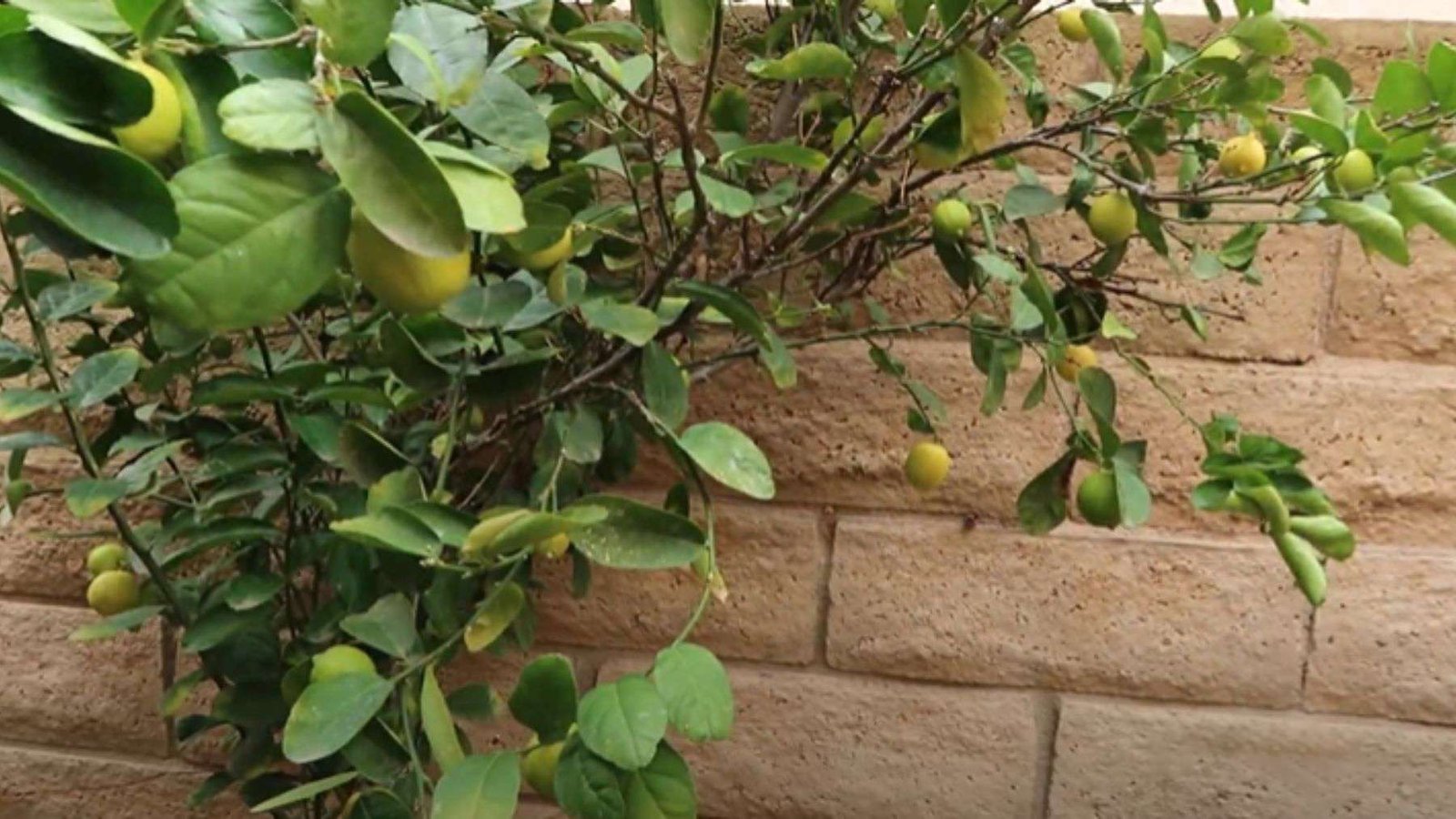
The key lime is a classic citrus prized for its intensely tart, bright green fruits. Native to southern Florida and the Caribbean, it grows best in warm, humid conditions similar to its natural habitat. However, with some extra care, it’s possible to enjoy key limes indoors year-round, too.
Be sure to place your plant in a spot with bright, indirect light and maintain temperatures above 65 degrees Fahrenheit. It also appreciates frequent misting or pebble trays to increase humidity by around 50-60 percent. Proper drainage is critical, so use a well-aerated potting mix.
Have patience; key limes can be fussy about finding the perfect environment but are well worth the effort once established. With some trial and error, your lime tree may surprise you with prolific blooms transforming into numerous tangy fruits.
Its shiny green leaves and compact, bushy stature make key lime a delightful decorative addition to your home. Part of the charm of growing these plants comes from experimenting to dial in ideal conditions. Regardless of whether fruits are produced, you’ll enjoy its citrus-scented foliage.
With some perseverance, imagine bites of tart key lime brightening dishes and moments throughout the year. A little extra TLC caring for these tropical citrus’ preferences can mean seasons of flavor in return.
9. Finger Lime
- Growing Season: Year-round, Fruits in summer/fall
- Leaf Type: Glossy green, Elliptical leaves
- Specific Needs: Bright light, Keep soil consistently moist
- Common Pests: Mealybugs, Scales, Whiteflies
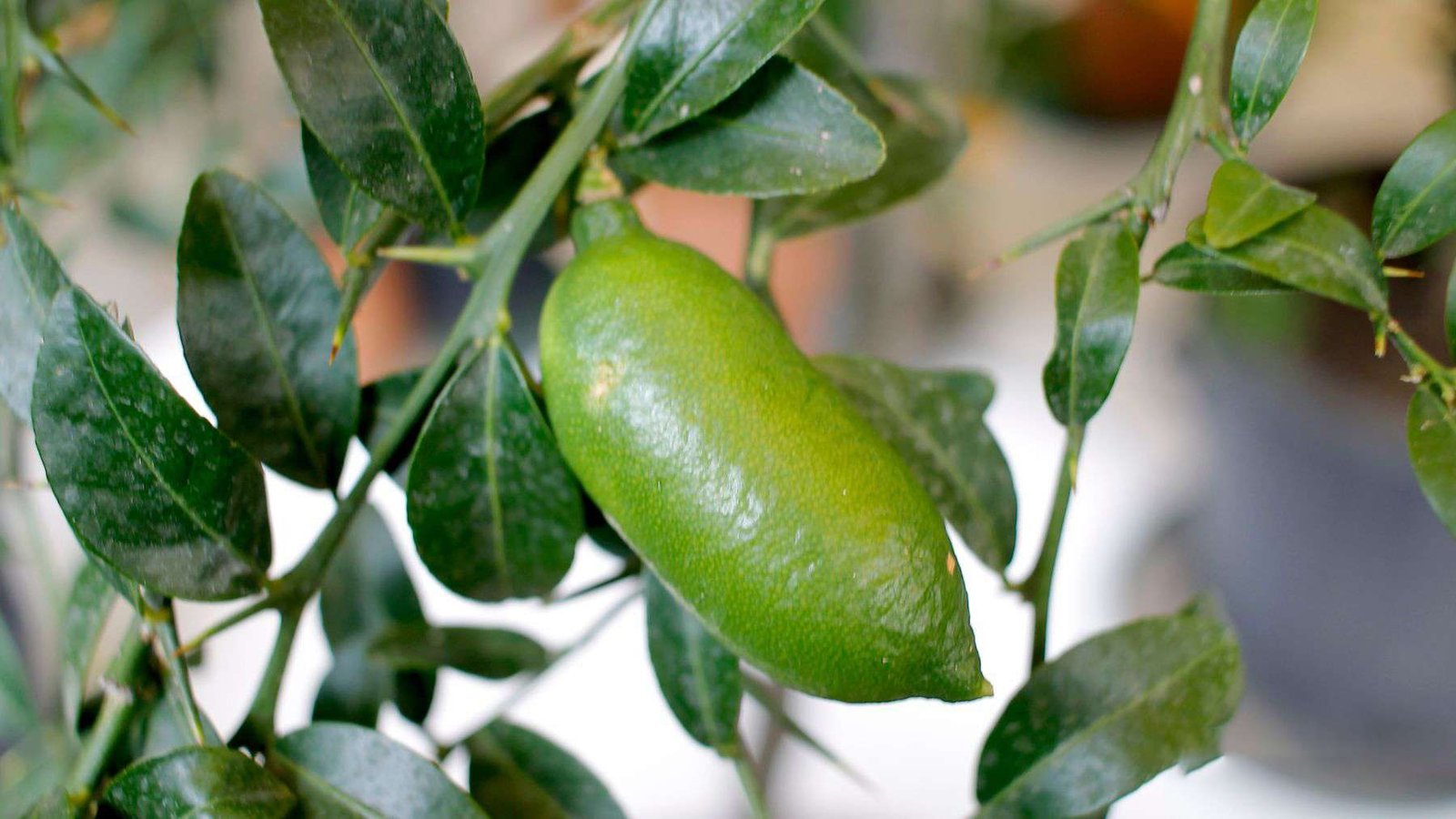
The finger lime tree treats your home to bursts of citrus flavor like any other—all wrapped inside tiny caviar-like pearls! Despite its unusual fruits, this variety is still quite easily grown indoors. Consistent care makes a unique focal point for any living space.
Its deep green elliptical leaves have lovely structure and visual appeal all year. In summer, expect fragrant white blooms followed by small round green fruits dotted with erupting beads of juice. Break these open-over dishes to release tangy, citrusy caviar explosions in your mouth! It stays compact enough for most spaces at six feet tall.
For best results, provide your finger lime tree morning or afternoon sun for six hours next to an open window. Keep soil consistently moist and fertilize every two to three months during its growing season with an all-purpose houseplant food. Occasional pruning helps maintain a dense, rounded shape.
When happy, it will treat you to unique bursts of lime flavor since only its pearls are edible. Their novelty also makes an eye-catching conversation piece for indoor decor. With some care, the finger lime is a thrilling and delicious way to enjoy citrus inside year-round.
The fruits start green and are softball-sized. As they ripen over summer and fall, they will turn yellow, and the skin will wrinkle slightly. Inside are dozens of tiny caviar-like beads filled with bright yellow lime juice.
10. Tangerine
- Growing Season: Fall to late winter
- Leaf Type: Shiny green leaves, Wrinkled texture
- Specific Needs: Bright light, Moderate watering, No colder than 45°F
- Common Pests: Aphids, Whiteflies, Scale insects
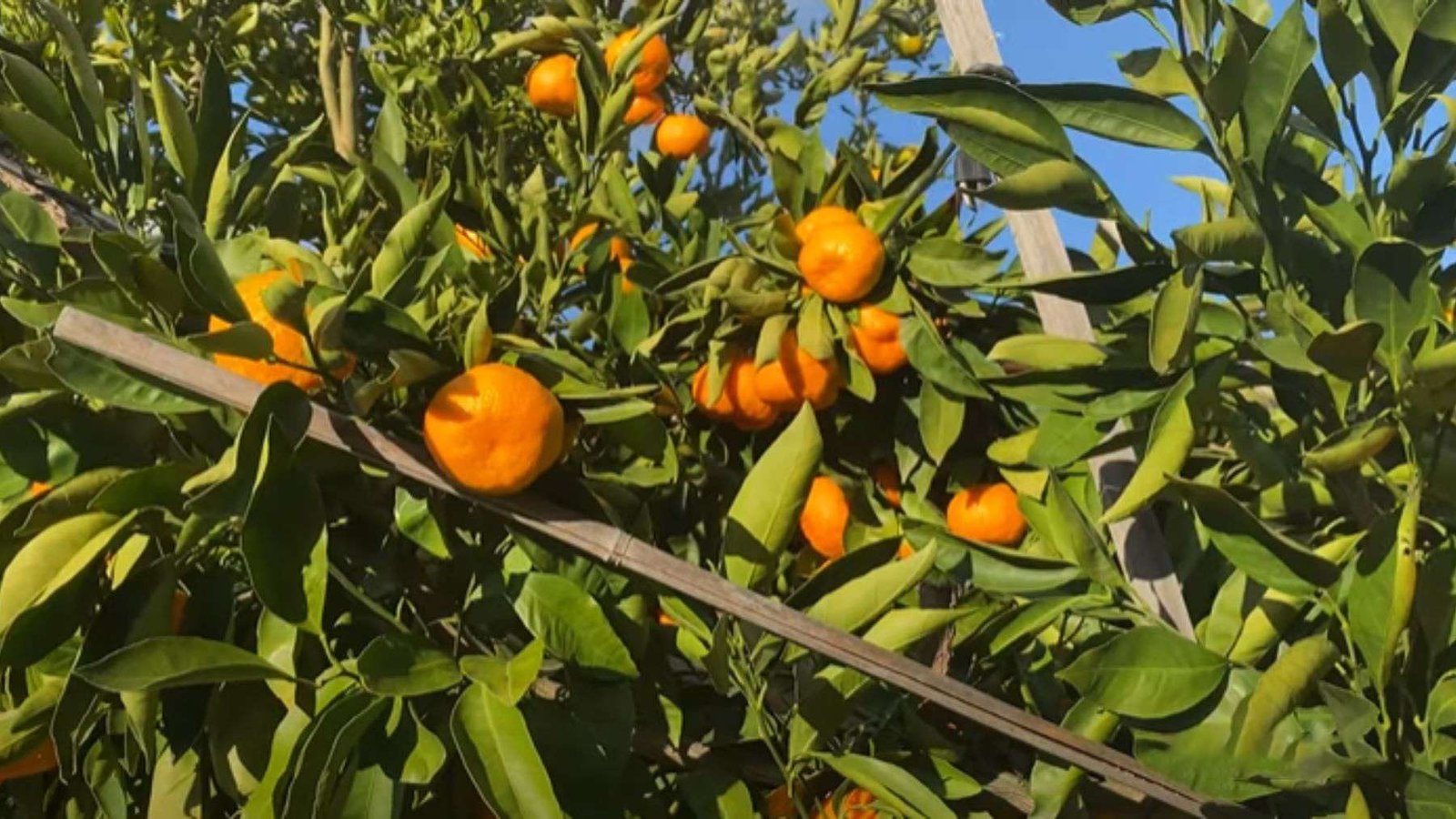
Tangerines offer a sweet citrus experience you can enjoy right in your home, even in temperate climates. A bit hardier than oranges or other citrus, tangerine trees can handle brief temperatures down to 45°F, longer than most. This allows you to appreciate its fruits from fall into winter. You’ll be delighted by bursts of tangy yet honey-sweet flavor as you peel away its thick, dark orange rind to reveal juicy sections within.
Its shiny green leaves keep the plant looking lush and add freshness to your living space year-round. Tangerines thrive with protection from direct sun, consistent moisture via the occasional gentle watering, and a location away from cold drafts or heat vents.
Like all citrus, tangerines are quite low maintenance aside from their temperature preferences. Their average, bushy shape makes them suitable for growing in almost any indoor area in your home.
Part of the charm comes from observing the tree’s natural growth cycle, from flowering to fruit ripening. Even when no fruits are present, you can enjoy its attractive appearance.
With diligence to provide your tangerine tree its ideal environment, you’ll be rewarded with bright orange harvests of these sweet citrus fruits to enjoy raw or incorporated into recipes for seasons to come. A little effort ensures you can experience the tastes of the tropics despite the colder weather outdoors.
Conclusion
Whether seeking patio privacy or year-round foliage, the following compact citrus trees excel with minimal care:
- Dwarf Meyer Lemon stays under five feet and fruits winter through spring.
- The Calamondin Orange provides tangy rinds that can be eaten alongside sweet-tart juice sacs.
- The Dwarf Satsuma Mandarin decorates winter indoors with fragrant blooms, and small seedless mandarins excel with minimal care.
With just the right spot and regular watering, any of these charming citrus trees will thrive inside and reward you with sweet snacks. Their petite sizes suit nearly any space, from kitchen windows to bedroom desks. Growing fresh citrus at home adds delightful flavor, color, and health all year.