
How to transplant white bud tree and cultivate these trees independently is easily done in ten simple steps. Acquire the knowledge on how to effectively and smoothly move your cherished white bud tree, ensuring its health and productivity remain intact.
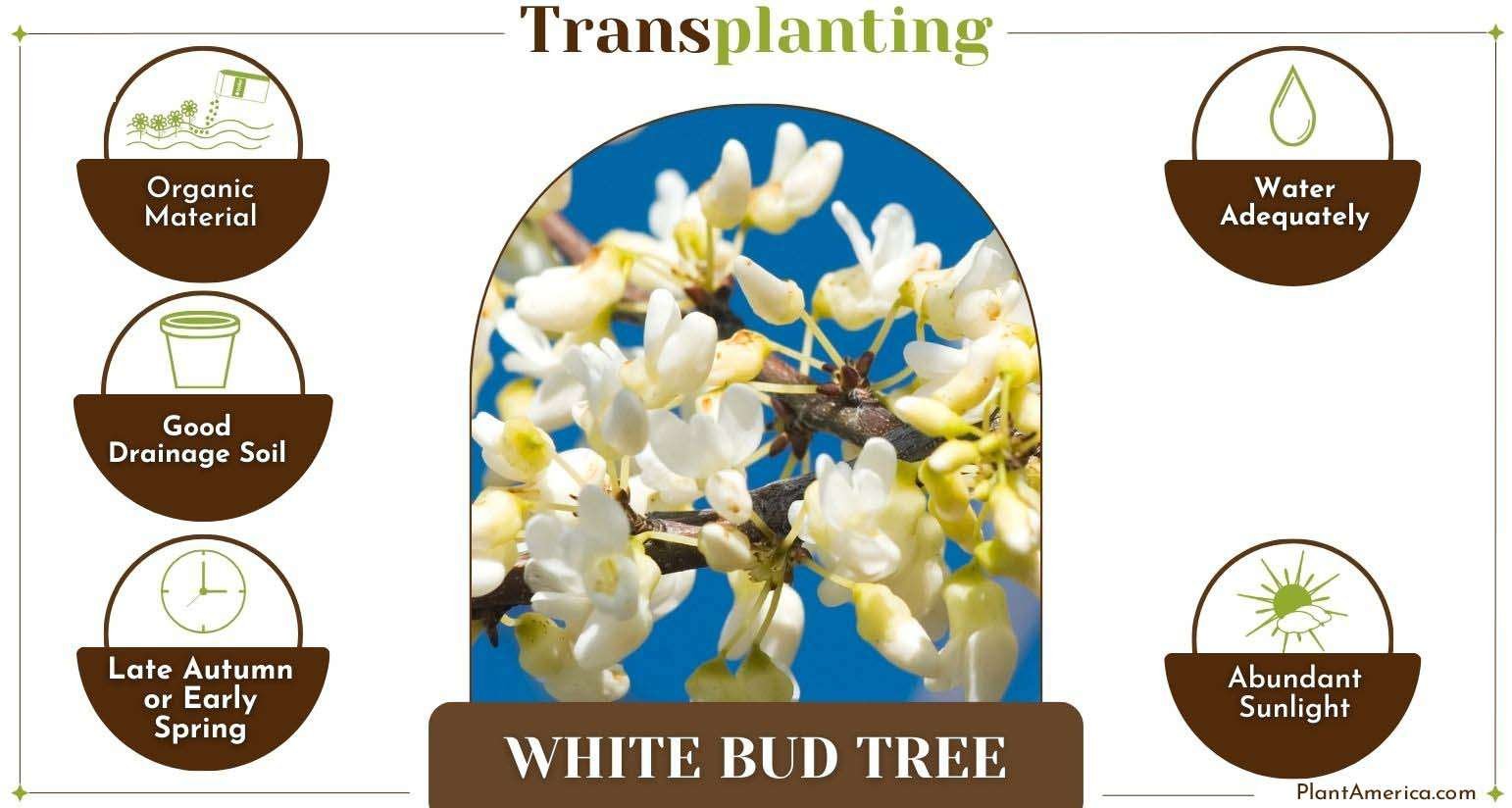
This comprehensive guide will review the secrets and step-by-step instructions for a successful transplantation process of the white bud tree.
How to Transplant a White Bud Tree Effectively
To transplant a white bud tree effectively, you should time the move, prepare the new location, gather tools, and water the tree. Afterward, prune the tree, dig it from the ground, lift it, transfer it to its new environment, and water the transplant. Remember to mulch and monitor the tree.
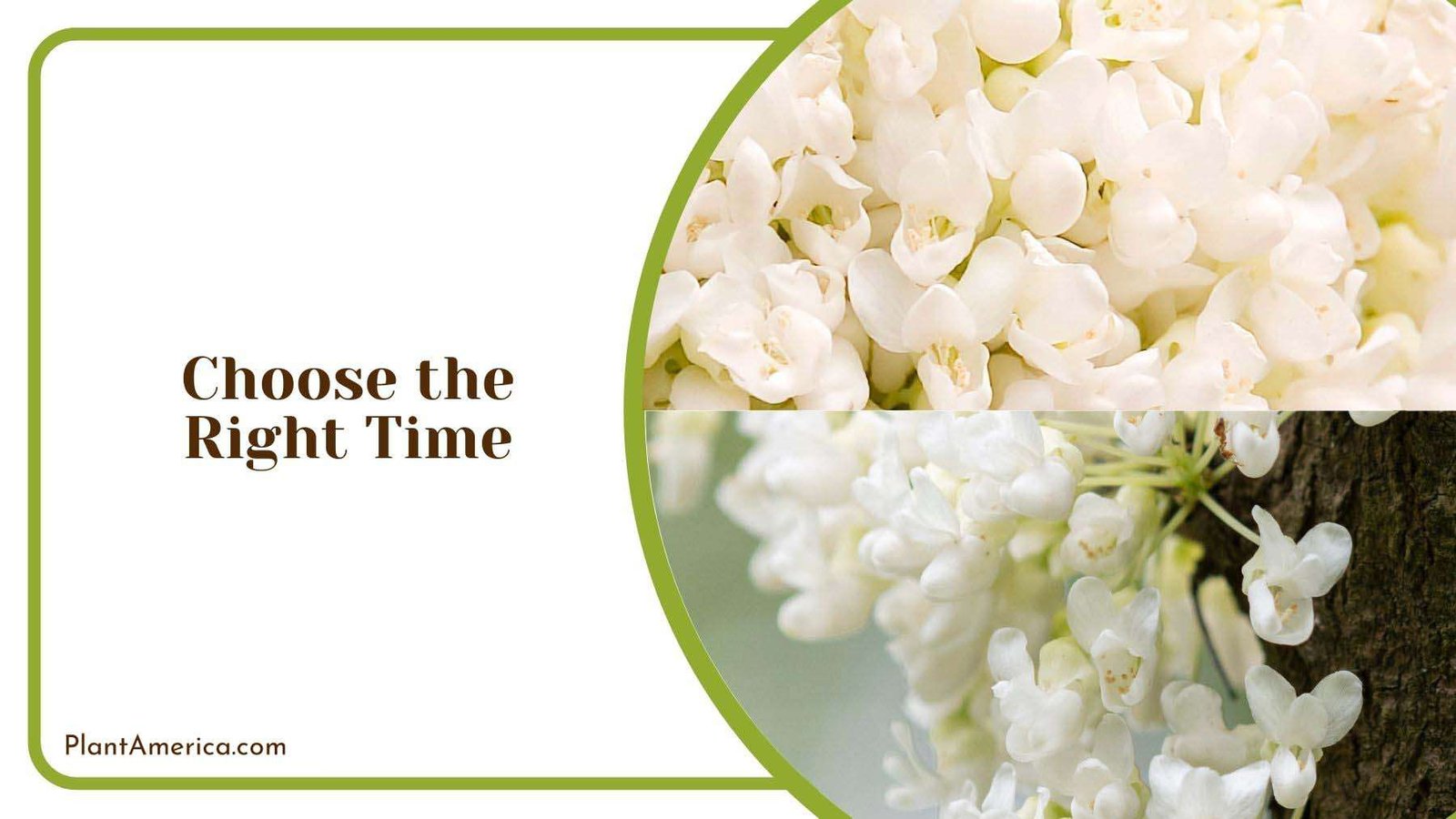
1. Choose the Right Time
When transplanting a white redbud tree, which is scientifically referred to as Cercis canadensis, care for timing is essential, taking into account the tree’s natural cycle. It is vital to perform the transplant during the dormant period, which usually occurs in late autumn or early spring. During this period, the eastern redbud tree experiences limited growth, making it more resilient and adaptable to the transplantation process.
Make sure to check your local zip code for specific climate considerations, as this will help you decide the most suitable time to proceed. By selecting the optimal timing, you can help prevent redbud transplant shock and ensure the successful relocation of your volunteer redbud tree.
2. Prepare the New Location
When it comes to transplanting a redbud tree, particularly a white redbud, meticulous site selection is paramount. Select a location that receives abundant sunlight and features soil with good drainage to promote a strong redbud root system. Clear the designated area of any surrounding vegetation or clutter, ensuring enough room for the tree to expand its roots and grow comfortably.
The selected area should be suitable to accommodate the tree’s mature size, taking into account both its growth and spread as it develops over time. Please, ensure the location is spacious enough. Before proceeding, assess the white redbud’s needs in terms of space and sunlight, considering the future growth of your redbud tree.
Make a general assessment of the type of soil that is on the chosen spot. You can take some of the soil and squeeze it between your thumb and index finger. If the soil is sticky, then it might not be loose enough to allow for free aeration and movement of water. Such soil makes your plant more susceptible to root rot due to the likelihood of waterlogged conditions.
3. Gather Supplies
Gather the necessary tools and materials for transplanting a redbud tree. Whether it’s a redbud tree in your yard or a white redbud from another location, you’ll need a sturdy shovel for digging the hole and pruning shears for trimming any damaged or overgrown branches.
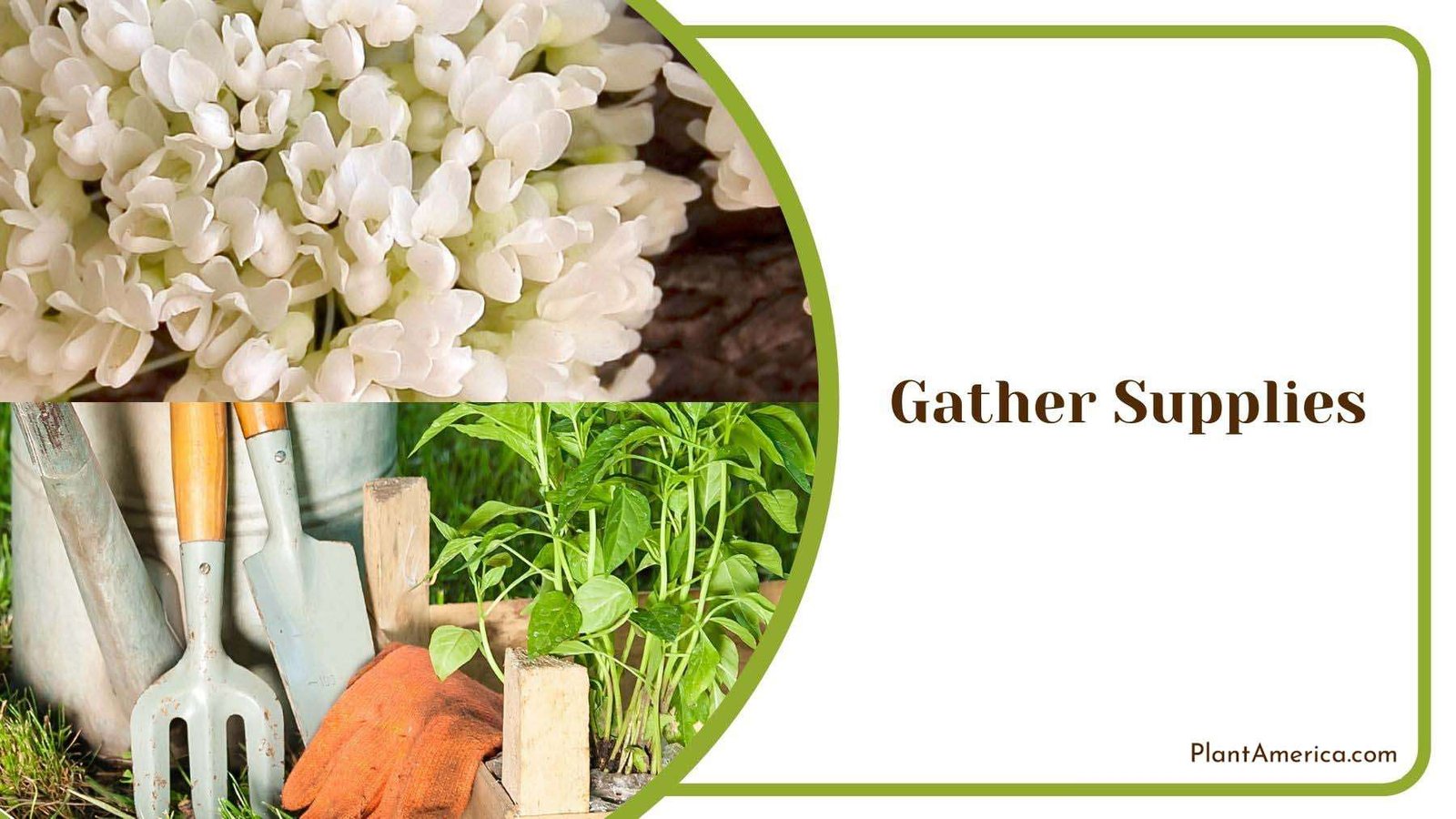
The process also requires water, mulch, and any soil amendments suitable for the redbud tree’s specific needs. Be sure to obtain materials to protect and support the tree during the transition, such as burlap or a tarp to wrap the root ball and stakes or tree ties to secure it in place
4. Water the Tree
A day or two before transplanting your Cercis plant, ensure the redbud tree is well-hydrated. Adequate watering helps to alleviate transplant shock by ensuring the tree’s root system is sufficiently moist. Adequate and consistent watering helps ensure the tree’s healthy development resilience against drought stress and it’s important to strike a balance.
It is recommended to water deeply and less frequently rather than shallowly and frequently. This promotes the development of a robust and firmly established root system as the tree’s roots are encouraged to penetrate deeper into the soil. It is important to consistently check the moisture levels of the soil by either using your finger or a moisture meter. Adjust your watering schedule accordingly if the soil is dry.
5. Prune if Necessary
Before relocating your white redbud tree, assess its branches and prune if needed. Remove any damaged or overgrown branches to promote healthy growth post-transplantation. Proper pruning supports the redbud tree’s vitality, whether it’s a volunteer redbud or a cultivated one, and reduces the demand for its resources as it adapts to its new environment.
Regularly trimming the tree aids in eliminating lifeless and infected branches, stimulating fresh foliage, and preserving a harmonious form. We highly recommend that you use clean, sharp pruning shears or a pruning saw to make precise cuts just above a bud or lateral branch. However, minor pruning can be done at any time to address specific issues.
Make sure that the tools that you use for pruning are well sterilized to avoid infecting your plants with diseases. You can use 70 percent isopropyl alcohol to clean them. Also, remember to wear gloves so you can handle your beauty.
6. Start Digging
To facilitate a prosperous transplantation of a volunteer redbud tree, it is necessary to initiate the process by creating a trench surrounding the base of the tree. This crucial step promotes the success of transplanting the white redbud tree.
Make use of a sharp shovel to carefully excavate the trench, ensuring a distance of approximately 1 to 2 feet from the tree’s base. This precaution safeguards the tree’s roots, reducing stress and facilitating a more successful transplantation process.

Before digging, assess the tree’s size and understand the extent of its root system. You should be cautious not to disturb the redbud tree root system. Carefully dig deeper until you expose the bulk of the root ball, taking care not to damage or sever any major roots. This careful excavation allows you to lift the redbud tree without harming its roots, a crucial consideration for a healthy transplant.
7. Lift the Tree
Once the root ball is exposed, gently lift the white redbud tree from the ground. This step requires finesse to avoid damaging the redbud tree’s delicate root system. Whether it’s a redbud tree in your yard or a volunteer redbud, exercise caution as you lift. A gentle rocking motion can help loosen the redbud tree’s roots from the soil, facilitating a smooth and safe removal.
8. Transplant Your plant
Moving your Cercis canadensis to its new location is a pivotal step. When establishing the redbud tree in its new location, it is essential to dig a hole that is slightly larger than the root ball. Placing the redbud tree at the appropriate depth at which it was previously growing is crucial for maintaining its stability. Irrespective of the type of redbud that you are dealing with, this consistency aids in the redbud tree’s adaptation to its new surroundings.
9. Backfill and Water
This step is one of the vital steps in transplanting the white bud tree as it ensures successful transplantation and establishment. After carefully positioning the tree in the designated hole, proceed to refill the hole with the soil that was previously removed, ensuring a gentle and cautious packing of the soil around the redbud tree’s root ball. This approach helps prevent excessive soil compacting during the backfilling process.
Continue the backfilling process until the hole is filled, making sure not to bury the tree’s root collar. Following the backfilling, it is vital to provide adequate watering to the newly transplanted tree. This thorough watering helps the soil settle, encourages growth, and alleviates any stress that may have arisen during the transplantation process.
10. Mulch and Monitor
Adding mulch around the bottom of the redbud tree is an essential final task. This layer helps regulate soil temperature, retain moisture, and prevent weed growth. Whether it’s a white redbud or another variety, mulching supports the redbud tree’s health and growth. Enhancing soil fertility and drainage can be achieved by incorporating organic materials like compost or well-aged manure into the soil.
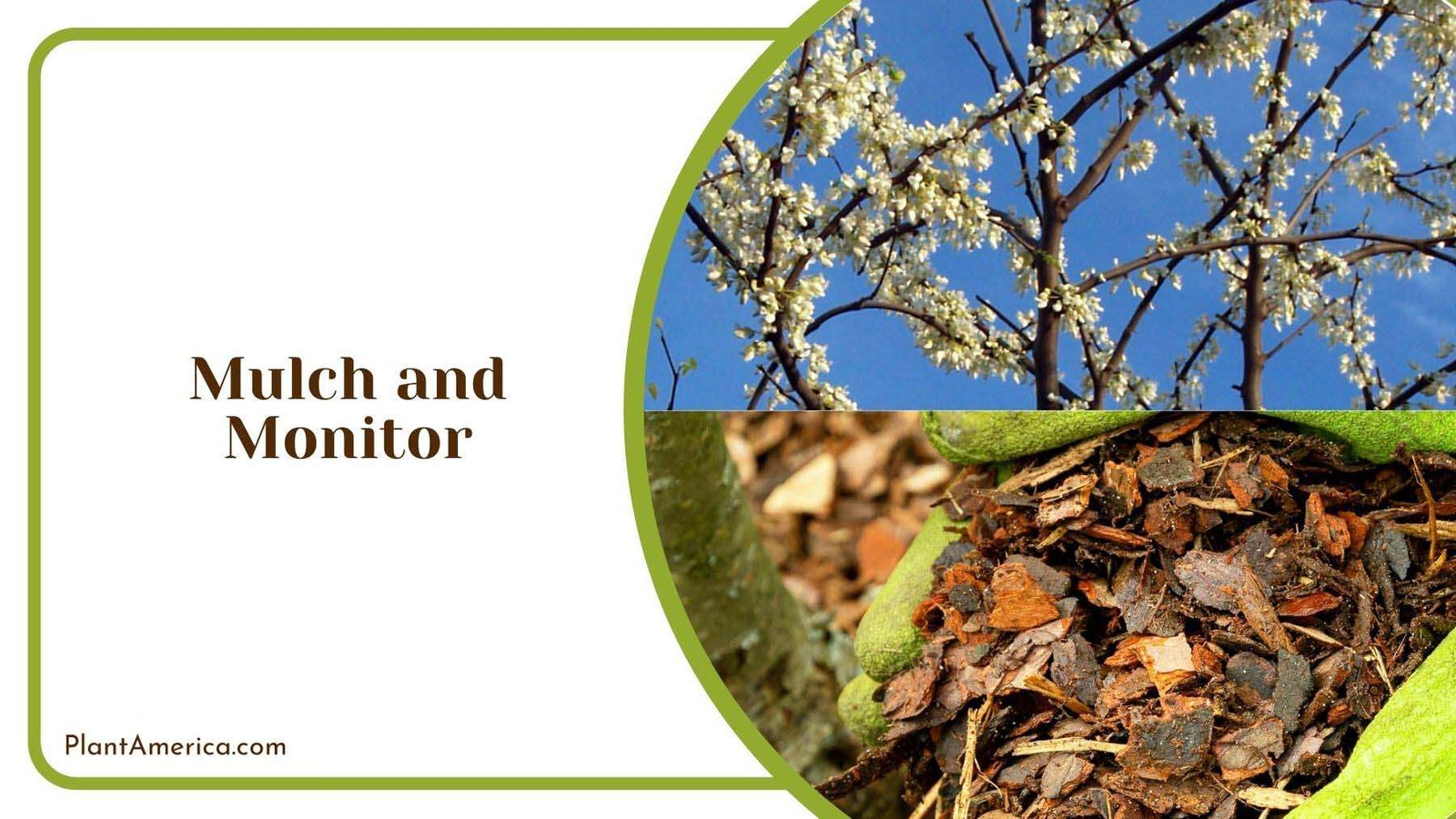
Ongoing monitoring helps ensure the tree’s well-being, allowing you to address any issues promptly and provide necessary adjustments in watering, fertilization, or pest control. By practicing and monitoring, you can nurture and support the growth of the white bud tree, enabling it to thrive and adorn the landscape with its stunning white flowers and lush foliage.
Frequently Asked Questions
– How Best Can You Propagate a Redbud Tree?
To best propagate a redbud tree, several methods apply, including seed propagation, softwood cuttings, or layering. For effective propagation through seed, you must collect ripe seeds from the redbud tree during the fall. Choose between scarification or stratification to remove the hard seed coat, and then sow the seeds.
You can also take softwood cuttings from redbud trees during late spring or early summer when the growth is mature but not fully woody. Prepare a rooting medium with a blend of soil and vermiculite to ensure good drainage. Dip the cut end of the softwood cutting in rooting hormone for better root formation. Place the cuttings in a warm and humid environment with direct sunlight and mist the leaves.
– When Does the White Bud Tree Bloom?
The white bud tree blooms as early as March in warmer regions. In cooler climates, blooming doesn’t begin until May. Although the exact time of the blooms might vary depending on elements including weather and soil conditions, they typically last for a few weeks.
Even though they are not the most spectacular blossoms, they nevertheless serve as a symbol of spring and a vital source of food for pollinators.
– What Type of Flowers Do White Bud Trees Produce?
White bud trees produce small, white, bell-shaped flowers in clusters. The flowers are not as showy, but they have a subtle beauty that attracts bees and other pollinators. The flowers are typically between one and two inches long and feature five bell- or cup-shaped petals..
Conclusion
With the conceptual section on successfully transplanting the white bud tree now concluded, it is time to move on to the practical aspect. Now, let’s examine some of the critical procedures we outlined earlier in this article:
- You should be attentive to the correct timing for handling the white bud tree and carefully choose the appropriate location
- Prepare the desired location and gather the necessary supplies.
- Finally, it is important to apply mulch, water the white redbud tree consistently
By implementing the knowledge and steps learned, you will be rewarded with a bountiful harvest that will not only benefit people but also contribute to the well-being of insects and other creatures for years to come. Get practical and transplant your white bud tree!