
How to transplant soursop trees (Annona muricata) is very important to learn so that when transplanting your soursop, you will do it successfully. These trees are quite tender but are easy to transplant.

So long as you know the tools to use and when to transplant the trees, you will not find any challenges in transplanting the trees. Read this article to learn all you should know about transplanting soursop trees.
How to Transplant Soursop Tree
To transplant soursop trees, wait until their dormant season and then check if the temperature and light in the new place are ideal for the trees. If so, proceed to transplant the trees to the new environment. Water and fertilize the trees afterward.
1. Wait Until the Dormant Season
Like other fruit trees, the growing season of soursops is the spring and summer months. Outside these months is the dormant season. It is not a great idea to transplant trees in their growing season because they are actively growing and interacting with their environment. Changing their environment can be too stressful.
The dormant season is the best time to transplant soursops so that you will know for sure that the trees are at rest. Even though they are still growing and interacting with their environment, they won’t be as active as in their growing season. Wait until late summer or early spring to transplant your soursops.
2. Start Gathering All Your Needed Items
To successfully transplant your trees, you need a few items. The following items will help you transplant your soursops with ease:

- Substrate: you have to plant the soursops in the right soil. The best soil will be discussed later.
- Shovel: for digging holes and also removing the trees from the ground.
- Trowel: just in case you need a smaller handheld tool instead of a shovel.
- Pruning shears: to prune your trees if need be.
- Disinfectant: you need a plant-safe disinfectant so that you won’t work with dirty tools for your trees.
- Truck: to transport your trees.
- Burlap: if you will be exposing your dug trees for long, you have to wrap their roots with a burlap to keep them safe.
- Water: water your trees before and after you transplant them.
- Fertilizer: just in case the substrate is not richly nutritious, you have to fertilize your trees.
The needed items are plenty but easy to find. After gathering all of them, you have a few things to consider.
3. Consider the Soursop Temperature Needs
One of the most important things to consider before you transplant your trees is temperature. Temperature is important because it helps to regulate almost every process of growth in your trees. Even the production of a soursop fruit is regulated by temperature. Therefore, the temperature of the new environment for your trees must be suitable for the trees.

Soursops grow best at 70-85 degrees Fahrenheit. You have to be sure that during the growing season, the new environment for your trees reaches the soursop preferred range. If the place has significantly higher or lower temperatures in the growing season, you can’t grow the trees there. Consider growing the trees in a greenhouse if the outside environment is not suitable.
4. Consider the Soursop Light Needs
Another very important factor to consider is the light exposure of your soursops. These trees only grow with the help of light, as light gives them life and energy through photosynthesis. Without sufficient light, your soursops, just like every other plant on earth, will have stunted growth or die.
Soursops can grow well when they receive around eight hours of direct light. However, they can tolerate as low as six hours of daily sunlight. If the light exposure in the new environment for your trees is not up to six hours daily, remove all the obstacles blocking the sun. You can also shift the trees to a better location.
5. Prepare the New Place for Your Soursops
It is almost time to bring your soursops to their new home. However, you must prepare the soil for them first. Soursops grow optimally in nutrient-rich and well-drained soil. A sandy loam soil is suitable for the plants. If the soil in your yard is too compacted or not suitable for the trees, amend it or add topsoil to it. You can amend it by mixing it with compost and other products.
You also have to dig large holes as you prepare for the coming trees. Dig as many holes as you want or according to the number of trees that you have in mind. Before you go bring the trees, pour water into the holes. This will ensure that your trees will be entering a well-watered environment.
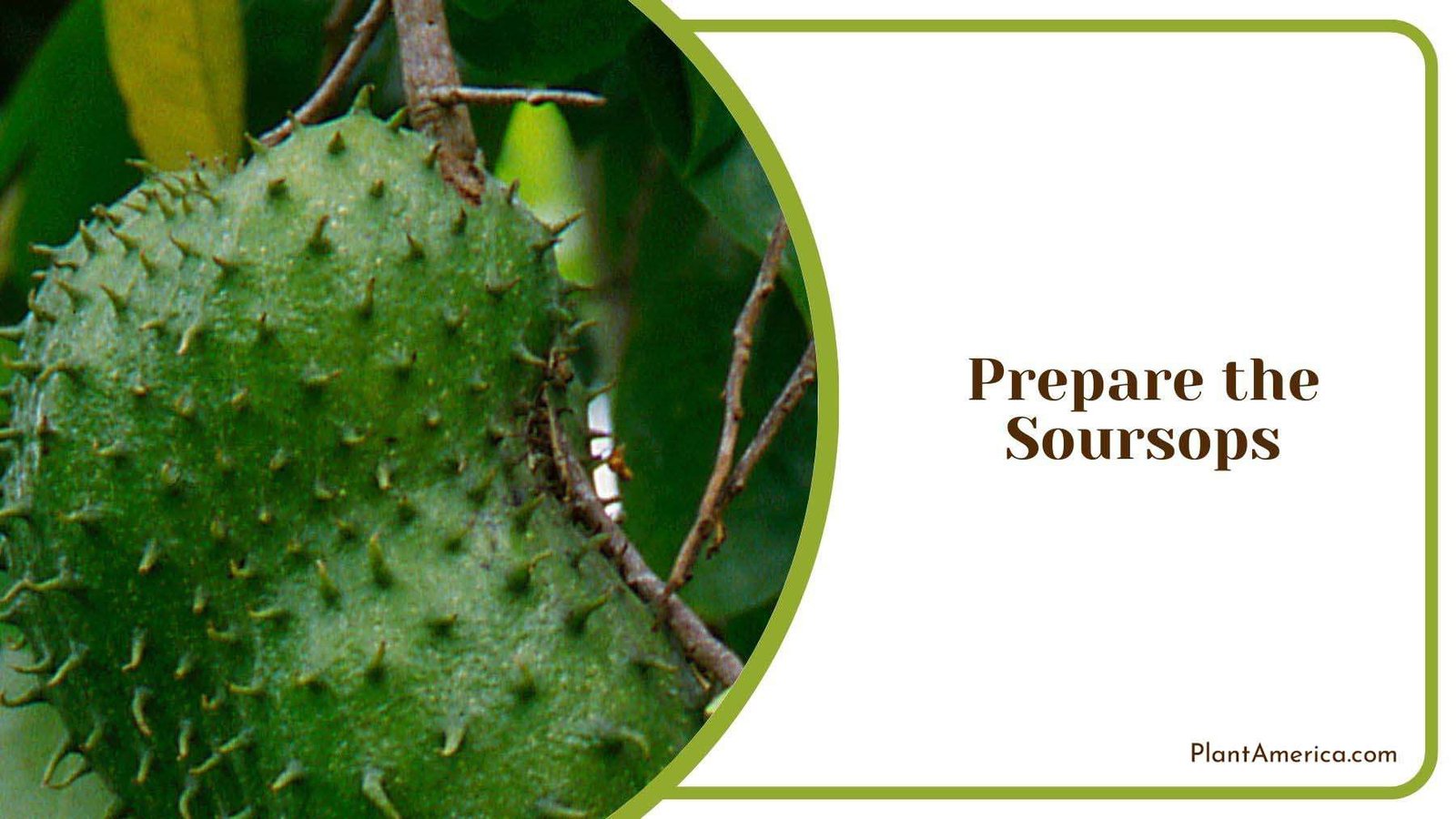
6. Prepare the Soursops
The first thing to do is to select your preferred soursops. Go for the trees that are nearest to you, as these trees will most likely adapt quickly to the new environment. Also, go for young trees as they adapt faster than older ones.
At most 12 hours before you dig out your soursops, water them deeply. Ensure that you water them until the soil looks soggy. This will ensure that water penetrates the soil and reaches the deepest roots of your soursops. It will keep your soursops hydrated throughout the transplantation process so that the process will not be too stressful for them. Watering them will also keep the soil soft enough for digging.
If your trees are infested with pests, try as much as you can to kill off the pests. You don’t want to bring new pests into your garden or yard. Also, prune the dead leaves off your trees if need be.
7. Dig Out the Soursops
It is time to do some digging. Are you ready? Using a shovel, map out a round trench just around the base of your soursops. The circumference of the trench should be the same or slightly larger than the soursop drip line. A drip line is the farthest reach of a tree’s canopy. The trench will help you dig out the most important and nearest roots of your soursops.
Carefully dig out the trees using your shovels or any tool or machine of your choice. So long as you watered the trees deeply earlier, the soil should be easy to dig. You just have to be careful with your tree roots so that you can save as many as you can.
8. Transport the Trees With Care
After bringing the trees from the ground, wrap their roots with an insulating material such as burlap if you will be transporting them to a far place. If you will be exposing the trees for long, protect their roots from the dry and hot atmosphere. Using your truck, a wheelbarrow, or whatever you choose, take the trees to their new home.
When handling the trees, try as much as you can not to hold their roots, as you don’t want to break any. Also, lay the trees sideways and not vertically or diagonally so that the roots will not feel much pressure.
9. Plant the Trees
It is time to transfer the trees from the truck to the holes that you dug earlier. Before you do so, however, measure the roots that you could save and ensure that your holes are wide and deep enough to accommodate the entire root system. Remember that each tree you collected has its measurement, therefore, the holes will not have the same measurements.

When you are ready to plant the trees, carefully insert them into their holes and start filling the holes with soil. After filling the hole, pat the soil gently and try to fill the air pockets. You can be strategic in planting your soursops. Plant them around other trees, especially apple trees such as sugar apples and custard apples.
10. Water the Soursops
After planting each soursop plant, you have to water it. Watering the plants will remove all the air pockets present in the soil. This will help the roots to quickly adjust and adapt to their new environment. Watering the trees will also keep them hydrated so that they won’t be stressed at all.
Just like you watered them earlier, water them deeply. Ensure that their deepest roots have water. You don’t have to worry about overwatering them, as you are using a suitable substrate for them. Remember that they prefer well-drained soil such as sandy loam.
11. Fertilize the Soursops
After watering your trees, fertilize them, especially if the soil is not very nutritious. If you amended the soil to make it more nutritious earlier, you don’t have to fertilize your trees after transplanting them. However, remember to do so when the growing season starts so that you can be sure that your trees have access to enough nutrients.

12. Watch and Wait
You are done with transplanting your trees, congratulations. However, remember that when you transplant a tree, you have simply started a new journey. Therefore, now is the time to start caring for your trees so that they will reward you with soursop fruits.
Don’t give up on caring for the trees. Remember that they are still in their growing season so they won’t grow as quickly as you may be expecting. Just continue watching over them while you wait. Congratulations once again.
Frequently Asked Questions
– What Are Common Mistakes When Transplanting Your Soursops?
Some mistakes problems when transplanting your soursops are not collecting enough roots when digging out the trees, not watering the trees before and after you transplant them, using unsterilized tools for the trees, and giving up on caring for your trees because you can’t see any sign of growth.
– Can You Transplant Mature Soursops?
Of course, you can transplant mature soursops. However, mature trees are now more difficult to transplant than young trees. Young trees are also easier to adapt to their new environment than mature trees. Therefore, only transplant mature trees when there aren’t available young ones.
– How Do You Care For Newly Transplanted Soursops?
You can care for newly transplanted soursops by occasionally feeding them, regularly watering them, getting rid of pests from the trees, mulching the trees if need be, treating emerging diseases, and pruning dead leaves off the trees. These tips will help your trees grow successfully.
– How Long Will It Take Your Soursops To Adapt?
It can take your soursops up to a month to adapt to their new environment. However, this depends on when you transplanted the trees, how many roots you could save, the difference in the growing conditions, and other factors. Don’t worry, your tropical fruit tree will surely adapt.
Conclusion
Transplanting your trees will be super easy for you now, right? Remember these points while transplanting the trees:
- Only transplant your trees in the dormant season.
- When searching for soursops, search for the ones nearest to you.
- Dig the holes and prepare the new location before bringing the soursops.
- Remember to water your trees before and after you transplant them.
- Don’t stop caring for your trees even if they aren’t showing any sign of growth yet.
After successfully transplanting your trees, they will reward you with sweet soursop fruits. Lovely, right?