
How to transplant daylilies is a task every gardener should master because these flowers grow bigger yearly. The first step to transplanting daylilies is preparing the new site, then carefully dig around the plant, uproot it, and divide it.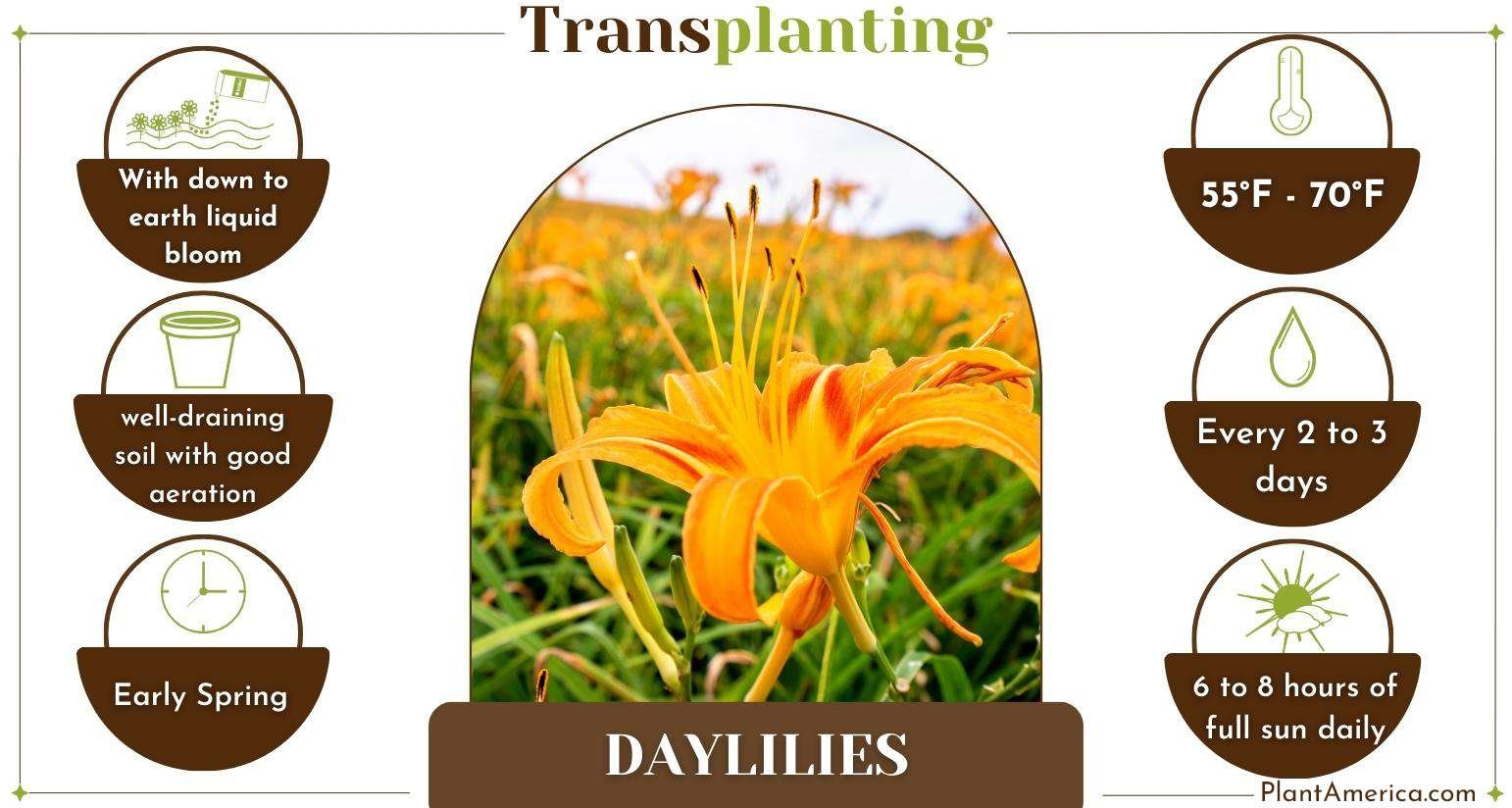
Replant the daylilies in the new hole and water them. Continue reading this complete guide for the full steps!
The Factors To Consider When Transplanting Daylilies
The factors to consider when transplanting daylilies include choosing the best time to transplant the lilies, like in early spring. You should also ensure the new site has good light exposure and soil nutrients for the lilies’ growth and the temperatures are suitable.
Moving daylilies from one spot to another stresses them, but ensuring they have the growth requirements keeps them alive.
– Best Time to Transplant Lilies
The best time to separate and replant daylilies is in early spring. During the season, the temperatures are cool, and the shoots are beginning to grow, meaning the daylily will continue growing after replanting. Spring also has light rains that help the plants recover from the daylilies transplant shock.
You can also transplant the daylilies during fall when they don’t have leaves. Fall has warm soil temperatures that will encourage root growth. Also, the season has shorter days, making plants spend less energy growing and more energy to grow roots.
Planting daylilies in the fall follows a similar procedure as transplanting in spring. The first step is digging a hole in the new location then using a garden fork to loosen the soil and carefully removing the plant from the soil. Shake the flower to remove the soil.
If the plant is mature and has divided fans that can be separated, pull them apart using your hands. You can use a clean knife or scissors to separate those without permanent sections for division. Then, plant your separated daylilies in the newly dug hole and care for them.
If it is your first time transplanting lilies, you could wonder how long can daylilies stay out of the ground. These flowers can stay out for up to two weeks if put in a cool and moist location. However, don’t soak them to protect them from rotting.
When asked the question “how late can you transplant daylilies?” most gardeners are not picky with when to transplant. Some who live in areas that experience snow prefer transplanting lilies in late summer to give them time to grow roots before the first freeze.
So, can you transplant daylilies while they are blooming? Not really; you can move daylilies at any time of their growing season, but the best time to transplant them is after they bloom. This gives the plants enough time to establish roots and grow in the ground before the next blooming period.
However, transplanting the daylilies when they are blooming cannot kill them. The worst the transplant can do is make their blooms fall, cause them not to bloom, or produce less than usual blooms the next season.
– Best Soil To Use
You should plant daylilies in well-draining soil with good aeration. Make sure the soil is neutral to slightly acidic because the acidity increases as the plant grows. You should also add some organic matter to the soil to make the plant grow healthier and faster.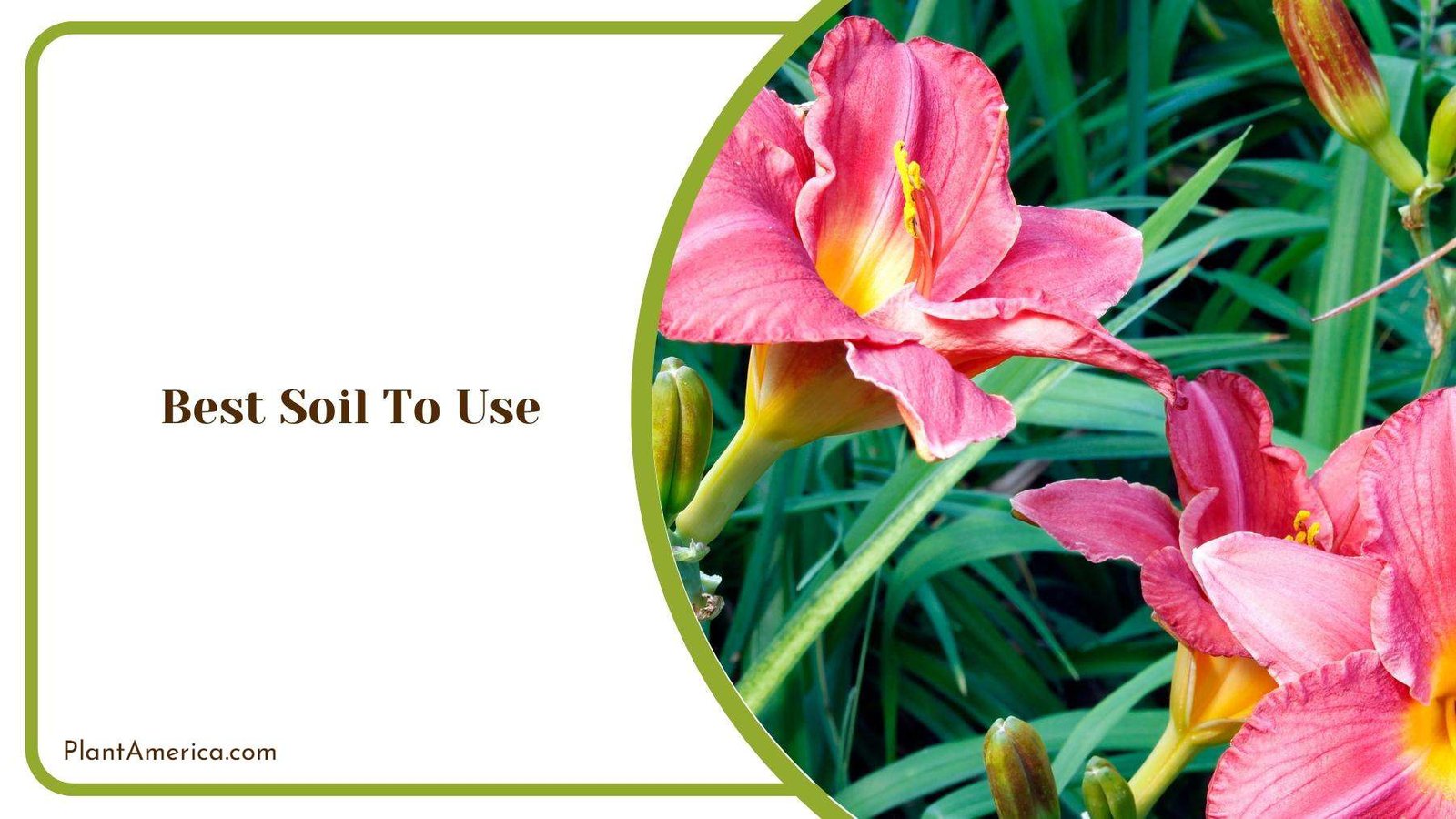
Most farmers growing daylilies in pots prefer mixing garden soil with native soil to provide a perfect growing medium for the plant. You can also pour some plant food like the Lilly Miller all purpose planting growing food or Breck’s food for daylilies 1 per package for healthy daylilies.
You can also fertilize the soil with down to earth liquid bloom for fast root development. The fertilizer also promotes the production of flowers and buds. Other gardeners prefer the leaves and soul professional liquid peace lily plant fertilizer for faster growth.
– Watering Requirements
Daylilies are drought-resistant plants, but they need proper watering after transplanting. You should irrigate the transplanted flowers every two to three days for the first few weeks after planting them. Once the plants grow roots and establish themselves in the soil, water once or twice weekly.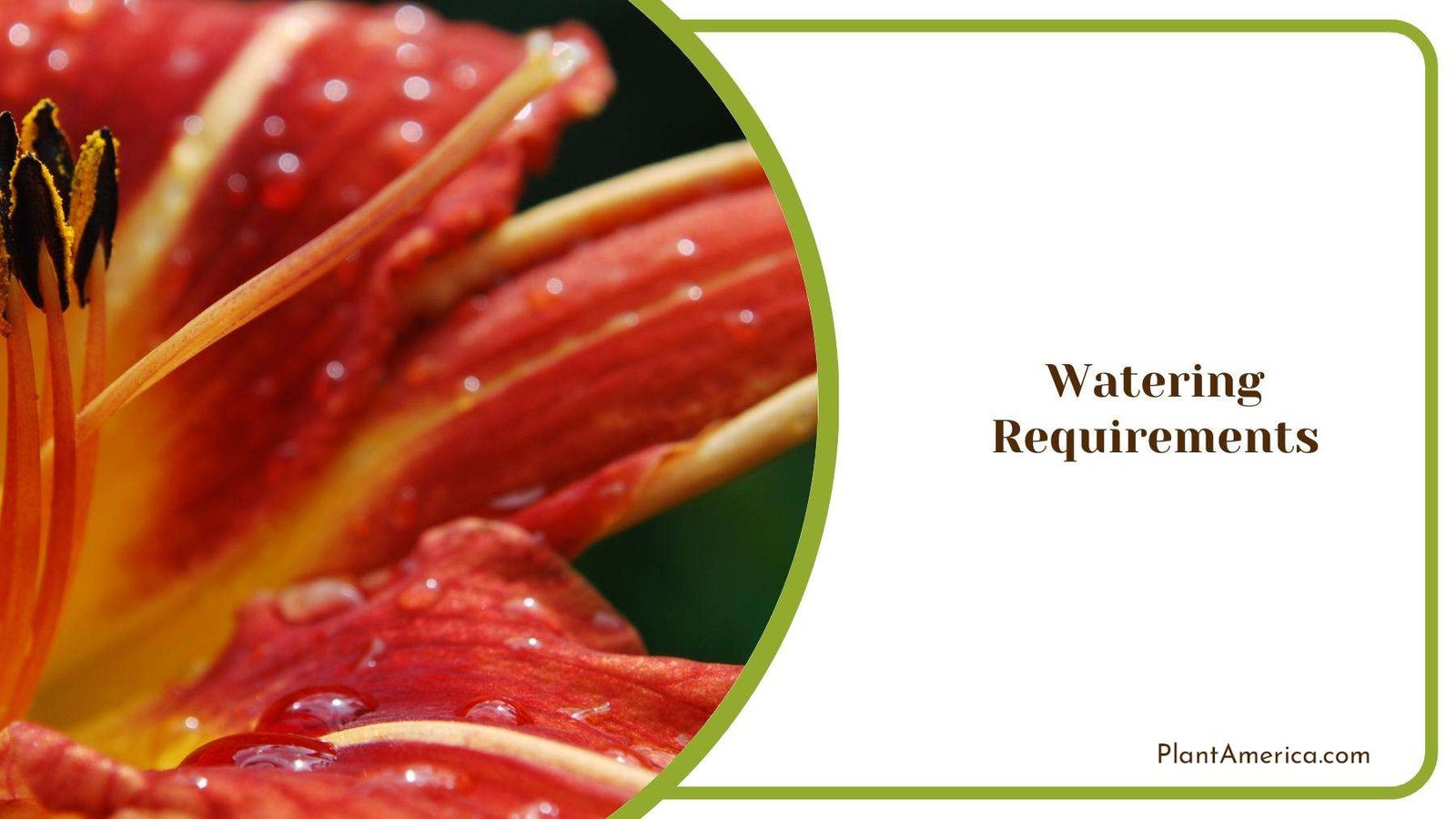
Once the growing season ends after the transplanting, you should water the daylilies once the soil dries up. Dig your fingers in the soil; if the first two inches are dry, you can water the plant. Overwatering daylilies can cause severe problems like root rot and other infections.
Also, not watering the daylilies for many days weakens them. The roots will then be unable to absorb and transport essential nutrients for plant growth, causing slow or stunted growth. Lack of water also reduces turgor pressure in the plant and makes it vulnerable to pests and diseases.
– Temperature and Humidity Requirements
Maintain temperatures between 55 and 70 degrees Fahrenheit to ensure the constant growth of your daylilies. Temperatures lower than 55 degrees Fahrenheit slows the plant growth and can affect its blooming. Higher temperatures also scorch the leaves, causing yellowing and brown tips. This reduces plants’ photosynthesis, leading to slow development.
You should also provide humidity for your daylilies after transplanting them. The flowers will do well in areas with 50 to 80 percent humidity. If you grow them indoors with low humidity, use a humidifier to increase the percentages.
– Placement Needs
When transplanting daylilies, space them about 18 to 24 inches apart. This spacing allows for proper air circulation between the plants, reducing the risk of diseases and ensuring they have enough room to grow without crowding each other.
Plant daylilies in a location protected from strong winds, especially if you live in an area prone to windy conditions. Wind can damage the foliage and flowers.
– Light Requirements
Take note that daylilies grow best when exposed to bright sunlight. Ensure the plants receive at least six to eight hours of sunlight daily. Sunlight is important because it supports essential processes like photosynthesis that manufacture plant’s energy for growth.
How To Separate and Transplant Daylilies
To separate and transplant daylilies, start by preparing the next planting site. Next, carefully dig the plant out of its original place and divide the flowers. Plant the daylilies in the new location and make sure to provide it with its ideal growing conditions.
Preparing the site before uprooting and dividing the plant ensures your daylilies don’t stay out for too long, which could make them suffer more shock. Here is a detailed step-by-step guide.
1. Prepare the Site
Dig a bigger hole than the current one that the daylilies are growing in because their roots will continue to get bigger. Also, when choosing the next spot, ensure the nearby plants are not too close because daylilies grow fast and can be invasive. You should also get a place with all the daylily growing conditions like the right soil, temperatures, and light exposure.
Once the hole is ready, prepare the flower for transplanting. You will need scissors, garden forks, a trowel, and a shovel to divide and transplant. Use the scissors to trim down the leaves to 8 to 12 inches. It makes the plant less bushy and all the parts will be visible for safe division. However, you can skip this step if your plant is short.
2. Dig the Lilies Out
Use a garden fork to make the soil around the flower loose for uprooting. Insert it into the ground about eight inches from the plant and wiggle it to loosen the soil. Be careful during this process because the fork could easily cut the plant’s crowns and roots.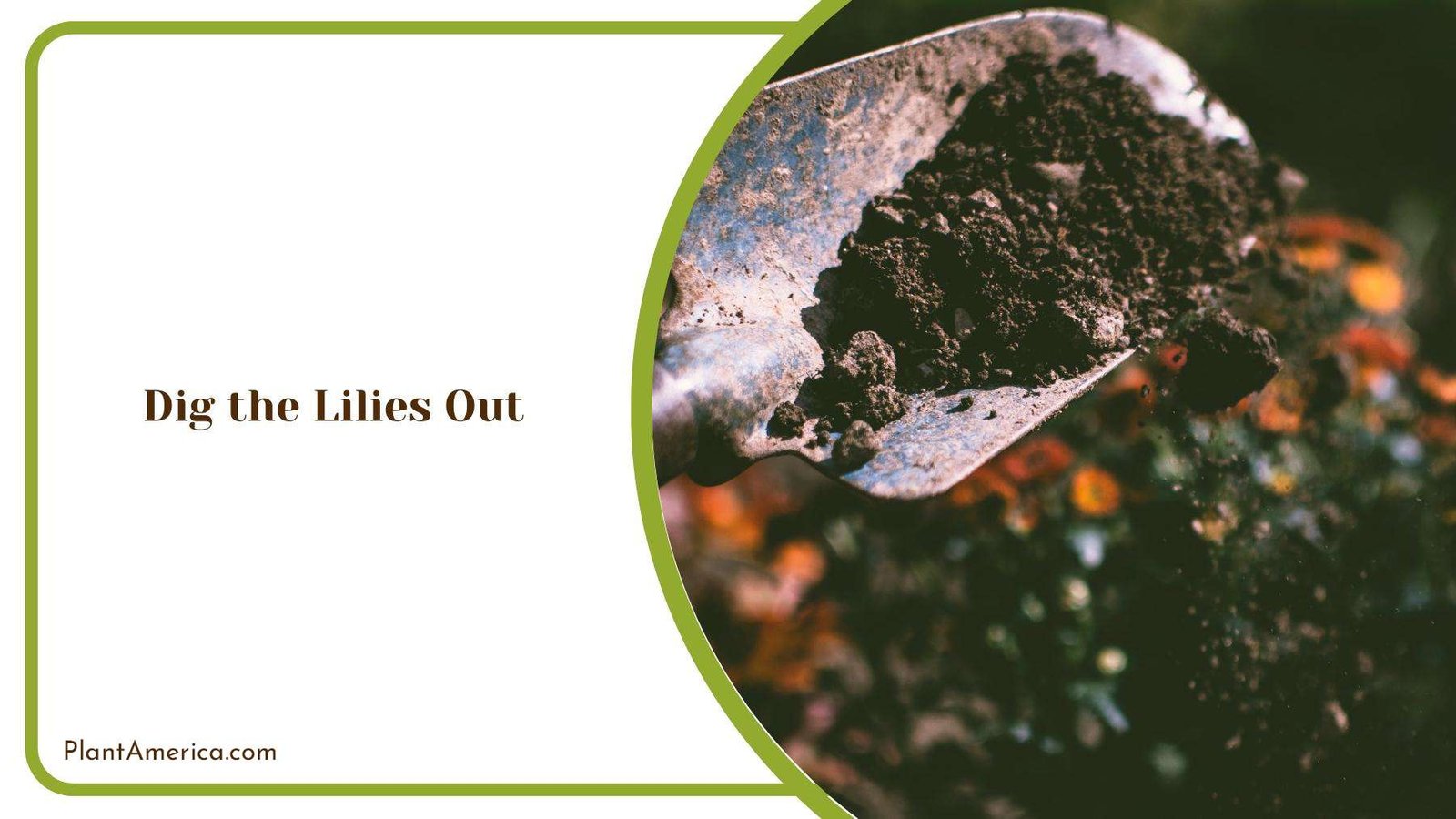
Once the soil is loose enough, remove and carefully insert the garden fork 45 degrees into the ground. Push the fork downwards from the handle to remove the plant from the soil. The soil could separate, exposing the roots, which is what you want to achieve.
3. Divide the Flower
It is now time to divide lilies. Start by removing the large soil clumps around the roots, but be careful not to pull out the root strings. You should also wash the roots by spraying them with a hose. This washes away the dirt and removes germs and pests from the roots while separating them.
If there are fans showing signs of separation, use your hands to divide them. Start by detangling their roots to avoid breakages and pulling the fans away from the crown area. Look for all the parts that can naturally be separated by hand until the entire daylily chunk is separated. You can cut the problematic fans with a knife or scissors to separate the crowns.
4. Plant the Flowers
After successfully dividing daylilies, plant them in the new hole. It should be wider and deeper than the previous one and filled with the suitable soil and nutrients to ensure the plant’s survival. Fill the new site with soil using the trowel and water it every two to three days.
How To Transplant Daylilies in Pots
To transplant daylilies in pots, you will first need to grow the plant from seeds to seedlings. Prepare a suitable potting mix before carefully uprooting the seedling. Remove the dirt and soil clumps from the roots and plant the daylilies in a pot.
If your daylilies are seedlings, you can transplant them into pots. Before transplanting, fill a large pot that is bigger than the required size for the plant with a potting mix rich in nitrogen and organic matter. Nitrogen and organic matter are the best for small and developing plants. You can also add Dr. Earth 4 lb. annual bloom flower garden fertilizer, which supports planting containerized flower seedlings.
Once the potting mix is ready, use a small garden fork to make the soil loose and uproot the seedling. These don’t have very strong roots, but be careful when removing from the soil not to cut some root strings.
Shake the seedlings gently to remove the soil clumps. You can also remove them using your hands to avoid damaging the tiny roots. Don’t pull the stubborn clumps with force. Instead, break them with your fingers until they loosen and fall.
Remove dirt on the roots by spraying them with water. The water also washes away any pests and infections so they won’t be transferred to the new container. If any crowns have begun forming, separate them with your hands or a clean knife. However, this is unlikely in seedlings because they are not mature enough.
Next, plant the daylilies in the pot. Water the potting mix to make it easier to plant the flowers. You should continue watering the seedlings daily until they are mature enough to go for days or weeks without water.
Also, provide the correct lighting requirements, temperature, and humidity for daylily plant growth. These tiny seedlings cannot withstand winter, so you must protect them from freezing climates. You can take the pots indoors when it begins to get cold and keep them in the correct temperatures.
Conclusion
Transplanting daylilies could be easy for some gardeners, but it challenges others. Failure to follow the correct transplanting procedures and provide suitable after-care can lead to unsuccessful transplanting, so make sure to treat them with care.
- Transplanting lilies is best done in spring when the dormancy state is almost over.
- The first step in transplanting is preparing the new site so as not to keep the plant out for a long time and cause more shock.
- You can transplant seedlings into a container or replant container daylilies into the ground.
When finding a new site for growing your daylilies, ensure it has all the plant growth requirements for the flowers. If your daylilies have overgrown, use this guide to transplant them.