
How to transplant blueberry bushes is as easy as growing the fruits in a pot. Dig an 18-inch deep and 18-inch wide hole, fill it with soil and compost, and dig the plant out from the current location.

Plant the blueberries in the new hole and water it. Continue reading this full guide to get the complete details!
How To Transplant Blueberry Bushes
To transplant blueberry bushes, you have to start with preparing the new planting site. This site should have all the conditions for growing blueberries, like the correct temperature, light, water, and nutrients. You should prepare the area by digging an 18-inch wide and deep hole.
– Prepare the New Site
The new hole should be bigger than the plant being transplanted to allow enough room for growth. Once you have dug the hole, remove any rocks and debris that will disrupt the plant growth. Then, fill the hole with well-draining soil, add peat moss, and mix with sand. This adds aeration and improves the soil’s drainage so you won’t encounter root rot and other problems
Once your site is ready, start preparing the blueberry bush for transplanting. This is best done when the plant is dormant after the leaves drop and when there is zero growth. If you have mature blueberry bushes, trim the branches to make the transplant easier.
– Dig up the Bushes
So, do you know how to dig up blueberry bushes? Use a shovel to dig around the plant base for easier uprooting. The shrubs have shallow roots; carelessly digging the ground could cut them and stress the plant even more.
Dig about a foot deep. Stick the shovel in the soil and lift it gently to make the root ball loose. Continue until you can pull the entire root ball without hurting it.
Once the plant has come out of the soil, hold it at the roots to keep the soil around them intact. This protects the plant from more shock and helps it recover quickly by growing in an almost similar environment. It is also advisable to plant blueberries immediately after digging them out of the soil. If it is impossible to plant them immediately, wrap the root ball in plastic.
– Plant Blueberry
The next step is planting the bush in the new location. Put the root ball in the new hole and fill its surroundings with peat moss and sand mix. Add organic compost to help with the berry development.
However, ensure the hole is not completely packed with soil. This reduces aeration and creates a perfect environment for root rot. In addition, tap the soil to remove air pockets.
– Provide After-Care
The last step is caring for the newly planted blueberry. Mulch the soil with pine bark or sawdust. The mulch keeps the soil moist and prevents weeds from growing. You should also water the plant every day or after every two days. These bushes have shallow roots that can dry easily if the soil’s surface dries out.
How To Transplant Blueberry Bushes in Pots
To transplant blueberry bushes in pots, make sure the new hole is bigger than the plant’s original space. Prepare and water the soil, making sure that it has the ideal nutrients. Carefully extract the plant from its pot and place it in the new hole.
If your blueberry seedlings grow in pots and you want to transfer them to a permanent location on the ground, the process is easy. Start by digging a bigger hole than the plant to ensure it has enough space to grow in the coming years.
Remove rocks and other materials in the hole that could hinder blueberry growth and fill it with well-draining, acidic soil. Next, put compost and peat moss in the soil to increase drainage and soil fertility. Once your hole is ready, start transplanting the plant.
Before getting the blueberry out of the container, water it to ensure the soil is sticky. This keeps the soil around the root together and prevents the root system from tearing. On the transplanting day, squeeze the pot gently to loosen the root ball.
Once the plant becomes flexible, lift it from the pot gently. Since the seedlings are tiny, be careful not to unplug them from the soil without their roots. When lifting the plant, ensure it comes out with the root ball.
Place the roots in the middle of the planting hole and cover it with soil. The plant’s base should be level with the soil surface. You should also fill the planting hole with sand and peat moss to increase the soil’s drainage.
Pat down the soil to lock any air spaces, but don’t press it down too much. Over-patting the soil can suffocate the roots. Lastly, water the newly planted plant to ensure a successful transplant. You should water it daily or after two days until it heals from the transplant shock and grows.
How to Transplant Blueberry Bushes From Seeds
To transplant blueberry bushes from seeds, start by soaking the seeds in a moist sphagnum moss-filled container. Use a thin moss layer to cover the seeds and place them in a warm room of 60 to 70 degrees Fahrenheit. Transfer them to pots with the ideal soil nutrients after germinating.
Keep checking the seeds and protect them from mold. They will start germinating after a month. Carefully remove the thin moss covering and place them in a sunny spot. Leave them to grow up to three inches before transplanting.
If transplanting into a pot, fill the container with peat, sand, and soil to make a growing medium. Water the soil well and make a hole at the center. Then, carefully place the seedlings and water them. You can pour a liquid fertilizer after two or three weeks of planting to help with growth and development.
What Are Factors To Consider When Transplanting Blueberries?
The factors to consider when transplanting blueberries include transplanting in early spring to late fall to increase the chances of the plant’s survival. You should also plant it in the right soil and ensure that the temperatures and light exposure requirements are ideal.
Transplanting blueberries is easy, but as we can see, you must consider some factors for it to work.
– The Best Time to Transplant Blueberries
Although you can transplant fruit plants during any season, the best time to replant blueberries is late fall or early spring to avoid frost before it recovers. The blueberries are dormant during this time, so there isn’t active growth. However, the transplanting is best done when the ground isn’t frozen.
Since there is less growth during dormancy, the plants will use the energy they could have used to grow to recover from the transplant shock faster. As the warmer and growing season approaches, the blueberries will have healed, and they can produce flowers and berries perfectly.
Can I transplant blueberry bushes in summer? Not really, but you can plant blueberries in summer if it is an emergency. Avoid transplanting berries when the temperatures are high because the ground dries out fast, causing the plant to wilt. Besides, new transplants are vulnerable to sunscald, which reduces photosynthesis and kills them.
Can transplanting blueberries in spring kill them? No, transplanting berries in early spring won’t kill them. During the season, they are almost out of the dormancy state, so they will start growing after a short time.
– Soil Requirements for Transplanting Blueberries
You can add fertilizer in the new hole before or after planting the blueberries. Fertilizers reduce the transplant shock and supply the plant with the lost nutrients. However, organic fertilizers are the safest fertilizers to apply immediately after transplanting berries. These are gentler and won’t burn the new roots.
You can start applying commercial fertilizers four to six weeks after transplanting. If you transplant the 2.5 qt. blue jay blueberry live plant with sweet and large berries, 2.5 qt. Duke blueberry live plant with large berries, or Bushel and berry 1 gal. pink icing blueberry plant, ensure you choose the best transplant fertilizer.
You should also use the best soil for your berry growth and development. For example, Bushel and Berry 1 gal. pink icing blueberry plant prefers acidic soil with a PH value of 5.5 or less. Top hat dwarf blueberry plants also like well-drained and acidic soil. If the new site’s soil is not acidic, adding sulfur can lower its PH.
– Watering Requirements Before and After Transplanting
Watering blueberries before transplanting them makes the process easier and reduces the blueberry transplant shock. A few days before you transplant blueberries, water them deeply to make digging around the root ball easier. The water also helps the soil around the root balls stick together, making them easier to pull out without hurting the roots.
However, reduce the watering as you get closer to the transplanting day. Making the soil soggy could loosen the roots from the ground, and when uprooting the blueberry plant, only the bare roots will come out. Reducing the amount of water leaves the soil wet and settled, keeping it intact with the roots.
Watering the blueberries after transplanting them is equally important. It reduces the tiny pores in the soil and holes to prevent air pockets that could disrupt root growth. Water is also a transplant shock preventer, and plenty of it will keep the transplanted blueberry settled in its new location.
You need to water the plant frequently the first days after transplanting it. Reduce the watering after four to six weeks because the blueberry has established in the soil. However, keep the soil moist for continuous growth of the fruit plant.
– Temperature Requirements To Grow Blueberries
Blueberry temperature requirements depend on the species. However, the ideal temperature should be between 60 to 70 degrees Fahrenheit. Some varieties, like the highbush blueberries, can withstand freezing temperatures, so they can survive in temperatures below 60 degrees Fahrenheit.
Providing the berry’s optimal temperature after transplanting is essential because the warmth promotes crop development. It increases water and nutrient uptake and supports growth and development.
Extremely cold temperatures freeze the water, making absorption and transportation challenging. Besides, low temperatures decrease water viscosity, slowing down essential processes like photosynthesis.
Aside from the ideal temperatures, you should also expose the transplanted berries to the correct humidity. Blueberry plants grow in humid areas with 50 to 70 percent humidity. High humidity helps keep the plants’ stomata open, ensuring good photosynthesis and supporting crop growth.
– Potting Medium
Plant blueberry bushes about 4 to 6 feet apart within rows, and space the rows about 8 to 10 feet apart. 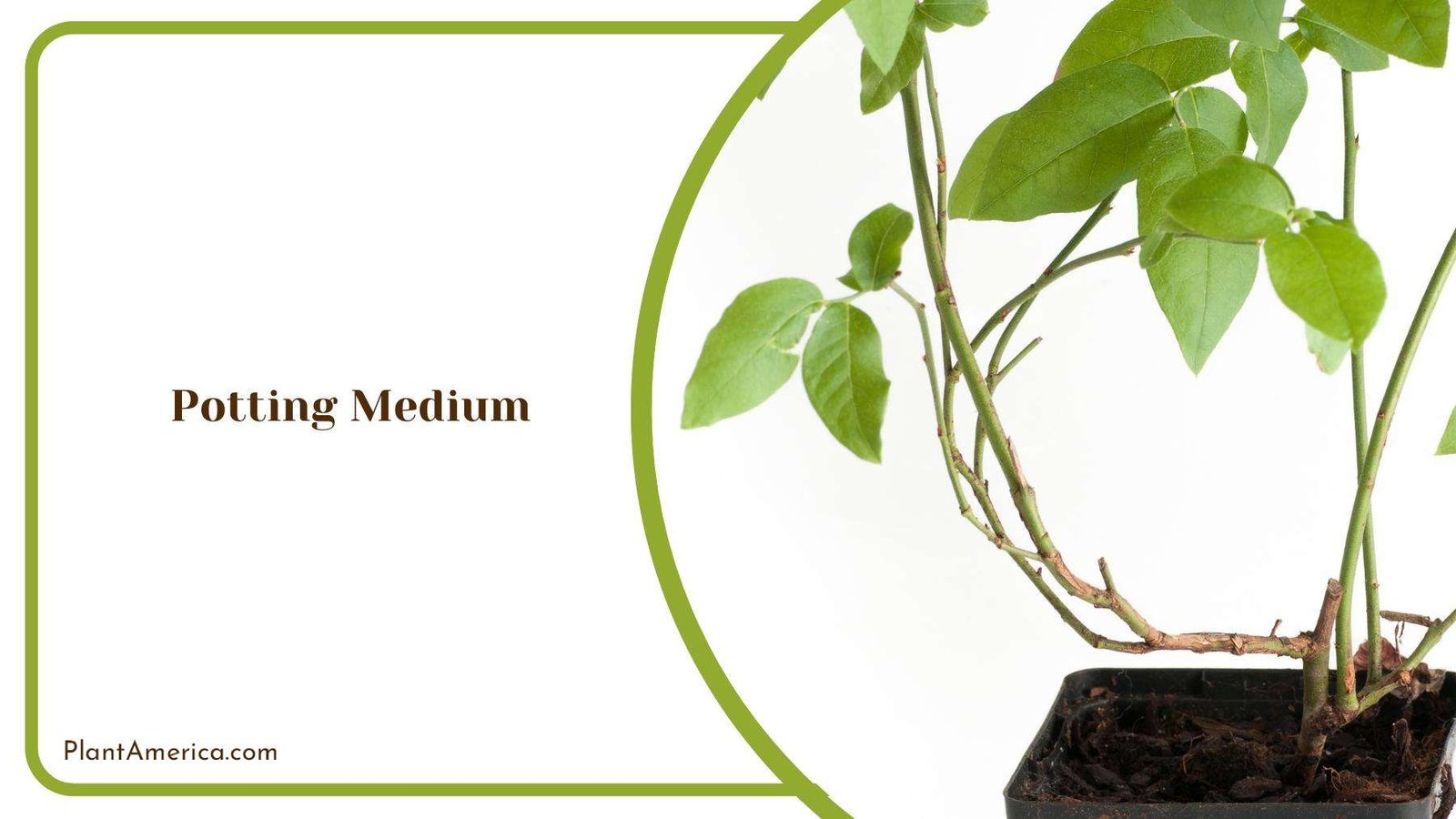 Giving them ample space allows for air circulation, which helps prevent diseases and promotes healthy growth.
– Light Requirements After Transplanting
The correct lighting will prevent you from having a failed blueberry transplant. These plants thrive best when exposed to full sunlight. If they get six to eight hours of direct sun daily, you will have thriving plants and healthy fruits.
These plants can tolerate partial shade, but don’t transplant them under tree canopies because too much shade causes the production of small flowers and fruits. Besides, the surrounding plants will compete for water and nutrients with your berries, which is essential for their healing and development.
Conclusion
Transplanting blueberries requires you to prepare the site before removing the root ball. Before uprooting the plant, dig around its base for easy uprooting and lift the root ball and plant them in the new site. Ensure you water the plant daily or after every two days afterward.
- You should prepare the new hole for transplanting berries before uprooting the plant to protect its roots from any damage.
- Filling the new hole with peat moss increases the soil’s drainage, and organic matter increases fertility.
- You should not fertilize the berry plants immediately after transplanting because some fertilizers are harsh and can burn the vulnerable roots.
Now that you know how to transplant berries, don’t let your plants overgrow in a small area — get the tools ready and start the process today!