
Flowers for Hummingbirds attract these miniature jewels like magic, offering a feast of nectar that hummingbirds cannot resist. We’ll cover the top flowers to plant in your garden to bring hummingbirds flocking to your yard, from easy-care perennials to show-stopping annuals.
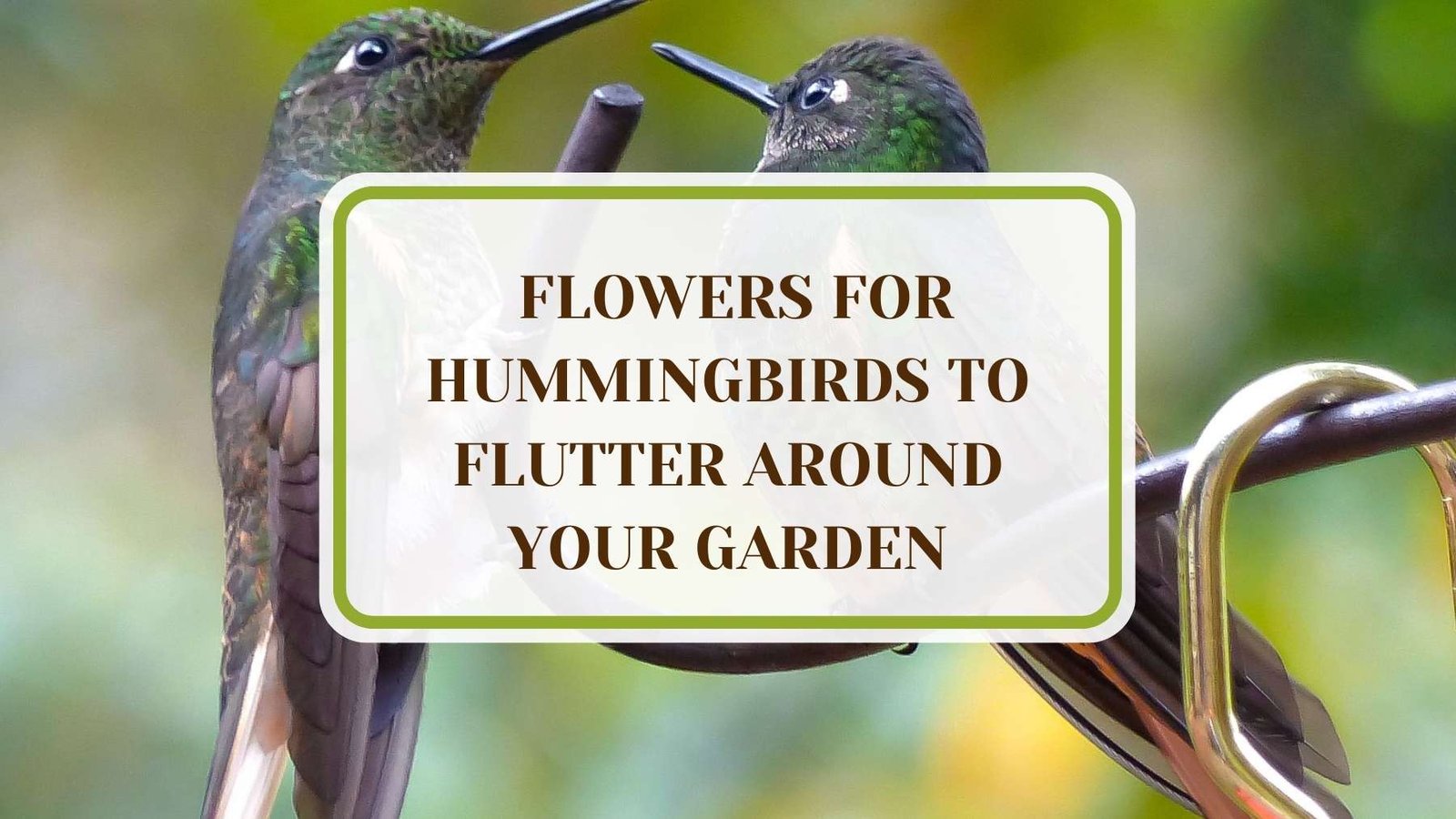
So grab your garden gloves, choose a few sunny spots in your yard, and let’s get planting the perfect flowers to enthrall hummingbirds all season long.
21 Flowers for Hummingbirds to Pick From
1. Honeysuckle

- Growing Season: Spring : Fall
- Leaf shape: Ovate, Lanceolate
- Specific needs: Full sun, Moist soil
- Common Pests: Aphids, Japanese beetles
Honeysuckle is a top attractor of hummingbirds with its long, tubular flowers emitting a sweet aroma. Hummingbirds can’t resist stopping for a sip of its nourishing nectar. Observers often see the tiny birds hovering in place, maneuvering their S-shaped necks to plunge their bills deep into the blooms.
With wings beating up to 80 times per second, hummingbirds are a thrill to watch as they zip among the vines. Homeowners are advised to plant honeysuckle where it has space to climb, such as along fences or arbors, where its winding stems can put on a vibrant seasonal show.
As dusk approaches, moths and butterflies may also join the hummingbirds in drinking nectar from the flowers well into the night. With its lovely scent and ability to entertain pollinators, honeysuckle makes for a wonderful addition to any garden.
2. Columbine
- Growing Season: Early summer
- Leaf shape: Palmate, Oval
- Specific needs: Partial shade, Well drained soil
- Common Pests: Slugs, Snails
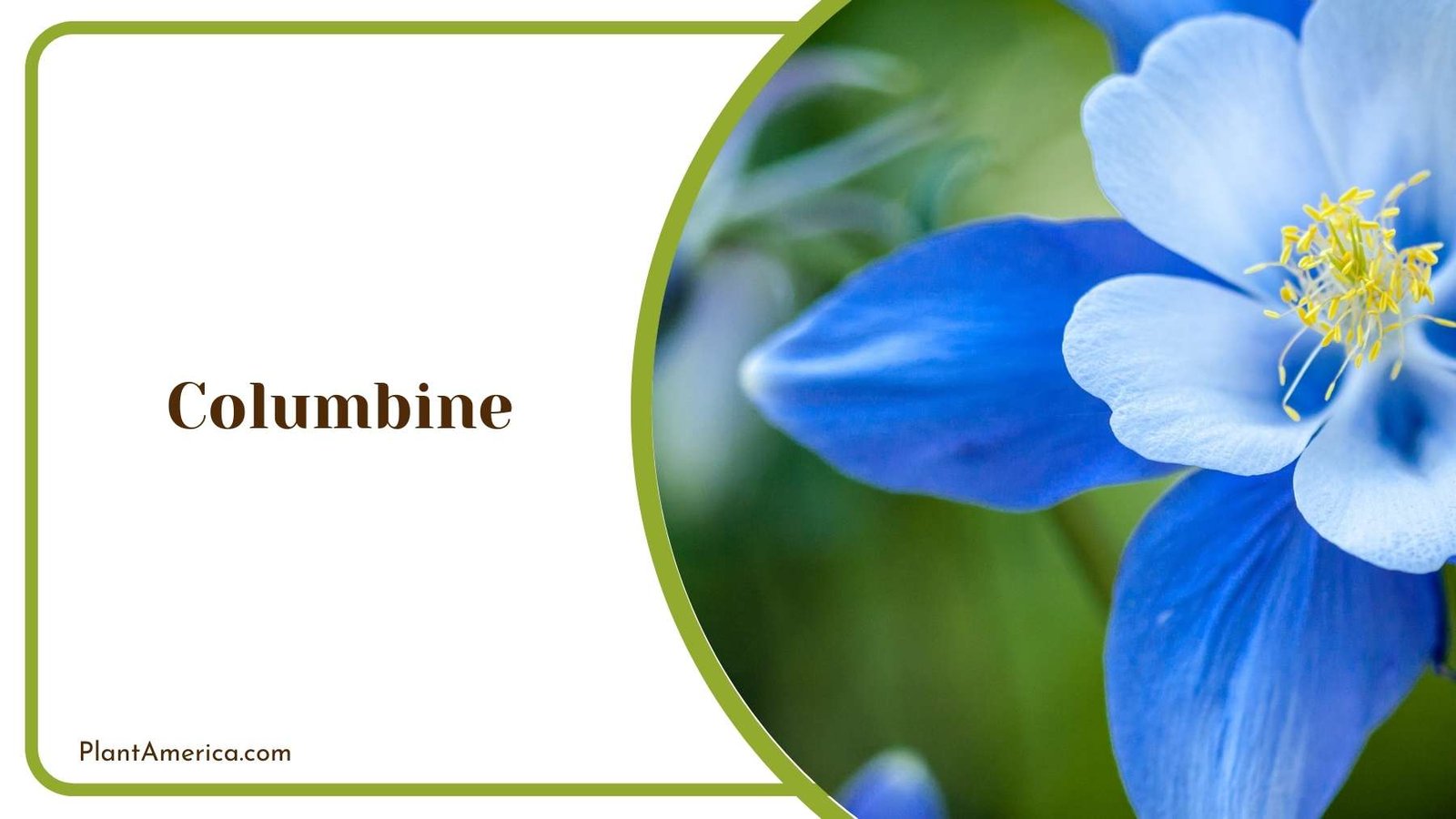
The colorful blooms of columbine are a beloved spring treat for hummingbirds. With hanging bell-shaped flowers bursting forth in hues of red, pink, purple, and white, columbine stops traffic among these tiny feathered jewels.
Its nectar-filled spurs are perfectly designed for a hummingbird’s specialized bill and tongue – the long, tubular structures allow them to probe deeply inside without having to compete with other pollinators.
Their acrobatic hovering abilities and precision maneuvering also give them access to nectar that butterflies and bees can’t reach. As the hummingbirds move from flower to flower, countless pollen grains adhere to their feathers and beaks, unknowingly transporting columbine’s genetic material.
Though columbine is often found growing wild at the edges of forests, it also thrives nicely when planted among perennials or at the front of a sunny border. Its easy care and ability to self-seed make it an excellent choice for any gardener hoping to attract hummingbirds year after year.
Whether enjoying from a window or patio, the acrobatic display put on by hummingbirds feasting on columbine is sure to delight observers for seasons to come.
3. Bee Balm

- Growing Season: Summer : Fall
- Leaf shape: Elliptical, Oval
- Specific needs: Full sun, Well drained soil
- Common Pests: Aphids, Japanese beetles
Bee balm sports clusters of tubular flowers in vivid shades of red, pink, and purple that bloom continuously from mid-summer through fall. Hummingbirds find these bouquets especially irresistible.
When in bloom, bee balm is constantly buzzing with activity as hummingbirds zip from blossom to blossom, inserting their needle-like bills into the nectar-packed interiors. Their rapid wingbeats, synchronized with rhythmic flashing of colorful gorgets, make for enjoyable visuals.
While its common name denotes attraction of bees, bee balm is equally cherished by hummingbirds. The flowers offer ample nectar to sustain hummingbirds during seasonal migrations. As they drink, their feathers and faces become covered in pollen which is then transported—unknowingly by the birds—to pollinate other bee balm plants down the line.
Though a magnet for pollinators, bee balm is also a low-maintenance perennial with erect foliage and a naturally compact form well-suited to gardens of any size. Combined with its extended blooming period, bee balm proves a truly valuable plant for supporting local hummingbird populations all season long.
4. Butterfly Weed
- Growing Season: Summer, Fall
- Leaf Shape: Lanceolate, Oval
- Specific Needs: Full sun, Dry soil
- Common Pests: Aphids, Spider mites
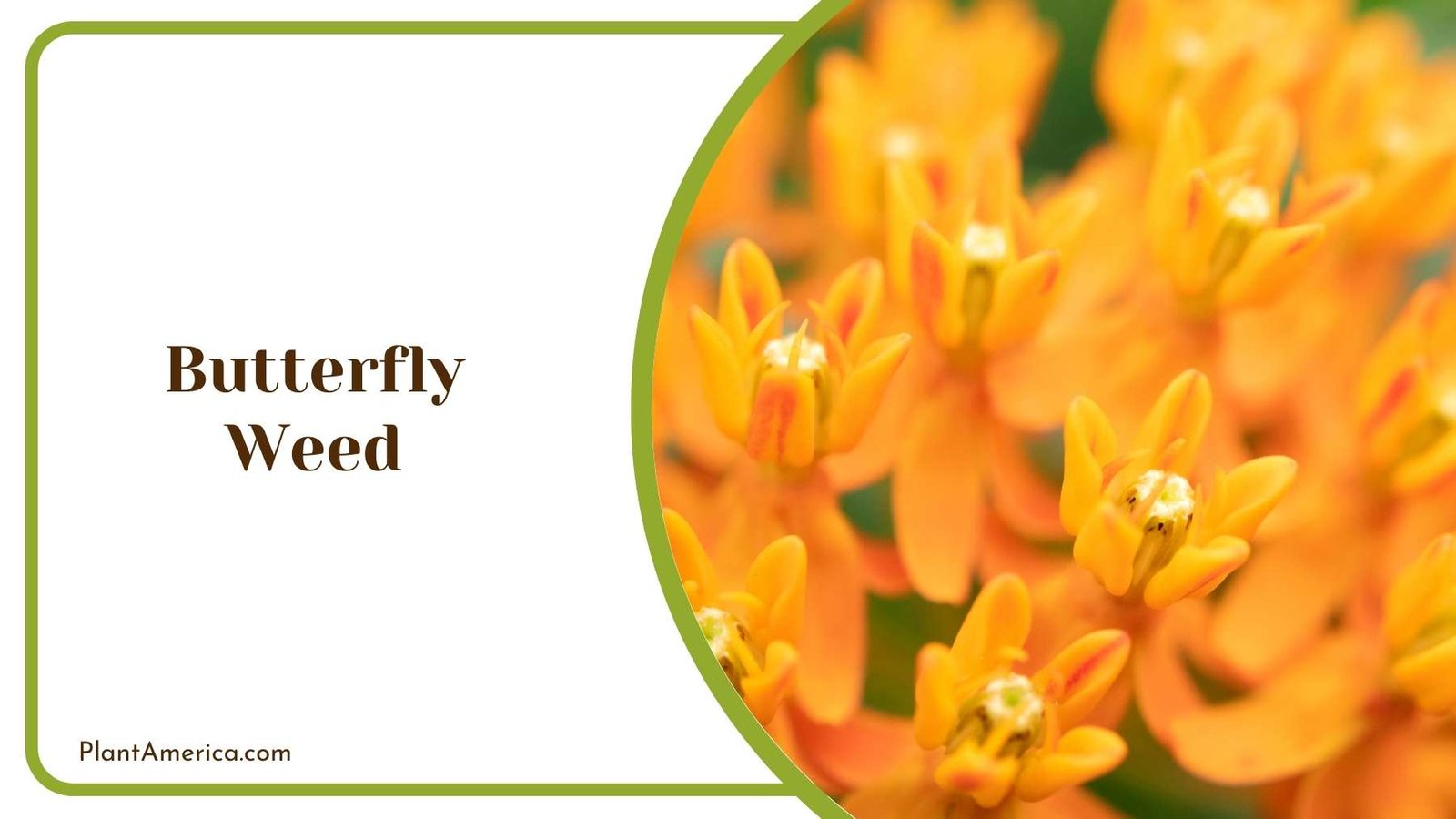
Butterfly weed earns its name not just for attracting butterflies, but also for luring in hummingbirds with its clusters of bright orange tubular blooms. Plant in full sun with well-drained dry soil.
Deadheads spent blooms to extend bloom time through fall. This drought tolerant native plant requires little care once established. Keep an eye out for typical sap-sucking insects like aphids and spider mites that feed on the foliage.
Once the colorful clusters of butterfly weed bloom in mid-summer you’ll be treated to the acrobatic spectacle of hummingbirds darting from blossom to blossom, hovering suspended to insert their bills into the tubular florets in search of the sweet nectar that will keep them going through fall migration.
The vibrant orange flowers against a backdrop of gray-green foliage makes for a delightful sight to behold from your summer vantage point.
5. Cardinal Flower
- Growing Season: Summer, Fall
- Leaf shape: Lanceolate, Oval
- Specific needs: Full sun, Well drained soil
- Common Pests: Aphids, Japanese beetles
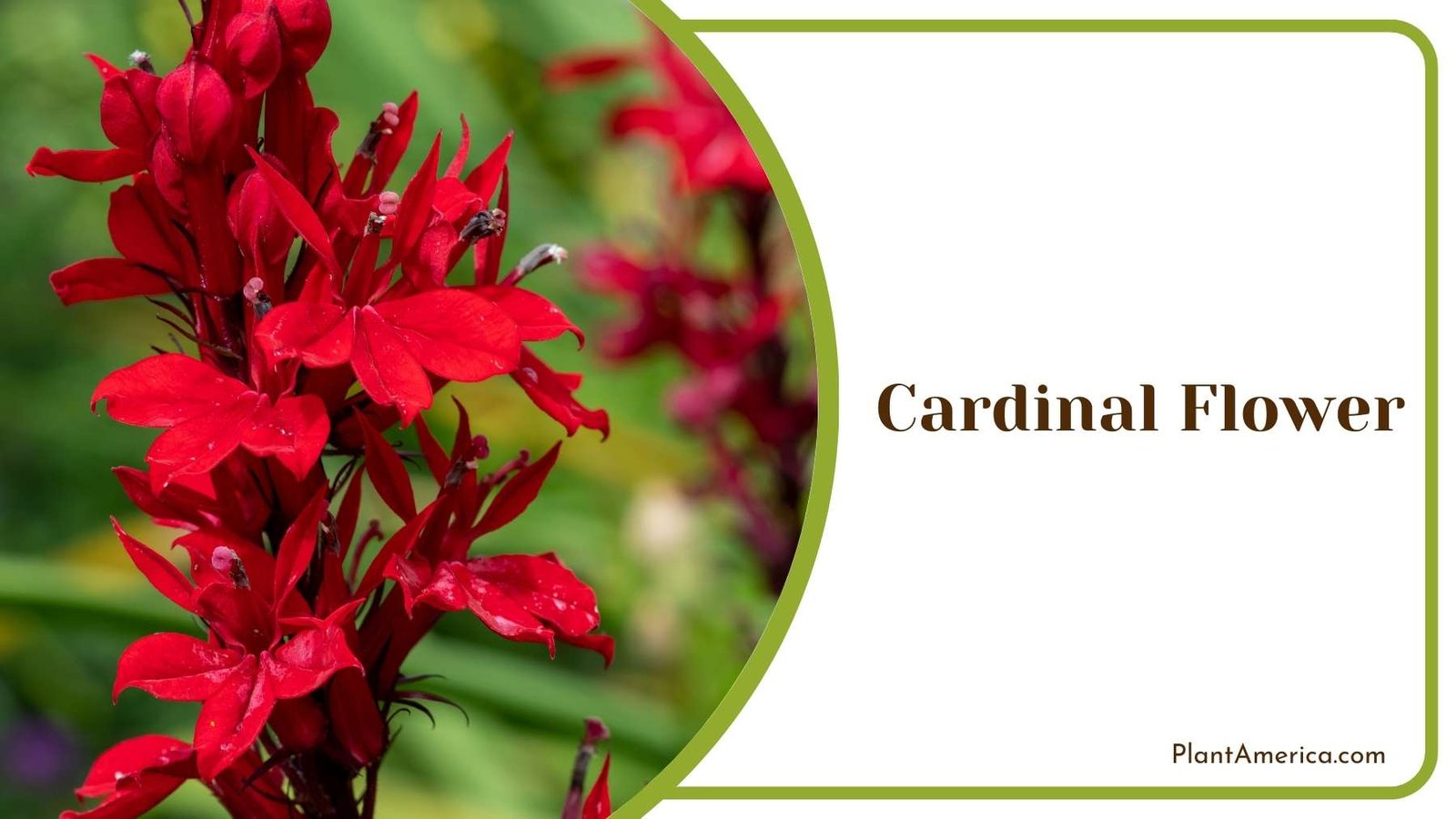
Nothing attracts hummingbirds quite like the stunning red blooms of cardinal flowers. From mid to late summer, the plant sends up spikes of brilliant crimson flowers that shimmer beside ponds or along streambeds. Where located near a source of flowing water, the vivid color advertising the flowers’ nectar-laden rewards becomes a beacon to hummingbirds.
Males seem especially enamored, frequently stopping to feed among the blossoms while staking out and defending territories from rivals. As they move from flower to flower, their rapid wing beats and acrobatic maneuvers produce synchronized flashing of iridescent gorget feathers.
The flowers’ tubular structure and positioning well-matched to a hummingbird’s specialized bill allow them to readily access nectar from within.
In doing so, their feathers become dusted with yellow pollen to unwittingly transfer between plants. While wet conditions are perfectly suited to the cardinal flower’s habitat needs, it also thrives when planted among other moisture-loving perennials in the garden. Either way, these striking blooms are certain to captivate both hummingbirds and human observers.
6. Four O’Clock
- Growing Season: Summer, Fall
- Leaf shape: Oval, Oblong
- Specific needs: Full sun, Well drained soil
- Common Pests: Aphids, Japanese beetles
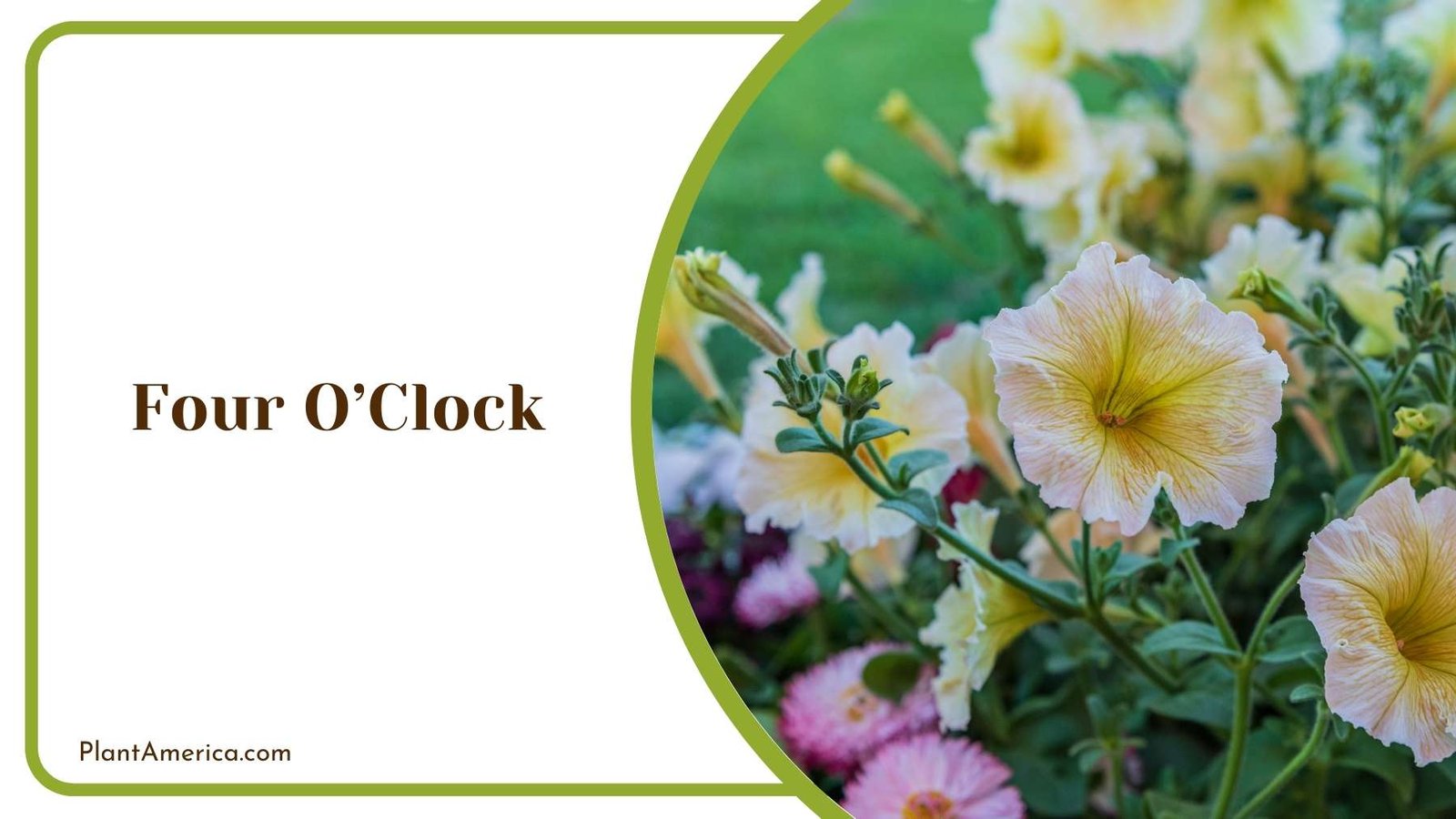
The four o’ clock flower earns its name by opening its colorful flowers in the late afternoon, revealing delicate fringed blooms that attract hummingbirds with their nectar-rich tubular center. Plant four o’ clock in full sun with well-draining soil to prevent root rot.
Prune after the first flowering to encourage multi-stemmed bushier growth. Keep an eye out for aphid infestations that can cluster on the new growth. Once the fringed blooms of four o’clock appear in a riot of color in late summer, you’ll soon find hovering hummingbirds inserting their long bills deep into the tubular centers of the flowers in search of sweet nectar.
The late afternoon presentation of color and action in your garden will provide memorable entertainment as hummingbirds dart acrobatically from blossom to blossom, putting on a show until the flowers finally close with the setting sun.
7. Foxglove
- Growing Season: Summer, Spring
- Leaf shape: Lanceolate, Oval
- Specific needs: Partial shade, Well drained soil
- Common Pests: Aphids, Slugs
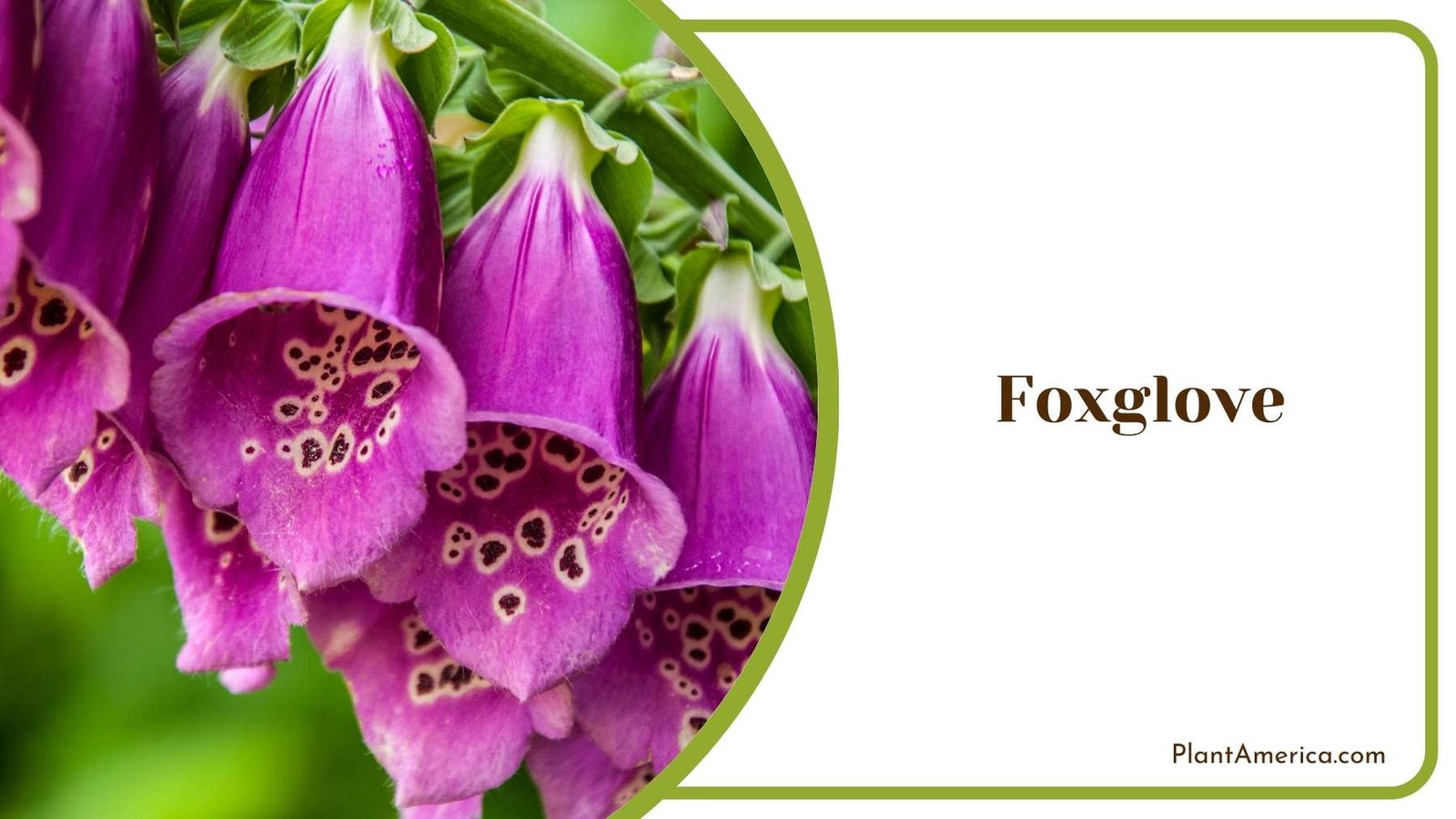
While perhaps better known as a favorite of floral arrangements, foxglove blooms are also a prized snack bar for hummingbirds. From early to late summer, the tall spires erupting from basal rosettes of leaves burst open to reveal hanging bells in colors from white to pink to deepest red.
The tubular flowers perfectly suit a hummingbird’s specialized foraging abilities, their curving beaks allowing them to reach nectar reserves that remain untapped by bees and butterflies. As they extract sweet liquid rewards, hummingbirds become walking advertisements for foxgloves.
Pollen heavy with protein, calcium and other nutrients clings densely to their feathers and faces, transferring between flowers as the birds zip from blossom to blossom, fueling up for aerial territorial displays or long migrations ahead.
Within woods or laced among borders and beds, foxgloves add grace and structure, along with four seasons of interest. But it is in summer when they reward avian acrobats and human observers alike with a vibrant visual show. Whether in full sun or partial shade, foxgloves prove a worthwhile addition anywhere these glittering gems frequent.
8. Passionflower

- Growing Season: Spring, Fall
- Leaf shape: Palmate, Lobed
- Specific needs: Partial shade, Well drained soil
- Common Pests: Aphids, Spider mites
With exotic blooms resembling icons of Christian faith, passion flowers entice hummingbirds with abundant sweet nectar. Climbing vines or compact shrubs depending on variety, they erupt yearly to flaunt flowers in varied hues of blue, purple or white during summer months.
Well-suited to both fences and groundcover, passion flowers require minimal care, yet reward you with vivid beauty.
At the blooms’ hearts lie nectar-loaded tubes perfect for a hummingbird’s specialized feeding. Here they hang suspended, delicately extracting nourishment. As they drink, feathered bodies collect burdensome pollen that aids propagation when transported to another passion flower. It is mesmerizing to watch these glittering creatures, wings and gorgets flashing in acrobatic displays.
They spend precious energy defending the passion bloom perimeter, knowing its rewards are worth the fuel. Whether rambling or contained, passion flowers contribute vivid forms and fragrant beauty, hummingbirds their avian pollinators. A symbiotic bond worth encouraging in any warm climate garden.
9. Penstemon

- Growing Season: Spring, Fall
- Leaf shape: Lanceolate, Oval
- Specific needs: Full sun, Well drained soil
- Common Pests: Aphids, Japanese beetles
The showy spikes of tubular penstemon blossoms will attract hummingbirds to your garden from spring through fall. Plant in full sun and provide sharply drained sandy soil amended with organic material to maintain moisture but promote drainage to prevent root rot in winter. Prune after first flowering to promote bushier growth with more blooms and better foliar display.
Keep an eye out for Japanese beetle populations that can voraciously feed on the foliage. Once the spike of tubular penstemon flowers begins to open in colorful shades of red, pink and blue in spring, hovering hummingbirds will soon flock to the flowers in search of nectar.
As the penstemon flowers continue to bloom throughout summer and into fall, you’ll enjoy the unending show of hummingbirds acrobatically zipping around the flower spikes, hovering in place to insert their long bills into the tubular blossoms in search of sweet fuel for migration.
10. Petunia

- Growing Season: Spring, Fall
- Leaf shape: Lanceolate, Oval
- Specific needs: Full sun, Well drained soil
- Common Pests: Aphids, Spider mites
No flower draws hummingbirds into a frenzy quite like petunias bursting with color. From spring through fall, waves of phlox in pinks, purples, whites and vibrant mixed hues signal optimal feeding zones.
The petunia bloom’s open structure and wide landing platform welcome hummers for brief rests between sips of sugary nectar. As they drink, feathers collect pollen to transfer between neighboring petunia blossoms.
Whether rambling or contained, petunias flourish with little beyond sunshine and occasional watering. Their resiliency and long seasons of plenty make them hummingbird magnets wherever planted.
Throughout warm days, watch these glittering sprites zip to and fro in energetic quests to maximize petunia’s generous provisions. And come dusk, their vivid forms still guide nocturnal pollinators. For steady avian traffic all season, few flowers surpass petunias in performance. Their unending buffet transforms any garden into a hummingbird haven.
11. Phlox
- Growing Season: Spring, Fall
- Leaf shape: Elliptical, Oval
- Specific needs: Partial shade, Well drained soil
- Common Pests: Aphids, Japanese beetles
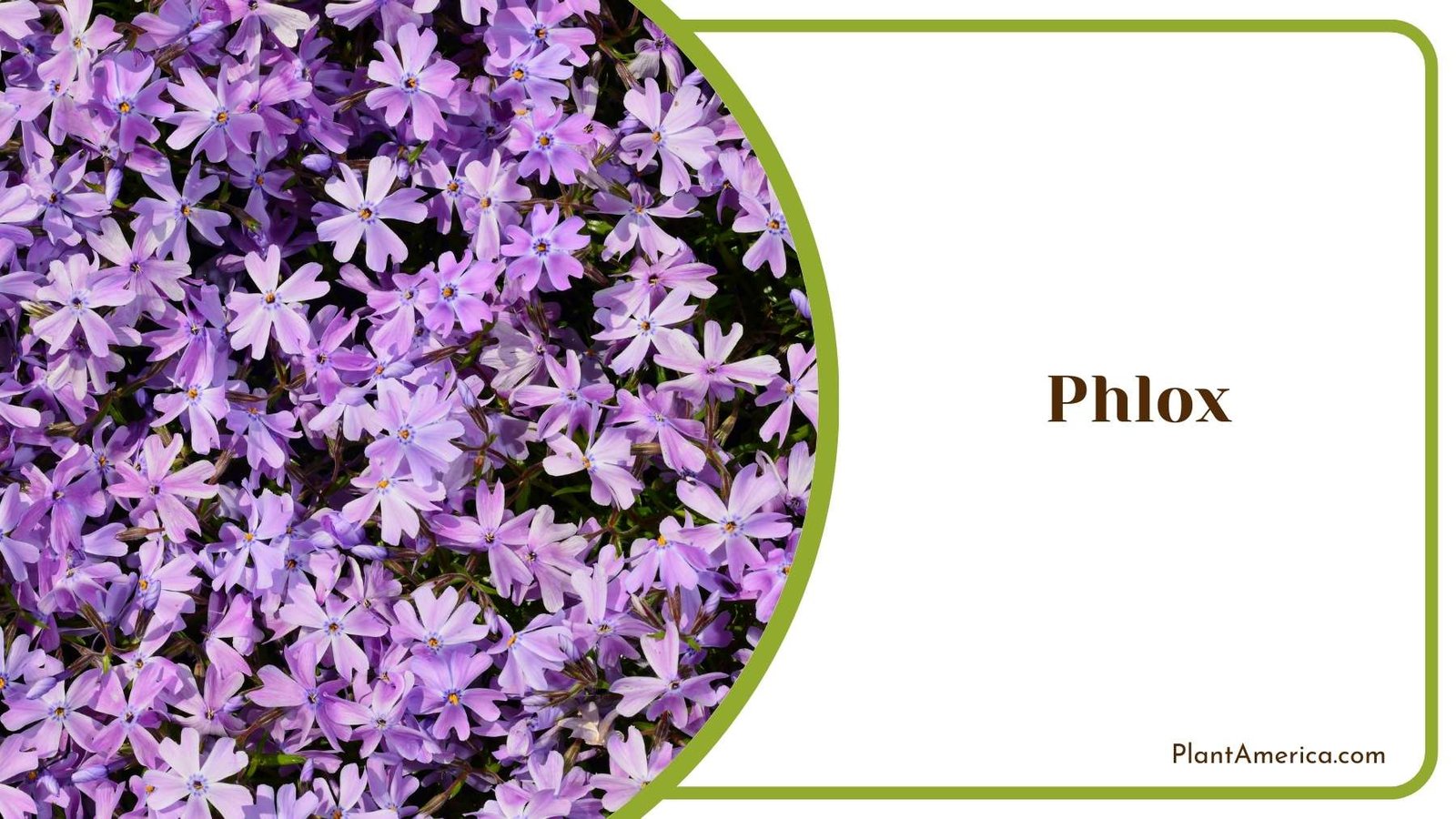
Phlox lures hummingbirds from spring well into fall with trumpet-shaped blooms borne atop slender stems. Presenting in colors from white to deep pink and red, they broadcast nectar-filled feeding stations across the landscape. The open, tubular flower design perfectly suits a hummingbird’s acrobatic skills and slender bill.
Within phlox flower clusters, these glittering sprites expertly maneuver, suspended on rapid wingbeats. Their needle-point beaks plunge deep to extract maximum sugary rewards, while feathers gather a hefty pollen load. As hummingbirds ferry gathered pollen between phlox blooms, propagation aids the plants’ successive flushes.
Whether naturalized as a border or arranged en masse, phlox offer dependability plus stunning spring through fall color. They thrive with little beyond ample sun and drainage – paying back tenfold in avian activity sure to entertain any nature watcher’s day. For hummingbird attractions that require minimum effort, phlox prove wonderfully carefree superstars.
12. Salvia

- Growing Season: Summer, Fall
- Leaf shape: Elliptical, Oblong
- Specific needs: Full sun, Well drained soil
- Common Pests: Spider mites, Japanese beetles
The spike of tubular blue blossoms at the top of salvias will readily attract hummingbirds seeking out the abundant supply of sweet nectar within. Plant salvias in full sun and amend the soil with perlite, sand or coarse gravel to ensure the well-draining conditions these drought-tolerant plants thrive in.
Prune back spent blossoms to extend bloom time and take cuttings that can be rooted for new plants. Keep an eye out for both spider mites that cluster on undersides of leaves and Japanese beetle populations that may swarm the flowers and foliage.
Once the spike of tubular blue salvia blossoms appear rising above the aromatic gray-green foliage, hovering hummingbirds will flock to feed. As salvia flowers continue to bloom throughout summer and into fall, hummingbirds will engage in an impressive aerial ballet, rapidly zipping between spikes, performing spirited territorial displays as they hover and inserting their slender bills into the tubular blossoms, sipping deeply on the sweet rewards within.
13. Spider Flower

- Growing Season: Summer, Fall
- Leaf shape: Elliptical, Lanceolate
- Specific needs: Full sun, Well drained soil
- Common Pests: Spider mites, Aphids
Spider flowers draw hummingbirds into an aerial aviary with multi-petaled blooms in hues of red, pink, white or purple. From summer into fall, their intricate fiery forms crown leafy stalks, signaling nectar-filled feeding zones across the landscape. Within hairy throats lurk sugary treasures that hummingbirds extract with precision, momentarily hovering as they feed.
As they drink deeply, tiny bodies become dusted with pollen to transfer between neighboring spider flowers. Thriving with minimal care needs, their abundant seasons of blooms fuel hummingbirds through migrations or territory disputes.
Naturalizing swaths of spider flowers throughout borders, meadows or fields invites these glittering sprites to perform delightful aerial dances. For expanding any landscape into a vital food source supporting nature’s smallest wonders, few flowers rival spider flower’s vibrant hardiness and lengthy seasons of plenty.
14. Trumpet Vine
- Growing Season: Summer, Fall
- Leaf shape: Palmate, Compound
- Specific needs: Full sun, Well drained soil
- Common Pests: Spider mites, Japanese beetles
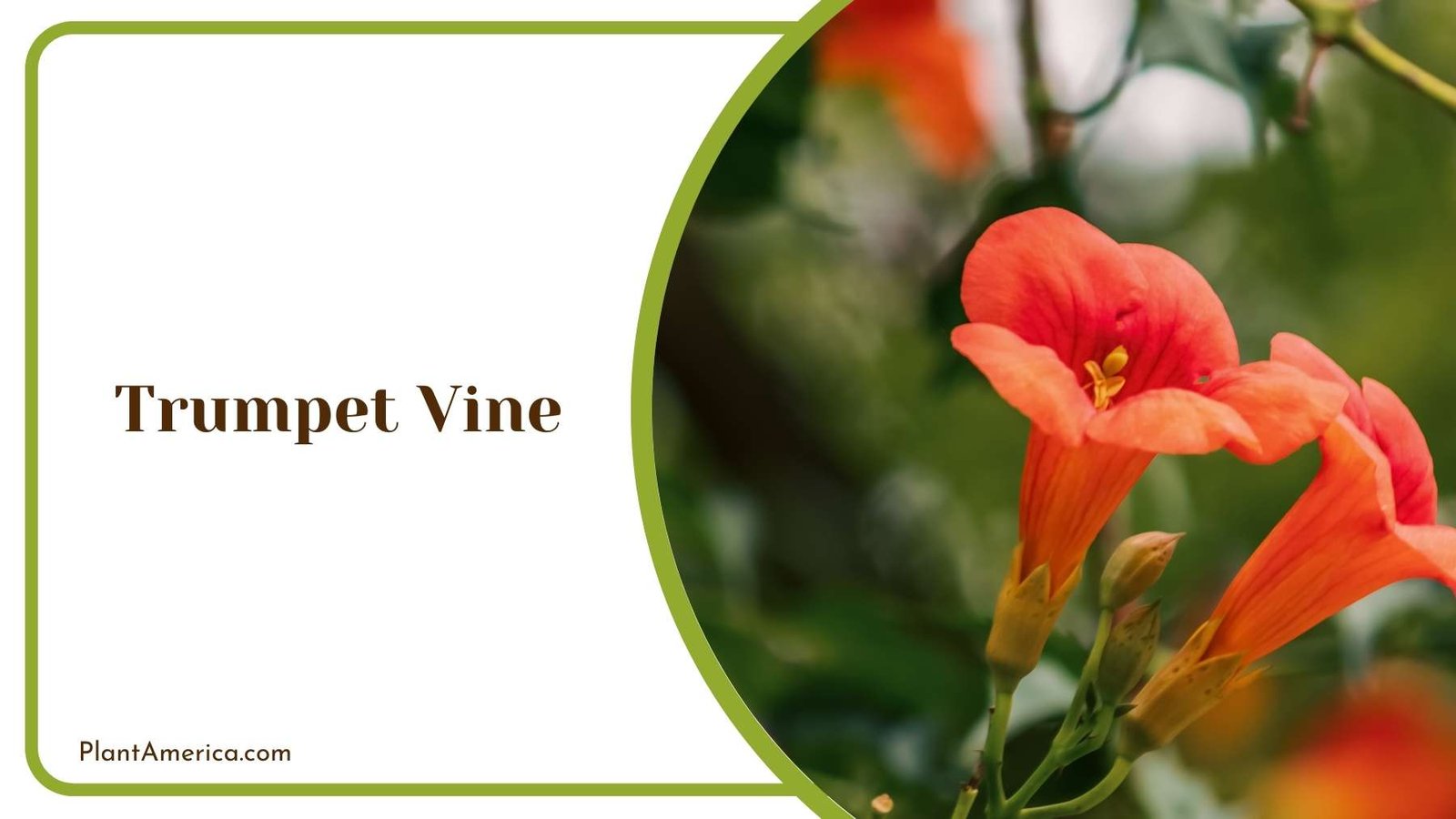
The trumpet shaped blossoms of trumpet vine will attract hungry hummingbirds with their nectar-rich interiors. Plant the climbing trumpet vine in full sun and provide sharply drained soil amended with organic material to hold moisture but promote drainage to prevent root rot.
Prune after flowering to maintain vine form. Keep an eye out for large populations of Japanese beetles that may swarm the flowers and foliage in mid summer. Once the pendulous trumpet-shaped blossoms begin to emerge on the vines in mid-summer, hovering hummingbirds will soon flock to the flowers.
As trumpet vine continues blooming throughout summer and into fall, you’ll enjoy the spirited displays of hummingbirds performing thrilling aerial maneuvers, zipping around each other with swooping grace as they hover to insert slender bills deep into the tubular trumpet-shaped blossoms – sipping deeply on the sweet nectar within to fuel their frenzied acrobatic lifestyle.
15. Turk’s Cap

- Growing Season: Summer, Fall
- Leaf shape: Palmately, Lobed
- Specific needs: Partial shade, Well drained soil
- Common Pests: Spider mites, Japanese beetles
Summer brings Turk’s caps bursting forth with oddly shaped blooms resembling the hats they’re named for. Presenting in shades of red, pink, orange or yellow, these unique flowers attract hummingbird visits with nectar sugars tucked within overlapping bracts.
Well-suited to naturalized spaces or mass plantings, Turk’s caps thrive in hot sun with sparse water. Their low-maintenance needs reward with longevity and hummingbird frenzies fueled by easy dining. Flower clusters large enough for brief hovering, their nectar reservoirs perfectly match the birds’ slender beaks.
As they feed, tiny bodies gather pollen payloads boosting seed production when transported to other caps. Overall, Turk’s caps contribute vibrant seasonal beauty with benefits that elevate any garden into a lively animated oasis.
16. Verbena

- Growing Season: Spring, Fall
- Leaf shape: Lanceolate, Oblong
- Specific needs: Full sun, Well drained soil
- Common Pests: Aphids, Japanese beetles
The verbena erupts each summer with a vibrant display to attract hummingbirds from far and wide. Delicate clusters of tiny blooms coat spreading vines in a color explosion, their petals unfurling like fireworks in shades of purple, pink, red and white.
The hummingbirds zip between the verbena flowers, hovering in place with rapid wing beats to access nectar from the tubular centers. They insert their needle-like bills to lap up sugary rewards. Their extraordinary flying abilities and specialized bills make verbena’s intricate blooms the perfect feeders.
While drinking, tiny hummers become dusted with pollen, unwilling advertising machines assisting the plant’s propagation as they flit between blooming patches. Their acrobatic territories and aerial dogfights amid the flowers fuel the surrounding garden with constant avian action.
Requiring little care beyond ample sunshine and periodically removing faded blooms, verbenas thrive virtually carefree for months of entertainment. Their delicate flowers may be small, but their nectar pots are deep, fueling hummingbirds’ high-speed antics well into fall migrations.
Any garden graced with a sprawling verbena becomes a vibrant summer oasis, humming with activity that enraptures all who see it.
17. Zinnia

- Growing Season: Summer, Fall
- Leaf shape: Laneloate, Oblong
- Specific needs: Full sun, Well drained soil
- Common Pests: Spider mites, Japanese beetles
Zinnia produces colorful flower heads composed of many tubular flowers that will readily attract hungry hummingbirds seeking sweet nectar. Plant zinnia in full sun and amend the soil with perlite or sand to ensure sharp drainage. Shear plants back after first flowering to promote bushy growth and more blooms.
Once the colorful flower heads of zinnia appear in summer, hovering hummingbirds will soon flock to the mass of tubular flowers. As zinnias continue blooming throughout summer and into fall you’ll enjoy the spirited displays of hummingbirds repeatedly hovering, inserting slender bills into the tubular flowers clustered together.
Hummingbirds eagerly lap up sweet nectar rewards to fuel their frenzied acrobatic lifestyle. The long duration of colorful tubular zinnia flowers provides vital sustenance for hummingbirds during migration season.
18. Daylily

- Growing Season: Summer
- Leaf shape: Linear, Oblong
- Specific needs: Full sun, Well drained soil
- Common Pests: None significant
The daylily bursts into energetic bloom each summer, emitting a siren’s call to hummingbirds with its lively assortment of trumpet-shaped blossoms. Available in a rainbow of vibrant shades from sunny yellows to fiery oranges and scarlet reds, daylily flowers unfurl along upright leafy stalks in abundance.
Hummingbirds are swiftly drawn to feed upon daylilies’ accessible nectar reserves, expertly poising themselves amidst the blooms with rapid wing beats. Their slender bills insert neatly into daylily flowers, from which they imbibe sweet rewards with surgical precision. As they feed, tiny hummer bodies become powdered with pollen—inadvertent carriers assisting the spread of daylilies when flitting between crowded flower clusters.
Thriving with minimal care beyond ample sun and periodic division, daylilies reward months of hummingbird entertainment. Even novice gardeners can coax clumping varieties to flourish with ease. Come summer, any plot graced with bountiful daylilies transforms into a lively aviary, its performers glittering amid fiery blooms in enthralled dances fueled by abundant nectar feasts.
19. Fuchsia
- Growing Season: Summer, Fall
- Leaf shape: Elliptical, Oblong
- Specific needs: Partial shade, Well drained soil
- Common Pests: Mealybugs, Aphids
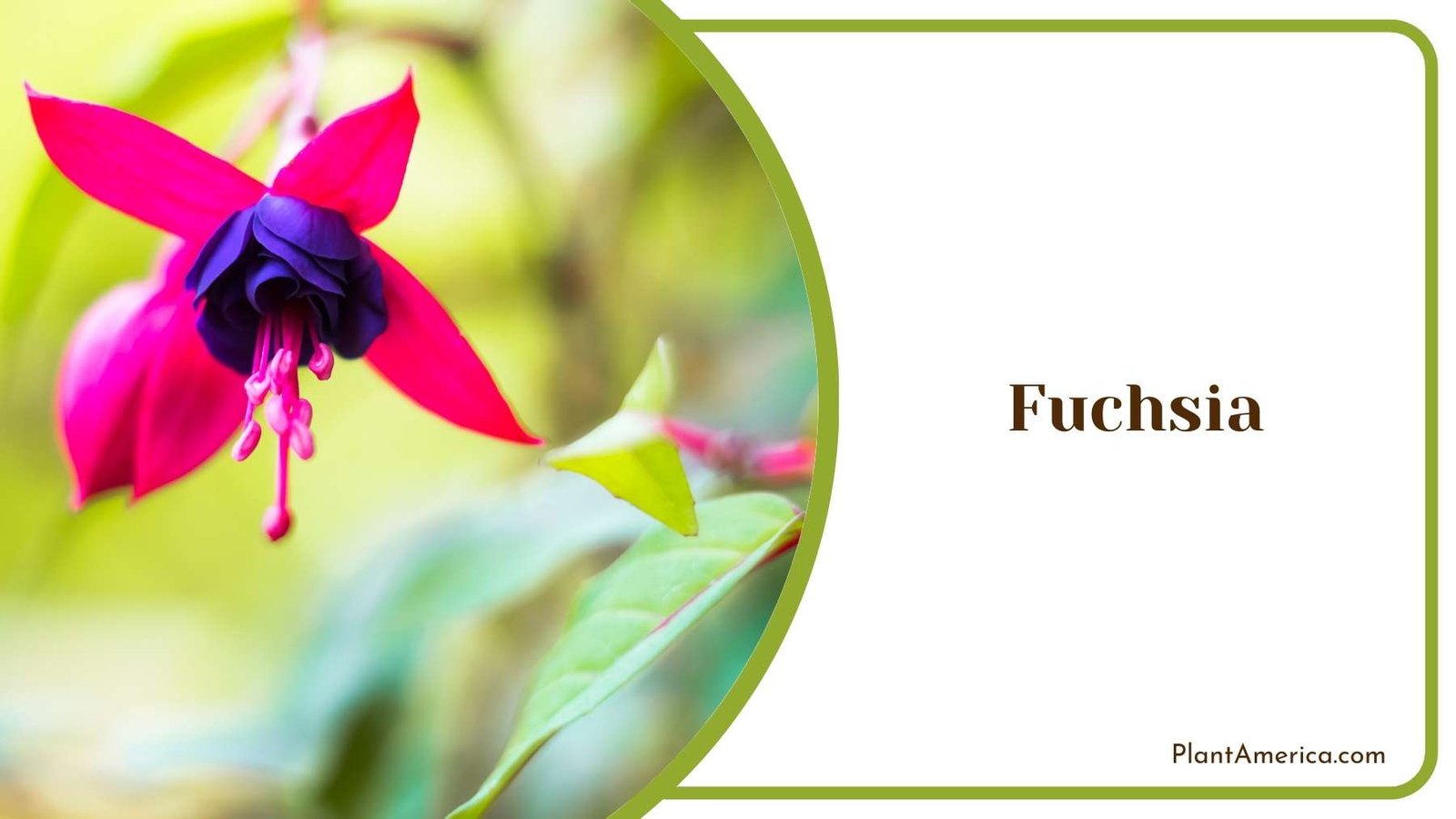
As summer shifts to autumn, Fuchsia erupts in a stunning floral display, luring hummingbirds with its pendulous blooms. Dangling from arching stems like dangling jewels, fuchsia flowers dangle in a vivid assortment of blues, purples, pinks and whites.
Within their tubular centers lie sugary treasures for hummingbirds to extract, hovering expertly as they insert needle-like bills. With wings beating fast, they lap up nectar rewards before zipping off in a whir of color. As they feed, tiny bodies collect golden pollen fused to feathers, transporting it between neighboring fuchsias to facilitate spreading.
Fuchsias thrive as hardy annuals or tender perennials with ample sun and moisture. Their seasons of beauty fuel hummingbirds right through migrations, long after other nectar sources have faded. In gardens they transform into lively aviaries, aerial ballets energized by Fuchsia’s irresistible late summer charms.
20. Lantana

- Growing Season: Summer, Fall
- Leaf shape: Elliptical, Ovate
- Specific needs: Full sun, Well drained soil
- Common Pests: Spider mites, White flies
Fall arrives and lantana shrubs provide a valuable food source for hummingbirds preparing to migrate. Even nights grow colder and leaves begin to change, the lantana’s blooms show no sign of stopping. Compact bushes become blanketed in tiny flowers bursting with reds, oranges and yellows.
Hummingbirds flock to the lantana, drawn by its vibrant display. With rapid wing beats, they maneuver expertly amongst the dense clusters of blooms. Miniature bills insert into overlapping petals to access the sweet nectar reserves. In their haste, birds become lightly dusted with pollen which aids the plant’s propagation as they travel between flowers.
Thriving with minimal care beyond pruning when needed, lantana’s reliability makes it an important resource for birds concluding their breeding seasons. Its late-season blooms provide crucial energy stores when other nectar sources have disappeared.
Well into the first frosts, gardens dotted with lantana shrubs bustle with hummingbirds, energizing their abilities to embark on long migrations south before winter’s arrival. For hardworking pollinators in autumn, few plants can match the lantana’s colorful, nectar-rich display.
21. Abutilon
- Growing Season: Summer, Fall
- Leaf shape: Palmately, Compound
- Specific needs: Partial shade, Well drained soil
- Common Pests: Aphids, Japanese beetles
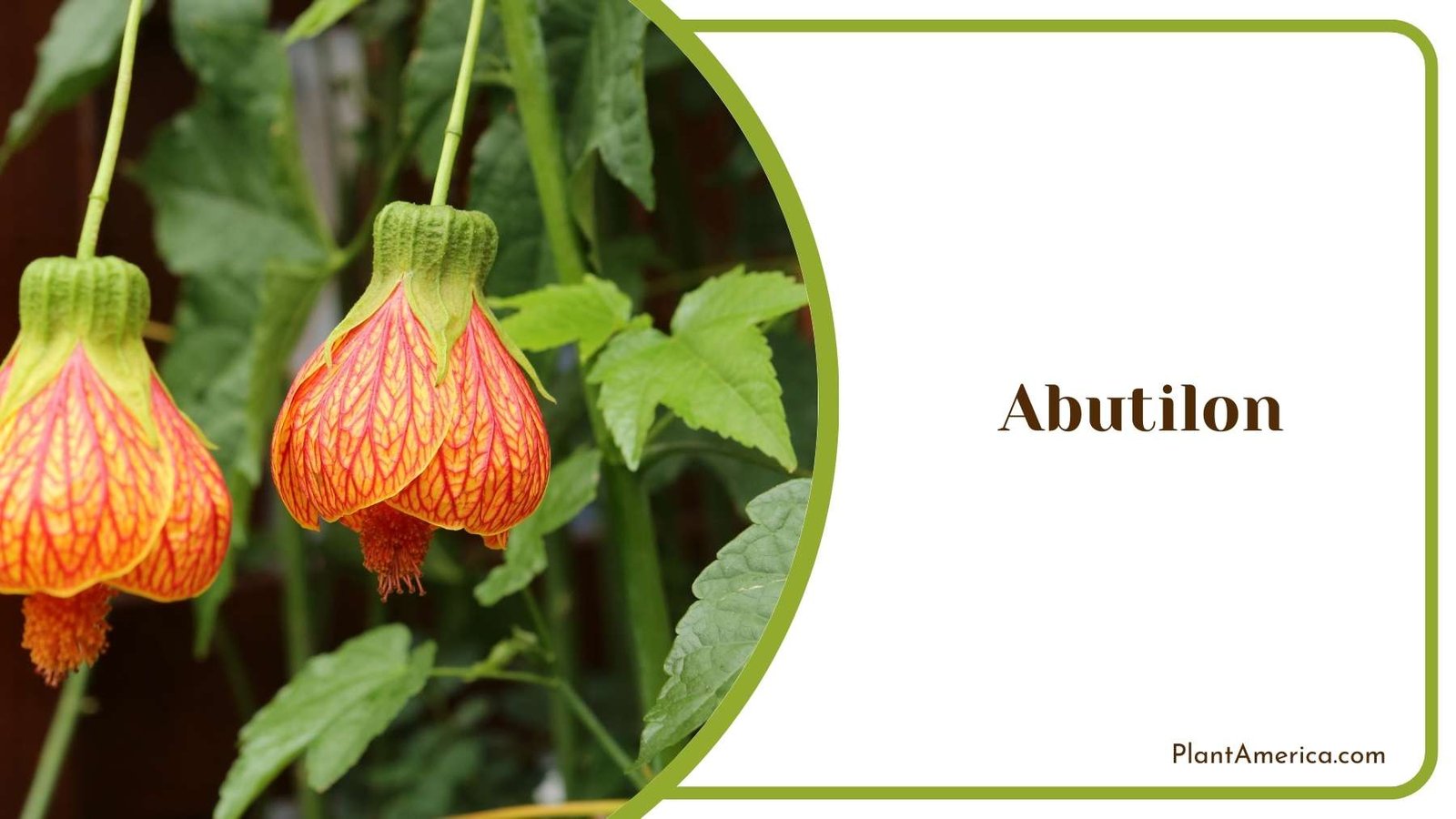
The pendulous bell-shaped flowers of abutilon will readily attract hungry hummingbirds seeking sweet nectar. Abutilon produces large colorful flowers that dangle on long stems continuously through summer into fall. Plant abutilon in partial shade and keep the soil consistently moist but well-draining.
Deadhead spent blooms to encourage reblooming. Prune neglected growth to maintain form. Keep an eye out for aphid infestations. Once the first pendulous bell-shaped abutilon flowers emerge in mid-summer, hovering hummingbirds will soon flock to the abundant supply of flowers.
As abutilon continues blooming prolifically through summer and into fall you’ll enjoy the spirited displays of hummingbirds rapidly zipping between plants, repeatedly hovering to insert slender bills deep into the tubular centers of the bell-shaped flowers -eagerly lapping up sweet nectar rewards to fuel their frenzied territorial maneuvers and courtship rituals during peak hummingbird migration season.
Conclusion
Planting an assortment of color, shape and bloom time ensures hummingbirds can always find a banquet in your garden.
- Zinnia produces colorful flower heads composed of many tubular flowers that will readily attract hungry hummingbirds seeking sweet nectar.
- Passionflower vines produce stunning blooms with tubular centers that hold copious amounts of nectar to attract hungry hummingbirds.
- Columbine will attract hummers to your garden with its dangling tubular blooms in shades of red, yellow and pink.
The best way to attract hummingbirds to your garden is by providing what they need most – a constant supply of nectar from targeted flowers throughout their active season. With careful planning and the right varieties, you can bring to life an avian ballet as hummingbirds delight you with their acrobatic antics and melodious calls while they feast on the sweet buffet you have created especially for them.