
Edible flowers are not only beautiful additions to your garden but also provide nourishment. This post explores edible flower varieties you can grow organically for your home cooking enjoyment and self-care.
From chrysanthemums to nasturtiums, each petal adds vibrant colors and intriguing flavors to salads, teas, and desserts.
Edible Flowers Varieties To Enjoy Stunning Garden Blooms
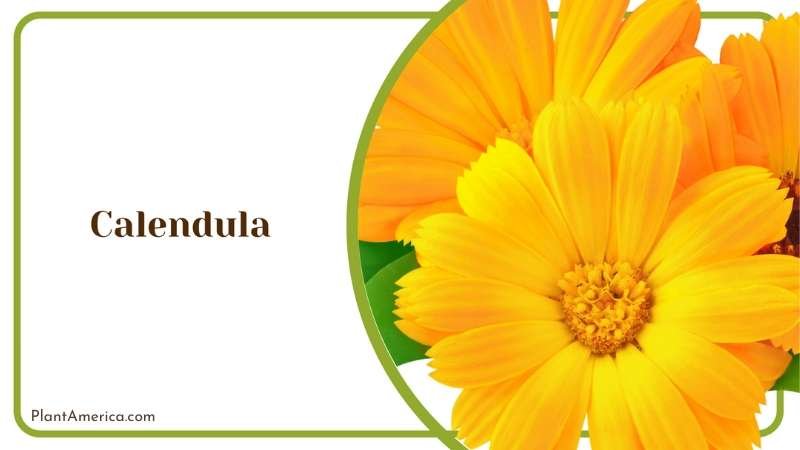
1. Calendula
- Growing Season: Spring, Summer, Fall
- Leaf Shape: Lobed, Hairy, Basal
- Specific Needs: Well-drained Soil, Sunny spot
- Common Pests: Aphids, Spider mites
Calendula thrives in temperate gardens, its cheerful orange and yellow blooms peeking from clustered green leaves. These annuals require little care – they flourish with minimal water and nutrients in sunny, well-drained locations.
The hairy, lobed basal leaves provide a backdrop for the colorful blooms that remain closed at night, reopening each dawn to reveal their beauty again.
Pests like aphids and spider mites may occasionally affect the leaves, but calendula is a robust flower that can withstand mild infestations. Home cooks enjoy adding edible blooms to salads, with their pleasantly bitter, tangy flavor contrasting fresh greens.
The flowers are also dried or used to color butter and cheese, imparting a sunny glow with vibrant pigments—an easy and rewarding annual for beginner gardeners and seasoned horticulturists alike.
2. Chrysanthemum

- Growing Season: Fall, Early winter
- Leaf Shape: Alternate, Lobed, Toothed
- Specific Needs: Well-drained Soil, Partial shade
- Common Pests: Leafhoppers, Japanese beetles
Chrysanthemums, often called mums, provide a cheerful pop of color even after summer blooms have faded. These perennial flowers tolerate cooler months, thriving from fall through early winter in temperate zones nine to 11 with occasional protection.
Their alternately arranged, lobed leaves with toothy edges reach heights up to 24 inches, a backdrop for the pom pom-like blooms.
Mums grow best in partial shade and require well-draining soil to prevent root rot. Both leafhoppers and Japanese beetles may be pests, but the hardy plants are typically resilient. In some cultures, the blooms signify longevity and are used to top celebratory cakes and teas. Gardeners can cut individual flowers to enjoy indoors when frost arrives.
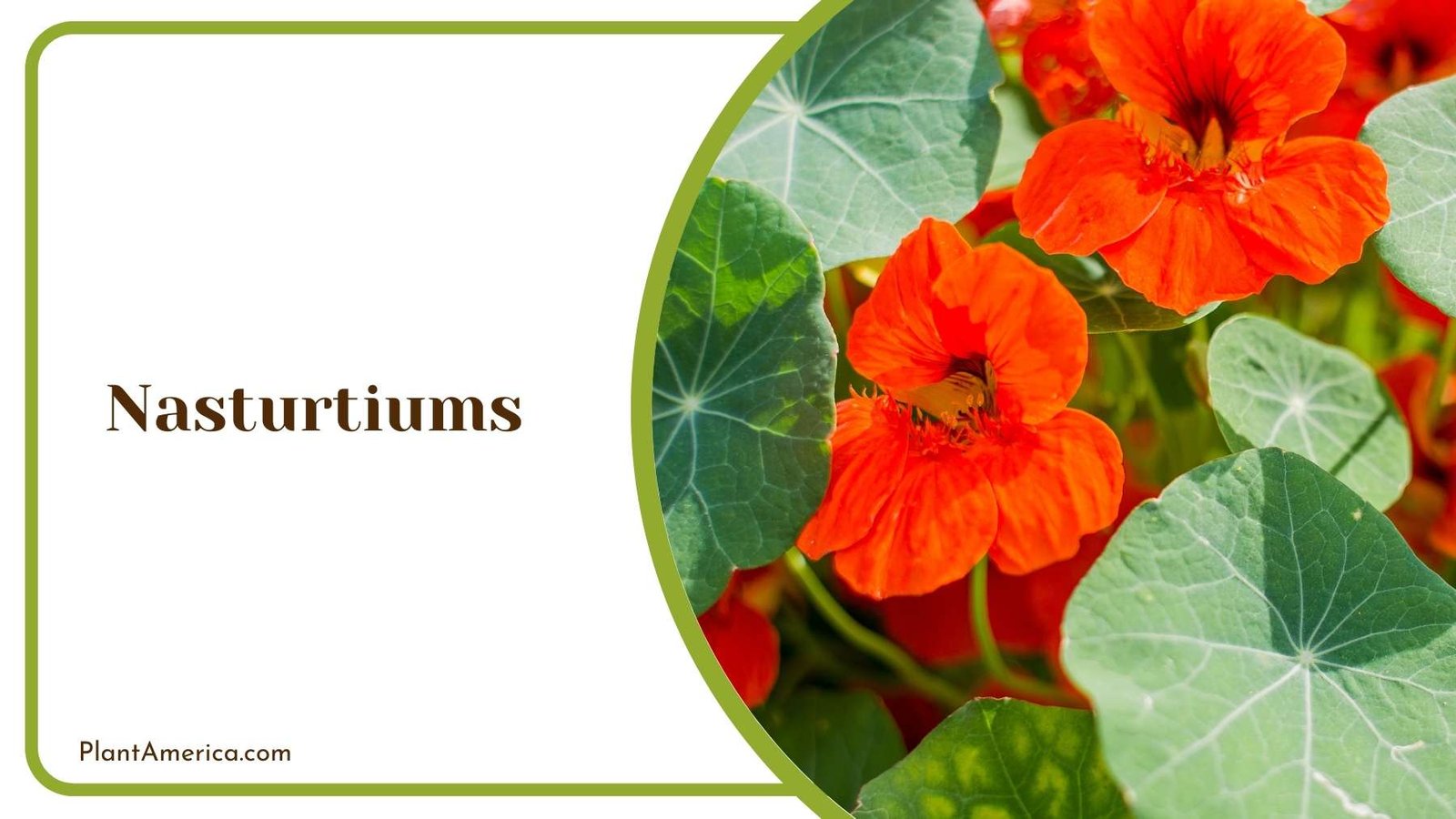
3. Nasturtium
- Growing Season: Spring, Summer, Early fall
- Leaf Shape: Lobed, Round
- Specific Needs: Tolerates poor soil, Full sun
- Common Pests: Aphids, Spider mites, Whitefly
With its bright blooms and appetizing leaves, nasturtium is a delightful, easy-care addition to warm-season gardens. These vibrant annual vines thrive in full sun from spring through early fall in zones three to 11. Preferring poor, dry soil, nasturtium is forgiving of neglect. Its round, lobed leaves function as an edible container for the oranges, reds, and yellows of the flowers.
Honeybees and hummingbirds find the nectar a welcome treat. An aphid or spider mite infestation and occasional whitefly may occur, but nasturtium endures such minor pests without issue.
Families enjoy the peppery salad leaves and buds added fresh to salads or tucked into sandwiches for extra zest. Attempting unconventional color combinations in the garden, nasturtium keeps gardening interesting.
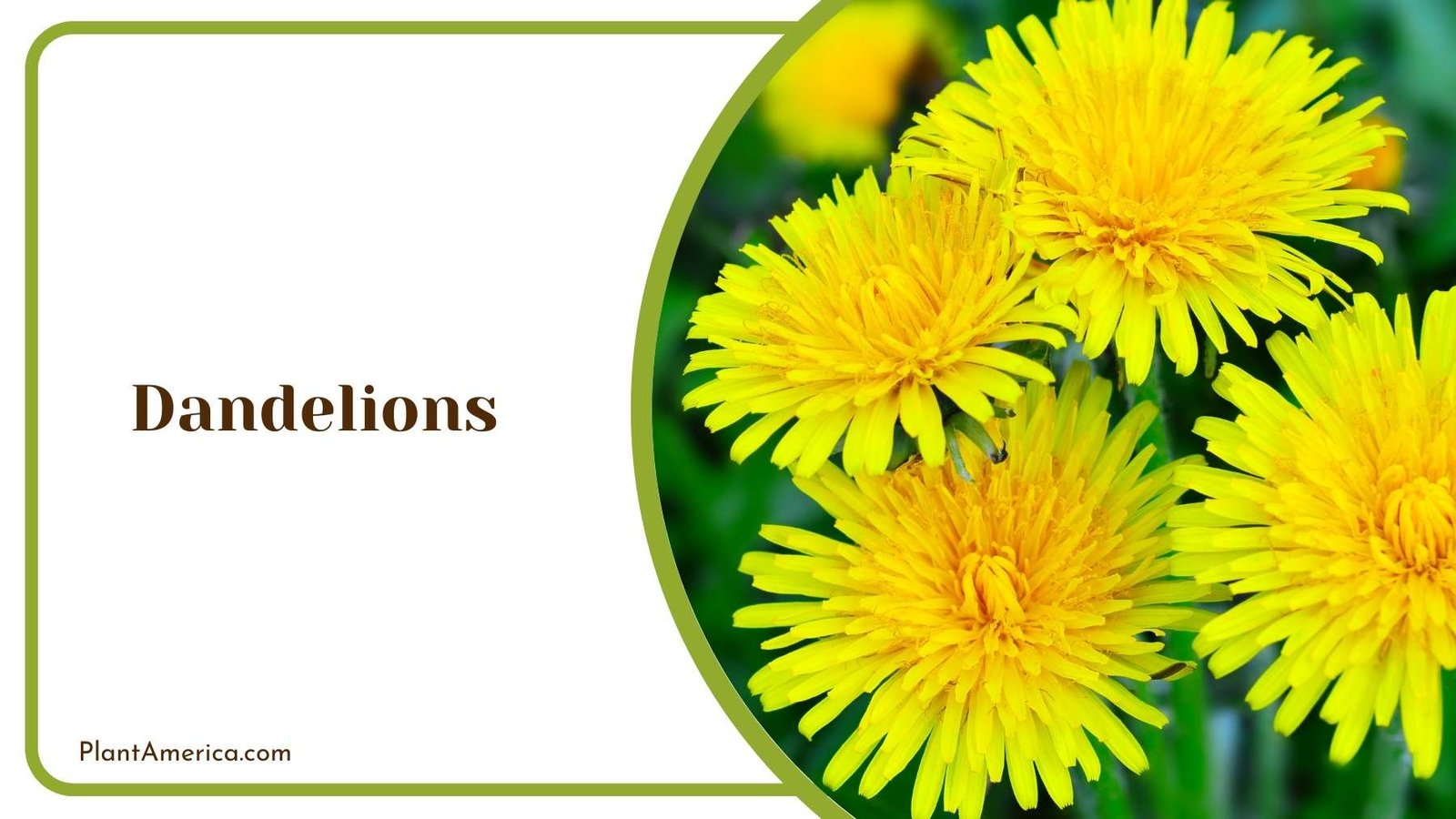
4. Dandelion
- Growing Season: Spring, Summer, Fall
- Leaf Shape: Palmate, Lobed, Pointed
- Specific Needs: Tolerates poor soil, Full sun
- Common Pests: Slugs, Snails
Often dismissed as a weed, the dandelion has much to offer gardens and cuisine. These hardy perennials thrive almost anywhere, flourishing in full sun with even marginal soil.
Their basal rosettes form during dormancy, arising each season to display palmately lobed leaves with pointed tips. Come summer, the bright golden blooms appear in clusters on hollow stems, perfect for making dandelion wine.
While considered a bane by some lawnkeepers, these flowering plants provide nutritious greens and an early source of nectar for pollinators. Home cooks harvest the tender young leaves from spring through fall, enjoying their slight bitterness in salads or sautés.
Slugs and snails may nibble edges but do minor real damage. With clever gardening, dandelions earn a celebrated spot rather than maligned status.
5. Hibiscus
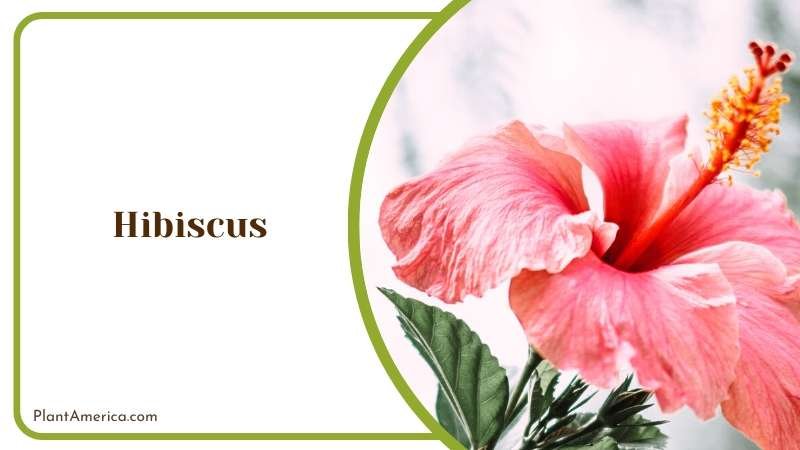
- Growing Season: Spring, Summer, Fall
- Leaf Shape: Palmate, Lobed shapes
- Specific Needs: Well-drained soil, Fertile, Partial sun
- Common Pests: Aphids, Spider mites
Originating in warm temperate and tropical regions, hibiscus blossoms are showstoppers for perennial borders or containers. These woody-based shrubs tolerate frost only when dormant, thriving as annuals in colder zones eight or warmer. During the growing season, hibiscus puts on a colorful display with trumpet-shaped blooms in pinks, reds, oranges, and yellows.
Its palmate leaves offer a tropical backdrop, often arranged with lobed shapes. Partial sun suits hibiscus best in most climates, and the plants appreciate fertile, well-draining soil kept consistently moist.
Minor spider mite infestations may affect leaves but are easily remedied. The vivid flowers and crimson calyces add pizzazz to fruit salads or herbal teas, imparting a cooling tartness amid the sweetness.
6. Cosmos
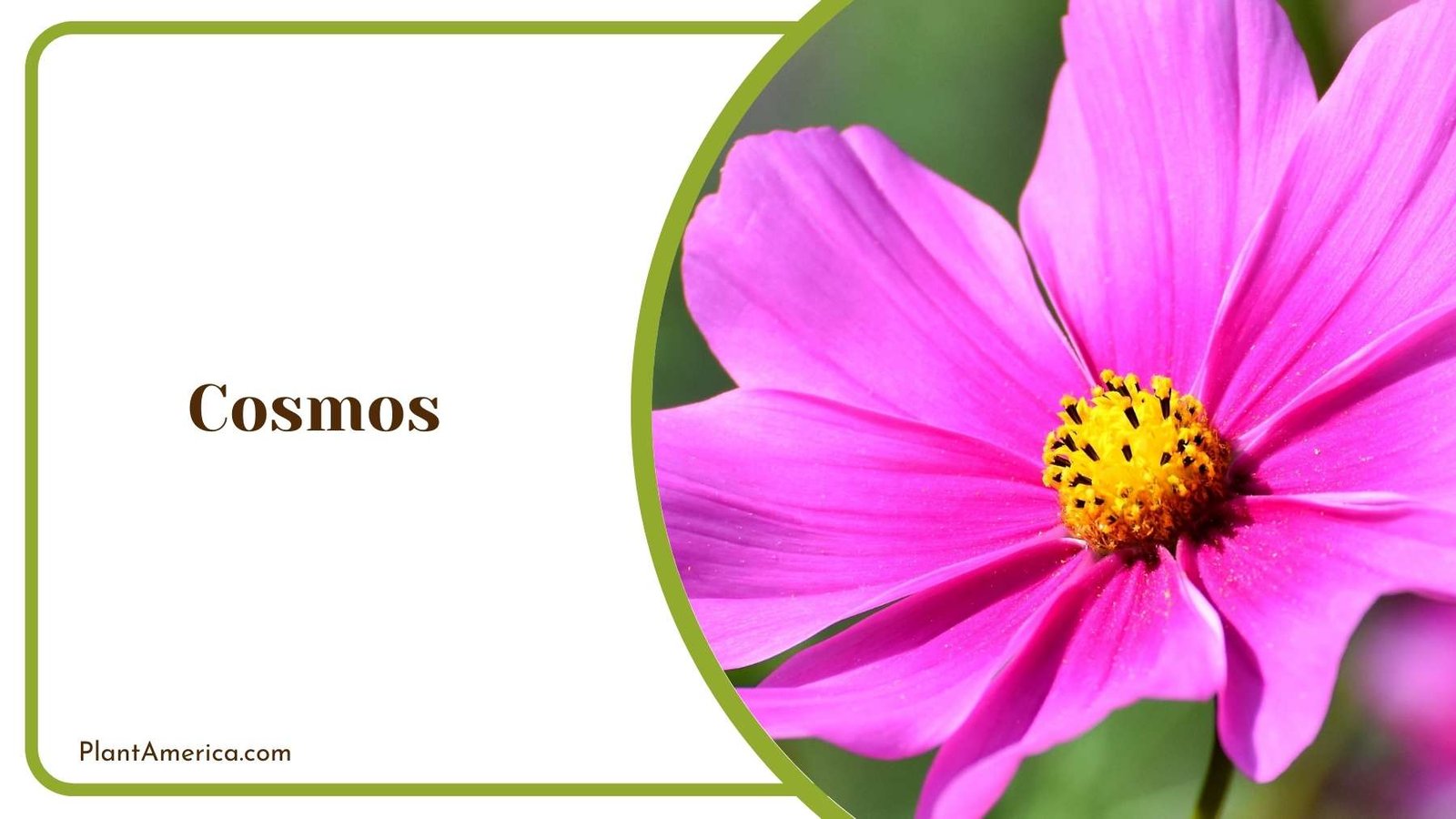
- Growing Season: Spring, Summer, Fall
- Leaf Shape: Alternately compound, Feathery
- Specific Needs: Tolerates drought, Full sun
- Common Pests: Aphids, Spider mites
Beloved by butterflies and beneficial insects, the cheerful cosmos bloom entertains from spring through the first frost. Annuals complete their life cycle within seasons, reseeding to return each year enthusiastically. Their stems arch gracefully; alternately, compound leaves look feathery soft.
Best sited in full sun, cosmos adapt well to heat and drought once established with moderate watering. Daisies, lilies, and snapdragons find in the cosmos a colorful companion. While aphids occasionally nibble foliage, natural predators keep infestations minimal.
Edible petals add texture and faint spice to mixed green salads or candies for decoration. Gardeners prolong the cheerful display of these carefree flowers by deadheading spent blooms.
7. Tulip
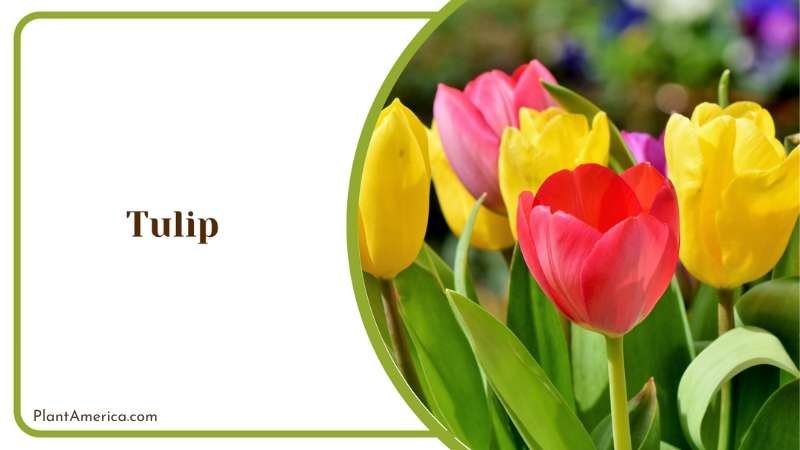
- Growing Season: Spring
- Leaf Shape: Alternate, Linear, Sword-like
- Specific Needs: Fertile Soil, Sun to partial shade
- Common Pests: None
Tulips conjure images of springtime with their cheerful cupped blooms brightening gardens from late winter to May. Originating from Central Asia, these hardy bulbs come in various shapes and colors, from classic reds and oranges to fringed and parrot variants.
During dormancy, tulips store energy in underground bulbs to fuel their distinct sword-like, linear leaves and single nodding flowers atop long stems.
Full sun suits most varieties, though some do tolerate partial shade, and all favor fertile, well-draining soil. With minimal care, tulips faithfully return each spring, enduring no major pests. Their edible petals add a pop of color and crunch to salads or may be candied for decoration.
8. Sunflower
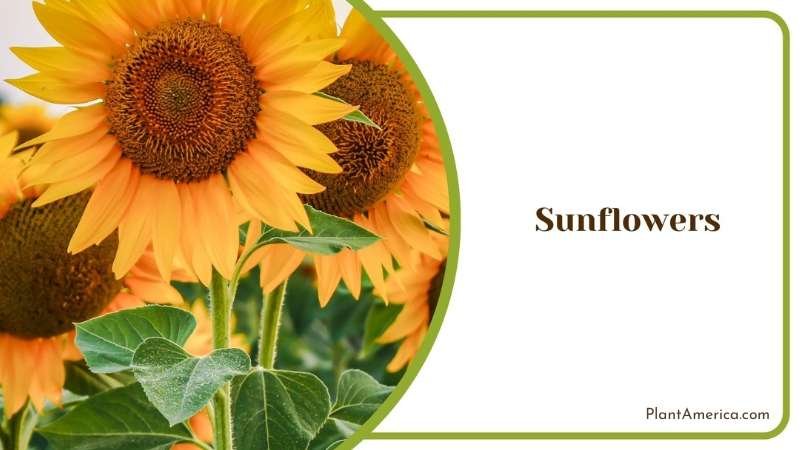
- Growing Season: Summer
- Leaf Shape: Rough-textured, Alternate, Broad
- Specific Needs: Tolerates drought, Full sun
- Common Pests: Rodents, Birds
Sunflowers cast cheerful visages skyward from July into September, following their bright yellow faces across the landscape. Proving its name, this annual giant thrives in full sun with soil tolerating drought once established. Its broad, rough-textured leaves arranged alternately on sturdy branching stems support lofty blooms up to 20 inches wide.
Birds and rodents occasionally munch on developing seeds, but sunflowers are resilient, providing weeks of beauty. Both edible seeds and flower petals contribute nutritious micronutrients to one’s diet.
Dried or roasted seeds may dress salads or trail mixes, while petals can intensify fruit or green salads with their sunny hue. Beyond snacks, sunflowers hold appeal as a honey bee favorite too.
9. Pansy

- Growing Season: Spring, Fall
- Leaf Shape: Oval to rounded, Simple
- Specific Needs: Damp Soil, Partial sun, Cool
- Common Pests: Slugs, Snails, Diseases
Hardy pansies thrive from late winter through early summer and fall, beating seasonal temperature swings with brave clusters of blooms in yellow, purple, and bi-colored hues.
Their simple, rounded leaves remain compactly basal, framing cheerful faces smiling upward in gardens or containers. Requiring partial sun and consistently damp yet well-draining soil, pansies find their preferred conditions along shaded foundation beds or under leafy trees.
While slugs and snails may feast on succulent foliage overnight, populations remain manageable through deterrents or baiting. The occasional fungal or mosaic viral disease can mar the greenery but does not decimate whole plants. Edible blooms lend festive notes to green salads or desserts throughout the changing seasons.
10. Zinnia
- Growing Season: Summer
- Leaf Shape: Opposite, Lobed, Narrowly oval
- Specific Needs: Fertile Well-draining Soil, Full sun
- Common Pests: Aphids, Leafhoppers, Beetles
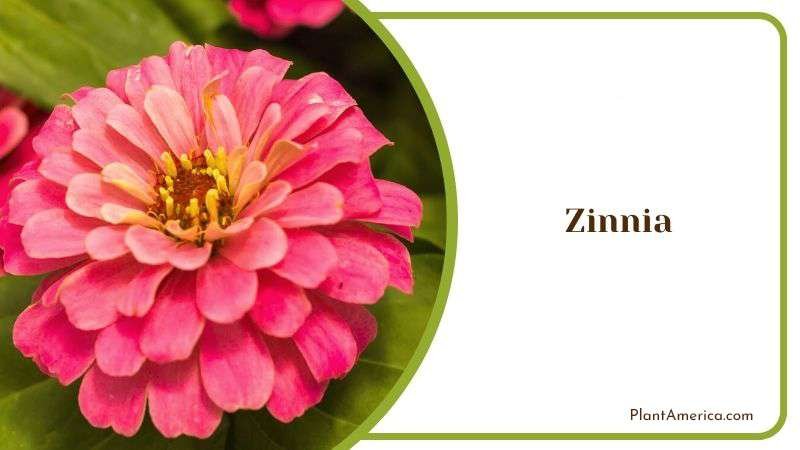
Zinnias dazzle warm weather gardens with cheerful blooms in beautiful shades of red, orange, yellow, purple, and more. Originating in Mexico and Central America, these heat-loving annuals thrive from spring into fall with minimal assistance beyond well-drained, nutrient-rich soil and at least six hours of direct sunlight daily.
Their narrow oval leaves arranged oppositely on branching stems give way to round pom pom flowerheads resembling daisies.
With sufficient water, zinnias remain strong amid wave after wave of blooms to attract pollinators. While occasional aphid, leafhopper, or beetle activity may affect foliage, plants are resilient. Immature flower buds and mature blooms lend colorful crunch and mild flavor to fresh salads, pizza toppings, or stir-fries throughout summer’s bounty.
11. Daisy
- Growing Season: Spring, Summer, Fall
- Leaf Shape: Deeply cut, Alternate, Lobed
- Specific Needs: Average Well-draining Soil, Full sun to partial shade
- Common Pests: Slugs, Aphids, Snails
Daisies brighten gardens with cheerful faces from early spring until the first fall frost. Found globally, varieties range from hardy perennials to short-lived annuals suited to various hardiness zones. Their lobed or deeply cut leaves alternate up sturdy, often branched stems.
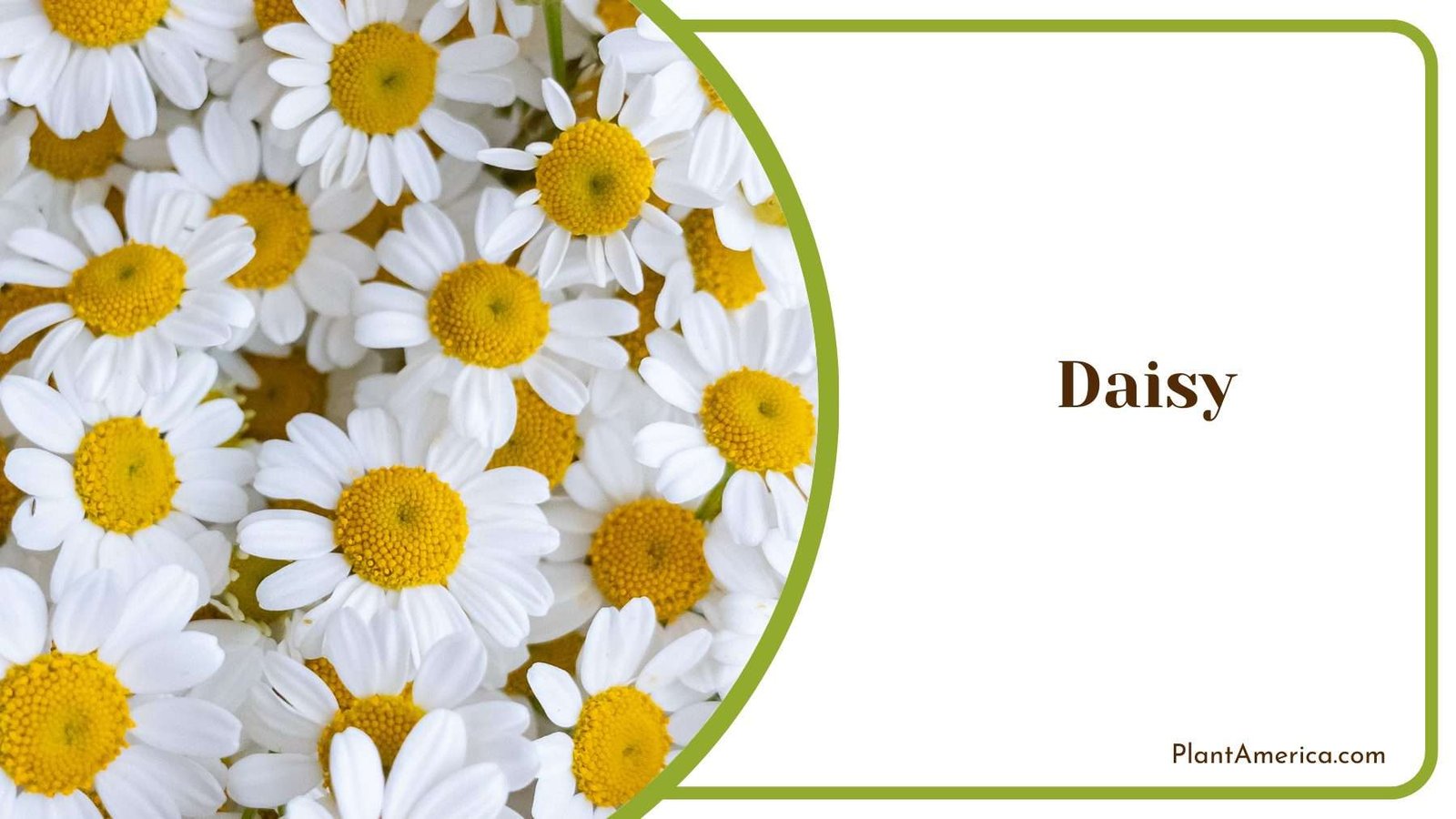
Most daisies dwell happily in full sun but will also succeed in partial shade with average nutrient-rich soil. Come bloom time, white petals encircle yellow button centers smiling skyward.
While the occasional snail, slug, or aphid may feed on foliage, these resilient flowers endure minor damage. Edible petals are a pleasant addition to green or tossed salads, imparting mild grassy or citrus notes depending on the variant. Beyond beauty, many daisies contribute valuable pollen and nectar to bees, butterflies, and other pollinators.
12. Borage
- Growing Season: Spring, Summer
- Leaf Shape: Triangular, Rough, Bristly
- Specific Needs: Average Soil, Full sun, Tolerates drought
- Common Pests: Whiteflies, Spider mites
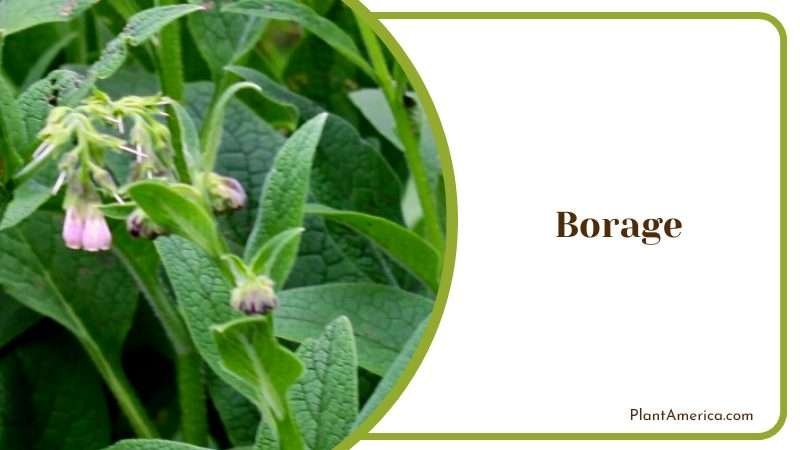
With its sky-blue star-shaped flowers and cucumber-flavored leaves, borage entices pollinators and humans alike. A hardy annual, it thrives in full sun locations with average to poor soil, proving quite drought-tolerant once established.
Its triangular coarse-textured leaves bristle with short hairs arranged alternately up branching stems. May through August, five-point blossoms in vibrant cerulean greet each sunny morning.
Borage is an excellent edible companion plant that deters pests from neighboring produce and nourishes beneficial insects. Its young leaves add refreshing notes to beverages and salads, while older specimens may be dried for winter teas. Spider mites sometimes affect foliage, but borage endures minor infestations gracefully.
13. Honeysuckle
- Growing Season: Spring, Summer
- Leaf Shape: Opposite leaves, Oval or oblong
- Specific Needs: Well-draining Soil, Partial shade, Support for vines
- Common Pests: Aphids, Spider mites
Beloved for its intoxicating fragrance and ornate blooms, honeysuckle vines trail gracefully through borders and tree springs through fall. Native varieties prove hardy perennials bearing oval or oblong leaves oppositely, while exotic varieties may be woody shrubs or tender vines. All thrive with average soil nutrition in partial shade, using sturdy supports to scale trellises or arbors upward.
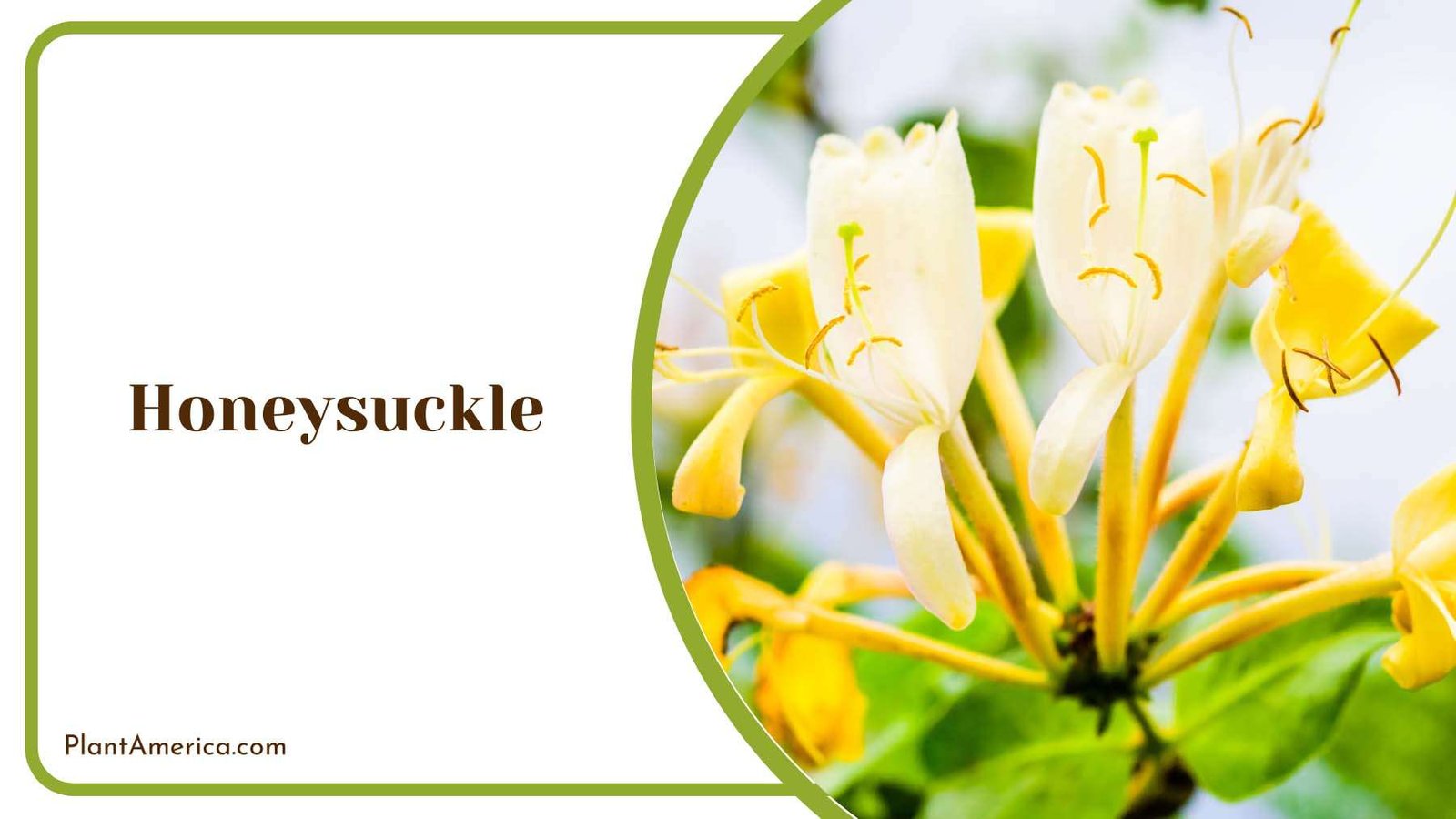
Come May, their tubular flowers emerge in white, yellow, orange, or red shades. Pollinators flock to sip nectar, followed by birds enjoying the berrylike fruits. While minor aphid or spider mite issues occasionally affect foliage, the plants remain pest-free. Both edible blooms and fruits impart a sweet floral note to teas or as garnishes.
14. Geranium

- Growing Season: Spring, Summer
- Leaf Shape: Lobed cuts, Palmate
- Specific Needs: Well-draining Soil, Partial sun
- Common Pests: None
Adding vibrant splashes of color from April through October, geraniums are garden staples. Termed “cranesbills,” these mounding foliage plants come as hardy herbaceous perennials worldwide or tender zonal annuals for warmer climates. Their lobed leaves spread in a rounded, palmate fashion, cut in attractive scallops along surfaces.
Given fertile soil with adequate drainage and dappled shade, geraniums reward with trumpet or saucer-shaped blooms of red, pink, lavender, and white atop branched stems. Requiring minimal further care, the resilient flowers endure no significant pests.
Edible young leaves and flowers contribute mild floral flavors that complement fruit or green salads, complementing the eye as much as the palate.
15. Clover
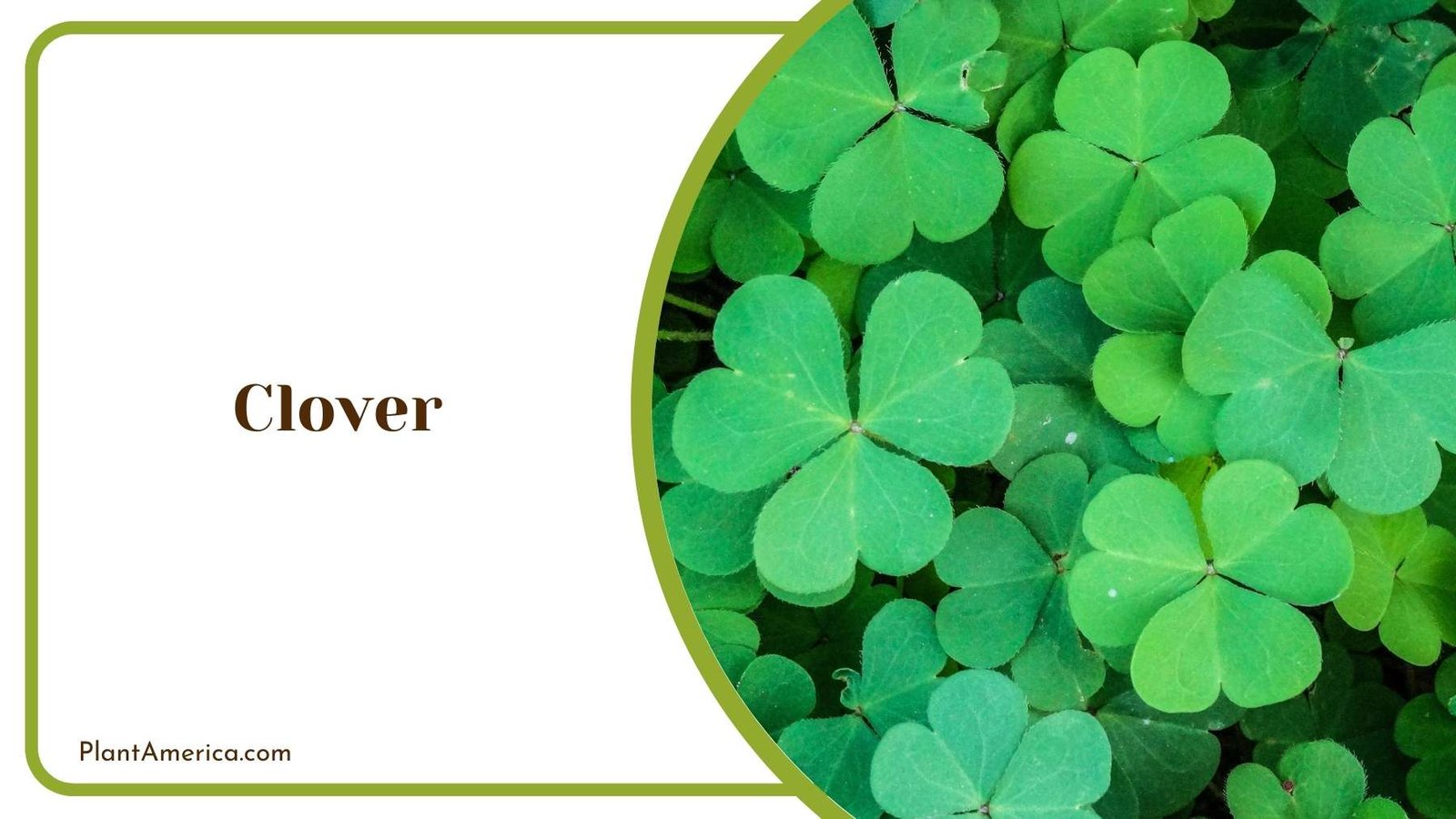
- Growing Season: Spring, Summer
- Leaf Shape: Oval, Trifoliate pattern
- Specific Needs: Tolerates altitude, Many soil types
- Common Pests: None
Clover often lurks in lawns, meadows, and pastures worldwide – a nutritious groundcover blossoming attractively from April through September.
Depending on the species, clovers form distinctive oval leaves in trifoliate patterns along creeping vines, varying in size from small to large perennials. Prime heroes to pollinators, their five-point pink or white blooms reward bees with abundant nectar stores that translate to delicious honey.
Requiring minimal care beyond average soil nutrition and conditions to tolerate, clovers seldom encounter severe insect predation or disease. Both flowers and leaves provide nutritious microgreens to trail mixes and salads, imparting a mild grassy taste with nutritional oomph for humans and wildlife alike.
16. Mint
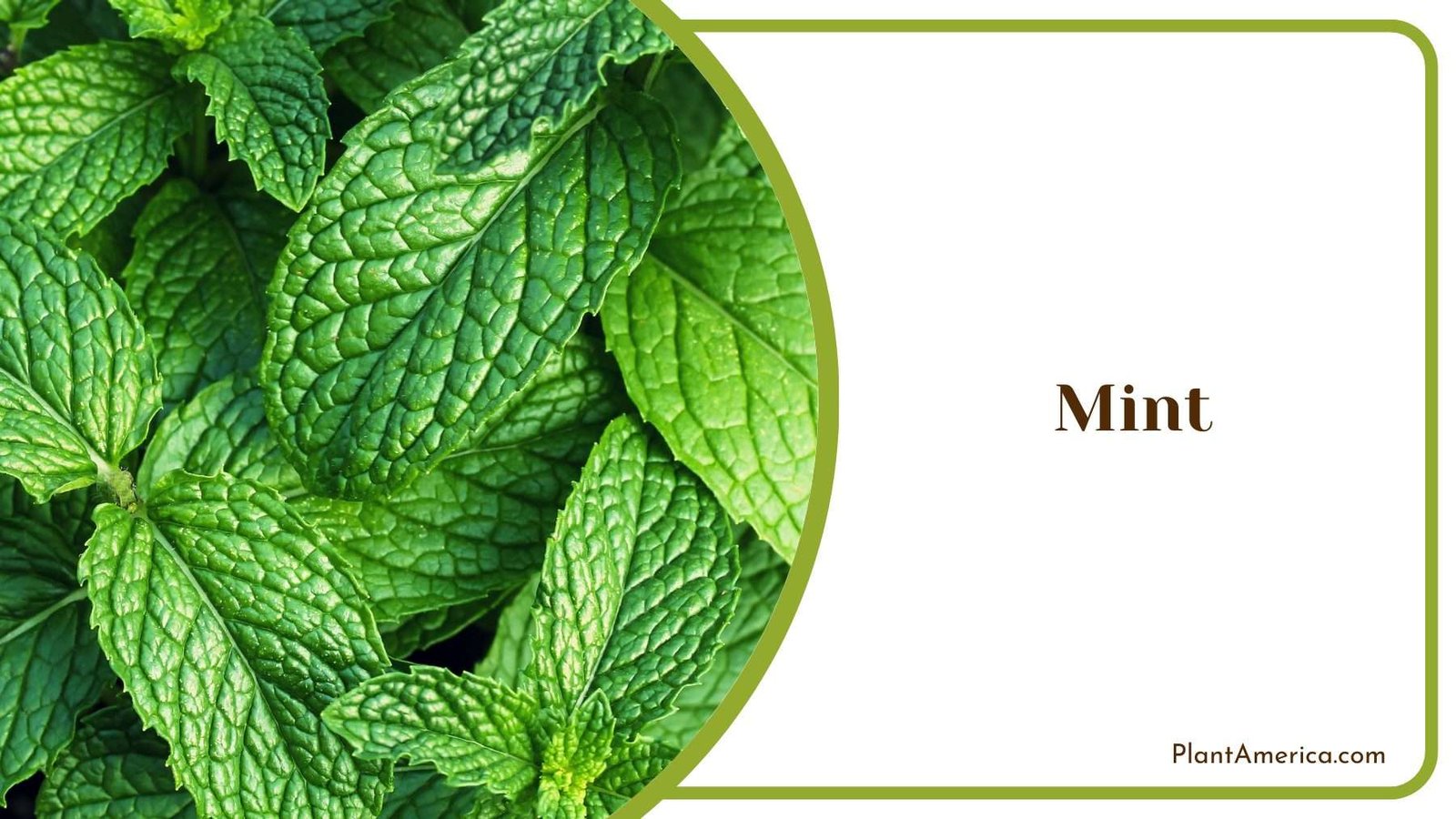
- Growing Season: Spring, Summer, Fall
- Leaf Shape: Varying, Aromatic, Opposite
- Specific Needs: Moist Well-draining Soil, Control for invasiveness
- Common Pests: Slugs, Snails
With its fragrant foliage and flowers delightful to cooks and pollinators alike, mint spreads vigorously through gardens worldwide. These hardy perennials arise each spring to multiply their creeping rhizomes, forming mats and mounds under which no weeds may penetrate. While leaf shapes range from rounded to heart-like based on the cultivar, all emanate a potent aroma when crushed.
Preferring moist yet well-draining soil, mint thrives along borders but proves invasive unless contained by thoughtful planting or barriers. Few significant pests present obstacles, but occasional slug damage may occur.
From mojitos to juleps, all manner of drinks showcase mint’s refreshing qualities while the delicate leaves dress green beans, new potatoes, and lamb. A little nip enhances candies, syrups, and sauce, imparting complex herbal notes with each bite.
17. Daylily
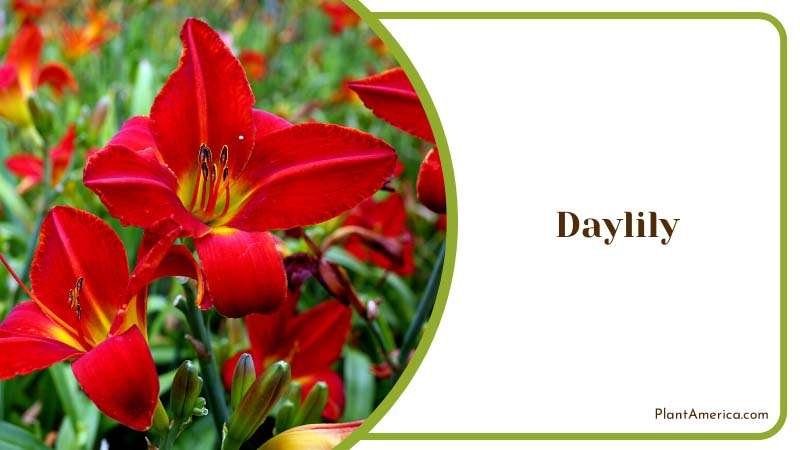
- Growing Season: Spring, Summer
- Leaf Shape: Strap-like, Grass-like blade
- Specific Needs: Tolerates poor soil, Full sun
- Common Pests: Aphids, Slugs, Diseases
Daylilies add gentle splashes of color to perennial borders from June through September in many northern climates. Multiplied through underground tubers, they emerge each spring with sword-like blades reminiscent of grass but sheltering colorful blooms nodding just above on slender stalks. Orienting toward the sun, daylilies succeed in lean soils once established and prove drought-resistant.
Though occasional slug or aphid pressure may occur, the tough perennials resist harm from minor predation. Across Asia, their edible floral cups and young shoots contribute textures and colors seasonally to fresh salads, soups, and stir-fries with notes ranging from sweet to nutty.
18. Crocus
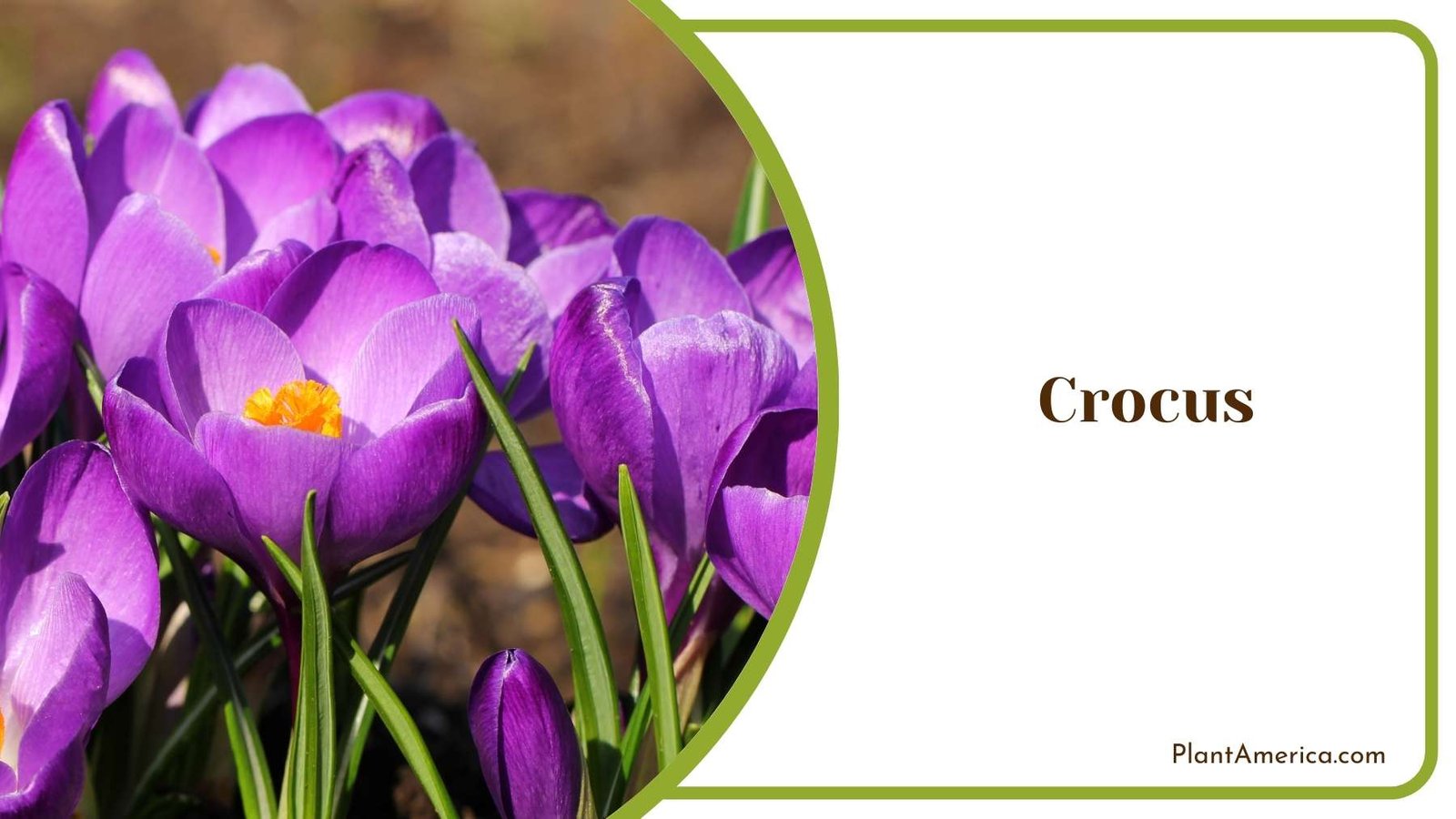
- Growing Season: Late winter, Early Spring
- Leaf Shape: Tapered blades, Tubular
- Specific Needs: Average Well-draining Soil, Full sun
- Common Pests: None
Crocuses herald the earth’s reawakening each winter with cheerful clusters of color. Originating from Mediterranean climes, these bulbous perennials multiply over time to bravely emerge even as hardy daffodils sleep, displaying oval or oblong tubular leaves and saucer-like blooms in vibrant hues. Their tapered leaf blades arch gracefully skyward once winter reluctantly loosens its grip.
Requiring no coddling beyond average potting soil and drainage with total sun exposure, crocuses endure few significant pests beneath snow’s protective blanket. Their edible blooms and young sprouts impart a pleasant, peppery flavor, brightening green salads’ first tender offerings to celebrate spring’s arrival.
19. Peony
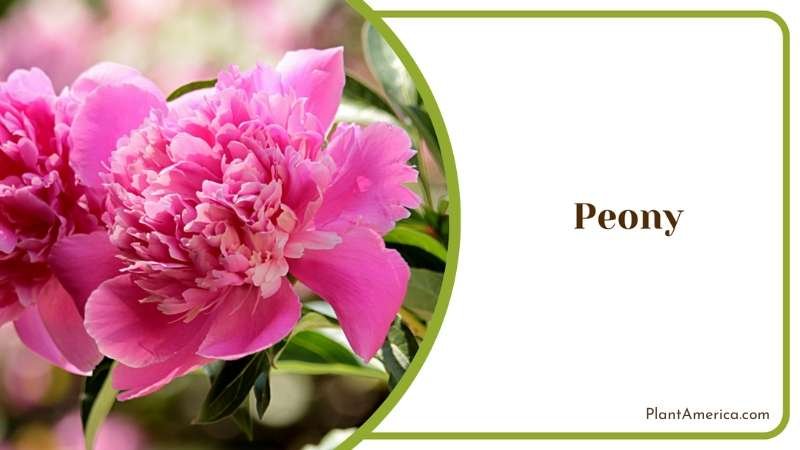
- Growing Season: Spring
- Leaf Shape: Alternate, Deeply lobed, Large
- Specific Needs: Well-draining soil, Afternoon shade
- Common Pests: Aphids, Beetles, Powdery mildew
Peonies enchant the early summer garden with lush blooms resembling pom pom ranunculus and roses. As hardy perennials, clumps multiply slowly through rhizomes to produce large alternate leaves deeply lobed at margins. Come late May in many northern zones, tight buds unfurl into doubles, anemones, and singles up to eight inches wide.
Preferring afternoon shade with moisture-retentive yet freely draining soil, peonies thrive undisturbed for decades. Should powdery mildew or hungry beetle larvae occasionally affect foliage, plants usually endure without harm. Edible petals contribute pleasant floral notes to fruit or savory salads.
20. Carnation
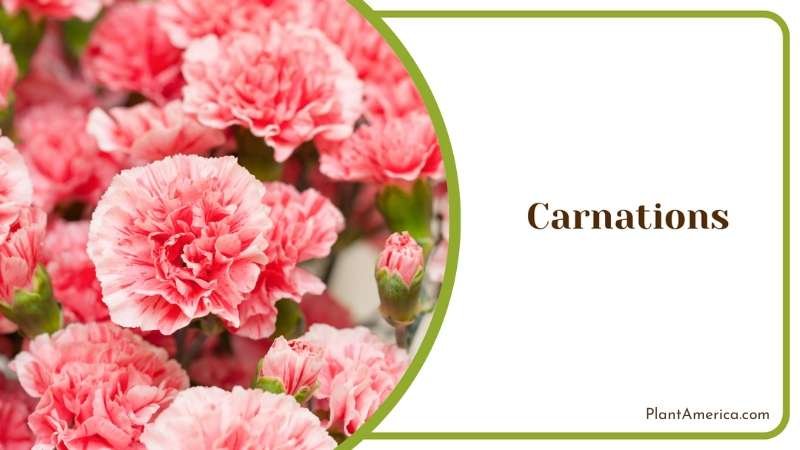
- Growing Season: Spring, Summer, Fall
- Leaf Shape: Simple, Oval, Stalked
- Specific Needs: Average to dry soil, Full sun
- Common Pests: Spider mites, Whitefly, Fungal disease
Carnations lend cheerful pink, red, and white splashes to gardens from early spring until autumn’s conclusion. Though often treated as tender annuals, some varieties survive as short-lived perennials where winters prove mild. Their oval leaves held on stalks provide the backdrop to trumpet-shaped blooms, with aromas sweetly clove-scented.
Tolerating lean soil and heat well, carnations succeed in containers or borders given full sun. While spider mites and whiteflies occasionally perturb foliage, the damage remains minimal with preventative spraying. Adding edible blooms lends decorative texture and mild sweetness to salads, desserts, and infused syrups.
21. Orchid
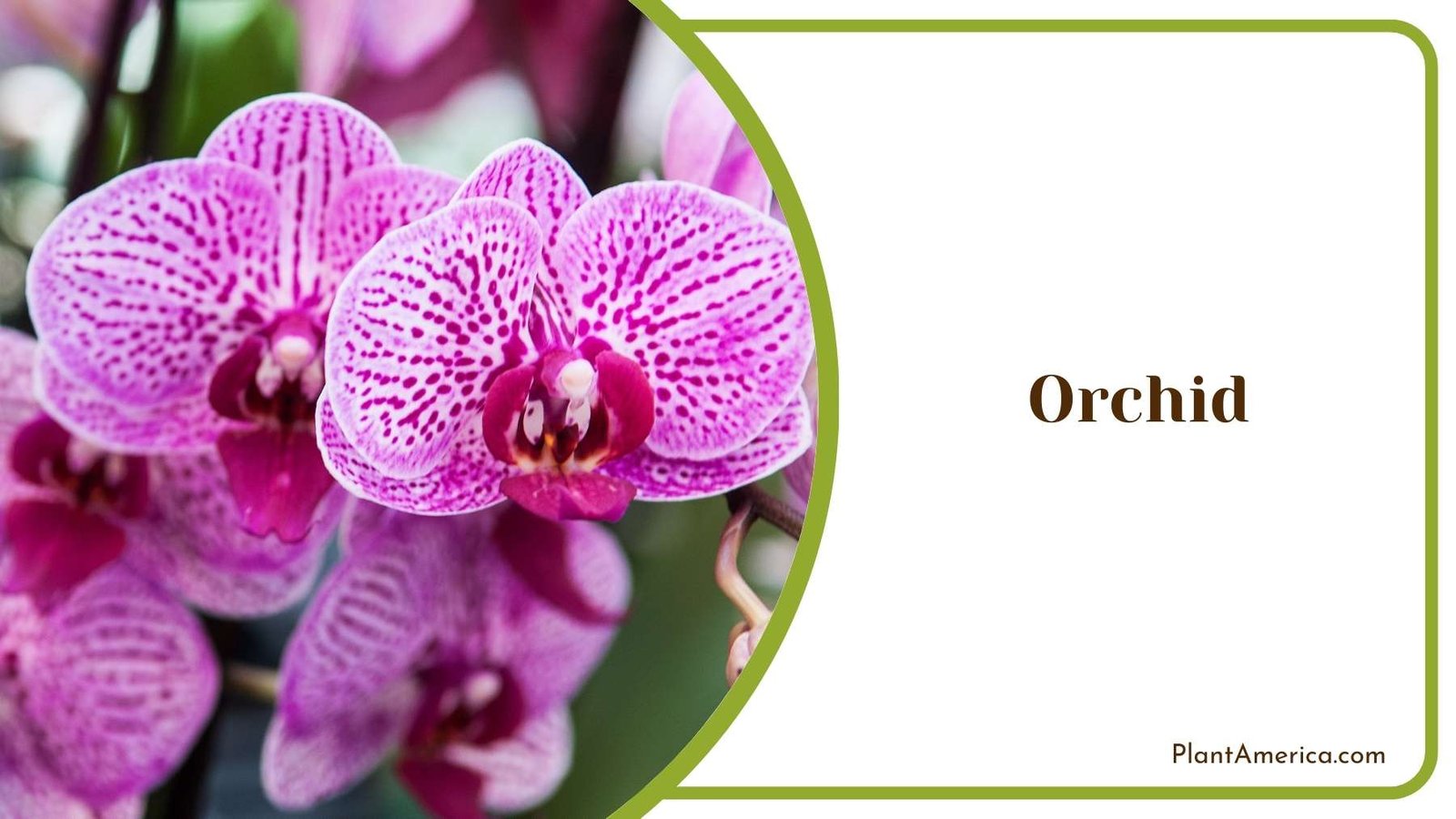
- Growing Season: Spring, Summer, Fall
- Leaf Shape: Strap-like, Fleshy
- Specific Needs: Light shade, Humidity
- Common Pests: None
Revered for exotic allure, orchids grace homes and tropical landscapes with stunning blooms evoking swans, slippers, and more. Leathery leaves arise alternately as straps or sword-like organs retaining water in humid forests worldwide.
Given conditions simulating origins through peat or bark mixes with weekly water, orchids burst forth yearly with spectacular bloomed sprays.
Although sensitive to drought and too much direct sun, their exacting needs are maintained in specialized greenhouses or terrariums rewardingly. Thanks to sealed environments, bugs pose minor threats beyond occasional slugs outside. While foliage proves toxic, some Asian cultures enjoy immature blooms imparting subtle flavor.
22. Poinsettia
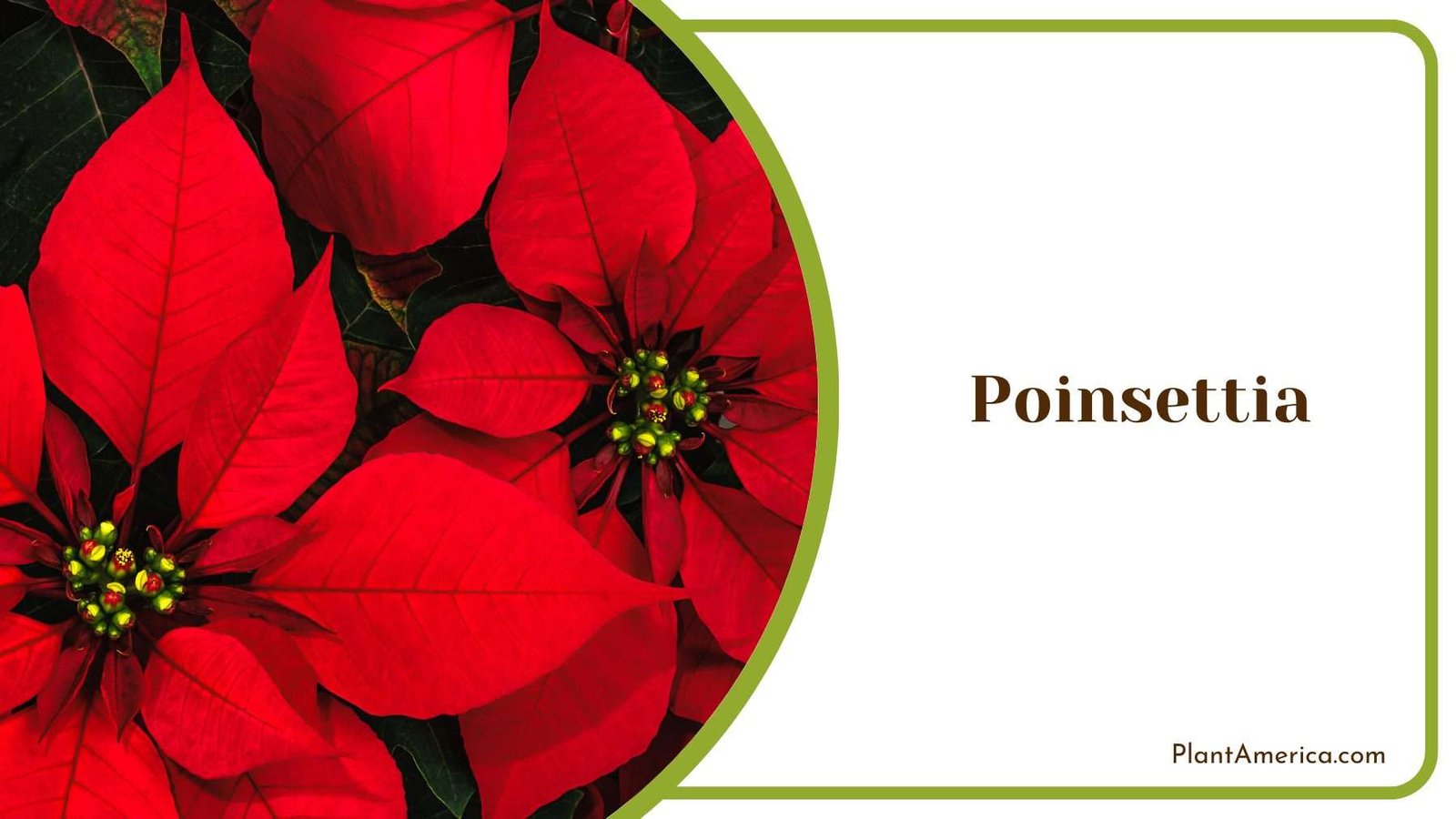
- Growing Season: Winter
- Leaf Shape: Simple, Opposite, Reddish bracts
- Specific Needs: Even moisture, Indirect sun, Warmth
- Common Pests: Spider mites, Aphids
Synonymous with the festive holiday season, poinsettias deliver vibrant color to winter window sills through January with minimal demands. Native to Mexico, these perennial shrubs grown as tender annuals elsewhere form oppositely arranged oval leaves relatively unremarkable—yet their clustered reddish bracts above masquerade as petals, reaching up to 10 inches across in hues from crimson to ivory.
Though happiest in indirect daylight with consistently moist yet well-draining soil, poinsettias are resilient when watered periodically along warmth’s return. Houseplants endure few pests beyond occasional spider mite issues, easily treated with isolation. While mildly irritating if ingested, their decorative splashes lift spirits throughout dark months.
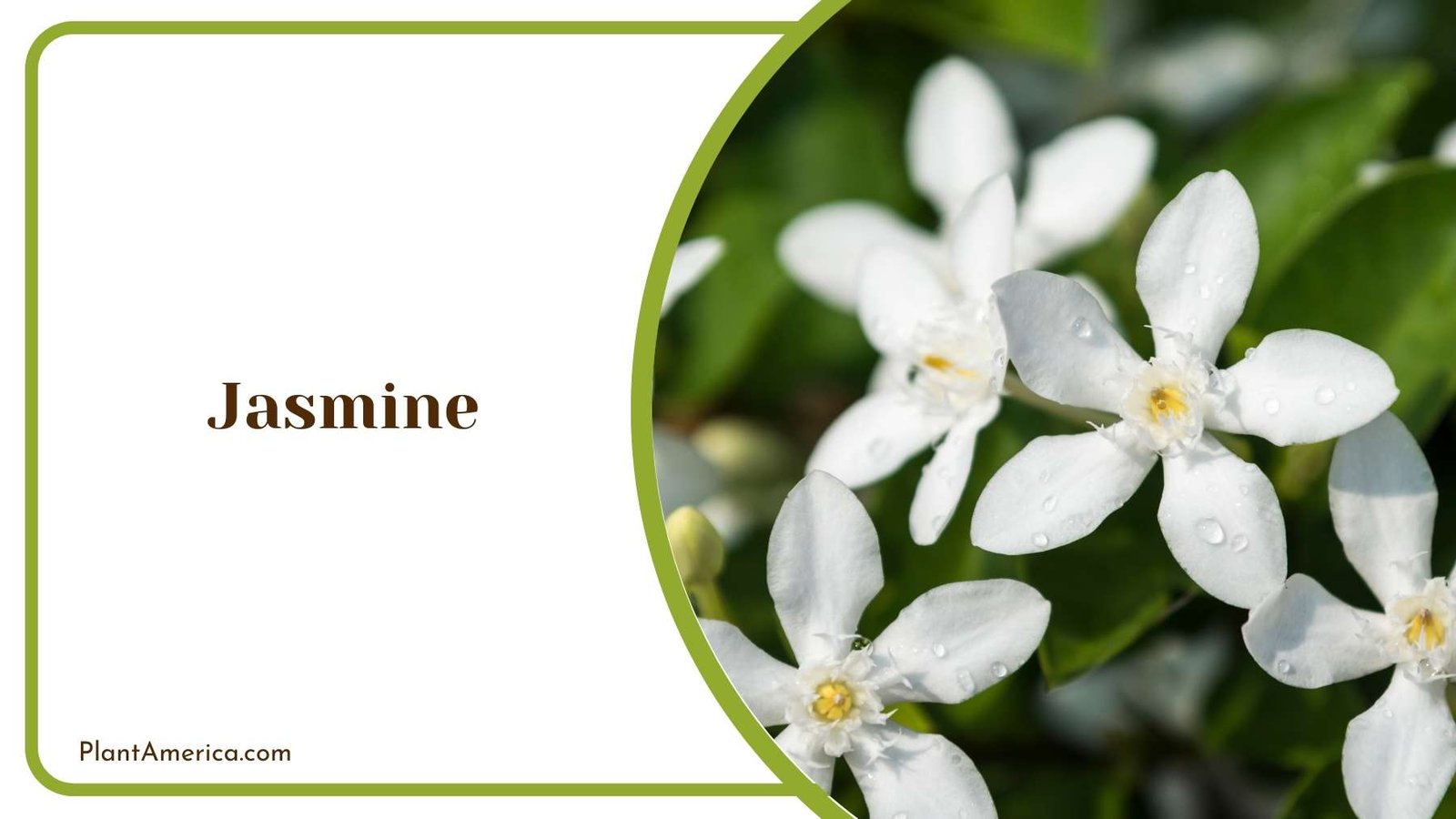
23. Jasmine
- Growing Season: Spring, Summer
- Leaf Shape: Compound, Aromatic evergreen
- Specific Needs: Well-draining soil, Adequate moisture, Pruning for shape
- Common Pests: Scale, Mealybugs
Indigenous to tropical and warm temperate regions of Asia and Africa, jasmine vines grace gardens worldwide with heady perfume and star-shaped white or yellow blooms. Compound leaves remain lush and aromatic year-round on hardy evergreen vines if pruned periodically into spreading shrubs.
Jasmine fills warm evenings with sweet seduction as its blooms unfurl, releasing heady perfume into the dusky air. Originally from tropical and warm temperate regions of Asia, it thrives in climbing walls or structures in full sun with consistently moist soil.
Glossy green leaves are a backdrop to clustered starry flowers erupting in whitish, yellowish, or pinkish tones, depending on the variety. Individual nocturnal blooms resemble tiny trumpets or bells, mesmerizing nighttime pollinators with nectar.
Vigorous with twining or spreading habits, depending on the type, jasmine may vine 20 feet annually. Though deciduous in colder zones, its persistent stems can be cut back each winter and coaxed into bloom again come spring.
With delicate beauty and intense fragrance from dusk till dawn, jasmine casts an enchanting spell wherever it grows. Ideal for gracing balconies, arbors, or patio containers, its seductive qualities enhance any retreat with romance after dark falls.
24. Violet

- Growing Season: Spring
- Leaf Shape: Heart-shaped, Sweetly fragrant
- Specific Needs: Partial shade, Moist soil
- Common Pests: Aphids, Slugs
Native to Europe and Asia, violets naturalize as lovely groundcovers, sweetly fragrant in spring. Forming low mounds, their heart-shaped leaves provide the backdrop for delicate purple, yellow, and white flowers.
Violets thrive with afternoon shade and consistently moist yet well-draining soil teeming with organic material. Once established, little beyond wilting temperatures can hinder steady bloom from March through June. Edible blooms contribute mild floral flavors to salads, desserts, and syrups while retaining much medicinal value amongst folk herbalists for centuries.
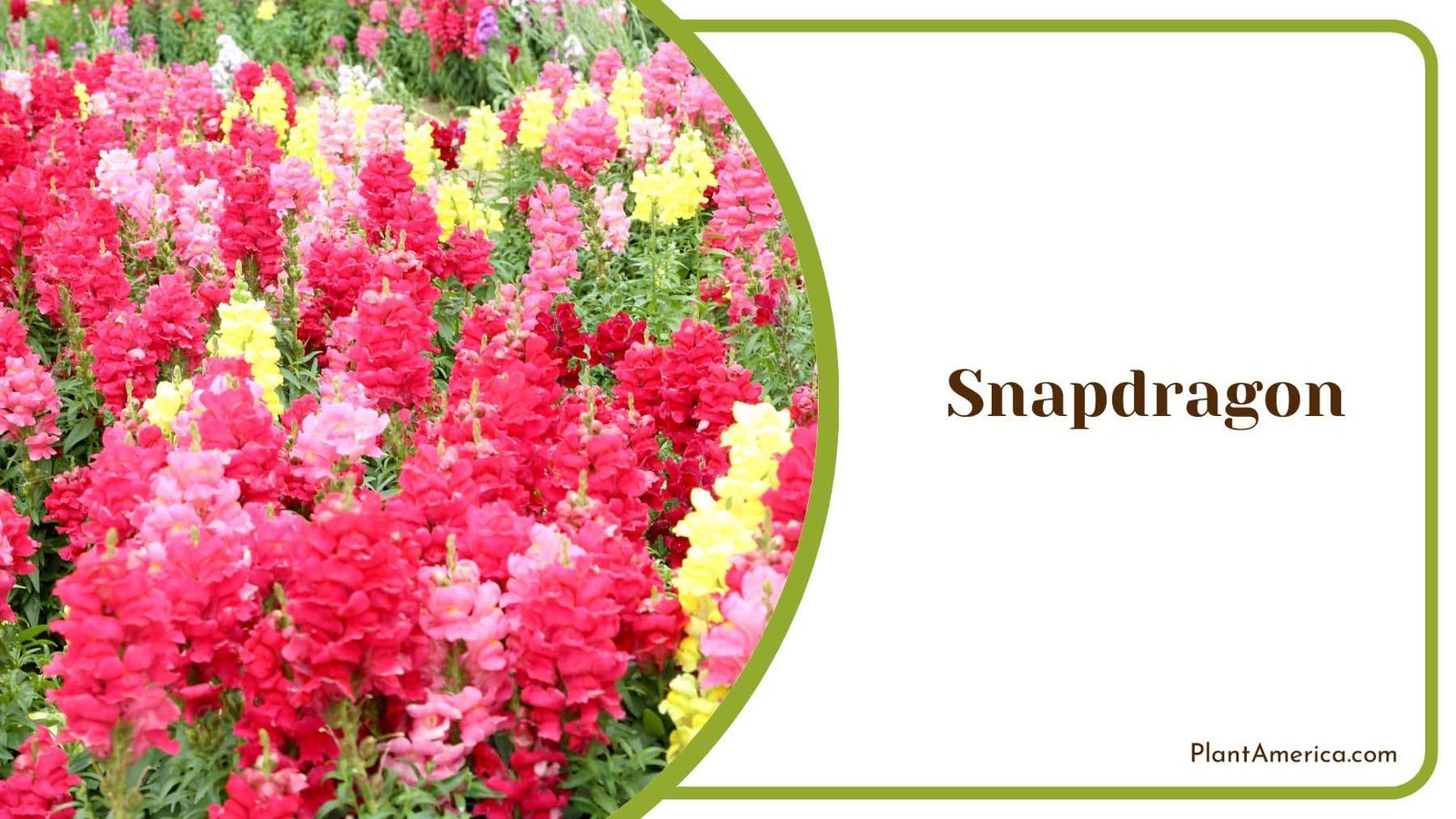
25. Snapdragon
- Growing Season: Spring, Summer
- Leaf Shape: Resemblance to dragon mouths, Colorful blooms
- Specific Needs: Well-drained soil, Full sun
- Common Pests: Snails, Slugs
Antirrhinums, commonly known as snapdragons, enliven borders from late spring through early fall with colorful blooms resembling fantastical dragon mouths. Forming mounds of foliage bearing alternate leaves, branching stems hold cheerful spikes in yellow, pink, red, and more.
Snapdragons enrich gardens with their cheerful faces and butterfly-friendly blooms. Originally native to Europe and Asia, they thrive in full sun with consistent moisture as an annual or perennial border gem.
Varied spikes emerge densely packed with unique blooms resembling dragon mouths along slim stems. In shades of pastels, oranges, and red, individual flowers literally “snap” open and closed at the slightest touch.
Most varieties bloom continuously spring through fall when sown in succession, though their bloom span depends on the type. Tall types may reach two to three feet, while dwarfs stay compact. Deadheading prolongs flowering cycles.
With unusual blooms that add lively texture, snapdragons are cherished for brightening sunny beds. Perfect for cutting, their long vase life also makes them a favorite for arrangements. Attractive to pollinators at any time of year, snapdragons spread good cheer with low-care beauty for months.
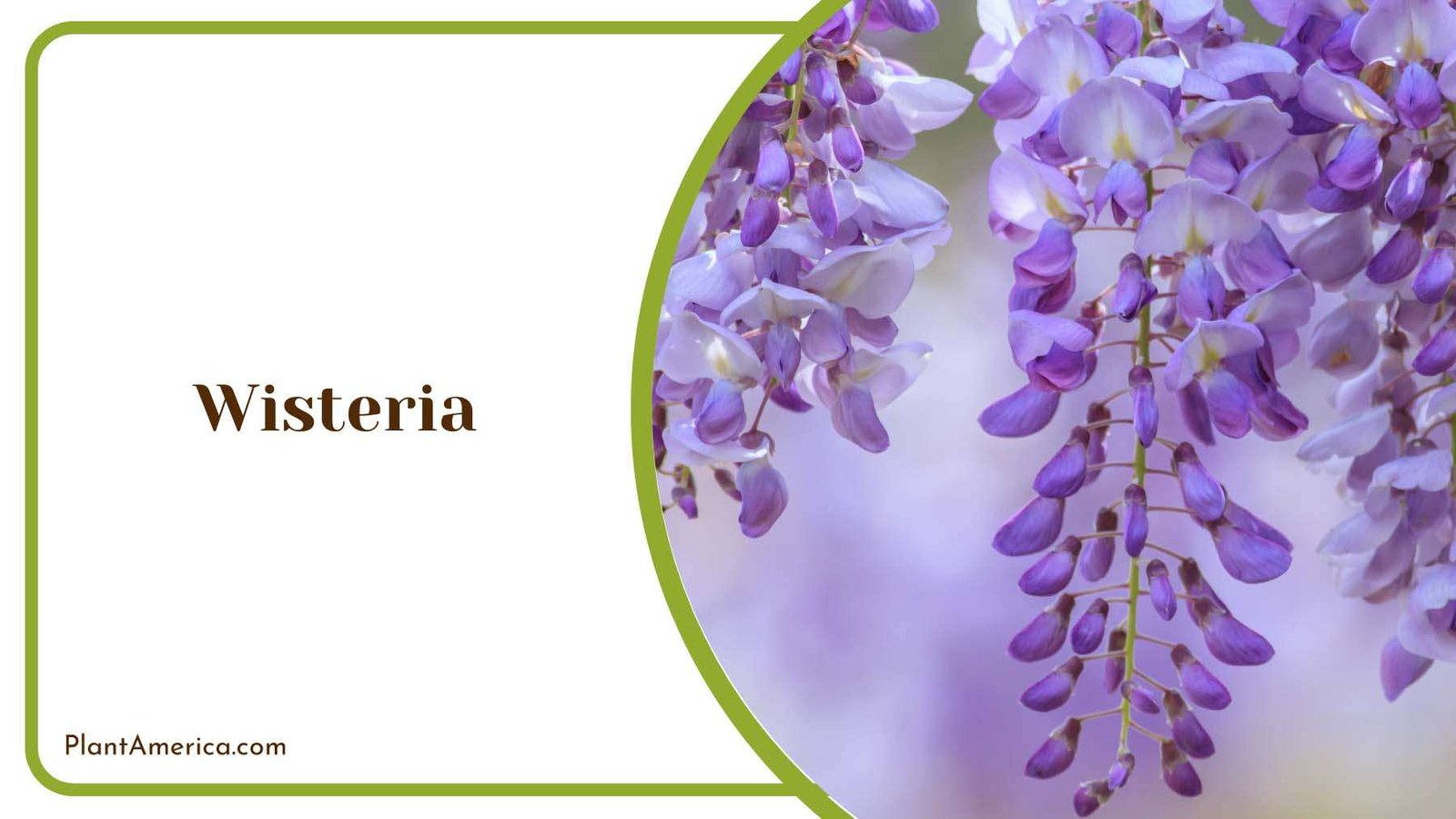
26. Wisteria
- Growing Season: Spring
- Leaf Shape: Compound, Pinnately
- Specific Needs: Well-draining soil, Full sun
- Common Pests: Fungal, Diseases
A graceful vine synonymous with spring, Wisteria delivers curtains of violet, white, or blue blooms, depending on the cultivar. Native to eastern Asia, this deciduous woody climber sends out racing tendrils to scale arbors, trellises, and tree trunks quickly. Its pinnately compound leaves remain lush summer foliage before autumn arrival.
Given direct sun and moisture-retentive yet freely draining soil, Wisteria rewards with astonishing floral displays gracing entryways and landscapes. Beyond minor fungal or pest issues, these hardy perennials require minimal care once established.
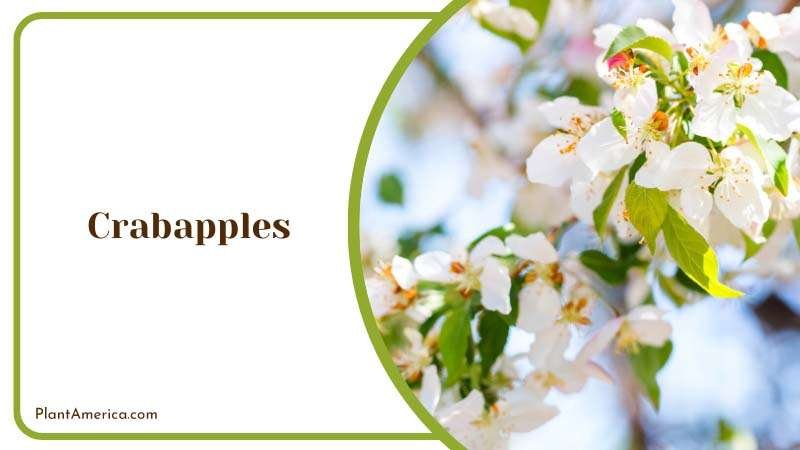
27. Apple Blossom
- Growing Season: Spring
- Leaf Shape: Strap-like, Grass-like blade
- Specific Needs: Moist soil, Annual pruning, Full sun
- Common Pests: Fungal, Rust
Harbingers of warm weather’s return, apple blossoms light orchard landscapes with clusters of delicate white, pink, or red petals. As fruit trees, apple varieties grow as small shrubs or trees bearing alternately arranged oval leaves and fragrant blooms before fruits’ development.
Apple blossoms waft scenes of pastoral springs into gardens with their ephemeral beauty. Harbingers of warmer weather, the delicate blooms emerge on branches before leaves in pinks blending to white.
Clustered along graceful stems, each clustered flower resembles a small pom-pom or starburst in shades from pale blush to rich fuchsia. Their intoxicating sweet perfume announces the arrival of spring and promises future fruit.
Decorative apple trees grow 20-30 feet tall, covered in blooms during a seasonally short display. After petals fall, small green fruits swell and change hue depending on variety, some ripening within months while others requiring winter chill.
With its charm and nostalgia, apple blossom time captures the imagination. Perfect for cottage and heirloom gardens, a blooming tree lures bees, birds, and everyone outdoors to cherish the fleeting poetry of spring. Later, its shade, charming fruit, or fall foliage brings lasting enjoyment.
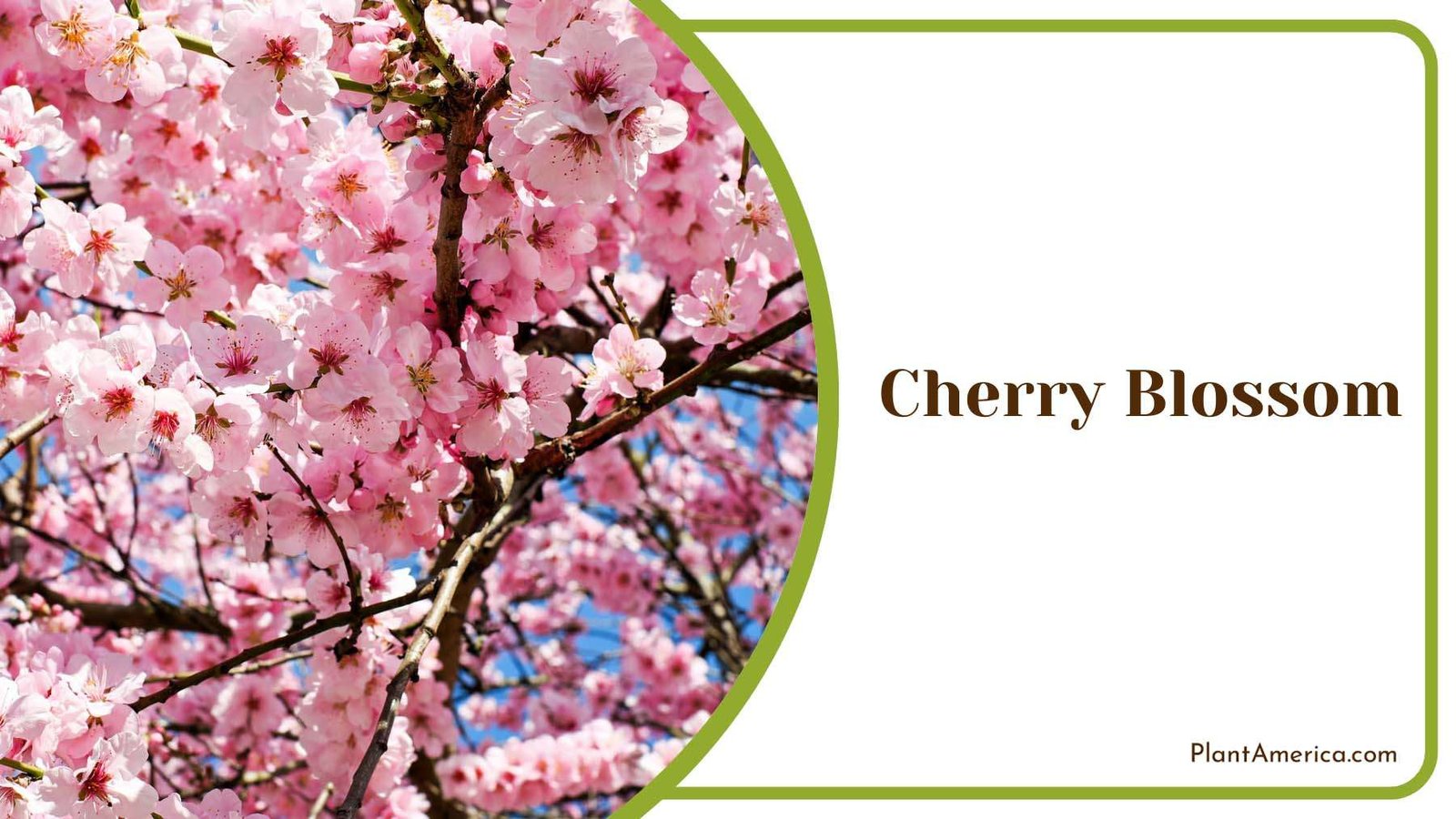
28. Cherry Blossom
- Growing Season: Spring
- Leaf Shape: Oval, Arranged alternately
- Specific Needs: Rich, moist soil, Afternoon shade
- Common Pests: Powdery mildew, Fire blight
Celebrated for impermanence, cherry blossoms waft clouds of pale pink through Japanese and ornamental grooves each spring. Native to China, Korea, and Japan, these deciduous trees form delicate blooms before oval leaves spread. While providing brief color displays, cherry opens garden vistas anew, reminding each cycle of the transience’s beauty.
Best sited with afternoon shade and moisture-rich humus, cherry proves resistant yet susceptible occasionally to diseases like fire blight and powdery mildew, easily discouraged by preventative spraying and airflow. Edible blossoms impart subtle flavors, lifting desserts and teas throughout the celebratory hanami season.
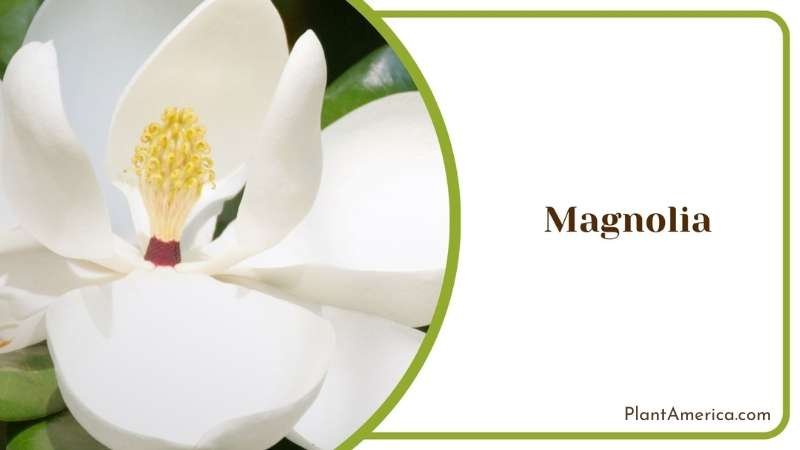
29. Magnolia
- Growing Season: Spring
- Leaf Shape: Leathery, Large
- Specific Needs: Moist acidic soil, Sun to partial shade
- Common Pests: Leaf spots, Leafhoppers
Large magnolia trees and shrubs enliven landscapes each spring with goblet-sized blooms in whites, pinks, and yellows. Their large, leathery leaves provide the backdrop to delicate blooms preceding summer’s spread.
Magnolia elevates any garden with its stately stature and dramatic blooms. An iconic flowering tree native throughout temperate regions thrives in various light conditions with well-draining soil.
Large, leathery evergreen leaves or delicate caducous varieties are the backdrop to the magnolia’s signature blooms. Pristine white, ravishing pink or vibrant red tulip-shaped flowers emerge directly from the bark in spring, their heady fragrance announcing the arrival of warmer weather.
Depending on the variety, magnolias may grow into small understory trees, statuesque specimens towering 50 feet, or compact ornamental shrubs. Their waxy blooms resist weather, persisting for over a week. Tolerant of most soil and pollution, magnolias gracefully soften landscapes for centuries.
With its elegant blossoms and heirloom mystique, the magnolia adds a timeless lushness to yards, avenues, and public gardens. cupped blooms resembling white, pink, or crimson lampshades inspire the fleeting beauty of spring blossoms and lend grace throughout every season.
30. Gardenia

- Growing Season: Summer
- Leaf Shape: Glossy, Green, Oval
- Specific Needs: Fertile, moist soil, Partial sun
- Common Pests: None
Fragrant gardenias brighten landscapes and indoor displays from summer’s start bearing waxy white blooms. Their glossy oval leaves remain lush amid flushes of flowers exuding irresistible tropical scents.
Gardenia graces landscapes with lush, leathery foliage and fragrant snowy blooms beloved by gardeners. An evergreen shrub native to East Asia and India thrives in partial shade with rich, well-draining soil.
Thick, dark green leaves are a backdrop to summer’s showy, creamy flowers. Their heady perfume can fill an entire yard. Individual flowers resemble miniature cabbage roses, their petals slightly crumpled with yellow throats.
Gardenia grows three to 10 feet tall and wide, depending on the variety. Prune lightly after flowering to maintain shape. Its ability to thrive in shelter lends grace to foundations, beds, and mixed borders.
Nothing says luxury and romance quite like the pungent blooms of gardenia. Perfect for low-maintenance ornamental use, its flowers are also prized for floral arrangements, sachets, and perfumes. With minimal care, gardenia fills warm months with memorable fragrance and tropical flair wherever it grows.
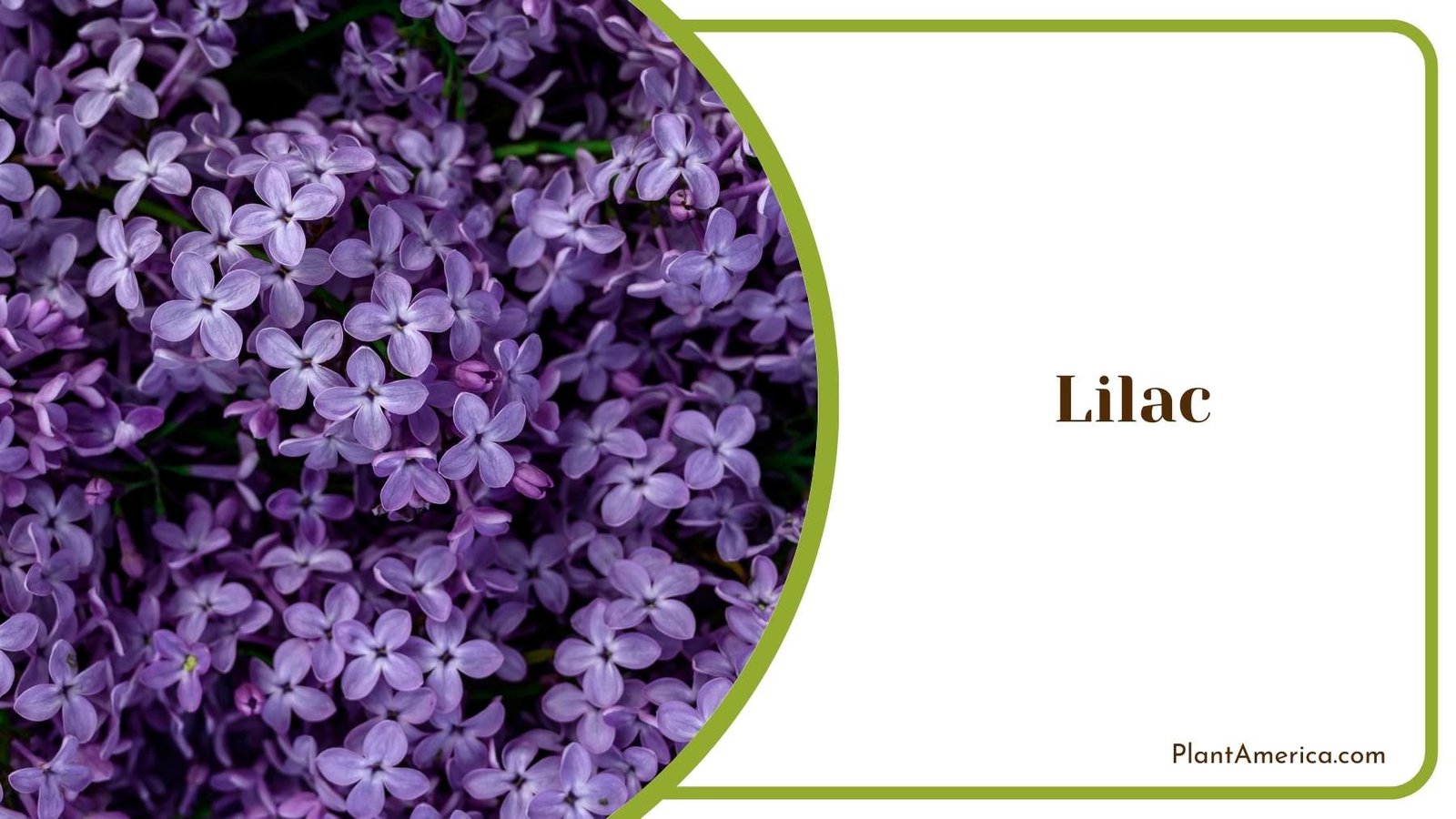
31. Lilac
- Growing Season: Spring
- Leaf Shape: Simple, Opposite
- Specific Needs: Well-draining soil, Sun
- Common Pests: Aphids, Slugs
The common lilac shrub originated in China but has since naturalized across temperate regions worldwide, rewarding spring gardens with magnificent dangling panicles. Dozens of cultivars arise in a stunning color range, including solids and bicolors. Their simple opposite leaves provide structure and backdrop for the main show—clusters reaching up to 10 inches bearing small blooms fragranced by nightfall.
With full sun, good air circulation, and average soil, lilacs remain tidily branched with minimal care beyond formative pruning. The seasonal display and memories evoked by their sweet perfume instill a special joy and nostalgia, elevating spirits during celebrations of spring’s exuberant arrival.
Conclusion
Growing and eating edible flowers is a fun, colorful way to beautify your garden and plate.
- Peonies explode in exuberant clusters of ruffled blooms each summer, their thick petals spiraling out in shades of pink, red, and white like carnival confetti against green foliage.
- Calendula thrives in temperate gardens, its cheerful orange and yellow blooms peeking from clustered green leaves.
- Snapdragons enliven borders and containers with their curiously named flowers in vibrant colors that appear to snap open and close on upright green stems above narrow leaves.
- Apple blossom blankets orchard trees in delicate pink and white blooms each spring, their sweet scent perfuming the air on breezy days.
- Magnolia proudly displays its lush, waxy leaves and large, cup-shaped blossoms that range from pure white to deep pink, creating a breathtaking floral display in gardens across warmer regions.
Not only are many common blossoms safe to consume, but they also lend aromatic, nutritional, and textural enhancements to recipes. Some stand up well to cooking, while others cater perfectly to no-cook preparations and presentations. Flower foraging can become an additional seasonal highlight by cultivating an assortment tailored to your tastes and needs