
Callisia repens, also known as Turtle Vine, Creeping Inch Plant, or Bolivian Jew, is a fantastic succulent that is a creeper from the family Commelinaceae. This plant species is native to South and Central America and is known for its contrasting and variegated tiny foliage.
It looks incredible in hanging pots and is worth having as a houseplant. Read this article to learn all about this fascinating Callisia genus plant.
Quick Overview
Here is a handy table of care requirements for your Callisia repens plant.
| Requirements | Callisia repens |
| Light | Needs bright, indirect sunlight |
| Water | Soak with water and let the soil dry before watering again |
| Soil | Likes well-drained soil that offers organic food |
| Temperature | Temperatures ranging from 64 to 71 degrees Fahrenheit |
| Humidity | Humidity levels of around 40 to 50 percent |
| Fertilizer | Needs well-balanced fertilizers during the growing season |
What Is Callisia Repens?
Callisia repens is a perennial plant that creates creeping mats of foliage and flowering shoots that ascend beautifully. The leaves of the Turtle vine are fleshy and grow smaller and delicately near the tip of the shoot. You can also check the Callisia repens bianca variation.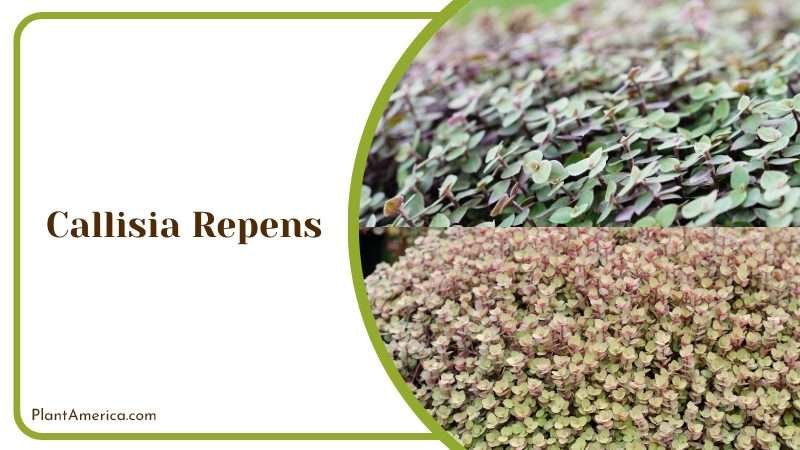
The leaf blades are oval and small, while the plant grows quickly and multiplies easily. The long creeping shoots are best for stem propagation and mostly start rooting wherever they touch the ground.
Flowers grow in summers and have no scent. Seeds also develop after flowers that are described as capsule fruits.
Callisia Repens Care
Callisia repens variegata or the Pink lady plant is a native plant of Southeast America that grows in shady, sandy, rocky or gravelly locations, mostly in the subtropics. It is also found in tropical forests.
It has climatized in Hong Kong and has adopted in urban gardens well. It is considered an invasive species in Western Australia because it grows and spreads quickly, adapts to a variety of climates, and is able to adjust quickly.
If planted outdoors into the ground, it behaves like a ground cover and becomes hard to manage if left to grow. Eventually, it will suffocate the vegetation and other ornamental plants in an urban garden. For this reason, it is best to grow it in pots where it can be contained.
Care of Callisia repens is simple if you know its growing habits. It is now grown as an ornamental plant too and can be multiplied by cuttings. It is an excellent houseplant because of its looks and the display of flowers.
Light creates a striking blushing effect on the foliage, but it can not tolerate direct light. It grows best in temperatures ranging from 64 to 71 degrees Fahrenheit.
 Water Requirements
Callisia repens like to be watered once the soil goes dry. Overwatering or keeping the soil soggy is not a good idea as excess moisture leads to root rot. Make sure the roots are never left in water.
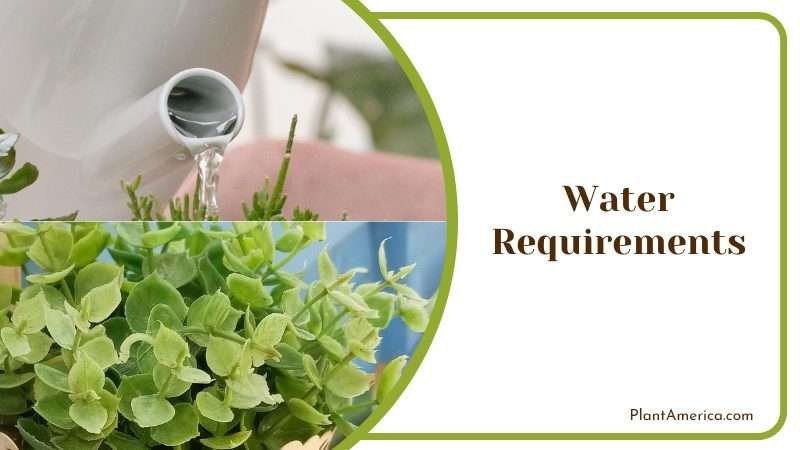
Callisia repens needs more water in spring and summer when it grows rapidly. During winter it requires less water. The best way to water your plants is to soak them with water and then let the soil dry before watering again.
 Fertilizer Requirements
Callisia repens need well-balanced fertilizers to replenish its nutrients in the growing season. These are not very heavy feeders. A general-purpose store-bought fertilizer will be good for it.
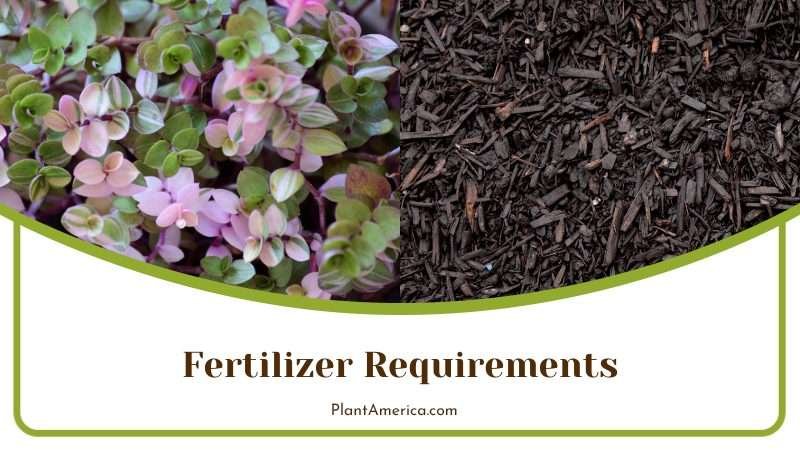
If you want to use a slow-release fertilizer, it will be enough for up to 6 months. Natural fertilizers like manure, compost, peat moss, vermicompost or worm castings can be added too.
 Light Requirements
Indirect, bright sunlight is ideal for the optimal growth of Callisia repens plants. An indoor environment can also provide this type of light. It can tolerate low light conditions but it will not be happy in direct exposure to sunlight that causes leaf burn.
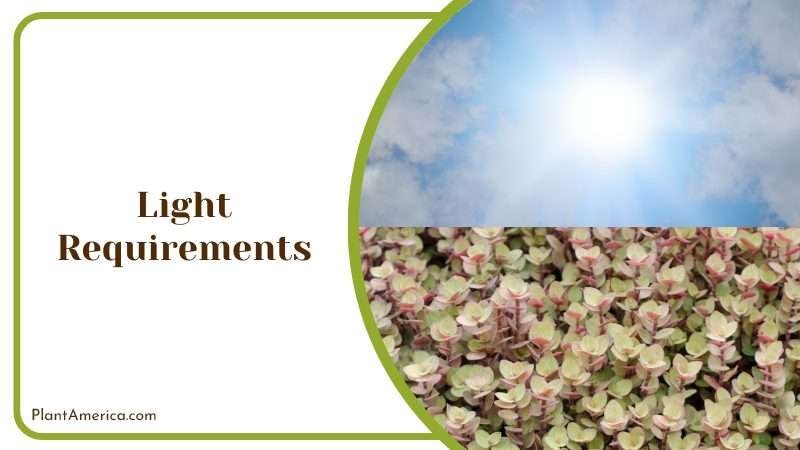
A sunny window covered with sheer curtains can be a good source of such light. A balcony that is brightly lit with indirect light is another good spot to hang your Callisia repens plants.
The plants can also grow in artificial light indoors. Keep it under grow light for 12 hours a day and it will continue to grow beautifully.
 Humidity Requirements
Callisia repens plants need 40 to 50 percent humidity to thrive. If you live in a mostly dry area, you can install a humidifier, but this is for very dry regions. Usually, the indoor humidity is perfect for most plants.
Do not wash the leaves often and don’t mist the plant regularly. Excess moisture can bring harm.
 Soil Requirements
Callisia repens like well-drained soil that offers some organic food too. Root rot can be avoided if the soil composition is right. To make it well-draining, add perlite to it. Peat also helps in retaining the right amount of water while draining it well.
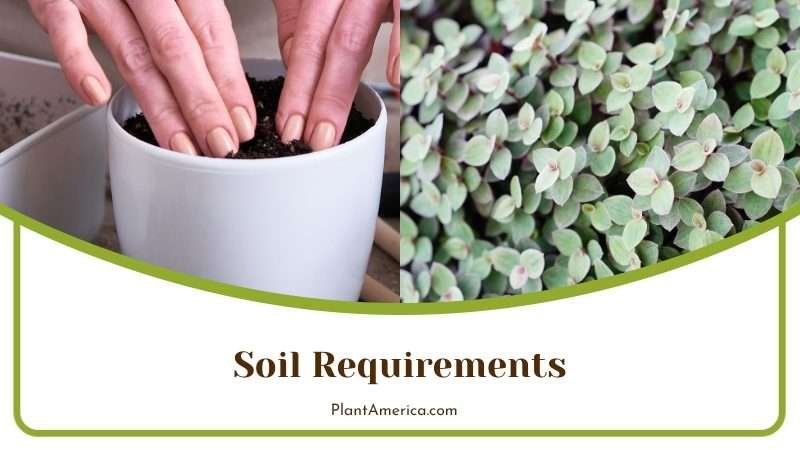
You can save time and buy ready-made succulent mix and build on it or use it as it is.
 Temperature Requirements
Callisia repens do not respond well to very cold temperatures. It will thrive in temperatures under 86 degrees Fahrenheit but the best range is between 64 to 71 degrees Fahrenheit.
It will not tolerate frost and must be brought indoors if needed.
– Potting
Potting or repotting plants needs special care. Here are five steps to follow to make sure you do this successfully.
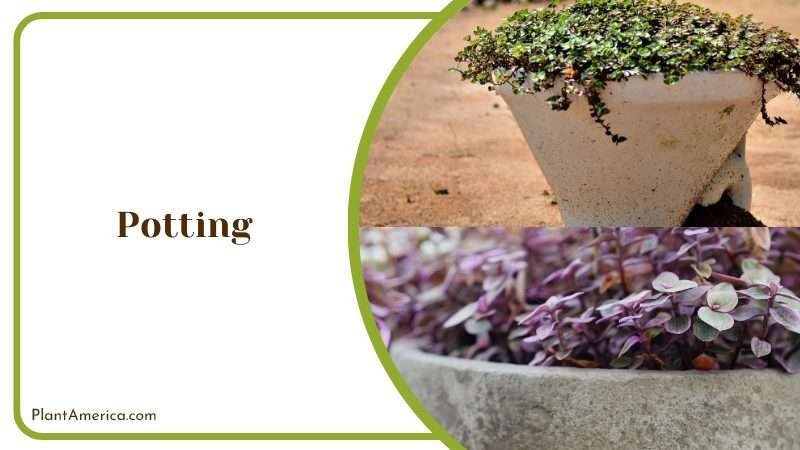
- Select an appropriate size of the pot with enough drainage holes.
- Add a layer of good quality, well-draining potting mix.
- Choose a spot that gets bright, indirect sunlight.
- Ensure the soil is kept slightly moist at all times and not wet or dry.
- Apply a well-balanced, general-purpose fertilizer once a month.
Before planting it in a new pot, read the following points:
- Water plants generously before potting and allow to drain.
- Partly fill your container with good quality potting mix.
- Carefully take out the plant from the old pot and gently loosen the root ball.
- Place the plant in the center of the new container and fill the fresh potting mix around it.
- Firm the mix around the plant but do it make it too compact.
- Water your plant generously and follow the care guide above to grow it properly.
– Growth
Callisia repens is also known as the Bubbles Plant and it likes to trail through its delicate vines. This houseplant has small and glossy heart-shaped leaves that spread downwards from the pot. The long stems are trimmed to maintain a round shape.
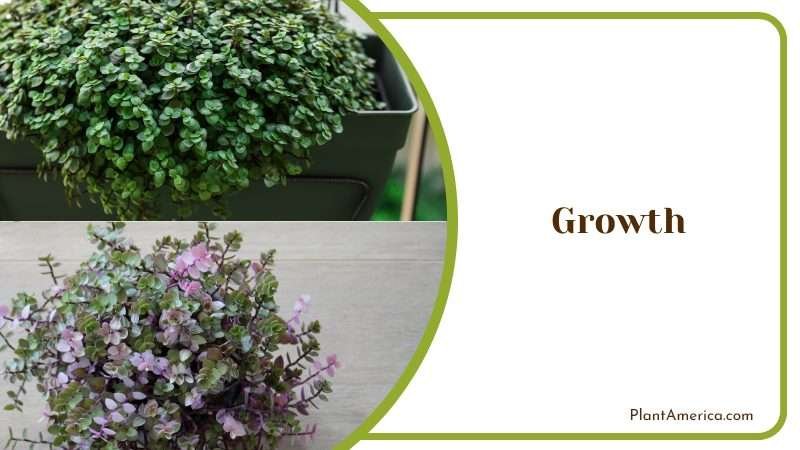
It is the kind of plant that you can keep on tables, shelves or beside your bed.
– Toxicity
The Callisia repens plant is toxic and must be kept away from pets and children.
Propagation
Callisia repens propagation can be done through stem cuttings, offsets and even seeds. They are very slow growers and do not get too big, so repotting is often not needed. Select a pot in which it will grow for a few years when propagating. It can be grown in a smaller container and later repotted too.
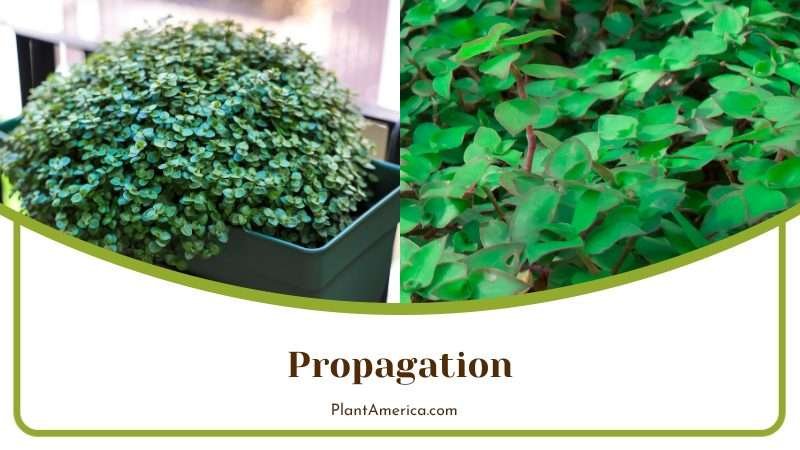
Let us take a look at all of these methods of propagation in the guide below.
– Propagation: Stem Cutting Method
Here are the steps to follow for this propagation method:
- Use a sterilized tool to cut a healthy stem with four to five leaf nodes.
- Do this in the shade.
- Plant the cuttings in a well-draining potting soil.
- Water it well and plant it in indirect light until it establishes roots.
- It will take a couple of weeks to see the results.
– Propagation: Offsets or Plantlets
Here are the steps to do this method:
- The plant will grow offsets that can be separated in the growing season.
- Take them out carefully and plant them in a fresh potting mix.
- Make sure not to overwater them or put them in direct light.
- In a few weeks, they will establish their roots in the new space and begin to spread and grow.
– Propagation: Seed Sowing
Here is how you can propagate using seeds:
- Seeds can be planted during the growing season.
- Prepare a pot or seedling tray with a well-draining potting mix.
- Spread the seeds on the topsoil and then gently cover it with a light layer of potting mix.
- Spray water on top and maintain moisture.
- Make sure these are never wet.
Problems
Callisia repens, like other plants, may face some trouble with pests or show signs of illnesses. Here is a quick symptom checker and solution finder guide for you.
– Laggy Growth
Callisia repens stems become leggy when there is a lack of light. The plant begins to grow longer to search for the light source and lose its bush look. You can bring your plant in a place with indirect bright light in this case. If the distance between nodes is increasing, it means the plant is not receiving enough light.
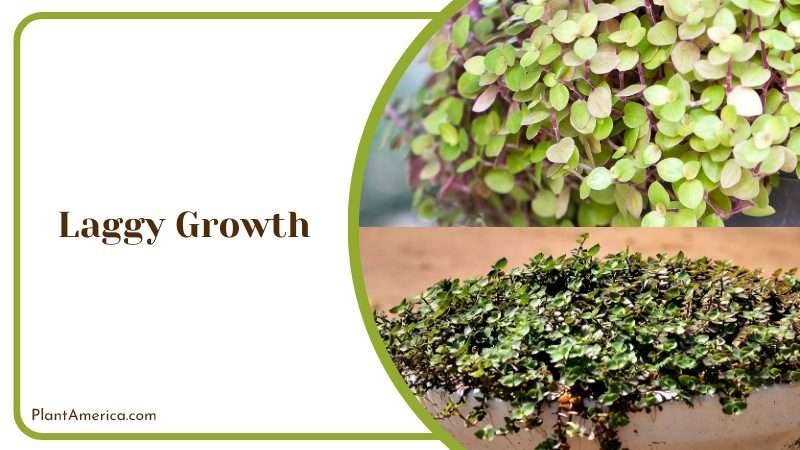
Another reason for this symptom is that the plant was not pruned for a long time. Pruning can also help maintain its shape.
– Wilting Plant
Callisia repens don’t like to be in soggy soil. If the plant is wilting, it is probably suffering from root rot. Follow the guide above to know how and when to water your plants.
To resolve this problem, repot or take steps to restart a new plant.
– Dropping of Leaves
Callisia repens drop leaves when the temperature fluctuates quickly. Make sure you do not expose it to cold winds or very hot winds.
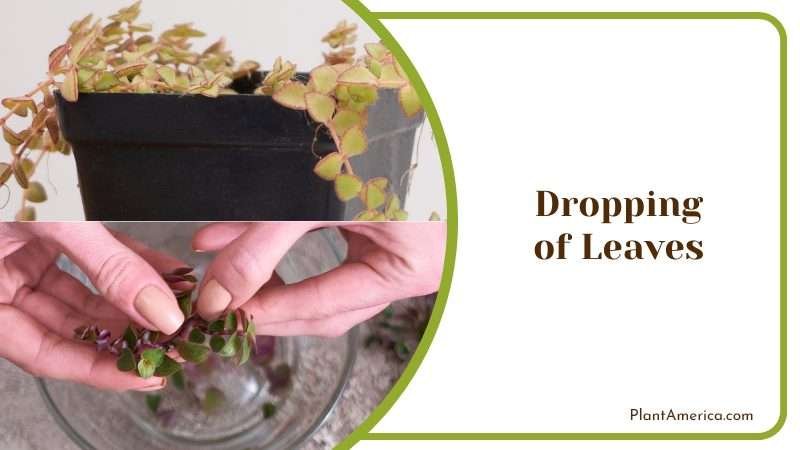
Also, gradually change its location from indoors to outdoors if the temperatures are drastically different in both locations.
– Pests
Pest attacks can be resisted by healthy plants. You can use natural control methods like spraying neem oil or insecticidal soap to combat this situation. In case of infestation, immediately wash your plants.
The best way to prevent such a situation is to inspect your plants regularly.