
California oak trees are an iconic sight in the Golden State, with many different species thriving in the mild climate. In this post, we’ll cover types of Fagaceae family oak trees that grow well in California’s diverse environments, from coast live oaks to valley oaks. Whether you want to add a majestic evergreen oak or a colorful deciduous oak to your yard, there’s a perfect species for you.

So if you want to learn about the characteristics, garden uses, and care tips for California’s most common native oaks, read on! We’ll go over everything from drought tolerance to peak fall color to identify the best oak tree for your situation.
California Oak Trees You Should Explore For Your Yards
1. Coast Live Oak
- Growing season: Year-round leaf growth, Fall.
- Leaf shape: Leathery, Dark green, Oval.
- Specific needs: Drought tolerant, Full sun, Partial shade.
- Common pest: Oak leaf blister mites, Oak root fungus.
Coast live oak is the most common native oak tree in California, able to withstand drought, heat, wind, and poor soil conditions. This evergreen oak features thick, leathery, dark green leaves that stay on the branches year-round, providing valuable wildlife habitat and cover even in the driest months.

Coast live oaks grow very slowly, often reaching ages of 200 to 300 years old. The slow growth allows coast live oaks to develop massive woody trunks and branches that twist and turn with age. With its majestic spreading branch structure forming an irregular spreading crown and gnarled twisted main trunk, the coast live oak is an iconic symbol of the California countryside.
Coast live oaks support a rich diversity of wildlife, providing acorns for many species like mammals, birds, and insects. The foliage offers cover and nesting sites for birds and small animals. The trees also develop extensive root systems that help stabilize soil, reducing erosion.
Though drought tolerant, coast live oaks require regular summer watering during extreme, prolonged drought periods to maintain their health. They grow best in full sun with well-drained, slightly acidic soil rich in organic matter. Coast live oaks adapt well to a range of soil types and conditions, including dry clay, rocky slopes, and serpentine soils.
When young, coast live oaks grow rapidly, producing new leaves and stems each year. But their growth slows significantly as they age and their trunks thicken. The oldest coast live oaks found in California exceed 1,000 years, with some specimens reaching over 100 feet tall and featuring multiple trunks. Their longevity, excellent drought tolerance, and wildlife value make coastal live oaks perfect for California’s Mediterranean climate and native habitats.
2. California Black Oak
- Growing season: Winter, Fall.
- Leaf shape: Oblong, Rounded lobes.
- Specific needs: Moderate water, Well-drained soil.
- Common pest: Oak root fungus, Canker.
The California black oak (Quercus kelloggii) is a medium-sized deciduous oak native to California and southwestern Oregon. In spring, the fresh new leaves emerge bright copper red before transitioning to a dark green color in summer.
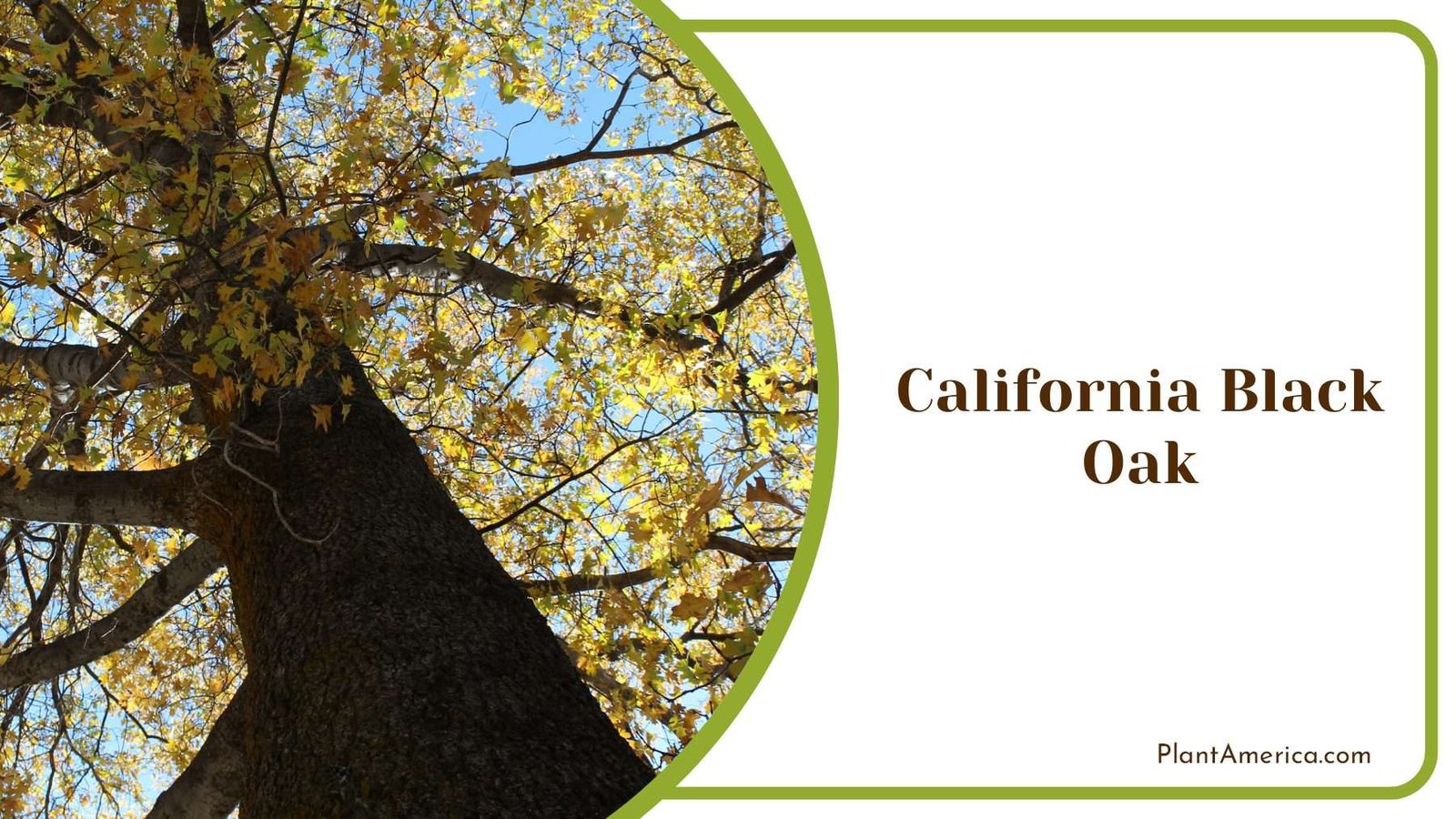
In autumn, the leaves change to rich shades of orange, red, and purple before dropping to the ground. The acorns are oval-shaped and covered in fuzzy scales. California black oaks mature at a moderate growth rate, gaining around 12 to 24 inches per year. Specimens can live for several hundred years.
These oaks grow best in full sun to partial shade locations and prefer moist, well-drained soil rich in organic matter. The spreading branches form an open, rounded shape at maturity, eventually reaching heights between 50 to 80 feet tall and 30 to 60 feet wide.
The California black oak’s acorns are an important food source for wildlife, such as deer, squirrels, turkeys, and jays. Townsend’s chipmunks, acorn woodpeckers, and wood rats store the acorns for winter use. The foliage provides food and cover for birds and small animals.
When young, California black oaks have smooth, light gray bark that darkens and develops shallow furrows as the trees mature. California black oak wood is very strong and resistant to splitting, making it a popular choice for floors, furniture, and interior woodwork.
With their beautiful foliage color in fall, rounded canopy habit, and ability to thrive in a range of conditions, California black oaks make excellent shade and ornamental trees for homes, parks, and larger properties. Gardeners should apply a layer of organic mulch around seedlings during summer to conserve soil moisture and protect fragile roots. Established specimens require little care other than occasional pruning to maintain a strong structure and remove dead or diseased branches.
3. Valley Oak
- Growing season: Winter, Fall.
- Leaf shape: Large, Lobed.
- Specific needs: Regular water, Full sun.
- Common pest: Valley oak root borer, Mites.
The valley oak (Quercus lobata) is California’s largest native oak tree, reaching heights over 100 feet tall and developing trunks up to 10 feet in diameter. The deeply lobed leaves emerge bronze to copper in early spring before fading to a dark green color in summer.
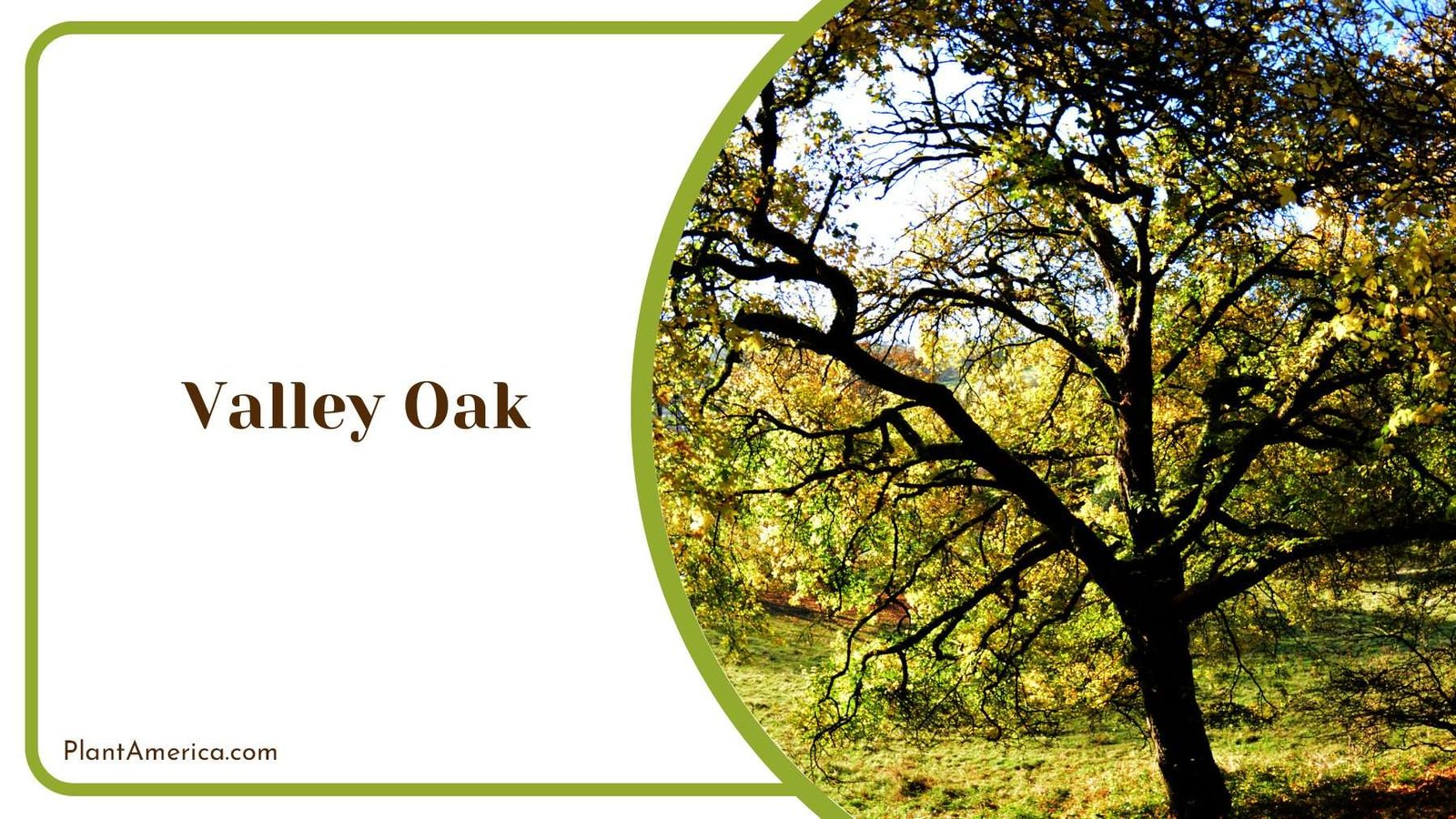
In autumn, the foliage changes to yellow and gold hues before dropping to the ground. Valley oaks grow at a relatively slow-to-moderate rate, gaining around 12 to 24 inches per year. These majestic trees can live for several centuries, with some specimens exceeding 1,000 years old.
Valley oaks prefer full sun but can tolerate partial shade. They require regular watering when young to establish deep roots and become drought-tolerant as they mature. Well-drained soil amended with organic matter promotes healthy growth.
When given enough space to develop, the wide-spreading branches of the valley oak form a picturesque silhouette with drooping branch tips. The branches create a roomy, rounded canopy that provides shade for humans and a habitat for wildlife.
The acorns of valley oaks are an important food source for creatures like squirrels, turkeys, deer, and many birds. The foliage shelters rabbits and small rodents, while the cavities and loose bark offer nesting sites for birds.
Gardeners can prune valley oaks when young to develop a strong structure with multiple leaders and good clearance from the ground. Once established, these trees require little care beyond occasional thinning to allow more light to penetrate the canopy.
With their massive stature, impressive longevity, lush bronze foliage in spring, rich golden hues in fall, and ability to provide refuge for wildlife, valley oaks are icons of California’s ecosystems and cultural heritage. Their wide-spreading branches over vast grasslands create a majestic sense of place that defines the spirit of the Golden State.
4. Blue Oak
- Growing season: Winter, Fall.
- Leaf shape: Leathery, Rounded lobed.
- Specific needs: Drought tolerant, Sandy well-drained soil.
- Common pest: Oak root fungus, Oak moths.
The blue oak (Quercus douglasii) is an iconic sight on the California landscape. These evergreen, drought-tolerant trees are able to survive on as little as 10 inches of rainfall per year. Low water needs allow blue oaks to thrive in rocky soils and steep dry hillsides with minimal competition from other plants.
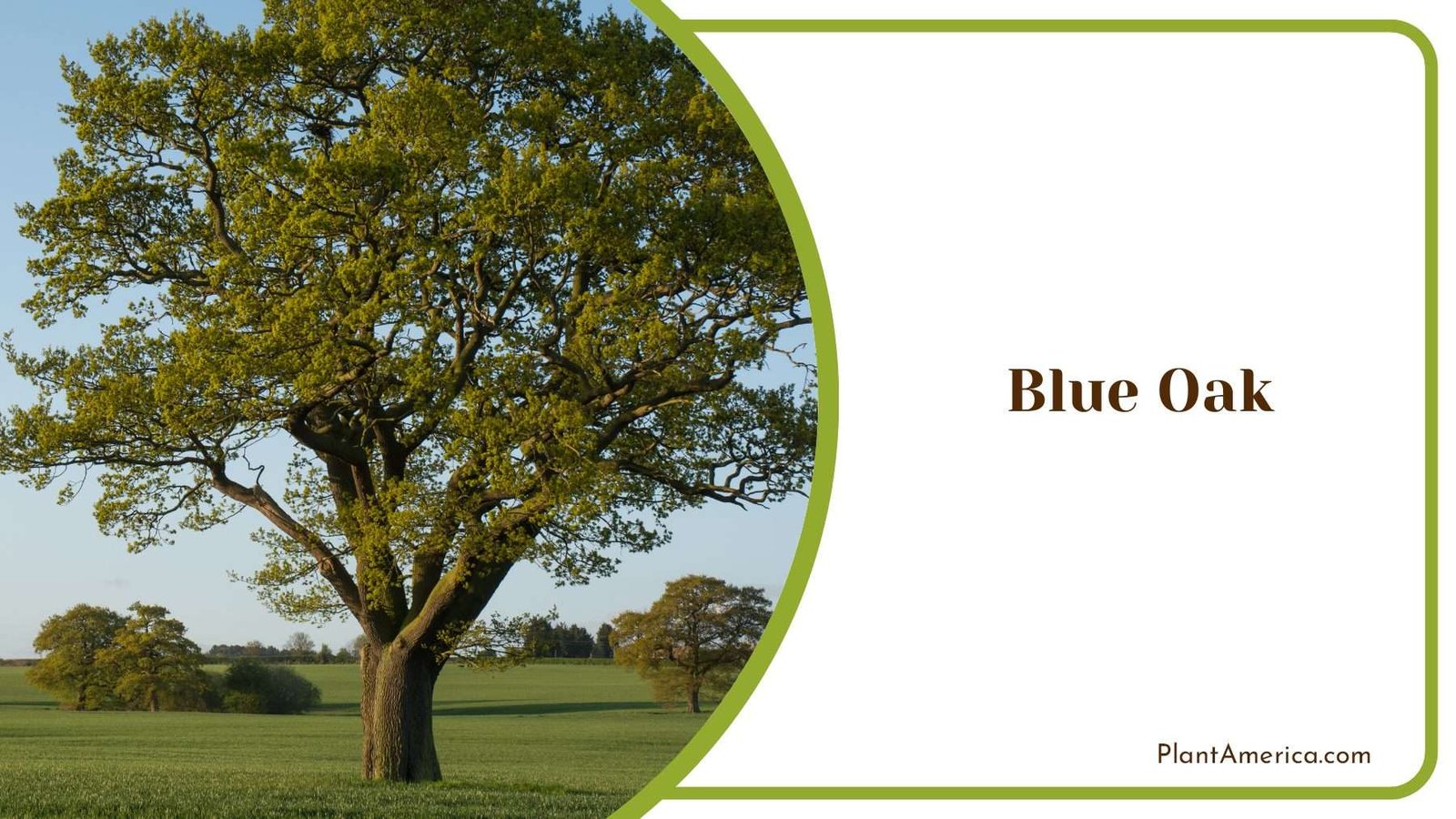
In early spring, the leaves emerge soft bronze before turning dark green in summer. In autumn, the leaves turn yellow to rich maroon shades before dropping off. Blue oaks grow slowly, typically gaining 12 to 18 inches per year. Specimens can live for several hundred years.
Blue oaks prefer open, grassy areas with full sun and well-drained, sandy soil low in nutrients. The wide-spreading branches form a flat-topped or rounded crown with a gnarled structure. Distinctive flattened crowns give blue oaks an aged, picturesque silhouette that has made them a favorite subject of California landscape paintings.
The small, oval acorns of blue oaks are an important food source for wildlife such as woodpeckers, jays, and many mammals. The foliage shelters small birds and animals from heat and predators.
Blue oaks are tough, resilient trees with bark that develop deep furrows as they age. Their location on California’s driest hills and grasslands evokes the wild, untamed spirit of the state.
Even young blue oak specimens have a gnarled, windswept appearance due to their exposure to California’s seasonal hot, dry winds. Gardeners can prune branches when necessary to maintain a strong structure while preserving the tree’s characteristically flattened shape. Mulch should be applied sparingly around blue oaks, if at all, as they prefer dry, nutrient-poor soil.
With their ability to thrive on minimal water and endure harsh conditions, blue oaks have come to represent California’s rustic charm, beauty within simplicity, and domination of nature by persistence rather than size.
5. Canyon Live Oak
- Growing season: Year-round, Fall.
- Leaf shape: Leathery, Rounded lobes.
- Specific needs: Drought tolerant, Well-drained soil.
- Common pest: Oak leaf blister mites, Oak root fungus.
The canyon live oak is a handsome evergreen oak native to California. It is closely related to the coast live oak but prefers a more inland and upland distribution. The thick, leathery leaves provide year-round cover for wildlife. Canyon live oaks have a rounded growth form and often feature multiple trunks and contorted branching.
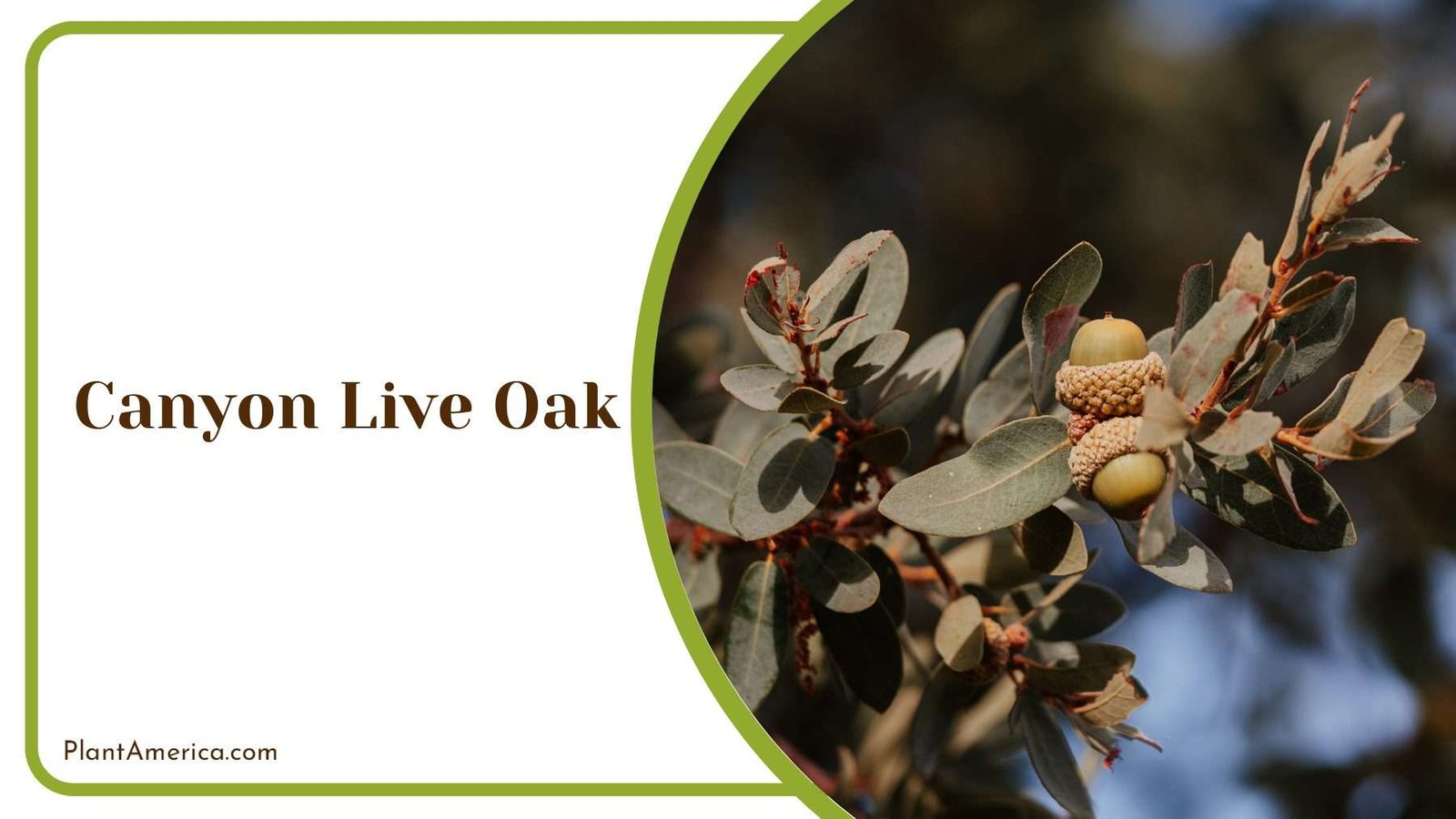
These oaks grow slowly, typically reaching heights of around 30 to 50 feet. They thrive in full sun and require very little supplemental water once established. The acorns are an important food source for animals like scrub jays, band-tailed pigeons, and mule deer. Canyon live oaks are well adapted to hot, dry conditions and are often found growing in rocky canyons and hillsides, giving these trees their name.
6. Engelmann Oak
- Growing season: Winter, Fall.
- Leaf shape: Oblong, Deep lobes.
- Specific needs: Moderate water, Well-drained soil.
- Common pest: Oak leaf blister mites, Oak root fungus.
The Engelmann oak is a majestic native tree of southern California and Baja California. This large deciduous oak can grow up to 80 feet tall with a wide spreading canopy. The deeply lobed leaves emerge brick red in spring before fading to dark green in summer. In fall, the leaves turn golden yellow before dropping to the ground.
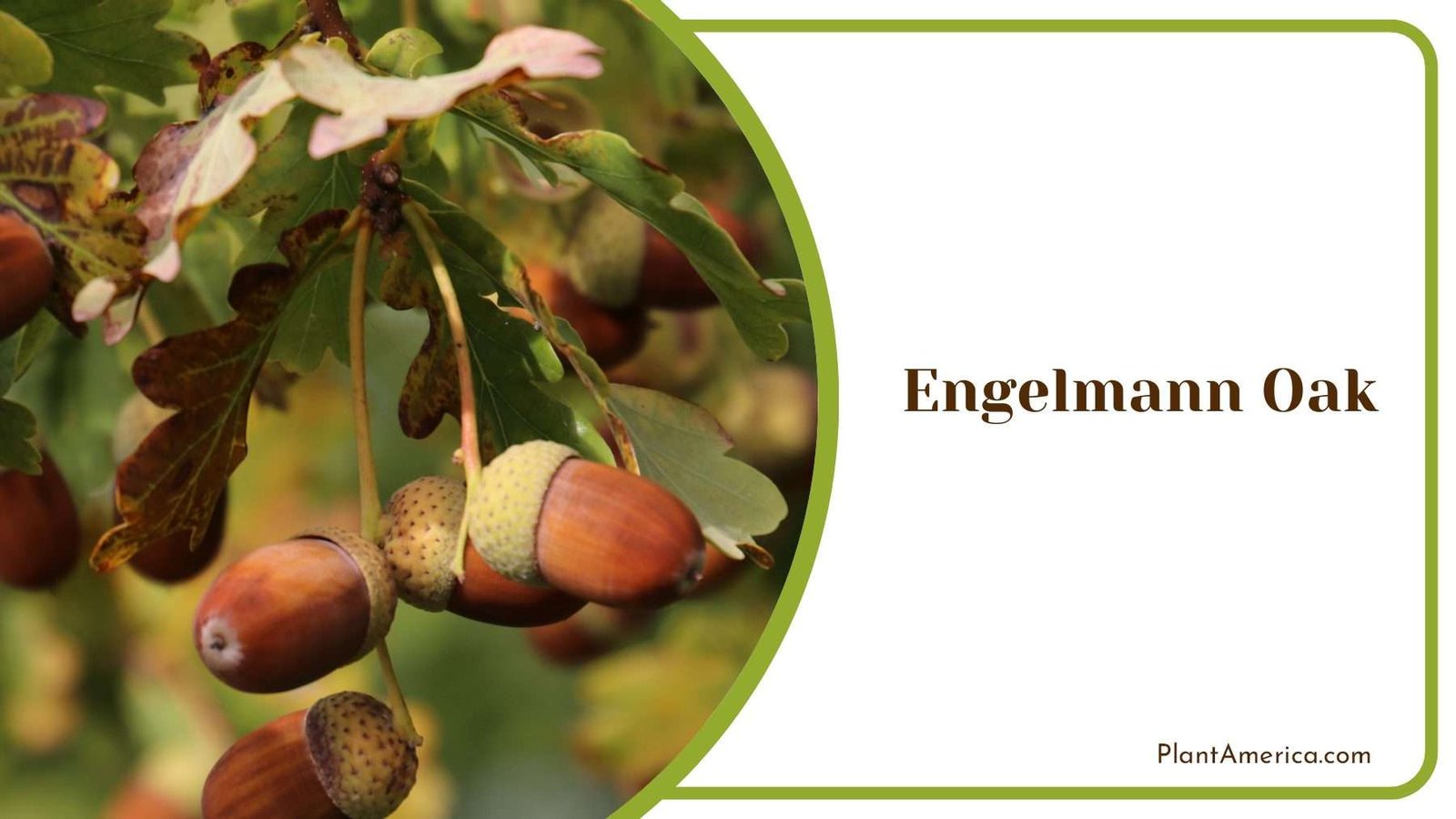
Engelmann oaks grow at a moderate to fast rate when young. They require regular water when established and prefer full sun and well-drained soil. The trunks of older Engelmann oaks often develop characteristically twisted and gnarly shapes, adding beauty and interest to the landscape. These grand oak trees are well-suited for large gardens or open spaces.
7. Interior Live Oak
- Growing season: Year-round, Fall.
- Leaf shape: Long, Rounded lobes.
- Specific needs: Drought tolerant, Acidic, Well-drained soil.
- Common pest: Oak leaf blister mites, Oak root fungus.
The interior live oak is an evergreen oak native to California and Oregon. These small to medium-sized trees typically grow 30 to 50 feet tall and feature trunks with characteristically gnarled and fluted bark. The dark green leaves are leathery in texture and provide cover for wildlife year-round. Interior live oaks thrive in full sun and require little supplemental water once established.
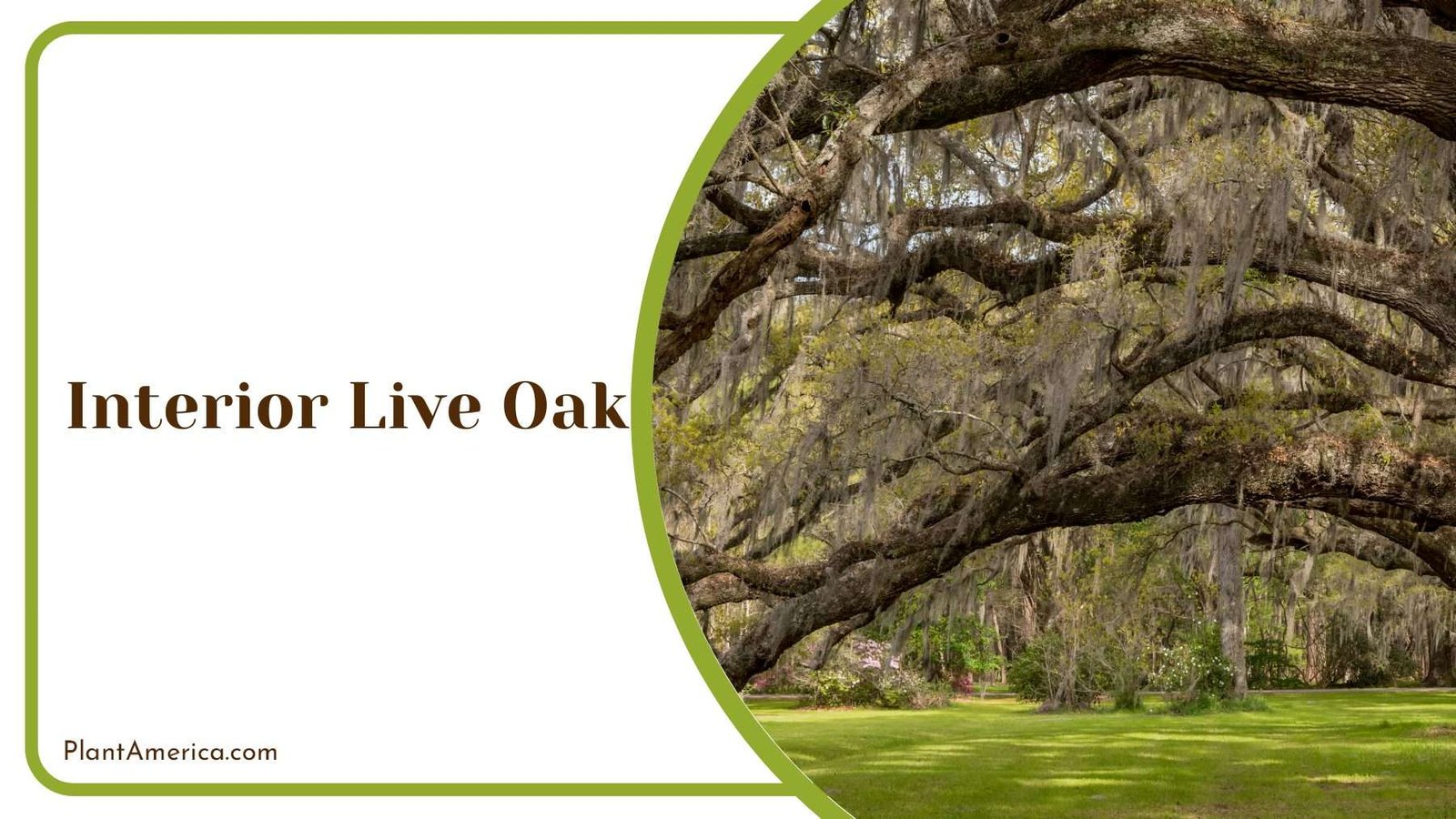
The acorns mature in the fall and are an important food source for birds and mammals. These oaks grow slowly over centuries and are long-lived, often exceeding 400 years of age. Their ability to tolerate hot, dry conditions make interior live oaks well-suited for low-maintenance gardens, parks, and open spaces. The dense canopy and twisting branch pattern create aesthetic appeal and habitat value in California landscapes.
8. California Scrub Oak
- Growing season: Year-round, Fall.
- Leaf shape: Leathery, Oval.
- Specific needs: Drought tolerant, Well-drained soil.
- Common pest: Oak root fungus, Mistletoe plants.
The California scrub oak is a tough evergreen oak native to California. Though relatively small, reaching heights around 15 to 30 feet tall, these oaks are well adapted to hot, dry conditions. The leathery dark green leaves provide wildlife habitat year-round. The acorns mature in the fall and are an important food source. California scrub oaks prefer full sun and very little summer irrigation once established.
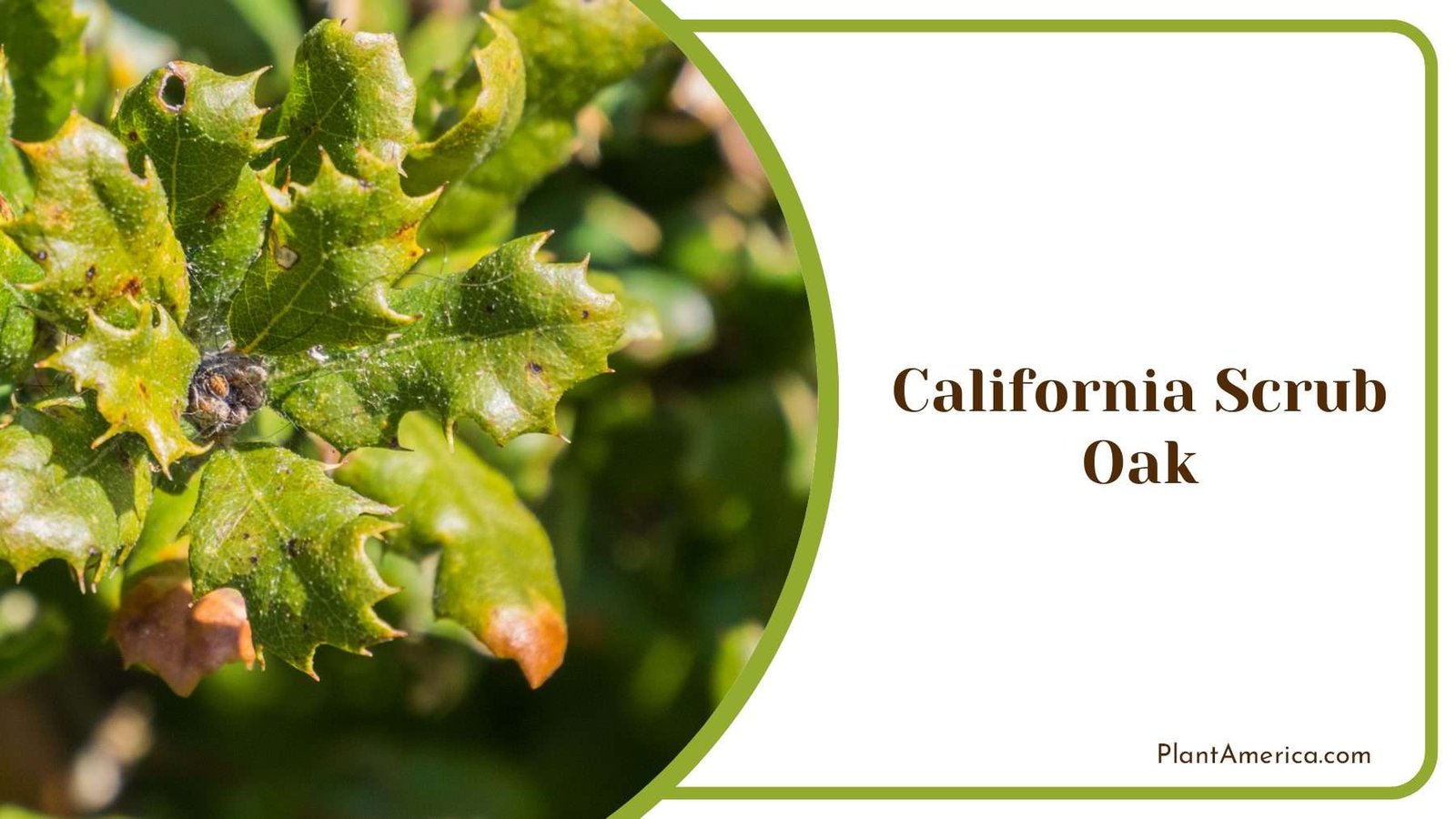
Their thick, corky bark helps protect the tree from fire damage. These oaks grow slowly at approximately one to two feet per year. Their natural growth form features gnarled, spreading branches with tufted foliage. California scrub oaks are well-suited to drought-tolerant gardens, parks, and open spaces as a low-maintenance alternative to other oak species. Though small in stature, these oaks provide aesthetic appeal and habitat value to California’s unique chaparral landscape.
9. Oregon White Oak
- Growing season: Winter, Fall.
- Leaf shape: Oblong, Rounded lobes.
- Specific needs: Moderate water, Well-drained alkaline soil.
- Common pest: Oak root fungus, Mistletoe plants.
The magnificent Oregon white oak is an icon of western North American landscapes. A long-living deciduous oak, specimens of this native species are capable of surviving for several centuries. Slow but steady in their growth rate, Oregon white oaks mature with stately stature, forming massive spreading branches supported by dense wood.
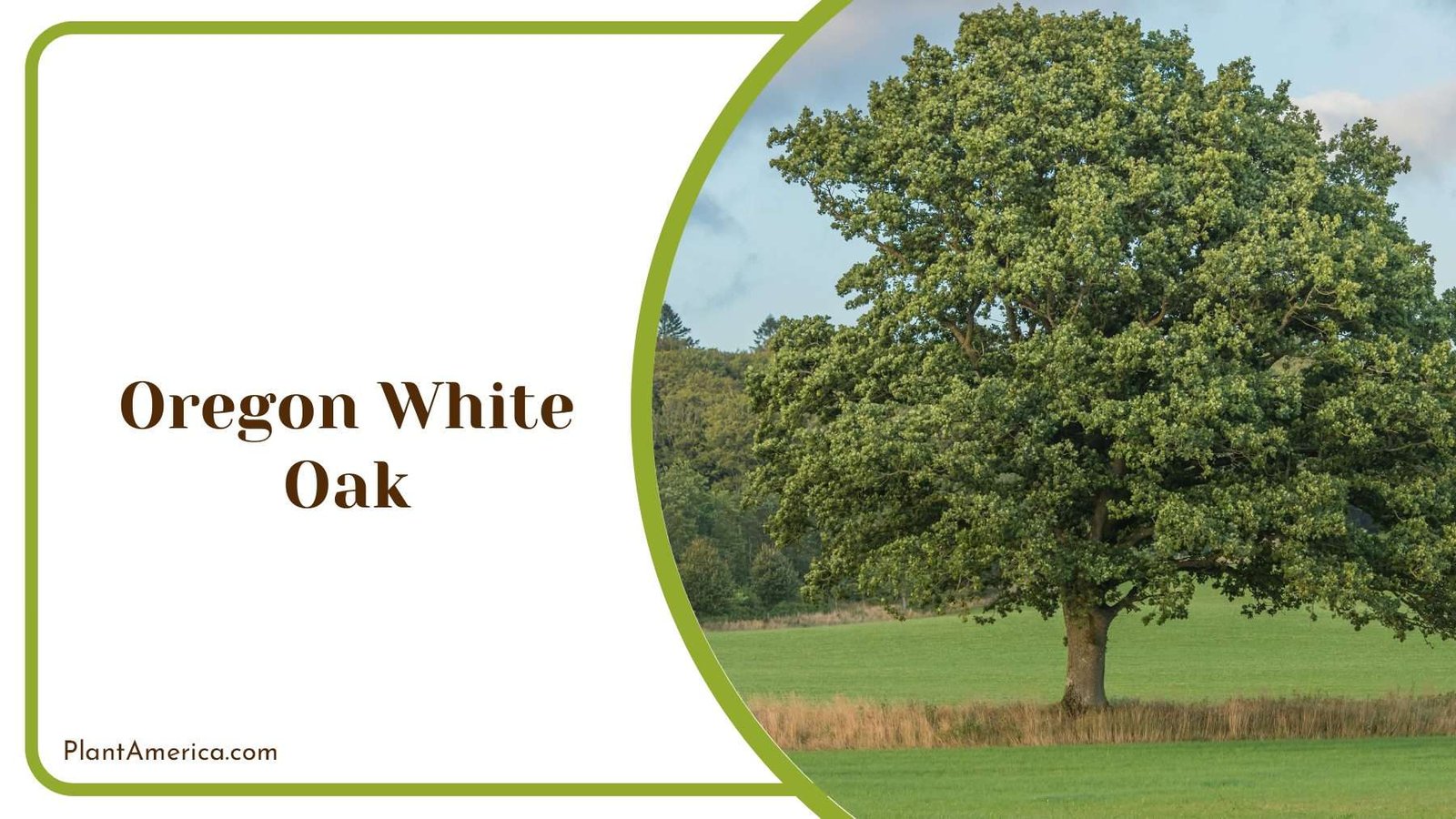
As new growth emerges in springtime, the oak’s developing leaves begin bronze in color, gradually deepening to a dark, shiny green through the summer months. Their texture and deep lobes provide visual appeal all season long. When fall arrives, the leaves transform into spectacular burnt oranges and rusty reds before letting go of their hold on the branches.
In addition to their seasonal foliage displays, the deeply furrowed bark adds visual winter interest to the mature specimens as it continually develops rugged plate-like ridges and furrows over time. Oregon white oaks thrive when situated in full sun but require more consistent moisture as younger trees before becoming quite drought-tolerant with age and extensive root systems.
These majestic trees provide immeasurable benefits as wildlife habitat, with cover and acorns attracting myriad birds and mammals. Their massive spreading forms also offer inviting shade in parks and public spaces. Well-suited to western coastal climates, Oregon white oaks are a perfect species for naturalizing in residential landscapes, revegetation projects, or gracing the grounds of institutions across the regions they call home.
Their exquisite autumn colors and timeless silhouettes complement architecture, while also sequestering carbon from the atmosphere for generations. A mainstay of west coast ecosystems, the Oregon white oak is a striking staple of natural heritage.
10. Hooker’s Oak
- Growing season: Winter, Fall.
- Leaf shape: Oblong, Rounded lobes.
- Specific needs: Full sun, Regular water.
- Common pest: Canker fungus, Oak root fungus.
Hooker’s oak is a medium-sized deciduous oak native to California and Oregon. These elegant trees typically grow between 30 to 60 feet tall with a more narrow canopy than other oaks. The leaves emerge dark purple in spring before turning glossy dark green in summer. Hooker’s oaks mature at a moderate rate and can live for several hundred years.
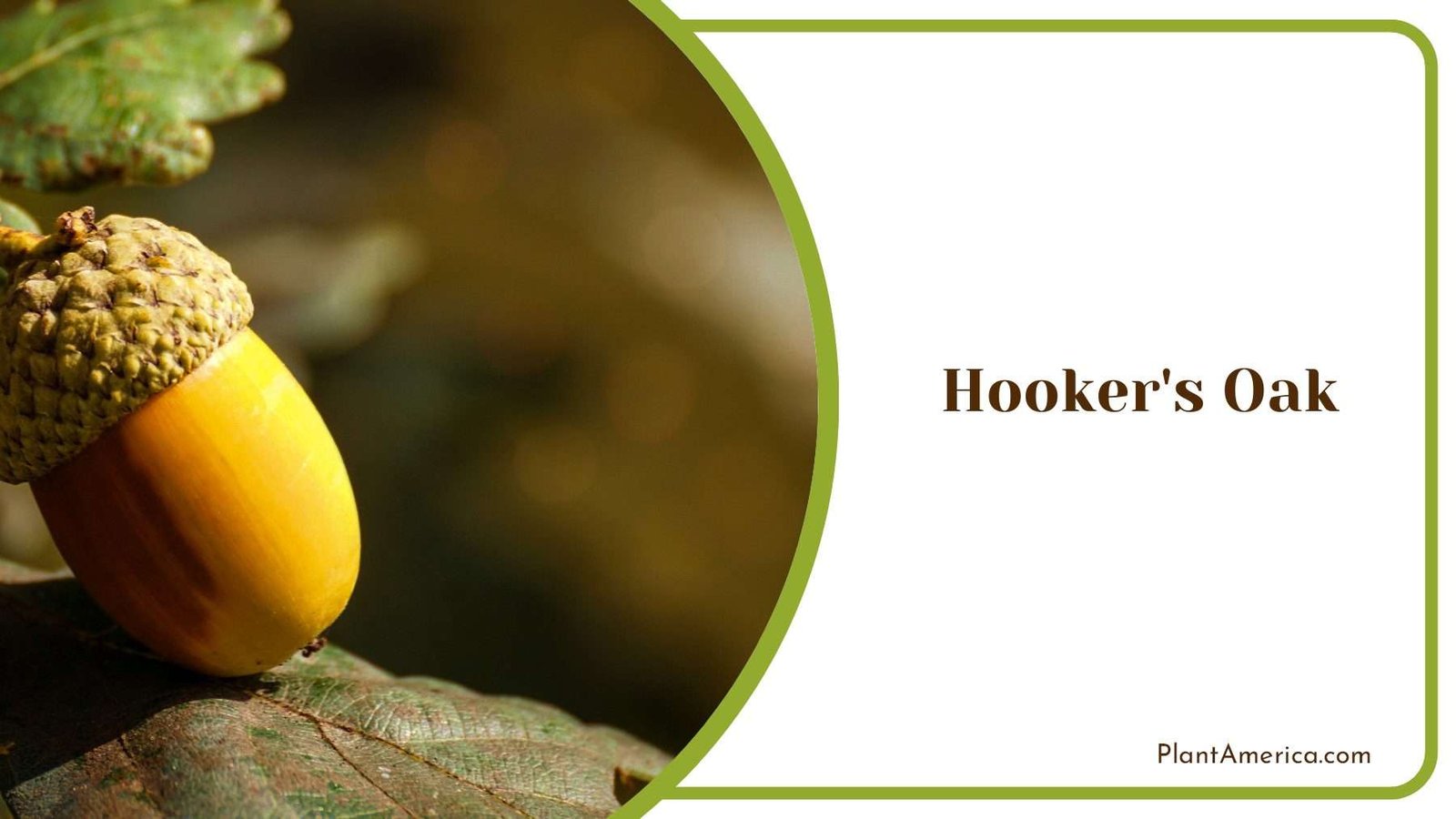
They prefer full sun and require regular summer watering when young. The acorns provide an important food source for wildlife in the fall. The distinctive grey bark adds visual texture and aesthetic appeal. Hooker’s oak’s stunning autumn foliage, attractive bark, and fall color make these trees a desirable choice for gardens, parks, and wider landscapes across the west coast. Their slow growth and longevity ensure beauty and habitat benefits for future generations.
11. California Pin Oak
- Growing season: Winter, Fall.
- Leaf shape: Long, Deeply lobed.
- Specific needs: Well-drained soil, Moderate water.
- Common pest: Oak root fungus, Mistletoe plants.
The California pin oak is a medium-sized deciduous oak native to the western United States. These trees typically grow 60 to 80 feet tall with a narrow crown of slender branches. The deeply lobed leaves emerge from bronze to dark red in spring before transitioning to dark green in summer. In fall, the leaves change brilliant shades of yellow, orange, and red before dropping to the ground. California pin oaks grow at a moderate to fast rate when young.
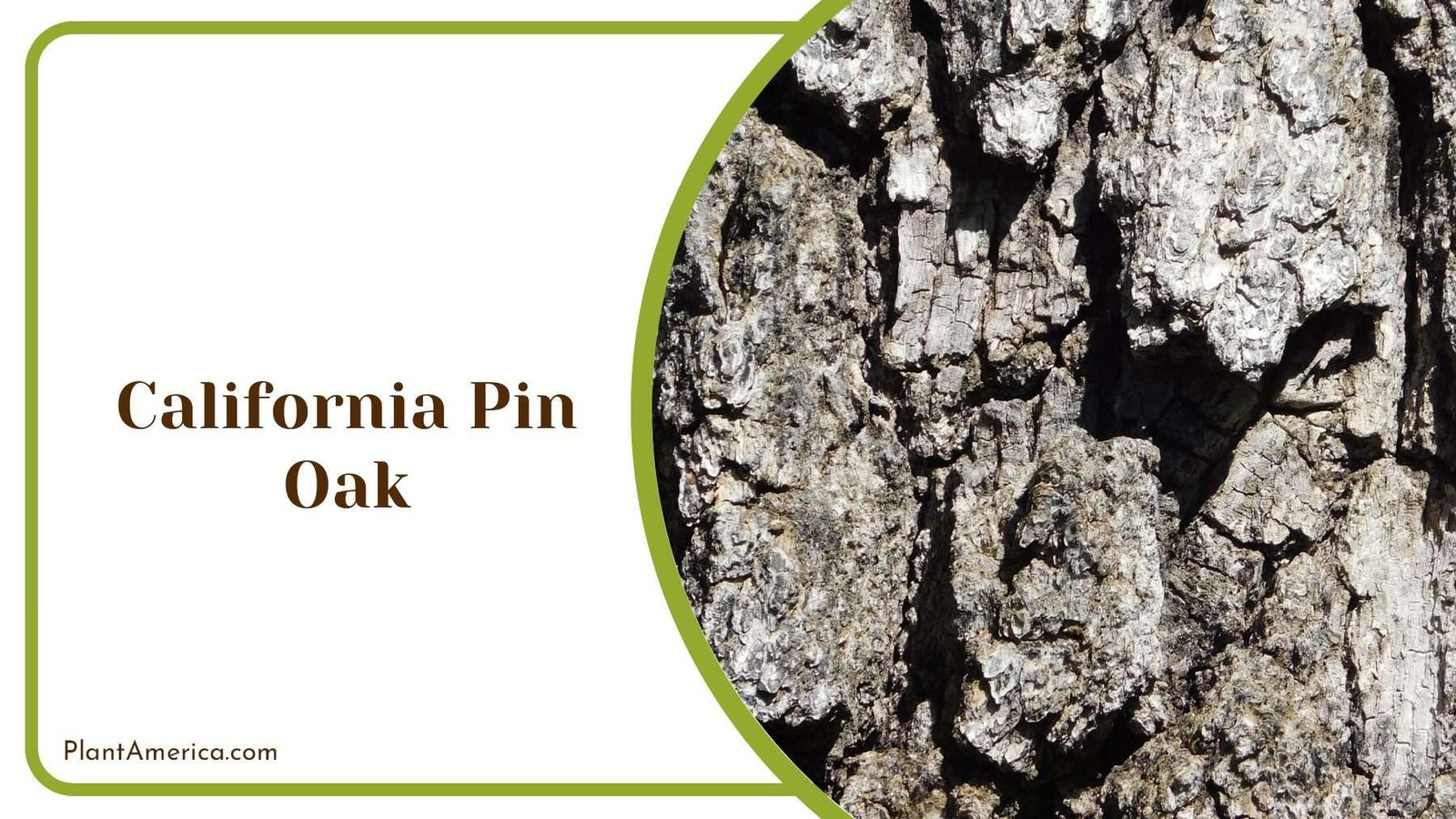
They require regular summer watering when young and become more drought-tolerant with age. The acorns mature in the fall and are an important food source for wildlife. These oaks develop picturesque branch structures with age, and their spectacular fall color makes them a desirable addition to gardens and parks. California pin oaks grow well in alkaline soil and are well-suited for California’s warm, dry climate.
12. Turkey Oak
- Growing season: Winter, Fall.
- Leaf shape: Long, Rounded lobes.
- Specific needs: Well-drained soil, Moderate water.
- Common pest: Mistletoe plants, Oak leaf blister mites.
The turkey oak is a handsome deciduous oak native to California and Baja California. These medium-sized trees typically grow 40 to 60 feet tall with a rounded canopy. The leaves emerge bronze to dark purple in spring before becoming dark green in summer. In autumn, the leaves change to vibrant shades of orange, red, and purple before dropping to the ground. Turkey oaks mature at a moderate rate and can live for several hundred years.
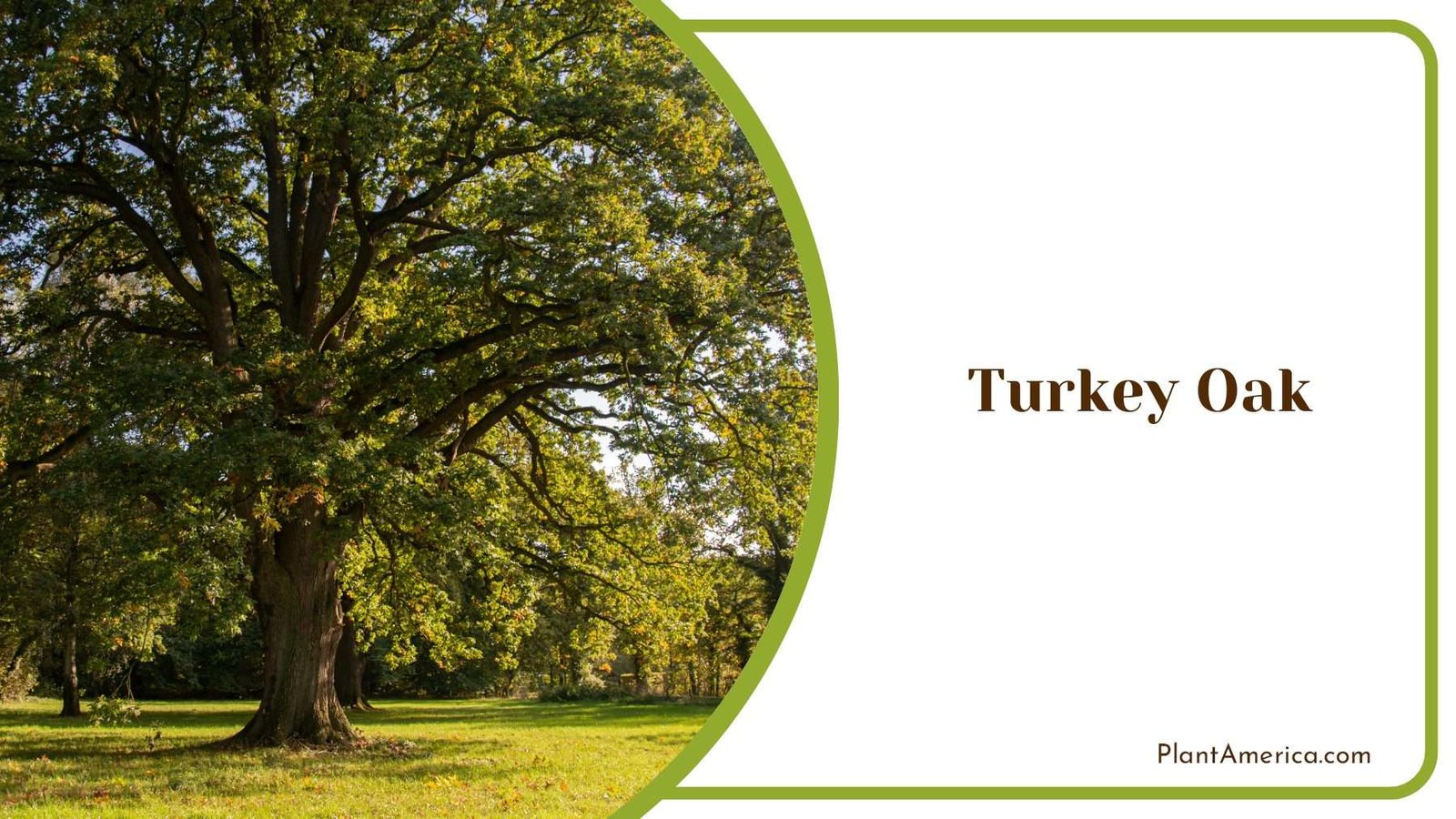
They prefer full sun and require regular summer watering when young, becoming more drought-tolerant with age. The acorns provide an important food source for wildlife in fall and winter. Turkey oaks are well-adapted to hot, dry climates and grow well in nutrient-poor soils. Their attractive fall color, twisted branches, and habitat value make turkey oaks a desirable addition to California’s low-water landscapes.
13. Shreve’s Oak
- Growing season: Winter, Fall.
- Leaf shape: Oblong, Shallow lobes.
- Specific needs: Well-drained soil, Moderate water.
- Common pest: Canker fungus, Oak root fungus.
Shreve’s oak is a deciduous tree native to California and Baja California. It typically grows between 30 to 70 feet tall with a rounded canopy. The leaves emerge bright red in spring before turning dark green in summer. In autumn, the leaves change to vivid shades of yellow, orange, and red before dropping to the ground.
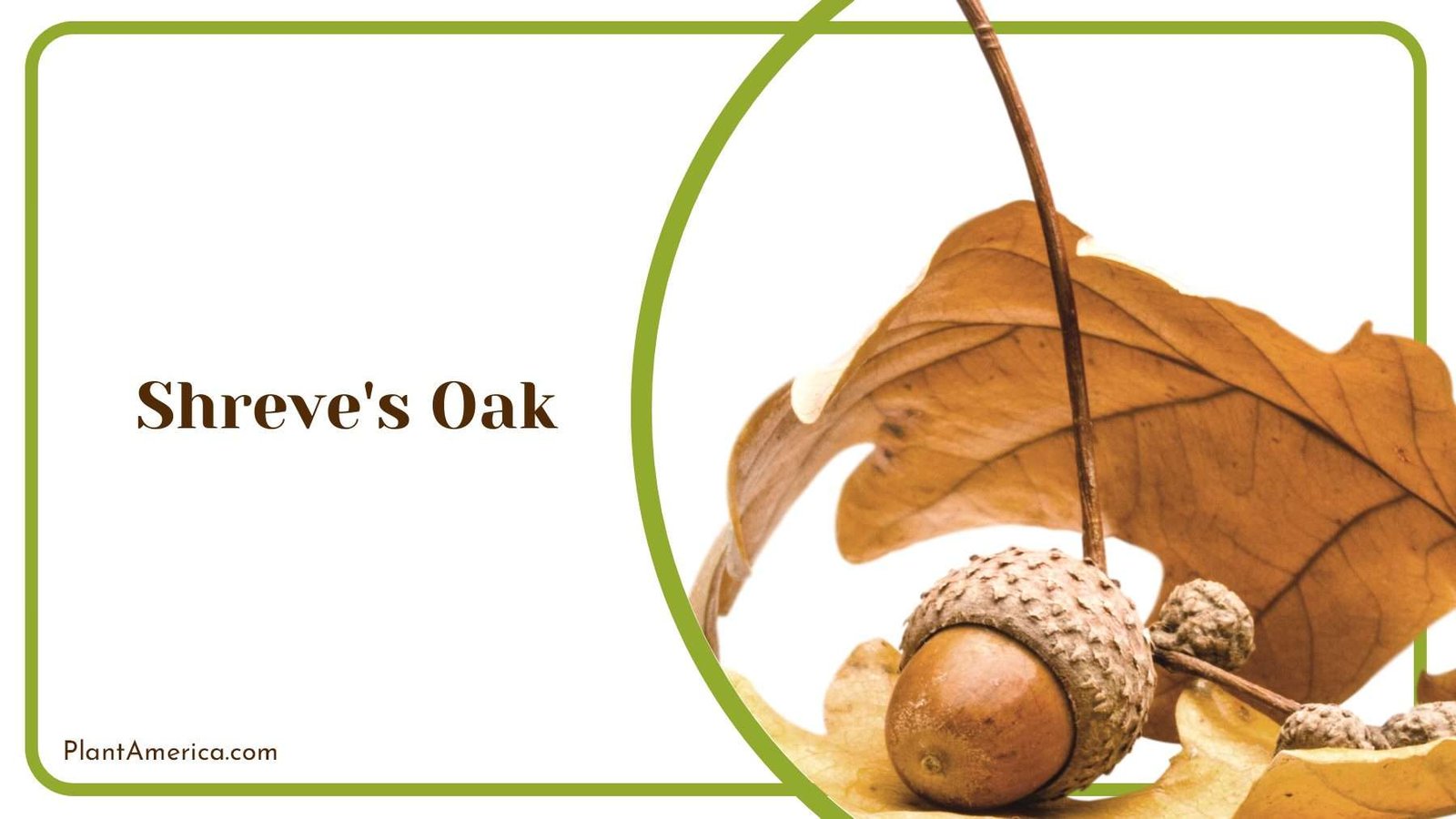
Shreve’s oaks mature at a moderate growth rate and can live for several hundred years. They prefer full sun and require regular summer water when young before becoming more drought-tolerant with age. The acorns provide an important food source for wildlife in the fall.
Shreve’s oaks develop picturesque branch structures with age, and their spectacular fall color makes them a desirable landscape feature. With their hardiness, drought tolerance, and seasonal interest, Shreve’s oaks are well-suited for California’s increasingly warm and dry climates.
14. Hybrid Oak
- Growing season: Winter, Fall.
- Leaf shape: Oblong, Shallow lobes.
- Specific needs: Well-drained soil, Moderate water.
- Common pest: Mistletoe plants, Oak leaf blister mites.
Hybrid oaks are deciduous trees resulting from the cross-pollination of two or more native oak species in California. They typically have traits that are intermediate between their parent species. For example, a coast live oak and Engelmann oak hybrid may have leathery evergreen leaves like a coast live oak but grow larger like an Engelmann oak.
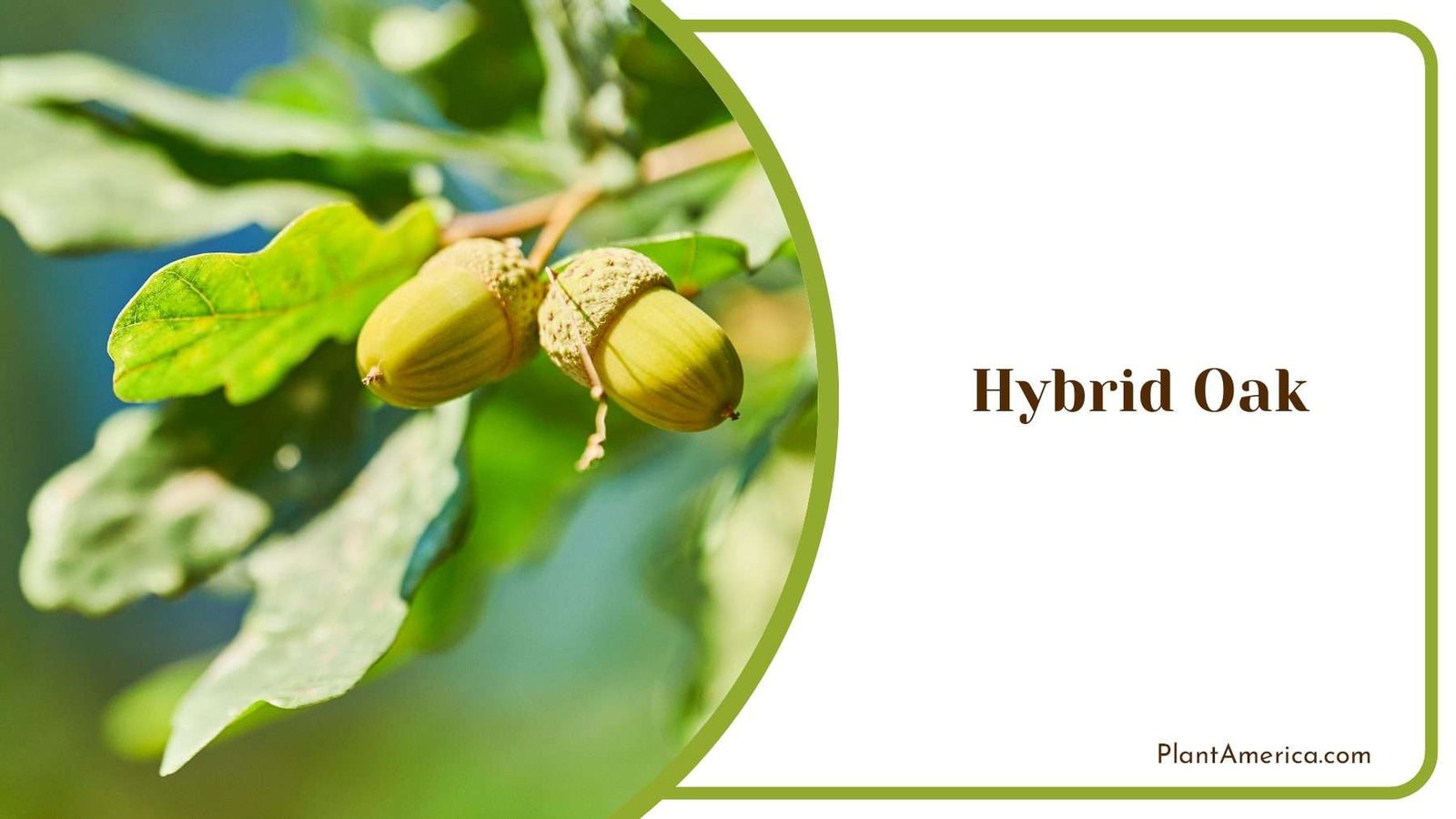
The growth rate, fall color, water needs, and pest susceptibility of hybrid oaks also vary depending on which species they descended from. While historically formed by natural cross-pollination, today, some hybrid oaks are purposefully created by plant breeders to combine desirable traits.
Hybrid oaks can make interesting landscape trees, offering intriguing variations on classic native oak forms. However, land managers must often plant parent species for ecological integrity and consistency. So while worthwhile landscape specimens, hybrid oaks are not typically recommended for habitat restoration projects.
15. Golden Cup Oak
- Growing season: Year-round, Fall.
- Leaf shape: Glossy, Leathery.
- Specific needs: Drought tolerant, Well-drained soil.
- Common pest: Mistletoe plants, Oak root fungus.
The golden cup oak is an evergreen oak native to California. These small to medium-sized trees typically grow up to 40 feet tall and feature a rounded crown. The glossy dark green leaves provide wildlife habitat year-round. Golden cup oaks thrive in hot, arid climates and are very drought-tolerant once established.
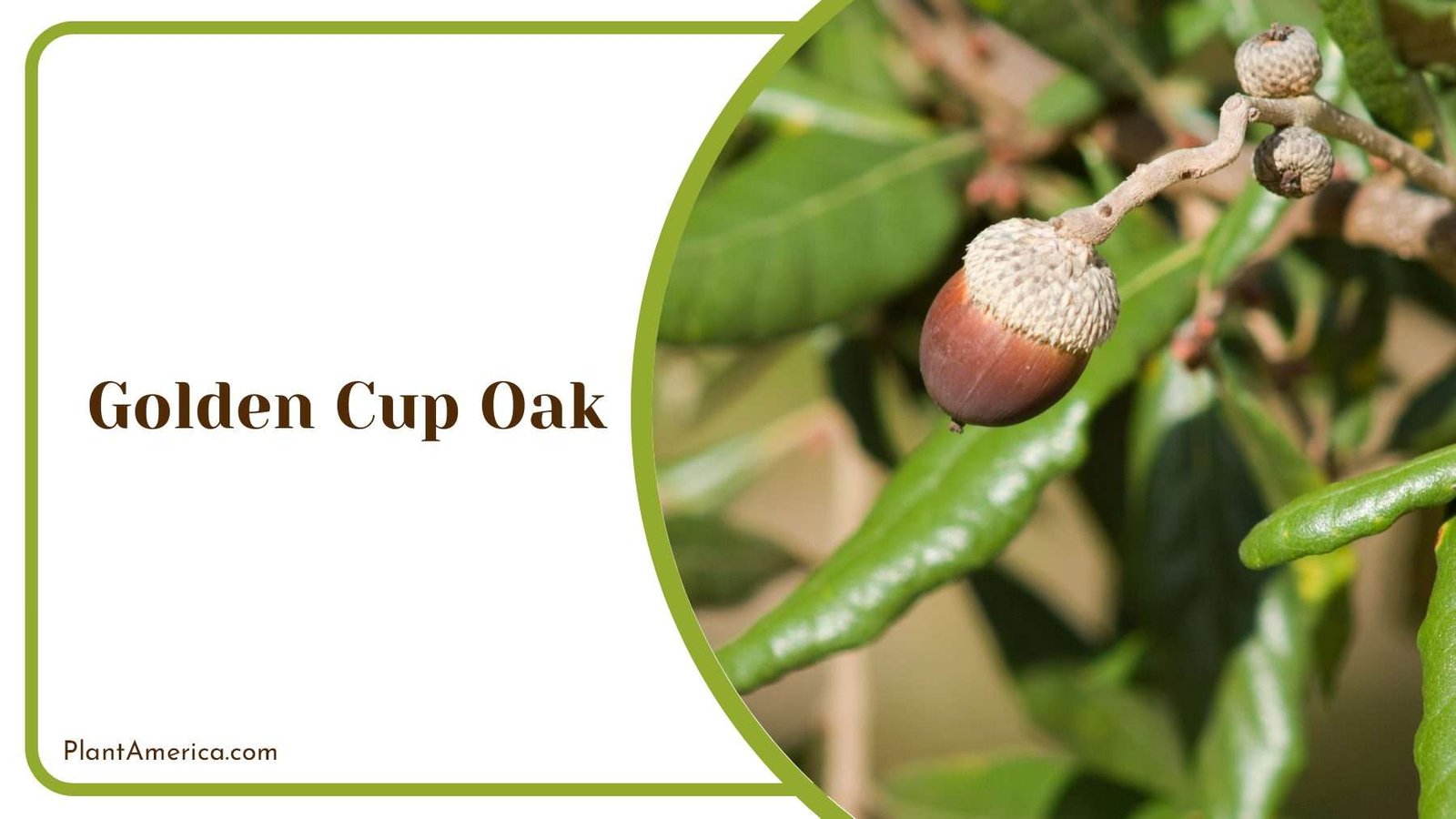
They prefer full sun and require little to no summer irrigation. The acorns mature in the fall and provide an important food source for birds and mammals. Golden cup oaks are slow-growing, often taking decades to reach maturity.
The multi-trunked branches twist and turn with age, creating an attractive spreading form. Golden cup oaks are well-suited to California’s increasingly hot and dry climates, enhancing landscapes with their drought tolerance, evergreen foliage, and wildlife value.
16. Denseflower Oak
- Growing season: Winter, Fall.
- Leaf shape: Lobed, Deep narrow.
- Specific needs: Full sun, Regular water.
- Common pest: Mistletoe plants, Oak root fungus.
The denseflower oak is a medium-sized deciduous oak native to California. These handsome trees typically grow between 30 to 60 feet tall with a vase-shaped canopy. The leaves emerge bronze to red in spring before turning dark green in summer. Denseflower oaks mature at a moderate growth rate and can live for several hundred years.
They require regular summer watering and prefer well-drained soil. The acorns provide an important food source for wildlife in fall and winter. Denseflower oaks are prized for their good fall color, beautiful branching structure, and high density of flower/acorn production (hence their name). With drought tolerance, seasonal interest, and habitat value, denseflower oaks are well-suited for California’s increasingly warm and dry landscapes.
Conclusion
California is home to a rich diversity of native oak trees that are well-adapted to the state’s varied climate and environments.
- The Engelmann oak is a majestic native tree of southern California and Baja California.
- Turkey oaks are well-adapted to hot, dry climates and grow well in nutrient-poor soils.
- California scrub oaks are well-suited to drought-tolerant gardens, parks, and open spaces as a low-maintenance alternative to other oak species.
California’s native oak trees have enriched the state’s biodiversity, landscapes, and culture for millennia. As we face a changing climate and increasingly variable conditions, the resilience of these evolutionary successes shows us the way forward – by adapting to changes while remaining grounded in what we value most.