
Brown tips on redwood trees signify that your majestic tree might be struggling. This can result from fungal diseases, harsh weather conditions, inadequate watering practices, and other causes that most are unaware of.
 Continue reading to explore these causes in-depth and we’ll offer some actionable solutions. Keep reading to give your redwood the care it deserves!
What are the Primary Causes of Brown Tips on Redwoods?
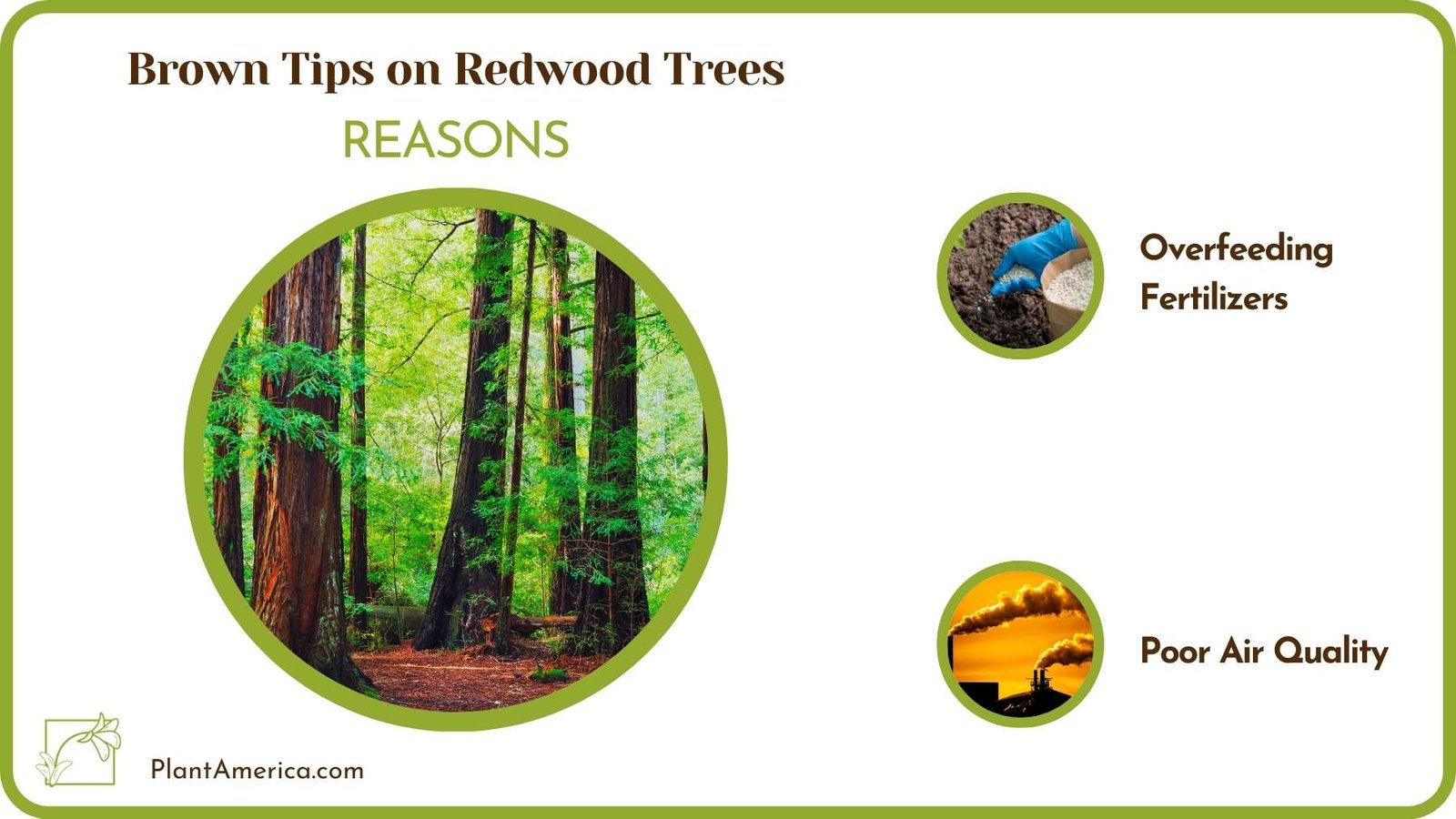
The primary causes of brown tips on redwoods include fungal diseases, water stress, extreme heat or cold conditions, and poor air quality. Sometimes, unfavorable humidity can also lead to discoloration spots. Similarly, the trees can get stressed and turn brown if you overfeed nutrients.
– Fungal Diseases: Main Cause of Browning
Redwoods are strong and majestic. However, even these titans are not invincible to threats like fungal diseases. When conditions are right, specific fungi can make their way onto the redwood, causing various problems.
One of the most visible symptoms is the tree turning brown. The tips often turn brown first, and then the whole leaf discolors with time. The problem with fungal diseases can spread rapidly, impacting a single tree and the entire area.
You should typically look for signs to confirm the presence of fungal diseases. These can include spots on the leaves, the appearance of mushrooms at the base, or an unusual growth on the bark.

– Water Stress: Another Common Issue
Water plays an integral role in a tree’s health. When redwoods don’t get enough of it, they show signs of water stress. The reason is simple. Trees move water from the roots to their tips. When there’s no moisture, the tree’s extremities – like the tips of its leaves – suffer first.
Also, note that water is a part of almost every crucial tree-related process, like transpiration, evaporation, etc. So, when trees don’t get enough water, these processes slow down, making it harder for the leaves to stay green.
Another sign is when the tree’s leaves droop or if they feel crispy.

– Heat Stress: When the Temperature Is Not Right
With rising global temperatures, heat stress is becoming a common problem for many plants, including redwoods. Heat stress is a considerable concern, especially in places like “brown tips on redwood trees California,” where the summer sun can be unforgiving.
When a Dawn redwood tree is exposed to prolonged periods of high temperatures, the leaves lose water rapidly. As a result, the tree struggles to provide enough moisture to all its parts. The first casualty? The tips of the leaves.
Additionally, if other plants in the vicinity show similar symptoms, it further strengthens the case for heat stress.
– Cold Conditions
Cold can be a silent threat to redwoods, especially in areas that aren’t native. Even though these trees are used in cooler climates, extreme cold can still damage them. The reason is that the water inside the tree’s cells can freeze when temperatures drop significantly.
This freezing causes cell walls to rupture, leading to browning of the leaves and tips. The most evident symptom of this cold damage is brown foliage. This color change isn’t limited to the tips but might spread across the entire leaf.
Now, if you’re trying to confirm if cold conditions are to blame, consider the recent weather patterns. Has there been a sudden cold snap or an unseasonably cold period? If yes, and your redwood displays brown tips, cold conditions might be the cause.
– Overfeeding Fertilizers
Nutrition is vital for trees, but like anything else, too much of a good thing can be harmful. When redwoods are fed excessive fertilizers, they may experience a condition known as fertilizer burn.
This happens because an overabundance of nutrients can harm the tree’s roots, hindering its ability to absorb water. As a result, the tree’s tips and leaves might turn brown. To verify if overfeeding is the problem, you’d need to review your fertilizing routine.
Have you been applying more than recommended? Or perhaps too frequently? Also, a white, crusty residue on the soil’s surface is a tell-tale sign of excessive fertilizer application.
– Poor Air Quality
Redwoods, with their vast canopies, are particularly susceptible to pollutants in the air. These harmful elements can block the tree’s pores, preventing them from breathing and absorbing essential atmospheric nutrients. Over time, this lack of clean air can cause the tips of the redwood leaves to turn brown.
Determining poor air quality might require a bit more observation, but ask yourself these questions:
- Do you live in an urban area with lots of vehicles and industries?
- Or perhaps there’s been recent construction, causing dust and debris in the air?
Also, if other plants in the vicinity show signs of stress, poor air quality could be a significant factor.
Addressing the root causes can help ensure that redwoods remain a vibrant and integral part of our ecosystems. Now, let’s look at how to save redwoods and keep them thriving!
What to Do When Redwood Leaves Have Brown Tips
When redwood leaves have brown tips, begin by checking for diseases and then treat them immediately. It’s also critical to ensure protection during extreme weather conditions and maintain the soil’s health by avoiding excessive fertilization. Additionally, take measures to keep the air suitable for the trees.
– Take Steps to Treat Diseases
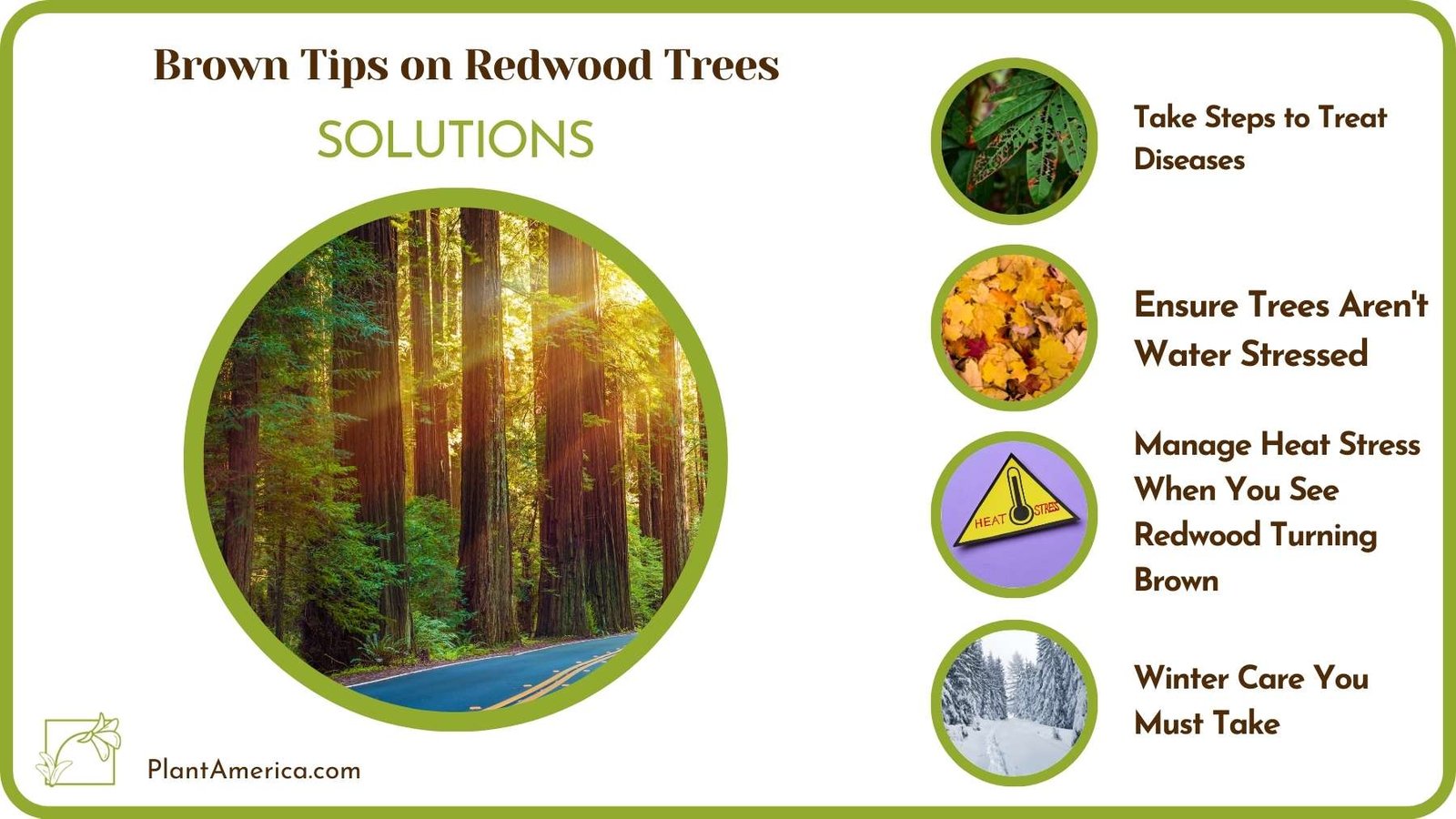
When we notice our redwoods suffering, it’s natural to ask, “How to save a dying redwood tree?” Diseases, particularly fungal ones, can kill redwoods, but timely intervention can make a difference. One of the most common diseases affecting redwoods is redwood canker disease. The good news is there’s a redwood canker disease treatment available.
Identification: Begin by identifying the disease. Look for signs like unusual growths on the bark, dark or discolored patches on the tree, or visible fungi.
Prune Infected Areas: Prune away infected branches or leaves to prevent the fungal disease from spreading. Make sure to disinfect your pruning tools after each cut.
Fungicides: Depending on the disease, fungicides can be effective. Always choose a product labeled for use on redwoods and follow the application guidelines precisely.
Improve Air Circulation: Fungi love moist environments. Ensuring proper air circulation around your tree can help reduce moisture and, consequently, the spread of disease.
Regular Monitoring: After treatment, monitor the tree regularly for signs of recurring disease. Early detection can save your tree from severe damage.
– Ensure Trees Aren’t Water Stressed
Brown tips can also be a result of water stress. Wondering how to treat brown tips on redwood trees due to this reason? It’s about giving the tree the right amount of water, not necessarily more.
Mulching: Mulch is a gardener’s best friend. Adding a layer of mulch around your redwood’s base can help retain soil moisture. Mulch also prevents weeds that compete with the tree for water.
Watering Schedule: Instead of deep watering, maintain a consistent watering schedule. Watering in the early morning or late evening can reduce evaporation losses when temperatures are cooler.
Check Soil Moisture: Before watering, check the soil’s moisture. If the soil is still damp a few inches below the surface, delay watering for a day or two.
– Manage Heat Stress When You See Redwood Turning Brown
Redwoods are majestic, but even they can feel the heat. Managing heat stress is essential, especially during scorching summer months to keep the leaves green.

Shade Nets: Providing temporary shade during the hottest parts of the day can reduce the stress on your tree. Shade nets are an effective solution.
Whitewashing: While more common for fruit trees, whitewashing the trunk can reflect sunlight and keep the tree cooler. Use a non-toxic, tree-friendly whitewash.
Misting: A gentle mist around the tree during the hottest parts of the day can cool it down. However, ensure the water doesn’t settle on the leaves, which can lead to fungal diseases.
Plant Companions: Planting shrubs or smaller trees around your redwood can be a natural barrier against intense sunlight. They can provide partial shade, helping the redwood manage better in heat.
Monitor & Adjust Watering: Your redwood may require more frequent watering during heatwaves. However, always check soil moisture levels before adjusting your watering schedule.
– Winter Care You Must Take
With its cold temperatures and harsh conditions, winter can be challenging for redwoods. So, preparing your tree for these months is crucial. Here are the best winter care measures and methods:
Mulch to Protect the Roots: As temperatures dip, the ground can freeze, potentially harming the roots of your redwood. A thick layer of mulch (organic matter) around the base can act as insulation, keeping the soil warmer and protecting the roots. Additionally, mulch helps retain soil moisture, preventing the ground from drying out during those cold, windy days.
Windbreaks for Protection: Winter winds can be harsh, causing dehydration in trees as they pull away the moisture. Installing a temporary windbreak, like a burlap screen, can reduce the impact of these cold gusts, shielding your redwood from potential damage.
Pruning in Late Winter: While it’s best to avoid heavy pruning during the early winter months when the tree is dormant, late winter can be an ideal time. This ensures the tree is in its best shape for spring growth.
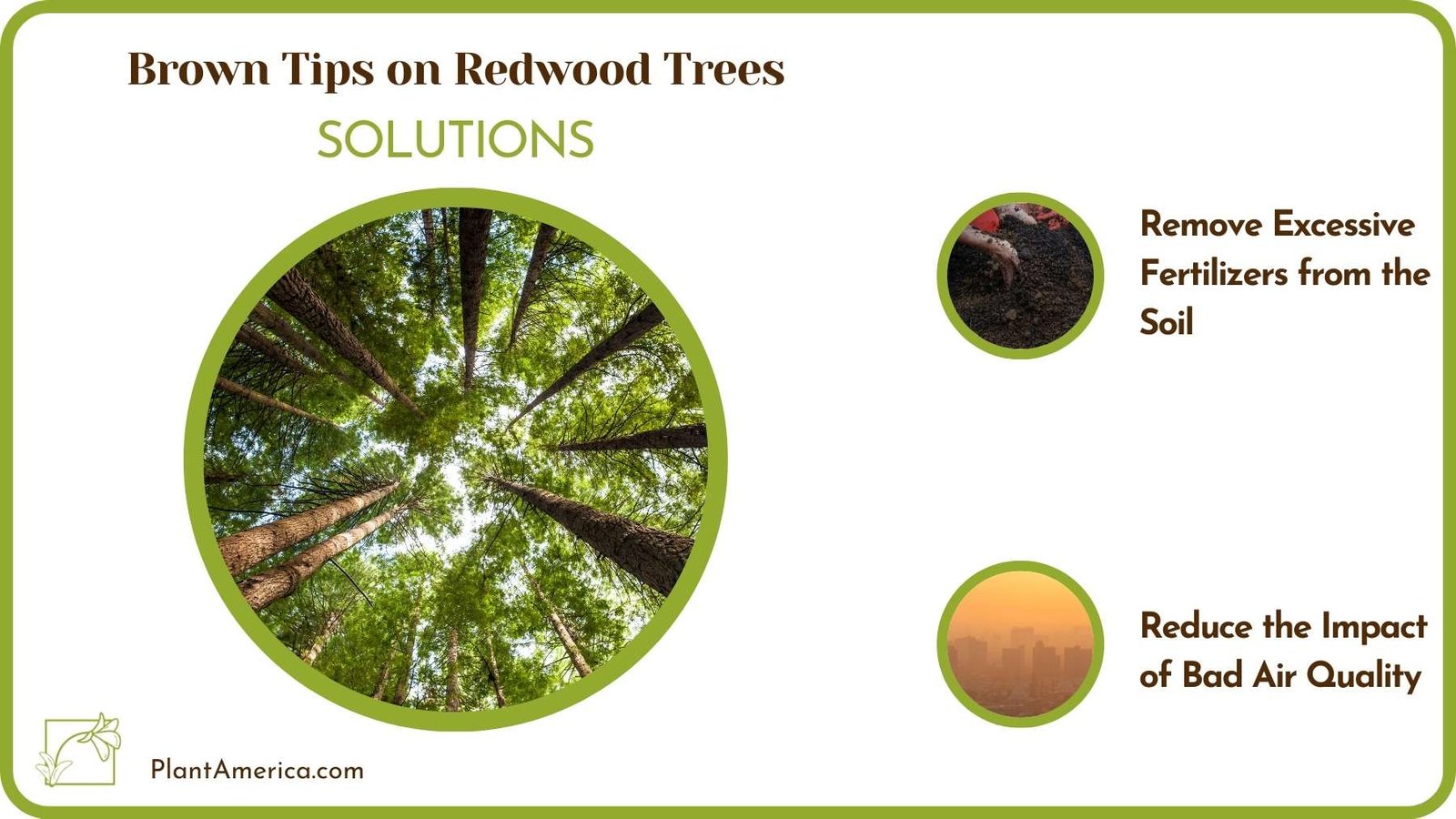
– Remove Excessive Fertilizers from the Soil
One of the core aspects of redwood tree maintenance is ensuring soil health. If you’ve accidentally over-fertilized, removing the excess is crucial to prevent harm. Here’s how:
Water Flushing: Start by giving the soil a deep watering. This will help flush out the excessive salts from the fertilizer, pushing them deeper into the ground, away from the tree’s roots.
Add Organic Matter: Introducing organic matter, like compost or well-decomposed manure, can help dilute the concentration of the fertilizers in the soil. It also benefits the soil structure and introduces beneficial microorganisms.

– Reduce the Impact of Bad Air Quality
Poor air quality affects us all, including our beloved redwoods. So, implementing measures to protect your tree from pollutants is essential. Here are the proven methods:
Plant Companion Vegetation: Growing shrubs or other trees around your redwood can help filter the air, trapping pollutants before they reach your tree. Choose plants known for their air-purifying qualities (like spider plants).
Regular Leaf Cleaning: Dust and pollutants can settle on the leaves, obstructing their pores. Regularly spraying the tree with a gentle stream of water can help wash away these particles.
Position Away from Pollutants: If possible, ensure your redwood is located away from direct sources of pollution, like busy roads or industrial areas. If you’re planting a new tree, choose a site with clean, fresh air.
Soil Amendments: Adding activated charcoal or biochar to the soil can help trap certain pollutants, preventing them from being taken up by the tree.
Remember that caring for redwoods, or any tree, requires attention, dedication, and, sometimes, creativity. So, be proactive and help trees get stronger every day!

Conclusion
All in all, brown tips on redwoods can arise due to numerous causes like fungal infections, extreme temperatures, or poor air quality. To keep your redwood healthy and thriving, we discussed proven solutions, which are:
- Regularly monitor and adjust watering practices to prevent water stress.
- Implement protective measures during harsh seasons by mulching.
- Address fungal diseases by doing pruning and using fungicides.
- Ensure the soil health is optimal by freeing it from excessive fertilizers via flushing.
By keeping these points in mind, you can enjoy the majestic beauty of your redwood for years to come!