
Brown tips on Canna Lily leaves are present at the close of each growing season, so there’s no need for alarm. But some of the browning doesn’t happen seasonally. Revitalizing your plant hinges on accurately identifying the underlying factor and promptly implementing the appropriate treatment.
Continue reading to unravel the reasons behind the browning of canna leaves and discover tailored solutions for each.
Why Is My Canna Lily Turning Brown
Canna lilies, known for their robust and sizable stature, boast vibrant foliage, particularly flourishing in warm, tropical climates.
The phenomenon of canna lily leaves turning brown signifies the onset of dormancy during the fall and winter months. However, it can happen because of potential rust fungus or pest infestations, and care-related issues such as improper watering and fertilization.
Therefore, it’s crucial to swiftly diagnose the specific cause and address it accordingly. So let’s see some of the most common culprits!
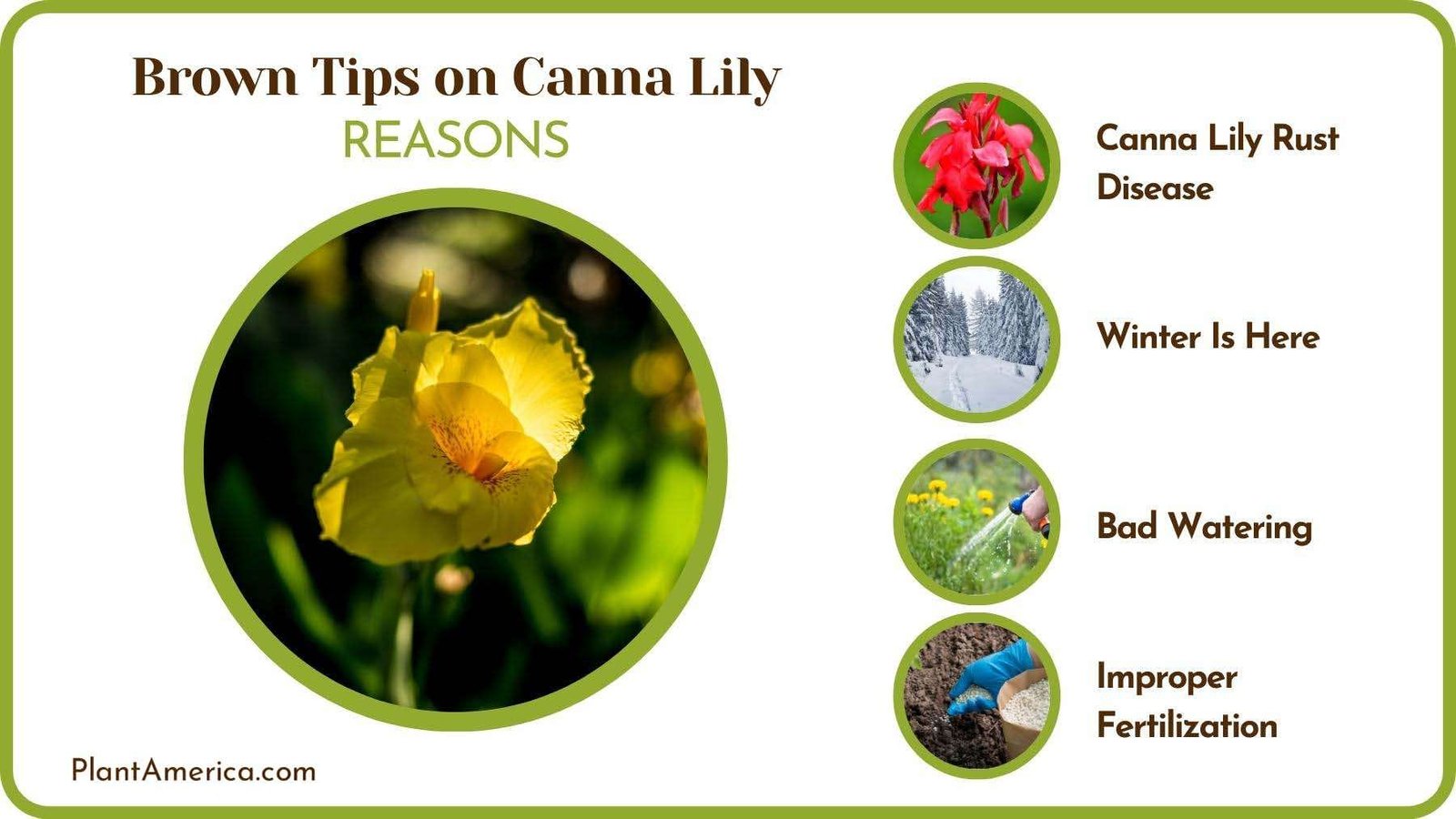
– Canna Lily Rust Disease
The primary factor contributing to rust development in Canna Lily plants is canna rust, which happens because of prolonged moisture on the leaves. Initially, the rust infection manifests as orange spots that gradually expand across the leaves, leading to a transformation into brown hues and, ultimately, resulting in premature leaf drop. This, along with the yellow mottle virus, infection tends to surface in Canna Lily plants, particularly as the fall season commences.
– Winter Is Here
As fall and winter approach, it’s natural for Canna leaves to undergo a browning and dieback process. Thriving during spring and summer, lilies exhibit growth with long stems, vibrant flowers, and large leaves, relishing warm weather, humidity, and the summer sun.
However, with the onset of colder weather in fall, Canna lilies naturally enter a dormant phase. Typically occurring from early fall to late winter, the leaves turn brown gradually, starting from the edges and progressing inward. Eventually, the stems follow suit, displaying a browning effect.
– Bad Watering
During the active growing season, brown leaves on your Canna Lily may result from inadequate watering practices. The heat of summer accelerates dehydration in Canna Lily plants. If rhizomes are excessively dried out, brown edges may emerge on the leaves, eventually extending to the stem. Lilies thrive in tropical or subtropical climates characterized by ample rainfall during the summer months.
Conversely, overwatering poses a risk, potentially causing root rot and various fungal diseases. This can manifest in brown and yellow leaves accompanied by soil that feels soggy, and mushy, and develops mold. Achieving a balance in watering practices is essential to maintain the health and vibrancy of your Canna Lily plant’s leaves.
– Improper Fertilization
Canna Lily plants are known for their voracious appetite, requiring monthly fertilization to satiate their nutritional needs during the active season. However, any excess fertilizer can result in chemical burns and suffocate the roots of your plant, causing the leaves to turn brown. An overabundance of fertilizer contributes to the accumulation of white salts in the soil too. This accumulation impedes drainage and affects the overall health of the plant. Striking a balance in fertilization is crucial to ensure the well-being of your Canna Lily.
– Pests
Leaves may turn brown due to infestations of various pests such as spider mites, thrips, aphids, and caterpillars. These sap-sucking insects extract nutrients from the leaves, leaving behind brown spots as evidence of their feeding.
Chewers like snails, caterpillars, and slugs contribute to the browning of leaves by consuming parts of them, leaving behind remnants. Keeping a vigilant eye for these pests and implementing appropriate pest control measures can help maintain the vibrancy of your Canna Lily.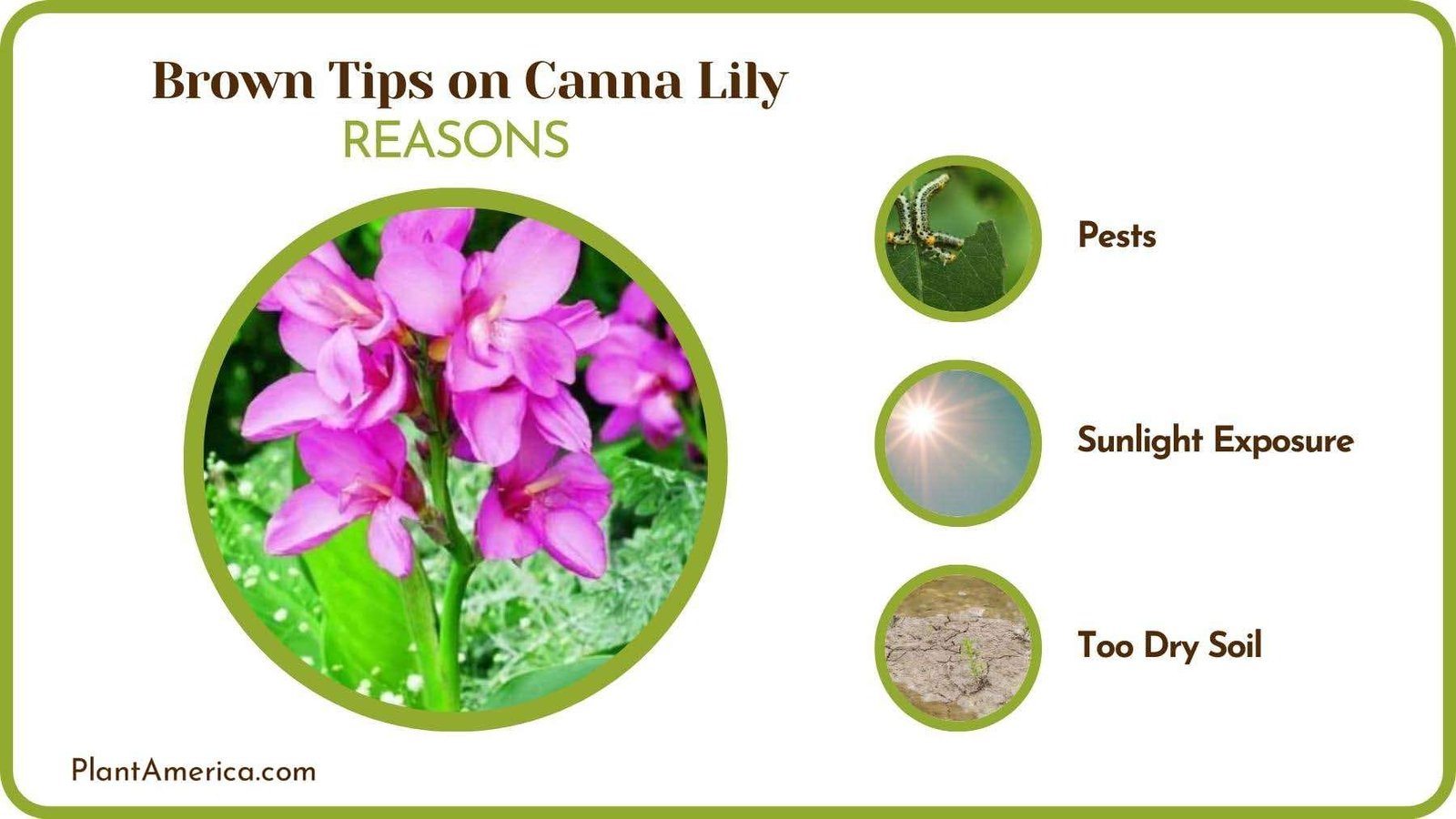
– Sunlight Exposure
Ensuring the proper balance of sunlight is crucial for the well-being of your canna lilies. Inadequate sunlight can lead to the browning of leaves, while excessive exposure to direct sunlight can also cause similar issues. A recommended location receives a minimum of four to five hours of morning sunlight with a bit of shade in the afternoon. This ideal setting promotes abundant flowering and maintains the health of the leaves.
– Too Dry Soil
Maintaining consistent watering and ensuring moist soil is vital for the survival of canna lilies.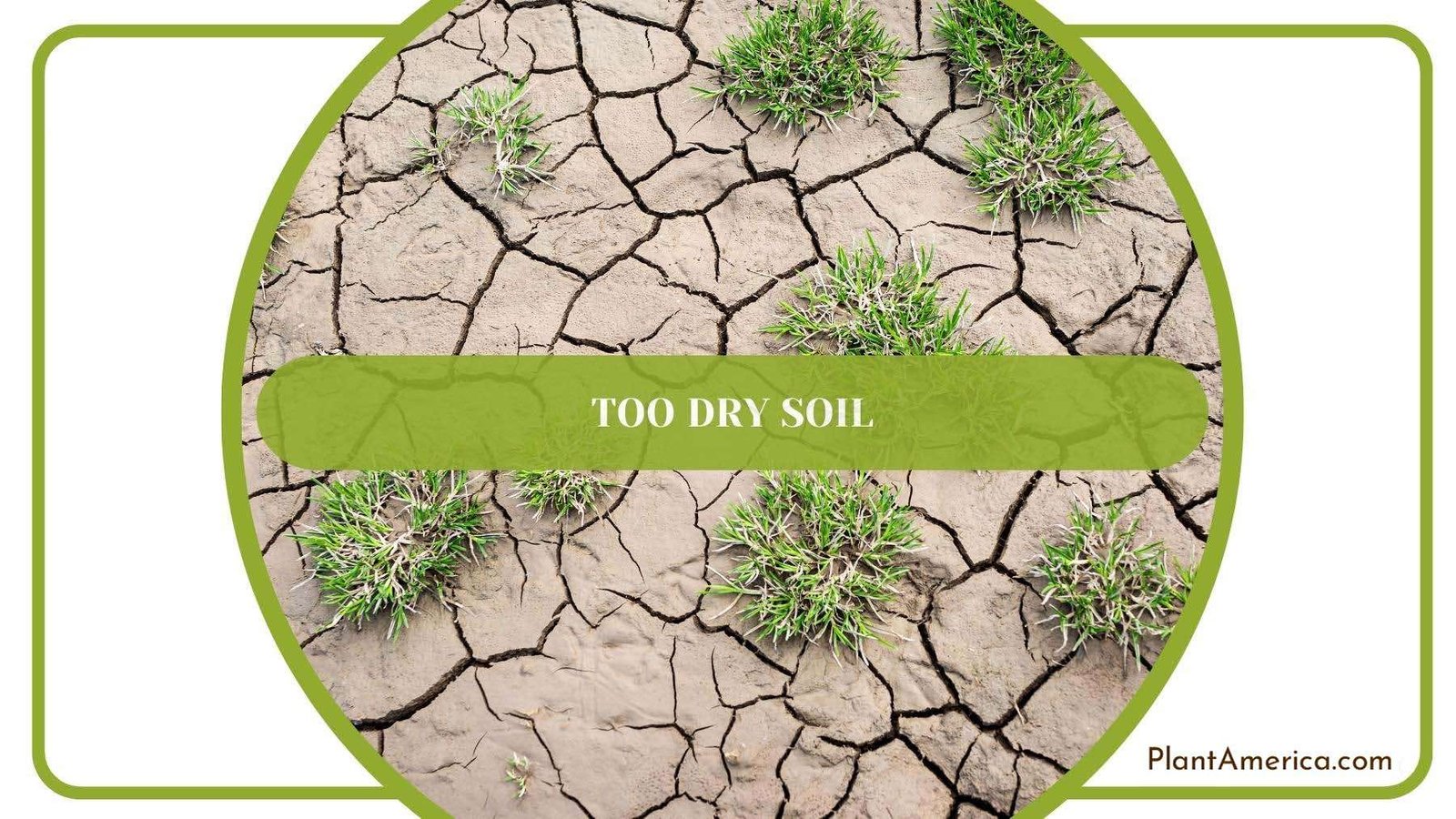 If the soil becomes dry, it can result in browning of their leaves. For potted plants, a daily watering routine is recommended, while those in the ground can typically thrive with watering every two days.
How To Get Your Brown Canna Lily Back on Track
While the development of browning on canna leaves can be detrimental and aesthetically unpleasing, implementing a few simple steps can help ensure the ongoing health of your plant. To prevent browning on canna leaves, consider the following remedies!
– General Care Tips
To prevent your plants from turning brown, aside from natural causes, adhering to proper care guidelines is crucial. For potted Canna Lilies, adopt a bottom watering approach and water those planted in the ground directly at the base without wetting the leaves, particularly in the morning.
Avoid misting the plants during the evening or nighttime hours. Ensure the plants receive ample sunlight by placing them in a south-facing window, but try to allow for generous air circulation. In USDA zones 8 to 10, consider digging out the rhizomes during fall and storing them indoors for replanting in the upcoming spring.
Utilize a soil moisture meter or poke chopsticks into the soil to assess moisture levels before watering. Avoid rigid adherence to complex and rapid watering rules, as watering requirements vary based on other environmental factors. Opt for sterilized organic fertilizers to prevent chemical burns and salt buildup. Keep the leaves clean and limit prolonged exposure to high humidity. When trimming off browning leaves, use sterilized pruners for the task.
– Dealing With Canna Rust
In the event of an infection, it is advisable to promptly prune off the affected leaves or stems to prevent the fungus from spreading further. Beyond pruning, when the condition becomes severe, consider using fungicides containing mancozeb or copper to address the issue.
Any untreated leaves can significantly impede growth and potentially render the plant irreparable. To mitigate the risk of rust development, refrain from watering your lilies from the top, as this can make the leaves wet. Instead, opt for a direct watering method at the plant base using a hose pipe.
– Protecting Your Plant From Winter
When residing in colder climates, the canna lily undergoes a natural process of browning as it enters dormancy for the winter. To ensure the preservation of the canna lily root for the upcoming spring, a straightforward set of steps can be followed. Begin by trimming the canna lily down to its stalk and carefully extracting the plant from its pot or the ground.
Clear away the surrounding soil until only the rhizome root, characterized by its dense and thick nature, is exposed. Rinse off any excess soil, and place the root in a paper bag for storage in a cool, dry location throughout the winter. As the winter season concludes, the canna lily can be replanted outdoors. With the provision of ample water and sunlight, the plant will rejuvenate, blooming within a few weeks.
– Implement a Proper Watering Routine
If the summer brings minimal rainfall, it’s essential to supplement the water supply for your plants. Deeply water the rhizomes using a hose, repeating this process a few times per week during warmer periods. For lilies in pots, their dependence on you for water increases, as potting soil tends to dry out faster than ground soil.
Regularly check the soil moisture by inserting your finger or a popsicle stick 2 inches into the soil. If the soil feels dry, water the plant at the root zone, being careful to keep water off the leaves to prevent rust development.
– Dealing With Nutrition
To ensure the optimal nutrition for canna leaves, enhance the soil before planting the rhizomes. Incorporate a whole bag of aged cow manure and compost, thoroughly mixing it with the soil using a garden fork. Create a small mound to improve drainage.
For additional nitrogen, include a handful of pelleted chicken manure. Whether your rhizomes are in the ground or a pot, supplement with pelleted chicken manure or provide a balanced liquid fertilizer containing nitrogen, potassium, and phosphorus.
To avoid over-fertilization, opt for a balanced fertilizer with an N-P-K (nitrogen-phosphorus-potassium) ratio, follow the manufacturer’s recommendations, choose a slow-release fertilizer, and apply it at the beginning of spring. Ensure thorough watering after fertilizing.
– Dealing With Pests
Pay particular attention to the undersides of leaves, as sap-sucking pests often congregate in these areas. For manual removal, if you detect a small infestation, consider pruning affected leaves or plant parts. Prune the infested areas and dispose of them to prevent the pests from spreading. Using a strong stream of water to spray the plant can effectively dislodge pests, particularly aphids and spider mites.
Natural predators play a significant role in pest control. Encourage beneficial insects such as ladybugs, lacewings, or predatory mites, as they feed on sap-sucking pests, helping to maintain a natural balance in your garden.
Neem oil, a natural insecticide, can be a valuable tool in combating sap-sucking pests. Mix neem oil with water according to the instructions and spray it on the affected areas. Neem oil disrupts the feeding and reproductive cycles of pests, offering an environmentally friendly solution.
Insecticidal soap, whether homemade or commercial, is another effective method. Prepare a solution of mild soap and water or use a commercial insecticidal soap. Ensure thorough coverage on both sides of the leaves when spraying to maximize its effectiveness.
Horticultural oils provide an alternative approach. These oils smother and kill sap-sucking pests. In severe infestations where other methods prove ineffective, systemic insecticides can be considered!
Conclusion
While the occurrence of brown tips on Canna Lily leaves at the end of each growing season is a natural process, some instances of browning require prompt attention for the plant’s revitalization. Accurate identification of underlying factors and timely implementation of appropriate treatments are crucial.
- From addressing the rust, caused by prolonged moisture leading to rust development, to managing the natural dormancy process during fall and winter, and dealing with issues related to improper watering, fertilization, pests, sunlight exposure, and soil moisture, each aspect has been explored.
- Providing practical tips for general care, protecting against rust, winter dormancy, proper watering routines, nutrition, and pest control, the guide equips readers with actionable steps to prevent and remedy browning leaves on Canna Lilies.
- Adjusting care practices, using fungicides, protecting the plant in winter, adopting a proper watering routine, enhancing soil nutrition, or implementing pest control measures will all help your beautiful plants.
The key takeaway is a holistic approach to care, encompassing environmental considerations, proper diagnosis, and targeted solutions — your lilies will thank you for it!