
Brassica companion plants help boost crop yields through natural methods. In this post, we explore top brassica companion plants that help deter pests and improve soil fertility for your cherished brassicas like kale, broccoli and cauliflower.
Whether you grow your veggies in a backyard plot or balcony container garden, the right combination of companion plants sprinkled amongst your brassicas can help them thrive while reducing your reliance on chemical pesticides and fertilizers.
Brassica Companion Plants to Deter Pests and Enrich Soil
1. Onions
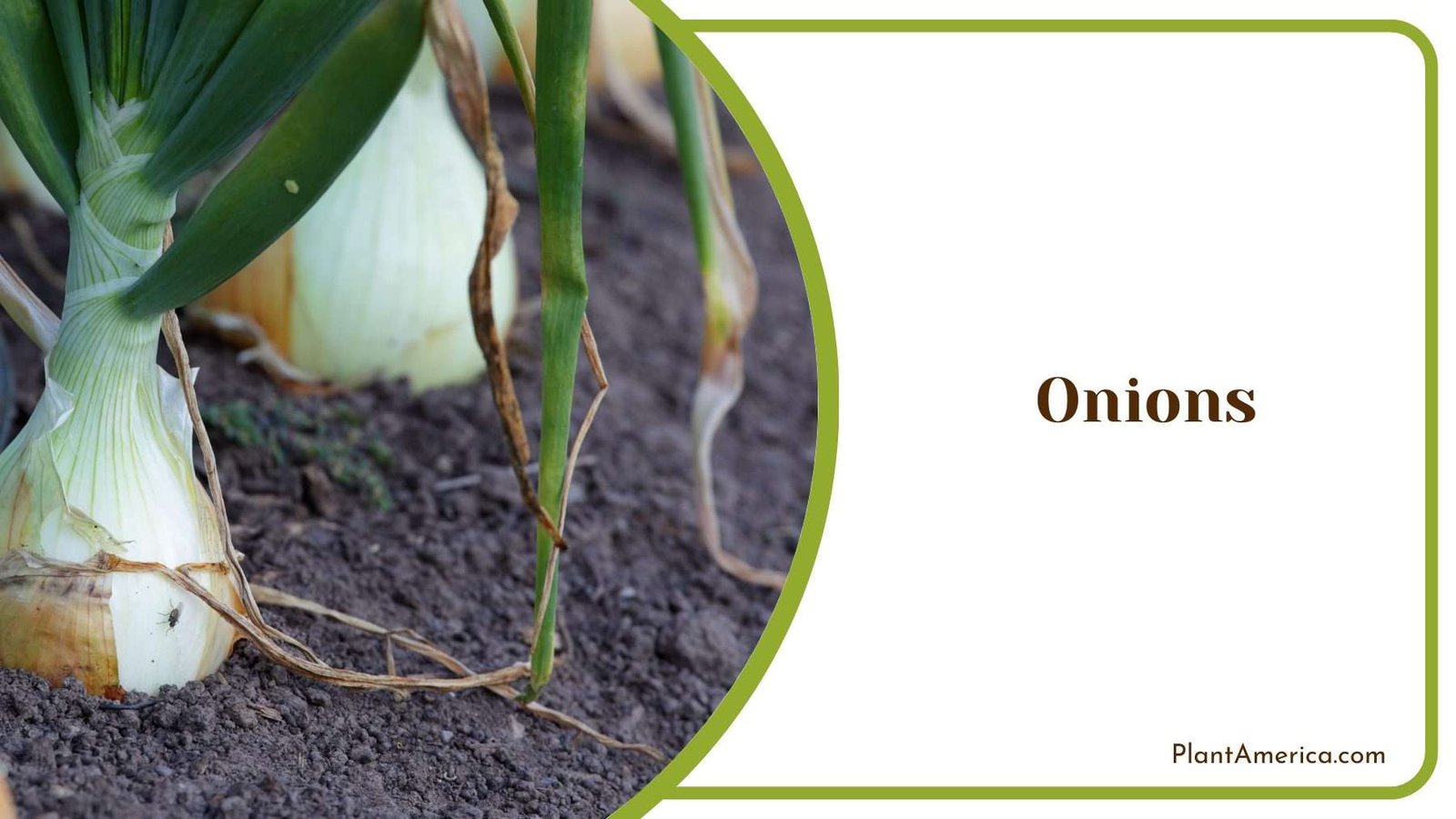
- Growing season: Spring, Blooms late spring to early summer
- Leaf shape: Flat, Hallow
- Specific needs: Full sun, Well draining soil
- Common pest: Onion maggots, Onion thrips
Onions are one of the most relied upon brassica companion plants. Whether grown from seed or starts, onions form a strong perimeter around crops and help deter soft-bodied insect pests like aphids when planted alongside brassicas.
Their powerful root system also enriches the soil with nutrients and breaks up hard earth, allowing soil to retain more water so it can better nourish vegetable plants and increase yields. Gardeners will find onions a hearty and rewarding companion.
2. Leeks
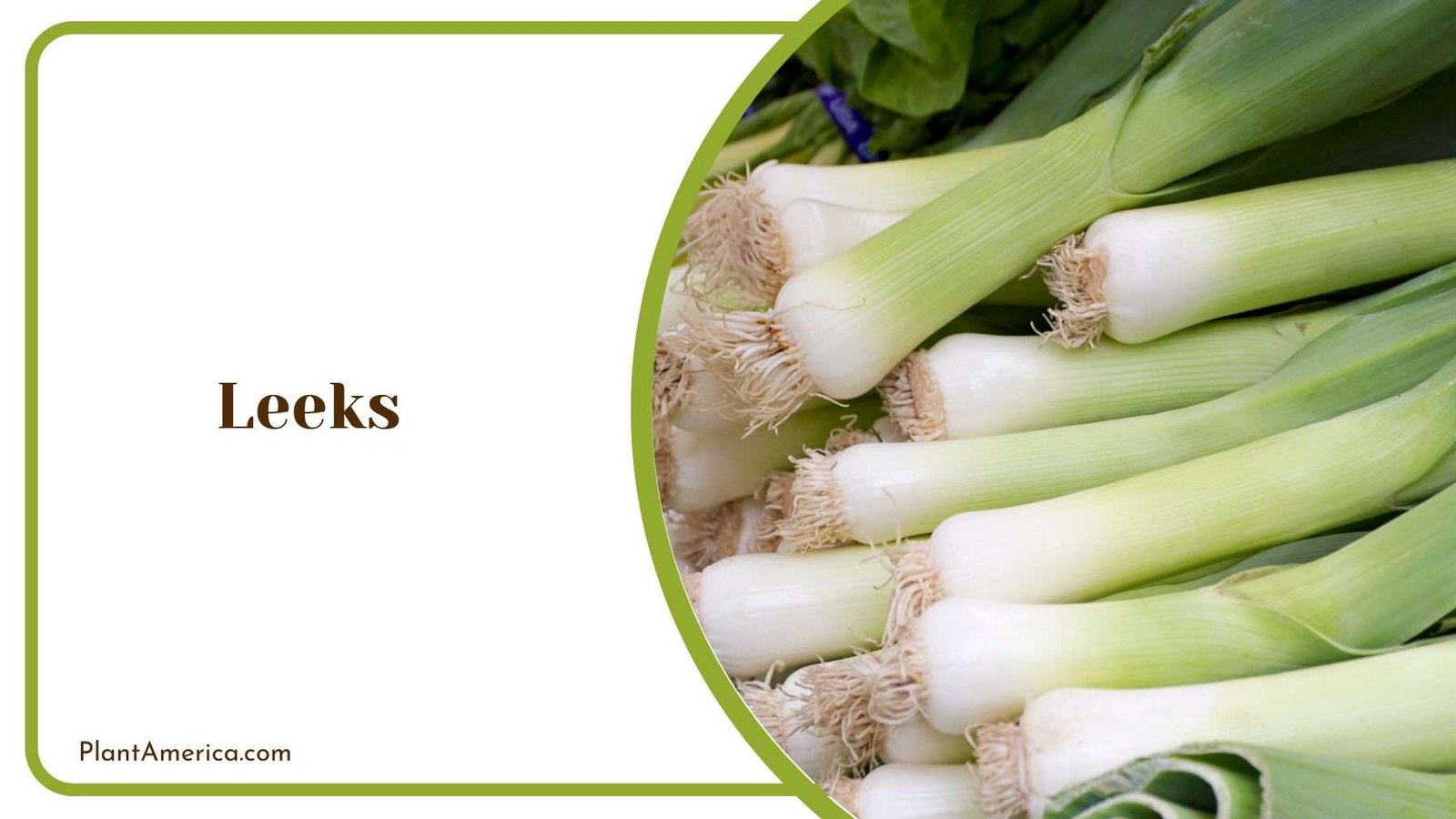
- Growing season: Spring, Blooms late spring to early summer
- Leaf shape: Flat, Hallow
- Specific needs: Full sun, Rich soil
- Common pest: Aphids, Leek moth
Leek leaves add beauty to the garden while their long, tower-like stems smother weeds and keep soil moist around crop roots. As alliums, their presence deters many of the same insect pests as onions. Leeks grow quickly even in cooler months so lend vigor and pest protection early and late in the season.
With a sweeter flavor than other allium cousins, their mild leaves also enrich the soil with minerals as they decompose. Some gardeners find leeks’ scent alone is enough to repel cabbage worms and other brassica predators without leeks even being eaten, making them a remarkably efficient companion.
3. Garlic

- Growing season: Spring, Fall
- Leaf shape: Flat, Straplike
- Specific needs: Full sun, Well draining soil
- Common pest: Aphids, Slugs
Hardy garlic thrives alongside vegetable plants needing protection. Like its allium family relatives onions and leeks, garlic deters soft-bodied pests and airborne diseases such as white mold with its strong essential oils.
Garlic leaves release this oil as they grow, permeating the surrounding soil and air to discourage pest insects from dining on nearby crops. Left to grow, scapes develop in spring bearing decorative spirals that can be eaten or removed to encourage larger bulbs.
Come harvest time, a gardener’s efforts are rewarded with bulbs for eating and replanting as well as the health of crops garlic was paired with as a companion. Its pest-repelling power makes it an invaluable addition when space allows.
4. Chives
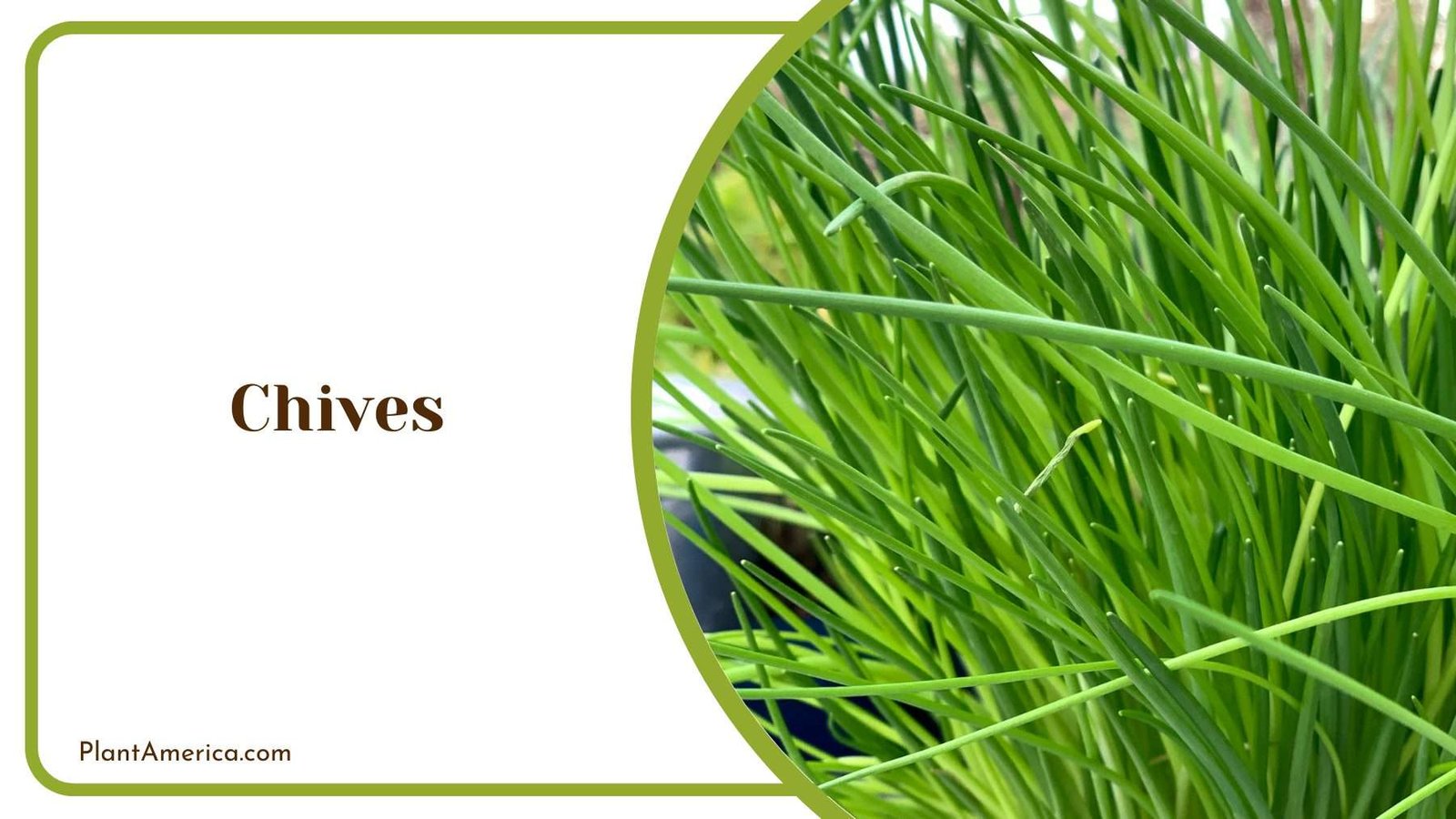
- Growing season: Spring, Fall
- Leaf shape: Flat, Hallow
- Specific needs: Full sun, Well draining soil
- Common pest: Aphids, Slugs
Delicate chives add flavor and beauty to the kitchen garden. Their slender leaves impart a subtle onion flavor to dishes. As a brassica companion, chives serve as a trap crop and decoy for insect pests. Bright pink or white flowers attract beneficial insects like ladybugs that prey on aphids, cabbage worms, and other crop threats.
Chives also release allicin from their leaves, an oil with natural fungicidal properties. The feathery foliage bears an aroma attractive to pollinators but repellent to many herbivores. Offering two harvests per year—one for leaves, another for blooms—chives make a low-maintenance, pest-deterring edge plant that provides culinary and aesthetic value in the garden.
5. Marigolds
- Growing season: Spring, Fall
- Leaf shape: Rounded, Lobed
- Specific needs: Full sun, Well draining soil
- Common pest: Aphids, Slugs
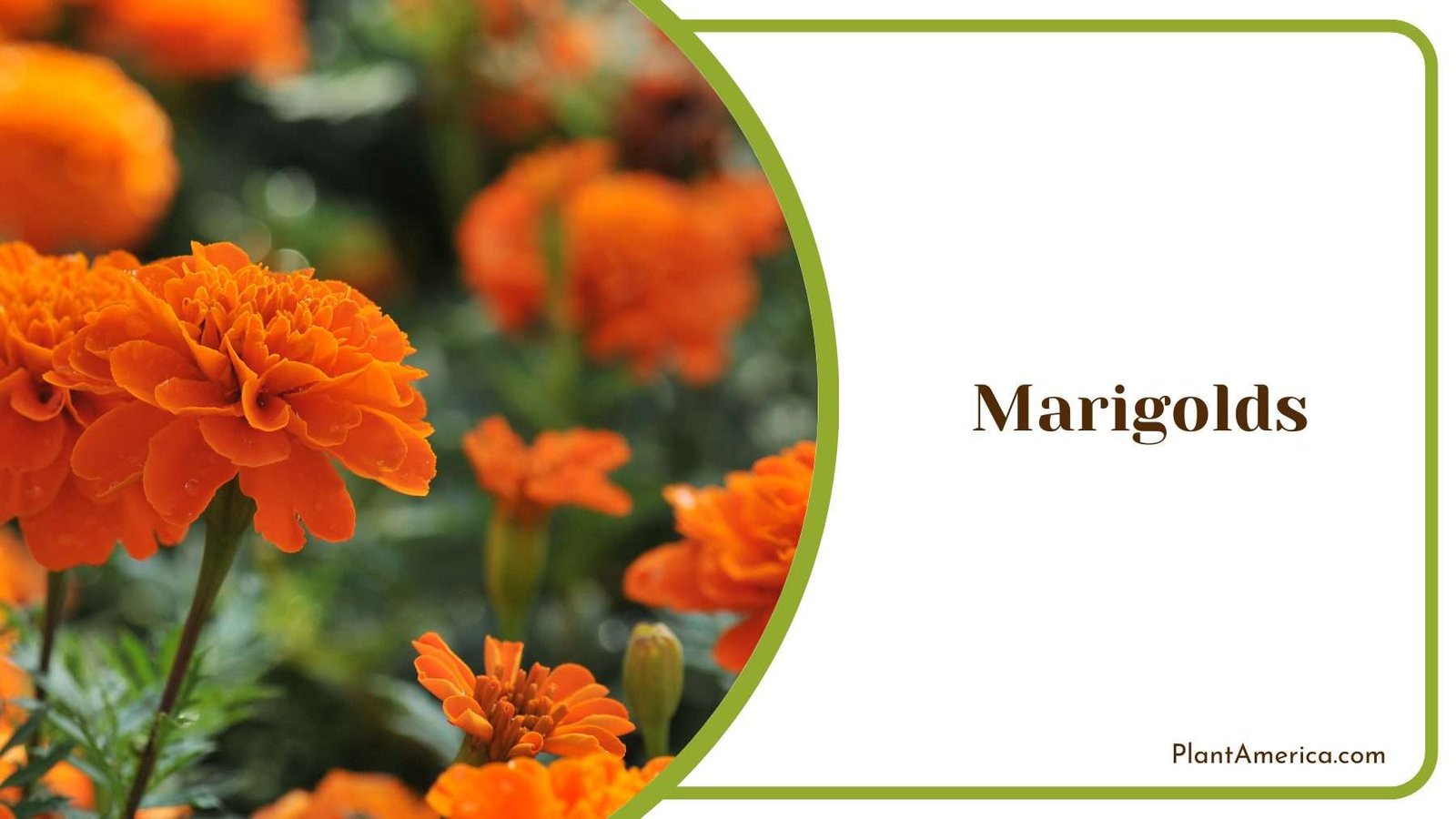
Marigolds boast impressive pest repellency throughout the seasons. As one of the most commonly used brassica companion plants, marigolds emit targets from their roots into soil.
This allelochemical discourages nematodes infesting vegetable roots. Their sunny flowers also lure beneficial insects and discourage many foliar pests from dining on nearby crops.
Fast-growing marigolds are established quickly to offer season-long pest management. Some flower varieties even bloom until frost, persisting decoratively alongside fall brassicas like kale, cabbage, and broccoli. Whether as a boundary, intercrop or interplanted amongst vegetables, marigolds’ cheerful presence serves the dual purpose of beautifying gardens and protecting crops.
6. Nasturtiums
- Growing season: Spring, Fall
- Leaf shape: Rounded, Kidney shape
- Specific needs: Full sun, Full sun, Average soil
- Common pest: Aphids, Slugs
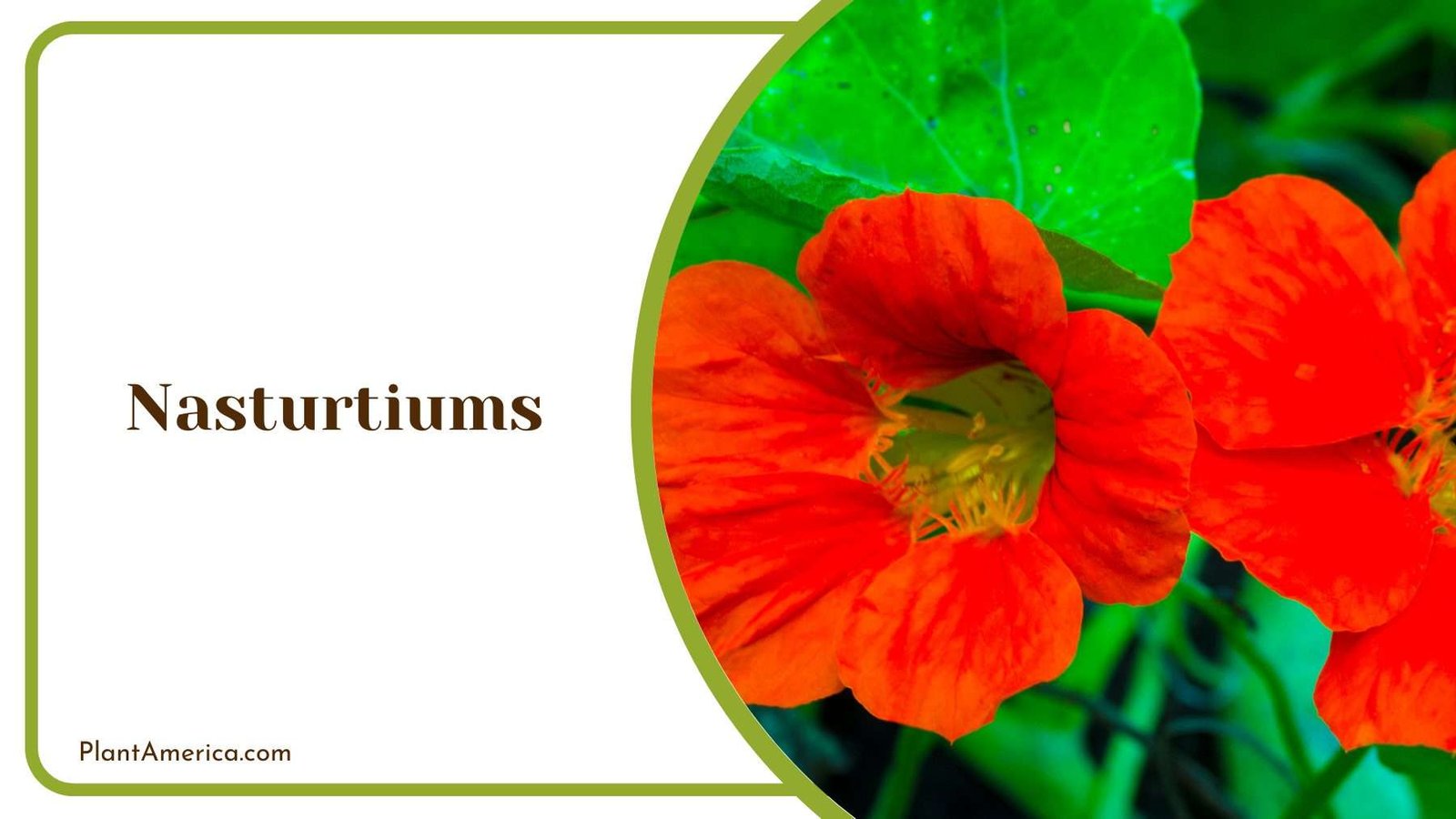
With their brightly colored flowers and edible leaves, nasturtiums add beauty, flavor and function to vegetable gardens. As a trailing or climbing vine, nasturtiums spread densely to blanket the ground around brassicas.
Their leaves and blooms conceal crop roots and stems from detection by common pests like cabbage worms and flea beetles.
Nasturtiums also secrete mustard oil compounds and draw predatory insects away from crops with nectar-filled flowers. Less difficult to grow from seed, nasturtiums thrive in most climates and soils.
Their salad ingredients interplanted amongst vegetables are harvested alongside produce. Come autumn, deadheaded nasturtiums send nutrients back into the soil, free of disease or pests thanks to their season of service as a companion plant. Nasturtiums also have plenty of companion plants.
7. Mint
- Growing season: Spring, Summer
- Leaf shape: Flat, Straplike
- Specific needs: Full sun, Full sun, Well draining soil
- Common pest: Aphids, Slugs
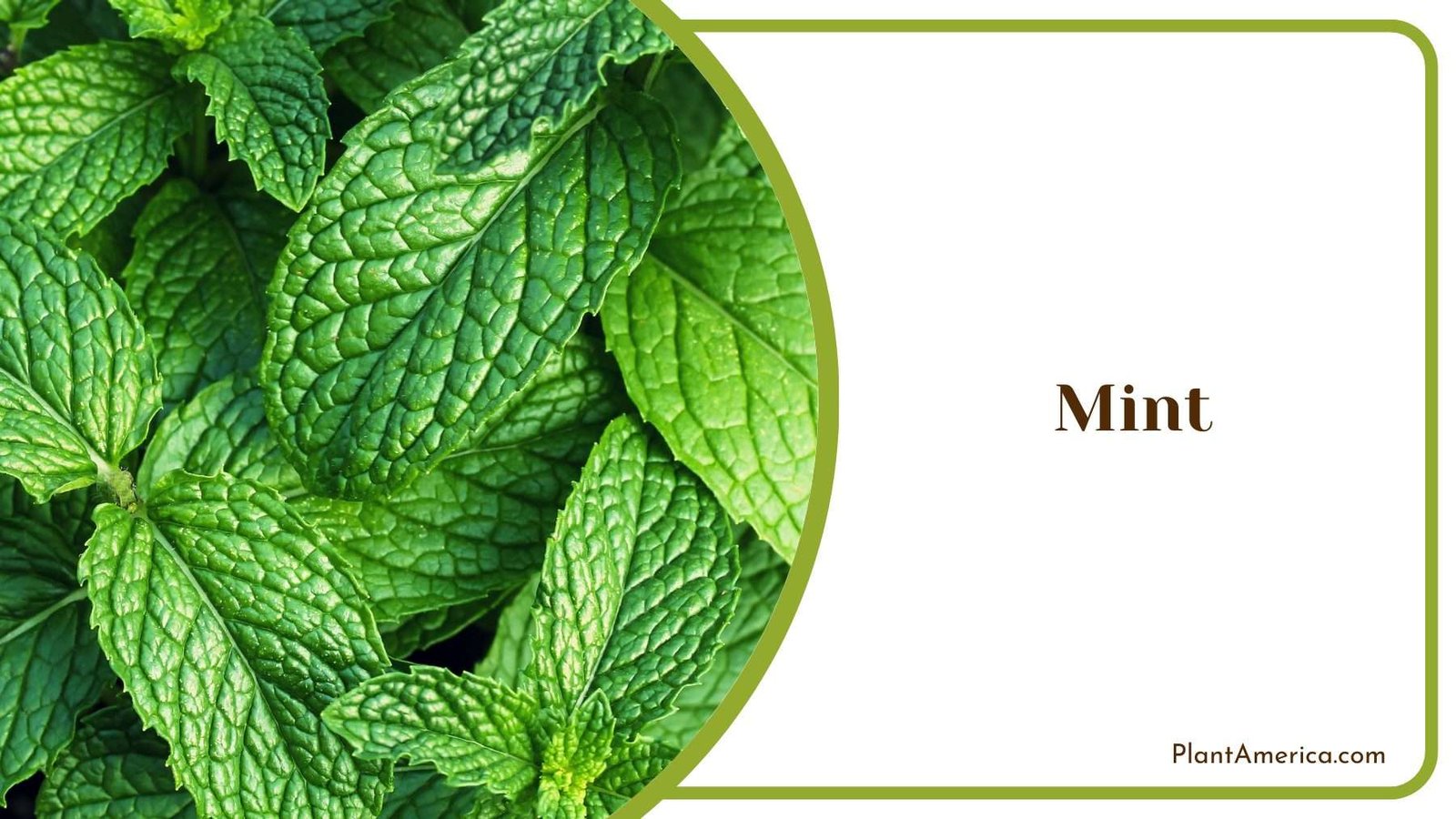
With its vigorous spreading habit and naturalization ability, mint makes an exceptional permaculture plant in vegetable gardens. As a brassica companion, mint deters pests with aromatherapy—its refreshing fragrance repels many flying and crawling herbivores.
Mint leaves also release thymol, a natural fungicide and insect repellent. This powerful oil builds up in surrounding soil.
Paired with crops in need of protection, mint spreads quickly from root or stem cuttings to form a living mulch. This smothers weeds and moderates soil temperatures while performing its Pest Control Officer duties. Some gardeners find simply walking through a mint patch is enough to rid clothing and footwear of unwelcome hitchhiking pests.
8. Basil
- Growing season: Spring, Fall
- Leaf shape: Flat, Straplike
- Specific needs: Full sun, Well draining soil
- Common pest: Aphids, Whiteflies
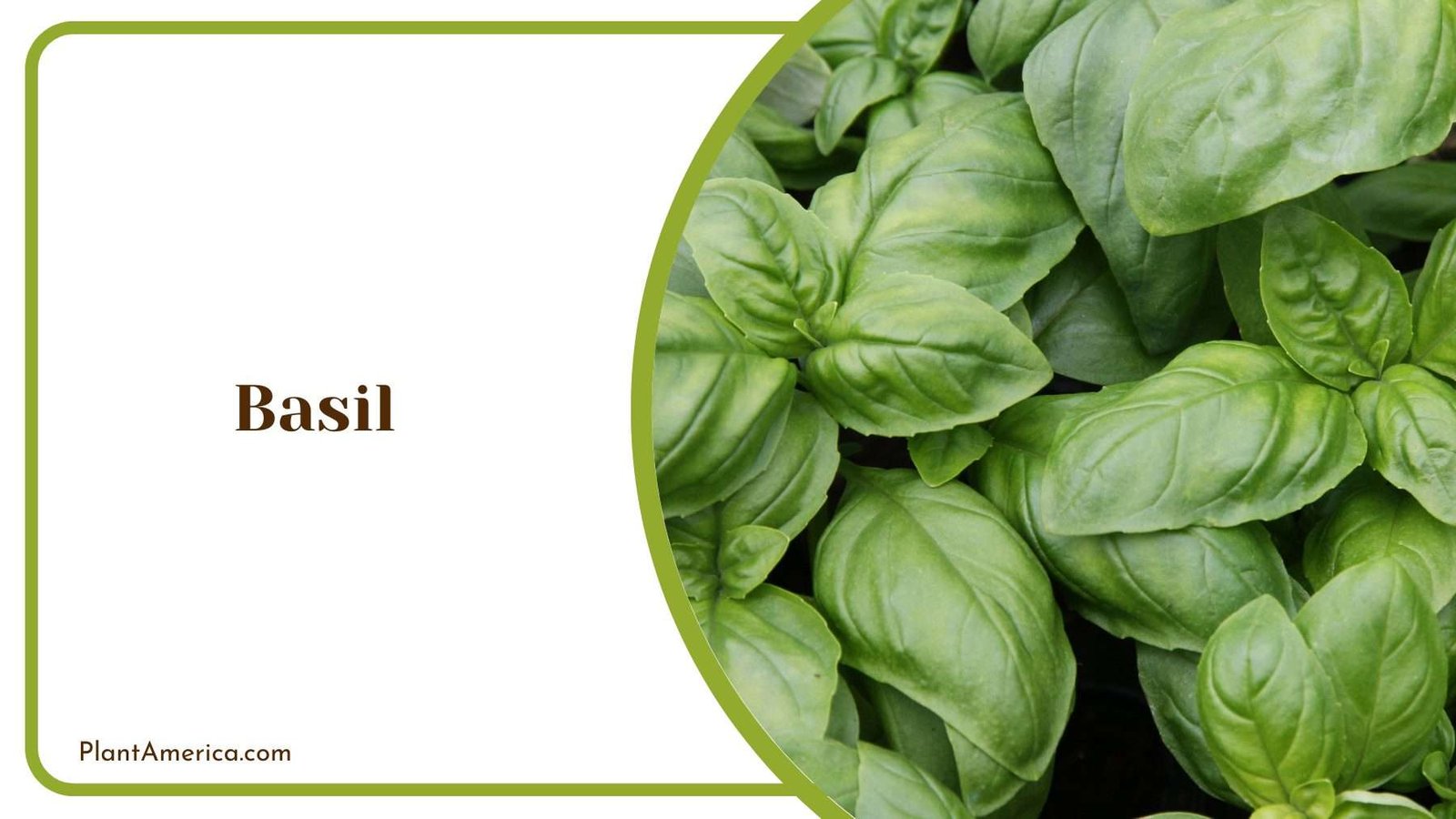
Basil is a staple in the kitchen garden and doubles as an excellent companion for nearby crops. Its potent aroma deters many insects and airborne plant diseases from invading vegetables. As a member of the mint family, basil also contains essential oils that digest nematodes and fungi in soil.
This creates healthier growing conditions for future seasons. Beyond pest relief, basil adds ornamental appeal and offers a bountiful harvest of leaves. Some varieties display colorful foliage, making basil a beneficial plant as much for its function as for its form in the garden.
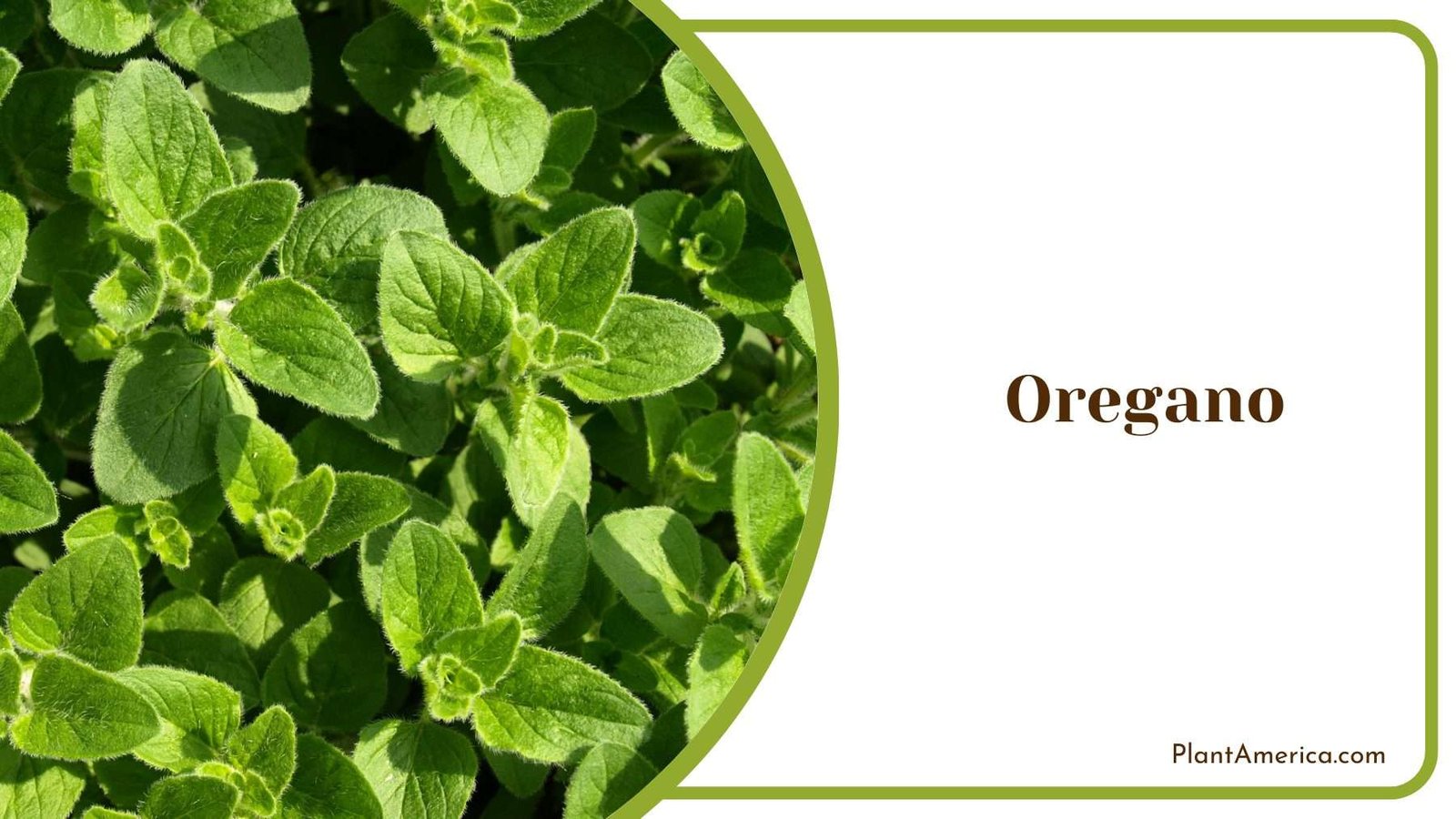
9. Oregano
- Growing season: Spring, Fall
- Leaf shape: Hairy, Woolly
- Specific needs: Full sun, Well draining soil
- Common pest: Japanese beetles, Aphids
Similar to its cousin basil, oregano’s powerful aroma serves to repel many common garden pests. This herb native to hot and dry Mediterranean climates translates that hardy personality into resilient pest protection.
Where oregano grows, its tangy scent deters damaging bugs and disease microbes from feeding on crops. Its woody stems also provide structure for beans or peas to climb.
As a perennial, oregano returns reliability to the garden over the years. Come autumn, it sends down roots and nutrition from foliage, rewarding gardeners with pest control year after year while also seasoning meals with Mediterranean flair.
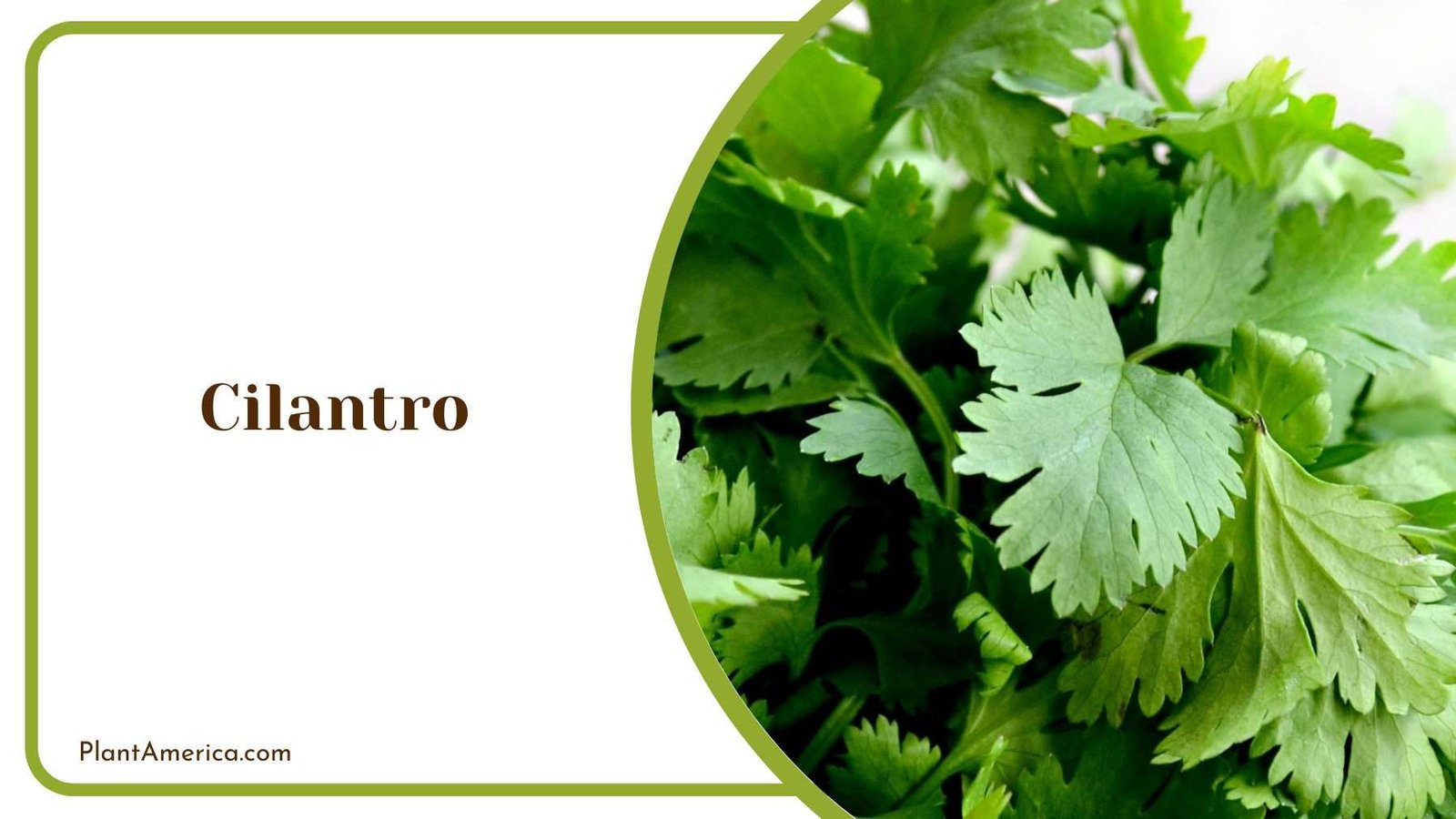
10. Cilantro
- Growing season: Spring, Fall
- Leaf shape: Finely divided, Feathery
- Specific needs: Full sun, Well draining soil
- Common pest: Aphids, Whiteflies
Beyond contributing its own sweet-tangy foliage and seeds to cuisines, cilantro proves a valuable partner plant within kitchen gardens. Interplanted judiciously amongst warm-weather crops, it deters pests through multiple strategies supporting vulnerable neighbors.
Finely dissected, lacy foliage camouflages and conceals vulnerable root bases and lower stems from detection by foraging insects. Complex textures disrupt navigational cues, confusing invaders seeking vulnerable plant tissues.
Cilantro’s potent aromatic oils also release as a natural fumigant through leaves, repelling many soft-bodied insects that might feed upon or damage other crops.
Quick to transition to seed when temperatures rise, a first planting of cilantro provides a succession of pest protection benefits until fall harvests begin. Where established amongst tall tomatoes or aromatic basil, it continues distracting pests until conditions trigger flowering.
Coriander seeds then develop, adding spice and nutritional depth to meals while thick foliage mats replenish soil fertility for the following year’s crops.
As summer wanes, cilantro readily relinquishes garden space by transitioning to seed. Dry coriander grains form in umbels mimicking dill or fennel. Harvested before shattering, these seeds deepen soups, curries and cooked vegetables through winter with subtleties beyond dried herbs.
Crushed foliage residues left to decompose further enrich soil microbial diversity and nutrient density for the next planting cycle.
Truly a culinary companion without rival, cilantro gives beauty, flavor and function to warm season plantings through camouflage and oils safeguarding neighbors. Combining pest control talents with nourishing foliage, seeds and soil enhancement, it proves invaluable where space allows partnership within the thriving family-style kitchen garden.
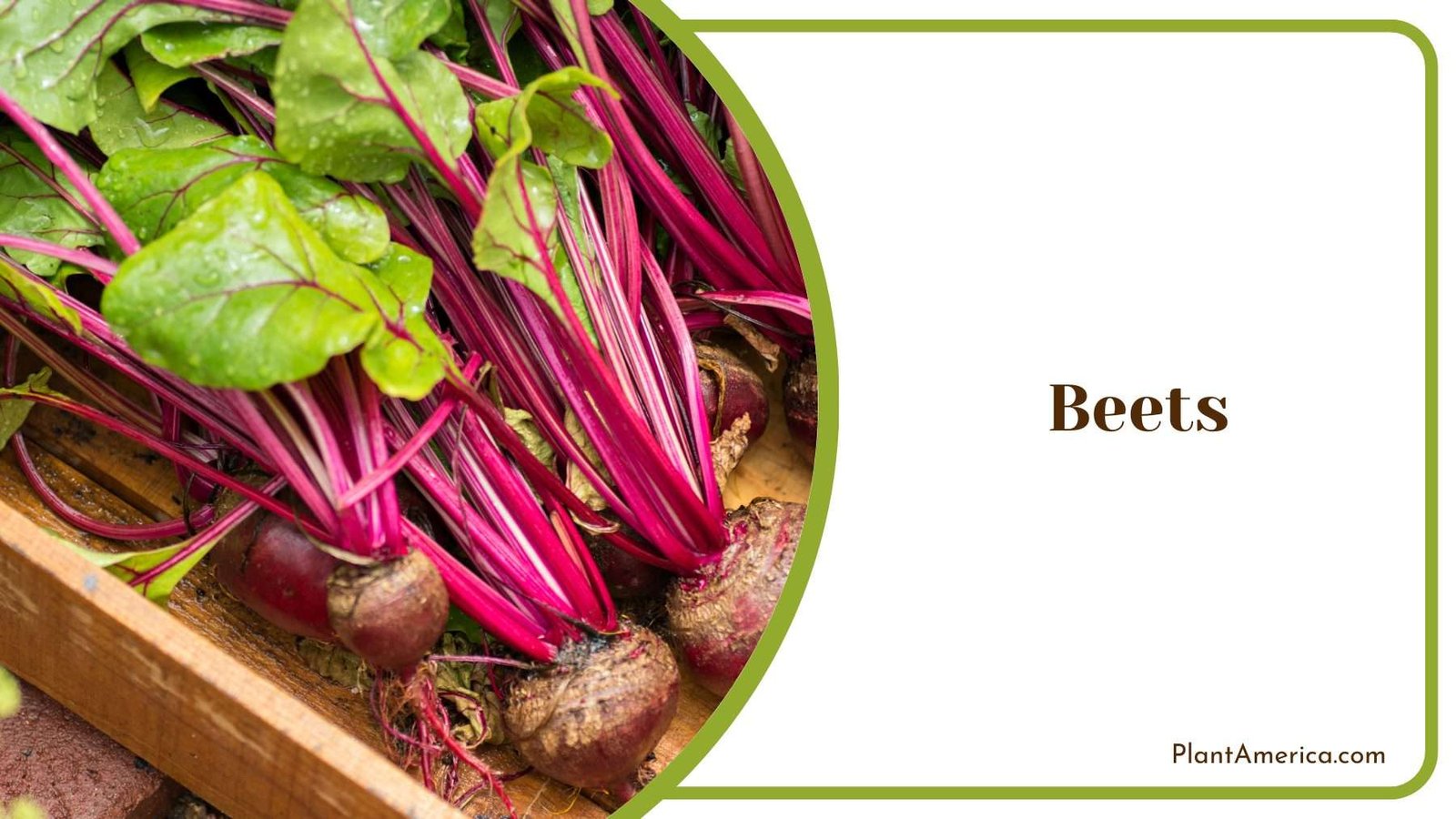
11. Beets
- Growing season: Spring, Fall
- Leaf shape: Smooth, Frilled
- Specific needs: Full sun, Well draining soil
- Common pest: Aphids, Leaf miners
Beets provide both ornamental and functional value as a brassica companion. Their deep red or golden roots offer striking vertical color amongst greens. Above ground, beet leaves develop early to deter soil pests with a stout plant structure. Natural sugar beet secretions in foliage repel common bugs like aphids and cabbage worms.
With intervals between planting, beets produce successive pest control and visual appeal over warm months. Come fall, their foliage enriches soil chemistry for following crops during decomposition. Maturing quickly for harvest, beets give brassicas an early season shield from pests.
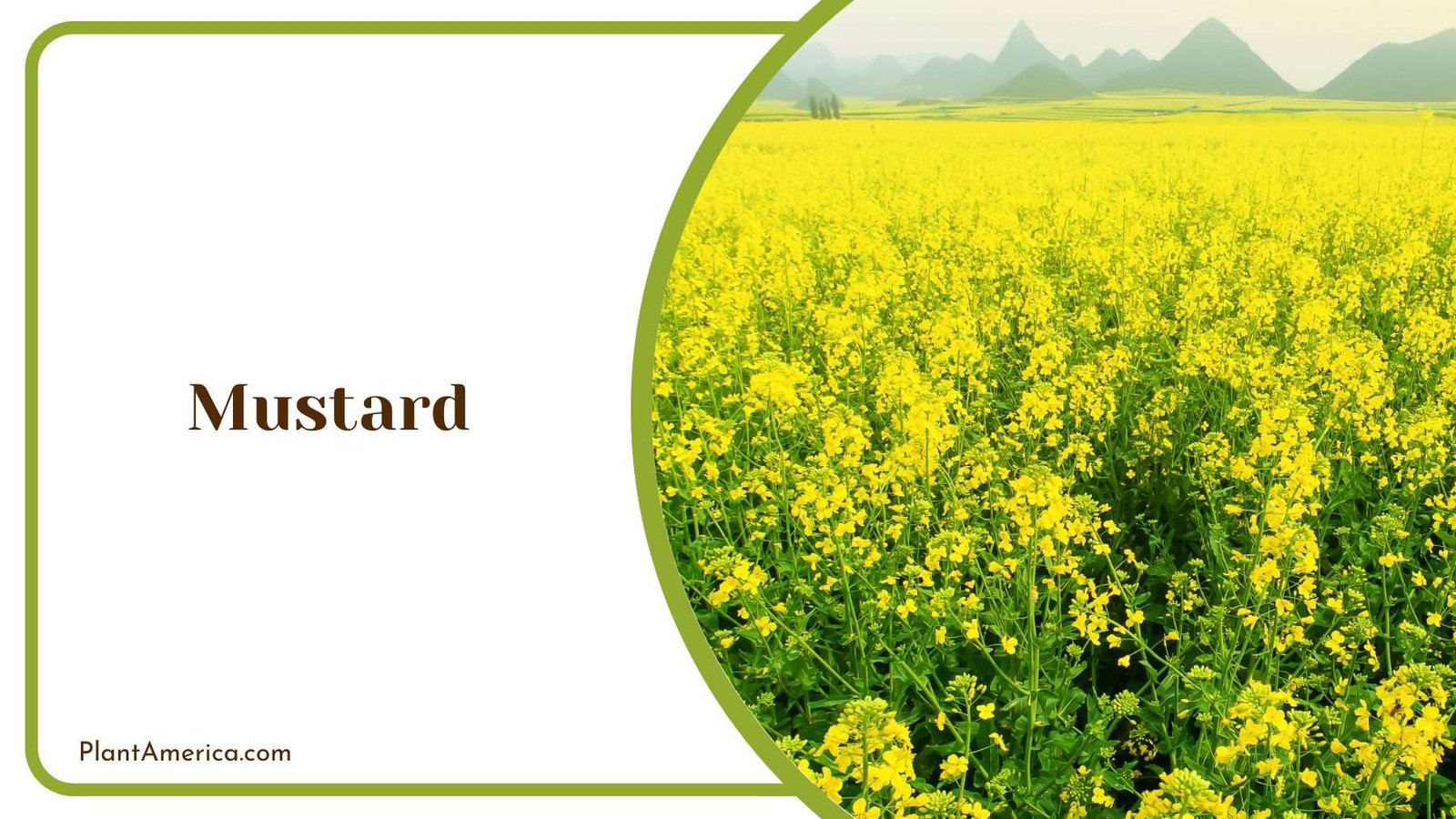
12. Mustard
- Growing season: Spring, Summer
- Leaf shape: Large, Rough
- Specific needs: Full sun, Well draining soil
- Common pest: Aphids, Birds
Mustard is an excellent companion plant for brassicas, providing both pest control benefits and nutrient enrichment of the soil. The mustard plant releases chemicals from its roots and foliage that help deter common pests of cabbage, broccoli, kale and other cole crops.
Pests like flea beetles, root maggots and nematodes are naturally repelled by mustard’s odors. Its tall growth also forms a physical barrier, shielding brassicas from airborne insect eggs and females looking to lay more.
In addition, all parts of the mustard plant contain significant amounts of glucosinolates – sulfur-containing compounds that break down into natural fumigants and pesticides in the soil. These compounds work long-term to suppress diseases in the soil like clubroot that threaten brassicas.
As a cover crop, mustard enriches the soil with nitrogen through a process called phytoextraction. Its deep roots pull up nutrients then drop them upon decomposing. This nourishes the brassicas as well as provides more nutrients for beneficial microbes in the soil..
13. Lavender
- Growing season: Spring, Fall
- Leaf shape: Smooth, Frilled
- Specific needs: Full sun, Well draining soil
- Common pest: Aphids, Leaf miners
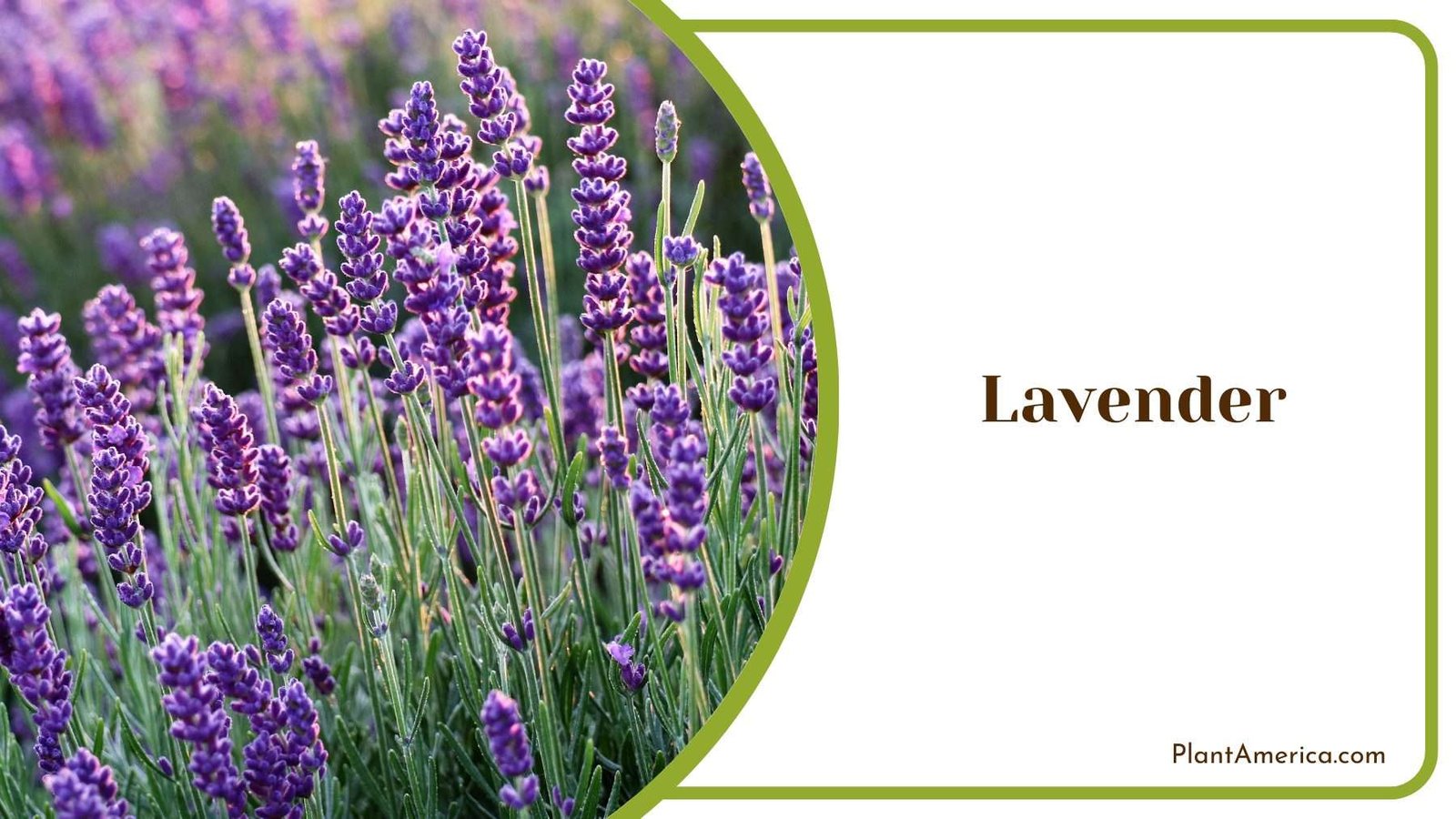
Lavender serves garden companions through natural pesticide production. Its fragrant leaves release essential oils protecting crops from common pests like cabbage worms and tomato hornworms. These volatile compounds permeate the air around lavender plants, creating an aromatic barrier.
Through bushy growth, lavender also blocks weeds and moderates soil temperatures. As a perennial herb, lavender establishes quickly for enduring pest protection. Its flowers bring beauty while attracting beneficial pollinators. Even after bloom, lavender’s decorative greenery and pest-repelling ability persist through autumn for continued soil enrichment.
14. Catnip
- Growing season: Spring, Fall
- Leaf shape: Heart-shaped, Serrated
- Specific needs: Full sun, Well draining soil
- Common pest: Aphids, Leaf miners
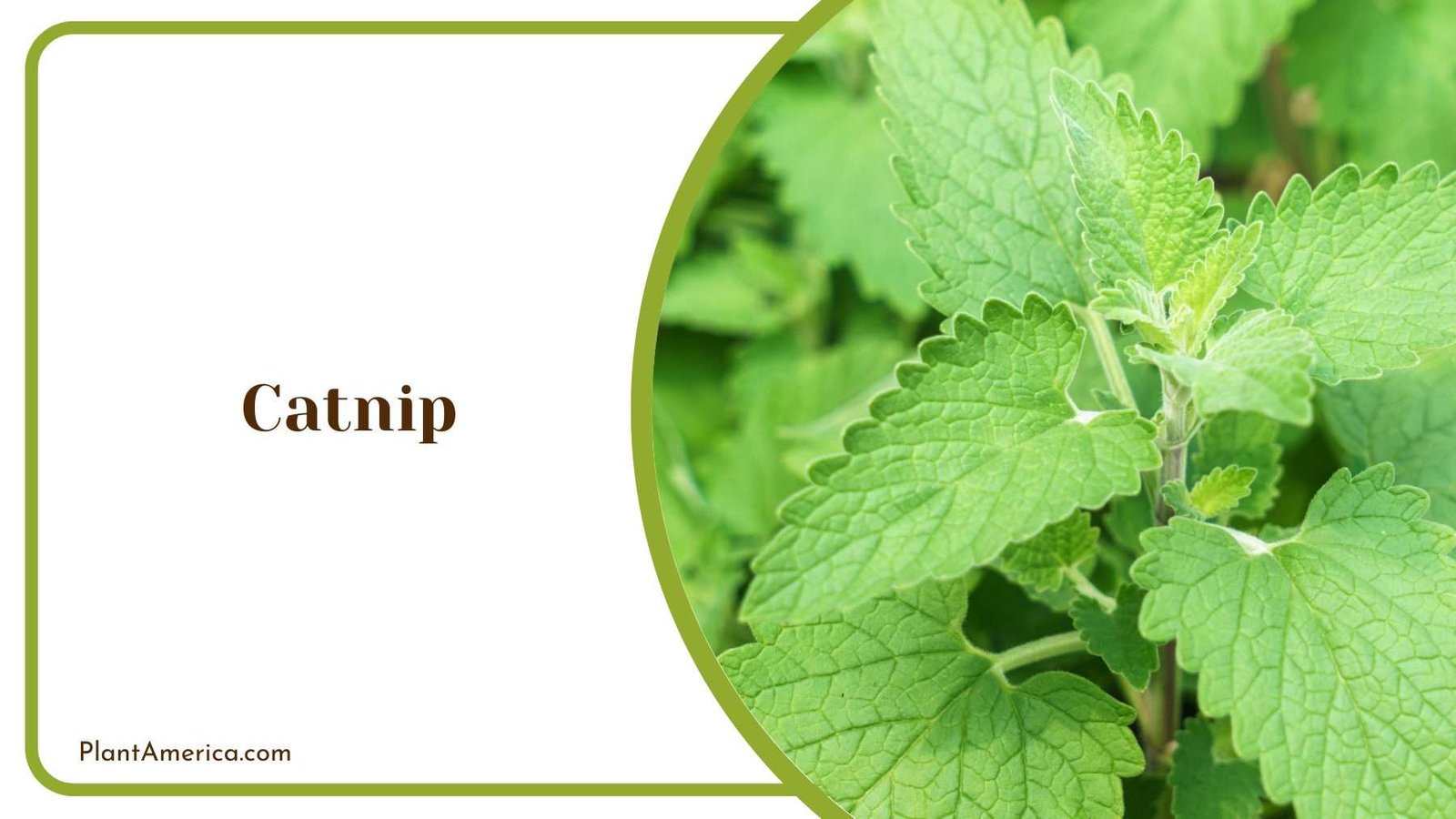
Fast-growing catnip serves dual purposes as a companion and wildlife plant. For gardens, its foliage deters pests like cabbage worms and Japanese beetles through protective organic compounds. As a member of the mint family, catnip also suppresses soilborne diseases with natural fungicides.
Catnip’s dense growth also suppresses soilborne diseases, releasing potent yet non-toxic fungicides from its expansive root system. Where established, soil remains healthy and richly nourishing for all plants. Its rapid spread quickly covers the ground, outcompeting unwanted weeds while creating microhabitats benefitting precious pollinators.
Beyond organic pest control, catnip attracts cats that roll in its leaves. Cats do so not just for enjoyment, but to help remove potentially parasitic skin pests from their coats. Afterward, as cats come and go, seeds cling tightly to fur being transported and redistributed widely. Come next season, new patches bloom across the landscape without risk of becoming invasive.
Requiring no inputs, catnip asks only sun and occasional water to thrive naturally without risks or inputs for humans. As a hardy perennial, it continues benefiting the ecosystem for many years before self-regulating. Private gardens and public green spaces alike benefit from its pest-repelling, pollinator-nurturing presence without costs or concerns.
By welcoming this dynamic duo of foliage and furry seed dispersers into the landscape, gardens gain organic defenses while wildlife gains nourishment.
Its mutually advantageous relationships exemplify how integrating native plants supports surrounding biodiversity through cyclical connections assisting all participants. Truly a companion coming with bountiful gifts for gardens and neighborhood natural communities alike.
15. Borage
- Growing season: Spring, Summer
- Leaf shape: Broadly Oval, Compound
- Specific needs: Full sun, Well draining soil
- Common pest: Japanese beetles, Bean beetle
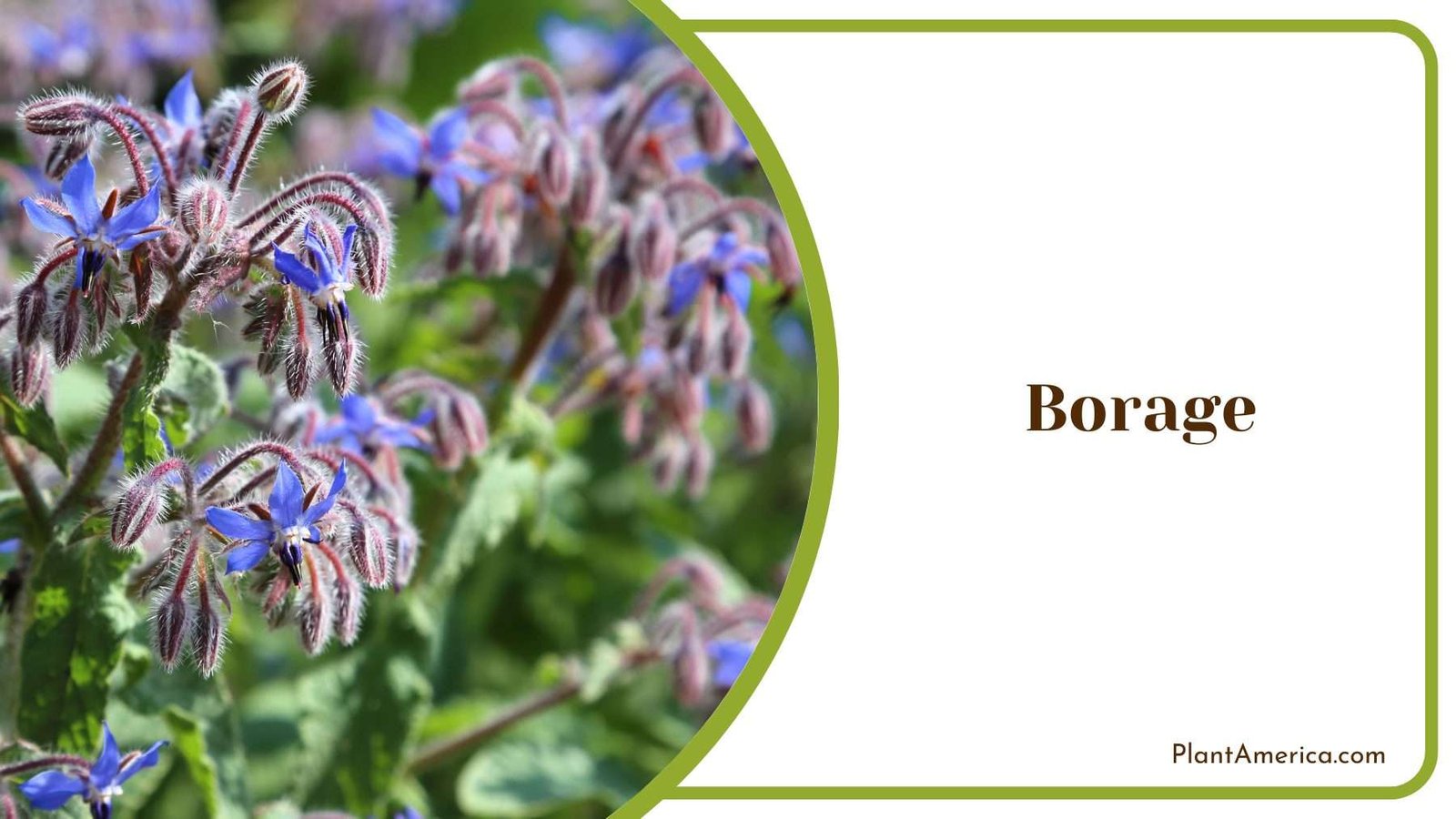
Borage is an excellent companion plant choice for brassicas in the garden. Often called the “bee plant,” borage attracts pollinators through its bold blue flowers, aiding in brassica production. Bees, butterflies and other beneficial insects are drawn to borage’s nectar, which helps increase pollination of nearby brassica crops.
Moreover, sowing borage at the base of brassicas deters pests like tomato hornworm and cabbage worm from damaging the main vegetable crop above. The presence of borage flowers and cucumber-flavored leaves add visual appeal and nutritional value when incorporated into mixed beds, borders and salads containing brassica greens.
As a highly attractive companion, borage not only boosts pollinator numbers but also repels damaging insects—making it a top pick for sowing amongst crops like cabbage, kale, broccoli and cauliflower to maximize brassica harvests..
16. Peas
- Growing season: Spring, Fall
- Leaf shape: Pinnately, Compound
- Specific needs: Full sun, Well draining soil
- Common pest: Aphids, Leafhopper
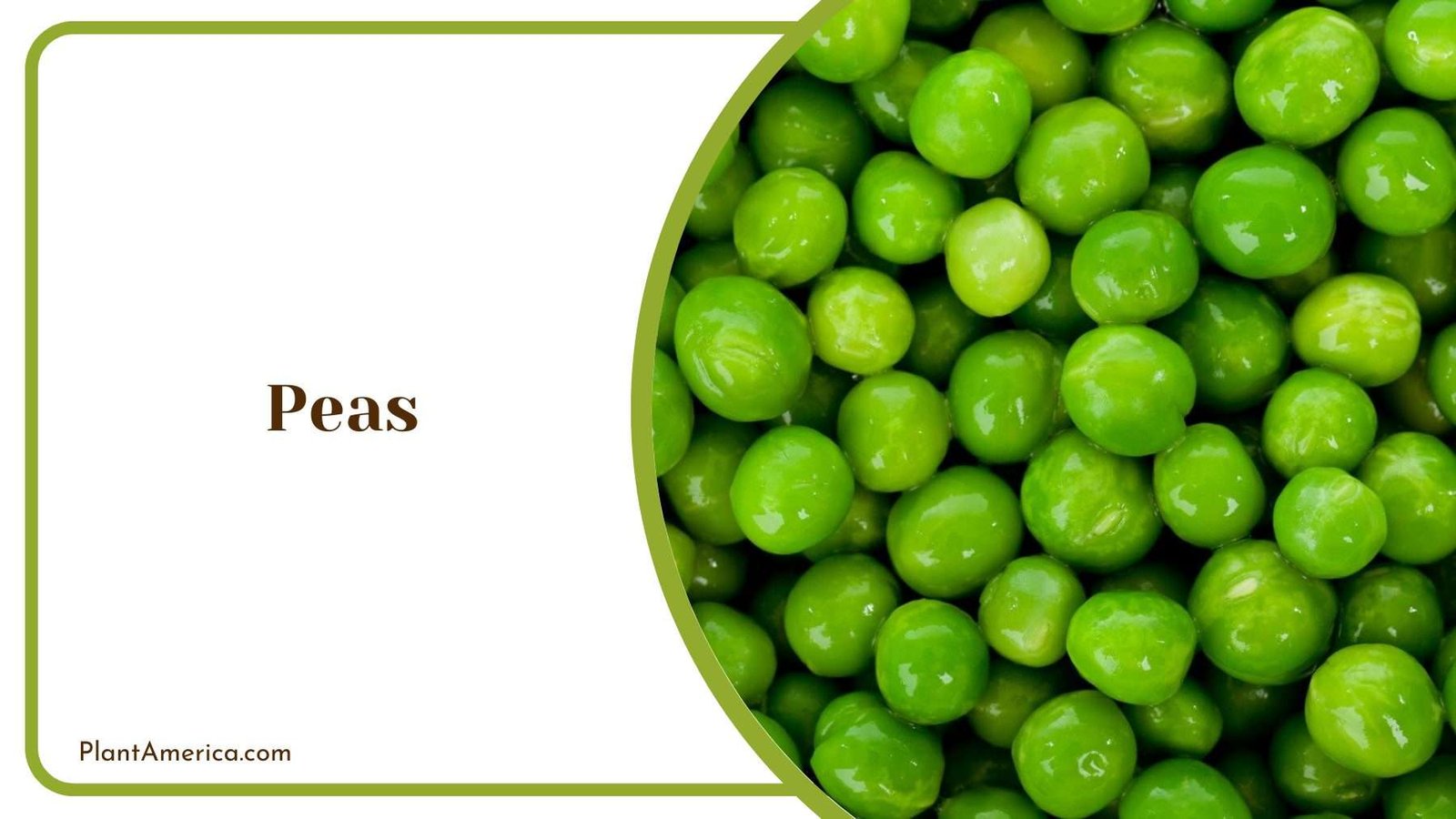
Peas contribute nitrogen to the soil through rhizobia bacteria improving conditions for heavy feeders. As legumes, their roots form nodules housing these microbes. When trellised with corn, peas shade the soil moderating temperatures and conserving moisture.
They also provide wind protection benefiting all plants within a polyculture. Interplanted with carrots, the pea vines trip nematodes drawn to carrot roots. Their dense foliage creates microhabitats for pest predator insects.
Peas provide an early season boost to the soil before slower-growing crops mature through their ability to fix nitrogen. Hardier pea varieties can withstand cooler temperatures when planted alongside broccoli and cabbage.
Peas fix nitrogen at shallow depths that many other cover crops cannot access through their linear root systems, which also help to aerify the soil without competing heavily with nearby plants for resources.
Tendrils on pea vines grip any supports keeping them off the ground where diseases may form more easily. Both legumes add seasonal balance and pest suppression benefits within a polyculture system through their nitrogen contributions that promote healthy, robust and pest-resistant growth in subsequent plantings.
After harvest, pea residues enrich the soil for following brassicas. Maturing quickly, peas are invaluable early season companions.
17. Dill
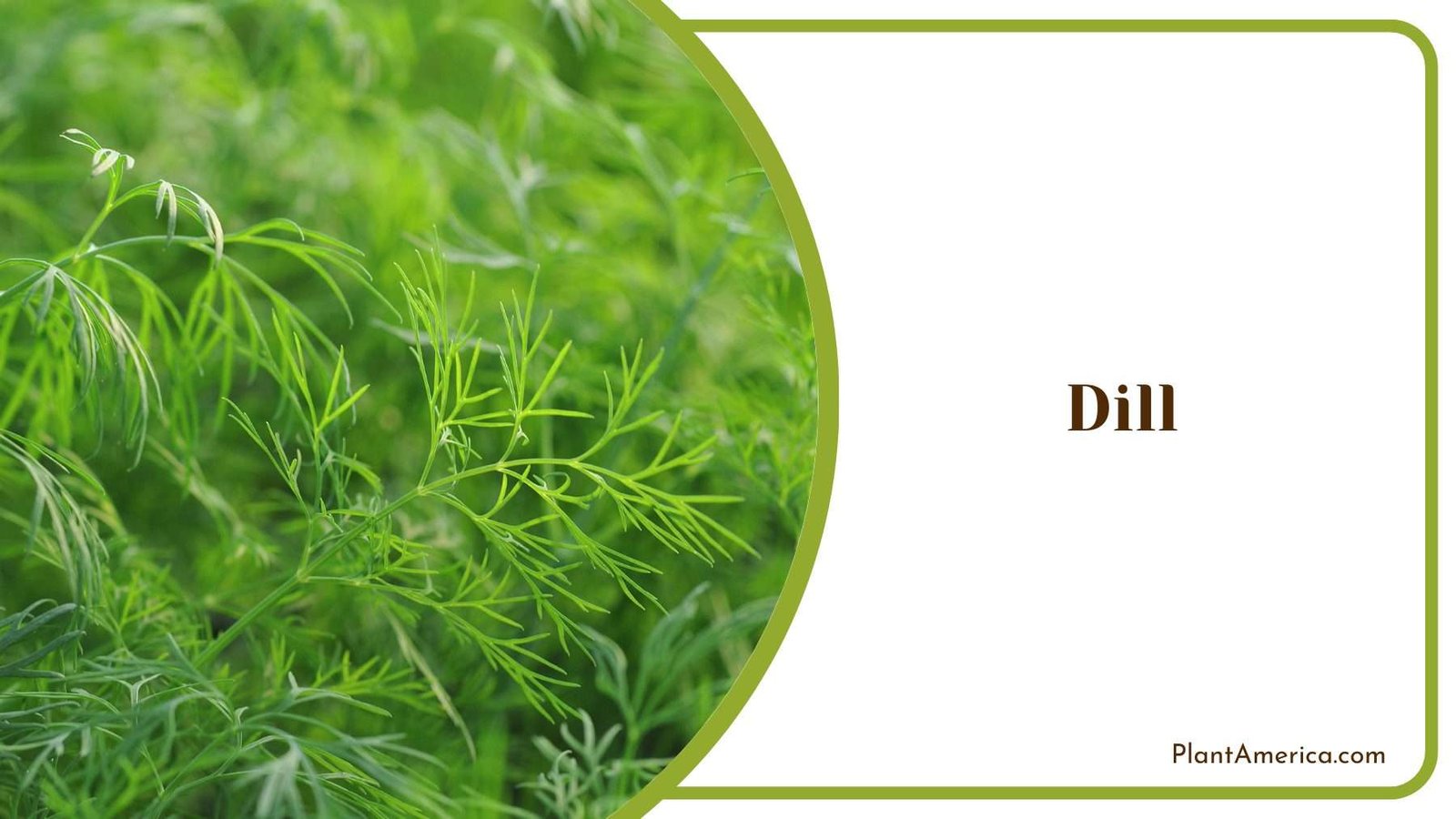
- Growing season: Spring, Fall
- Leaf shape: Finely divided, Feathery
- Specific needs: Full sun, Well draining soil
- Common pest: Aphids, Leaf miners
Dill lends its aromatic presence to the garden as an effective companion plant. Its delicate fronds deter many common pests from dining upon themselves and neighbors. Specific volatile oils released through dill’s foliage provide a scent deterrent repelling soft-bodied insects and shielding vegetable plants from invasion.
Supported by sturdy stakes, dill also acts as an visual barrier obstructing access. Interplanted amongst salad greens and cole crops, dill’s gentle demeanor belies a pest protective function supporting healthy growth throughout warm seasons.
18. Calendula
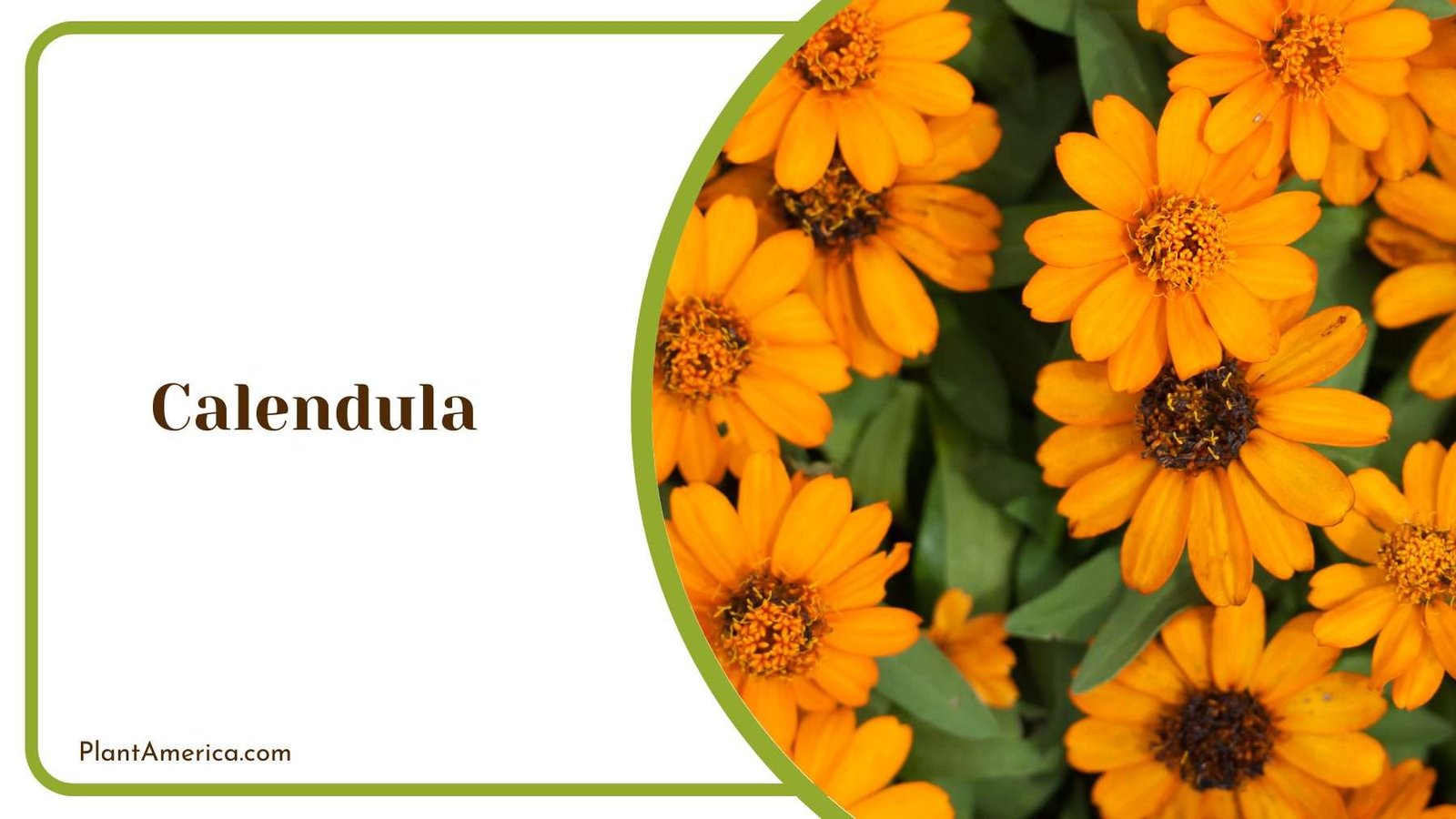
- Growing season: Spring, Fall
- Leaf shape: Narrow, Alternate
- Specific needs: Full sun, Well draining soil
- Common pests: Aphids, Slugs
Calendula crowns add cheerful pops of color throughout the growing season. Their bright orange and yellow blooms extending from daisy-like centers attract many beneficial insects to vegetable gardens such as parasitic wasps that prey on pest populations. While being ornamental, calendula also deters pests by producing aromatic oils and bitter compounds that repel many common plant-eating insects and discourage herbivory.
These volatile oils also act as a natural fungicide in surrounding soil, protecting crops from root rot and damping off diseases. As a member of the Asteraceae family, calendula exhibits medicinal properties as well.
Their petals contain carotenoids and flavonoids that have demonstrated antimicrobial effects. Planting calendula amongst vegetables takes advantage of these natural antibiotic and antifungal characteristics.
The easy to grow flowers establish quickly to provide season-long pest control to neighboring plants through visual, olfactory and biochemical deterrents. Their vibrant colors also enliven pollinator-friendly vegetable gardens through fall. Where calendula grows, beneficial insects abound and pests are scarce, helping crops achieve their full potential with minimal intervention.
19. Thyme
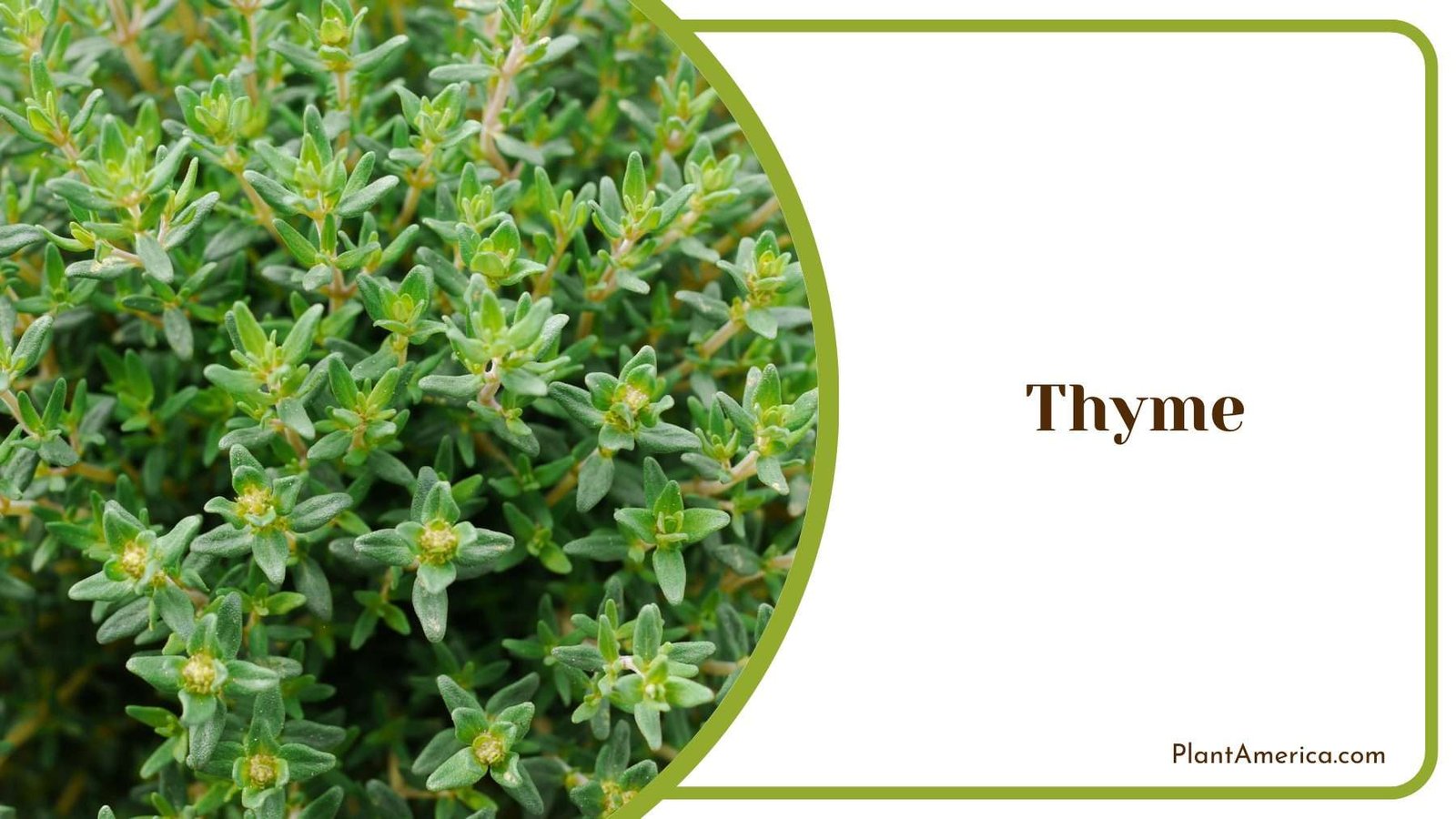
- Growing season: Spring, Fall
- Leaf shape: Hairless, Oval
- Specific needs: Full sun, Well draining soil
- Common pest: Aphids, Spider mites
Thyme forms an attractive low-growing groundcover that benefits vegetable gardens as an aromatic companion. Its subtle foliage releases essential oils with pesticidal properties through surrounding soils.
Specific volatile compounds like thymol work to control fungus gnats, flea beetles and other soil inhabiting insects that may damage crop roots. Interplanted throughout growing beds, thyme also deters herbivorous pests from consuming nearby plants through olfactory deterrence.
Come harvest time, thyme contributes more than just pest suppression. Its branches can be served for culinary use seasoning meats and vegetables grown within the same garden beds.
As a perennial herb, thyme will reliably overwinter and reestablish each year. When allowed to flower, it lures honey bees and other pollinators further propagating its pest protective services. Whether growing amongst crops or in borders, thyme brings natural pest control through forms beyond just its fragrant leaves.
20. Kohlrabi
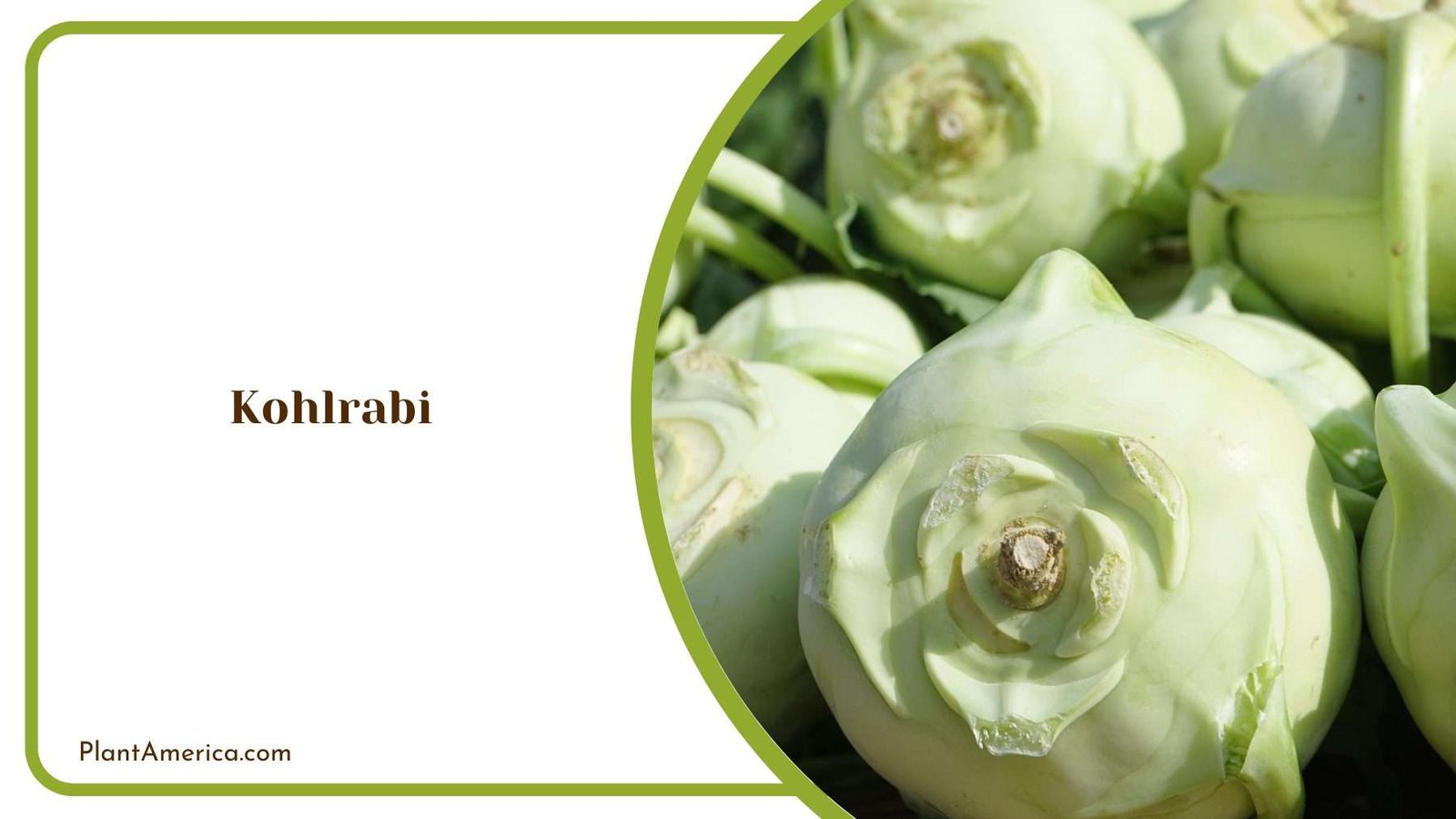
- Growing season: Spring, Fall
- Leaf shape: Fern-like, Compound
- Specific needs: Full sun, Well draining soil
- Common pest: Japanese beetles, Aphids
When growing various brassica vegetables together, kohlrabi makes an excellent companion plant choice. Though a brassica itself, kohlrabi helps deter pests that target other members of the cabbage family like broccoli, cauliflower, and brussels sprouts.
Its distinctive silhouette and foliage pattern disrupt the visual cues that insect pests use to locate their host plants. With kohlrabi intermingled among the garden, important brassicas are better hidden from flying pests like cabbage worms and loopers that lay their eggs specifically on brassicas.
As kohlrabi matures, its thick stems also physically block access to the more delicate brassica crops nearby. Larvae and other pests attracted to the area must navigate around or through the kohlrabi rather than having a direct path.
These mechanisms of visual confusion and physical obstruction help break the pest life cycle by disrupting egg-laying behaviors and making it more difficult for larvae to access tender brassica leaves and heads where they cause the most damage.
By planting kohlrabi amongst other brassicas like cabbage and broccoli, gardeners gain these pest control benefits without chemicals. Kohlrabi is also quick to mature so does not compete long-term for space, nutrients, or sunlight within the brassica patch.
Conclusion
Companion planting provides many natural ways for gardeners to support vegetable health and control pests without relying on chemicals.
- Leek leaves add beauty to the garden while their long, tower-like stems smother weeds and keep soil moist around crop roots.
- Oregano is an aromatic herb with a warm, peppery flavor that adds bold Mediterranean flavor to dishes and deters harmful pests in the garden.
- Basil is a staple in the kitchen garden and doubles as an excellent companion for nearby crops.
While no single method is foolproof, establishing diverse plant relationships saves work and reduces the risk of reliance on any one technique. With a dedication to ecological principles, anyone can achieve bountiful natural harvests surrounded by environmental allies. Well-chosen plant combinations cultivate self-sustaining garden prosperity for generations to come.