
“Are snake plants succulents?” is a common question that intrigues many plant owners and enthusiasts. The plants of the Asparagaceae family are indeed succulents because of their similar growing and physical characteristics.

They are hardy plants, meaning they need minimal care. Sit back and enjoy as we explain the mutual characteristics and factors that need to be considered for their care.
Are Snake Plants Succulents?
Yes, snake plants are succulents. They are evergreen perennials that can be categorized on their ability to survive in droughts, their fleshy, stiff, and pointy green leaves, slow growth rate, rhizome root system, easy propagation, and crassulacean acid metabolism photosynthesis.
– If They Are Drought Resistant
Snake plants are drought tolerant, meaning they can live up to many days without water. They fit in the succulents category because they belong to the dry regions of Africa and Asia that receive little to little rainfall.

If you are a snake plant owner, you might have noticed it doing reasonably well without being watered for up to a month. They make a great home addition if you are looking for low-maintenance plants.
You only need to water them when the soil has dried up, meaning watering them fortnightly is sufficient. They are susceptible to root suffocation if the growing medium is too dense, leading to root rot.
– Fleshy Leaves and Appearance
The plant is succulent because of its fleshy leaves, as the term succulent denotes ‘juicy’ and ‘cellular.’ Along with leaves, they have fleshy stems too. The leaves have silver or grey streaks running down. The leaves and stems contain water-holding cells.
You will find cinched or folded leaves, too; it does not mean that the plant is sick; it can simply mean that your plant is growing. The short stature is another way of telling if your snake plant is a succulent.
– Slow Growth Rate
The plants are slow-growers, meaning they grow only one to two inches per growing season. The slow growth rate is also an indication that they are indeed succulents. Since the plants are used to the harsh growing conditions, they focus their time on storing food and water rather than speeding up their growth.
You will notice two or four new leaves per growing season and a maximum of ten per year. They do not grow at all in winter when they enter their dormant stage. During their dormancy, they use the stored food and water to survive, which is why you do not need to water them in winter.
– Rhizome Roots
Like most succulents, snake plants have a rhizome root system. Their roots are twig-like stems that grow horizontally below the ground. You can tell the snake plant is healthy if the roots are firm and have a light orange hue.
The rhizomes can be distinguished from their white color when you clean the soil on top of them. The stem system also acts as a food reservoir and source for new plants. This implies that you do not have to fertilize them frequently.
– Propagation Through Leaf Cuttings
The plants are easily propagated through leaf cuttings, another trait for succulents. The clean leaf ends are set in a jar of water and placed in a sunny spot. The water is changed every two weeks. You will see roots emerging between one to four months. They are transferred to a cactus potting mix when they are one inch long.
– Crassulacean Acid Metabolism Photosynthesis
This unique feature comprises carbon fixation, common in succulent plants, meaning snake plants have it too. Such plants have few stomata that remain closed during the day and open at night.
If you are wondering what stomata are, they are cellular structures on the succulent leaf surface. They exchange water and gasses between the plant and the environment.
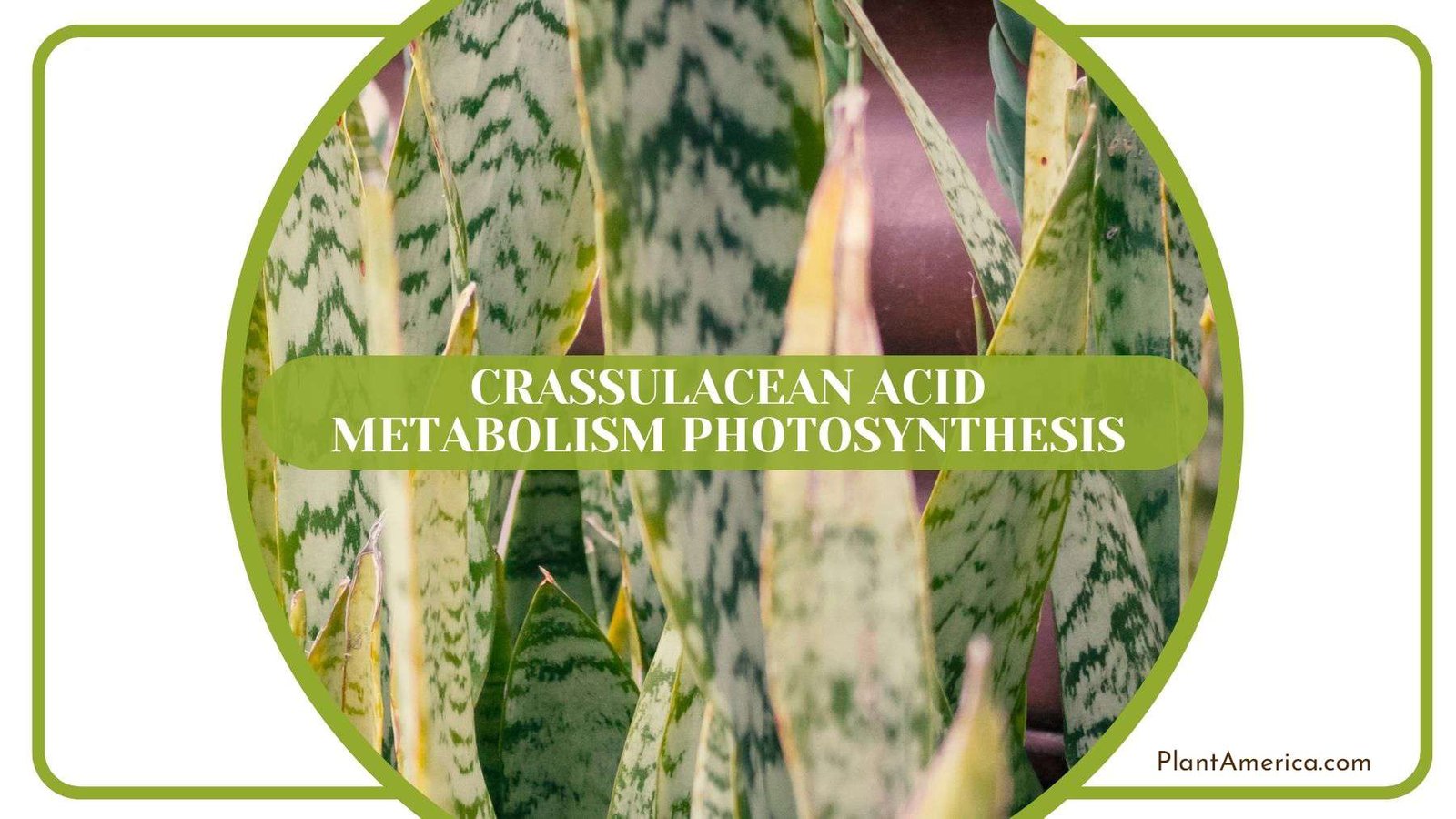
You can tell that your snake plant is succulent when you see it taking in carbon dioxide at night and unleashing oxygen. Such a characteristic makes your snake plant an air purifier. It also takes up harmful substances from the surrounding air, making it an excellent indoor plant candidate; you can place more than one snake plant for more significant benefits.
How Are Snake Plants Kept in Good Health?
Snake plants are kept in good health when you water them adequately, pot them in porous soil, provide adequate sunlight, place them in favorable temperature and humidity levels, prune them timely, know when to repot them, and treat and prevent pests.
– Water Adequately
As we mentioned, you only need to water your snake plant when the soil is arid. Overwatering is a common mistake made by gardeners while caring for the plants. Please check the moisture level of the plant every two weeks in winter.
Do not let it reach the stage where it becomes dry and brittle, or you might not be able to save it. You can water them every two weeks in spring and summer, their growing season. Remember that overwatering is the fastest way to kill your plant; it rots its shallow root system.
You can tell if you have overwatered your plant by looking at the color of its leaves; the yellow color indicates that the plants have become soggy.
– Proper Soil
Since your plant is native to rocky soil regions, it would be best if you pot it in porous and well-draining potting soil that is slightly acidic to slightly alkaline. It will also do well in sandier soils, making cactus potting mixes a good choice.
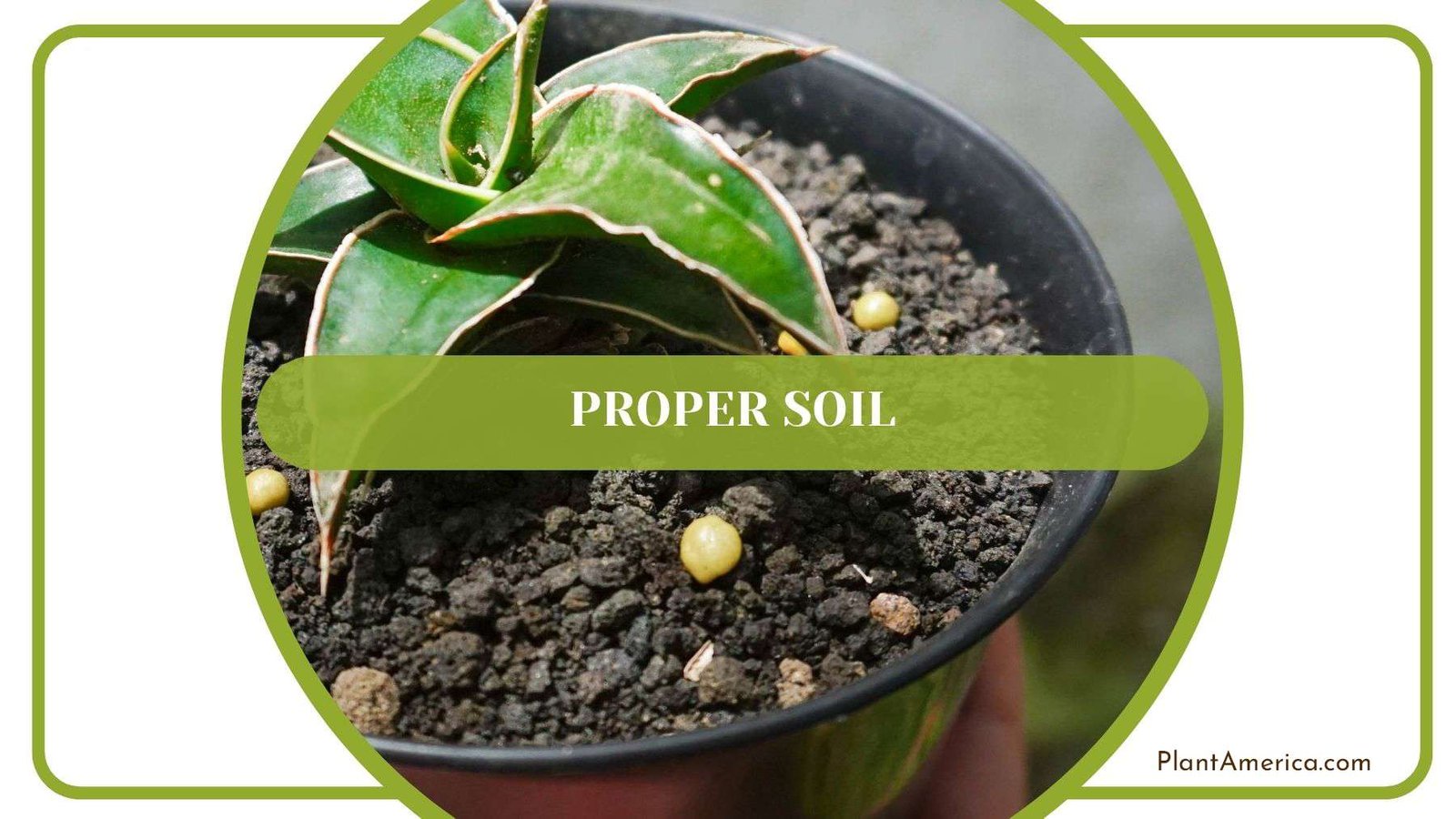
Avoid any soil containing increased peat content, as it can absorb too much water. A soil mixture containing clay, gravel, or perlite promotes air circulation. Remember that the snake plant takes up its essential nutrients from the potting soil.
Add all-purpose plant food in its growing season, but remember to add a small quantity as it is not a heavy feeder. You can include coconut fiber or compost in the potting soil, but be careful not to add too much.
The kind of soil you use for your plant makes or breaks it. The plant is not a fast grower, but If you notice no signs of growth at all, it means that it needs to get the nutrients it needs.
Keep a close eye on the roots, too. Brown and mushy sources indicate that the soil has retained too much water, so switching to another well-draining soil is better. Remember, plant care is critical!
– Adequate Light
The snake plant thrives in bright and warm sunlight and grows well in eight to ten hours of indirect sunlight. A few hours in the early morning sunlight is sufficient, too. The key is moderation; extreme sunlight can cause the leaves to become limp and, in worst-case scenarios, burn the plant.
You can place them in shade, but inadequate sunlight will slow their growth even more, slow the process of photosynthesis, and cause discoloration in their leaves. The windowsill is the perfect spot to place your plant. It can grow to several feet tall when given the preferred sunlight amount.
– Maintain Temperature and Humidity Levels
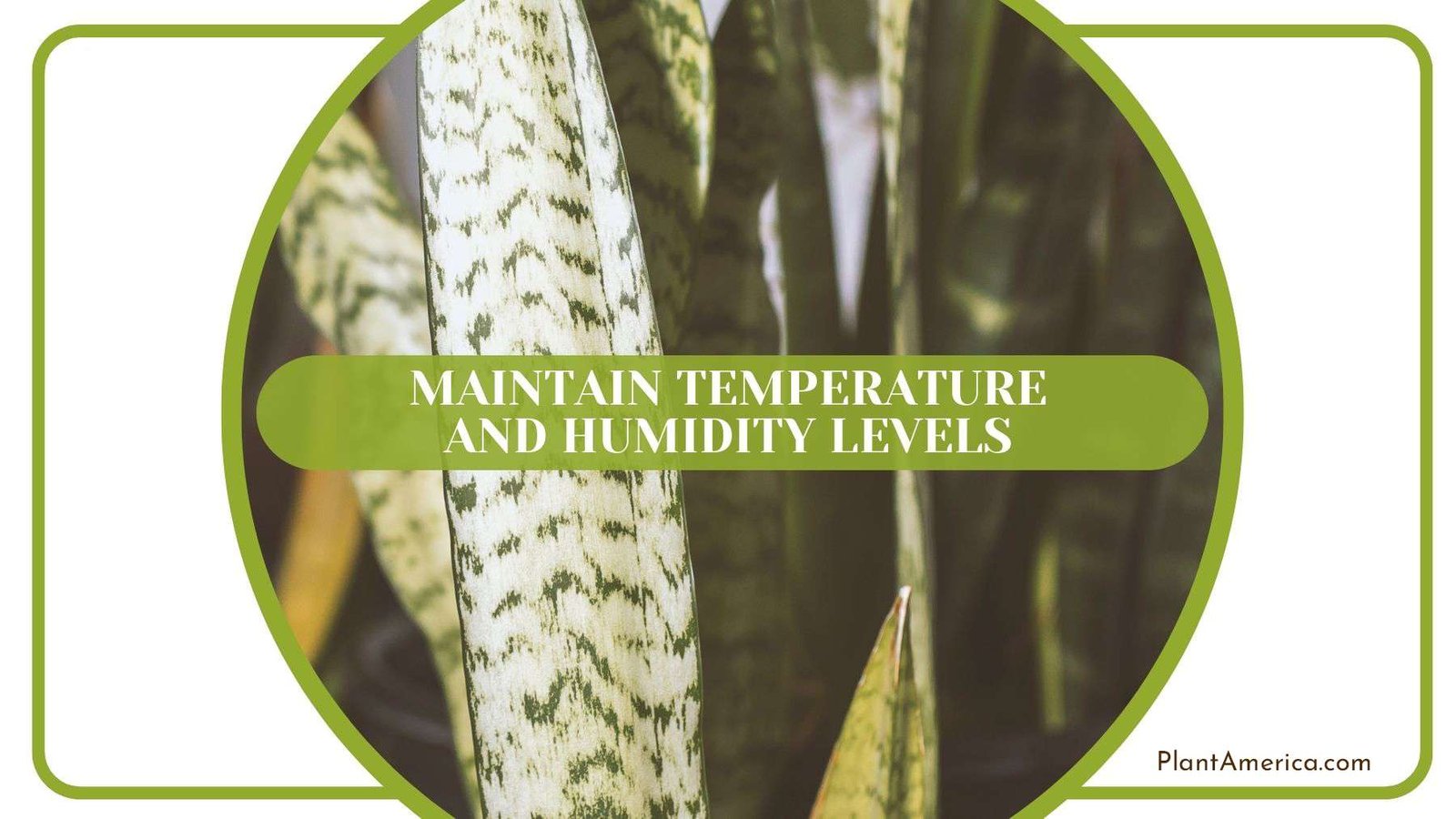
The plant thrives in temperatures between 70 to 90 degrees Fahrenheit. Even though it can resist droughts, it would be better not to expose them to them.
Please do not try growing them in frost-stricken regions, specifically regions below 50 degrees Fahrenheit, as such temperatures can kill them. Your average household humidity level between 30 to 50 percent is just fine.
– Occasional Pruning
The best time to prune your snake plant is in its growing season. Take a sterilized pair of pruning shears and cut the dead or discolored leaves; you can even remove the whole leaf if it has turned brown. Cut the damaged leaf to look like the leaf next to it for a more neat look. If pruning has been long overdue and the leaves are spilling over the pot, prune them to the soil.
– Know When to Repot
A snake plant can spend years growing in its current pot because of its slow growth rate. It is a forgiving plant and does not mind crowding as long as it is not rootbound. However, if it grows under direct sunlight, you might have to report it every three to five years, depending on the growth.
But if it grows in a low-light area, you might not need to repot it for as long as ten years. It is essential to ensure that you pot and repot your plant in terracotta pots with a drainage hole at the bottom as they allow the soil to dry more quickly as compared to plastic ones.
– Take Measures to Prevent and Treat Pests
The snake is less likely to carry pests, but if you see signs of infestation, isolate it from the rest of your plants as soon as possible. Apply horticultural oil for soft-bodied pests like aphids, scales, and mealybugs.

The oil works by suffocation so spray it directly on the pests. You can also use the oil as a preventative measure for fungi. You can also dunk a cotton swab in alcohol to remove the pests. Ensure that the alcohol is diluted; 70 percent works tremendously, and anything more than that can severely damage your plant.
– Overall Maintenance
You will see dust gathering on your plant because of the shape of the leaves. It is essential to consider if you are keeping the plant for aesthetics; otherwise, too. Another reason to remove dust is to avoid confusing it with an infestation.
Remove the dust daily so you do not have to deal with dust buildup. Dust it gently to avoid damaging or breaking the leaves. Also ensure good air circulation around the plant to prevent fungal issues and improve overall health.
Conclusion
Snake plants are beautiful succulents and are forgiving when it comes to taking care of them. Through our article, you have learned why they are considered succulents and how to take care of them, so let’s sum up the main points:
- You can tell snake plants are succulents just by looking at their fleshy green leaves.
- The plants can survive long without water, making it a low-maintenance plant.
- Ensure that you pot them in a porous and well-drained potting soil; dense soils can easily cause root rot.
- They can live in the same pot for years because of their slow growth rate, which most succulents do.
- They work as great indoor air purifiers, releasing oxygen at night and absorbing harmful materials from the surrounding air.
Observing such small aspects can help your snake plant thrive. If you weren’t already caring for it, now is the time to do so!