
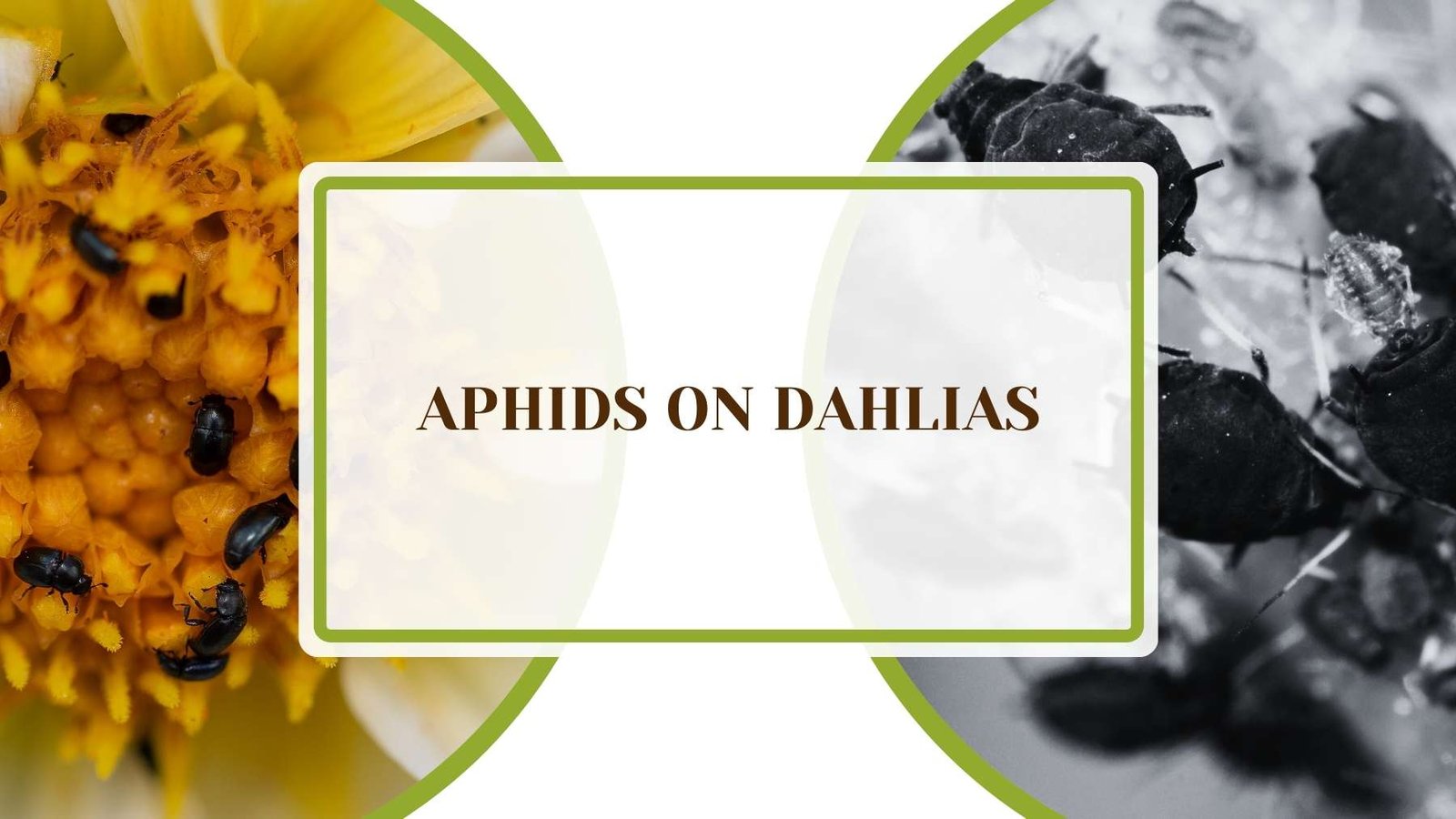
Aphids on dahlias are incredibly frustrating. These beautiful flowers don’t deserve to be spoiled, yet they tend to be attacked by quite a few pests each year.
 Join us and learn how to uncover the infestation in time, and revert to the beautiful and vibrant dahlia garden. The key is to be vigilant and know how to spot these sap suckers.
How To Identify Aphids on Dahlia Flowers
To identify aphids on dahlia flowers, keep your eyes peeled for plant malformations, a sticky substance around the plant, and ant activity. If you’re a plant enthusiast, you’re no stranger to these pear-shaped, soft-bodied insects sporting two tiny cornicles, their colors varying depending on the species and food source.
There are many pests dahlias have to deal with each year. Among these are spider mites, fungal gnats, and of course, aphids!
Aster root aphids, black bean aphids, foxglove aphids, green peach aphids, and melon aphids – these are just a handful of the diverse array of sap-sucking pests that can plague your flowers.
While they may appear sluggish and defenseless individually, aphid populations can explode in numbers. As their numbers grow, they generate winged adults to aid in further dispersion, and ants come to their aid, tending to and safeguarding them from predators in exchange for the sweet honeydew they produce.

A close examination of a dahlia flower, displayed horizontally, reveals an infestation of aphids, set against a softly blurred green backdrop. These tiny creatures seem to engage in rapid reproduction right before your eyes, with females capable of birthing live offspring without the need for mating.
It’s the damage they create that will make them easy to spot, so let’s see it all closely.
– Plant Malformations
These little critters have a penchant for gathering under leaves, along the stems, and even on the beautiful blooms of your dahlias. Don’t underestimate their destructive potential, especially if your dahlias are already in a weakened state. Aphids are opportunistic invaders, seeking refuge and causing infestations where plants are vulnerable.
Additionally, there is the risk of aphids transmitting harmful viruses to your cherished dahlias.
– Sticky Substance
Aphid activity can have another troublesome consequence, and that’s the sticky residue they leave behind — honeydew. This substance coats the leaves and stems of your dahlias, providing an ideal breeding ground for molds and fungal diseases, displaying themselves as dark, powdery layers on the foliage and stems.

– Ant Activity
One of the most apparent signs is the presence of ants actively moving on and around your dahlia plants. These ants are drawn to the sweet honeydew that aphids. They crawl along the stems, leaves, and blooms of your dahlias in search of this sugary substance.
Ants don’t just visit aphids for a casual snack; they actively farm them. If you observe ants tending to small groups of aphids, you may see them stroking the aphids’ bodies with their antennae. This action encourages aphids to release more honeydew, which the ants then collect and consume.
Take some time to observe your dahlia flowers closely. You may need to get down at the plant’s level and inspect the stems and undersides of leaves. Look for ants moving purposefully, often in single-file lines, and pay attention to any clusters of aphids nearby!
Getting Rid of Aphids on Dahlia Flowers
If your beloved dahlias fall victim to aphid infestations, there’s no need for undue concern. Dealing with these garden pests is quite manageable, thanks to various proven methods at your disposal. You’ll find an array of options to explore, ranging from natural remedies to chemical solutions.

– Remove Them Manually
If you spot only a handful of aphids, gently pluck them off individual leaves using the paper towel, and delicately eliminate squashing. To ensure no comeback, safely dispose of the collected aphids in a trash bag.
To fortify your defense against potential future aphid or ant invasions, employ a damp paper towel to wipe away any sap or residue from the dahlia leaves.
– Hose Them Down
When it comes to safeguarding your dahlias from aphids, gardening hose can present you with a valuable technique. Opt for the high-pressure setting to unleash a forceful stream of water capable of dislodging those unwanted pests. Exercise caution with the pressure, though — too much force can harm the delicate dahlia flowers.
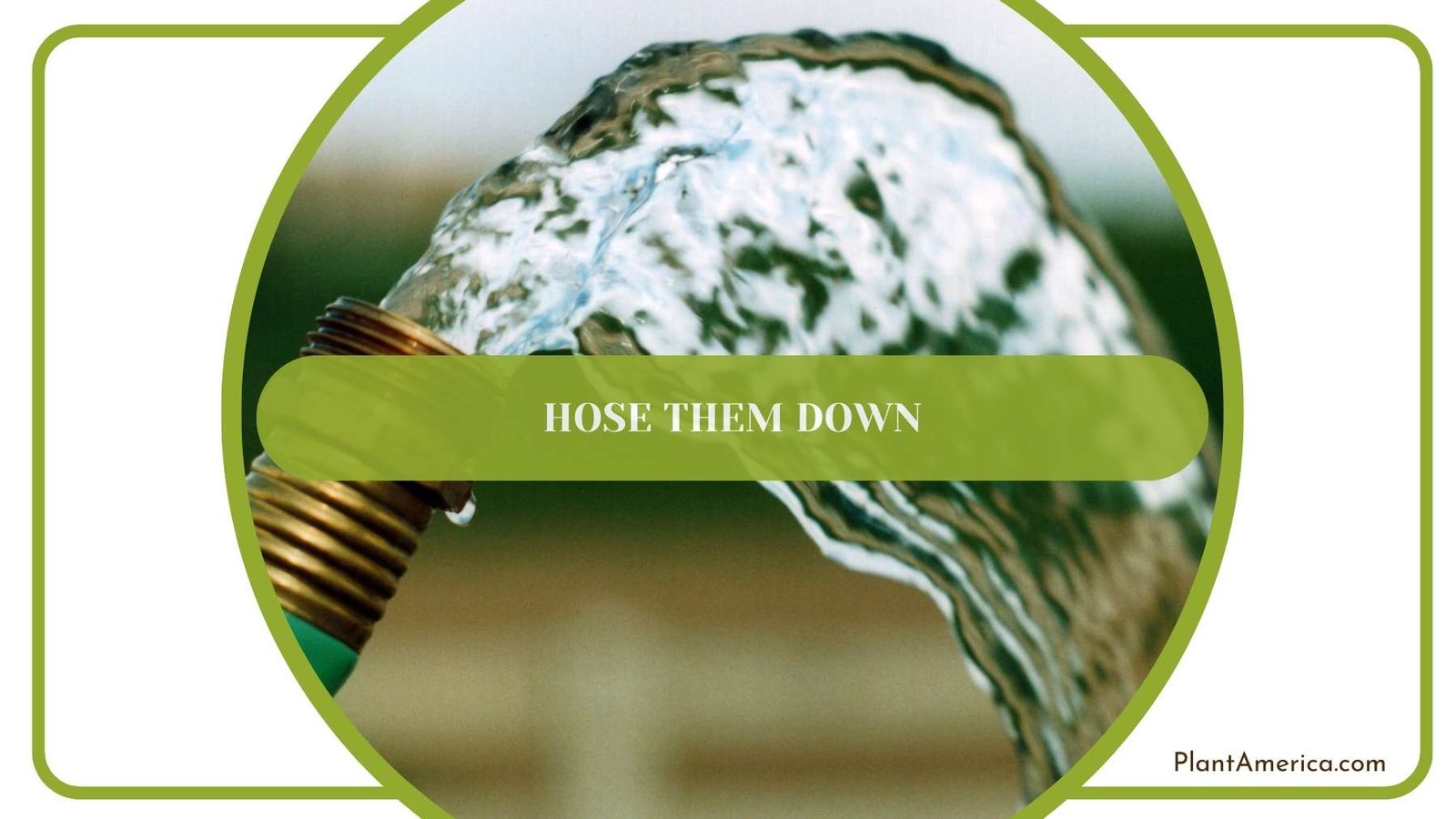
After the spraying session, allow the leaves to thoroughly air-dry. Come evening, repeat the process, and stick to this routine until the aphids have been successfully ousted. It’s advisable to continue this daily regimen until every last aphid has been eliminated.
– Use Insecticide Soap
A notable aphid population infesting your dahlias can call for a highly effective solution in the form of insecticidal soaps. These sprays excel at tackling significant numbers of soft-bodied insects like aphids while ensuring the safety of your dahlia plants, as well as the well-being of other creatures and humans.
Apply this solution in the morning until the aphid infestation starts to wane. Be patient, though, as visible results may take up to two weeks to fully manifest, and it’s important to note that the efficacy might not match that of chemical alternatives. Nonetheless, it offers a more natural and safe approach to combating aphids on your beloved dahlia flowers.

– Organic Recipe
For a more potent and organic approach to safeguarding your flowers, you can craft a specialized soapy water spray. Mix a few teaspoons of invigorating peppermint oil with water and soap. This intensified concoction is especially adept at tackling even the most resilient, hard-shelled aphids!
Whether you opt for the soap solution or the peppermint mixture, try to apply them during the early morning hours and allow them to remain on the foliage for no more than two hours. Extended exposure could potentially harm your delicate dahlia blooms.
– Diatomaceous Earth
This fine powder is a renowned champion when it comes to pest control in the world of dahlias. Its effectiveness extends beyond just warding off aphids — it’s a formidable opponent against a variety of other garden invaders.
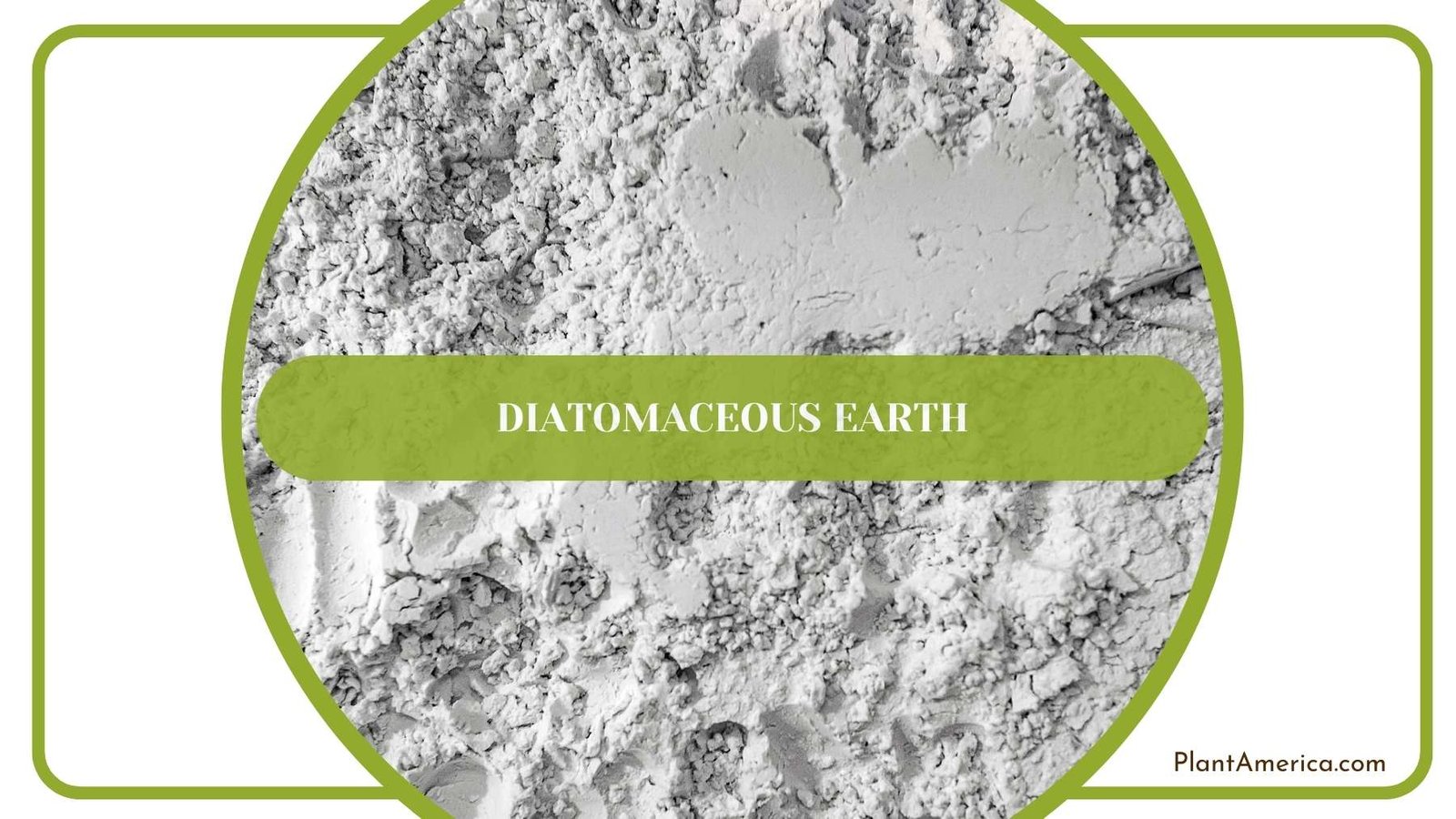
A word of caution here — When applying diatomaceous earth, be sure to wear protective gloves to shield your hands from direct contact with the powder. Once you’ve applied this remarkable substance, it’s time for a bit of cleanup. Take a gentle approach by using a soft cotton cloth or gloves to delicately remove both aphids and any residual powder clinging to your precious dahlia plants.
– Cut Back the Flowers
When faced with a dahlia garden overrun by aphids, a proactive approach involves the removal of entire sections of leaves and infected stems.
Begin by focusing on individual leaves as your initial step. Allow a day to pass and assess whether the aphids persist. If their presence lingers, contemplate the removal of a few more plant sections. Dahlias, much like other flowers, tend to respond positively to occasional pruning!
This hands-on method can help regain control over your dahlia garden and put an end to the aphid invasion.
– Beneficial Insects
Biological control measures find a worthy ally in predatorial insects! These natural defenders take center stage in reducing aphid populations and slowing down their rapid reproduction.
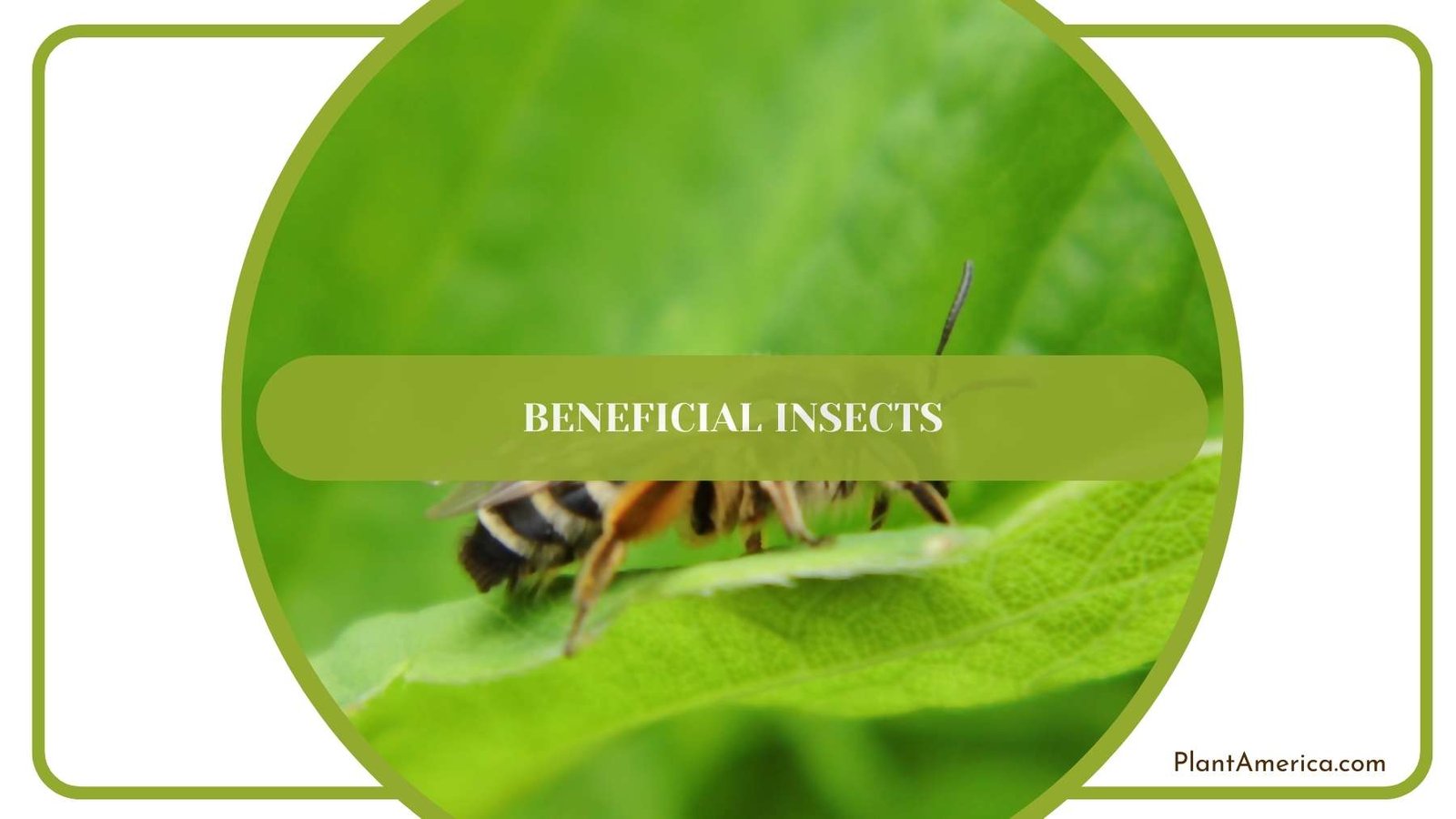
Plants like daisies, marigolds, and even your very own peonies serve as alluring hosts for ladybugs and hoverflies. Additionally, lacewings, voracious aphid predators, can be enticed to your garden by introducing flowering grasses. So, let these garden-friendly allies come to your dahlias’ rescue!
– Companion Plants
Consider putting an end to the practice of cultivating certain plants nearby that serve as magnets for aphids. This not only eradicates existing aphid populations but also acts as a deterrent to their resurgence. Asparagus, beans, corn, and even lettuce boast large, tender leaves that provide a hospitable sanctuary for aphids.
Among the less-than-ideal neighbors, you’ll also find peppers, potatoes, Brussels sprouts, and broccoli. If you’re adamant about maintaining these particular varieties, try to relocate them to a separate section of your garden. This strategic maneuver helps restrict aphids’ access to your precious dahlias.
Instead, consider introducing more aromatic alternatives in the vicinity of your vulnerable dahlias. Fragrant selections like oregano, chives, and garlic can be strategically planted. Even sage and basil have demonstrated success in deterring a diverse array of dahlia pests!

– Neem Oil
Dahlias can benefit from a strategic approach that utilizes cold-pressed neem tree oil, especially as a soil soak. This tailored solution is designed to combat aphids while safeguarding the well-being of beneficial insects like bees.
You’ll not only bolster your plant’s resilience but also effectively suppress aphid populations without inadvertently harming the helpful organisms that share your garden.
For a more immediate and targeted approach, consider the use of clarified hydrophobic neem tree oil, commonly found in commercial pesticides. With consistent and regular application, this technique progressively proves efficient in controlling aphids on your dahlias.
This oil is renowned for its safety and non-toxic nature, allowing for a bi-weekly preemptive application. Its gradual effects align perfectly with the goal of nurturing a thriving garden ecosystem!

– Use Commercial Pesticides
When dealing with persistent aphids in your dahlia garden, it’s worth contemplating the use of a systemic pesticide. These commercial compounds, often based on imidacloprid, pose no threat to humans or beneficial pollinators while effectively eliminating harmful insects like aphids.
Be patient, as the complete elimination of an aphid infestation may require several weeks of sustained treatment. Rest assured, these measures can help you reclaim the health and vibrancy of your beloved dahlia plants.
Conclusion
The battle against aphids on your dahlia flowers may seem daunting, but with the right knowledge and strategies, you can protect your beautiful blooms and restore your vibrant dahlia garden. Let’s check on what we’ve gone through:
- The key to successful aphid management is vigilance and the ability to spot the signs of infestation early on.
- Fortunately, there are numerous methods to combat aphids on your dahlias, ranging from manual removal and gentle hosing to the use of insecticidal soaps and organic solutions like peppermint oil.
- If aphids persist, consider pruning affected plant parts and introducing predatorial insects like ladybugs and lacewings to your garden.
- For a more systemic approach, systemic pesticides based on imidacloprid can be employed without posing a threat to humans or beneficial pollinators.
Don’t let these sap-sucking pests take the beauty out of your dahlia garden—take action and enjoy the vibrant blooms you deserve.