
Anthurium plowmanii plant of the Araceae family is often acquired by many gardeners due to its extremely attractive leaves. The Anthurium plowmanii leaves are grown for their beautiful wavy foliage.
With many Anthurium species being grown for their showy flowers, the Anthurium plowmanii plant is one of the few exceptions. Today, we will be exploring what makes this particular plant of the Anthurium genus such a popular houseplant, how to care for it for a long time, and how to propagate it.
What Is the Anthurium Plowmanii?
The Anthurium plowmanii plant belongs quite often to gardeners who collect specimens for their impressive foliage. While easy to care for, the plant can need some consideration in order for it to grow well and healthily. Growing the Anthurium plowmanii plant is really an amazing experience for many gardeners.
Anthurium Plowmanii Care
By understanding the basic needs and requirements of the anthurium plowmanii plant, we can easily keep it healthy and happy.
 Water Requirements
Watering the Anthurium plowmanii plant is simple and easy. The epiphytic nature of the plant allows it to draw moisture from almost anywhere. Frequent and light watering is preferable in contrast to heavy and abundant soaking.
If you live in a hot and dry area, you may need to water more frequently. Refrain from heavy watering when your watering activities are frequent, once every two to three days should be enough.
Additionally, if you live in areas where the climate has more rain than heat, you may need to water only when necessary. All you need to do to check if your plant needs watering is by checking the topsoil. If the topmost inch of your soil is dry, then it is time to water the soil.
As much as possible, do not allow your Anthurium plowmanii plant to become underwatered. Prolonged dehydration can cause the plant to brown at the tips. While the plant can tolerate infrequent days of drought, frequent and prolonged dehydration can cause the plant to perish.
Use rainwater if possible. If not possible, distilled water will do great. If you have an aquarium, water with fish dropping works incredibly well to hydrate the plant as well as nourish it with multiple nutrients.
 Light Requirements
The Anthurium plowmanii plant can tolerate high levels of bright indirect light, although it grows best when it is placed in the shade. Ideally, providing the plant with 75 to 80 percent shade can encourage them to grow better. Low light conditions can cause the plant to refrain from producing inflorescences.
If you want your Anthurium plowmanii plant to produce flowers, you can place it in an area that gets a lot of bright indirect light. You must keep the plant from direct sunlight as the harsh light can burn the foliage and the flowers.
You can also place your Anthurium plowmanii plant under the shade of a tree, which is an ideal location since this condition mimics the plant’s natural habitat. Nonetheless, if you do not have a tree, you can use shade cloths and nets that block 20 to 40 percent of sunlight.
Before you place your Anthurium plowmanii plant in its location, make sure to acclimate it. Doing so can avoid stress before transplanting or relocating your Anthurium plant.
However, if you are growing this plant indoors, provide it with grow light during the colder seasons of the year.
 Temperature Requirements
The Anthurium plowmanii plant grows best when the daytime temperatures average from 77 to 90 F. The most suitable nighttime temperature for the Anthurium plowmanii plant should be around 70 to 75 F.
Too high temperatures can cause the tips or the whole of the foliage to burn, on the contrary, the exposure to temperatures below 60 F, will cause the plant to perish. It is also equally important to keep your plant away from drafts coming from air conditioning units, heat ducts, and ventilator grills.

If you grow your Anthurium plowmanii plant in a container, you may want to bring it indoors when the weather gets cooler. This Anthurium plant loves warmth, so any cold exposure could cause this plant to perish. Nonetheless, greenhouses can work quite well to shelter the Anthurium plowmanii plant from cold temperatures.
The Anthurium plowmanii plant is an evergreen plant that can thrive exceptionally well in most conditions. However, being a warm-loving plant, the Anthurium plowmanii can be affected by extreme temperature fluctuations just like any other plant.
Cold weather can cause the Anthurium plowmanii plant to grow a little slower than usual. When this happens, you should attempt to have the plant exposed to the appropriate levels of light and heat. Doing so can help the plant refrain from hibernating, keeping its energy for growth in warmer seasons.
 Soil Requirements
The Anthurium plowmanii plant grows best in a potting medium that provides good aeration to its roots. Ideally, the potting medium should also provide good drainage while retaining some dampness to keep the roots of the Anthurium plowmanii plant hydrated.
A good potting medium needs to anchor the roots and the stems of the Anthurium plowmanii plant to keep it stable. Aside from keeping the plant from toppling over, the potting medium should provide sufficient levels of moisture, nutrients, and airflow.

The soil for your Anthurium plowmanii plant should not include heavy mixes like clay. An equal mix of garden soil, perlite, and garden sand can be a suitable soil mix for your plant.
You can even grow your Anthurium plowmanii plant in a soilless medium such as sphagnum moss or peat mixed in with perlite or sand. Organic matter such as tree fern chips, wood chips, and tree bark can make a wonderful potting medium.
You can make your own potting mix with equal parts of orchid substrate mix, charcoal chips, coco peat, and organic manure. Layer this mixture with some coconut husks and you can happily house your Anthurium plowmanii plant.
 Humidity Requirements
The Anthurium plowmanii plant thrives in high-humidity conditions. Air moisture levels should ideally be around 70 to 80 percent. However, many Anthurium plowmanii plants have also been successfully grown indoors where the humidity levels can become low. While they can be quite tolerant of extreme dryness, it is not recommended to keep them that way for extended periods of time.
Furthermore, you can do one of several methods to keep the Anthurium plowmanii plant exposed to high levels of air moisture content. The first method involves manually spraying the plant with a mister, this helps increase the humidity level of the air around the immediate vicinity of the plant. However, you may have to constantly mist if your air moisture level is very low.
On the other hand, the second method involves placing a wide, shallow tray filled with gravel under your potted Anthurium plowmanii plant. Make sure that the tray is wider than the plant container and that the gravel is slightly higher than the brim of the tray.
Fill the shallow tray with water, since the evaporating water helps keep the air humid around your Anthurium plowmanii plant. The gravel in the tray makes sure that the roots and soil of your Anthurium plowmanii plant do not come into contact with the water. Many have used this simple but effective method to great success.
However, the third method involves purchasing humidifiers to keep the air around your Anthurium plowmanii plant high with humidity.
 Fertilizer Requirements
The Anthurium plowmanii plant is not a heavy feeder and so does not require frequent doses of fertilizers. However, the plant can appreciate feedings from time to time, especially during its growth phases.
Slow-release fertilizers work wonderfully well for many Anthurium plants, the Anthurium plowmanii included. Anthurium root systems are quite sensitive to quick-release fertilizers, which are usually uncoated. These types of fertilizers can burn the sensitive roots of many Anthurium plants.

Liquid fertilizers may be used as long as the solutions are extremely diluted to prevent root burns. Most orchid foliar fertilizers can work well for Anthurium plants. You can fertilize once a month with a more diluted mixture.
The most ideal way to fertilize your Anthurium plowmanii plant without harming the plant is to use organic fertilizers. Water from aquariums is one of the best ways to nourish the plant without harming its sensitive root systems.
If you live in temperate areas where colder months are present, you should stop fertilizing your Anthurium plowmanii plant during this time.
 Pruning
Pruning the Anthurium plowmanii becomes necessary when the plant isn’t blooming much, hence you should start pruning for the leaves that are on top, and slowly come to the leaves at the bottom. Pruning will boost the growth of the plant and hence you will start seeing new blooms in a short period of time.
Propagation
The Anthurium plowmanii plant can be propagated in several ways, the first is through seeds. This may take some time and a lot of effort to ensure that the seeds will germinate and grow into mature plants.
The second method yields better viability through cutting. Stems from an Anthurium plowmanii plant that seems to grow aerial roots are the best candidates for the cutting method. Cut the leggy growth from the mother plant, and transplant it into a new pot with new soil.
This method encourages the mother plant to send out more shoots, promoting a bushier Anthurium plowmanii plant.
The third method is the easiest, which is through plant division, nevertheless, grown Anthurium plants will send up multiple shoots from the same pot. Carefully divide the new growths from the mother plant and transplant these into new pots containing new soils. The division provides your new growths with actively growing roots that encourage your new plants to grow faster.
Problems
The Anthurium plowmanii plant is a low-maintenance plant that normally does not have issues or get you anxious. However, there are several concerns we need to be aware of when growing the Anthurium plowmanii plant, such as:
– Pests
Thrips are one of the worst insects that could ever cause damage to your Anthurium plowmanii plant. Large brown streaks can occur, while severe infestations can lead to overall plant deformity.
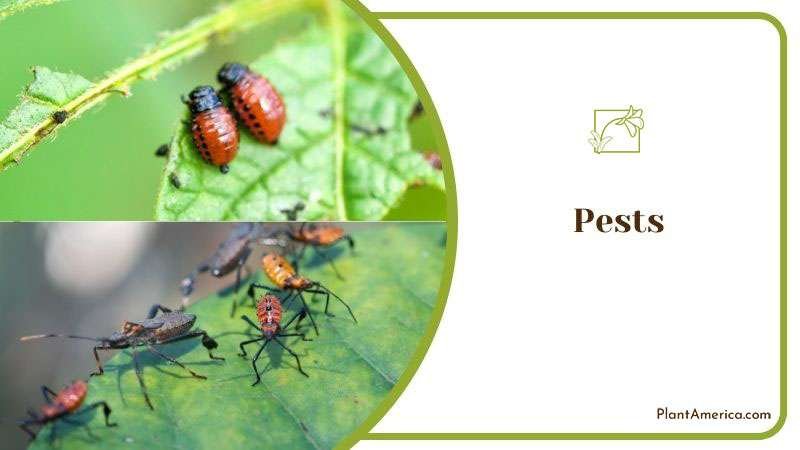
To eliminate further thrips infestations, trim and prune off all infected parts. Discard these parts separately from other plants to prevent spread, and use a mild insecticide according to the directions of the manufacturer. Furthermore, as an alternative, you can use insecticidal soap or a neem oil solution to get rid of thrips effectively.
– Anthurium Blight
The anthurium blight is caused by a bacterial infection with no known cure. Once a plant becomes infected with the blight, the disease and its spread become systemic. Anthurium blight is identifiable by yellow water-soaked lesions that are found along the leaf margins. These lesions quickly form dead lesions that are shaped like a V.
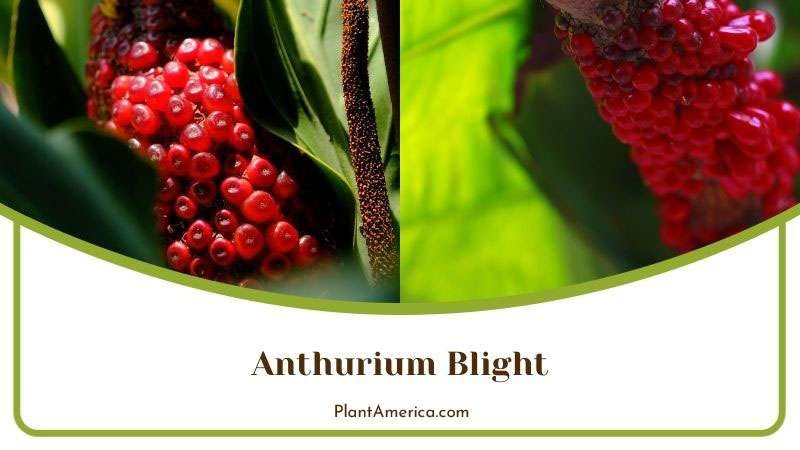
The best way to avoid Anthurium Blight is to keep your plants healthy by constantly monitoring for pests or infections. Once you suspect Anthurium Blight, isolate the plant immediately. It is recommended to completely eliminate the plant as well, keeping the soil away from other plants in case it too has bacterial spores.
Final note:
The Anthurium plowmanii has many common names, such as Anthurium Plowmanii Fruffles, Anthurium Wave of Love, Bird’s Nest Anthurium, and Wave of Love. Sometimes, this particular Anthurium cultivar is mistakenly called Anthurium Plowmanii Ruffles, and this is perhaps due to the ruffled edges of its leaves.
The plant eventually produces numerous red berries. Each berry usually produces one to two Anthurium plowmanii seeds.
The Anthurium plowmanii plant produces large velvety leaves that can reach up to seven feet long.