
Are zebra plants toxic to cats, is a query to wonder about if you have a feline and this plant, and would like to see them living in harmony. This plant is sometimes known as Haworthia plants; zebra plants are ones that you can place.
While not listed as a plant toxic by animal safety organizations, you must be able to take care of it. Continue reading this article to know the right approach one must take when your cat has consumed too many.
Are Zebra Plants Considered Toxic to Cats?
💥 No, zebra plants are not considered toxic to cats, they are generally safe for cats. However, it’s still crucial to monitor your cat around plants. Plant consumption can lead to stomach discomfort, including nausea, vomiting, diarrhea, or constipation, so let’s learn how to prevent this.
What Are Ways To Keep Your Cat from The Zebra Plants?
Ways to keep your cat away from zebra plants is to elevate the placement of the plant, and place physical barriers around it. In addition, you may also place cat deterrents or repellents as well, you may distract the cat, and provide proper training.
– Elevated Placement
Finding elevated spots for your zebra-plant is a clever tactic. Look for areas in your home that are inaccessible to your cat. High shelves, sturdy plant stands, or hanging baskets are ideal options. The goal is to position the plants where your cat can’t easily pounce on or knock them over.
Choosing stable surfaces prevents any accidental plant disasters. Placing the plants at elevated locations keeps them out of your cat’s reach and creates a visible barrier that may discourage daring jumps or climbing to teach the plant and bite too many of the leaves.
Moreover, cats are generally drawn to objects at eye level or within easy reach. The height difference can make the plants less appealing to them. Ensure that the chosen spot provides sufficient lighting for your zebra plants to thrive. With this strategy, you can enjoy the beauty of your plants while keeping them safely away from your cat’s mischief.
– Physical Barriers
You can protect your zebra plants from your curious cat using physical barriers. These barriers create obstacles that prevent your cat from reaching the plants. Installing baby gates in doorways or room entrances is an effective method. It restricts your cat’s access and keeps them separate from the plants.
You may also opt to ensure the gates are sturdy and tall enough to prevent cats from jumping over. Plant enclosures specifically designed for plants are another option. These enclosures provide a protective barrier around the plants, effectively keeping cats away.
It’s important to ensure the cages are securely installed and stable to prevent accidental access or toppling. Consider setting aside a designated cat-free room or area within your home, offering a safe space specifically for your zebra plants; for this, you can install cat doors that work equally fine in designating spaces your cat can enter.
Hanging your zebra plants in baskets from the ceiling or high hooks is another approach. This adds aesthetic appeal and keeps the plants out of your cat’s reach. Make sure the hanging mechanism is secure and the plants are positioned high enough.
Remember to choose a method that suits your home layout and your cat’s behavior. Some cats may be more persistent, so regularly check the effectiveness of the barriers and make adjustments as needed.
– Cat Deterrents
Using cat deterrents can do the trick to keep your curious cat away from your zebra plants. One great method is placing aluminum foil or double-sided tape around the plant’s base. Cats prefer to avoid the feel and sound of walking on these surfaces, which helps discourage them from getting too close, so you can wrap the foil or tape securely to keep it in place.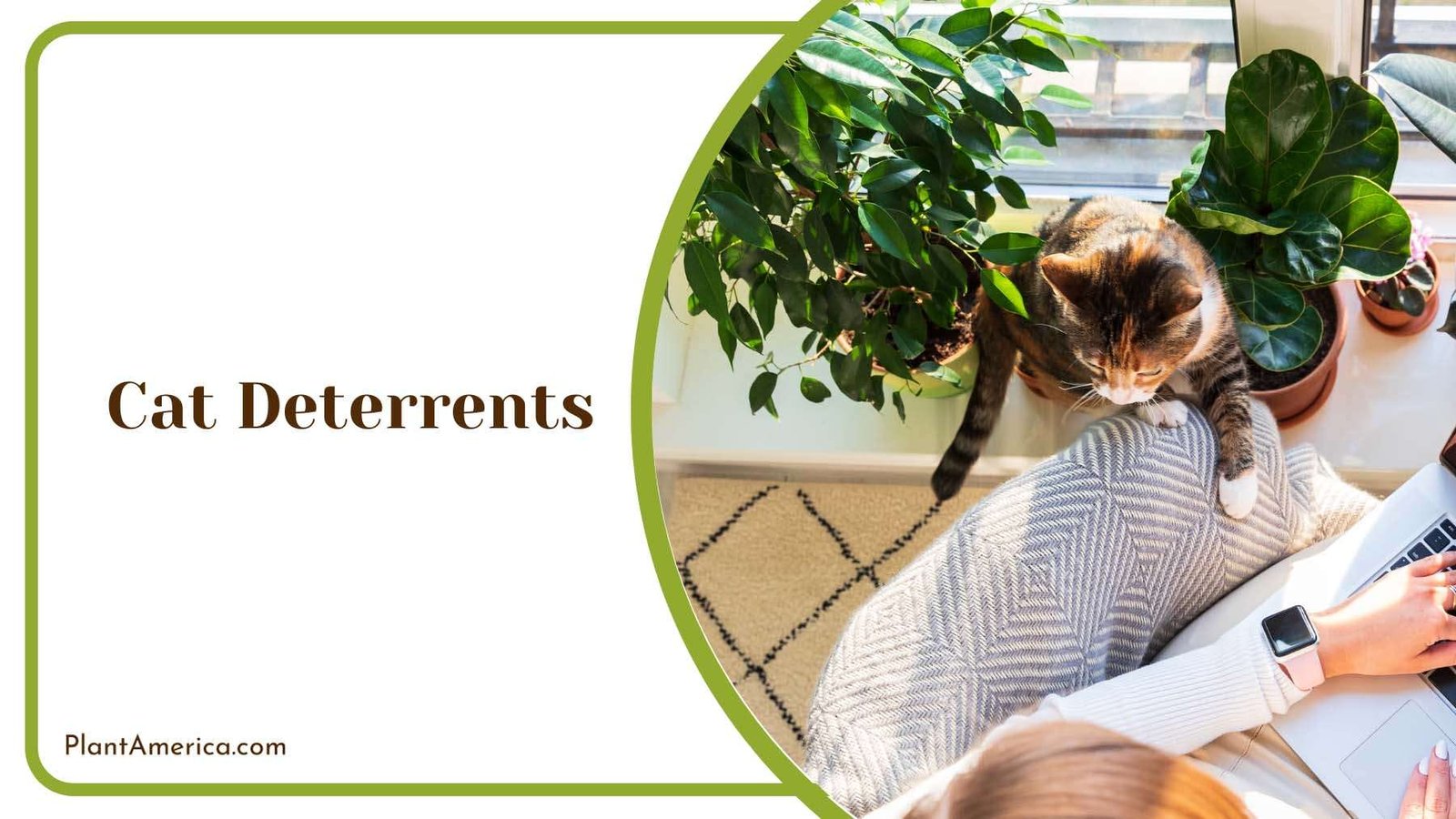
For aluminum foil, crimp up some strips to create a noisy surface. Then, carefully wrap it around the plant’s base, ensuring it covers the soil and acts as a barrier. The crinkling noise and unfamiliar sensation of the foil usually make cats think twice before approaching, and in short, you will see that they would be staying away, discouraged and uninterested in knowing the plant.
In addition, you can apply double-sided tape around the plant’s base or nearby surfaces. Cats don’t appreciate the stickiness on their paws, so they tend to steer clear of taped areas. Moreover, you can try to choose a tape that won’t harm your furniture or surfaces.
Remember to keep an eye on your cat’s reaction to these deterrents. Despite the measures, some cats may still be curious and attempt to investigate the plants. In those cases, you should combine this method with other strategies or seek additional solutions to protect your zebra plant from your feline friend’s curiosity.
Remember that while these deterrents can be effective, they should be used as a temporary solution until your cat learns to stay away from the plants. Consistent training, redirection, and alternative outlets for your cat’s natural behaviors are key for long-term success in keeping your zebra plants safe and your cat content.
– Cat Repellents
Cat repellents can help keep your cat away from zebra plants. These repellents emit scents that cats dislike, deterring them from approaching the treated area. Look for safe cat repellent sprays or granules to ensure safe plant care, you can spray some that have citrus flavor, and this is what will keep your feline away from the plant.
To use a spray, carefully follow the manufacturer’s instructions. Typically, you’ll spray it around the base of your plants or on the surrounding soil. Apply it generously for a strong scent that repels your cat from any risk of them eating too many of the leaves.
For granules, simply sprinkle them around the plants. The odor released by the granules is unappealing to cats, acting as a deterrent. Check the product label for application guidelines, and remember to reapply cat repellents periodically, especially after watering or rain, as the scent can fade. Ensure the product is safe for plants and follow any precautions mentioned.
While some suggest using coffee as a natural cat repellent due to its strong smell, its effectiveness varies among cats. Some cats may not mind the smell, and a few might even be attracted. Be mindful how coffee grounds are not recommended as they can be toxic to cats in large amounts. The caffeine and other compounds in coffee can harm cats, causing restlessness, rapid breathing, increased heart rate, tremors, and seizures.
For safe and effective cat repellents, choosing commercially available products designed specifically for this purpose is best. These products use safe ingredients to deter cats without posing health risks. Always follow the instructions and consult your vet if you have any concerns.
– Distract the Cat
Cats’ curiosity may make them intrigued by or chew on your zebra plant. To address this, offer suitable alternatives that redirect their attention and fulfill their instincts.
For one, you can start by growing cat grass, available in pet stores or as seeds. It provides a safe and appealing alternative for your cat to nibble on, aiding digestion and providing necessary fiber. Place it in an easily accessible area.
Introduce other cat-safe indoor plants with which your feline friend can interact, such as spider plants, catnip, and catmint, and distract them from the zebra plant. Ensure these plants are non-toxic and safe for nibbling or rubbing against.
You can also try to engage your cat in interactive play sessions using feather wands, laser pointers, or puzzle toys. This is why you must set some regular playtime that would stimulate them mentally and physically, satisfying their hunting instincts.
To divert your cat’s attention from zebra plants, provide scratching posts nearby or in their frequented areas. Use toys or treats to attract them to the posts. Scratching posts fulfill their natural scratching urge and help deter them from the zebra plants.
– Provide Proper Training
Positive reinforcement is key when dealing with your cat’s interest in zebra plants. Reward your cat for appropriate behavior around the plants. When your cat ignores or shows no interest in the plants, provide verbal praise, petting, or a small treat to acknowledge their good behavior. Be consistent and repeat this positive reinforcement approach when your cat approaches the plants.
To divert your cat’s attention, offer an alternative activity. Use toys, interactive play, or puzzle feeders with treats to keep them engaged, to drive their attention from wanting to discover the zebra plant. In addition, this redirects their focus and teaches them acceptable alternatives to messing with the plants.
Consistency is important, so repeat these training and distraction techniques when your cat shows interest in the plants. Over time, they will learn that engaging in other activities and leaving the plants alone leads to positive outcomes.
You should also work on providing some environmental enrichment, so you can offer scratching posts, interactive toys, and vertical spaces for climbing. This keeps them mentally and physically stimulated, reducing boredom and the likelihood of targeting the plants.
Creating safe zones or designated play areas can also help. Set up a cozy cat bed, provide toys, and place scratching posts in these areas to encourage positive behaviors and keep them away from the plants.
Training takes time and patience, and remember how each cat is unique, so understanding and following desired behavior may take a while. Stay consistent, use positive reinforcement, and provide alternative outlets for their energy. This creates an environment where your cat learns to leave the zebra plant untouched.
If your cat has consumed parts of a zebra plant and displays symptoms like vomiting or breathing issues, it’s crucial to consult a veterinarian promptly. Reach out to your vet, sharing details about the specific plant ingested, for proper guidance and assistance.
FAQ
– Is Zebra Plant Toxic to Humans?
No, a zebra plant poses no toxicity risks to humans. They are safe and non-toxic if ingested or touched. Nonetheless, it’s recommended to minimize contact and ingestion of plants unnecessarily, and practicing good hand hygiene after handling them is advisable.
Conclusion
While zebra plants are generally harmless, it’s still best to keep your cat away from nibbling plants, let’s do a quick run-through:
- Place zebra plants and other plants on elevated areas or provide physical barriers.
- You can use cat deterrents and repellents to protect your cat from your plants.
- So, if you want to protect your zebra plant from your curious cat and ensure it stays intact, consider the right steps, like placing cat repellents, or adding physical barriers in case you end up with toxic plants.
- Finally, train and distract your cat, so it doesn’t end up eating your plants.
Now that you know that the zebra plant toxic status is a myth and how to prevent cats from eating them, you might end up with a healthy cat, a clean home, and a relaxing time enjoying both.