
Mealybugs on holly bushes aren’t a pretty sight, considering how much these beautiful ornamental shrubs can mean in our landscape design. Many pests attack these evergreens, but none leave such a mark as this whitish menace!
 Learn all about how to recognize and deal with them. This guide has the best and most eco-friendly practices out there.
How To Identify Mealybugs on Ornamental Shrubs
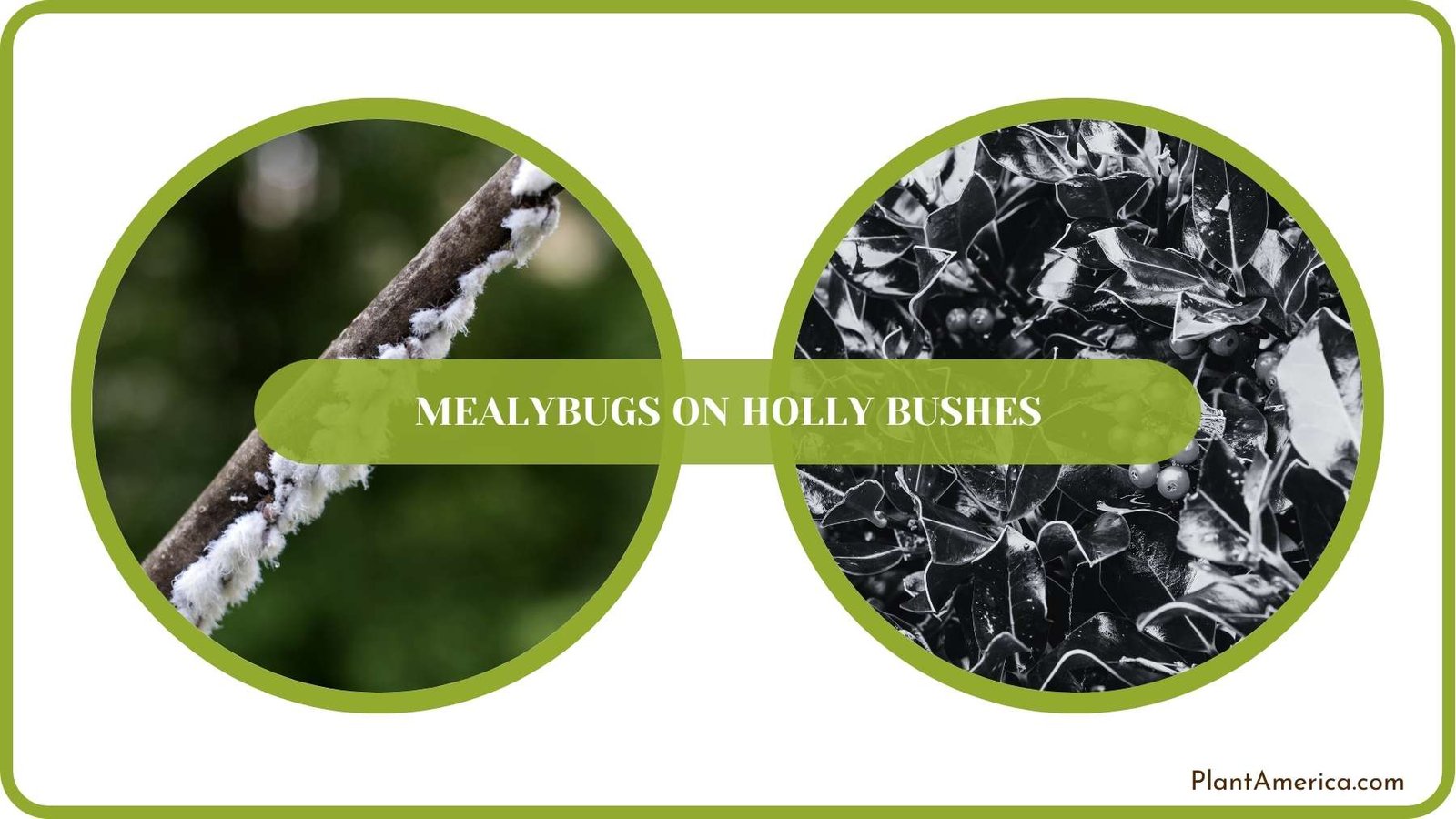
To identify mealybugs on ornamental shrubs, pay attention to these pale bugs that can be as small as an eighth of an inch in length and are soft-bodied, flightless insects. What distinguishes them is their distinctive white or yellowish powdery wax coating that covers their somewhat flattened, oval-shaped bodies.
Depending on the species, they may sport elongated, waxy filaments along their body margins. Most species deposit their eggs within cottony egg sacs firmly attached to plants. Mealybugs exhibit a slow, deliberate pace.

Mealybugs are typically more prevalent on indoor and greenhouse-grown plants, though they can also infest specific outdoor landscape plants and potted varieties, such as your holly shrubs and trees.
They often target young plant tissue in the tips of plant shoots, and severe infestations can cause distortion in leaves and stems. The accumulation of wax discarded exoskeletons, and cottony egg sacs, along with the ensuing honeydew and powdery mold, creates an unsightly appearance.
It is this damage that they make that will make them easily recognizable even in the early stages of infestation, so let’s learn how to read the signs!
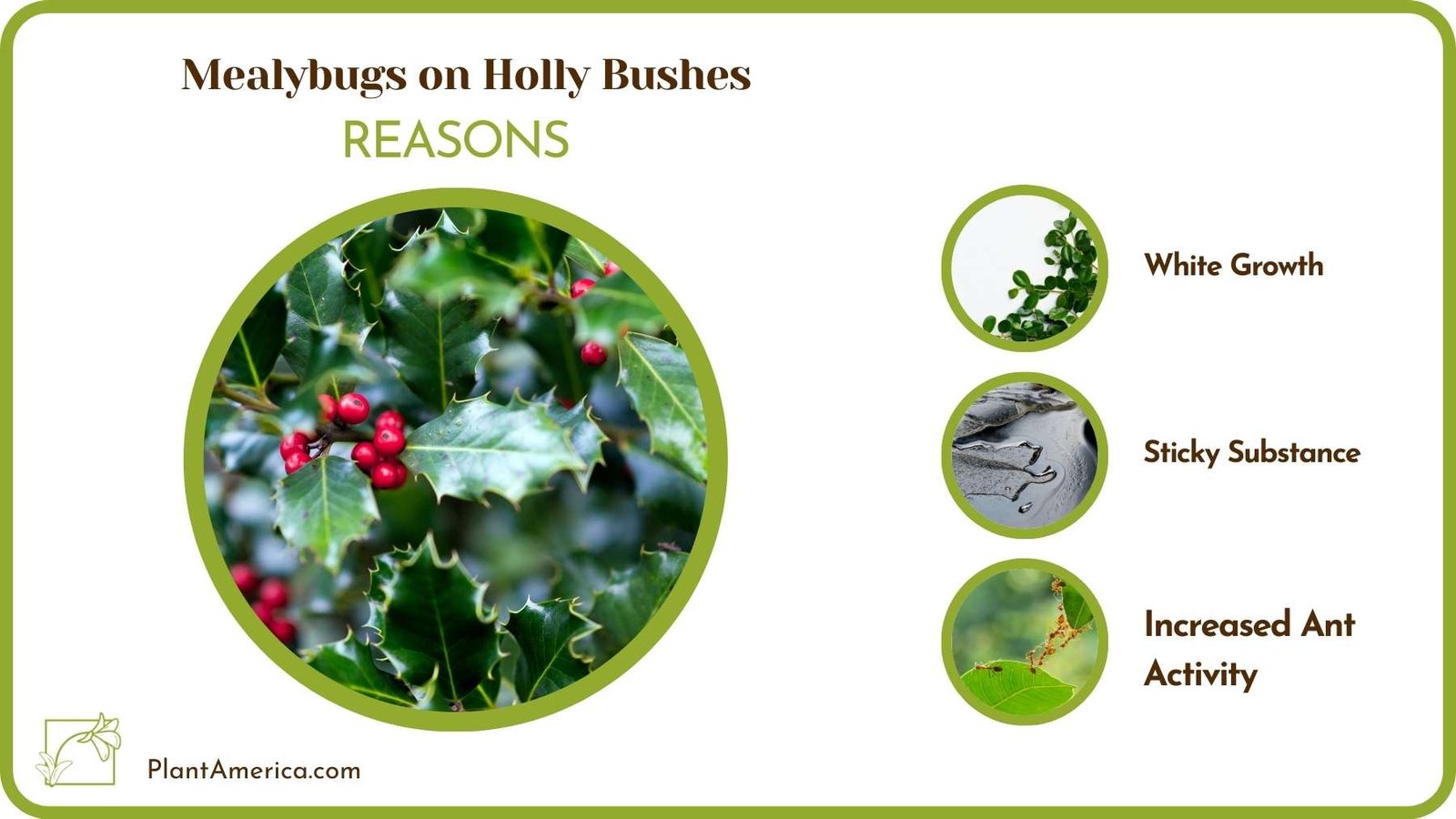
– White Growth
Mealybugs sure don’t discriminate when it comes to accommodation — leaves, stems, and even holly berries serve as their colony’s building blocks. These clusters might trick you into thinking they’re just pretty delicate fluff patches, but don’t be fooled by their innocent appearance.
These white or pale-colored fluff gatherings play a double role — they act as a protective fortress, shielding the little insects from harsh weather and potential predators, and as a launchpad for their sap-sucking escapades!
– Sticky Substance
When it comes to dead giveaways, there’s one thing that unmistakably screams mealybugs. It’s the sticky, sweet evidence they leave behind — a substance known as honeydew. It’s the sugary remnants of plant sap that mealybugs couldn’t quite finish off.

So, keep your eyes peeled for any glossy, sticky patches on your holly shrubs. But here’s where things take a sinister turn — honeydew becomes the VIP lounge for fungal infection, the sooty mold. It’s like a powdery mildew’s dark twin, casting a shadow over your once-vibrant shrubs.
Keep a close watch for any strange growths or color changes on your shrubs. Catching the mold in action allows you to tackle the mealybug problem before it spirals out of control.
– Increased Ant Activity
In this holly shrub drama, there’s an unexpected star — ants. These industrious insects are drawn to the sweet, syrupy honeydew. It’s like a buffet for them, and they can’t resist its sugary allure.
And ants won’t just stop by for a quick snack — they become devoted mealybug stewards. They actively tend to these pests, almost like bodyguards, shielding them from natural enemies.
This ant-mealybug connection acts as a clear warning. It’s your cue to roll up your sleeves, grab a magnifying glass, and dive into some mealybug detective work. Time to inspect closely and put in place your mealybug prevention plan before things get out of hand!
How To Get Rid of Mealybugs on Your Holly Trees
To get rid of mealybugs on your holly trees, try washing them off with a hose. You can also use rubbing alcohol, neem oil, soapy solutions, or diatomaceous earth. Alternatively, introducing beneficial insects to the garden is also a good solution.
Speaking of prevention plans, there’s a lineup of strategies at your disposal to keep these sneaky intruders in check. From the tried-and-true water-based remedies to the intriguing world of biological warfare, where natural predators come to your rescue, let’s delve into these mealybug prevention techniques and embark on a journey of determined action!
– Wash Them Off
Banishing mealybugs from your holly shrubs involves a strategic water-powered eviction. These tiny intruders cling tenaciously to your plants, but it’s nothing the sheer force of water can’t disrupt!
Opt for a time when the sun’s rays are gentle, avoiding unnecessary stress on your beloved holly tree. Typically, the early morning or late afternoon provides the perfect window. Now, arm yourself with a hose decked out with a trusty spray nozzle, and unleash a strong stream. Leave no leaf unturned as you meticulously drench your shrub.
Depending on the severity of the mealybug invasion, you might need to repeat this cleansing ritual multiple times, spanning several days or even weeks. It’s a battle of persistence and patience!
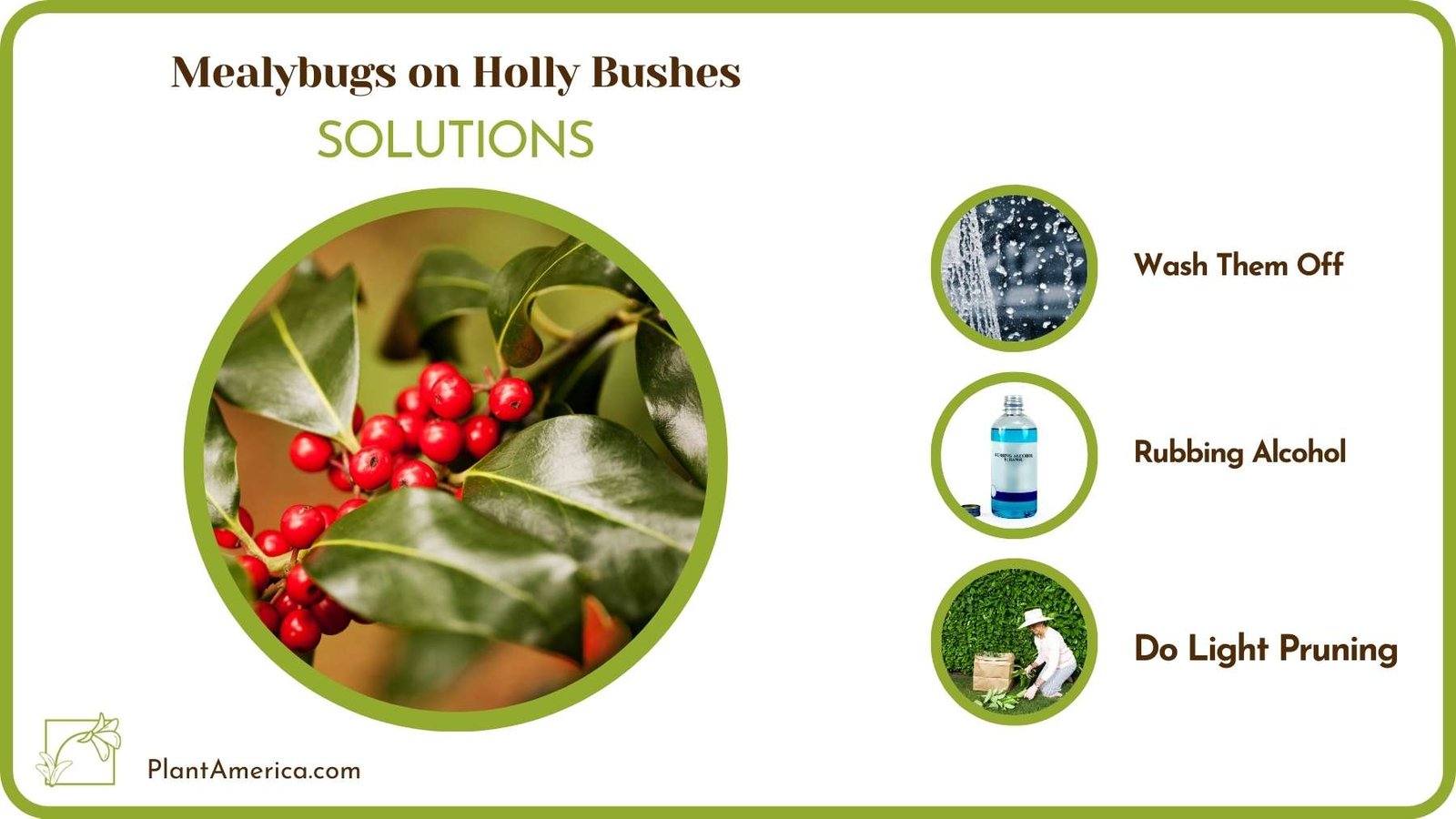
– Rubbing Alcohol
Isopropyl alcohol is yet another worthy ally. Grab a cotton ball and soak it in the lower-concentration alcohol. Before you use it on your entire holly shrub, perform a patch test on a single leaf. This safety check ensures that the alcohol won’t wreak havoc on your plant.
If your holly shrub has grown into a leafy giant. You can whip up a solution using alcohol and water and give your holly a good spray-down. Just remember, don’t do it at high noon, but wait for a cooler time to prevent any unwanted leaf burns or other damage.
– Do Light Pruning
A little trim here and there can work wonders, especially when dealing with minor issues like scale infestations. Holly shrubs tend to bounce back beautifully from light seasonal pruning.
Inspect your holly shrubs and pinpoint any sections showing signs of those pesky invaders. When you’ve got them in your sights, it’s time to wield your pruning shears. Snip away at the compromised parts, and effectively bid adieu to mealybugs and their eggs.
– Neem Tree Oil
When it comes to safeguarding your holly shrubs, there’s a green superhero in town, and its name is neem oil. This natural wonder isn’t just a one-trick pony, as it boasts a range of talents. It throws a curveball at mealybugs by disrupting their dining habits when they cozy up in your shrubs.
Mix two to four tablespoons of this potent oil with a gallon of water in a spray bottle, and apply the solution away from the harsh glare of the sun to prevent any potential leaf burns.
– Soapy Solutions
Let’s talk about a simple, no-nonsense solution for your holly shrubs — insecticidal soaps. Whether you pick up a store-bought version or concoct your homemade blend, these soaps are like secret weapons against garden pests.

Get your soapy solution ready and give your holly shrubs a nice, even misting. If the infestation sticks around, no need to fret. Just keep up with your biweekly or even weekly soapy sessions as needed.
These concoctions are suitable for use on both your edible plants and your carefully landscaped holly shrubs. Just remember to give the product label a quick peek for any specific instructions. With these powerful soaps on your side, your holly shrubs will be thriving in no time!
– Diatomaceous Earth
Diatomaceous earth isn’t just any kind of powder. It’s crafted from the fossils of ancient aquatic creatures, as nature’s own set of tiny, razor-sharp insect-killing blades.
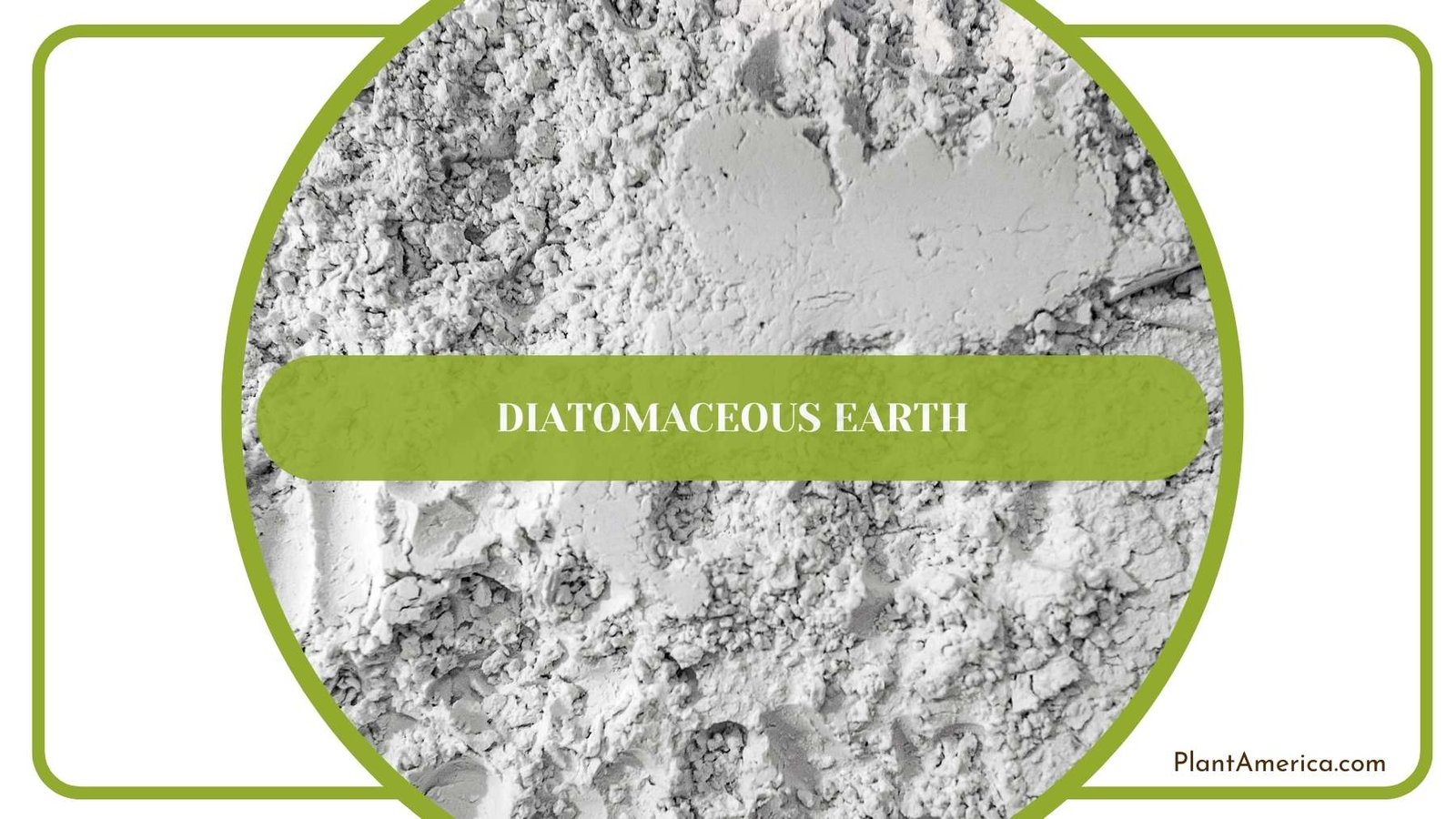
When critters encounter diatomaceous earth, it’s like walking through a minefield. The powder sticks to their bodies and transforms into minuscule shards that slice through their protective waxy armor.
When applying, focus your attention on the areas where mealybugs have set up their stronghold and delicately sprinkle a thin layer of DE. Although just a touch will do the trick, this powder will lose its powers when it gets wet.
So if rain makes an appearance, you might need to reapply. If it starts clumping together, it’s time for another round.
– Beneficial Insects
Mother Nature has quite the arsenal of allies in her corner, all primed to take on the mealybug menace. Some of these garden heroes can be recruited from your local garden supply store, but you can also play matchmaker by creating the perfect habitat to attract them, especially when mealybugs make an appearance.
Even in their larval stage, they’re chomping away, devouring as many as a few hundred mealybugs per week,
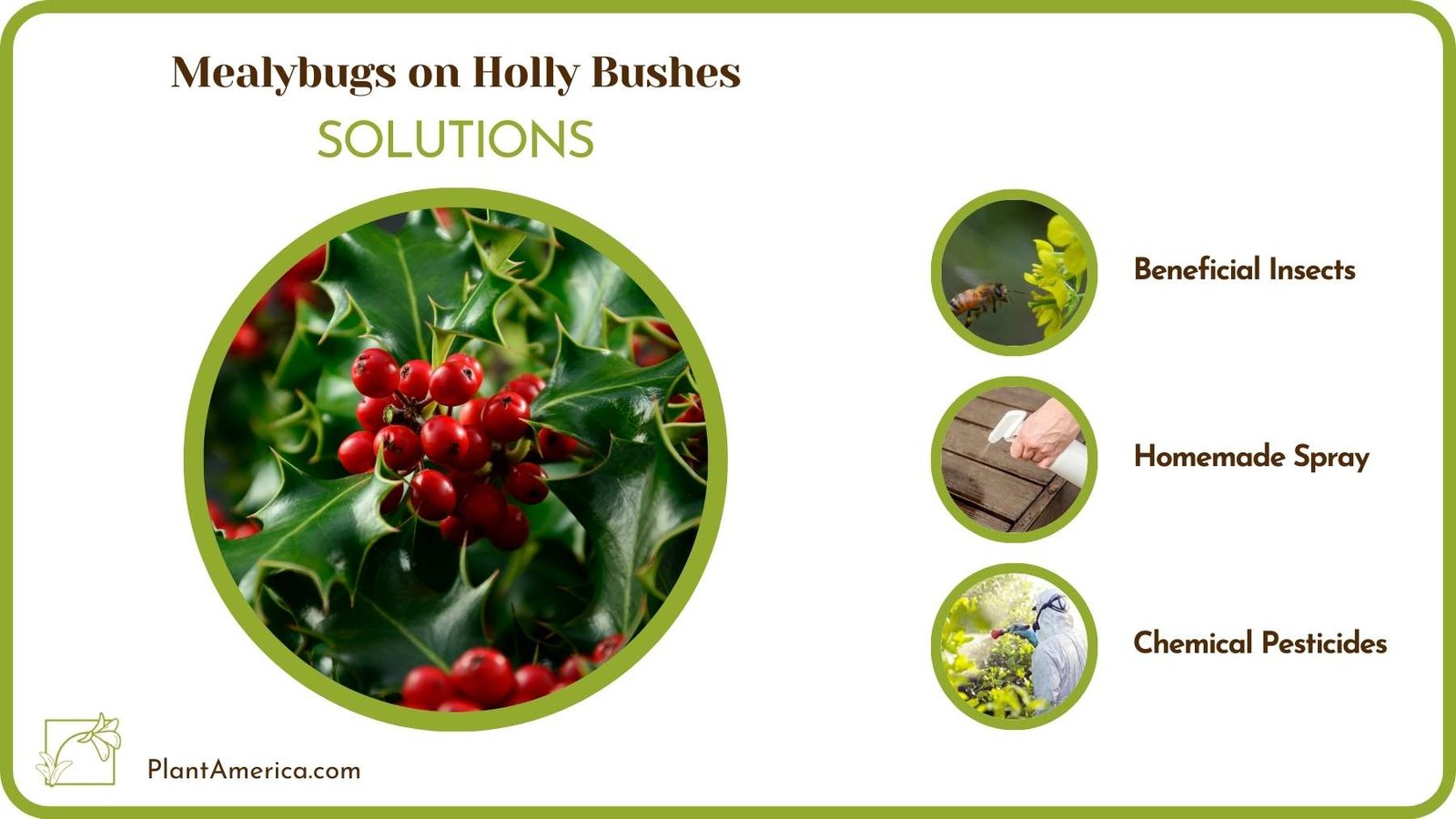
Next up on the squad are ladybugs, lacewing larvae, and parasitic wasps. Even some spider and small bird species want in on the action, helping to keep mealybug populations in check on your holly shrubs.
To harness the power of these natural allies, you should avoid using pesticides or insecticides that could unintentionally harm these helpful troops. With the right strategy, your holly shrubs can thrive with a little help from their insect friends.
– Homemade Spray
Supercharge your holly shrub’s defenses with a customized soapy spray that’s like a superhero against even the most resilient scale insects. Concoct your secret weapon by mixing a few teaspoons of peppermint oil with water and soap, creating a powerful foliage spray.
Choose the early morning or evening hours to unleash your holly’s newfound protector. If those stubborn pests still dare to linger, consider boiling up some water and infusing it with the fiery power of hot peppers, or unleash the pungent forces of garlic and onions.
Your holly shrubs will raise their leafy heads in gratitude for this spicy defense strategy!
– Chemical Pesticides
Reaching for chemical pesticides should always be a last resort, a decision not to be taken lightly. These sprays won’t discriminate — they’ll go after mealybugs and spider mites with a vengeance, but they won’t spare the innocent garden allies either.
In the event those stubborn mealybugs refuse to surrender, don’t forget to consult the label for guidance on any necessary follow-up applications. Your ultimate goal is to eliminate the problem while safeguarding your holly shrubs and, of course, keeping yourself from harm’s way.
Conclusion
Mealybugs can be a real nuisance for holly shrubs, which are cherished components of our landscape design. However, with vigilance and the right strategies, you can identify mealybug infestations early on and effectively deal with them in an eco-friendly manner.
- With their pale appearance and distinctive white or yellowish wax coating, mealybugs can quickly take up residence on your holly shrubs.
- One unmistakable sign of mealybug activity is the sticky residue they leave behind, known as honeydew.
- To combat these mealybug invaders, you have a range of eco-friendly options at your disposal.
- Trim away infested sections of your holly shrubs to remove mealybugs and their eggs, or create a solution with neem tree oil and water to disrupt their feeding habits.
- Encourage natural predators like mealybug destroyers, ladybugs, lacewing larvae, and parasitic wasps to keep mealybug populations in check.
In the end, it’s crucial to maintain a watchful eye on your holly shrubs and act promptly at the first signs of mealybug infestation.