
Types of cosmos flowers with varieties offering an array of colors, forms, and bloom times, cosmos offers endless opportunities to cut creative bouquets from the garden. In this article, we’ll introduce you to the charms of single, double, and crested blooms.
Whether seeking a carefree filler for arrangements or dreaming up daisy-like sprays, exploring these diverse types will surely inspire plenty of snipping for your vases. We’ll guide you in choosing fuss-free favorites to bring continuous cheer indoors through each season’s harvest.
Types of Cosmos Flowers that Can Be Grown In Home Gardens
1. Chocolate Cosmos
- Growing Season: Spring, Fall, Summer
- Leaf Shape: Ferny green foliage, Palmate leaves on long stems
- Specific Needs: Full sun and well-draining soil, Thrives in hot climates with minimal water
- Common Pests: Mildew, Aphids, Leafminer
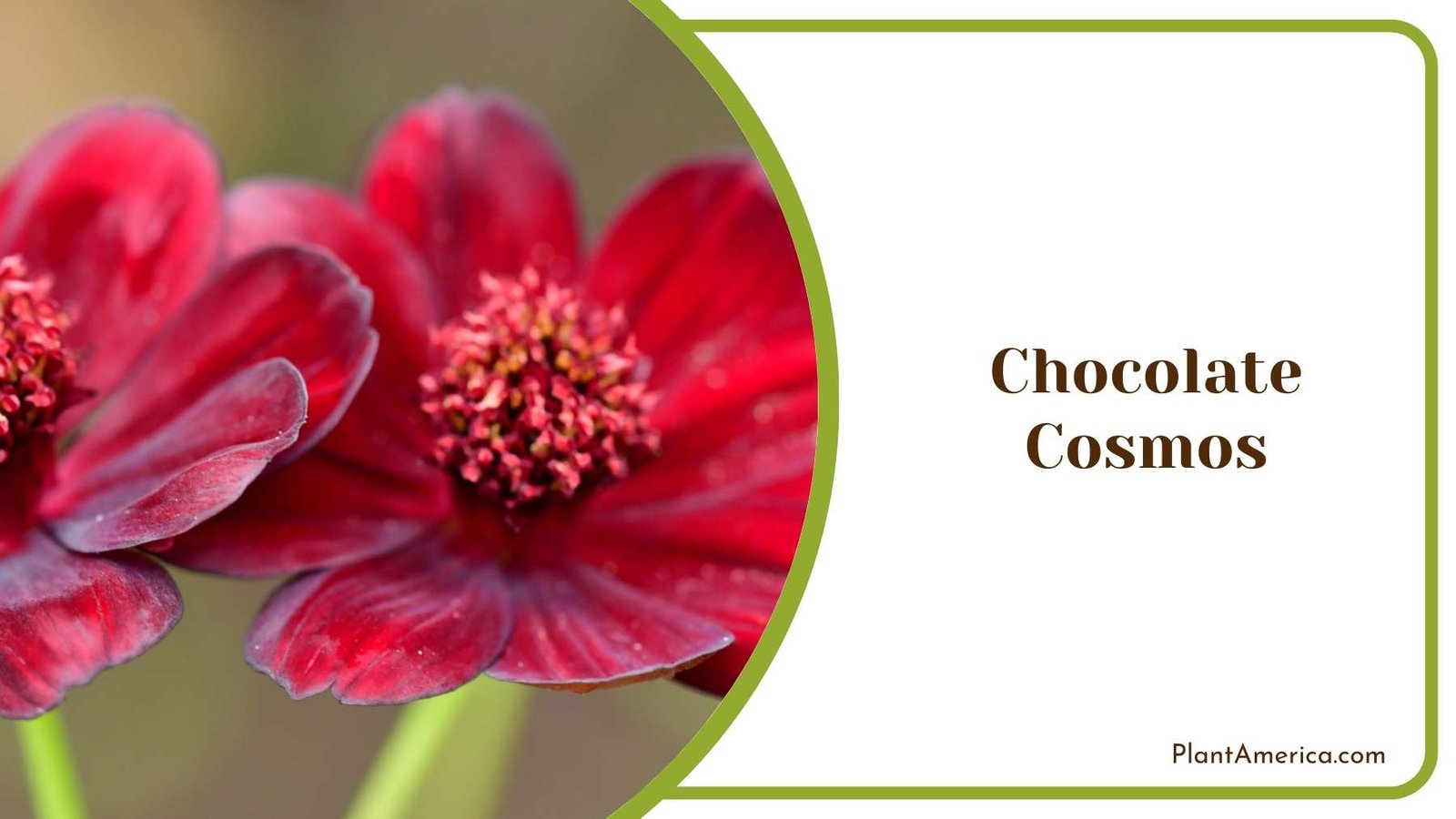
The chocolate cosmos produces delicate flowers that transport the senses to a garden of sweets. Growing two to three feet tall on airy branching stems, its dark green foliage provides the perfect backdrop for its cherished blooms.
As summer sets in, buds appear amongst the leaves, gracefully twisting open to reveal uniquely hued petals. Each flower displays delicate outer petals of deep chocolate brown that fade inward to rich caramel highlights. Their subtle tones evoke thoughts of toasted coconut, mocha lattes or freshly baked brownies.
Clustering in small button-like clusters atop thin wiry stems, the blooms attract visitors with their sweet nectar and intriguing appearance. Bees, butterflies and hummingbirds flock to sip from the intricate blooms. Their comings and goings resemble flashes of spice and cream amidst the lush garden display.
Graced with blooms from summer into fall, the chocolate cosmos captivates through changing seasons. As nights grow cool, occasional flowers still twist open, enriching the border with reminders of warm treats. Even its featherlike seed heads adding texture long after flowers fade.
With a preference for full sun and well-draining soil, chocolate cosmos thrives where summers shine bright. Self-seeding readily enhances naturalistic borders or spills lushly from containers. Requiring minimal care beyond an occasional trim, it brings continual joy through simple beauty evoking senses both visual and tastes forever fond.
Standing amid vibrant companions, chocolate cosmos lifts the spirit daily with subtle charms invoking thoughts of lazy days and sweet pleasures. Its ephemeral blooms remind how nature’s most basic gifts hold power to engage fully when experienced without pretense or artifice clouding true appreciation.
2. Pink Sensation
- Growing Season: Spring, Fall, Summer
- Leaf Shape: Fuzzy green foliage, Palmate leaves on strong, upright stems
- Specific Needs: Full sun exposure and average soil, Drought tolerant once established
- Common Pests: Mildew, Aphids, Leafminer
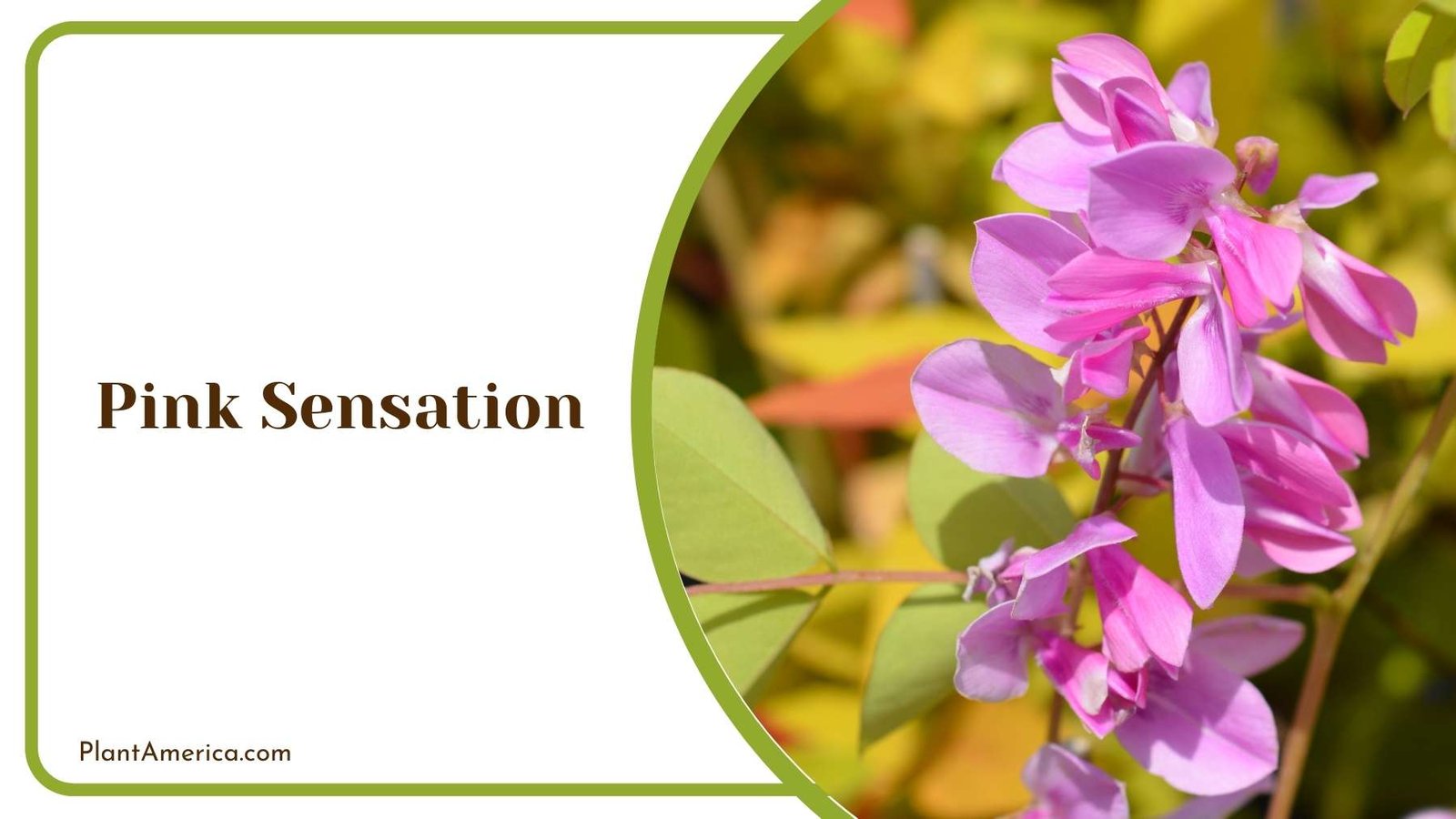
Pink Sensation aura pulls onlookers in from afar with its vibrant color flash. In early summer, clusters of ruffled blooms resembling pom poms or puffs of cotton candy emerge in vivid, attention-grabbing fuchsia along stiff, upright stems. As flowers persist through fall’s arrival, brilliance remains unfaded.
Complementing the striking show, palmately lobed leaves sprout fuzzy emerald threads, adding texture. Regardless of soil or vagaries climate, Pink Sensation endures requirements minimal while gifting continual floral feast eyes desire satisfying. Hardiness spares gardeners’ pesky pests’ constant vigil rather than granting carefree displays.
Versatile and long-lived bloomer suits cutting bouquets replenishing indoors. Pruning stimulates reblooming, thus prolonging the color parade, benefiting pollinators and people equally. Whether admiring the garden’s staged performances or gifting arrangements gracing interior seasons, Pink Sensation never disappoints, radiating vivacious pink fire lighting senses’ pathway.
3. Cosmos Sulphureus

- Growing Season: Spring, Fal, Summer
- Leaf Shape: Palmately lobed leaves emerge burgundy, Foliage deepens raspberry-red by summer’s peak
- Specific Needs: Full sun and average, well-draining soil, Drought tolerant once established
- Common Pests: Mildew, Aphids, Leafminer
Sulphur cosmos is a cheerful annual flower renowned for its vibrant yellow blooms. Native to grasslands of Mexico and Central America, it has become a beloved staple in pollinators and cutting gardens across warmer regions.
Branching stems grow two to three feet tall, bearing feathery gray-green leaves and an abundance of bright yellow daisy flowers. Individual blooms feature golden yellow petals surrounding a sunny yellow center disc, reaching two inches wide. Beginning in late spring through fall frost, the continuous display covers the airy foliage.
This cosmos thrives with full sun exposure and average well-draining soil. It readily reseeds each year, ensuring future generations with minimal effort. Low maintenance besides occasional deadheading encourages bushy growth smothered in blossoms. Fascinating seedheads persist into winter, providing habitat and visual interest long after blooming.
Beyond borders and beds, sulfur cosmos is perfectly suited to containers on patios or porches. Its cheerful color enlivens any sunny spot. Butterflies flock to the nectar-rich blooms, pollinating nearby flowers. These self-sowing annuals spread generously through gardens, blanketing expanses in vibrant fields beloved by insects.
Adaptable and long-blooming, sulfur cosmos is an easy-care addition for any flower garden. Its consistent flowering habits provide ample bouquets. Once established, cheerful volunteer plants naturalize each year, uplifting the landscape with their golden glow.
With vivacious petals inspiring joy and sustaining pollinators, sulfur cosmos lifts spirits wherever it grows. Its sunny disposition and resilient nature make it a beloved staple for pollinator habitats across warm climates worldwide. One glimpse proves its lasting power to brighten each new season outside..
4. Cosmos ‘Gazebo White’
- Growing Season: Spring, Fall, Summer
- Leaf Shape: Palmate leaves of light green hue, Ferny foliage remains semi-evergreen in winter
- Specific Needs: Full sun and well-draining soil, Thrives in hot climates with minimal water
- Common Pests: Mildew, Aphids, Leafminer
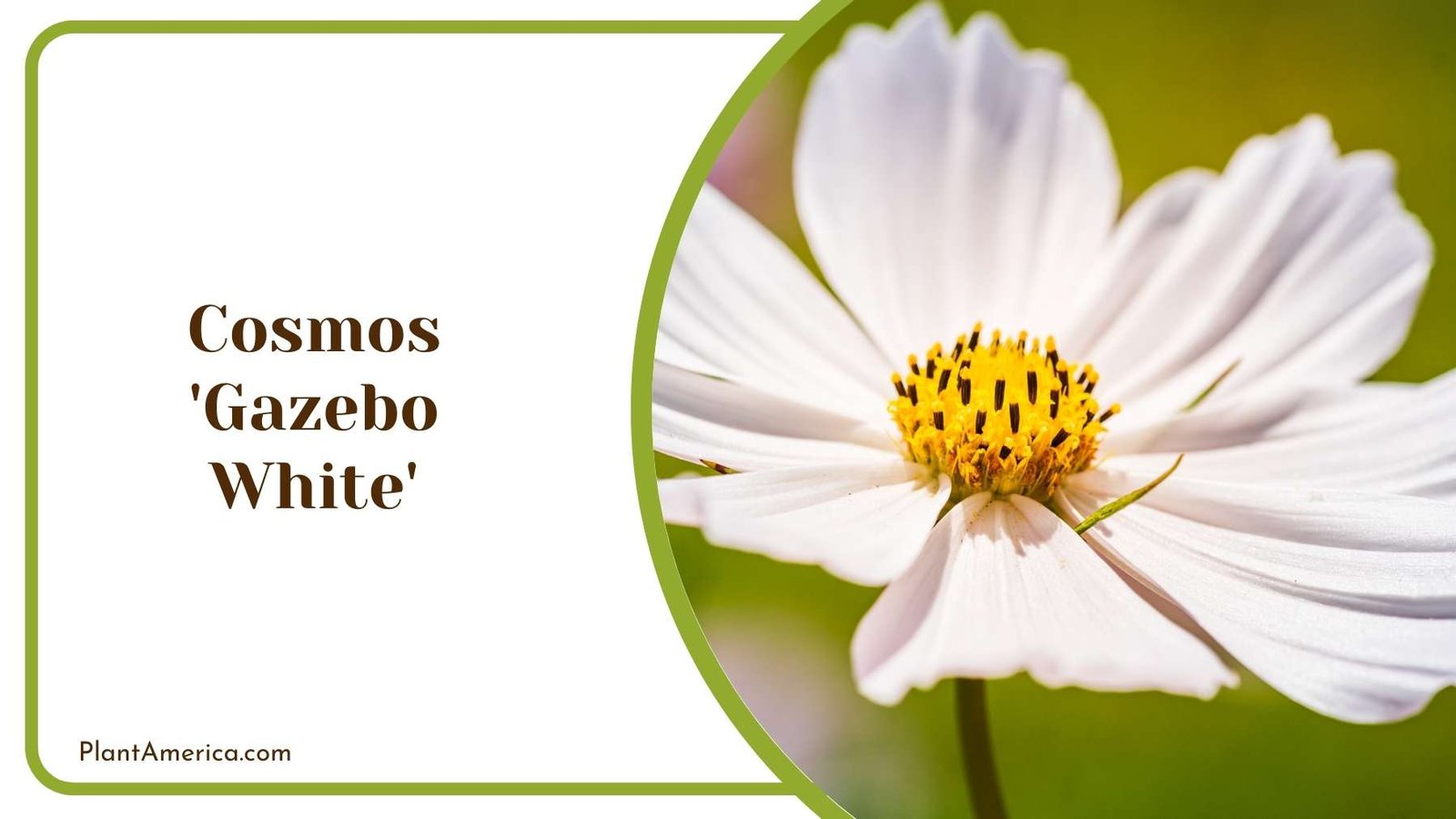
Cosmos ‘Gazebo White’ is a cheerful annual flower beloved for its profuse cascades of pure white blooms. A cultivated variety of Cosmos bipinnatus, it enhances borders and containers with clouds of pristine petals all summer long.
Arching stems grow two to three feet tall, covered in feathery green foliage and abundant double white blooms. Individual flowers reach two to three inches wide, with rounded layered petals resembling puffs of cotton. Starting in early summer, the blooming persists until fall frost brings brilliant clusters of feathers.
This cosmos thrives in full sun with average, well-draining soil. Minimal care beyond deadheading rewards continuous re-bloom. The cheerful display lifts any sunny spot from porch to patio. Bees and butterflies flock to the nectar-rich blooms, pollinating surrounding flowers.
Beyond beds, ‘Gazebo White’ excels in mixed planters and hanging baskets where its cascading habit spills over edges in a waterfall of white blooms. Combined with accent colors like pinks, oranges or yellows, it creates lively displays. Allowed to resow, it naturalizes beautifully, cloaking entire gardens in its frothy charm year after year.
Adaptable and exceptionally long-blooming, ‘Gazebo White’ offers uncomplicated seasonal color requiring little attention besides occasional pruning or division. Used fresh or dried, its constant flowering habits provide bountiful posies for bouquets indoors too.
Once established, cheerful self-sowing volunteers spread freely to lift each new garden season in heavenly white. With its prolific plumes inspiring joy and sustaining pollinators, ‘Gazebo White’ proves its capacity to brighten landscapes wherever grown with minimal care..
5. Cosmos Carvifolius
- Growing Season: Spring, Fall, Summer
- Leaf Shape: Lobed green foliage on sturdy stems, Palmate leaves remain attractive until frost
- Specific Needs: Full sun exposure and average soil, Adaptable to different conditions
- Common Pests: Mildew, Aphids, Leafminer
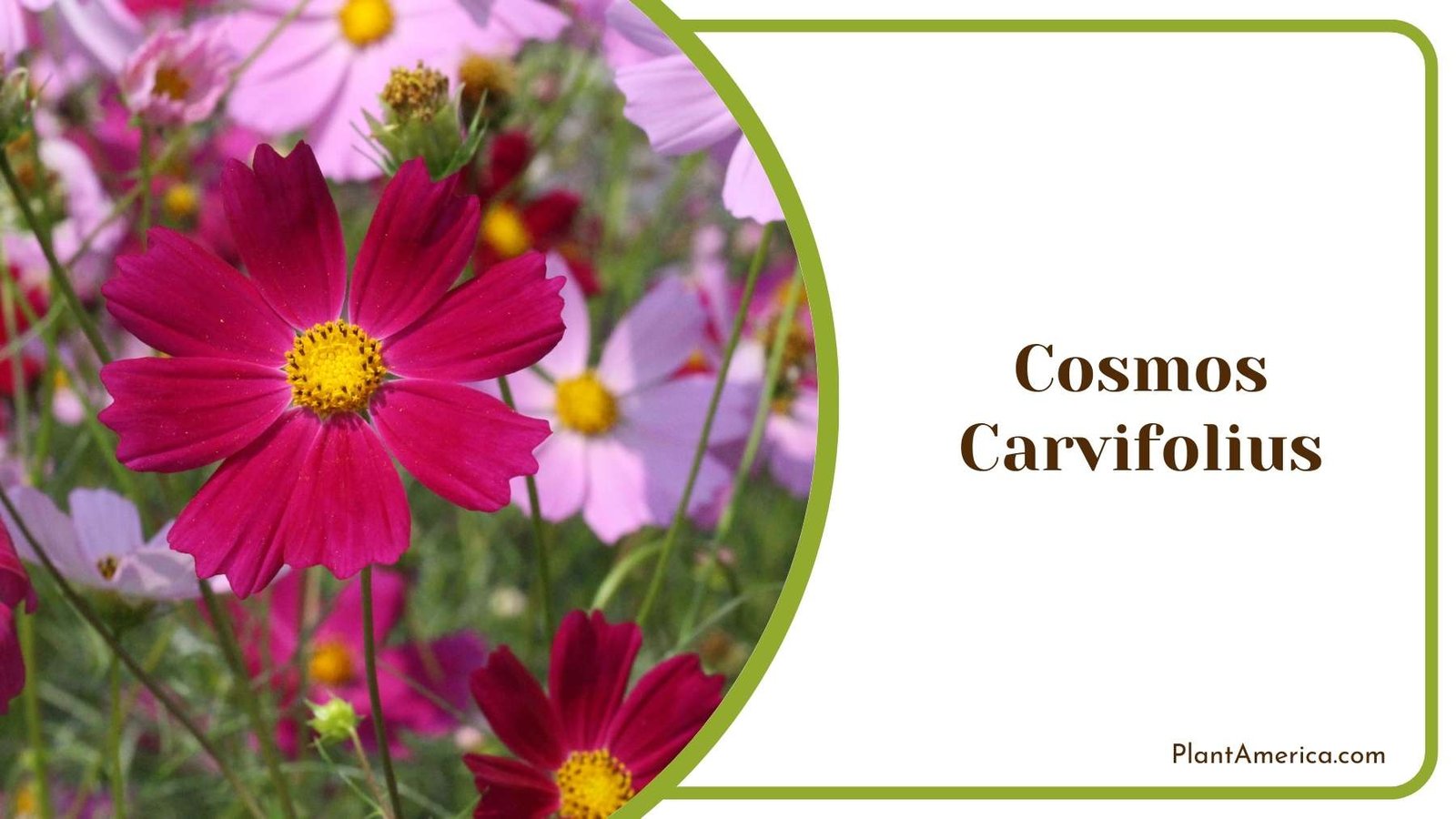
Cosmos carvifolius is an elegant flowering annual admired for its delicate fern-like leaves and finely cut blooms. Native to Mexico, this cosmos variety forms an airy bush covered in extraordinary fine-textured foliage.
Fluttering stems grow two to three feet tall, bearing deeply dissected leaves that resemble carrot greens or lacy greens. Starting in early summer, dainty pink flowers emerge amongst the frothy leaves. Individual blooms feature pink ray florets surrounding a dark pink center.
While more refined than other cosmos, C. carvifolius still thrives with full sun and average garden soil. Abrupt atmospheric changes can cause leaf die-back, so providing consistent moisture prevents stress. Given these conditions, it produces an ample display through fall.
Beyond borders, C. carvifolius is perfectly tailored to mixed containers where its fine textures layer beautifully. Pairing with feathery accents like baby’s breath or eryngium elevates its natural elegant charm. Hummingbirds enjoy sipping nectar from the thimble-sized blooms.
Light sand or perlite-enriched potting mixes allow this delicate annual to thrive indoors as well. Given bright light and pruning, houseplants develop into refined specimens. Come autumn, dried seed heads lend intricate patterns to lasting winter arrangements.
With billowing froths of lacy leaves and clouds of petite flowers, Cosmos carvifolius casts an aura of floral refinement wherever placed. Its delicate details and textural layers elevate any summer landscape to an artful oasis..
6. Cosmos Parviflorus
- Growing Season: Spring, Fall, Summer
- Leaf Shape: Palmate leaves of medium green, Foliage remains attractive until frost
- Specific Needs: Full sun and average soil, Adaptable to different conditions
- Common Pests: Mildew, Aphids, Leafminer
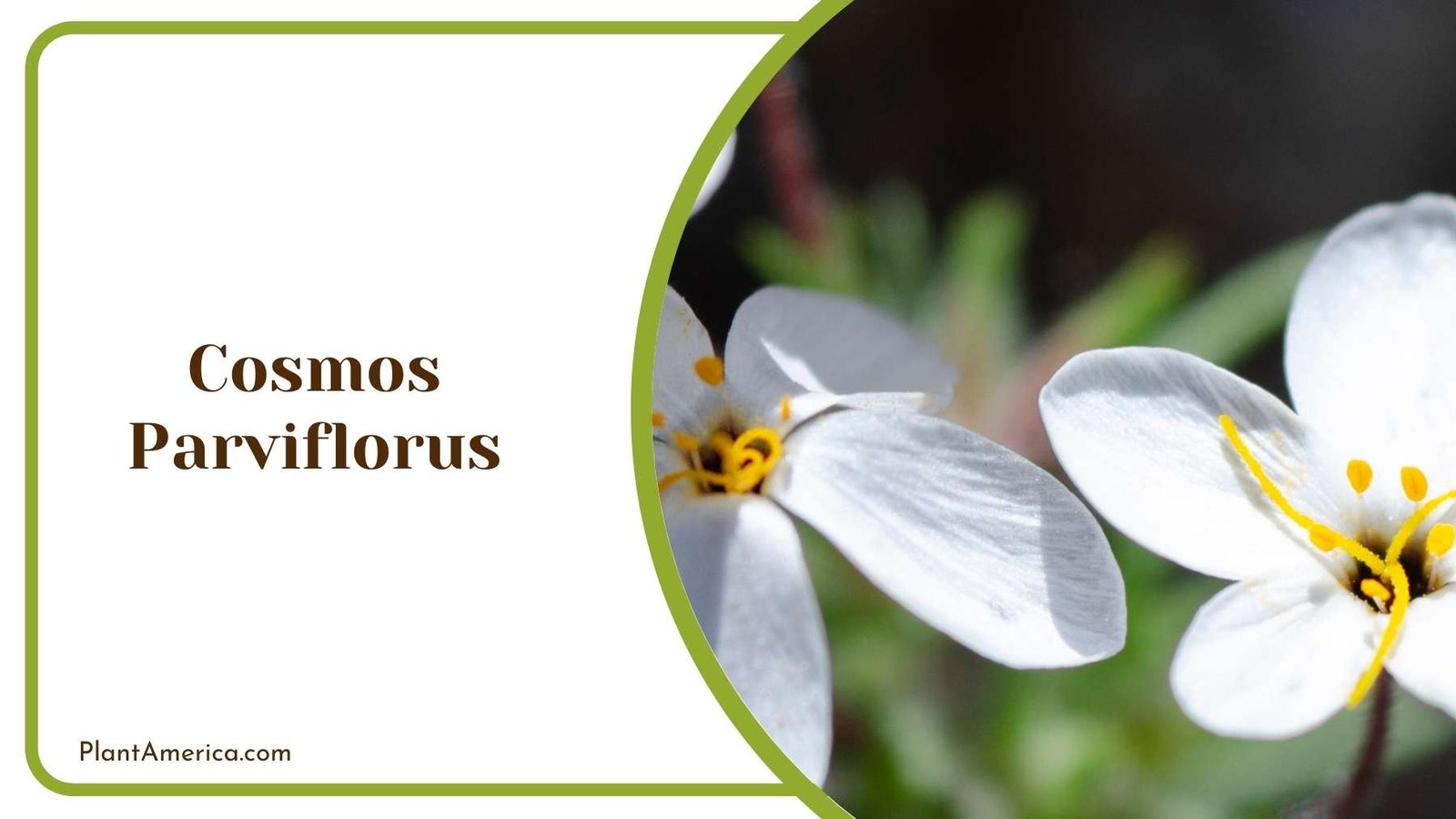
Cosmos parviflorus is an elegant annual valued for its delicate foliage and miniature blooms. Native to Mexico and Central America, this cosmos variety forms a lacy, airy bush covered in intricate green leaves.
Fluttering stems grow two to three feet tall, bearing deeply cut leaves that resemble carrot fronds or delicate ferns. Starting in early summer, dainty white flowers emerge amongst the frothy greenery. Individual blooms only reach half inch wide, featuring five white petals surrounding a yellow center.
While more refined than other cosmos, C. parviflorus still thrives with full sun and average garden soil. Consistent moisture prevents stress on its lacy nature. Given these conditions, it produces an ample display through fall. Companion planting with bolder flowers like zinnias helps its small blooms stand out.
Beyond borders, C. parviflorus is perfectly tailored to mixed containers where its fine textures layer beautifully. Pairing with feathery accents like baby’s breath or limnanthes elevates its natural elegant charm. Its miniature blooms also attract Beneficial insects to the garden.
Light potting mixes and pruning allow this delicate annual to thrive indoors as well. Come autumn, its dried seedheads lend intricate patterns to floral designs. With billowing froths of lacy leaves and clouds of petite flowers, Cosmos parviflorus casts an aura of refined delicacy wherever placed. Its intricate details and textural layers make it a versatile choice for the ornamental garden..
7. Ladybird Dwarf Cosmos
- Growing Season: Spring, Fall, Summer
- Leaf Shape: Bright green palmate leaves, Foliage stays attractive until frost
- Specific Needs: Full sun exposure and average soil, Adaptable to different conditions
- Common Pests: Mildew, Aphids, Leafminer
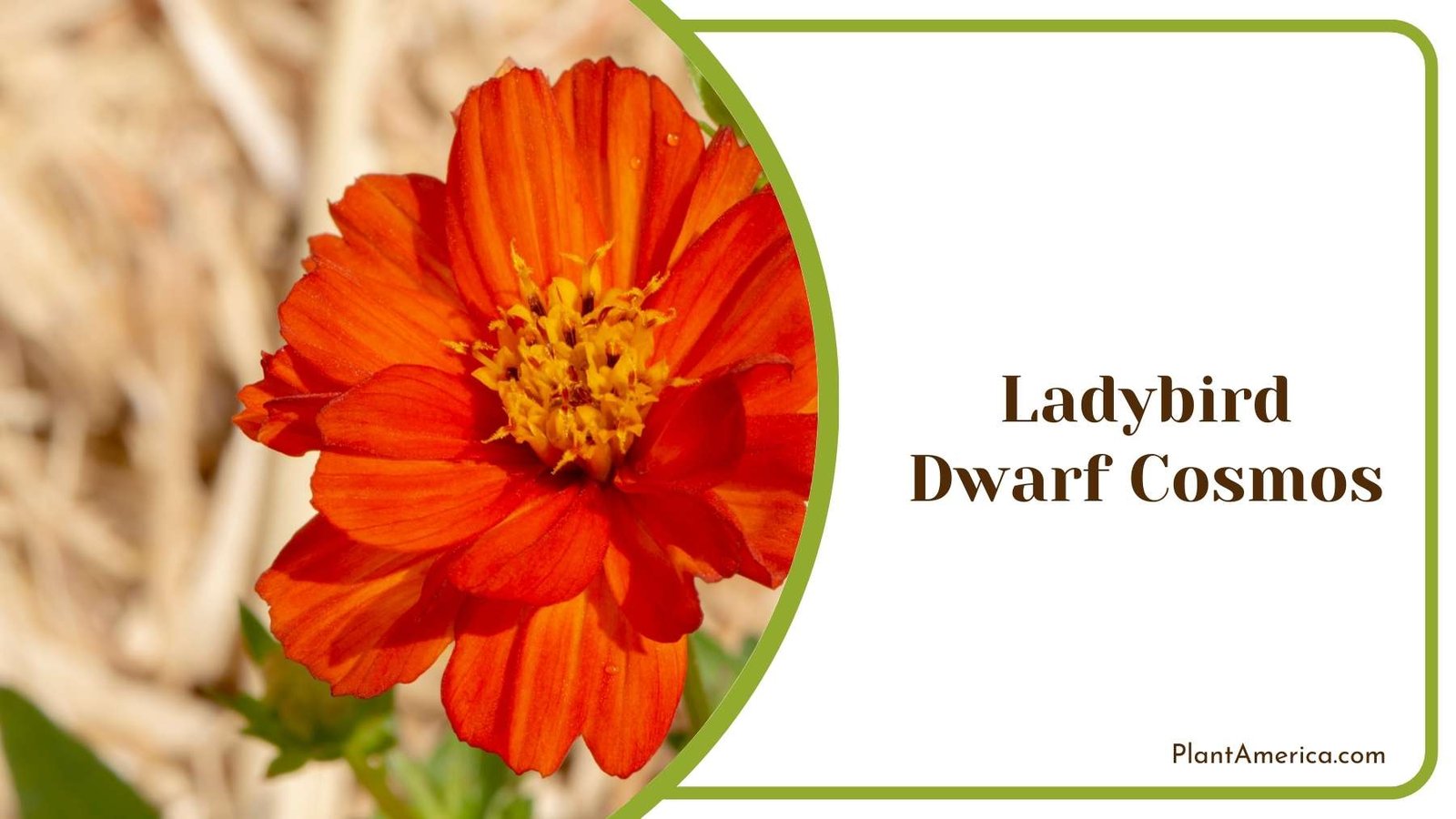
Flashing streaks crimson spots, the Ladybird dwarf cosmos livelily enlivens the senses of summer swelter. Resembling airy pomanders flushed scarlet flecks, each quivering blossom uncaged vivacious personality. Clustering stems five feet persists lightheartedly uplifting corpuscles, bees, birds, and humanity.
Pairing viridescent palmate acceleration lends verdancy, serving canvas vivifying weekly ensemble successive. Low demands permit abandoning fuss instead of luxuriate prolific spirit augmenting.
Charmingly audacious cut specimens recreate garden cheer indoors. Naturalized solitarily dotted drifts emit indomitable joie de vivre season’s bounties. Whether gracing brunch tables with breathless promenades, Ladybird dwarf cosmos’ frivolity fosters summertime euphoria.
8. Xanthos
- Growing Season: Spring, Fall, Summer
- Leaf Shape: Palmate green leaves on sturdy stems, Foliage stays attractive until frost
- Specific Needs: Full sun exposure and average soil, Adaptable to varied conditions
- Common Pests: Mildew, Aphids, Leafminer
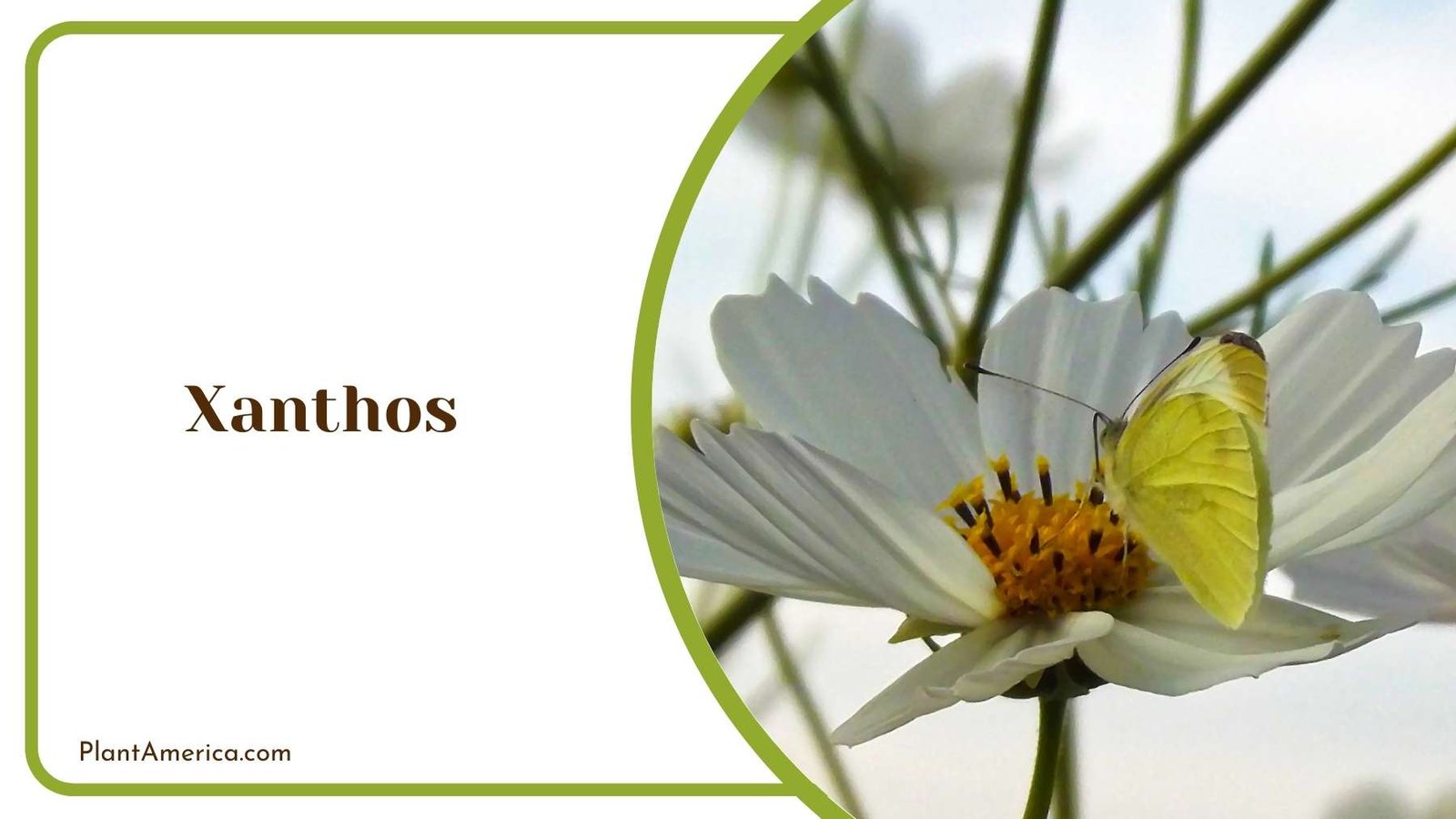
Xanthos ignites landscapes and golden fireworks ablaze. Assembling floriferous fireballs resembling pomanders, sunset-kissed, profuse blooms erupt bricks color flames licking upwards five feet. Complementing verdant palm leaves serve as a backdrop, vivifying weekly ensemble. Low demands permit abandoning fuss instead of luxuriate prolific spirit augmenting.
Charming audacity graces cut bouquet interiors. Naturalized solitarily dotted drifts emit spirited magnificence season’s longevities. Whether festooning brunches or lively promenades, Xanthos’ vivacity creates summertime euphoria.
9. Sensation Picotee
- Growing Season: Spring, Fall, Summer
- Leaf Shape: Palmate leaves remain attractive, Foliage turns shades of bronze in fall
- Specific Needs: Full sun exposure and average soil, Thrives with regular water when establishing
- Common Pests: Mildew, Aphids, Leafminer
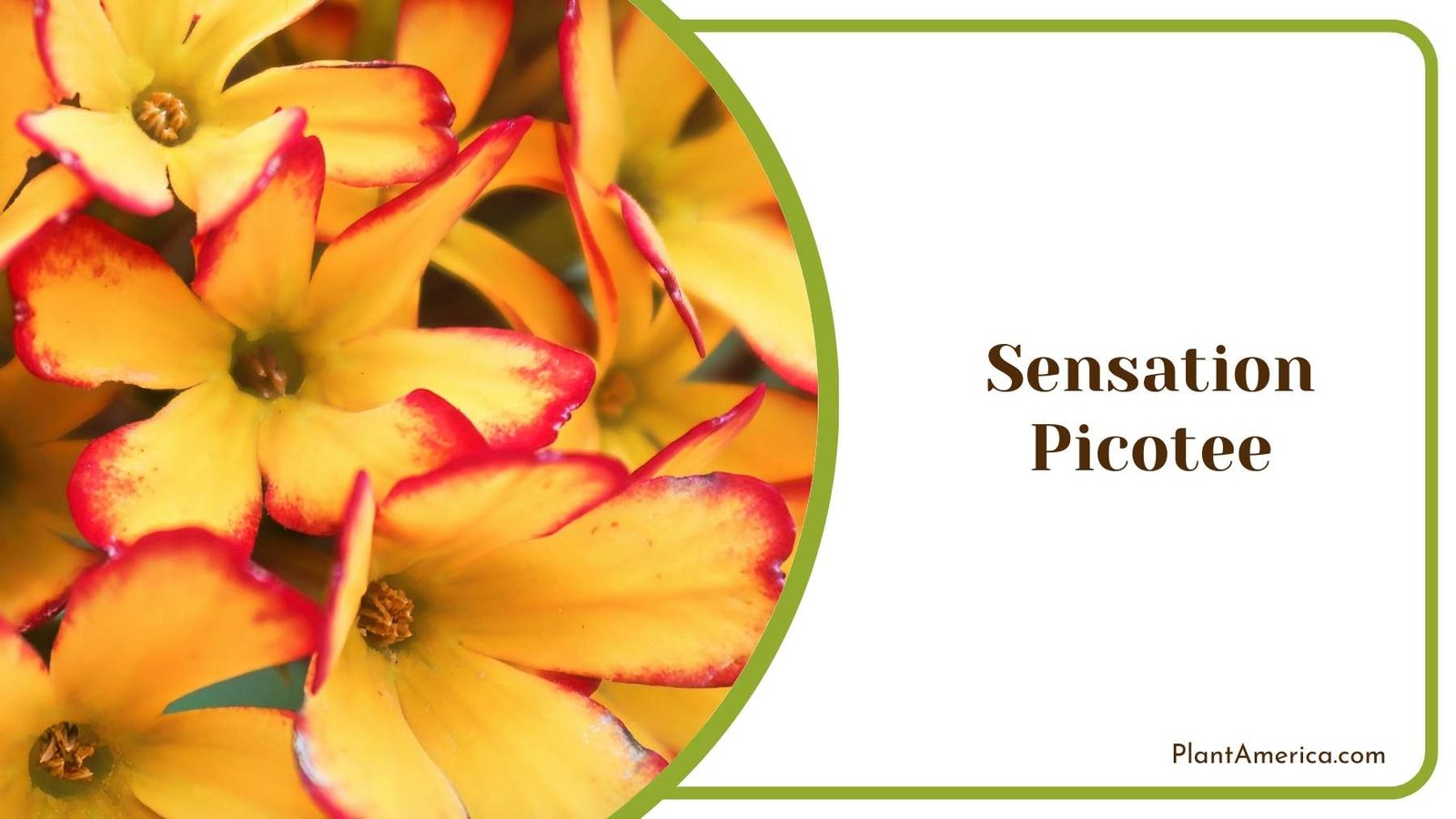
Sensation Picotee flowers are prized garden annuals and perennials valued for their distinctive variegated blooms. Typically varieties of zinnias, marigolds, cosmos and strawflowers, picotee cultivars produce flowers with contrasting edges in a different color than the main petals.
The name “picotee” derives from the French word “picotin” meaning a small dot or ring, referring to the delicate pattern. In spring and summer, picotee plants send up stems bearing several blooms in solid colors, but each petal is trimmed neatly along its outer edge with a hairline contrasting hue.
Combinations may include pink with white edges, yellow centers bordered yellow-gold, or orange blooms veined crimson.
Sensation Picotee flowers thrive in warm sunny positions with average, well-draining soil. Their variegated blooms ranging two to five inches across attract pollinators and extend the visual interest of gardens. Deadheading keeps plants blooming steadily. Some tolerate part shade better than their solid-colored counterparts.
The intricate yet understated petal edging lends sensation to picotee flowers, a charming addition that has made them mainstays for cutting gardens and brightening mixed borders since Victorian times. Their prolonged colorful display enlivens summer landscapes through subtle markings on each cheerful bloom.
10. Strawberry Choco Sanse 41
- Growing Season: Spring, Fall, Summer
- Leaf Shape: Palmate leaves of dark green hue, Foliage color may deepen in cooler seasons
- Specific Needs: Full sun exposure and average soil, Thrives with consistent moisture when young
- Common Pests: Mildew, Aphids, Leafminer
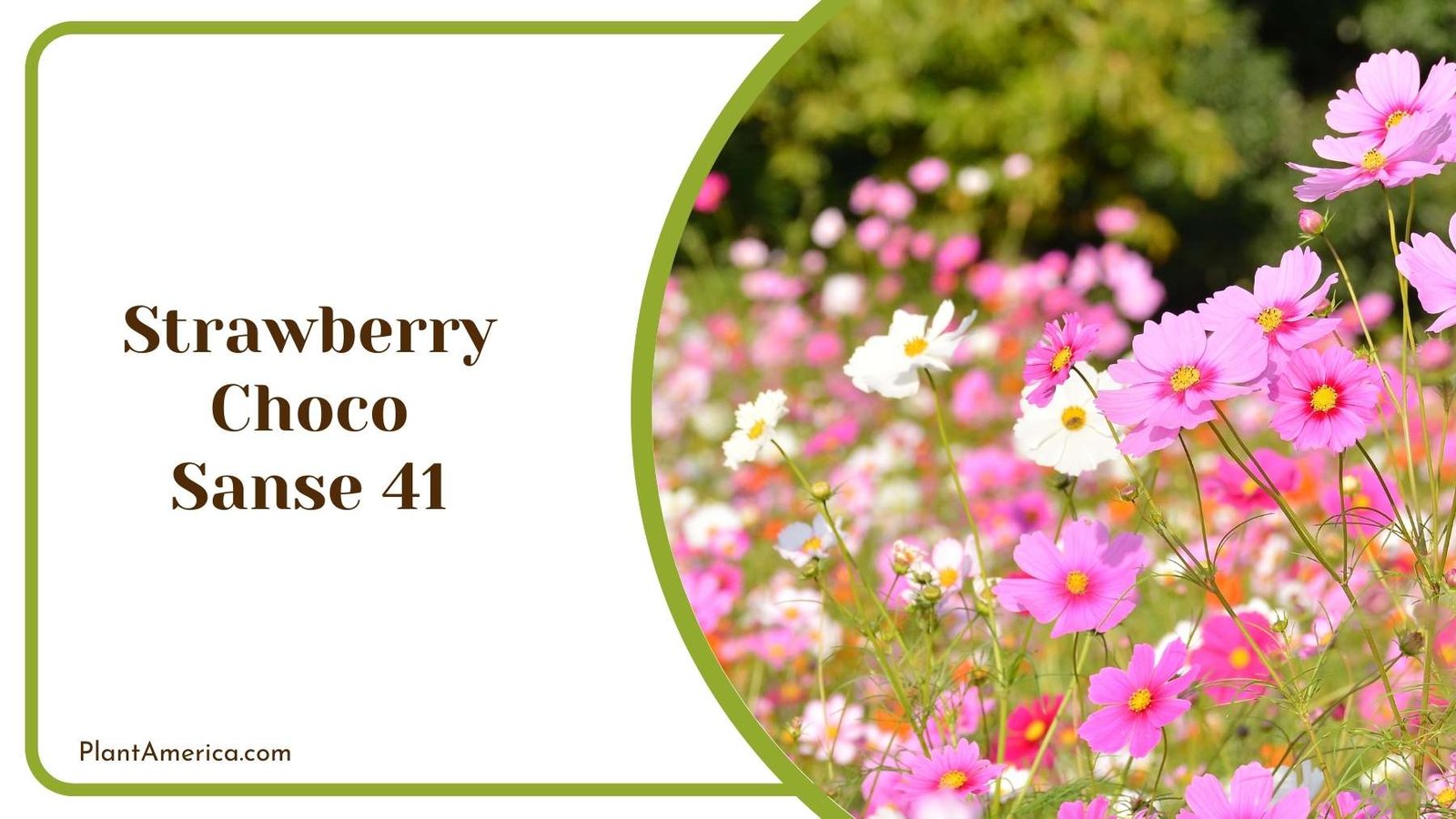
Strawberry Choco Sanse 41′ is an elegant flowering annual admired for its unique blooms. A cultivated variety of Cosmos bipinnatus, it produces an abundant crop of vivid red flowers reminiscent of strawberries.
Graceful stems grow two to three feet tall, bearing feathery gray-green leaves. Starting in mid-summer, small pink flowers emerge followed quickly by vibrant red blooms. Each brightly colored flower resembles a miniature strawberry, reaching one to two inches wide. The soft petals surround a darker reddish center.
This cosmos thrives in full sun with average, well-draining soil. Minimum care beyond deadheading rewards continuous re-bloom through fall frost. Appealing to both people and pollinators, ‘Strawberry Choco Sanse 41’ lifts any sunny border or container.
Beyond beds, it excels in mixed planters where its Unique blooms shine amongst contrasting colors and textures. Indoors, flower bouquets featuring its decorative blooms light up any space. Allowed to resow, this variety reliably returns to cloak entire gardens in its strawberry charm.
Adaptable and exceptionally long-blooming, ‘Strawberry Choco Sanse 41’ offers easy seasonal color requiring little attention. Once established, cheerful volunteer plants spread freely, brightening each new season.
With its striking blooms inspiring joy, this unique cosmos variety proves its ability to enrich landscapes effortlessly from summer through fall where others cannot compare. Its allure knows no boundaries in ornamental or cutting gardens alike..
11. Cosmos Caudatus
- Growing Season: Spring, Fall, Summer
- Leaf Shape: Palmate leaves of rich green shade, Foliage may develop red tints in winter
- Specific Needs: Full sun exposure and average soil, Adaptable to various conditions
- Common Pests: Mildew, Aphids, Leafminer
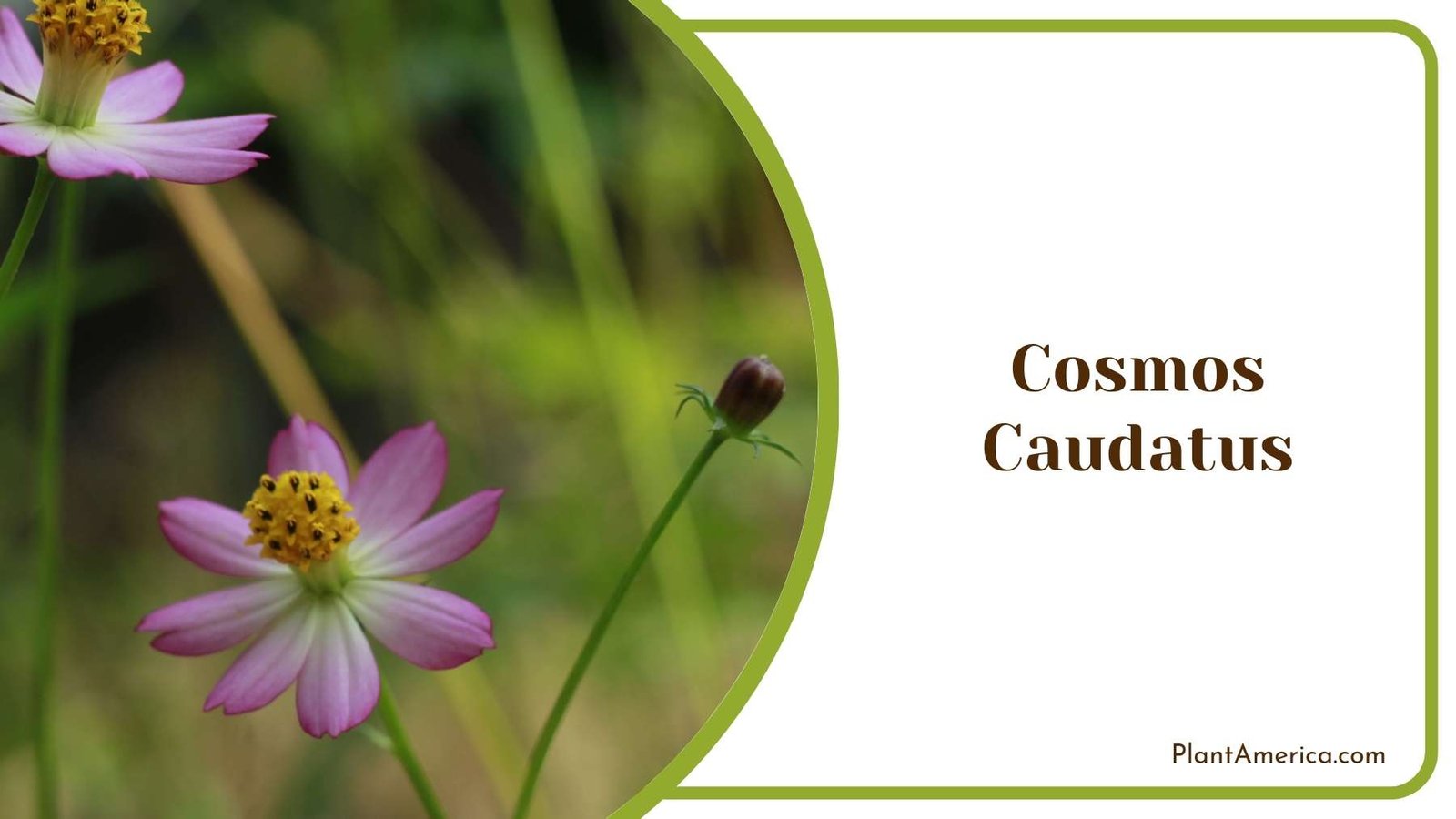
Cosmos caudatus, commonly known as ulam raja, is a unique flowering annual prized for its vivid purple leaves and cascades of blooms. Native to tropical regions of Asia, its lacy foliage and stunning color add beauty to any warm climate landscape.
Delicate stems grow two to three feet tall, adorned with deeply lobed purple leaves edged in lighter hues. Beginning in summer, stems branch profusely bearing clusters of small petunia-like flowers in shades of pink to white.
This cosmos thrives with partial sun to shade and rich, consistently moist soil. Profuse blossoms emerge through fall, contrasting beautifully against the frilly foliage. Ideal for beds and containers, benefitting from staking larger specimens.
Beyond breathtaking color displays, C. caudatus lures pollinators with abundant nectar. Hummingbirds especially favor clustered blooms. Come autumn, its vivid leaves make striking additions to dried floral bouquets too.
Adaptable and exceptionally long-blooming, C. caudatus’ workhorse attributes require minimal resources. Allowing self-seeding encourages faithful renewal each warm season. Undemanding care makes it perfect for landscapes, courtyards or fairytale garden nooks.
With billowing purple frills and floating blooms inspiring vivid natural beauty, Cosmos caudatus proves its merits wherever grown with ease. Its multidimensional talents uplift tropical spaces annually.
12. Cosmos Deficiens
- Growing Season: Spring, Fall, Summer
- Leaf Shape: Palmate leaves of blue-green hue, Foliage color may deepen in cooler seasons
- Specific Needs: Full sun exposure and average soil, Thrives with consistent moisture when young
- Common Pests: Mildew, Aphids, Leafminer
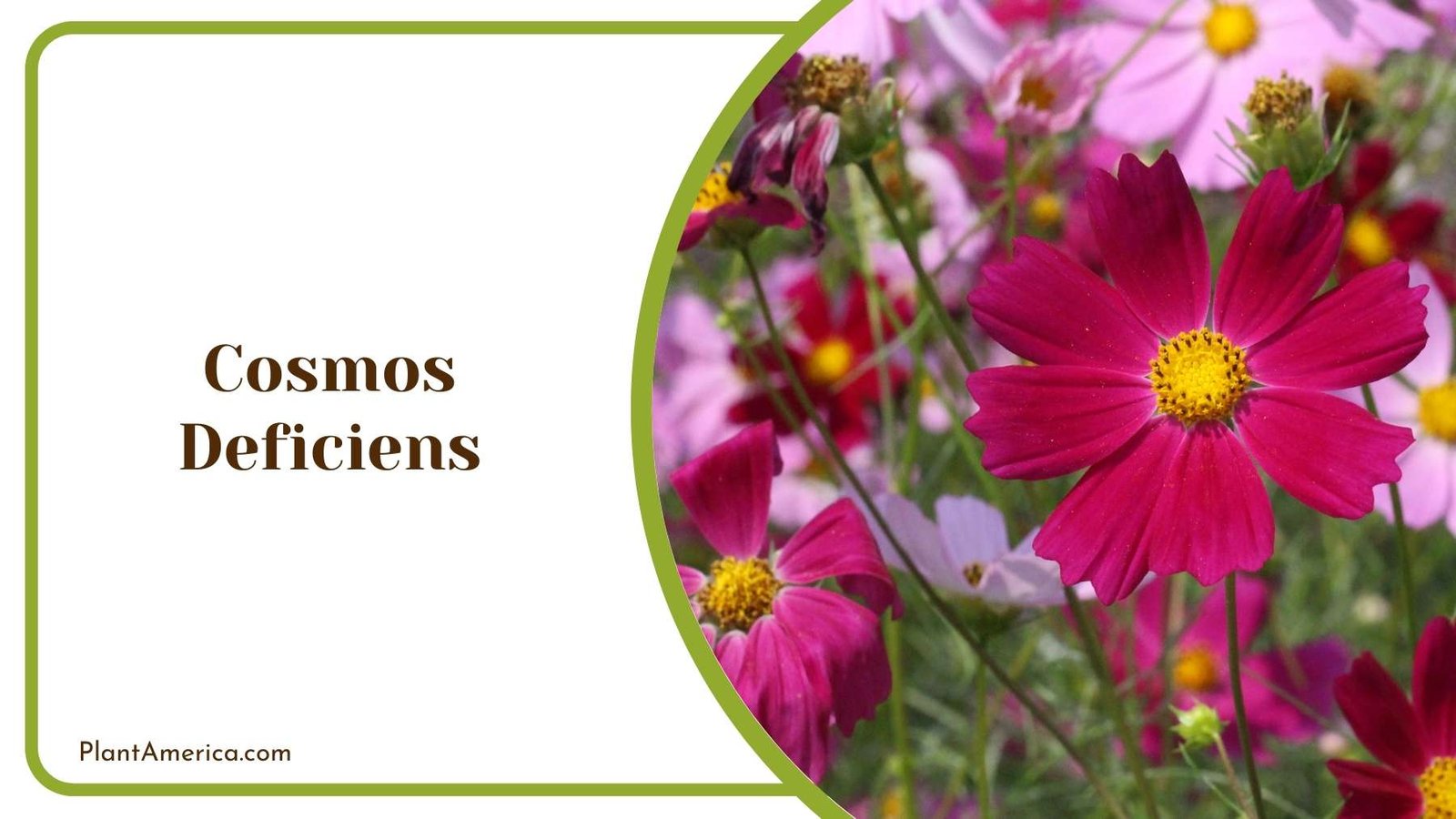
Cosmos deficiens is an elegant flowering annual valued for its lacy foliage and unique blooms. Native to seasonal habitats in Mexico, this species forms an airy bush of delicate dissected leaves and soft pink flowers.
Delicate stems grow two to three feet tall, bearing deeply cut leaves that resemble carrot fronds or delicate green lace. Starting in early summer, dainty pink blooms emerge amongst the frothy greenery. Each two to inch flower is missing its center disk, giving it an open, starry face.
This cosmos thrives in partial shade to full sun with consistent moisture in rich, well-draining soil. Deficient blooms emerge through fall, contrasting beautifully against the lacy backdrop. Perfect for beds, containers need staking for larger specimens.
Beyond breathtaking color displays, C. deficiens attracts pollinators with abundant nectar. The unusual open blooms allow deep access to nectar reservoirs. Come autumn, its vivid seedheads make striking dried additions to bouquets and floral art.
Adaptable and exceptionally long-blooming, C. deficiens requires minimal resources with self-seeding to reliably reestablish each season. Undemanding care makes it excellent for landscapes, courtyards or fairy-style garden features.
With billowing green frills and unique pink starry flowers inspiring vivid natural beauty, Cosmos deficiens proves its merits wherever grown with ease. Its multidimensional talents uplift ornamental spaces annually.
13. Cosmos Longipetiolatus
- Growing Season: Spring, Fall, Summer
- Leaf Shape: Palmate leaves initially grayish-green, Foliage deepens shades of navy blue with age
- Specific Needs: Full sun and well-draining soil, Thrives in hot climates with regular water
- Common Pests: Mildew, Aphids, Leafminer
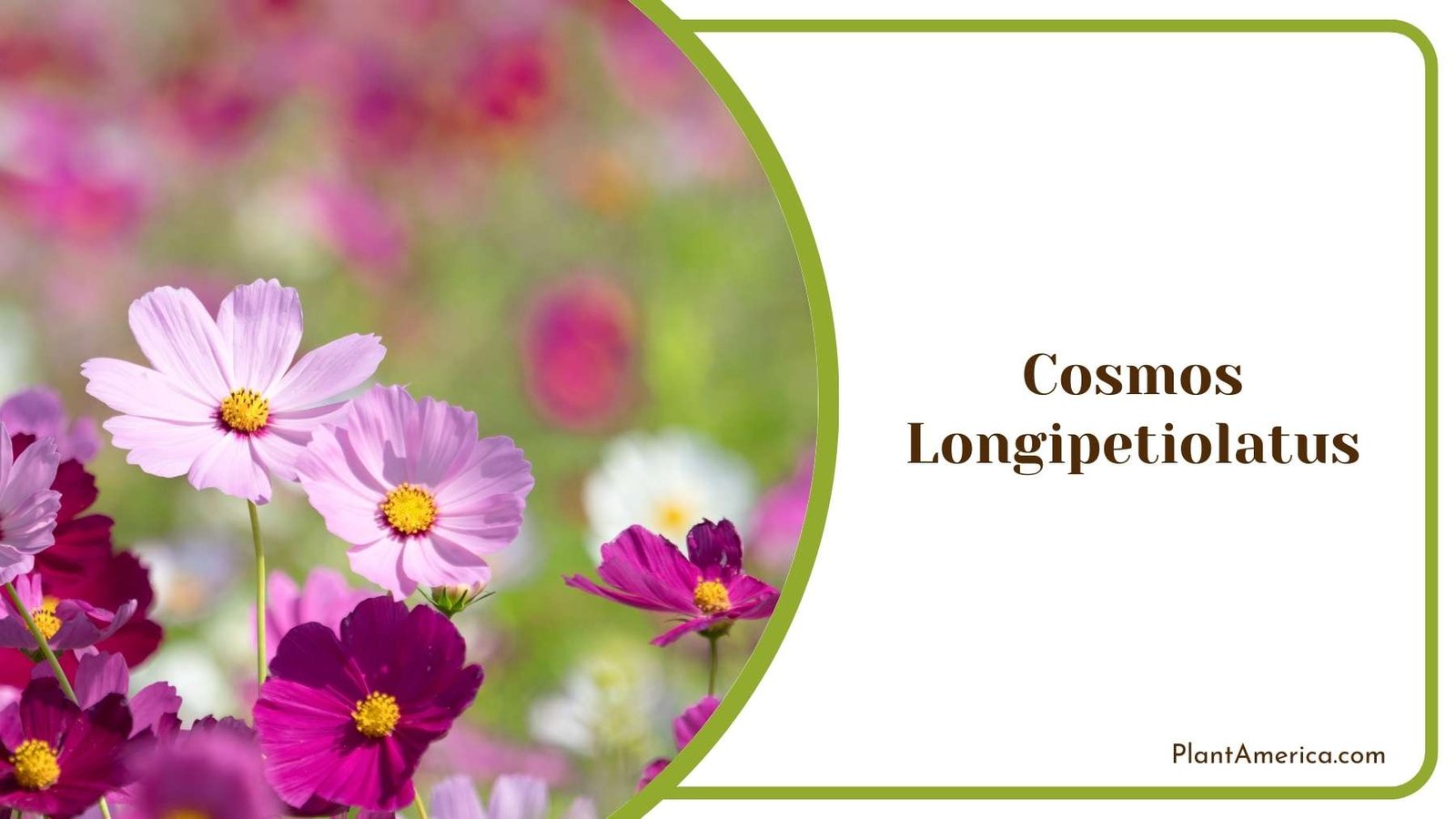
Cosmos longipetiolatus is an elegant flowering annual admired for its finely dissected foliage and delicate blooms. Native to seasonal grasslands in Mexico, this species bears lacy leaves and petite pink flowers on long, arching stems.
Fluttering stems grow two to three feet tall, bearing deeply cut gray-green leaves that resemble finely divided carrot fronds. Starting in early summer, miniature pink blooms emerge amongst the frothy greenery on elongated petioles. Each 1-inch flower features layered pink petals surrounding a darker disk.
This cosmos thrives in partial shade to full sun with consistent moisture. Its long flowering period through fall produces a continuous display of lace and color. Airy growth makes it perfect for beds, borders and containers, where staking benefits larger specimens.
Beyond lush foliage and darling blooms, C. longipetiolatus attracts pollinators. Birds like to perch amidst its arching branches as well. Come autumn, its fluffy seeds drift on a breeze like dandelion fuzz.
Adaptable and exceptionally long-blooming with minimal inputs, this species spreads via self-sown seeds each year. Unfussy care earns its place in any warm climate landscape, courtyard or cottage garden.
With billowing lacy foliage and dainty flowers on arching stems inspiring grace and charm, Cosmos longipetiolatus proves an asset wherever planted effortlessly. Its natural beauty uplifts gardens season after season..
14. Cosmos Jaliscensis

- Growing Season: Spring, Fall, Summer
- Leaf Shape: Palmate leaves blue-gray in hue, Foliage may develop shades of plum as seasons change
- Specific Needs: Full sun and average well-draining soil, Thrives with regular water when young
- Common Pests: Mildew, Aphids, Leafminer
Cosmos jaliscensis is an elegant flowering annual admired for its lacy foliage and colorful blooms. Native to seasonal grasslands of western Mexico, this unique species forms an airy bush covered in delicate fern-like leaves.
Fluttering stems grow two to three feet tall, bearing deeply dissected gray-green leaves that resemble finely cut carrot fronds or lacy ferns. Starting in early summer, saucer-shaped blooms emerge amongst the frothy greenery in shades of pink, orange and red.
This cosmos thrives in partial shade to full sun with consistent moisture. Its long blooming period rewards with vibrant color through fall. Graced with alluring foliage and flowers, it is perfect for beds, borders and planters with minimal care.
Beyond lush decoration, C. jaliscensis attracts pollinators and hummingbirds with nectar-packed blooms in varied hues. Combined with contrasting plants, its natural charm truly shines. Dried seed heads add intricate texture to winter floral designs as well.
Adaptable and exceptionally long-blooming, this species requires minimal resources while spreading freely via self-sown seeds. Low-maintenance care earns its place in any warm climate landscape, courtyard or garden nook.
With billowing lacy foliage and colorful blooms inspiring grace and charm season after season, Cosmos jaliscensis proves a versatile addition wherever grown effortlessly. Its natural beauty uplifts spaces annually..
15. Bipinnatus Dwarf White
- Growing Season: Spring, Fall, Summer
- Leaf Shape: Palmate leaves blue-gray in hue, Foliage may develop plum or purple tints in fall
- Specific Needs: Full sun and average well-draining soil, Thrives with regular water when young
- Common Pests: Mildew, Aphids, Leafminer
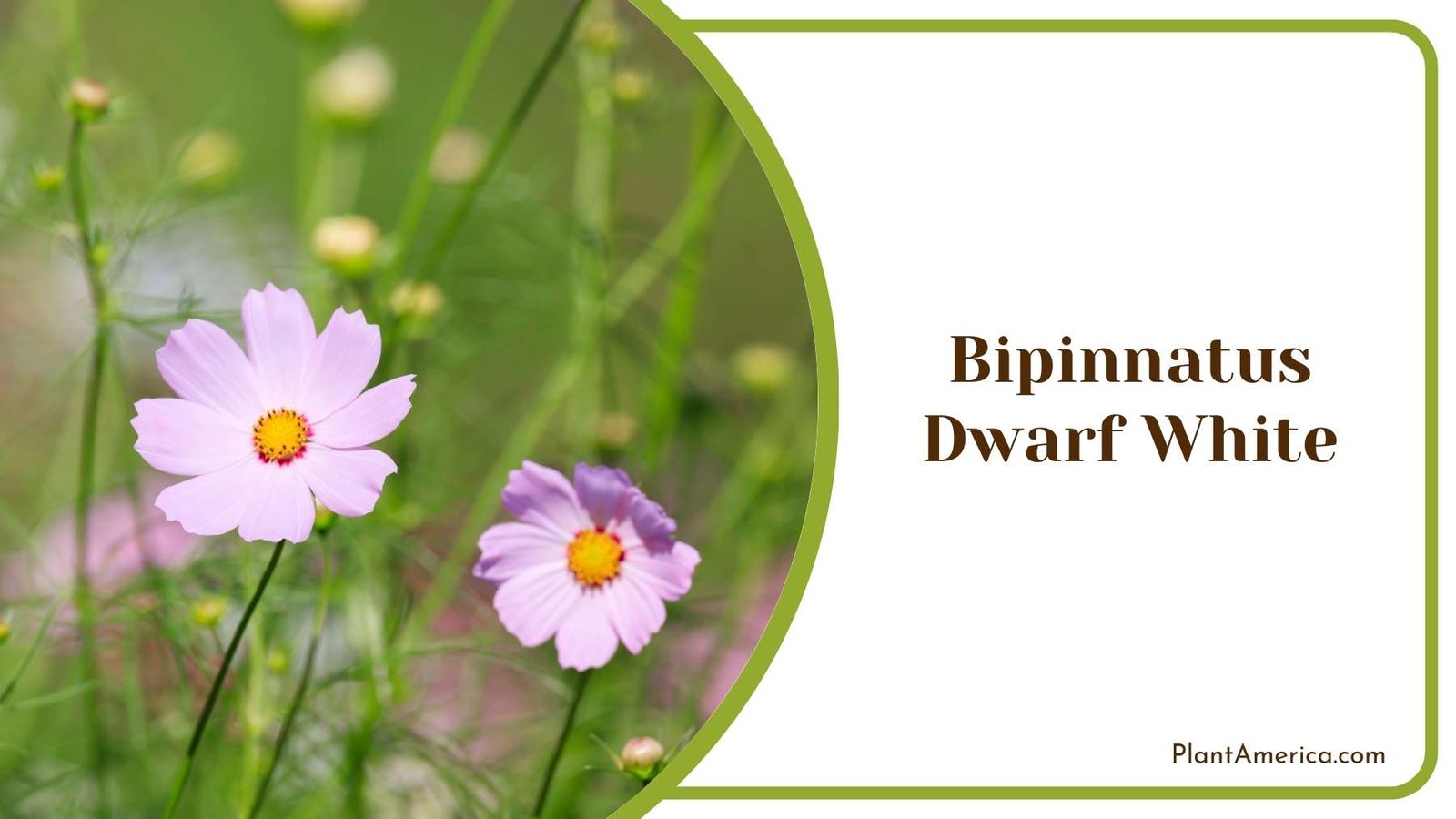
Cosmos Bipinnatus Dwarf White is a cheerful dwarf variety beloved for its clouds of pure white blooms. A compact form of Cosmos bipinnatus just one to two feet tall, it enhances borders, containers, and cut flower arrangements with its abundance of pristine blooms all summer long.
Arching stems are covered in feathery gray-green foliage. Starting in early summer, double white blooms emerge measuring one to two inches wide with rounded layered petals resembling puffs of cotton. Continuous deadheading rewards non-stop re-blooms until fall frost.
This compact cosmos thrives in full sun with average, well-draining soil. Minimal care beyond occasional deadheading is needed to maintain its mounded habit and bountiful blooms. Bees and butterflies flock to nectar-rich blooms, pollinating surrounding plants as well.
Ideal for smaller gardens, patios or mixed planters where its dwarf size won’t overwhelm. ‘Dwarf White’ layers gracefully and combines beautifully when planted with complementary colors and textures. Once established, cheerful self-seeding returns volunteers generously.
Adaptable and exceptionally long blooming, ‘Dwarf White’ offers an effortless seasonal display requiring little attention. Used fresh or dried, its constant blooms yield bountiful posies perfect for indoor bouquets too.
With its clouds of cheerful flowers inspiring joy, Cosmos Bipinnatus Dwarf White proves a versatile, low-maintenance choice to spread lively color wherever grown throughout the summer garden season..
Seashells strew gardens, marine magic, blooms mimicking conch upon tidewashed shores. Opening azure puffs intimating glints within softly illuminated aqua, envisioning thalassic mysteries. Complementing leaves assume indigo plumage, enhancing oceanic visions. Profusion nourishes pleasures while sparing labors; propagation shares bounty freely.
Seashells inspire wherever they nest—unconfining vivacious visions elevating settings. Whether accenting sea vistas or moonlit ambles, it uplifts through fanciful notions of nature’s surf beaten veins.
16. Cosmos Nelsonii
- Growing Season: Spring, Fall, Summer
- Leaf Shape: Palmate leaves of deep burgundy hue, Foliage color intensifies as seasons progress
- Specific Needs: Full sun and well-draining soil, Thrives with regular water when young
- Common Pests: Mildew, Aphids, Leafminer
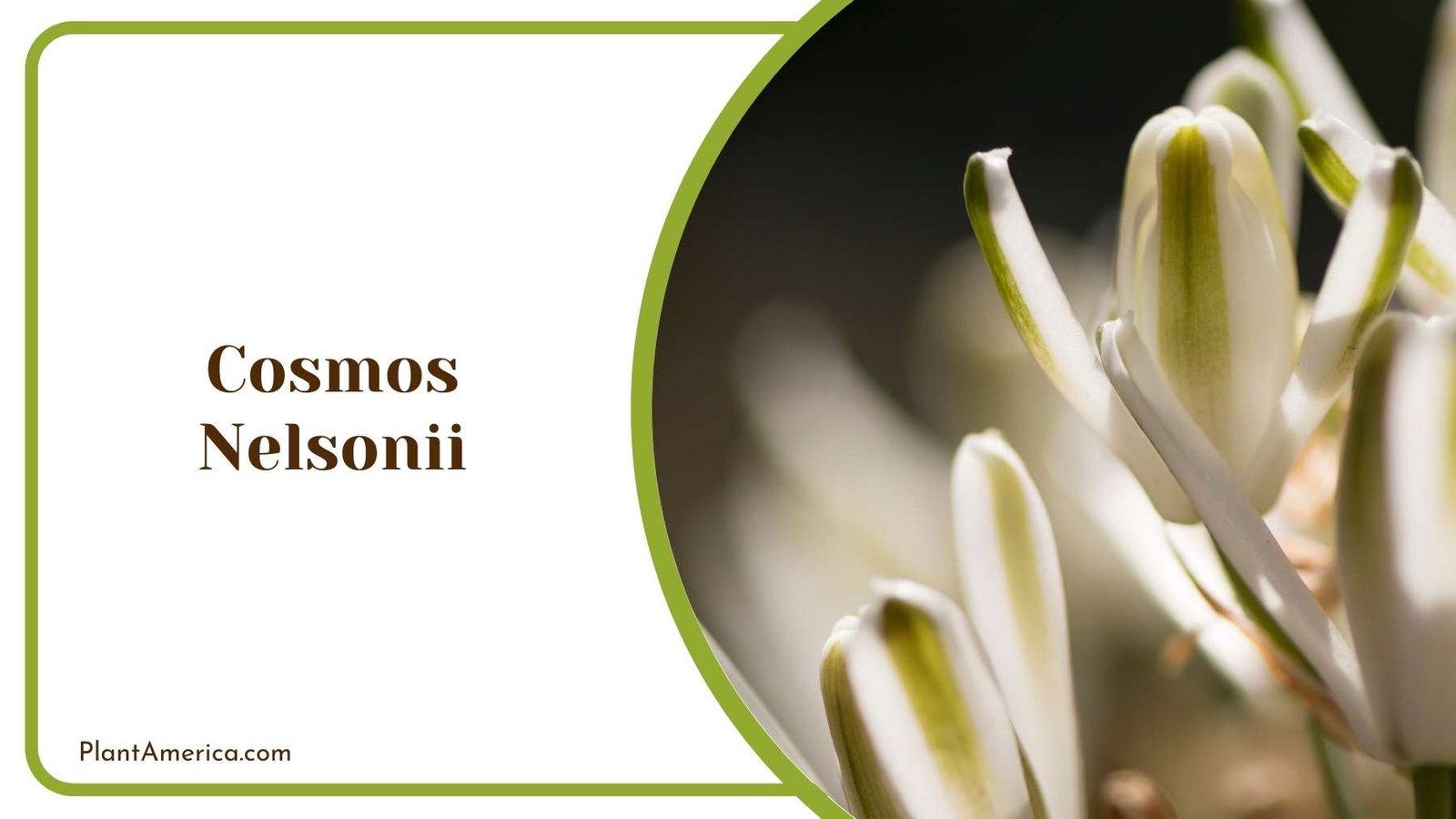
Cosmos nelsonii is an elegant flowering annual admired for its lacy foliage and delicate blooms. Native to Aguascalientes, Mexico, this unique species forms an airy bush covered in intricate leaves and petit pink flowers.
Fluttering stems grow two to three feet tall, bearing deeply dissected gray-green leaves finely divided like carrot fronds. Starting in early summer, miniature pink blooms emerge among the lacy greenery on elongated pedicels. Each delicate flower features five petals under a darker central disk.
This cosmos thrives in full sun and rich, well-draining soil with consistent moisture. Its lengthy bloom period rewards with subtle floral displays through fall. Graced with alluring foliage and diminutive blooms, it is perfect for beds, edges and containers with minimal care.
Beyond lush decoration, C. nelsonii attracts beneficial insects and pollinators like butterflies and hummingbirds with nectar-packed blooms. Combined with contrasting plants, its natural charm truly shines. Winter flower arranging utilizes fluffy seeds and intricate leaves.
Adaptable and exceptionally long-blooming, this species requires minimal resources while spreading freely via self-sown seeds. Low-maintenance care earns its place in any warm garden, courtyard or hidden nook.
With billowing lacy foliage and petite pink blooms inspiring grace and charm season after season, Cosmos nelsonii proves a versatile addition wherever grown effortlessly. Its natural beauty enhances spaces annually.
Conclusion
Across their diverse hues and forms, Cosmos offers bountiful blooms to beautiful effect.
- Cosmos carvifolius is an elegant flowering annual admired for its delicate fern-like leaves and finely cut blooms.
- Sensation Picotee flowers are prized garden annuals and perennials valued for their distinctive variegated blooms.
- Cosmos Bipinnatus Dwarf White is a cheerful dwarf variety beloved for its clouds of pure white blooms.
Nature presents her palette not to overcome but to uplift and unite. Through Cosmos’ easygoing elegance, gardens grace lives with life giving light. Their liveliness lifts all who admire them to appreciate simple joys and nurture connection.