
Watering mistakes are so easy to make with houseplants, and unfortunately, they can seriously stress our green friends out. In this post, We’ll share the top watering flubs even experienced plant parents make.
From over-love to underwatering, we’ll dive into the specific signs of too much or too little H2O and how to find the happy medium. Whether you have 50 plants or just one, we promise after reading, you’ll look at your plant watering with a new perspective.
1. Forgetting to Water
- Effect: Stunted or dead plants if moisture needs aren’t attended to properly. Roots may not be able to uptake sufficient water and nutrients.
- Solution: Set a consistent irrigation schedule tailored to plant/location needs, Use timers/alarms to remember during vacations.
- Prevention: Note watering needs on the calendar, Check soil moisture levels regularly.
- Warning sign: Wilting, dropping foliage despite the availability of rain/irrigation, Stems/leaves shriveled or twisted in appearance.
One of the biggest issues houseplant owners face is forgetting to water their plants regularly. Life gets busy and it’s easy to let a few days go by without tending to your green companions. Many plants can withstand brief periods of underwatering, but prolonged dryness causes significant stress.
There are a few different signs that a plant is suffering from lack of water. The soil will become completely dry, leaves may start to wilt and droop, and in more severe cases the plant may drop its leaves. The longer a plant goes without water, the harder it will be to revive. Consistent watering is crucial to keeping houseplants happy and healthy.
Setting up reminders can help busy plant parents remember to water. Examples include using a calendar to note watering days, setting up alerts on a smartphone, or employing a plant watering application. These digital aids help bridge the gap between wanting to care for houseplants and actual watering tasks. Seeing a reminder pop up means fewer plants will be left high and dry.
Catching minor underwatering issues early is key to avoiding damage down the road. Houseplants need regular hydration to thrive. With a little planning and scheduling help, it’s easy to stick to a watering routine that keeps plants perky and prevents forgotten watering from becoming a problem. Proper watering is the first step to green thumb success.
2. Inconsistent Watering

- Effect: Plants subjected to unnecessary stress that hinders healthy growth., Roots struggle to adapt to constantly changing soil moisture
- Solution: Maintain moisture at or near field capacity without soggy soil., Check moisture meters daily to stick to regular cycles
- Prevention: Use timers set for the same intervals year-round., Monitor weather and adjust timing as needed.
- Warning sign: Fluctuating new growth, fading foliage despite irrigation., Rootzone that never fully dries before being re-watered.
Just as forgetting to water can cause problems, watering plants inconsistently can also lead to issues. When the watering schedule varies wildly from week to week, it creates stress and uncertainty for plants. One week they may get a nice, long drink and the next only a slight misting. This confusion makes it hard for plants to establish stable roots and maintain healthy growth.
Inconsistent watering can show in signs like alternating periods of wilting and perkiness. As water levels in the soil profile change rapidly, plants may pump their brakes one week and hit the gas the next. Over time, the constant flux hinders optimal photosynthesis and nutrient uptake.
Sticking to a regular weekly schedule is best. Observing the top inch of soil and watering when it begins to dry is a reliable strategy. Setting a recurring reminder on your calendar ensures each plant gets their fair share of water, regardless of what else is going on. Consistency is key to plants experiencing steady growing conditions without disruptions below the soil.
3. Using Tap Water

- Effect: Reduces ability to uptake nutrients and water, leads to mineral deposits harming cells.
- Leaves speckled with white deposits as minerals emerge to leaf surfaces
- Solution: Install water softener or use rain barrels to capture soft water, Filter with reverse osmosis system before critical irrigation
- Prevention: Test water hardness levels with cheap home test kits, Choose species adaptable to your water quality
- Warning sign: White, gray or rust-colored dust/crystals on soils or foliage post-watering, Yellowed or stunted new growth despite moisture and fertilizing
Many houseplant owners use tap water straight from the faucet for watering. While convenient, tap water isn’t always the best option. It often contains dissolved minerals like calcium, magnesium, sodium, and chlorine added for disinfection during water treatment processes.
Over time, these minerals can build up in soilless potting mixes like peat moss. Excess salts stress plants and can damage roots. Tap water may also have a higher pH than what some plants prefer. This can affect how chemicals in the soil are available for plant uptake.
When possible, it’s better to use rainwater, diluted tap water, or filtered water for houseplants. Rainwater is soft and mineral-free. Diluting tap 50/50 with distilled water removes some but not all minerals.
Using a filtration system helps clean water for plant drinking. Whatever the source, water should always be room temperature for maximum absorption. Using treated water sparingly reduces chronic issues from mineral and pH changes.
4. Watering at the Wrong Time of Day
- Effect: Sunlight magnifies water droplet effects, leading to leaf scorching or spotting.
- Wet foliage overnight risks fungal/bacterial diseases taking hold
- Solution: Water in early morning or evening to allow for drying before heat/darkness, Increase air circulation/airflow around foliage
- Prevention: Check daily sunlight/temperature patterns before watering, Choose irrigation methods like drip that don’t require wetting leaves
- Warning sign: Yellow or brown marginal leaf scorching and browning, Soft, damp patches developing under wet leaves at risk for disease
In addition to consistency, the time of day you water houseplants matters too. Watering in the evening is generally best to allow soil and foliage ample drying time before nightfall. Late waterings increase risk of rot and disease development thanks to lingering moisture.
Morning waterings work well for most plants too. Again, the goal is for leaves to fully dry before darkness sets in. The middle of the day should be avoided, as direct sun can more easily evaporate water from the soil surface before it has time to sink deeper into the potting medium below.
Plants may also be more prone to sunburn if water droplets act as mini magnifying glasses, focusing light onto leaf surfaces. When watering’s done, it’s best not to rigorously soak the entire pot but rather provide water all around it until the top inch of soil is moist. Proper timing and thoroughness helps prevent issues down the road.
5. Failing To Check Soil Moisture

- Effect: Over- or under watering damages roots when soil is too wet/dry for prolonged periods, Nutrient/oxygen imbalances impair root functions over time.
- Solution: Use moisture meters or probes to directly measure soil moisture levels, Check multiple zones that may drain differently based on yard layout.
- Prevention: Gradually learn to recognize moisture needs through visual/textural signs, Group plants by watering zone based on irrigation needs.
- Warning sign: Top growth declines while lower roots remain soggy and rotting, Light, powdery soils in drying beds despite recent rain/watering.
Many plant parents skip the important step of checking soil moisture levels before watering. It’s easy to fall into a routine of watering on the same schedule without considering if plants actually need a drink. Not feeling the soil can lead to over- or under-watering.
The best practice is to insert a finger an inch or so into the soil and feel its moisture level before every watering. Dry soil means it’s time to water, while soil that still feels damp should be left alone until drier. Checking helps precisely determine each plant’s individual needs based on container size, potting medium, and growth rate.
Subtle clues like pot heft or wilting can also indicate moisture checks are due. When in doubt about whether to water, it’s safer to leave dryish soil alone rather than risk root damage from soggy wet feet. Taking a moment to get a feel for the dirt prevents mistakes that could otherwise harm hardworking houseplant roots.
6. Neglecting Humidity

-
- Effect: Lack of humidity in micro or macroclimate causes wilt/drop even when moist, susceptible foliage more prone to powdery mildews, rusts, and leaf spots
- Solution: Group humidity-lovers near each other for protection, use pebble trays, humidifiers to boost localized moisture levels
- Prevention: Know preferred species requirements before planting, choose very hardy, drought-tolerant varieties where humidity is lacking
- Warning sign: New growth curls or wilts despite adequate soil moisture, thin fungal infections on older leaves under low-humidity conditions
While watering gets a lot of attention, maintaining proper humidity levels is also important for houseplants. Many common indoor varieties like peace lilies, ferns, and African violets naturally hail from tropical climates and prefer humidity over percent
Dried indoor heating during winter months can dip home humidity too low for these species. When air is too dry, plants must work harder to transport water throughout themselves, making them prone to wilting, dropped leaves, and slowed growth. Pebble trays, humidifiers, and properly-grouped plants help raise ambient moisture levels.
Neglecting humidity needs fails to provide an ideal indoor environment where plants can remain healthy. Signs of low humidity include crunchy leaf edges and brown tips or spots.
Rotating plants to more humid rooms like bathrooms provides temporary relief without fixed humidification. Providing best conditions sufficient water and moisture yields happier, hardier houseplants.
7. Overwatering Soil
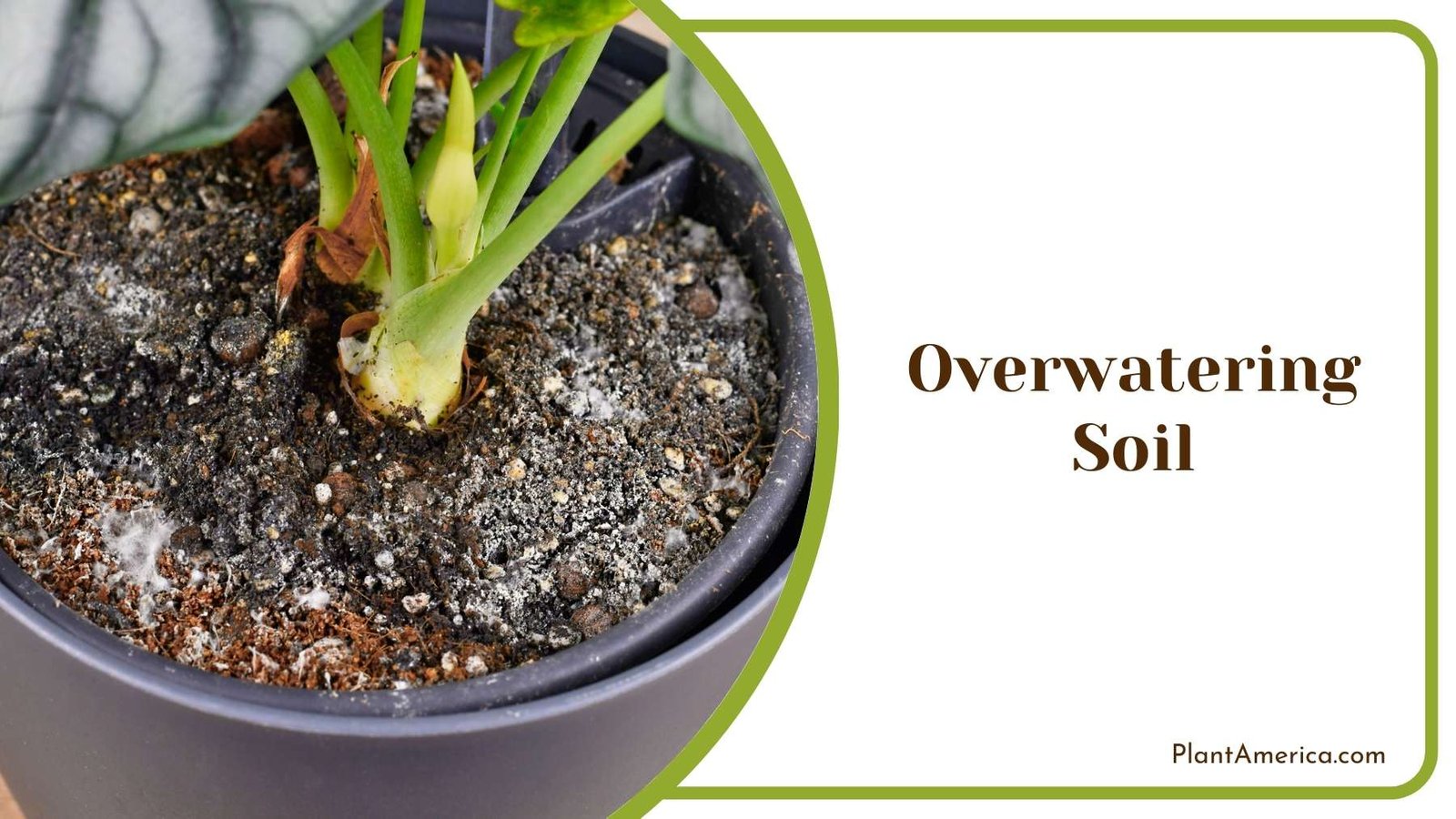
- Effect: Rootzone deprived of air leads to root rot and breakdown over time., Slowed nutrient/water uptake increases disease/pest susceptibility
- Solution: Allow the top a few inches to dry slightly between waterings., Add organic matter and raise bed/planting mounds for drainage
- Prevention: Check moisture levels daily until familiar with drainage rates., Improve soil porosity with amendments or raised beds
- Warning sign: Slope reveals pooling/puddling that fails to infiltrate over time., Foliage wilts/drops despite continually wet soil conditions
It’s a common mistake for plant parents to water their houseplants on a fixed schedule without regard for actual moisture levels. Just because “it’s Tuesday” doesn’t necessarily mean plants are ready for a drink. Routine watering can lead to over-or under-watering depending on the conditions.
Rather than mentally assigning watering days, it’s better to check soil moisture and only water when the top inch is dry. The frequency may vary from week to week based on factors like pot size, sunlight exposure, humidity, and type of soil medium being used.
Signs like dropping leaves or limp growth should serve as a reminder to check moisture against schedule assumptions. Different plant varieties also have different water needs, so what works for a pothos may not be right for a philodendron.
Individualized care tailored to observed moisture levels prevents errors. With knowledge, patience and observation, watering by feel leads to happier houseplants.
8. Allowing Soils to Dry Out

- Effect: Subjects shallow-rooted or drought-intolerant plants to unnecessary drought stress, Prolonged wilting can cause permanent damage or death.
- Solution: Maintain moisture at or just below field capacity, Water deeply but infrequently based on plant needs.
- Prevention: Check soils daily once familiar with drainage rates, Group by watering zone to prevent over- or under-watering.
- Warning Signs: Drooping or curled leaves, possible leaf drop despite recent rain, Surface soils are powdery and dusty between rains.
Getting the right sized container for a plant is important for its long term health and growth. Pots that are too large can retain too much moisture and lead to root rot issues over time. Soil held in a pot that is too small will dry out more quickly, causing stress from frequent underwatering.
When repotting, it’s best to choose a container just 1-2 inches larger than the previous. This allows for healthy root expansion without creating moisture problems. Plants potted in containers much too large for their rootball will struggle to efficiently uptake available water and nutrients in all that extra soil.
Signs of inappropriate pots include slow growth, wilting, and yellowing leaves. Repotting into an appropriately sized vessel and checking drainage holes are not blocked promotes a suitable environment for roots to flourish. With careful matching of pot and plant dimensions, houseplants are set up for long, lush lives.
9. Excess Pooled Water

- Effect: Roots deprived of oxygen will rot if kept overly saturated for too long. , Standing water encourages disease problems.
- Solution: Improve surface drainage and add amendments to lighten heavy soils., Create swales or raise planting areas.
- Prevention: Assess site drainage before planting., Choose only moisture-loving plants for persistently wet areas.
- Warning Signs: Flooded roots zones, Possible root rot in severely saturated soils that never fully dry out.
In addition to pot size, the type of soil houseplants are grown in makes a big difference. Soil that retains too much moisture can lead to root rot, while soil that dries out rapidly causes wilting from frequent thirst. Choosing the right potting mix tailored to a plant’s needs lays the groundwork for healthy growth.
Plants adapted to drier conditions like cacti and succulents prefer well-draining soils incorporating materials like perlite, gravel or sand. Soil for tropical foliage and flowers retains more moisture using ingredients like peat moss or coir fiber. Some plants grow happily in plain potting soil, while others demand nutrient-rich mixes.
Signs of soil issues include stunted growth, spotting or dropping of leaves. Rotten roots indicate overly wet feet while shriveled roots mean dryness. Taking the time to learn a plant’s soil preferences prevents potential problems down the line and ensures each green companion receives optimal growing conditions from the get-go. Happy plants start with happy roots!
10. Inadequate Drainage
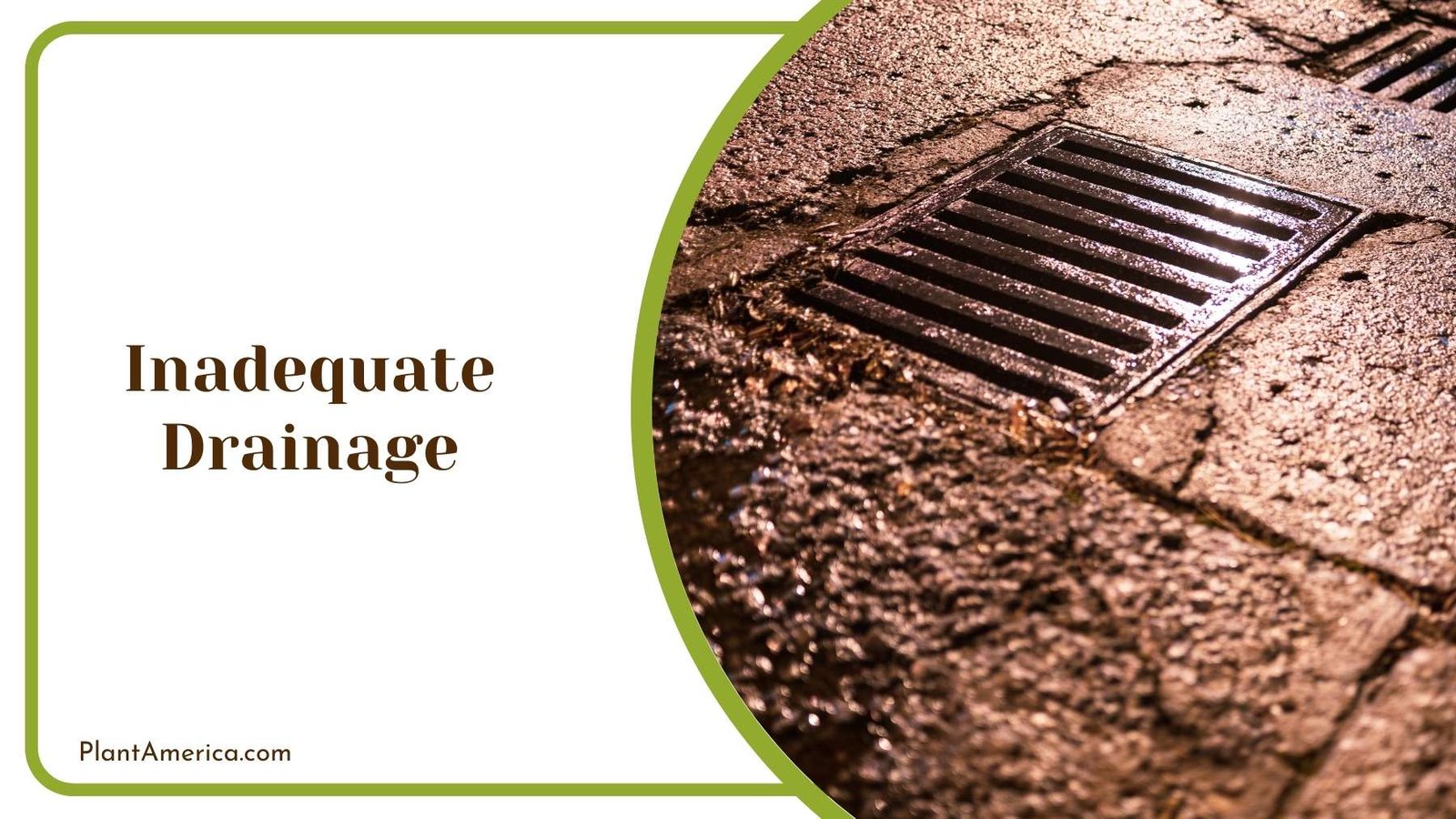
- Effect: Roots sitting in saturated ‘wet feet’ risk hypoxia and rot from poor aeration, Surface runoff pollution occurs.
- Solution: Use lasers or stakes to check flat zones, Add gravel trenches or raised beds for improved percolation.
- Prevention: Soil test particle size, Improve structure with organic matter or sand to loosen clay-heavy areas.
- Warning Signs: Puddles remaining for days after rain, Declining growth despite regular irrigation.
Most houseplants benefit from occasional supplementation of macro and micronutrients through fertilizing. As plants uptake minerals from soil over time, additional nutrients are needed to sustain healthy growth. Failing to fertilize can lead to pale foliage, stunted stature, and precursor signs of nutrient deficiencies.
Most indoor gardeners fertilize during the active growing season between spring and fall. Well-draining houseplant formulas applied at half or quarter strength every 4-6 weeks boosts plant metabolism.
Signs of fiber include yellowing of lower leaves, curled/deformed new growth, and browning leaf edges/tips. Monthly applications keep plants optimized for photosynthesis and flowering/fruiting.
For slower-growing indoor greenery, annual spring fertilizing often suffices. Tropicals and heavy feeders enjoy seasonal feeding. Matching fertilization level and schedule to light conditions, water quality, and a plant’s vigor supports lush foliage without risk of burn from over-fertilizing. Combined with other best practices, nutrients fuel houseplants to shine.
11. Improper Soil Composition
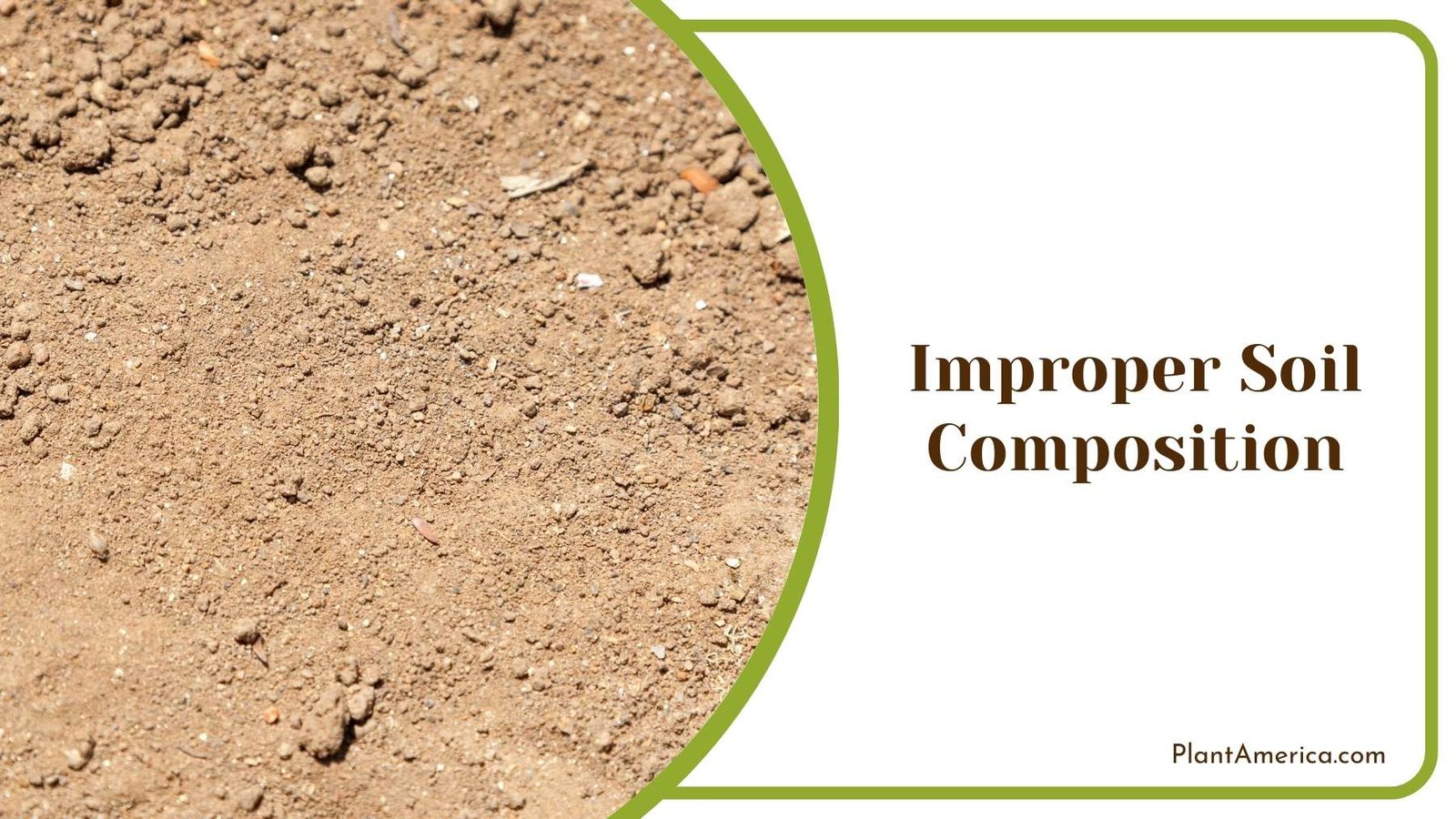
- Effect: Poor water retention when dry, drainage/aeration when wet.
- Solution: Custom soil blend using organic matter, compost, and mineral amendments.
- Prevention: Assess textures before planting, Choose species adapted to your natural soil conditions.
- Warning Signs:
- Sandy soils: allow quick drying out,
- Clay: becomes hardpan when overwatered.
The specific mix of ingredients used in a potting soil can have a big impact on plant health and growth. Houseplants have different soil needs depending on factors like their origin, watering requirements, and preferred growing conditions. Using an inappropriate potting mixture is a common mistake.
Plants from tropical rainforests need extremely well-draining soils that don’t stay soggy. Too much organic material like peat moss can cause root rot. Cacti and succulents are even more tolerant of dry soil, preferring lots of perlite or gravel for excellent drainage. Ferns and peace lilies originate from humid forests and want moisture-retentive potting mixes.
Soil composition also affects how quickly the soil dries out after watering. Soils heavy in organic ingredients like compost retain more water longer. Mineral soils with perlite or vermiculite dry out faster.
Matching a plant’s soil preferences prevents problems due to over- or under-watering from improper drainage. Taking the time to understand individual needs and choosing the right potting mix goes a long way in setting houseplants up for thriving success indoors.
12. Infrequent Watering

- Effect: Stresses plants and inhibits normal growth cycles, Shallow roots cannot sustain dry conditions.
- Solution: Rely on timers, Use rain sensors set to detect dry-downs before permanent wilting occurs.
- Prevention: Group by zone, know native water needs, Check daily if new to the area until schedules feel natural.
- Warning Signs: Foliage wilts, Drooping despite available moisture in deeper layers of soil.
Underwatering houseplants is a very common mistake that can cause severe stress or even death. The signs of insufficient water include wilted, limp leaves and stems, yellowing or browning of leaves, leaf drop, and slowed growth.
It’s important to water when the top 1-2 inches of soil is dry, not on a fixed schedule, as containers, pot size, drainage, and light exposure all impact water needs. Neglecting water frequently enough fails to replace the moisture used up during transpiration.
For forgotten plants, bottom-watering by setting the pot in a container of water allows for slow, thorough absorption. Sticking your finger in the soil to check moisture levels regularly helps catch under watered plants before wilting occurs.
Especially during winter months when plants are dormant and growing slowly, it’s important to check soil moisture even more often. Underwatering stresses plants trying to photosynthesize and recover, setting them back health-wise.
Catching dehydration early prevents potential damage from an extreme lack of water. Frequent observation ensures adequate moisture levels at all times of year.
Conclusion
Watering is arguably the most crucial task for keeping houseplants happy and healthy indoors.
- Inconsistent schedules or infrequent drinks stress roots over time
- Improper timing raises risks of scorching and diseases
- Ignoring individual needs leads to deficiency issues
While mistakes may seem minor, their cumulative effects can seriously decline a plant’s welfare. The good news is, tweaking a few simple habits goes a long way towards prevention. With attention and care, every gardener can avoid sneaky pitfalls and instead focus their energy on enjoying the payoff.