
Flowering plants for balconies come in many shapes and sizes, but finding those that thrive in containers with little fuss can be tricky. Whether you want vibrant colors all seasons or the allure of birds and butterflies in your outdoor space, we’ll introduce you to flowers that blossom abundantly with minimal effort.

Our curated list includes old favorites and some new annuals and perennials you may have yet to discover. By summer’s end, your planters will be abuzz with activity thanks to these fuss-free flowering friends.
Low-Maintenance Flowering Plants for Beautiful Balcony Container
1. Petunias
- Growing Season: Spring, Summer, Fall
- Leaf Type: Smooth edged leaves, Oval or round
- Specific Needs: Full sun, Fertile soil, Moderate watering
- Common Pests: Aphids, Slugs
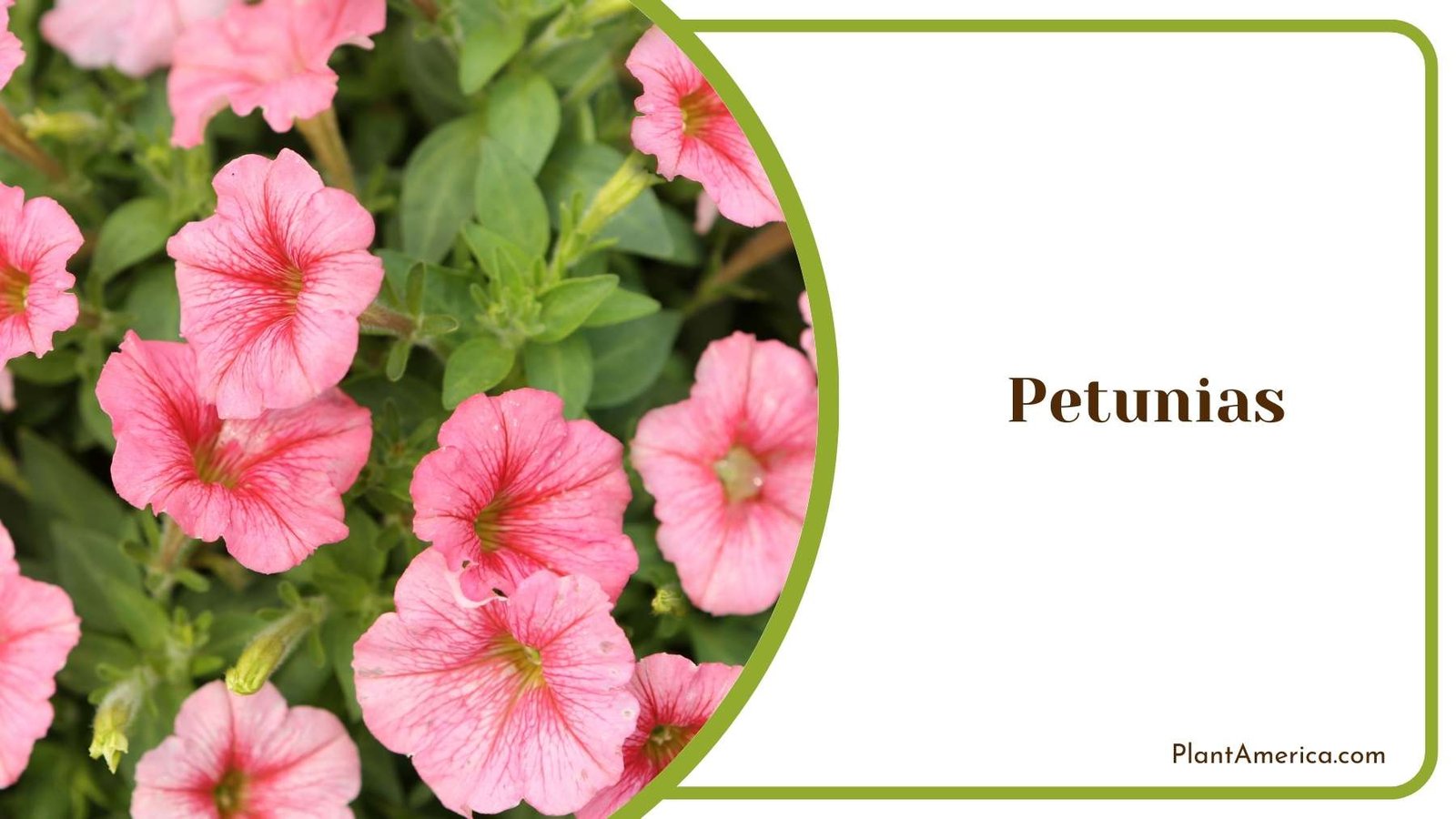
Petunias are one of the top choices for balcony container gardens due to their cheerful blooms and easy-care nature. Native to South America, petunias come in a stunning variety of colors, from classic deep red to new hybrid shades like plum, champagne, and even silver!
Whether you prefer large grandiflora varieties known for their voluminous flowers or more compact spreading types for spilling over the edges, petunias provide a long season of cheer from spring into fall.
You can’t go wrong tossing a few petunias into hanging baskets or planters for a sunny balcony. Their tolerance for hot sun means they’ll bloom throughout the warmest months. Just give them fertile, well-draining soil and keep them moderately watered. The bright flowers attract hummingbirds, butterflies, and even honey bees to small balcony oases.
You may find types suited to growing as trailing plants perfect for draping down the sides of large window boxes or containers alongside compatible flowering companions like marigolds, zinnias, or sweet alyssum.
Petunias thrive with minimal effort from homeowners, making them a top choice for busy balcony gardeners. Their continuous flowering with little daily care propels their appeal for container flourishing.
Whether as a sole specimen or in cottage gardens alongside sunny balcony flowers like begonias, vinca, and calibrachoa, petunias grace small spaces with lasting summer color. Try combining grandiflora types with patterns like Wave petunias in window boxes for a prolific display that buoys the spirits all season in small outdoor areas.
2. Begonias
- Growing Season: Spring, Summer
- Leaf Type: Varied, Green and asymmetrical
- Specific Needs: right shade to partial sun, Rich soil
- Common Pests: Fungus, Mealybugs
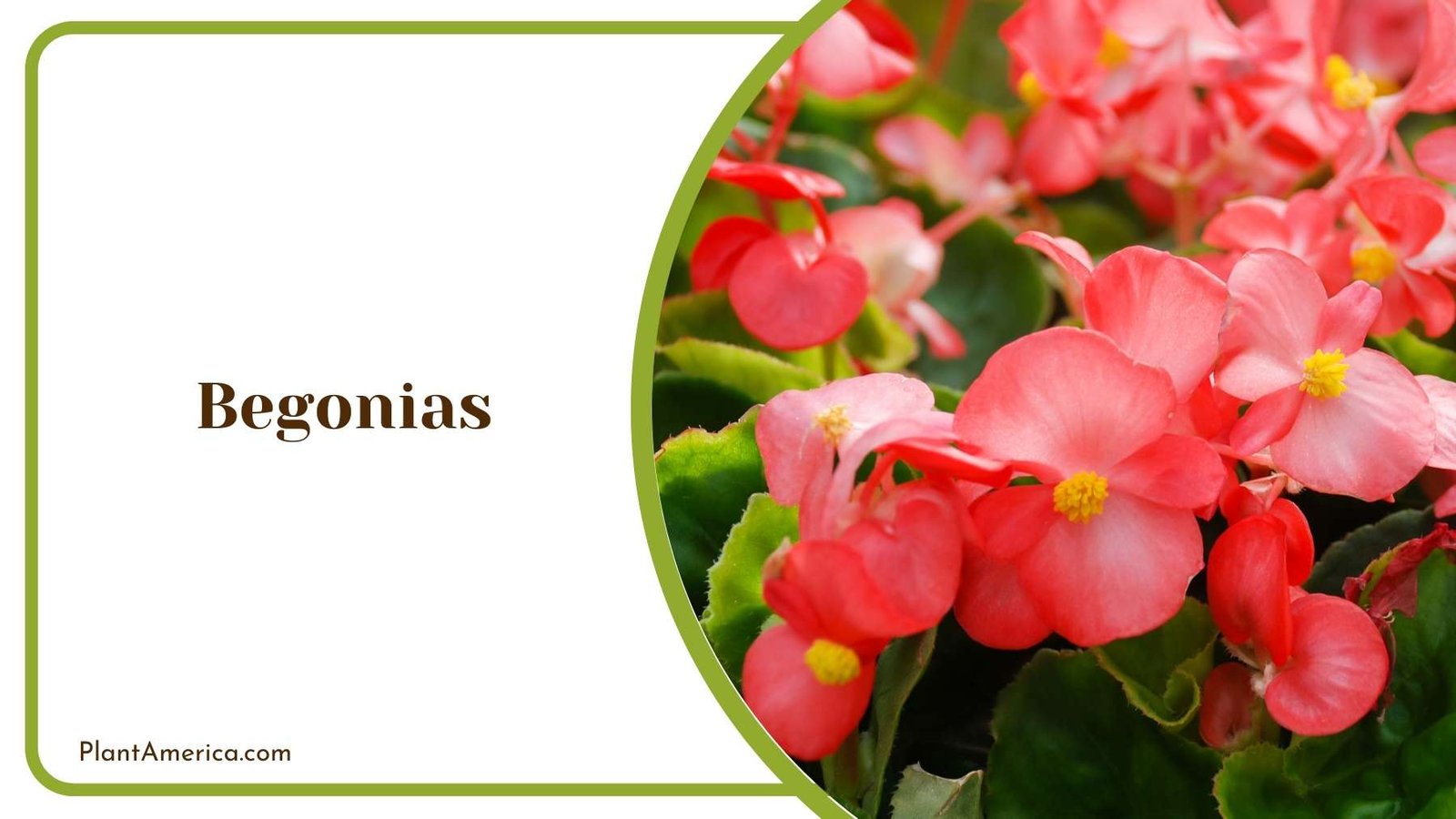
Begonias thrive in shady Balcony spots, with their colorful blooms providing garden color even in areas with limited sun exposure. An excellent choice for patios under trees where few other flowers will flourish, begonias include rex, tuberous, and angel wing types. For containers, try wax begonias with their lush dark green leaves holding jewel-toned red, pink, orange, and white blooms all season.
A versatile plant, begonias tolerate damp and drier soils as long as the medium drains well. Mix some organic compost or bark into potting mixes to ensure optimal nutrition for continuous flowering, even in dense conditions.
Provide partial afternoon shade for wax begonias, which tend to scorch in full sun. In the bright shade, tuberous begonias stake sturdy plants like Little Brother Montbretias for vivid blooms.
Begonias present a cheerful sight in hanging baskets or as a lush groundcover spilling from raised planters. Their lush texture contributes visual appeal even when not in bloom with large, asymmetric, often soft pale green foliage.
For balcony flowering plants, begonias rank among the most versatile and beautiful options. Whether trailing from above or standing proudly upright in pots, your small outdoor living space can benefit all seasons from these beauties adapted for shade as well as sun.
3. Verbena
- Growing Season: Spring, Summer, Fall
- Leaf Type: Soft, fuzzy, Oval to rounded leaves
- Specific Needs: Full sun, Well-draining soil, Heat tolerant
- Common Pests: Whitefly, Spider mites
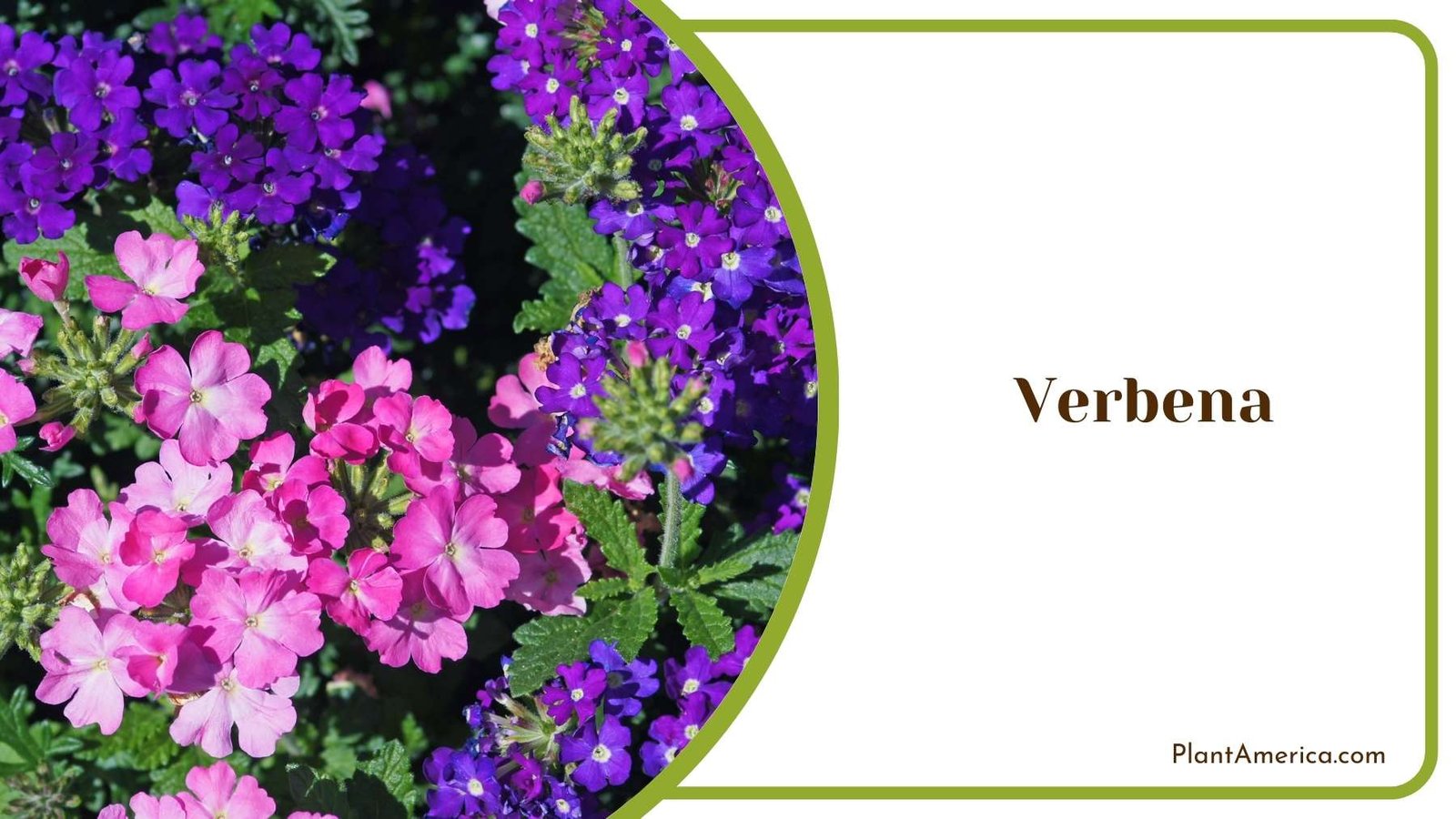
Verbena’s cheery clusters of small blooms make it a top pick for balconies and window boxes. Adaptable and tolerant of heat and drought, these perennials thrive alongside petunias, lobelia, and sweet alyssums. Their rounded leaves come in various hues of green and may have reddish undersides, depending on the variety.
Choose verbena cultivars suited to containers, preferring compact spreading over tall bedding varieties. ‘Homestead Purple’ creates a lovely mounded shape perfect for spilling over the edge of pots. Its rich violet flowers attract pollinators to your sunny balcony all season.
For continuous color, prune back verbena as needed to maintain its form. Deadhead spent blooms to encourage more to follow. Drought-tolerant once established, moderate watering keeps it looking its best in warm weather. Pinch new growth occasionally to promote bushier plants.
While verbena naturally thrives in the hot sun, opt for some afternoon shade if planted on boiling balconies facing west. Give it excellent drainage to avoid root rot during rain. The fuzzy foliage repels some common pesky insects like thrips and spider mites. With other drought-resistant flowers, verbena quickly adds colorful appeal to small balcony gardens.
4. Geraniums

- Growing Season: Spring, Summer, Fall
- Leaf Type: Palmately lobed, 5-7 lobes per leaf
- Specific Needs: Sun to partial shade, Well-draining soil
- Common Pests: Leaf miners, Aphids, Slugs
Geraniums are beloved balcony plants due to their durability and colorful display. Their lobed green leaves form a lovely backdrop for the clustered blooms, which come in a broad palette including reds, pinks, purples, whites, and bi-colors. Look for heat-tolerant zonal geraniums like ‘Rozanne’ with lavender flowers for sunny areas. In partial shade, consider Ivy geraniums such as ‘Calliope Pink.’
Both types thrive in containers and add lush texture to balcony gardens throughout the growing season. As trailing varieties, zonal geraniums such as ‘Oregon Grace’ beautifully spill over the edges of hanging baskets or planters.
Ivy geraniums offer a more compact shape suited for smaller pots. Another bonus is their attraction to pollinators – geraniums provide a reliable nectar source for butterflies, hummingbirds, and bees.
Care for geraniums in pots is simple. Select a soil-less mix amended with compost for adequate drainage. In hot weather, mist the foliage to increase humidity levels. To extend the bloom time, pinch off faded blooms regularly to encourage new growth. Occasionally fertilize during the growing period too.
Staking larger zonal varieties in containers prevents toppling from heavy rains or high winds. Watch for pests like aphids and treat any mild infestations quickly before they spread. By choosing disease-resistant cultivars and practicing good garden hygiene, your geraniums will reward your sunny balcony with colorful displays for months with minimal effort.
5. Bacopa

- Growing Season: Spring, Summer, Fall
- Leaf Type: Small, Rounded, Fleshy leaves
- Specific Needs: Part to full shade, Moist soil conditions
- Common Pests: Minimal pest issues
Bacopa is a lovely trailing flowering plant well-suited to balcony containers in part to full shade. Its small, rounded leaves form a dense foliage carpet perfect for spilling over the edges of hanging baskets or concealing the bare sides of pots. White, pink, or lavender flowers bloom along the stems throughout warm seasons, providing pollinator-friendly color.
For shaded patios and balconies, bacopa thrives with minimal sun exposure needs. Keep its soil moist but not soggy—the fleshy leaves can rot in wet conditions. It tolerates both heat and humidity well. Mosquito plants and water hyssop are common names for reported uses for reducing mosquitoes and cleansing water.
Plant bacopa among combinations, including impatiens, begonias, and ferns, for an oasis of greenery in spots with little sun. Use it as a trailing plant with upright flowers like angelonia or impatiens. Let it drape decoratively over retaining walls or onto the next level below in multi-story patio containers.
The dense mat-forming habit and ease of care make bacopa an excellent selection. Its shade’s versatility suits it for mixed planters and as an adequate sole-specimen ground cover. With few pest or disease issues hampering its growth, bacopa allows balcony gardeners to showcase flowers even in challenging low-light areas.
6. Marigolds
- Growing Season: Spring, Summer, Fall
- Leaf Type: Dark green leaves, Oval or round and arranged oppositely along the stems
- Specific Needs: Full sun, Well-draining soil
- Common Pests: Aphids, Spider mites, Slugs
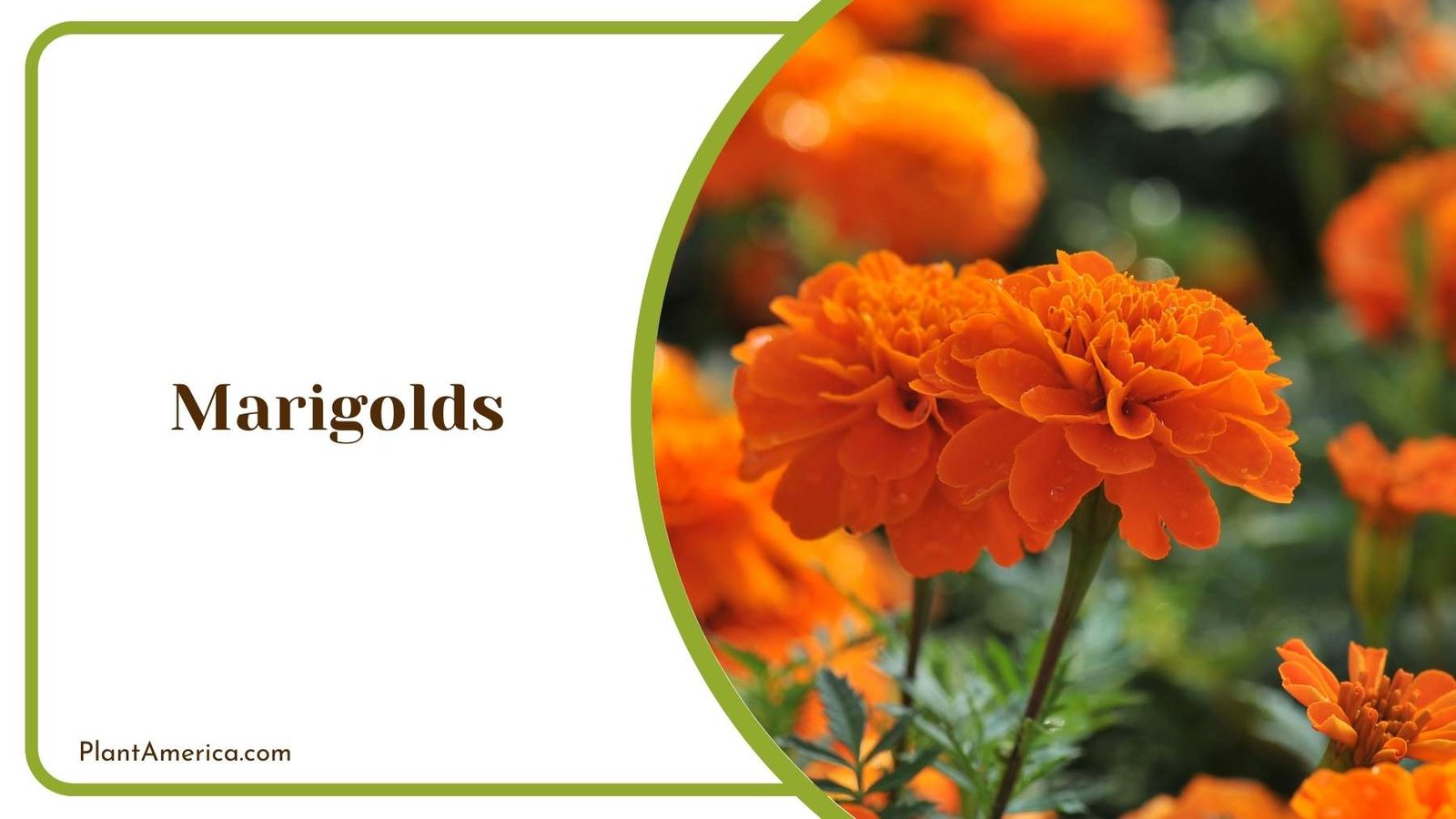
Marigolds lend a cheerful splash of color to balcony gardens from spring until the first frosts. Their bright blooms range from yellow to orange and even red and come in various heights suited for large or small containers. Compact French varieties stay low, suitable for window boxes, while African types grow taller.
All marigolds thrive in hot sun with limited care needs. Provide fast-draining soil and moderate water until established, then allow the soil to partially dry between waterings. Deadhead spent flowers to encourage continuous blooming.
Marigolds’ popularity lies in their unmatched ability to deter pests without using chemicals. Their odor prevents harmful insects and small animals like rabbits from nipping at vegetables. Add French marigolds among plants like tomatoes and peppers in pots to enjoy the dual benefits of vibrant blooms and natural pest control in compact gardening spaces.
Their heat tolerance and gold hues brighten any sunny balcony through the seasons. Pair different marigolds – lacy cream and reds alongside bold oranges – for lively, season-long color, even in small containers. Deadhead spent blooms to keep your patio popped with poppies through fall.
7. Lantana
- Growing Season: Spring : Summer : Fall
- Leaf Type: Broad and glossy leaves, Various shades of green, red or yellow
- Specific Needs: Full sun, Well-draining soil, Heat and drought-tolerant
- Common Pests: Mites, Whiteflies
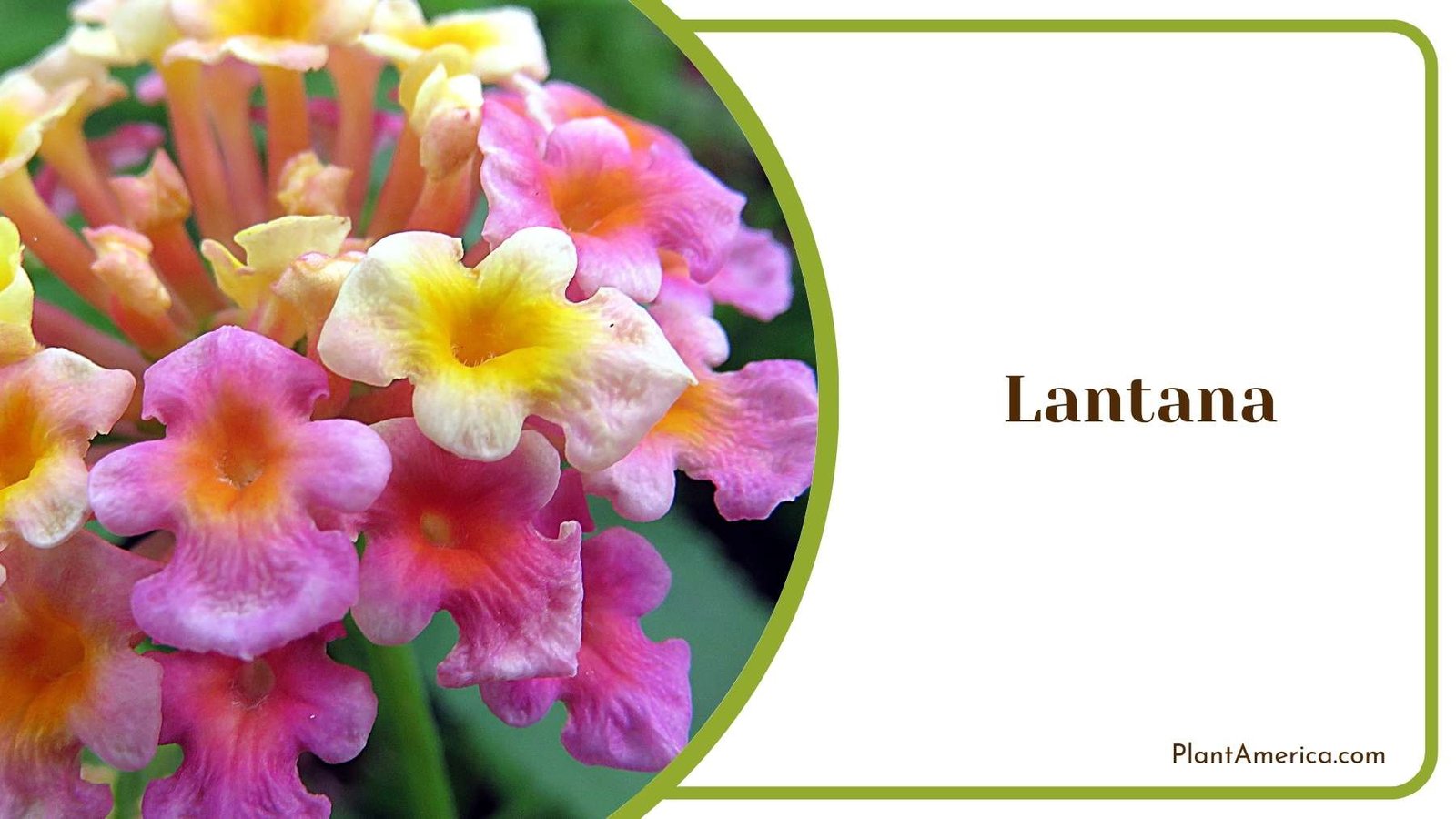
Lantana shrubs thrive in hot, sunny conditions like those on many balconies. Native to the Americas, there are over 150 lantana species with different flower colors. For containers, look for compact cultivars well-suited to trail over the sides of pots and baskets. Chapel Hill Yellow bears dense panicles of butter-colored blooms, while Patriot Red features vibrant crimson flowers.
The moderate growth of lantana makes it ideal for medium or large planters. Mix a well-draining potting mix fortified with sand or perlite to prevent soil issues in confined root spaces. Lantana is quite tolerant of poor soil as long as drainage is adequate. Water infrequently but deeply after the top inch of soil dries out.
Once established, lantana is very heat and drought-resistant. Its colorful blooms persist for months with minimal care. In dry weather, mist the foliage to increase humidity levels. Remove spent flower clusters to encourage continuous re-blooming.
Lantana blooms provide a reliable nectar source prized by butterflies, bees, and hummingbirds. Use it to line walkways or as a low hedge alongside other sunny companions. Its hedge-like habit helps screen unsightly areas or add privacy on patios. Overall, lantana brings vibrant seasonal color with great ease of growth to any sunny balcony garden.
8. Ajuga
- Growing Season: Spring, Summer, Fall
- Leaf Type: Leaves are variegated green, white, and pink or red
- Specific Needs: Partial shade, Moderate water needs
- Common Pests: Spider mites
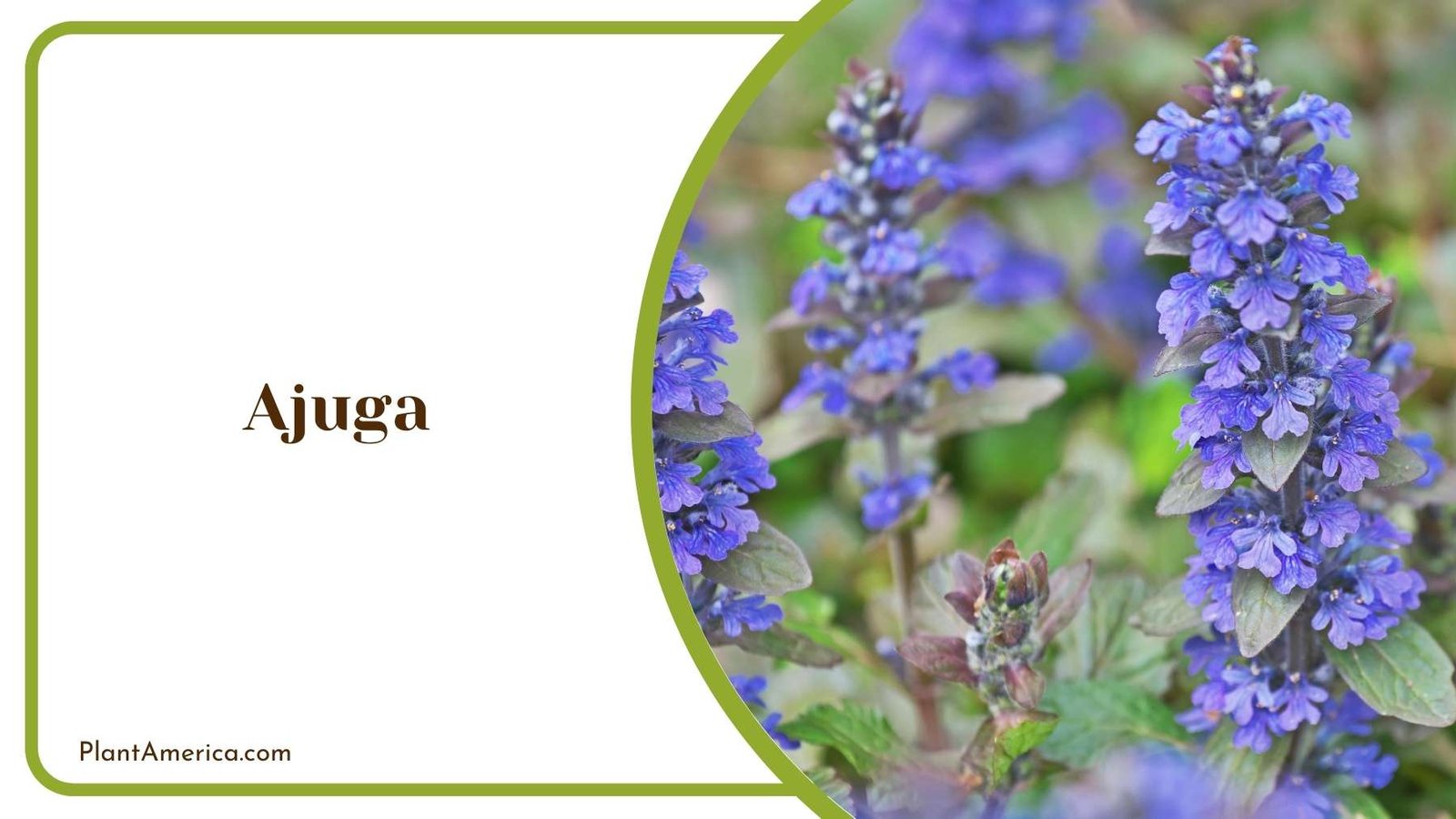
Ajuga, called bugleweed, brings colorful foliage appeal to shaded balcony spaces. Available in many cultivars like ‘Bronze Beauty’ with bronze, pink, and green variegation, ajuga forms a dense, low-growing ground cover. It makes it ideal for lining walkways or concealing bare earth in containers.
In partial shade under eaves or dense tree canopies, ajuga thrives with little direct sun exposure. Amend the soil with organic matter like compost to ensure good drainage. Space plants 12-15 inches apart so their foliage intertwines to fill in quickly.
Once established, ajuga is relatively low maintenance. It requires occasional watering during dry spells and pruning the back of flower spikes to maintain foliage texture. Despite humid conditions, ajuga seems unaffected by most pests or diseases when appropriately sited.
The variegated leaves offer visual appeal even without colorful blooms. Use ajuga to complement other sun-loving plants in containers that receive morning light. It also pairs well with shade perennials like hostas, astilbes, and ferns.
With its ability to brighten up difficult shaded patio areas, ajuga belongs in every balcony garden. Its versatility, toughness, and colorful foliage make Ajuga a valuable addition to containers at a minimum cost or effort for maximum seasonal curb appeal.
9. Dianthus
- Growing Season: Spring, Summer, Fall
- Leaf Type: Dark green leaves, Narrow and grassy
- Specific Needs: Full sun, Well-draining soil
- Common Pests: Aphids
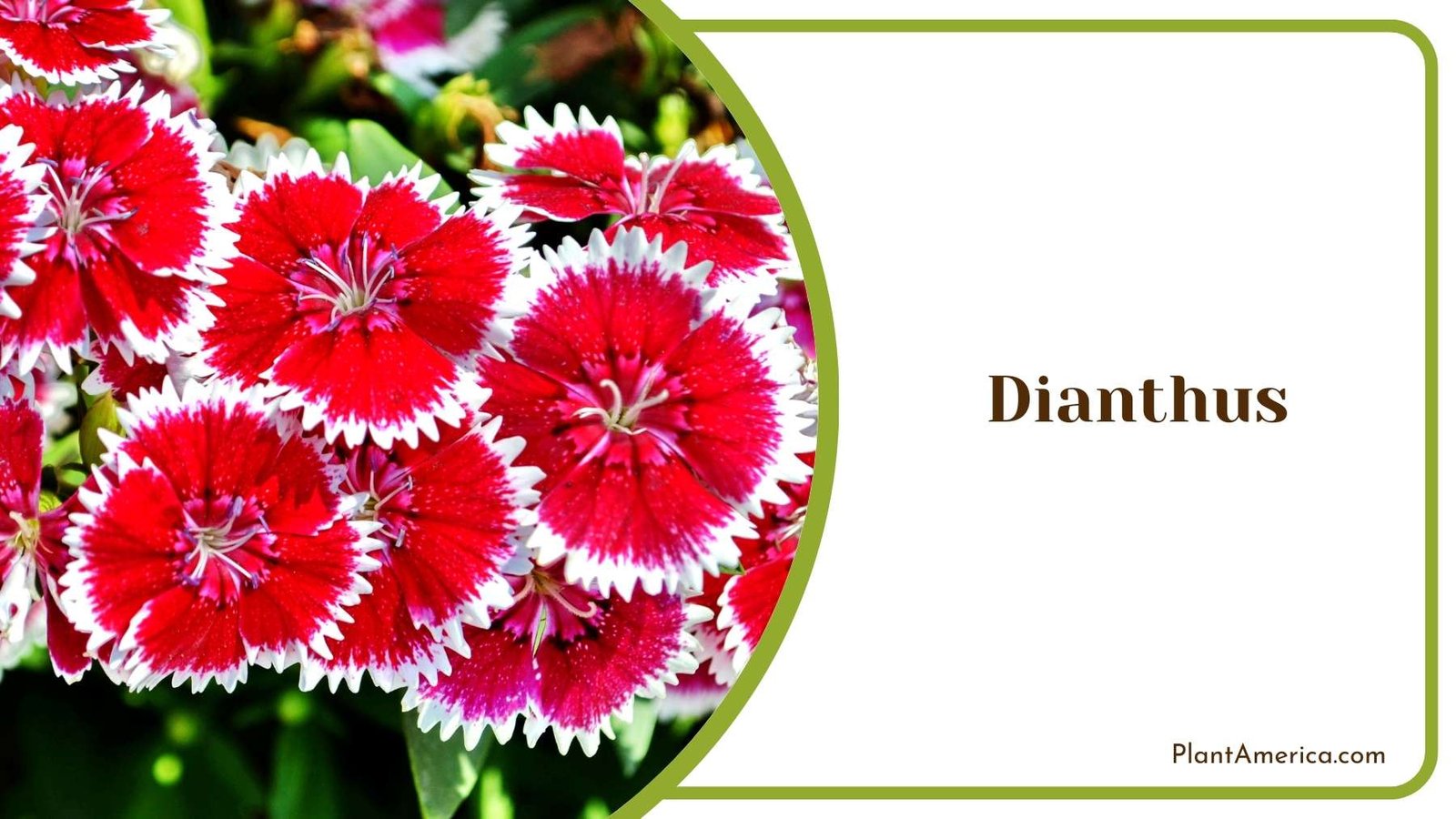
Their vibrant blooms emitting a sweet fragrance make dianthus cherished flowers for patio spaces. Commonly called pinks, their frilly pom-pom blooms brighten sunny balconies with shades of red, pink, lavender, and white. Choosing mounded cultivars rated for containers ensures prolific flowering even in limited soil volumes.
Consider varieties noted for heat tolerance and compact growth for sunny container gardens. ‘Tiny Rubies’ packs a big punch with dense clusters of hot pink flowers. Deadhead spent blooms to encourage continuous reblooming throughout warm seasons.
Dianthus prefer fertile, well-draining soils. Use a soil-less potting mix amended with compost to promote good drainage. Water only when the top inch of soil feels dry. Provide afternoon shade if necessary on balconies facing afternoon sun to prevent wilting on extra hot days.
Their low water needs make Dianthus excellent partners for xeric succulents. Group plants among rugged herbs like thymes and sedums. Or let dianthus spill decoratively over the sides of hanging baskets paired with trailing verbena or ivy.
With beautiful texture, fragrance, and dependable flowers even lazy gardeners can enjoy, dianthus provides months of color with minimal effort. Their heat and drought tolerance let blooms thrive where other flowers fail.
10. Impatients
- Growing Season: Spring, Summer, Fall
- Leaf Type: Glossy green, Rounded leaves
- Specific Needs: Partial shade, Consistently moist soil
- Common Pests: Downy mildew
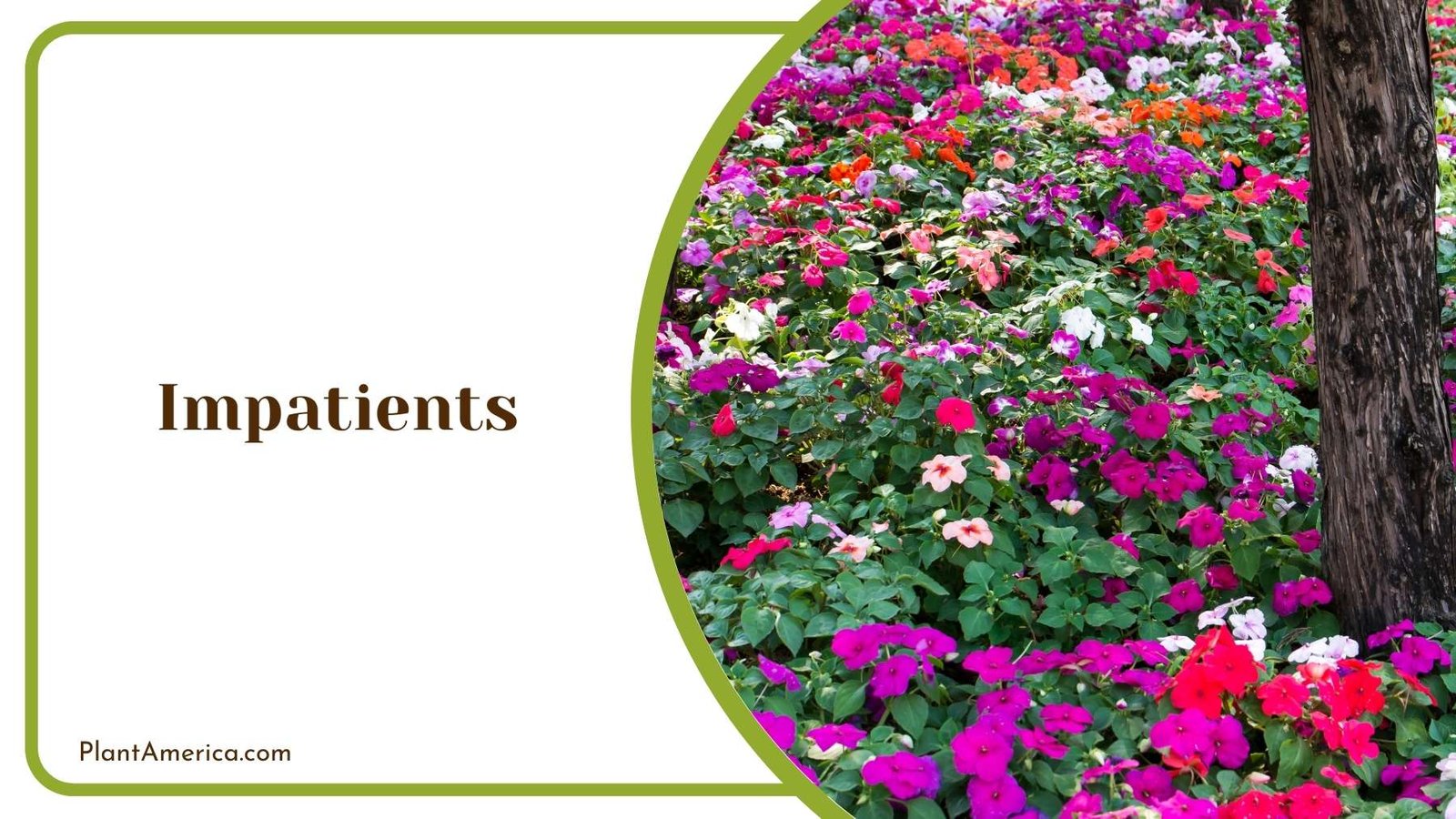
Impatiens are a patio gardener’s best friend, lighting up shady spots from spring until fall with bright, colorful flowers. These hardy annuals thrive in dappled or filtered sunlight in heat and humidity as long as their moisture needs are met. With proper care, impatiens continue flowering non-stop.
Choose varieties bred for sun or shade according to the space. Newer hybrids like ‘Super Elfin XP Hybrid Blue’ resist mildew better while displaying vivid hues. Dwarf types stay compact and suitable for window boxes or hanging baskets. Taller kinds lend verve paired with ferns or coleus in larger pots.
In shade, impatiens require continuously moist yet well-drained soil. Use a soil-less peat mix amended with perlite or vermiculite. Water daily and fertilize monthly, keeping blooms bountiful. Mulch to retain moisture without soggy soil conditions.
Let impatiens cascade down the front of planters intermingled with tall hostas or caladiums. Their trailing stems also work well, draped over railings from baskets. Position a hydrangea or fuchsia amongst impatiens for flowering contrasts.
With just a bit of effort to meet moisture needs, impatiens reward gardeners with non-stop color perfect for small sunny or shady spaces. Their versatility makes them key players in patios surrounded by dense foliage where other blooms struggle to prosper.
11. Fuchsia
- Growing Season: Spring, Summer, Fall
- Leaf Type: Leaves are thick, glossy green usually oval
- Specific Needs: Partial shade, Rich moist soil
- Common Pests: Mealybugs, Aphids
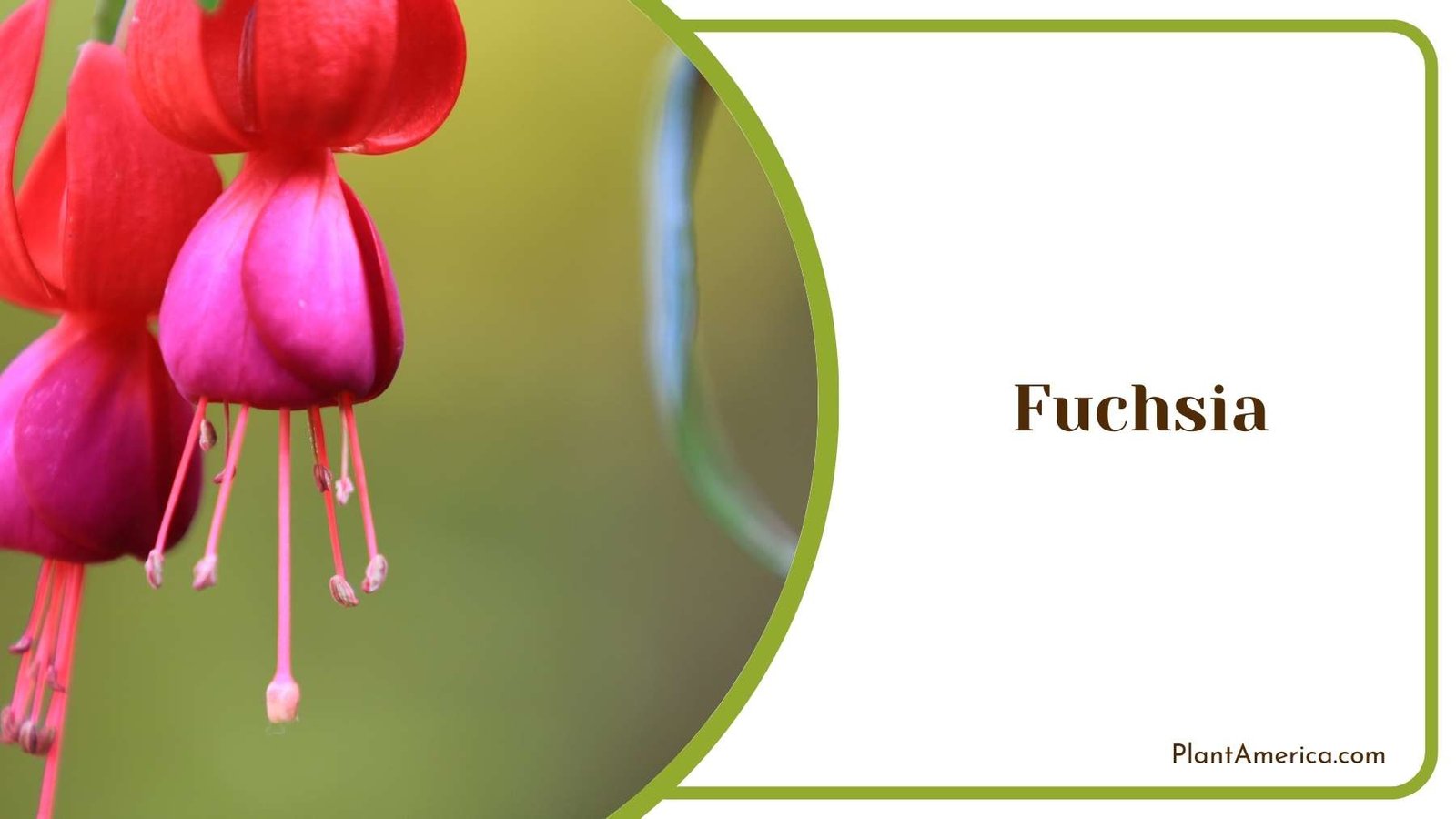
Fuchsias lend an air of Victorian romance to shaded balconies with their charming dangling blooms. Originating from Central and South America, these woody-stemmed perennials inhabit containers with striking elegance. Choose varieties optimized for patio spaces like ‘Gartenmeister Bonstedt’ with sturdy stems and a bushy habit superb for spilling colorful displays.
Provide rich, well-draining soil and at least half a day of suitable light. Water daily to constantly supply the moisture their thick foliage and vibrant blooms require. Mix compost or bark into potting mixes to enhance moisture retention.
Prune off leggy growth or seed heads periodically to encourage bushier growth and prolonged flowering displays. Deadhead faded flowers to perk up plants. Stake, especially tall varieties in windy locales, for stability. Monitor for pests like mealybugs or aphids, treating them immediately according to integrated pest management practices.
Let trailing fuchsias cascade freely over the sides of hanging planters. Or incorporate more upright cultivars as specimens mixed with impatiens, ferns, or million bells vines. Their charming blooms, available in a wide array of coordinating hues, elevate any shaded balcony retreat with Victorian beauty.
With minimal effort beyond consistently meeting moisture needs, fuchsias reward patios with abundant color shows worthy of any small balcony garden. Layering different types creates stunning visual impact elevating outdoor spaces through the seasons. Their lush charm makes these perennial favorites worthwhile additions to any patio flora.
12. Pentas
- Growing Season: Spring: Summer: Fall
- Leaf Type: Opposite leaves: Oval or rounded
- Specific Needs: Full sun, Moist well-draining soil
- Common Pests: Whiteflies, Spider mites
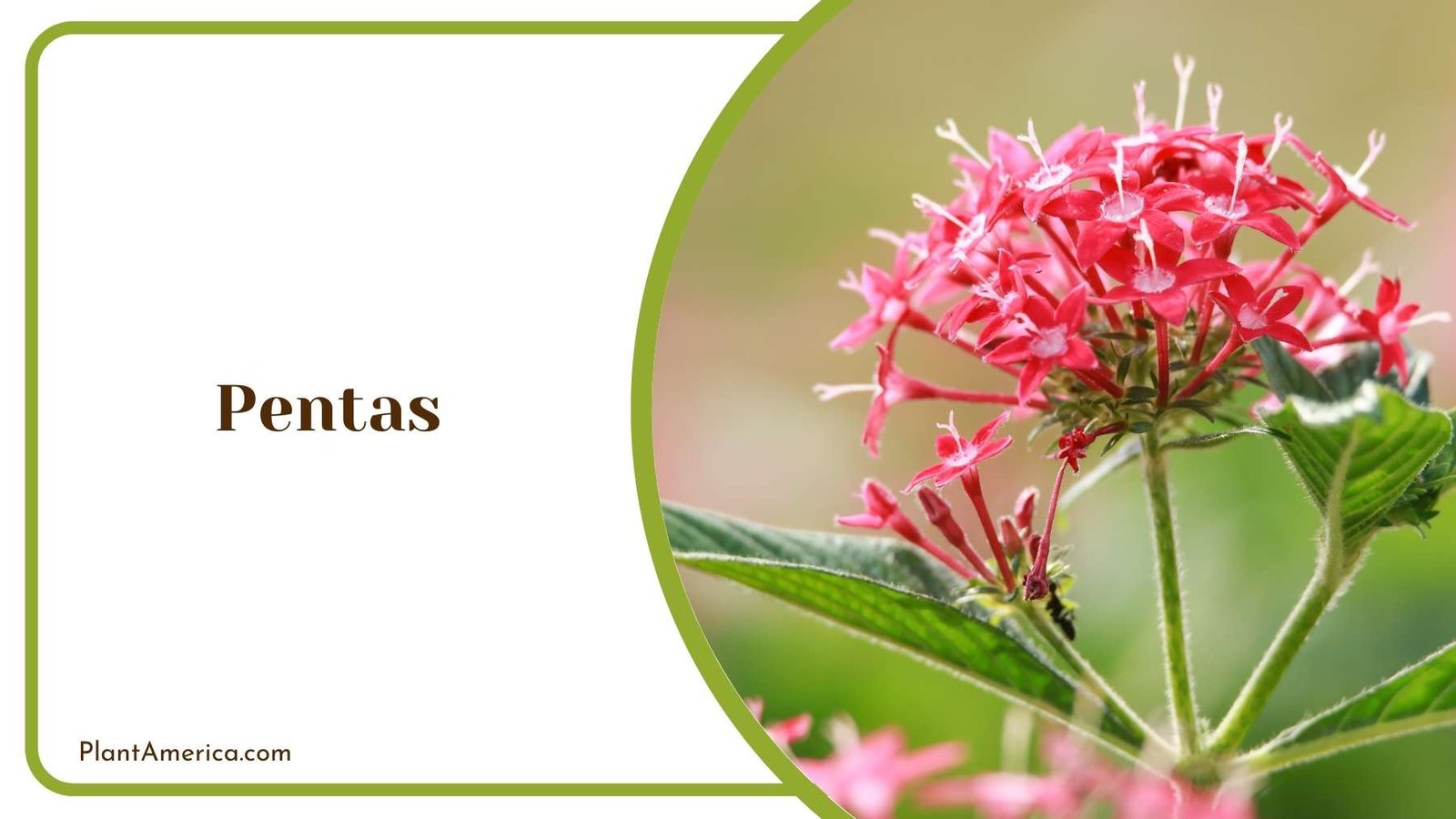
Penta’s allure pollinators to sunny patios with charming star-shaped blooms in pink, red, and white shades. Native to Africa, these heat-loving herbsaster cousins thrive in containers with full sun exposure and fertile, fast-draining soil mixtures.
Their compact, twiggy growth habits make cultivars like ‘Starshine Red’ ideal specimens for window boxes, hanging baskets, or planters.
Provide well-aerated moisture control by incorporating perlite or coarse sand into soil mixes. Water Pentas regularly until the top inch of soil dries slightly between waterings. Their nectar-rich flowers attract beneficial pollinators, rewarding Pentas if kept in an active growth phase through deadheading spent flower clusters.
Monitor plants closely for signs of pests or disease, enabling early treatment. Choose disease-resistant varieties like the mildew tolerant ‘Butterfly Ruffles Red’ series. Their continuous colorful displays liven any sunny patio through summer, requiring minimal effort beyond occasional trimming and watering.
In combinations, Pentas incorporate seamlessly alongside other heat-loving blooms. Use their compact, profuse flowering habits to tumble beautifully over planter edges mingled with trailing petunias or verbena.
Standout solitary Pentas specimens also make cheerful accents, complementing garden vignettes. Overall, Pentas lend festive appeal, quickly brightening even small sunny balconies.
13. Vinca
- Growing Season: Spring, Summer, Fall
- Leaf Type: Glossy green leaves, Heart-shaped
- Specific Needs: Part to full shade, Moist and well-draining soil
- Common Pests: Nematodes
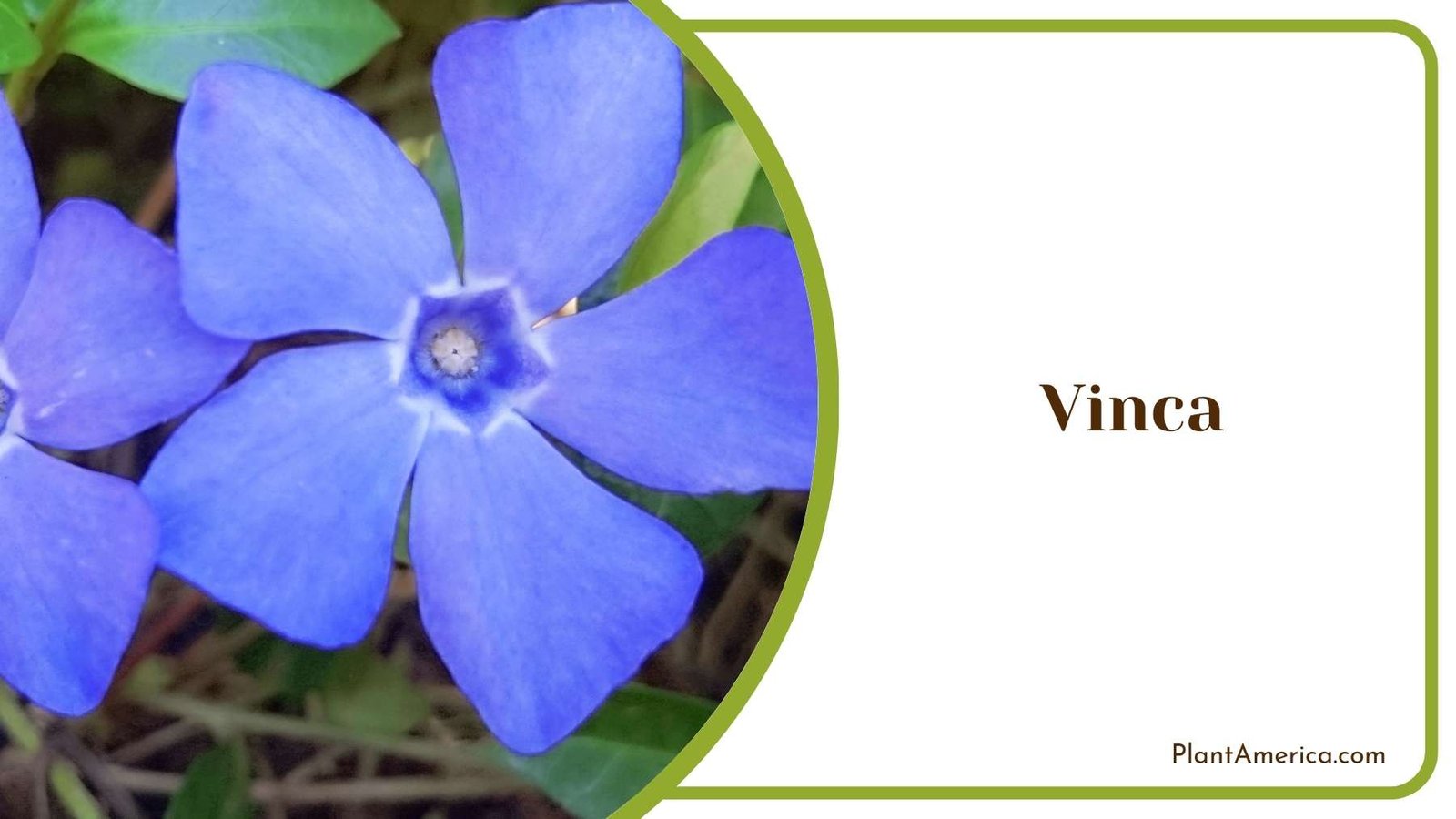
Vinca vines lavish shaded patios with a lush blanket of glossy greenery masking weeds and bare spots. Commonly called periwinkle, choose flowering cultivars like the single blue blooms of ‘Pacifica’ for continuous color under trees or eaves all season.
Prepare partial shade to dense shade gardens with compost-enriched soil, ensuring good drainage. Space plants are approximately 12-15 inches apart. Vinca spreads slowly but densely over time to cover planting areas with minimal maintenance needs.
Once established, water only during droughts and remove spent blooms sparingly. Fungal leaf diseases occasionally impact plants; choose resistant varieties and promote airflow. Vinca also withstands root-knot nematodes without issue, given the right conditions.
Weave lush vinca vines between other shade competitors for a cohesive garden design. Let runners spill charmingly over retaining walls in containers or wind freely as a groundcover amongst ferns. Its versatile foliage provides visual appeal even in the darkest spots where sparse other plants survive.
With hardy drought tolerance unmatched by lawn grass and minimal needs beyond drainage instead of constant sunlight, vinca blankets patios perpetually for season-long natural balance. Different cultivars coordinate for continuous curb drama in any garden corner regardless of sunlight limitations. Overall, this resilient mat-former spares effort on small balconies, maximizing scant garden space affordably.
14. Moss Rose
- Growing Season: Spring, Summer, Fall
- Leaf Type: Fern-like, Evergreen foliage
- Specific Needs: Partial shade, Consistently moist and well-draining soil
- Common Pests: Scale insects, Spider mites
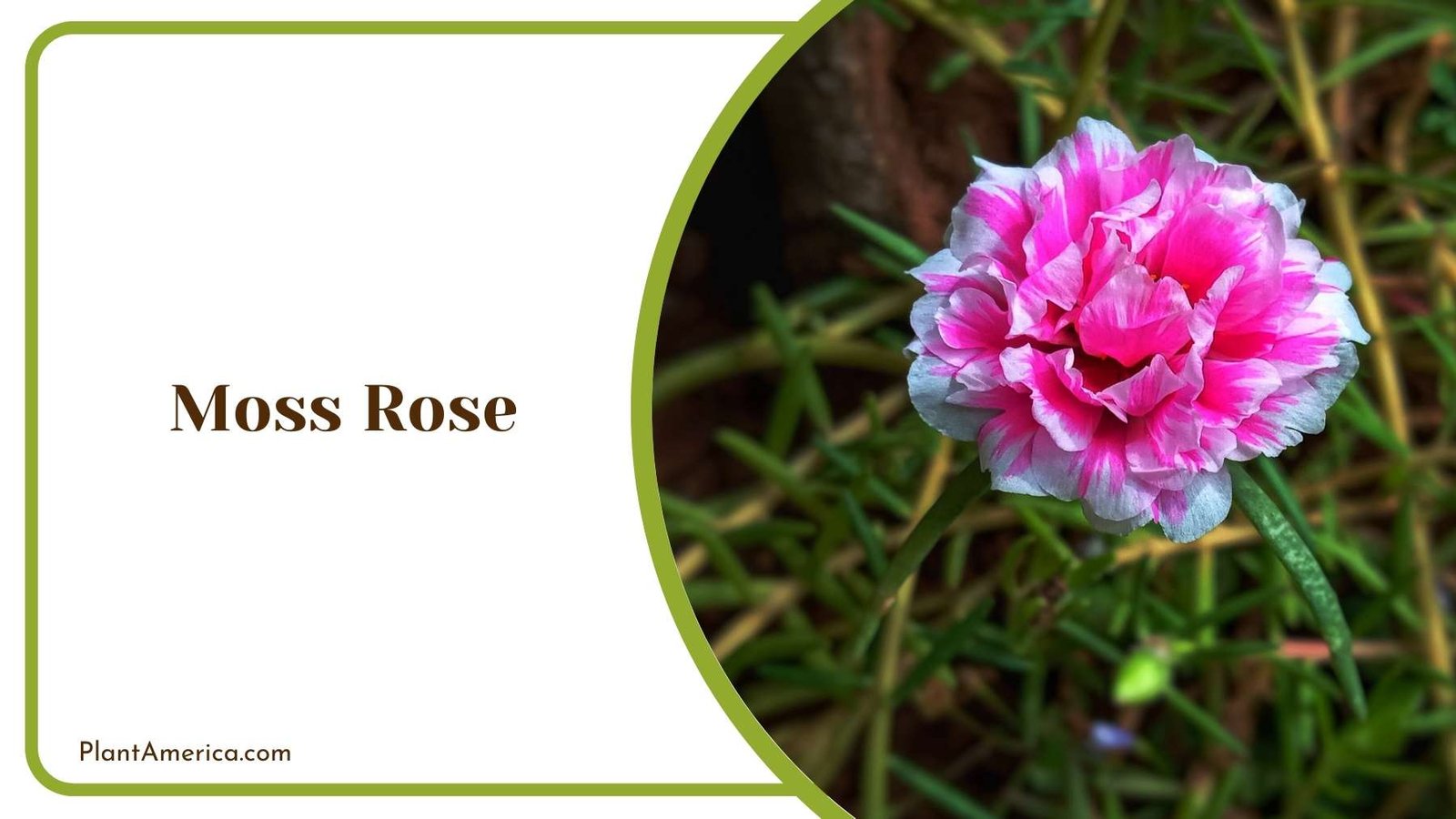
Moss rose enlivens shaded patios with its romantic blooms peeking through ornamental fern-like evergreen foliage resembling thick blankets of moss. Native to South Africa, it withstands heat and humidity beautifully as a succulent perennial groundcover spreading slowly via underground runners to form dense grazing carpets.
Choose resistant cultivars displaying continuous seasons of charm, such as the frilly pink blooms of ‘Kent Beauty.’ Prepare soil mixes well-enriched with compost or bark, retaining optimal moisture yet superb drainage and preventing root rot in confined spaces.
Water moss rose copiously weekly, mimicking its native climate to maintain plump, juicy foliage. Prune away spent flower clusters and shape errant stems periodically for a balanced form. Fertilize biannually in early spring and mid-summer with phosphorus-balanced water-soluble nutrients.
Let moss rose frolic freely as a low groundcover spilling between begonias, impatiens, and caladiums, immersing scenes naturally in rich textures. Or incorporate compact ribbons or central mounds, adding visual intrigue by contrasting textures in limited areas.
Monitor diligently for minor pests and disease signs, promptly addressing organic controls. Moss rose rewards with rich character, enhancing even challenging patios through seasons despite fluctuations. Its forgiving nature lends dependability where others fail, making a valuable contributor to small urban sanctuaries.
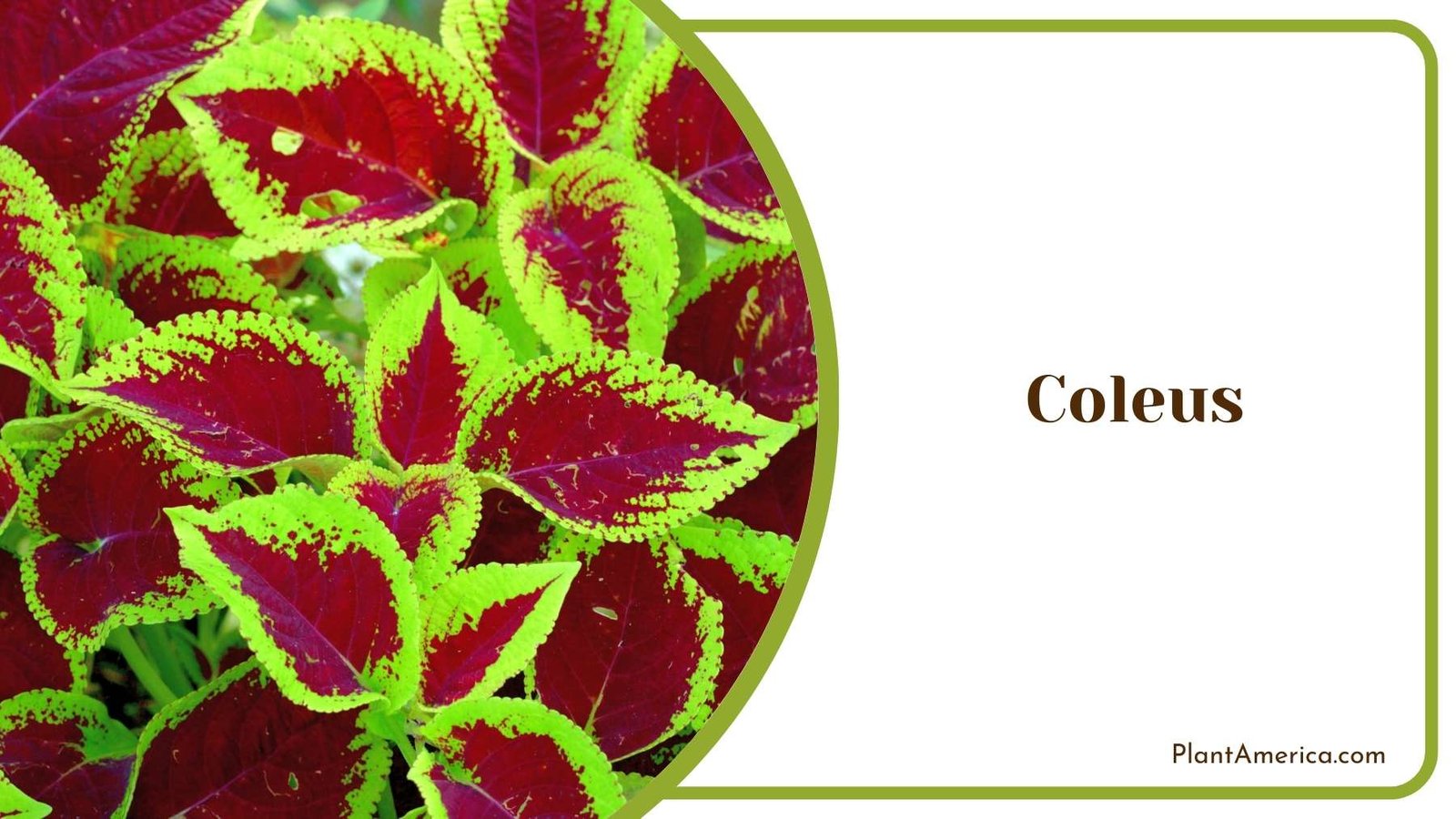
15. Coleus
- Growing Season: Spring, Summer, Fall
- Leaf Type: Leaves come in varied shapes, colors, textures
- Specific Needs: Partial shade, Rich well-draining soil
- Common Pests: Aphids, Spider mites
Coleus captivates patios with extraordinary foliage displayed in kaleidoscopic colors, shapes, and textures, sure to elevate any shaded oasis. Though a tender perennial, coleus thrives as an annual tolerating sun or dappled shade with equal panache, providing season-long visual interest.
Select hybrid varieties famed for outstanding hues like ‘Shenandoah’ flaunting burgundy leaves vivaciously splashed with scarlet. Amend nutrient-rich soil, guaranteeing drainage to preserve optimal textures.
Water thoroughly weekly, preventing wilting and allowing the surface to dry slightly between. Fertilize biannually according to the package with the diluted, balanced, water-soluble product. Prune damaged leaves to encourage uniform regrowth.
Let coleus spill vibrant fronds, decoratively sprawling containers alone or mingled with impatiens, shade ferns, and caladiums. Trailing cultivars like ‘Black Dragon’ beautifully adorn hanging planters.
Monitor for minor issues addressed promptly, such as small aphid infestations or powdery mildew speckling developing foliage. With consistency, coleus elevates shaded spots unmatchable through seasons, needing minimal effort for maximum vibrant reward. Versatility coupled with toughness solidifies Coleus’s indispensability to patios everywhere.
Conclusion
These 15 flowering plant options require remarkably little care yet provide outstanding color displays in balcony containers season after season:
- Marigolds fill the summer air with bright blooms, deterring pests naturally without chemicals.
- Pentas develop compact, heat-loving bushes covered in cheerful starry blooms attracting butterflies all season.
- Dianthus delight with fragrant blossoms thriving with minimal water needs, and deadheading encourages continuous bloom shows.
You can transform the smallest balcony into a lively oasis with planning tailored to your conditions and a few minutes of care weekly. Combining these trouble-free selections to enjoy seasonal color bursts, rewarding pollinators and people through nature’s simple beauty in urban spaces.