
Knowing how to transplant tree shoots is important, as you can easily remove and plant the little suckers growing around your tree. These suckers have the potential of growing beautifully as the large tree, so you ought to replant them.

Thankfully, it is easy to transplant suckers. For a well-detailed guide to transplant the shoots of trees, read this article.
How to Transplant Tree Shoots
To transplant tree shoots, gather all your needed tools such as shovels, and then wait until the dormancy period of the tree. Dig the shoots off the tree and then transfer them to a new hole. Mulch the new trees and regularly water them to increase their chances of surviving.
1. Mark the Suckers to Transplant
Trees produce a lot of suckers. Some are fast-growing and look way healthier than others. You have to transfer the healthy ones, as they have a higher chance of surviving and growing well after you transplant them. It does not matter if you transfer the suckers of fruit trees such as apple trees and cherry trees, ensure you select healthy suckers.
Please note that if you love the leaves, flowers, and fruits of a grafted tree, you cannot regrow the suckers to get what you see. The suckers will grow to resemble the grafted rootstock and not the tree above. Well, you can use the transplanted suckers as rootstock for your preferred trees.
Have you seen the suckers that you want? Use a plant-safe marker or tag to mark it. This will help you to easily identify it in the future so that you don’t transplant something else.
2. Gather Everything You Need
Transplanting suckers is easy, you just need the right tools. The items that you need to successfully and easily transfer your suckers are:
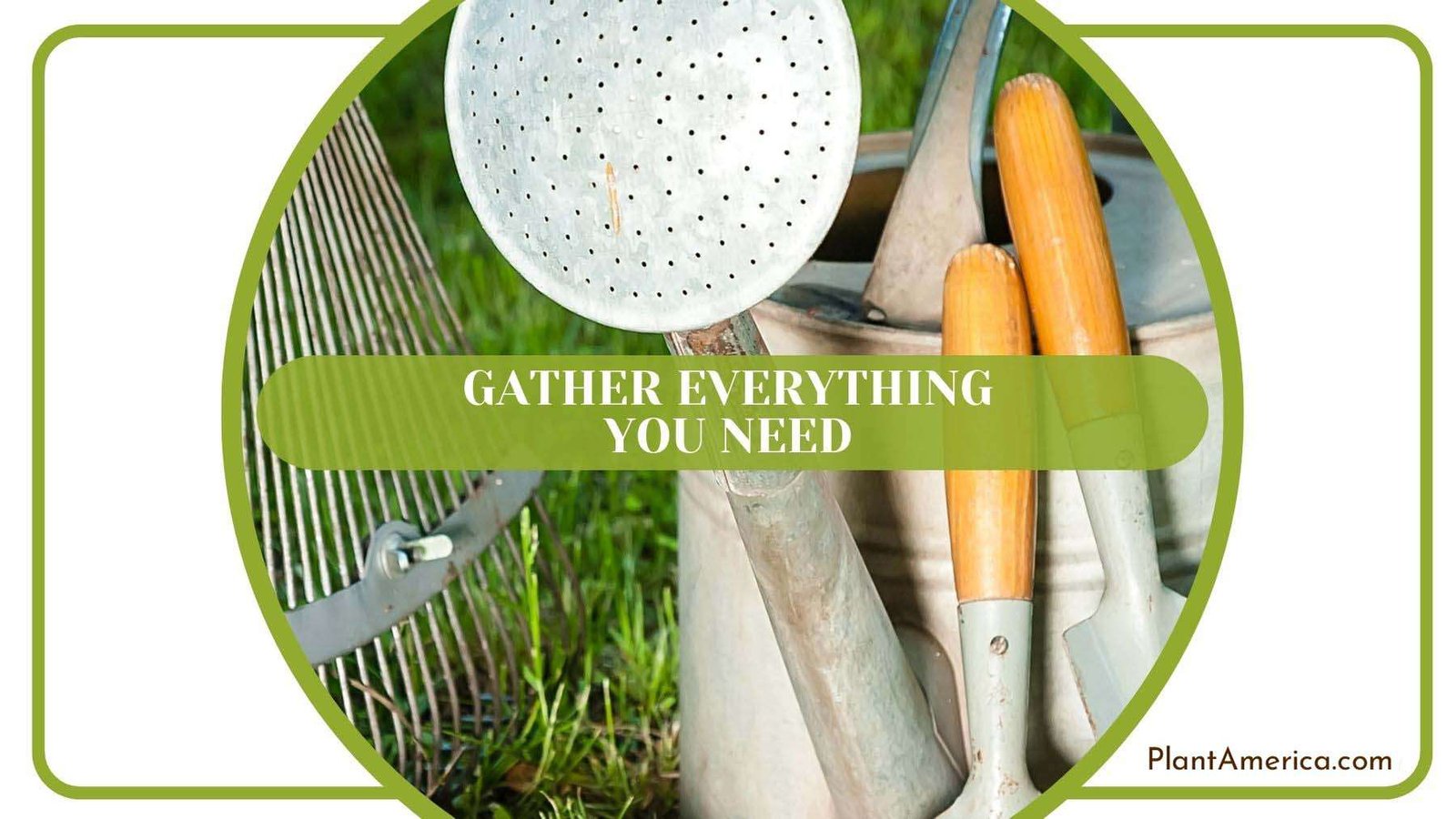
- Spades or shovels: you will use these tools to dig holes and also collect the suckers from the mother tree.
- Disinfectants: after collecting shoots from a tree, you have to disinfect the exposed roots of the tree before covering them.
- Truck: for transporting the suckers from one location to another.
- Burlap: to protect the roots of your shoots while keeping them hydrated.
- Water and mulch: you need them for the aftercare of your shoots.
Please remember to sterilize the tools that you will be using for your trees and suckers. After gathering everything you need, move on to the next steps.
3. Select the Best Time to Transplant the Shoots
The best time to transplant the shoots of trees is during the dormant season. In the dormant season, trees won’t be as stressed as they’d be in their growing season. Also, when the growing season comes, they will regrow a lot of lost parts, as they’d have enough time to do so. Therefore, wait until your tree enters dormancy before you collect its shoots.
You can tell that your tree has reached dormancy when it starts losing its leaves. This usually occurs in the fall months for most trees. Don’t collect suckers from a tree in the winter months, as the exposed roots will get too cold and the tree might not recover from the excess cold.
4. Prepare the New Location
Before you go collecting suckers from a tree in one location and transferring it to another location, ensure that the latter location already has a hole for the sucker and the growing conditions of the tree are already met. Don’t remove suckers from a tree when their permanent hole or location is not ready, as this can be too stressful for them.
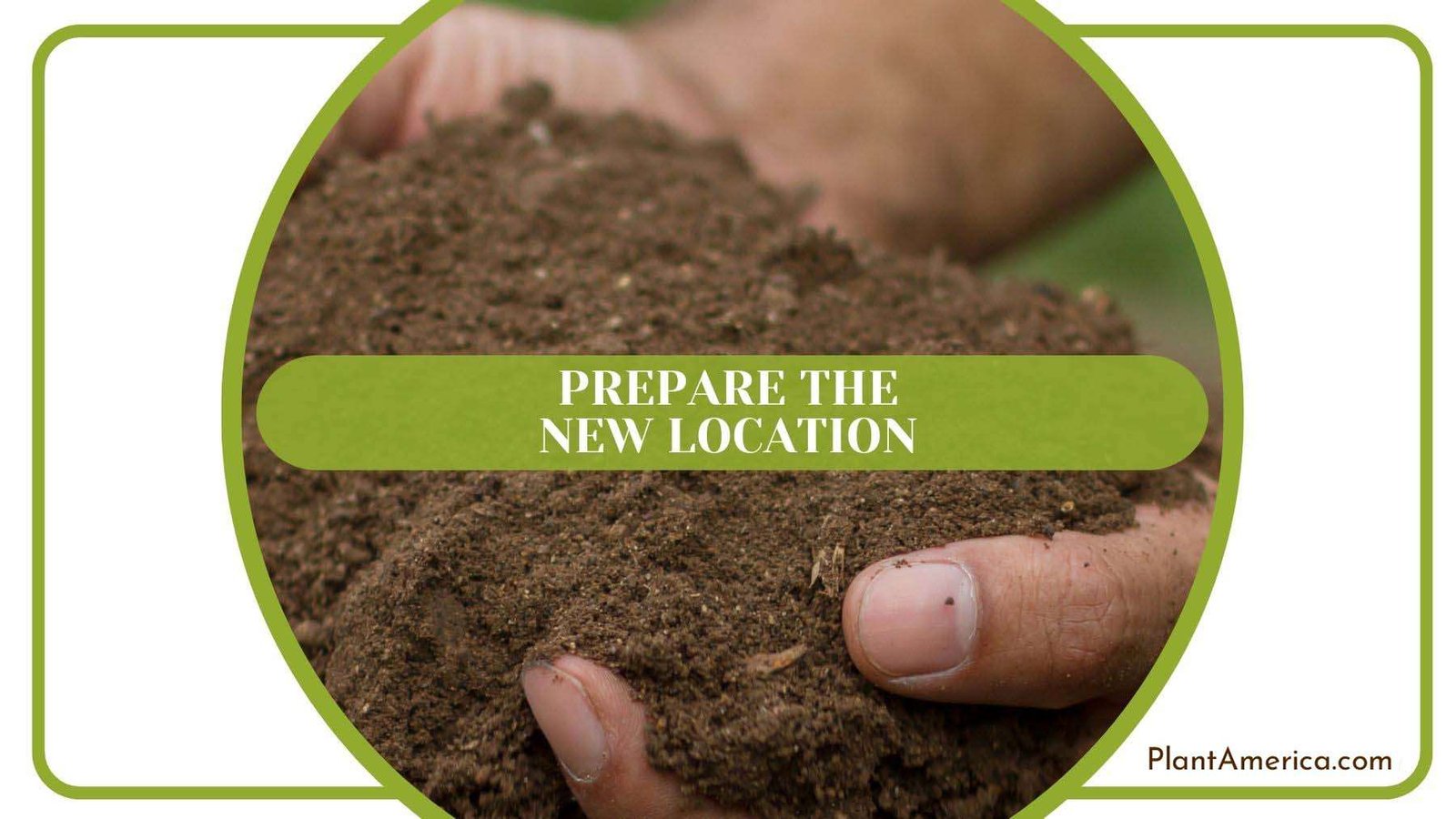
To prepare the new location, dig a hole wide and deep enough according to your judgment (depending on the size of the suckers). If the soil is compacted or gets dry too quickly, ensure you amend it first. Water and fertilize the hole as well so that your suckers will have access to water and nutrients quickly when you transfer them into the hole.
After preparing the new location, don’t wait for more than 48 hours before you bring the tree. If you wait that long, ensure you water the hole again before inserting the tree into it.
5. Dig the Shoots off the Mother Tree
It is time for the step that demands the most energy when planting suckers. To dig out the suckers, use your tool to create a root ball or simply mark out the shape and size of the root you’d be digging out. The larger the roots you collect, the better. However, try to cause minimal damage to the large plant.
If there are leaves, rocks, and other debris on the tree base, clear them out so that you can see the growing sucker property. Using a brush, shovel, or whatever you have, clear the topsoil so that you can properly see the point where the sucker is growing from in the roots of the tree.
While digging out the roots, please be extra careful so that you don’t harm the stem of the sucker. Also, remember to wear protective boots so that you don’t hurt yourself in the process of collecting roots from a tree.
6. Transplant the Shoots
Congratulations, as you now have your tree suckers. However, you have to take them to their new holes quickly. Wrap the roots with the burlap so that they don’t get exposed to the sun or dry out quickly. Using your truck or any vehicle, take the suckers to the new point. If you don’t want to insert them immediately, ensure that you keep them in a cool place.
Check if the entire root system of your suckers can fit into the holes that you dug. If they fit, insert the suckers. However, if they don’t, widen or deepen the hole first. When you are ready, carefully insert the suckers into the holes. Ensure that you cause minimal damage to the roots so that you can increase the chances of the suckers surviving.
7. Cover and Water the Shoots
After inserting the suckers into the hole, cover them with soil. Cover the root formation gently and try not to leave pockets of air. While adding soil to the hole, pat it with your boots or hands to remove the air pockets. When the hole is filled with soil, stop adding more soil.
Afterward, water the young trees. Watering them will eliminate the air pockets so that you can add more soil. Watering them will also keep them hydrated while they get used to this new environment. Ensure adequate watering. This means that you should water the shoots deeply the first time after transplanting.
8. Mulch the Young Trees
To protect the roots of your young tree, mulch the trees. Mulching helps to prevent temperature fluctuations caused by exposure to the sun. It also prevents weeds from competing with your young trees for space and nutrients. Mulching will also help to retain moisture and provide extra nutrients to your young trees.

You can use any material as mulch for your trees. However, consider using tree bark, wood shavings, and other organic materials to mulch the trees. Cover the ground with two layers of mulch. Also, try to leave a little space around the base of the young trees so that the roots can have oxygen from the atmosphere.
9. Water Often
To help your new trees grow successfully, you have to water them often. Ensure that the soil never runs completely dry, as it can lead to the loss of your suckers. Even though they are still in their period of dormancy, ensure that the soil stays moist. Before the growing season comes, they’d have grown a significant size of roots.
When the growing season comes and you start seeing signs of growth in the leaves, water the trees regularly. Ensure that you water them every two to three days until they are well-established. Remember that the soil should be well-drained and aerated so that you do not suffocate the roots of your trees.
10. Continue Monitoring the Young Trees
Check the trees for pests and get rid of the pests immediately. Also, check if the tree is stable in its hole. If it’s not, stake it to the ground using a wooden stake. Just do whatever you can to keep your tree safe so that it will grow successfully. When winter comes, try to protect the young tree from the excess cold.

If you see weeds growing close to your trees, remove them immediately. Also, keep your garden extra clean so that your young trees can grow healthy and beautiful. Don’t abandon the trees for long and continue monitoring their growth, trying to fix everything that you can.
11. Stay Patient
You will see a significant sign of growth when the growing season comes. This means that you might wait a few months. If you give up before then and think that your trees aren’t growing, you may lose the trees. Therefore, no matter how long you wait, continue using the tips given in the previous step.
Even if leaves start to fall or the tree looks dead, wait a month after the growing season starts before you conclude that you’ve lost the tree. The tree might be developing first from the roots. You can tell that the tree is alive and growing when you scratch the stem and see that it still looks fresh on the inside.
Frequently Asked Questions
– What Is the Best Season to Transplant Tree Shoots?

The best season to transplant tree shoots is the fall. During the fall, most trees are in their dormant season. This means that their growth and health will not be significantly affected when you transplant them and they will heal quickly when their active growing season comes.
– How Do You Prepare Soil Before Transplanting Tree Shoots?
To prepare the soil before transplanting tree shoots, ensure that you have already dug a hole. Also, ensure that the soil is well-drained, watered, fertilized, and in a good location with optimal light exposure, humidity, and temperature. Try to mimic the original growing conditions of the tree.
– What Are Some Transplanting Mistakes To Avoid?
Some transplanting mistakes to avoid are not collecting enough roots, damaging the root system of the mother tree while digging out the suckers, not taking your safety seriously, and transplanting a stressed tree. These mistakes can lead to the sucker experiencing shock or you getting injured.
– What Are Some Transplanting Tips To Remember?
Some transplanting tips to remember are to transplant the suckers early in the morning or late in the evening, using sterilized tools, water the tree before transplanting its suckers, and ensure that the hole is deep before you insert the sucker. These tips will help you transfer the suckers successfully.
Conclusion
There’s surely no tree shoot that will be too difficult for you to transplant now, right? Before you go transplant the suckers, remember these points:
- If a tree is grafted, the suckers will grow to become the tree used as rootstock.
- Before removing suckers from a tree, ensure that their holes are already dug.
- While digging out the suckers, collect as many roots as you can while ensuring minimal damage.
- Reduce air pockets while backfilling your suckers by pouring the soil gently and watering the shoots afterward.
- Take the aftercare of your suckers seriously if you want them to survive.
Now, you are good to go. Remember to stick to the instructions in this article.