
Mealybugs on chilli plants will be your worst enemy. And, in most cases, we have growing conditions and our care methods to thank for the infestation.

Nevertheless, if you’re able to detect them early you can successfully get rid of them. Join us as we dive into the intricacies of mealybug wars in your pepper crop section!
Why Are There Mealybugs on Your Pepper Plants
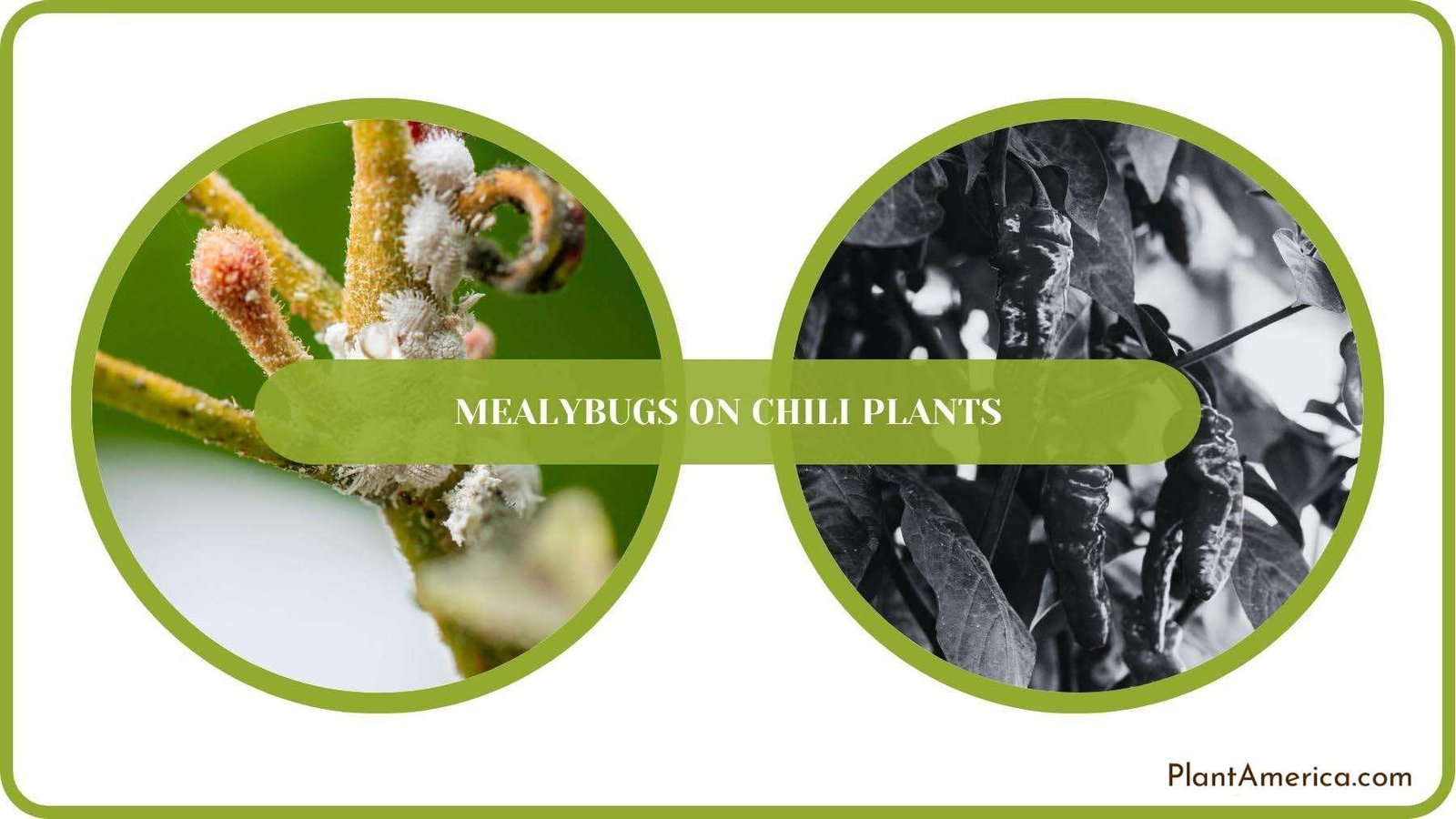
There are mealybugs on your chilli plants because of their attraction to the plant sap, especially if you take great care in growing your them. Mealybug, scientifically categorized within the Family Pseudococcidae, stands as a widespread pest accountable for substantial agricultural losses worldwide.
Similar to spider mites and aphids, this small critter sustains itself by extracting sap from plant tissues, thereby progressively weakening the plants and diminishing their crop returns.

Manifestations of mealybugs’ attack on your pepper plants include hindered growth, curling of plant leaves, and premature defoliation, among other indications, culminating in a formidable challenge for containment and eradication.
This seemingly weak thing can soon become your worst enemy, as under favorable circumstances, this pest can rapidly reproduce — a solitary mealybug is capable of generating more than 500 new nymphs. Effective management of this pest necessitates a fast discovery, an understanding of their life cycle, behavior, as well as conditions that bring them about!
This article offers a comprehensive overview of why this pest happens on chilli plants as well as successful pest management solutions. Let’s get right on why these buggers can attack the plant in the first place.
– The Temperature Issue
Mealybugs are ectothermic organisms, which means their body temperature is regulated by the surrounding environment. Higher temperatures accelerate their metabolic processes, including growth and development. As temperatures rise, the nymphs and adults of Chilli Mealybugs experience faster development rates. This leads to shorter reproduction cycles, allowing for more generations to be produced within a given time frame, ultimately contributing to an increased population.
In warmer conditions, mealybugs become more active and mobile, potentially reducing their exposure to natural predators and unfavorable conditions. This, in turn, can decrease mortality rates, allowing more mealybugs to survive and reproduce, further contributing to population growth.

High temperatures also lead to increased sap flow within plants, which serve as the primary food source for Chilli Mealybugs. Elevated sap flow provides a greater nutrient supply for these pests, allowing them to feed and reproduce more efficiently.
– High Humidity
Mealybugs thrive in humid environments due to their delicate waxy covering, which helps retain moisture. High humidity helps them not dry out, ensuring their survival and reproductive success.
As these creepy crawlies reproduce primarily through live birth, moist conditions create a favorable environment for the survival of their vulnerable nymphs, contributing to increased population growth.

Predators like ladybugs and parasitic wasps might experience reduced mobility and activity in excessively humid conditions, enabling mealybugs to evade predation and parasitism.
A humid environment encourages the accumulation of honeydew on plant surfaces, creating a nutrient-rich substrate for the growth of sooty mold. While this doesn’t directly promote mealybug population growth, it can indirectly affect plant health and ecosystem balance.
– Plant Damages
Damaged chilli plants often release cell contents, including nutrients, sugars, and amino acids, into the surrounding area. This creates a nutrient-rich environment that can attract Chilli Mealybugs. The sugary sap and other nutrients act as an abundant food source, promoting their feeding and reproduction.

Damaged plants mean that the overall vigor and health of the plant are compromised. This weakened state can result in reduced defense mechanisms and lowered production of secondary metabolites that deter pests like mealybugs, making them more susceptible to infestation too.
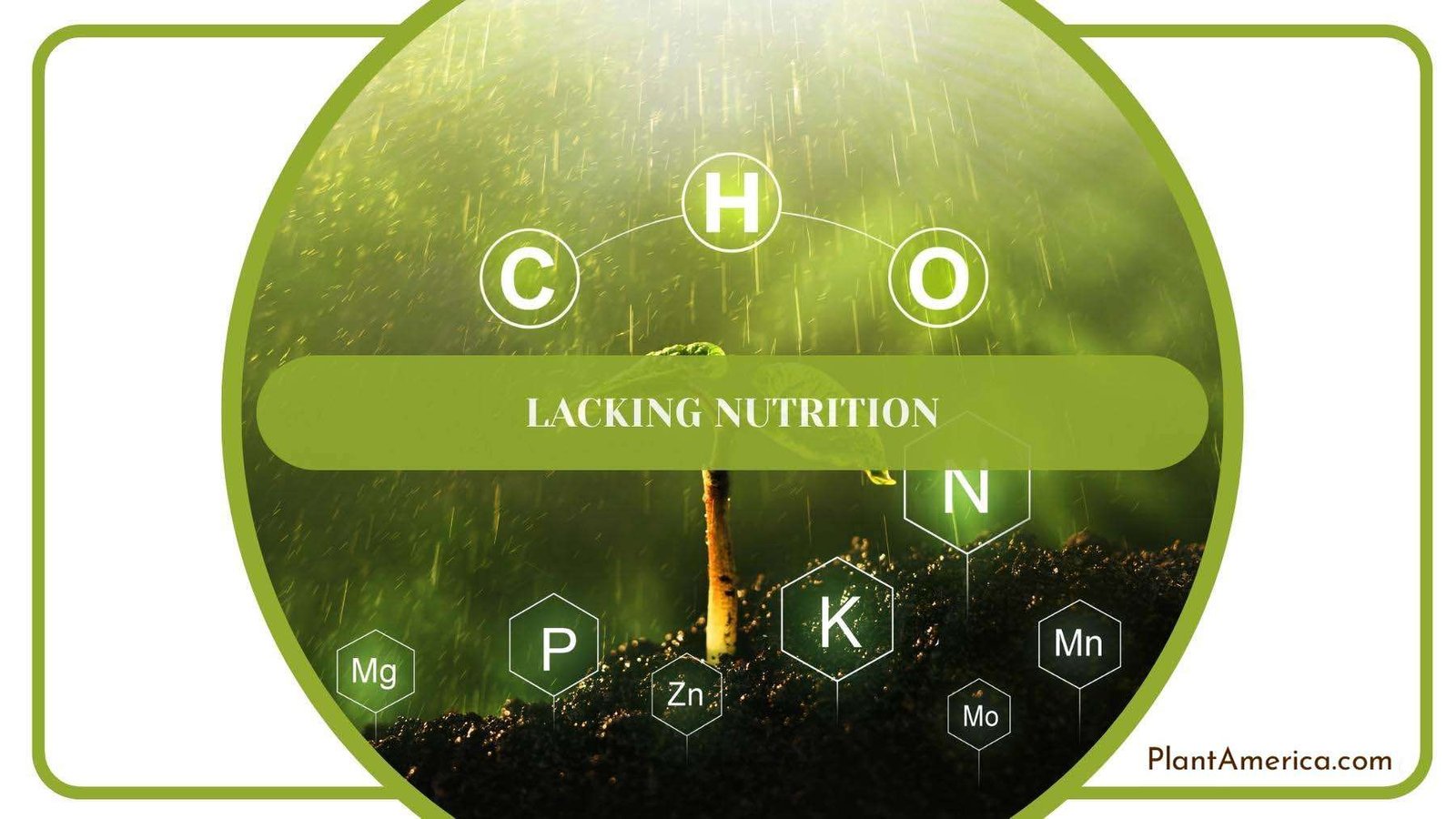
– Lacking Nutrition
The link between plant nutrition and pest infestations is intricate, with nutritional deficiencies weakening plants and creating an environment conducive to pest proliferation.
Nutritional deficiencies can alter the chemical composition of plant tissues too. This can affect the quality of plant sap and the availability of defensive nutrients for Chilli Mealybugs. This way, the plant fluid is more favorable for mealybug feeding, promoting their population growth.
– Poor Weed Management
Weeds can act as alternate hosts for Chilli Mealybugs, providing a continuous supply of food and shelter. When mealybugs infest weeds, they can build up their populations before spreading to the main crop.
In the absence of proper weed management, mealybugs can quickly move between weeds and chilli plants, creating a constant source of infestations and contributing to population growth.
Weeds can create sheltered environments where mealybugs can hide from environmental stresses and natural enemies. During unfavorable conditions, mealybugs might seek refuge in weeds, ensuring their survival and enabling them to repopulate the main crop later.
Getting Rid of Mealybugs From Your Chilli Plants
While the identification of these insect pests may appear uncomplicated, effectively dealing with their existence presents an entirely distinct challenge. Nevertheless, solutions for managing these pests are available, offering you a spectrum of approaches that encompass both biological and chemical control methods, as well as potential do-it-yourself remedies.
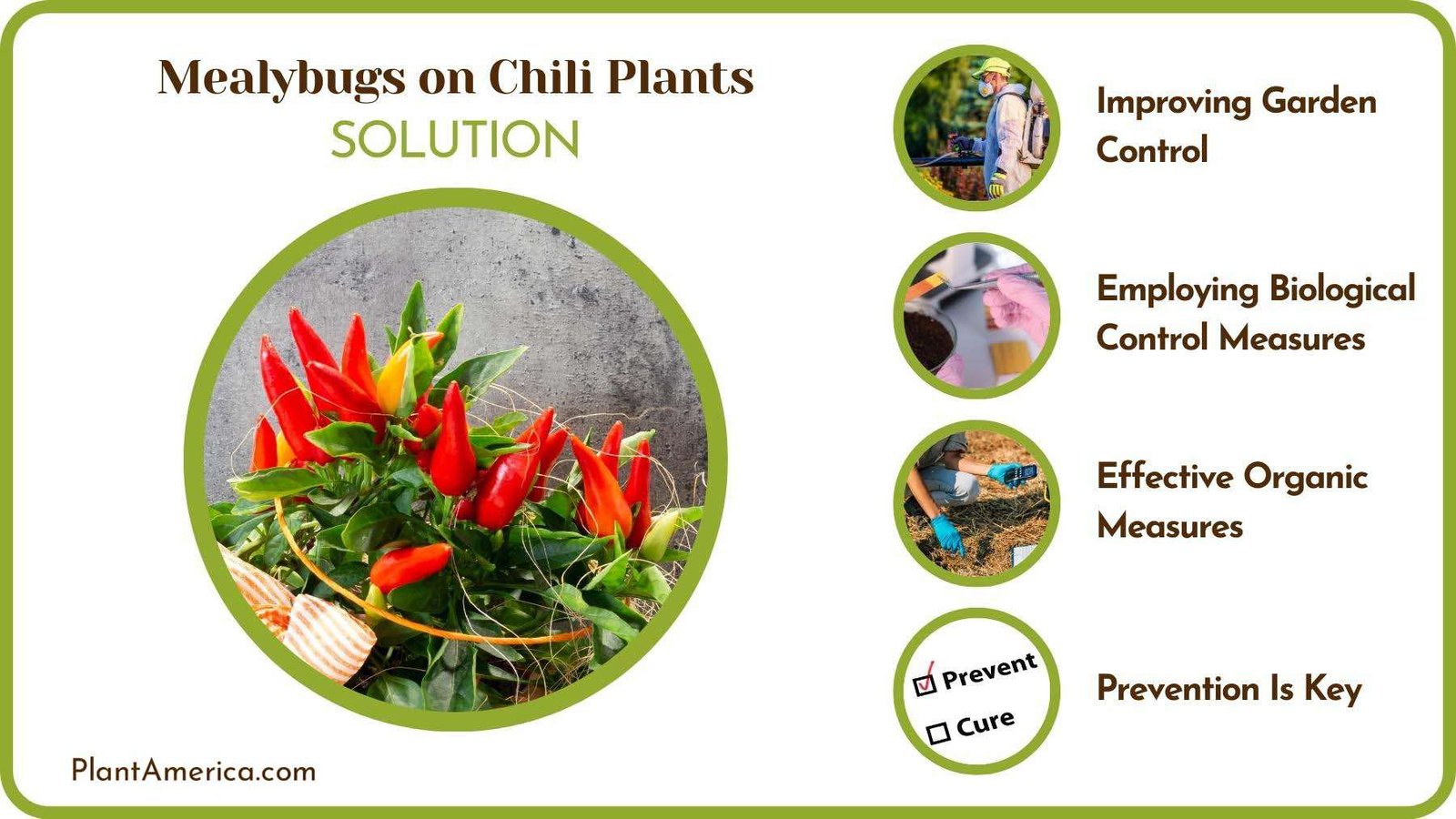
Let’s delve into the diverse strategies that can be employed to combat the considerable damage inflicted by these garden pests upon their host plants.
– Improving Garden Control
Enhancing your overall garden control measures plays a crucial role in effectively managing mealybugs on chilli plants.
And crop rotation is a method to abide by. Through the introduction of n-host plants like legumes or cereals, you can disrupt the mealybugs’ infestation patterns. These non-host crops do not provide suitable feeding and reproduction grounds for mealybugs, reducing their population and the risk of infestations.
Regular pruning can help remove infested plant parts where mealybugs tend to hide. Harvesting mature hot peppers promptly can also help eliminate mealybugs from the field before they can cause fruit damage, reducing their opportunity to spread.

Proper removal and disposal of plant debris and other material can significantly reduce the available hiding spots for mealybugs. Proper soil management practices can enhance the overall health of chilli plants and make them more resilient.
By implementing these measures collectively, you create an environment that is less favorable for mealybugs to thrive and reproduce.
– Employing Biological Control Measures
Biological pest control offers effective methods for managing pepper plant pests by introducing natural predators and beneficial fungal and bacterial pathogens to your garden.
One of the most effective allies from the predatorial world is the mealybug destroyer bug, which specifically targets mealybug populations. These beneficial insects feed voraciously on mealybugs, targeting both their nymphs and eggs! Lacewings are another valuable natural predator that can help control mealybugs. The larvae of lacewings are huge fans of mealybug eggs, curbing the growth of the pest population.
Parasitoid wasps like Anagyrus lopezi will lay their eggs inside mealybugs — as the parasitoid larvae develop, they kill the hosts.
Now a bit from the world of fungi — Entomopathogenic Fungi (Beauveria bassiana and Metarhizium anisopliae) are naturally occurring fungi that can infect mealybugs upon contact. Once infected, the fungi grow within the mealybug, ultimately killing it.
Some strains of beneficial bacteria, like Pseudomonas fluorescens, can produce toxins that are lethal to mealybugs. When applied to plants, these organisms target and kill the pests efficiently.
These methods offer a more sustainable and environmentally friendly approach to managing mealybug infestations on pepper plants.
– Effective Organic Measures
Rubbing alcohol is a solution number one when keeping your organic garden chemical and pesticide free! A mixture of water and alcohol can be sprayed directly on mealybugs. The alcohol disrupts their protective wax coating, causing dehydration and death. This method can be particularly effective for targeting isolated infestations, after which you can simply drown the rest of the obnoxious crew in some soapy water!
There’s no mentioning anything soapy without introducing the trusty insecticidal soap! A simple solution made from mild soap and water is highly effective. The soap suffocates the pests by blocking their breathing pores, leading to their elimination. It’s important to use soap without harsh additives to avoid damaging the plants.
Natural plant-derived insecticides, like the all-powerful neem oil and pyrethrin, can be applied to control mealybugs. Neem oil disrupts their growth and reproduction, pyrethrin attacks their nervous system, and rotenone affects their cellular functions. All of these can be diluted in water in approximately one to 10 ratio for a devastating impact!
Incorporating well-composted organic materials like vermicompost, manure, and farmyard manure into the soil can enhance soil health and promote plant vigor and resilience to control aphids, mealybugs, and even flea beetles!
Natural plant extracts, such as garlic and tobacco, possess properties that repel or harm mealybugs. Preparing extracts from these plants and applying them as sprays or solutions can deter mealybugs from infesting your plants.
By embracing these techniques, you can effectively manage mealybugs on pepper plants while maintaining a healthier and more sustainable gardening ecosystem.
– Prevention Is Key
Prevention plays a pivotal role in effectively managing mealybugs on chilli plants, and there are more than a few methods you can incorporate into the regime!
As we mentioned, poor fertilization practices can lead to the growth of soft and tender plant tissues that are more susceptible to mealybug attacks. Employ balanced fertilization practices to maintain plant health without creating a favorable environment for pests.
Ensuring appropriate irrigation helps prevent water stress in pepper plants — always allow the soil to go dry before another round of watering. Employ yellow sticky traps coated with grease or sticky oils to capture adult mealybugs and prevent their reproduction. These traps are an effective tool for monitoring and controlling pest populations.
Remove alternative host plants such as sweet potatoes from the vicinity. This reduces the available food sources for mealybugs. Shielding chili plants with insect-proof nets forms a protective barrier that prevents mealybugs from accessing the crop.
Consistently monitor your crops for signs of mealybug infestations. Early detection allows for prompt action, preventing the pests from establishing a substantial presence and causing significant damage.
By adopting these preventative measures, you can proactively create an environment that is less conducive to mealybug infestations. This not only helps safeguard the health of your chilli plants but also reduces the need for more intensive pest management interventions.
Conclusion
Mealybugs on chili plants can become a formidable adversary, often facilitated by our own gardening practices and environmental conditions. However, there are more than effective ways to battle them. With swift detection and the next useful tips, victory is yours!
- Understanding the factors that contribute to mealybug infestations on chili plants is paramount. Temperature, humidity, plant damage, nutritional deficiencies, and poor weed management can all create an environment conducive to mealybug proliferation.
- Various methods can be employed to tackle mealybugs. From improving garden control practices like crop rotation and regular pruning to embracing biological measures through the introduction of natural predators and beneficial pathogens, you can create a balanced ecosystem that keeps mealybug populations in check.
- Organic solutions such as rubbing alcohol, insect soaps, neem oil, and other natural extracts provide effective means to combat mealybugs without compromising the health of your plants or the environment.
- Prevention is undoubtedly the key to successful mealybug management. Balancing fertilization practices, proper irrigation, using sticky traps, removing alternative host plants, and consistent monitoring can help create an unwelcome environment for mealybugs, reducing the need for aggressive interventions.
In the battle against mealybugs on chili plants, vigilance, early detection, and a holistic approach to gardening practices are allies you should keep close at all times!