
Brown tips on blue spruce trees give you every right to be concerned. Various issues can affect your trees, stemming from weather conditions, environmental factors, insect infestations, and diseases.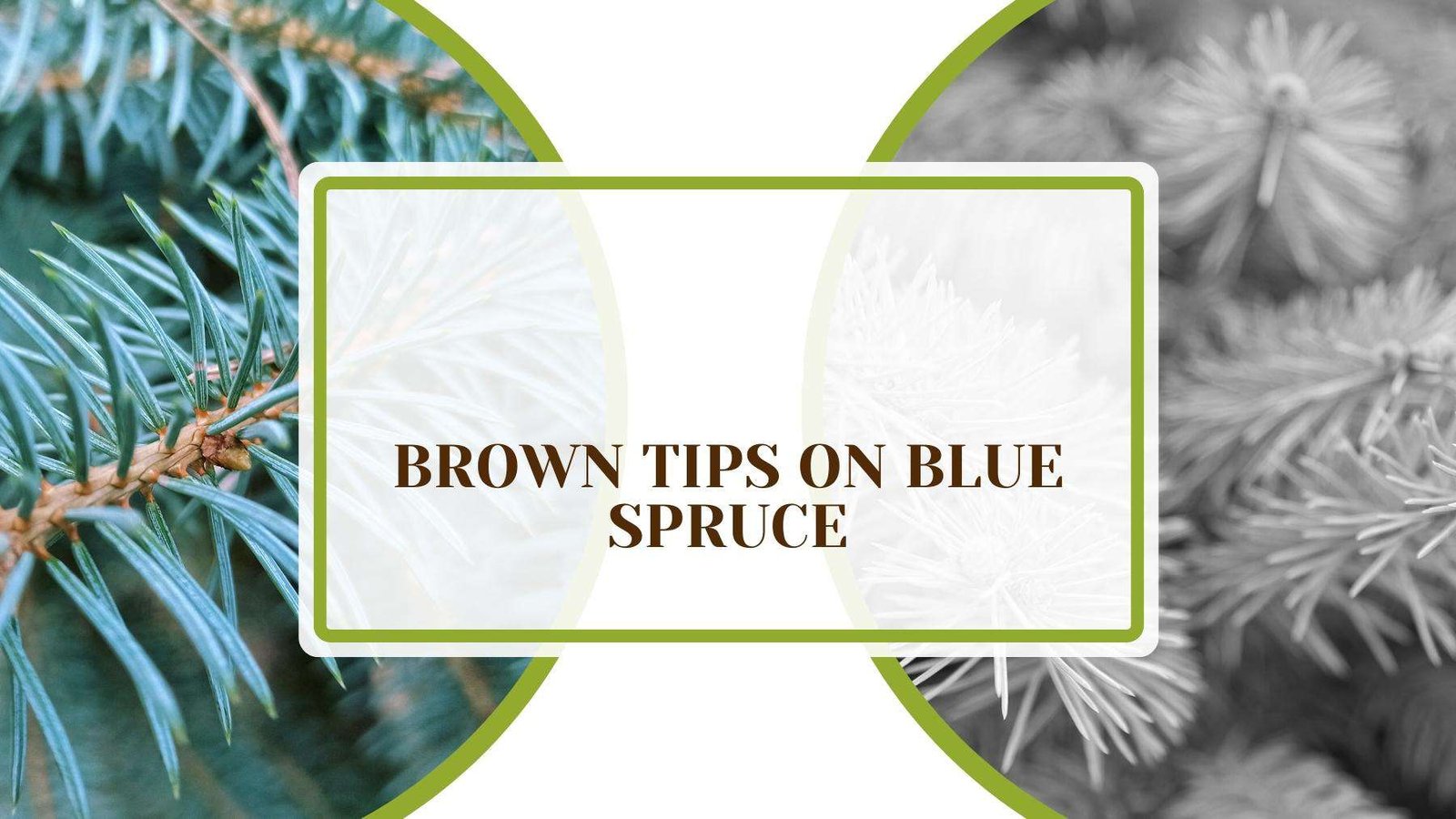
Numerous noninfectious problems can imitate disease symptoms too. This guide will direct you in the right way to identify and fight the issue!
Why Are the Tips on Spruce Turning Brown?
The tips on Spruce trees are turning brown because of weather, environmental factors, insects, and diseases. Numerous noninfectious problems can imitate disease symptoms, such as an imbalance in soil pH, poor fertility, fertilizer or chemical burn, root injury, root rot, and drought stress.
Blue spruces (Picea pungens) are iconic evergreen trees known for their striking blue-green needles. Native to the Rocky Mountains, these conifers are popular in landscaping for their elegant pyramid shape and resilience. Colorado blue spruces thrive in well-drained soil and are prized for their ornamental value, adding a touch of color and texture to gardens and landscapes.
Specific diseases affecting your spruces include Cytospora canker and Rhizosphaera disease, while mite damage is also a potential factor. But how to know for sure? The best thing is to dive deep and assess the situation close-up. Here’s a complete overview of potential culprits!
– Cytospora Canker
This fungal disease primarily targets mature spruce trees, typically those aged 15 years or more. Indications include branches adorned with brown needles that may eventually shed, accompanied by the presence of a white residue resembling bird droppings.
This residue results from resin exuding from infected areas of the tree. Over time, the tree may develop dead or leafless branches, with the lower, older branches succumbing first, followed by higher branches as the condition progresses. While Cytospora canker seldom proves fatal to a tree, the ensuing loss of branches can detract from the specimen’s overall appearance.
– Rhizosphaera Cast
Rhizosphaera needle cast is a fungal disease that spreads through the spores, transferring from nearby trees that lack proper care. Once these spores land on spruce needles, they germinate, leading to the death of the affected needles. The disease is particularly potent in warm and humid conditions, exacerbated by poor air circulation around the spruce.
Typically, the two-year-old branches’ needles go brown and eventually fall off, while the annual growths often remain unaffected. Interestingly, this needle cast disease tends to impact the inner branches, leaving the outer ones looking healthy. However, there are instances where the entire branch is affected simultaneously, causing the needles from the trunk to the tips to turn brown and shed.
– Aphids and Mites
When spruces fall prey to insect pests, noticeable symptoms often include dying branches or branch dieback, along with the shedding of needles. One of the culprits behind such damage is the aphid, a sap-sucking insect.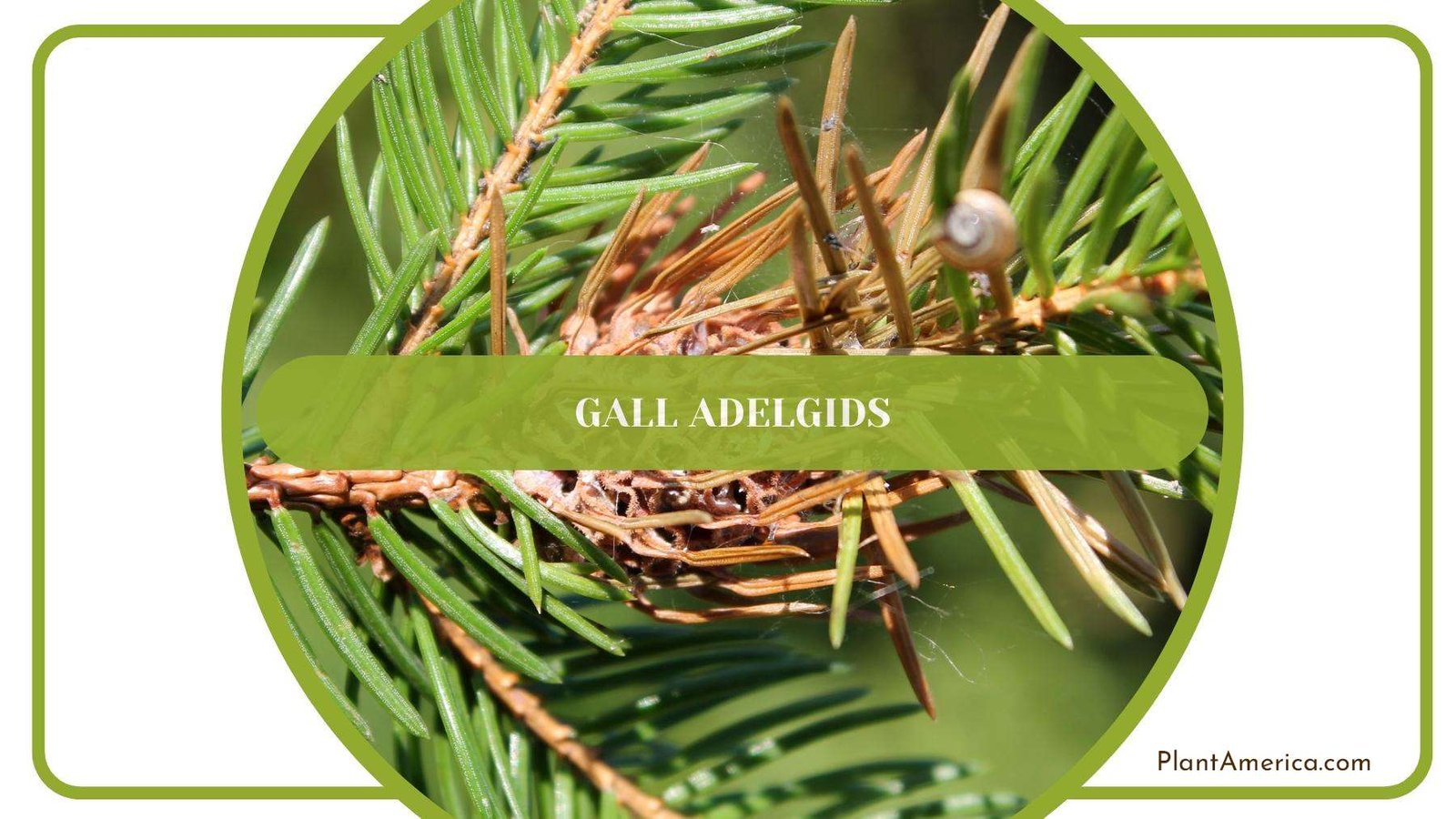
Early signs of an aphid infestation manifest as yellowing needles, possibly accompanied by the presence of honeydew—a sticky substance excreted by pests like scale and aphids. An unusual influx of ants may be observed on the tree, drawn to the honeydew. Subsequently, the tree may transform, with needles turning brown and eventually dropping off.
Another contributor to needle discoloration is mites, tiny creatures that parasitize needles and branches by extracting sap. Flourishing in dry, warm weather, these mites can go unnoticed for extended periods on a plant. Once favorable conditions arise, their population rapidly multiplies. Although the browning of needles due to mite infestation occurs more gradually than with diseases, their presence may not be immediately apparent.
– Weevils
Needle browning is frequently attributed to the white pine weevil, a common pest. Adult weevils typically feed on needles from the previous year’s branches, and in early spring, females deposit eggs near buds.
As young shoots emerge, the larvae burrow into them, consuming young tissues and creating tunnels. This activity leads to the downward drooping of the current year’s shoots. Over time, these affected shoots wither and turn brown, along with the needles.
The pine weevil predominantly inflicts damage at the uppermost part of the spruce. The consequence is evident as young, immature shoots bend towards the ground, and the needles ultimately undergo browning and shedding.
– Gall Adelgids
The Cooley spruce gall adelgid, a type of sucking insect, can lead to needle drop and branch dieback in your trees too. During the nymph stage, they irritate the plant tissue, resulting in cone-like galls. Identifying these galls at the tips of tree branches is crucial, as they resemble aphids.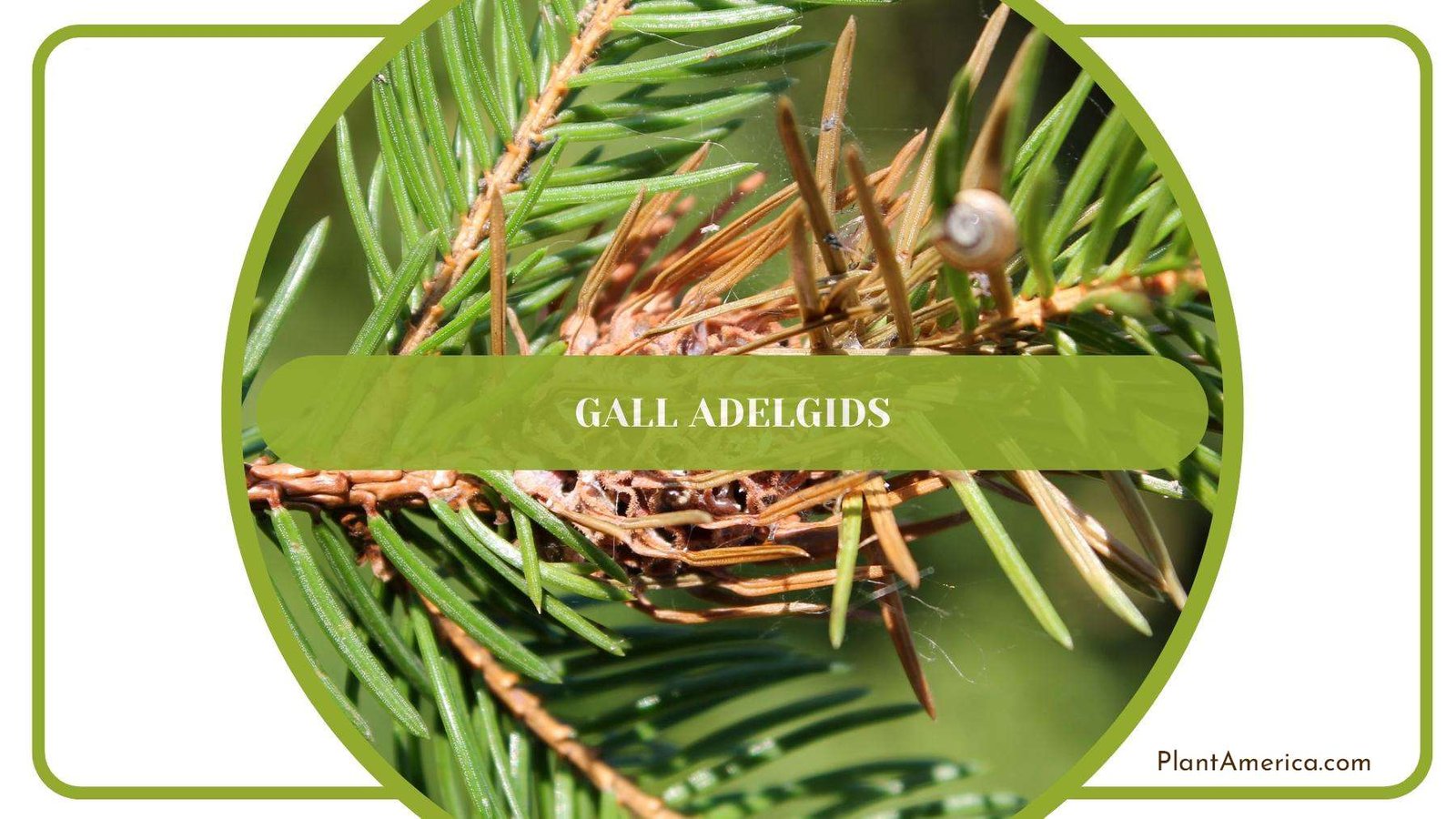
While generally not harmful to tree health, persistent infestations or tree stress can cause aesthetic concerns. Identifying these galls can be challenging due to their spiky appearance, often blending with spruce branches.
– Winter and Cold Damage
The winter season poses challenges for everyone, including trees. The uppermost parts of tall spruce and pine trees face heightened vulnerability, exposed to stronger and colder winds.
Evergreens such as spruce experience moisture loss through their needles, leading to the browning of damaged needles and eventual deterioration starting from the tree’s top.
– Root Issues
Spruces are sensitive to changes in soil conditions and can be affected by compacted or waterlogged soil. Poorly drained soil can lead to root rot, while compacted soil may limit root growth and nutrient absorption. This can result in brown needles as well.
– Other Environmental Conditions
After planting or transplanting spruce, the needles may exhibit a color change, often turning yellow and brown. If the planting occurs during an inappropriate time, such as in summer, the roots may struggle to supply adequate water to the needles, leading to discoloration.
Moreover, relocating the spruce to a new position alters its sun exposure, potentially resulting in increased sunlight and slight burning. Despite the spruce’s ability to tolerate full sun, abrupt shifts in light conditions can cause damage to the needles.
Factors contributing to needle browning after planting may include the transplantation occurring in hot weather or during summer and the severe damage to the roots during the transplanting process.
Now that you are all covered with the culprits, let’s see what you can do about them!
How To Treat Browning Problems of Brown Tips on Spruces
So you’re likely dealing with a disease, in which event it’s best to get rid of the infected foliage. However, if you’ve properly identified your culprit, they may have their unique solution. Let’s see what can you do to save your browned tree.
– Dealing With Rhizosphaera Disease
To address this issue, begin by removing the dry branches and gathering fallen needles, ensuring disposal away from human residences, either by burning or discarding at a distance.
Next, apply a comprehensive spray of a copper fungicide solution to the Blue Spruce. Ensure thorough coverage, including all branches and the trunk within the crown. Repeat this spraying process after a 2-week interval, employing a Chlorothalonil-based fungicide this time.
It may be necessary to continue with several more sprays throughout the growing season. Optimal effectiveness can be achieved by alternating between different fungicides during these applications.
– How To Treat Cytospora Canker
To manage the issue, prune affected branches during the tree’s dormant winter period, ensuring the sanitization of pruning tools between cuts. The sole alternative treatment involves dedicated care for the tree, enhancing its vigor, and reducing drought stress through consistent watering. Chemical remedies for the disease are unavailable, making prevention the most effective strategy, achieved by maintaining the tree’s overall health.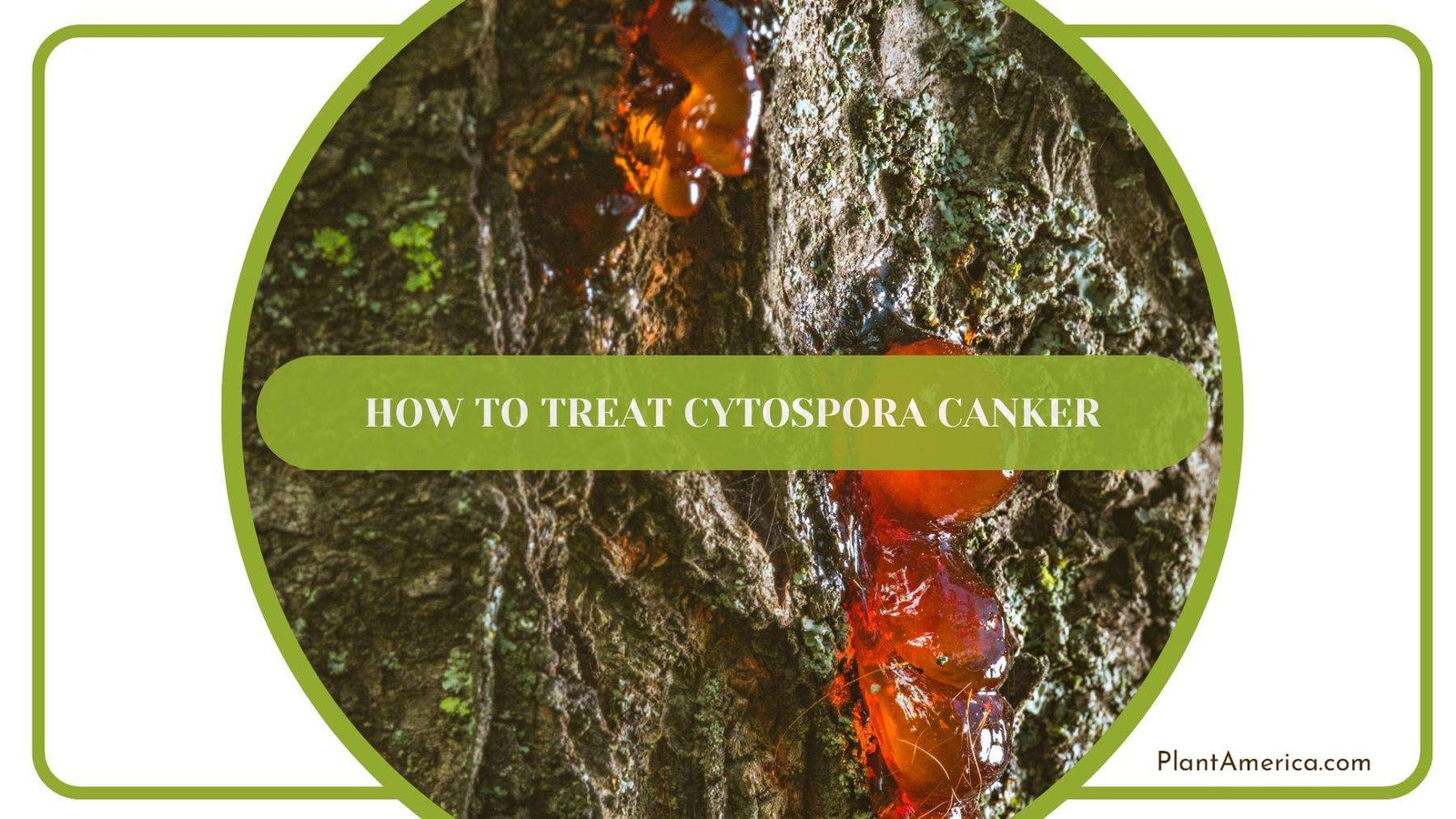
– Managing Pests
A robust tree can likely withstand an aphid attack without intervention, but stressed trees are more susceptible to aphid-induced harm. If aphids are detected on your Colorado spruce, consider an initial spray with Neem horticultural oil. Being organic and harmless to trees, trying Neem oil poses no risk. For persistent aphid issues, a preventive measure involves spraying with dormant oil the following year, timed in January to prevent hatching when aphid eggs overwinter.
Detecting unusual bark formations, likely galls, and promptly removing them by hand disrupts the adelgid life cycle, serving as an effective preventive measure.
In the case of mite infestation, wash them off with a hose, as they dislike moisture. Follow up by spraying the needles with an aqueous neem oil solution, repeating the application after two weeks. If neem oil proves ineffective, resort to acaricide (miticide).
In the event of a weevil attack, eliminate dead shoots from the tree and dispose of them to thwart the transformation of grubs into insects. Apply a systemic insecticide to the needles, repeating the spraying process every 2-3 weeks. Thoroughly clear away all plant debris beneath the spruce, including any present insects.
– Protecting Your Trees in Winter
To mitigate winter damage, ensure consistent hydration for your trees throughout the entire year, not solely during the heat of summer.
While we often concentrate our watering attention on flowers and shrubs, it’s crucial to recognize that trees also require ample moisture. Insufficient hydration compromises their ability to withstand damage.
During extended periods of dry conditions, thoroughly saturate your trees, extending beyond just the base to cover the surrounding area. Keep in mind that tree roots can extend a considerable distance from the tree itself.
The use of mulch is beneficial in retaining essential moisture. Apply mulch to cover the roots, ensuring it remains a few inches away from the trunk.
– What to Do About Transplant Shock
Addressing planting shocks is primarily associated with the timing of the process. Opt to plant or move spruce only during early spring or mid-autumn. During transplanting, take care to avoid harming the root system. Following the planting, provide shade for the spruce for three to six weeks. Ensure watering occurs when the soil is more than 1 inch dry.
– Address Soil Requirements
Addressing the soil needs of spruces is pivotal for their health and growth, involving several considerations. You need to understand the preferred soil conditions for your specimen. They thrive in well-draining soil with a slightly acidic to neutral pH, ideally ranging from 6.0 to 7.5. Ensuring good soil aeration, and avoiding compaction are essential for optimal root health.
To enhance soil quality, particularly if it’s heavy clay or sandy, incorporating organic matter like well-rotted compost or aged manure is recommended. This improves soil structure and fertility, providing a conducive environment for root development.
Applying a layer of organic mulch around the base of the tree, while keeping it a few inches away from the trunk, offers additional benefits. Mulch aids in retaining soil moisture, moderating temperature fluctuations, and suppressing weed growth.
While spruces generally don’t require heavy fertilization, a soil test can guide the application of a balanced, slow-release fertilizer in spring if nutrient deficiencies are identified. It’s crucial to avoid excessive nitrogen, as rapid growth may make the tree more susceptible to diseases.
Proper watering is fundamental. Spruces prefer consistently moist, well-drained soil. During dry periods, deep watering is essential, especially in the initial years after planting.
Periodic checks of the soil pH help ensure it falls within the recommended range. If needed, adjustments can be made using lime to raise pH or elemental sulfur to lower it.
Preventing soil compaction around the root zone is vital. Limiting foot traffic and heavy machinery near the tree helps maintain optimal conditions for root growth and nutrient absorption.
Conclusion
The browning of spruce tips is a cause for concern, and understanding the various factors contributing to this issue is crucial for effective management. Weather conditions, environmental factors, insect infestations, diseases, and noninfectious problems all play a role in the decline of these evergreen trees.
- Identifying the specific culprits, such as Cytospora canker, Rhizosphaera disease, aphids, mites, weevils, gall adelgids, winter damage, root issues, and other environmental conditions, allows for targeted and effective treatment.
- The treatment strategies vary, ranging from pruning affected branches, applying fungicides for diseases, using organic solutions for pests, addressing winter damage through consistent hydration, mitigating transplant shock through proper timing and care, and ensuring optimal soil conditions for overall tree health.
- Regular monitoring, prompt intervention, and adherence to best practices for tree care are essential elements in preserving the vitality and aesthetic appeal of these beautiful trees.
By following these guidelines and tailoring treatments to specific issues, homeowners and landscapers can navigate the challenges associated with browning tips on spruce trees, fostering their resilience and longevity in gardens and landscapes.