
Brown tips on bearded Iris leaves may happen for various reasons, often tied to improper planting, moisture levels, and susceptibility to bacteria, fungi, or insects. Natural plant cycles and improper routine maintenance contribute to these challenges. While Iris flowers are generally easy to cultivate — however, if your garden turns to that sad brown hue, it’s crucial to promptly identify and address the underlying issues.
Reasons Why Your Bearded Iris Is Turning Brown
The presence of small brown spots on your iris leaves is likely indicative of iris leaf spot, a common ailment in a bearded variety of irises. This condition manifests with small yellow-brown spots on the leaves, initially encircled by water-soaked borders. Over time, these spots transform into grayish-brown with reddish-brown borders, potentially merging and causing widespread leaf damage.
Managing spot diseases calls for adopting good cultural practices. However, if your iris exhibits total foliage sporting brown colors, this can be due to a variety of reasons. This involves the removal of all diseased leaves and flower stalks, and getting to the root problem.
Let’s see what’s possibly wrong with your iris plant, so you can better address the issue!
– Water Malpractice
For irises belonging to the German, Dutch, or Siberian iris families, scrutinize their planting locations and moisture levels closely. These varieties thrive in well-draining soil and elevated planting sites that prevent water puddling. Whether they boast bulbous or rhizomatous roots, the presence of browning, soggy, or wilted leaves often signals excessive saturation.
Conversely, if your ailing irises belong to aquatic groups (Water, Copper, or Flag) or semi-aquatic groups (Louisiana, Japanese), the issue may stem from insufficient moisture rather than excess. Should you be tending to an iris from a water-loving species, and you notice dry, browning leaves with signs of curling or wilting, it might be time to amp up your watering regimen.
– Rot Issues
Improper watering can lead to issues for iris plants, notably soft rot — a bacterial infection turning roots into mush. Signs include weak leaves, collapsing or soft flower stems, brown circular spots with yellow margins on leaves, and black crystals on lower plant tissue or soil. Confirm this disease by checking roots — they’ll be mealy, dark, and emit a foul odor.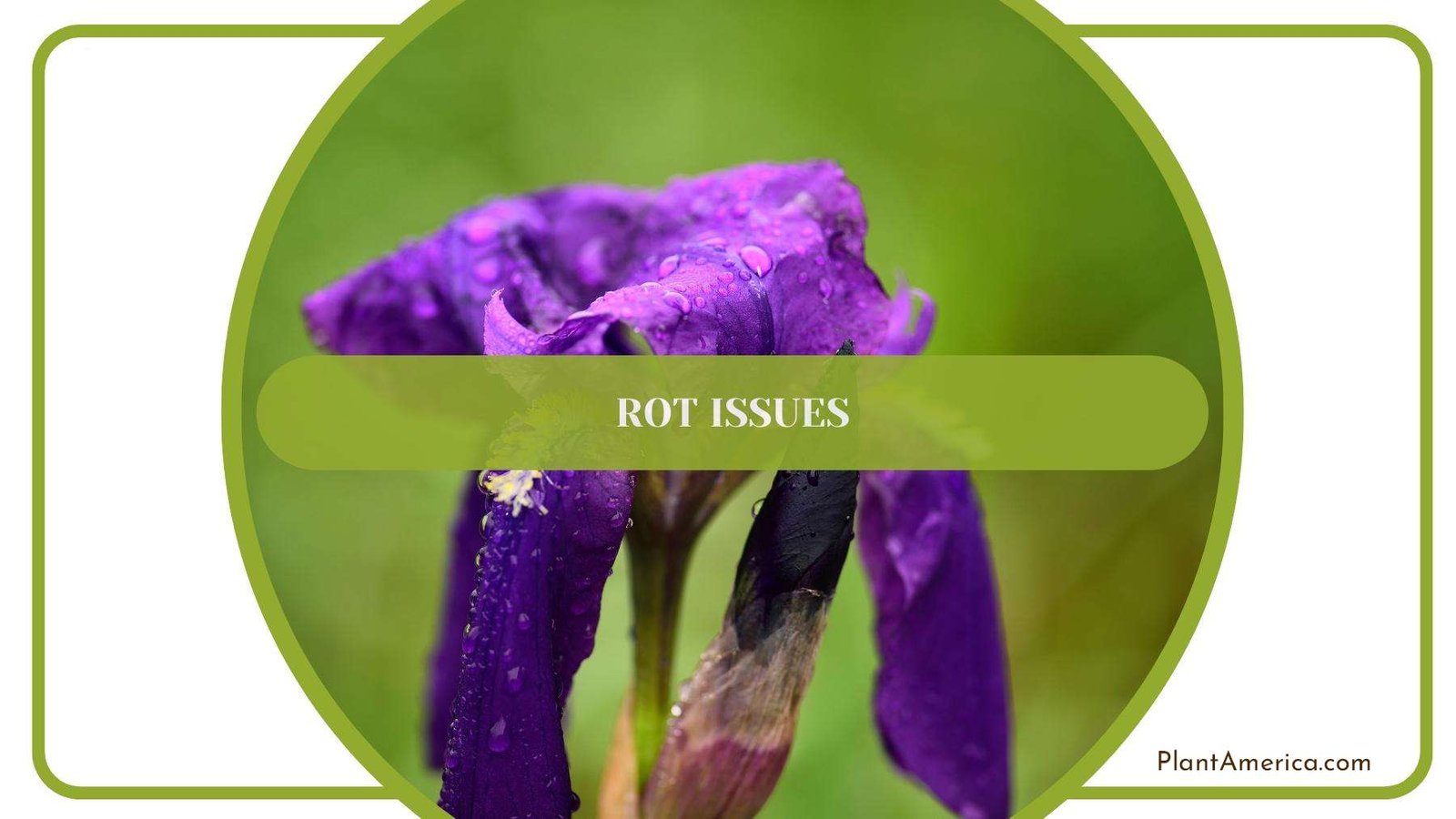
Wilted or stunted iris leaves browning from tips down may signal crown rot, evidenced by white thready spores near bases and tan structures between yellow or rotting leaves. Roots may be dark or decayed, breaking off easily. If crown rot is suspected, dig up the entire plant and dispose of it.
– Other Iris Diseases
Leaf spot, a less severe fungal condition than crown rot, manifests as small brown to tan spots with blurry, watery margins on iris foliage. Advanced damage may appear as dark reddish-brown patches or leaves falling off entirely, with small black spores visible upon close examination.
Streaked, mottled, or speckled yellow-brown leaves and stunted or oddly colored blooms suggest a mosaic virus, typically entering through wounds caused by insect damage. Careful handling and pest management are crucial to preventing virus-related health issues in plants, but more on that later.
– Insect Attacks
Irises, often deemed pest-resistant, can still face damage from certain insects. Thrips and aphids, by extracting sap, leave tiny puncture marks and brownish-yellow spots on iris leaves. Beetles and caterpillars may chew leaf margins, causing visible stress.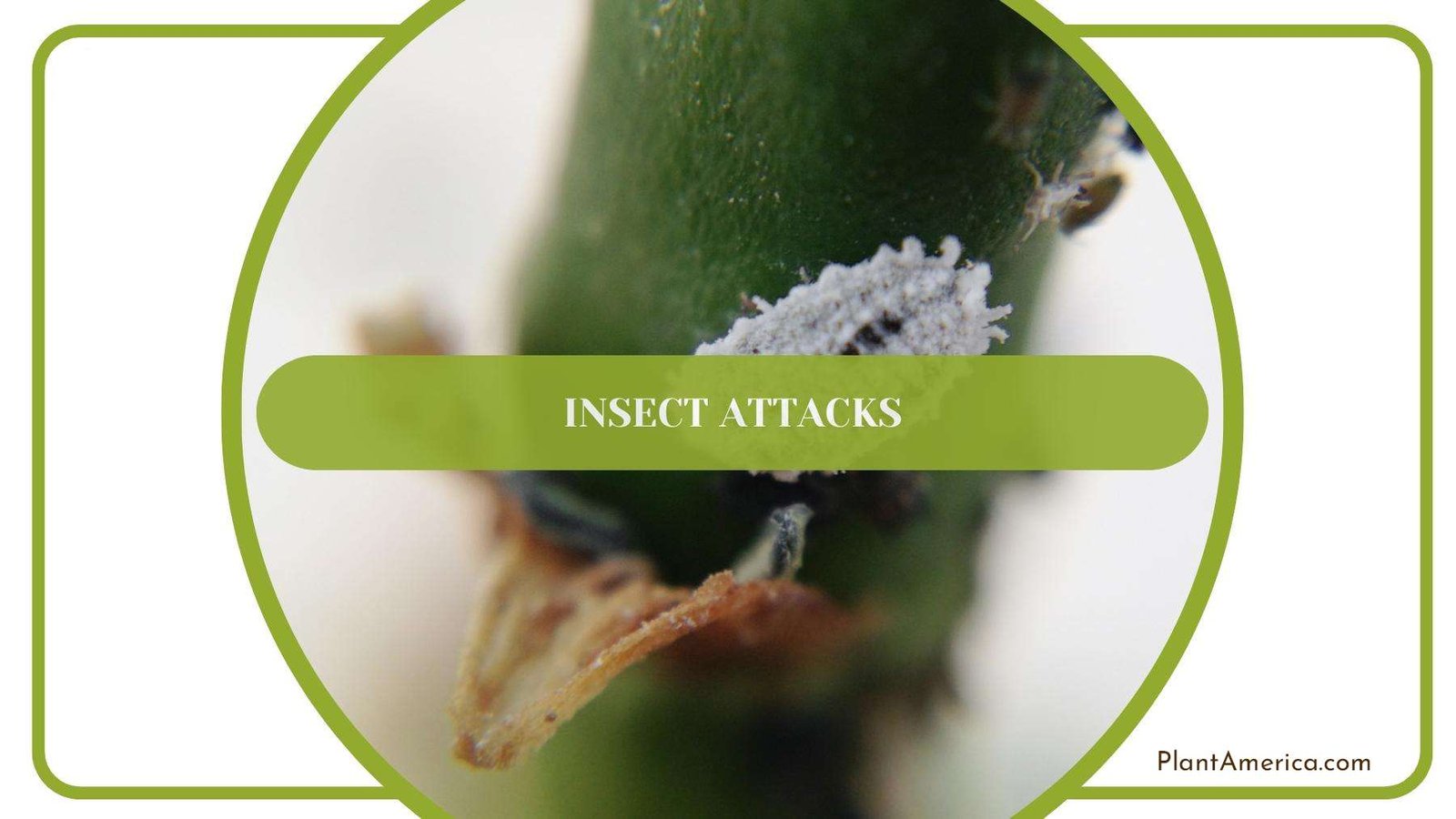
Although insect presence can make irises susceptible to diseases, the damage inflicted is usually more aesthetic than life-threatening. An exception is the iris borer, capable of swiftly boring through an iris’ crown into its roots, leading to rot.
– They Are in Need of Defoliation
When irises have completed their flowering phase, and the faded petals, and possibly some leaves, are browning, it likely signals the end of their reproductive cycle. During this season, it’s crucial to leave the leaves in place, as they will capture sunlight to store food for the plant, supporting the creation of next year’s blooms. However, feel free to trim down the flower stalks at this stage.
– It’s Only a Dormancy Thing
As winter steps in and temperatures drop, irises signal the end of their photosynthesizing phase and the onset of dormancy. Initially, a few brown leaves may appear, intensifying as winter approaches, typically occurring between October and December, depending on your hardiness zone.
While it’s acceptable to clear away dead or fallen leaves towards the end of the season, avoid completely cutting down the leaf fans until they have mostly browned out.
Now that you know how to recognize the problem bugging your iris plants, let’s see what can you do about it!
How To Take Care of Your Bearded Iris
When confronted with brown, wilted, or ailing leaves, moisture-related problems are often the root cause. Questions about water levels arise: Is the iris receiving excessive moisture, or is it deprived of an adequate amount?
And you’re probably right to the point. Getting your iris back on track involves some proper plant love, so let’s see how you can step up your iris care game!
– Improve Watering
To effectively water newly planted irises and avoid root flooding, opt for a soaker hose or mist spray, delivering a slow and consistent soaking once or twice a week. Focus on watering the soil, not the leaves and flowers, to discourage potential fungal issues.
Morning watering is preferable, allowing leaves to fully dry during the day. Keep in mind that different iris species have varying moisture needs, with some requiring constantly moist roots, while others may tolerate slow-draining conditions or periodic drying. Identify your iris species to tailor your watering routine accordingly.
– Address Rotting Diseases
The soft variety of rot disease lacks a cure, necessitating the removal of affected irises to prevent its spread to other plants. Adopting proper watering practices can deter future instances of this rot, as well as other soil-borne issues like root rot.
Planting correctly, ensuring good soil drainage, and employing thoughtful watering habits collectively will discourage the fungi responsible for crown rot.
– Non-Chemical Methods For Diseases
At the end of each year, remove and discard all leaf debris, especially in areas prone to leaf spot. While picking off leaves mildly infected with leaf spot or rust can impede the spread of disease, caution must be exercised to avoid excessive foliage removal, which could be detrimental.
Disease-affected plants are best disposed of, with the soil they occupied either replaced or left fallow for a few years in the case of bulbous irises. Iris rhizomes, which are adapted stems producing roots, stems, leaves, and flowers, should be planted partially exposed on well-drained soils to prevent bacterial rhizome rot.
If bacterial decay still affects a small portion of the rhizome, it can be removed with a disinfected, sharp knife, allowing the cut surfaces to dry before replanting. Before planting, inspect bulbs, such as daffodils and tulips, discarding any showing signs of softening and decay. Virus-affected plants should be discarded if their performance is compromised or if there’s a risk of transmission to neighboring healthy plants.
– Chemical Treatments
The fungicides tebuconazole, tebuconazole with trifloxystrobin, and triticonazole are approved for rust diseases on ornamental plants and may provide some control for irises too. Tebuconazole with trifloxystrobin is recommended for leaf diseases on ornamentals and may offer some effect against iris leaf spot or ink disease.
Due to iris leaves’ vertical growth, fungicide spray runoff onto the soil is common. Use a fine spray for good coverage, stopping before it runs down the leaves. Avoid spraying in breezy conditions to prevent drift, and refrain from applying fungicides to irises near water features to prevent harm to aquatic animals.
– Fighting off the Insects
Effectively deal with insect problems in your iris garden by manually removing pests, shaking plants, or using a forceful hose spray. While this helps control many pests, it won’t prevent borers from infiltrating the crown, so regularly check for signs of borer damage and promptly remove affected plants.
Pay attention to the undersides of leaves during removal, as this is a common hiding place for pests. To deter insects from residing in the iris patch, consider applying neem oil to the leaves several times throughout the season.
– How to Deadhead Your Bearded Iris
You don’t have to individually remove fading flowers, simply trim the entire flower stalk at the end of the bloom. For a bearded variety of plants, locate the base where the stem meets the rhizome (thick fleshy root-like structure) and use sharp pruning shears to make a clean, angled cut.
Avoid flat cuts to prevent water accumulation and fungal penetration, which could cause crown rot — angled cuts help water run off the side!
Conclusion
Brown tips on iris leaves can be a cause for concern, but understanding the various factors contributing to this issue empowers you to address it effectively. Whether it’s related to improper planting, moisture levels, or susceptibility to diseases and insects, this guide has got you covered.
- Identifying the specific problem affecting your Iris is crucial for implementing targeted solutions. From iris leaf ink diseases to issues with water malpractice, rot, diseases, insect attacks, or even the natural dormancy and defoliation phases, each scenario requires a tailored approach.
- Adjusting your watering practices, whether it’s ensuring well-draining soil for some varieties or providing adequate moisture for others, is a key step in caring for your Iris. Morning watering, using soaker hoses, and paying attention to different moisture needs based on the Iris species contribute to a healthier environment.
- Addressing rotting diseases involves removing affected plants to prevent the spread of rot and adopting proper planting and watering practices. Non-chemical methods, such as removing leaf debris and disposing of disease-affected plants, contribute to overall disease prevention.
- Insect attacks, although less common in Iris, can be managed through manual removal, shaking plants, or using a forceful hose spray. Regularly checking for signs of borers and applying neem oil can further protect your Iris garden from pests.
- Deadheading your Iris is a simple yet essential practice to encourage continued blooming. Trim the entire flower stalk at the base where it meets the rhizome, making clean, angled cuts to prevent water accumulation and potential issues like crown rot.
Taking a proactive and informed approach to care ensures that your garden remains vibrant and your irises thrive, showcasing their beautiful blooms.