
How to transplant wild roses is a great chance to enjoy their different colors, and this skill is key to adding a beautiful touch to every garden. Wild roses are those that are uncultivated and grow out in the wild. They usually have five beautiful petals per rose, and are quite different from tamed roses.

Roses will make a good addition to your flower garden, and this article explains how to transplant wild roses.
How to Transplant Wild Roses Properly
To transplant wild roses properly, you need to seek permission from relevant authorities or owners, have the correct tools for digging, prepare the land, and have adequate knowledge on how to do it. After transplanting your roses, be sure to properly maintain them.
1. Identify Wild Rose Shrubs and Seek Permission
The first stage is to identify the wild roses that you love and wish to transplant into your garden. You should ensure that the roses are healthy as well as a good size for transplanting. With any plant, transplanting is much easier if the plant is still relatively young. Older plants will have developed wide and deep root systems that make it difficult to uproot the plant.
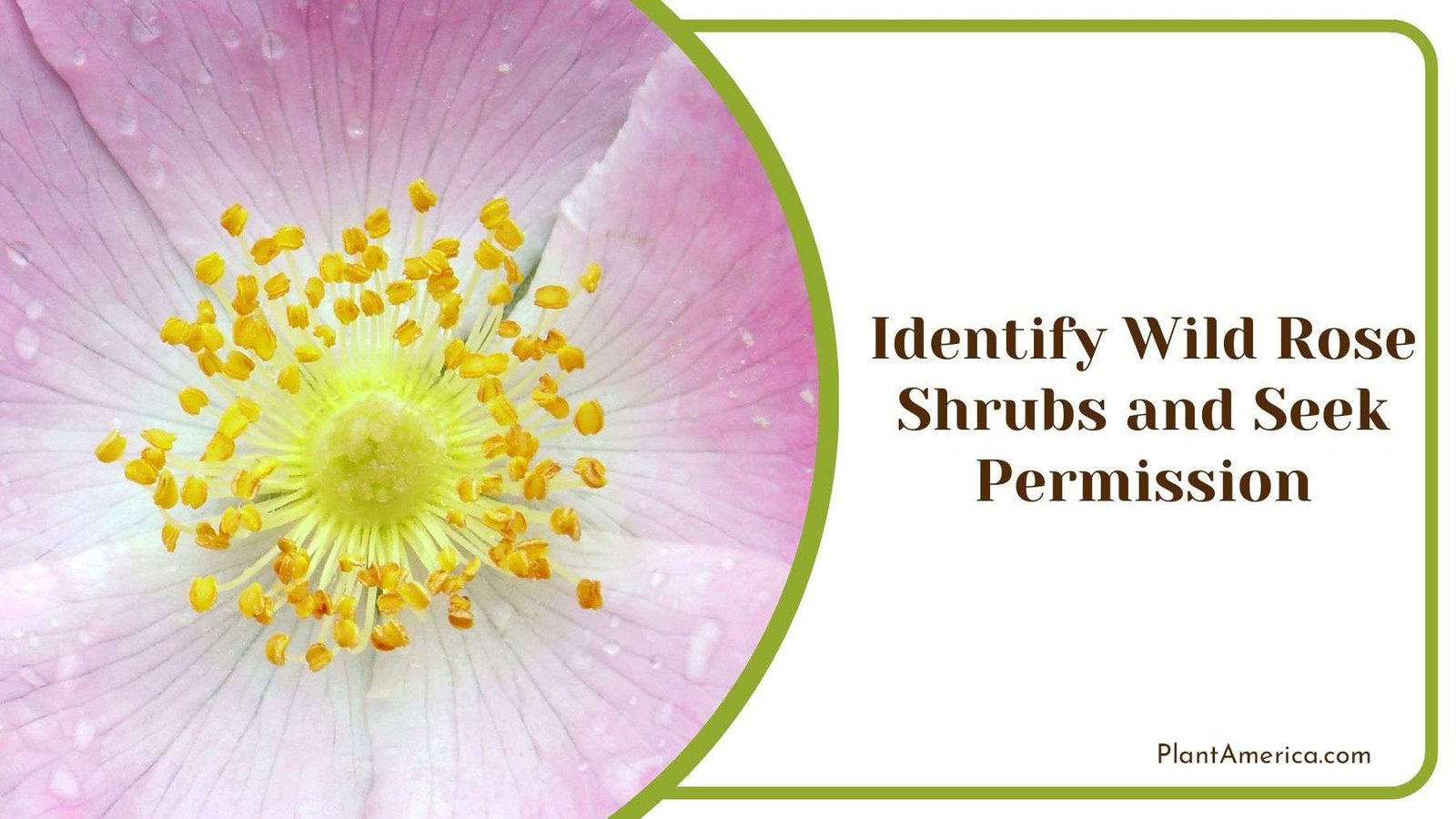
Some land on which you find roses that you call ‘wild’ might have owners. Whether you find them out in the open or in a public park, you will need to seek permission from the owner or the authorities before transplanting wild roses. Disturbing the natural growth of plants and vegetation in the wild might be against the law in some states. As such, it is important to always make sure you are allowed to transplant the wild roses.
2. Prepare Your Tools for Transplanting While Waiting for Winter
Roses are best transplanted in winter or early spring, which is the season when they are dormant. If it is not winter yet, you can take the time to prepare your tools for transplanting the roses when the time has come.
Preparing your tools involves dipping them in rubbing alcohol or wiping them with a cloth that is wet with sanitizing liquid. Roses are thorny, so you will also need thick gloves, long pants, a long-sleeved shirt, and closed shoes to avoid hurting yourself in the process.
Gauntlet garden gloves are good for the task because they cover up to the elbow. For your tools, you will need a spade, a garden fork, and a watering can. If you do not have the appropriate safety wear and tools for transplanting roses, you can take the time before winter to put your kit together and learn how to tame a wild rose bush.
3. Prune the Wild Rose Plant
Pruning the rose shrub is best done when the plants are in their season or dormancy. You should trim down the length and do away with the dead leaves, branches, and unhealthy parts. If you transplant a rose shrub with many leaves and branches, it loses so much water through its leaves and will have a hard time taking into its new environment.

4. Prepare the Planting Holes for Your Roses
You should prepare the space for planting before you dig up the rose. You should ensure that the holes you dig are wide enough to accommodate the plant, and the depth should be such that the plant’s roots are able to develop properly. You can add manure or compost if you so wish, but be sure to mix it with the original soil. Make sure the planting site that you have chosen receives adequate sunlight, which is vital for the growth of your wild rose.
5. Dig Up the Wild Rose Bush
When digging up the plant, be sure to span as wide and as deep as possible to try and get intact roots. Digging deep helps you to go most of the length of the plant’s tap root. If the soil around the plant is hard, you can water it and allow the water to sink in, thereby softening the soil. If possible, you can take the plant up from the hole with a bit of soil still held between the roots.

If you dig up the rose properly, it should not be difficult for it to survive in the new environment. To transport the plant, you can place it in a plastic bag or bucket, along with some of the original soil. The original soil helps the plant to quickly acclimatize to the new environment.
6. Plant the Wild Roses
When transplanting roses, gently place them into the prepared holes. You can then fill the holes with soil. Press on the sides to remove air pockets and to ensure that the rose is firmly settled in its new home. If you wish, you can place mulch around the rose plant to ensure that it does not touch the stalk of the plant. This is because with continued watering, mulch will begin to rot and if it is too close to the plant, it might instigate rotting of the plant as well.
7. Transplant Your Wild Rose to a Pot
It is possible to transplant the rose into a pot. When you have dug up the rose that you need to plant, wash the pot before filling it with soil or potting mix. The potting mix can be made by mixing coarse sand, soil, and manure. We recommend that you gently place the wild rose in the pot before adding the soil halfway. After that, you can then water your rose, prior to filling it up with the rest of the soil.
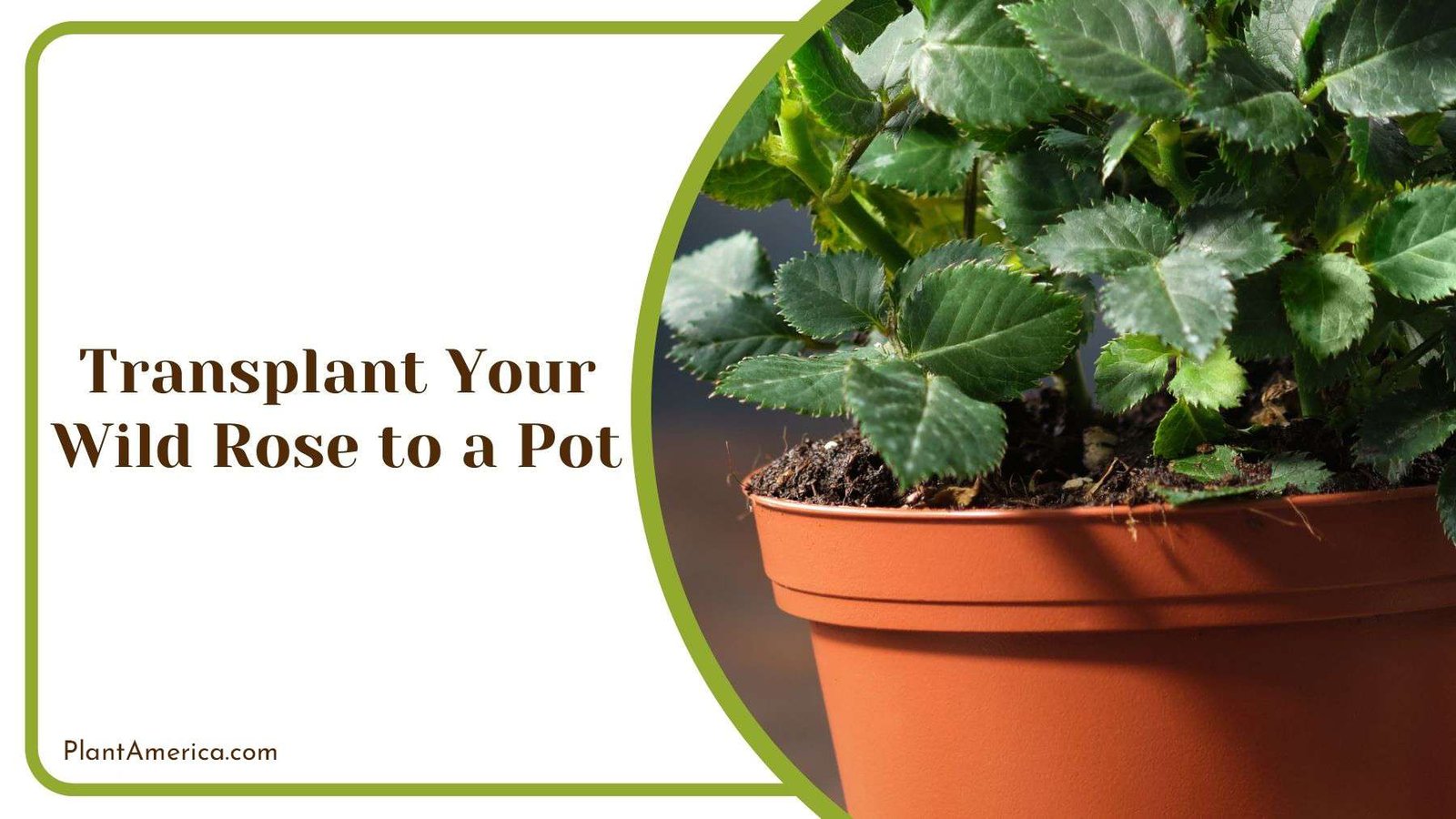
Make sure the soil is firm and water the rest of the soil to ensure all of it is completely moist. Just like when you plant roses directly in your garden, you can cover the surface with mulch, taking care to keep away from the stalk of the plant. When watering the plant, you will know you have watered adequately if the water begins to drain out of the pot’s draining holes.
8. Maintain and Care for the New Plant
Caring for the new plants will include watering daily for at least two weeks, after which you can be assured that the plant has taken root. You may then reduce the frequency with which you water, to avoid waterlogging the soil around the plant. Too much water may cause the plant to rot. You can then water at least three times a week, taking care to ensure the soil is always moist.
You should always observe your plants for any signs of pests and diseases. It is wise to keep a close eye, and spring to action at the earliest sign of pests and diseases. Make use of pesticides and other natural methods of fighting pests and diseases, while at the same time ensuring the safety of the humans, animals, and the plants themselves.
9. Look Out for New Growth Before Fertilizing
When you notice new growth on the rose bushes, it is the most perfect time to fertilize the plants. Manure and compost are good natural fertilizers for your plants. The compost should be well-decomposed, or you can alternatively use slow-release fertilizer or liquid fertilizer. Please, be sure to follow the instructions on the package. Your plants should always get a drink before you can apply the fertilizer to avoid damaging plant roots.

Following this process, you can create a wonderful rose garden that will be a sight to behold when it is in full bloom. You will have to wait for winter before transplanting your roses, and after planting, you will wait some more for the roses to grow and begin to bloom, but it is worth the wait.
10. Deal With Transplant Shock
Transplant shock occurs in plants when they struggle to take root and absorb enough moisture and nutrients to continue growing. It is quite a common occurrence when rose plants are transplanted, and depending on the severity, you can rescue your plant from transplant shock.
The first way to pull your plants out of transplant shock is by watering them, never allowing the soil to dry out. Sometimes you might have to prune away about half of the foliage, through which the plant loses water.
The plant will recover faster if it does not have to support plush foliage with the moisture and nutrients that it absorbs from the soil. Once you notice transplant shock, you should avoid adding fertilizer because it hinders the plant from recovering quickly on its own.
Frequently Asked Questions
– Can You Transplant Wild Roses in Summer?
Yes, you can transplant wild roses in summer, although they are known to be very busy, growing dense foliage. They are also in full bloom and may be difficult to transplant as it might interrupt the blooming process. Transplanting the wild roses in summer is, therefore, not ideal.
But if it is extremely necessary, you can do it with precautions to avoid transplant shock. When transplanting in summer, it is best to do so in the evening, to avoid the heat of the day. The transplant process must be quick to reduce excessive water loss by the plant during the time that it is exposed to the sun with bare roots.
You should mulch the soil and amend its composition if necessary, to create a soil type that is better at water retention. The hole for planting should be thoroughly watered before you plant the rose bush.
Try to take great care of the newly transplanted rose bush, as its chances of survival are limited compared to roses transplanted in winter. The plant will need good watering and nutrition to continue with its growth and bloom. If you do not take extra care of the plant, you will find its leaves dropping and the roses falling off.
Conclusion
Transplanting your wild roses is pivotal if you want to have an abundance of blooms in your garden every year because they are not picky about where they can grow. Here is a lowdown on the main point explained in this guide:
- Because they can grow in the wild without human help, roses can grow anywhere, even out in the open, and you will need to seek permission from authorities and landowners responsible for the space where wild roses grow before transplanting them into your garden.
- While under pressing circumstances one can transplant wild roses in the summer, it is always best to transplant them in winter when they are dormant because in summer, transplanting them will likely cause transplant shock.
- Before transplanting wild roses, prepare the planting holes adequately, making sure that they are in a position where they receive sunlight.
- After the transplant, you should water your plants daily for at least two weeks, after which you can water three times a week while you keep looking out for signs of transplant shock, pests and diseases,
- If you have to transplant wild roses in the summer, you have to take extra care of the plant by watering every day, not allowing the soil to dry up, pruning, and avoiding the use of fertilizers.
We hope that you now realize it is not difficult to have an abundance of blooms in your garden by adding the beautiful touch of wild roses. Once the dormant season comes, it is time to get going!