
“How can I get rid of mealybugs on an elm tree?” is a question many garden enthusiasts ponder, especially when faced with a looming infestation. First, find the parts that have bugs and take them off.

Then, use natural ways or special bug sprays to treat the problem. Don’t worry; if you don’t know these methods, stay till the end, as we’ve explained everything step-by-step.
How To Get Rid of Mealybugs on an Elm Tree
To get rid of mealybugs on an Elm tree, start by identifying and removing infested parts. Then, opt for natural methods like insecticidal soap or neem seed oil to deter these white bugs. If the mealybug problem keeps coming back, you might need to use bug sprays with chemicals.
1. Gather the Supplies First
Before getting rid of these pests, ensure you have all the supplies you need ready. Start by getting the following:

- Insect-killing Soap: This is a mild pesticide effective against most soft-bodied insects, including mealybugs. It’s readily available at most garden centers.
- Neem Seed Oil: Another natural pesticide, neem oil works wonders against mealybugs.
- A Soft Brush or Cloth: This will gently scrub off the mealybugs from the infested parts of the Elm tree.
- Pruning Shears: These will be handy for removing heavily infested parts, ensuring the mealybugs don’t spread further.
- A Bucket or Container: To collect and dispose of the infested plant parts.
- Rubbing Alcohol (Optional): If you find isolated mealybugs, knock them off with a bit of rubbing alcohol on a cotton swab can kill them instantly.
While chemical pesticides are available in the market, they may not always be the best option. They can mess up good bugs and might not work as well in the long run. Natural methods like insect-killing soap and neem seed oil target the pests without causing too much harm to the environment or the Tree itself.
2. Identify the Infested Plant Parts and Remove Them
With your supplies in place, the next step is to meticulously inspect the Elm tree. Mealybug infestations are not always immediately visible to the naked eye, especially during their early life stages.
Examine the Leaves: Check the underside of the Elm tree’s leaves, as this is a common hiding spot for mealybugs. They are attracted to the sap in these areas and often congregate there to feed.
Inspect the Stems and Branches: Look closely at where the leaves connect to the stems. The junctions or nodes are another favorite spot for these pests. If the infestation is severe, you might see a white, cottony mass on the stems or branches. Once you’ve identified the infested parts, it’s time to take action:
Physical Removal: Use a soft brush or cloth to scrub off the mealybugs gently.
Pruning: If a branch or section of the Tree is heavily infested, consider pruning it off. This can prevent the bugs from moving to other parts of the Tree. Place the pruned parts in your bucket or container.
Application: For those stubborn mealybugs that won’t budge or areas that are difficult to reach with a brush, consider applying pesticidal soap or neem seed oil. These will not only kill the bugs but also deter them from coming back.
After you’ve addressed the visible mealybugs, monitor your Elm tree regularly. Mealybugs reproduce rapidly, so it’s crucial to stay vigilant and check the Tree every few days.
3. Vacuum the Other Visible Bugs or Handpick Them
Another effective method, especially when dealing with mealybugs on outdoor plants, is using a vacuum cleaner or handpicking them. This might seem unusual, but it’s a quick and straightforward fix.
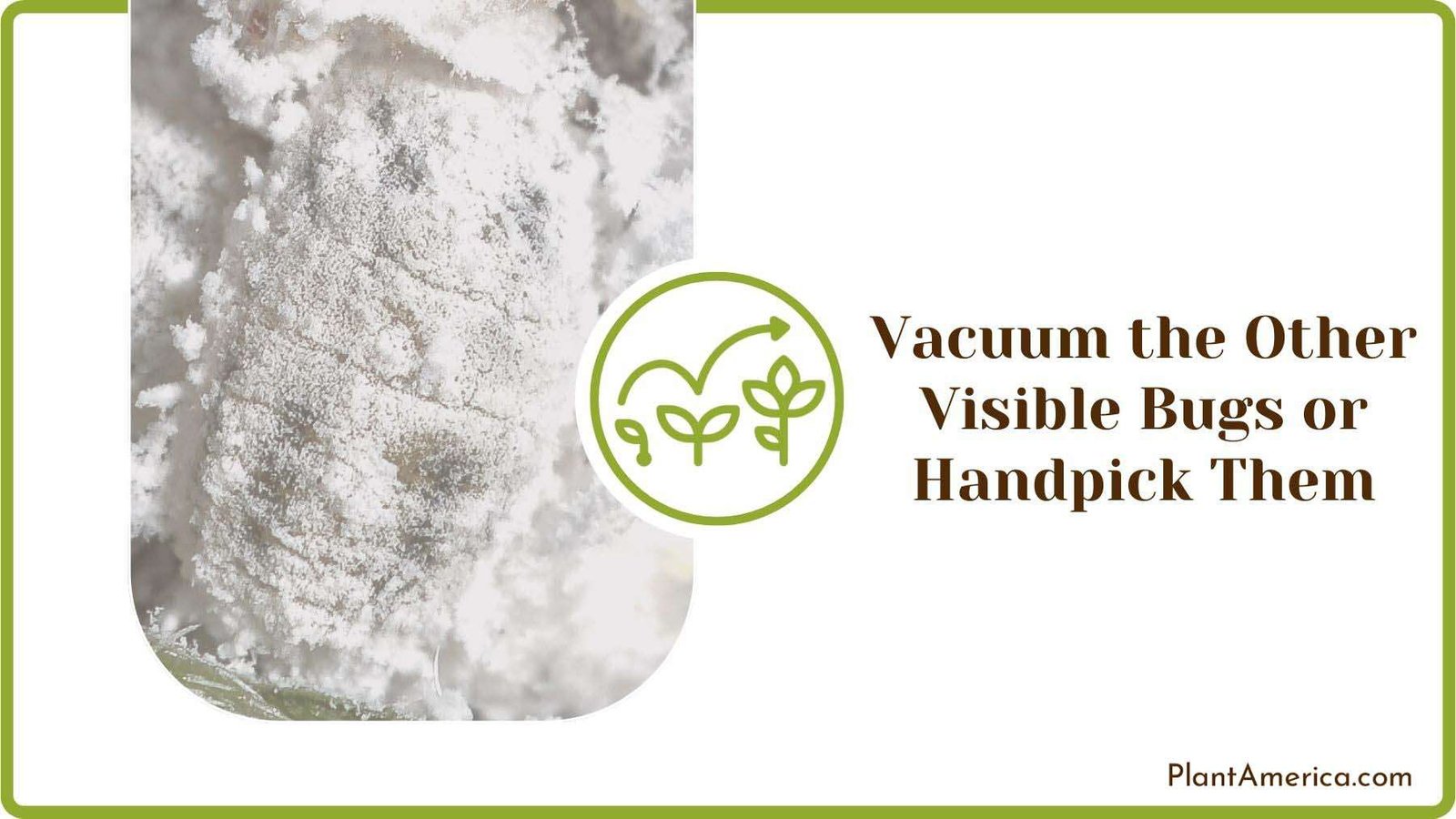
Here are the steps:
- Safety First: Before you start, ensure that the vacuum is clean and devoid of any other debris. You don’t want to spread other contaminants on your Tree unintentionally.
- Using the Vacuum: Gently run the nozzle of the vacuum over the infested areas of the Elm tree. The suction should pull off a good number of the bugs.
- Disposal: After vacuuming, dispose of the vacuum’s contents far from your garden. You wouldn’t want these pests making a return.
However, handpicking is an option for those who prefer a more hands-on approach or if the infestation is relatively small. Wearing gloves, you can physically pick off the mealybugs from the Tree and place them in a container filled with soapy water.
4. Prepare and Apply Treatment/Solution Next
Once you’ve reduced the number of visible mealybugs, the next step in ensuring the Elm tree remains bug-free is to prepare a treatment solution. While several chemicals are available in the market, if you’re wondering how to get rid of mealybugs naturally, gardeners swear by two primary solutions: insecticidal soap and neem/horticultural oil.
We’ll use insect-killing soap for visible bugs and neem seed oil drenching for soil bugs.
Here’s how to get rid of mealybugs on trees:
Buying or Making: You can purchase insecticidal soap from a gardening store or make it home. Mix 3-4 drops of mild liquid soap (like dish soap) with a quart of water to make your own.
Application:
- Pour the mixture into a spray bottle.
- Before treating the entire Tree, test the solution on a small part of the Elm tree.
- Wait for a day or two. If there’s no adverse reaction, spray the entire Tree, focusing on the infested areas.
Frequency: Consider spraying the Tree every few days for a heavy infestation. Once the mealybugs reduce, you can switch to a weekly schedule until you’re sure they’re gone.
5. Do the Horticultural Oil Drenching of Soil Next
A common problem many gardeners face is the presence of these pests in the soil. So, if you’re scratching your head over how to get rid of mealybugs in soil, horticultural oil drenching is a method you should consider.

Horticultural oils are made to go after pests without hurting your plants. Using them as a soil drench means targeting those mealybugs right where they hide.
Understanding Horticultural Oil: Before proceeding, it’s crucial to understand that not all horticultural oils are suitable for drenching. Some are explicitly formulated for foliage. For soil drenching, you’ll want to find a product labeled for this purpose.
Preparation: Mix the horticultural oil with water per the manufacturer’s recommendations to prepare the drench. Always follow the suggested ratios to ensure the safety of your Tree.
Drenching the Soil: Water the soil around your Elm tree before soaking. This ensures the soil is moist and ready to absorb the oil mixture. Once ready, slowly pour the horticultural oil mix around the base of the Tree. Ensure the solution reaches the roots where mealybugs might be hiding.
Post-Drench Care: Avoid watering the Tree for a couple of days after applying the drench. This lets the oil get into the soil where those sneaky pests hide. Soaking the soil with horticultural oil goes after mealybugs and other pests that live underneath.
6. Sprinkle Diatomaceous Earth on the Infested Trees
Sometimes, the best solutions come straight from Mother Earth. For those pondering how to get rid of mealybugs outside, diatomaceous earth (DE) is an excellent remedy.
Sourcing Diatomaceous Earth: Ensure you buy ‘food-grade’ diatomaceous earth, which is safe for gardens. Avoid the ‘pool grade’ version, which is chemically treated and unsuitable for pest control.
Application:
- On a dry day, sprinkle a generous amount of DE onto the infested parts of your Elm tree.
- Focus on the trunk, branches, and both sides of the leaves.
- If you’ve identified any ground infestations, consider sprinkling some around the base of the Tree.
Safety First: While DE is natural, it’s a fine powder and can irritate the lungs if inhaled. Always wear a mask during the application.
After Rain or Watering: DE loses its effectiveness when wet. So, if it rains or if you water your Tree, you’ll need to reapply the diatomaceous earth.
Consistent Monitoring: Diatomaceous earth is a challenging fix, as with any natural remedy. Keep an eye on the Tree and the ground around it, and reapply DE as required.
7. Monitor the Tree
Regular monitoring involves a few simple but crucial steps:
Routine Inspection: At least once a week, inspect your Elm tree closely. Check the undersides of the leaves, the branches, and the trunk. Mealybugs often return to spots where they thrived, so pay special attention to previously infested areas.
Look for Signs: While spotting a mealybug directly indicates their presence, sometimes they might not be immediately visible. Look for signs like a cottony substance, honeydew, or any unusual discoloration on the leaves.
Soil Checks: Remember the base. As mentioned previously, mealybugs can also thrive in the soil. Occasionally, digging up a small section around your Tree (without harming the roots) can help you spot underground infestations.
Stay Informed: Pests evolve, and so do methods to deal with them. Regularly reading on gardening forums or joining a local gardening group can update you on the latest measures to combat mealybugs.
8. Chemical Control
When other methods don’t seem as effective, or if the mealybug infestation is extensive, turning to chemical solutions might be the next logical step. Picking the right bug killer for mealybugs is crucial as you want it to remove bugs but not hurt the Elm tree. We suggest:
- Sevin insect killer
- Bonide systemic insect control
- Demon max insecticide
- Bonide insect control systemic granules
- Viper insecticide concentrate
- Bioadvanced 3-in-1 insect disease & mite control concentrate
The best part? They can also work against different other pests, like:
- Scale insects
- Soft scales
- Armored scales
Remember, chemical insecticides are potent agents, and their application requires care:

- Choosing the Right Insecticide: Not all insecticides are created equal. It’s recommended to purchase one specifically designed for mealybugs. Read labels and, when in doubt, consult with a local nursery or gardening expert.
- Safety First: Always wear protective clothing, including gloves and a mask, when handling and applying insecticides. This protects you from any accidental inhalation or skin contact.
- Follow the Instructions: Always follow the recommended dosage and application method mentioned on the product label .
- Timing: Apply the insecticide during the cooler parts of the day, such as early morning or late evening. This ensures maximum efficacy and minimizes the chances of the chemical burning the plant leaves.
- Monitor After Application: Watch your Elm tree closely after using the insecticide. Ensure the pests are receding and the Tree isn’t showing any signs of distress.
9. Focus on Preventive Measures To Stop Bugs Life Cycles
Preventing mealybug infestations involves a holistic approach to gardening:
- Regular Checks: Regularly inspecting your Elm tree and surrounding plants can help you spot and address infestations early.
- Maintain Cleanliness: Mealybugs, like many pests, thrive in cluttered, untidy environments. Regularly remove dead leaves, branches, and other plant debris from your garden. This makes fewer hiding and breeding spots for bugs.
- Quarantine New Plants: If you get new plants, keep them away from the rest for a while to make sure they don’t have bugs.
- Healthy Soil: Make sure your soil drains well, as it helps your plants stay strong and less attractive to bugs.
- Natural Repellents: Some plants like marigolds, chrysanthemums, and lavender don’t sit well with pests, including mealybugs. Planting them around can keep the bugs away.
That’s all about eradicating mealybugs from a tree garden!
Conclusion
To sum up, being proactive is the way to go when dealing with mealybugs on Elm trees, as it helps keep your garden healthy. Here’s a recap of what we’ve covered and the essential steps to keep in mind:
- Early Detection: Spotting the signs early can make all the difference. Regularly inspect your Tree, especially previously infested areas.
- Natural and Chemical Methods: Choosing the right treatment is crucial if you prefer organic solutions like neem seed oil or resort to the best insecticide for mealybugs.
- Introduce Beneficial Insects: To maintain a balanced ecosystem, consider inviting insects like ladybugs or lacewings that naturally combat mealybugs.
- Stay Informed on Preventive Measures: Knowing what causes mealybugs and maintaining garden cleanliness can prevent future infestations.
- Monitor and Adapt: After treatment, continue monitoring your Tree, and if needed, adjust your strategies based on what’s effective.
If you follow these tips, you can help your Elm tree become healthy and mealybug-free for every season!