
How to transplant hickory tree is a valuable skill if you want to preserve the beauty of your tree by relocating it. The challenge is finding the right ways to do it. Fortunately, we’ve made the process simple, easy, and detailed enough to help gardeners of all levels.

For this article, we’ll use Pignut hickory as an example, as it’s moderately easy to transplant. Let’s get into it!
Factors to Consider for Transplantation of Hickory
Soil, watering, and temperature are just some of the factors to think about. Let’s check the other considerations for a successful transplant.

– Best Time to Transplant
The ideal time to transplant hickories is during their dormant season. Usually, this happens around late fall or early spring.
– Soil and Fertilization
Hickories thrive in well-draining, slightly acidic to neutral soil. Prior to transplantation, prepare the new planting hole with rich, organic soil to increase nutrients. Avoid heavy clay soils.
– Watering (Before and After Transplanting)
Water the hickory a few days before transplanting. After transplanting, provide consistent and deep watering, especially during dry periods, to support root establishment.
– Temperature Requirements
Hickories are hardy and can tolerate a range of temperatures once established. However, during the initial transplanting phase, it’s crucial to protect them from extreme cold or heat.
– Proper Pot (Potting Medium) or Ideal Spot
When transplanting hickories from pots or containers, ensure the root ball is intact and undisturbed. Choose a location with sufficient space for the mature tree, taking into account its height and canopy spread.
– Light Requirements
Hickories need full sun to thrive, so pick a location that receives at least six to eight hours of direct sunlight daily. Inadequate light can lead to poor growth and a failed transplant.
How to Transplant a Hickory Tree the Right Way
Transplanting a Hickory tree the right way is straightforward, since all you need to do is pick the right spot and then prepare the tools, the time, and the tree. Once that’s done, you can start digging the hole, moving the tree, transplanting it, and providing it with post-transplant care.
1. Selecting the Right Location
Let’s start by looking at your garden or landscape. Hickories need lots of sunlight, so pick a sunny or partially shady spot. Make sure the soil there drains well as hickories don’t like soggy soil.

Also, check the soil’s pH level as hickories like it are a bit acidic to somewhat alkaline. You can do a soil test to find out and adjust it if needed. And don’t forget about space. Hickories can get big, so choose a spot where they won’t crowd other plants or structures.
2. Gather Necessary Tools
Grab a sturdy shovel with a sharp blade. You’ll use it to dig the hole in the new spot and lift the hickory’s root ball. Make sure it’s in good shape to make digging easier. Next, get a pair of sharp pruning shears. They come in handy for trimming the hickory’s branches before transplanting. Trimming reduces the Pignut hickory’s canopy, lessening stress during the transplant.
Don’t forget a burlap sack. You’ll wrap the hickory’s root ball with it once you’ve taken it out of its current home. Also, get some mulch. You’ll need to spread it around the tree’s base after transplanting. Lastly, have a hose or watering can ready to go.
3. Preparing the Tree
Look for any branches that seem dead, sick, or damaged. These branches not only use up valuable resources but can also harm the tree’s overall well-being. To remove these problematic branches, use sharp and clean pruning shears or loppers.
Make precise cuts just outside the branch collar, which is the swollen area where the branch meets the trunk. This helps the wounds heal quickly and correctly. Aside from eliminating unhealthy branches, consider reducing the Pignut hickory’s canopy size. This is especially important if the hickory is large or dense.
A smaller canopy will experience less stress during transplantation. Thoughtfully select which branches to prune, paying attention to those that might block sunlight or airflow. Trim these branches with clean cuts, always following the tree’s natural shape.
4. Digging the Hole
Dig and make sure the hole is twice as wide as your hickory’s root ball, but only as deep as the root ball itself. This depth prevents the Pignut hickory from settling too low or having its roots exposed. The width of the hole gives the roots space to spread out as the tree grows.

When you dig the hole, create a roomy and comfortable environment for the roots, which will encourage healthy growth. Keep a close eye on the depth to make sure it matches the size of the root ball. The top of the root ball should be level with the surrounding ground to prevent settling or root exposure.
5. Carefully Remove the Tree
Begin digging around the Pignut hickory’s root ball. Keep the digging a few inches from the trunk base. This avoids harming the central root system. Gradually loosen the soil by working around the tree.
While digging, protect the root ball’s integrity. This ball is soil and roots, crucial for the tree. Keep it as whole as possible during transplanting. Watch for larger roots outside this ball. You can trim them if needed to fit the new hole.
When the soil is loose and the root ball is free, lift the hickory tree carefully. Having extra help, especially for large trees, is wise. Wrap a burlap sack or sturdy fabric around the root ball. This holds the soil and shields the roots during the move.
As you lift, handle the root ball gently. Avoid breaking or stressing it. The Pignut hickory’s weight matters, so take your time moving it to the new spot. Keep the root ball safe without jolting or damaging it.
6. Transplanting the Tree
As you lower the Pignut hickory into the hole, make sure the top of the root ball matches the ground level. This is to keep the tree’s stability and proper growth in its new home. Pay attention to the tree’s orientation as it should match its original position for natural growth.
Once in the hole and correctly positioned, fill it with the soil you removed earlier. Use a gentle but firm hand to pack soil around the root ball to prevent air pockets.
Avoid burying the Pignut hickory too deeply or leaving the root ball above the ground. Go for a level ground transition between the root ball and the surrounding soil. After filling the hole, tamp down the soil to settle it around the roots.
7. Mulching the Soil
After watering, mulch around the Pignut hickory’s base. Mulch has multiple benefits. It keeps the soil moist, reducing the need for frequent watering and ensuring steady moisture for the roots. Mulch also acts as insulation, protecting roots from temperature swings.
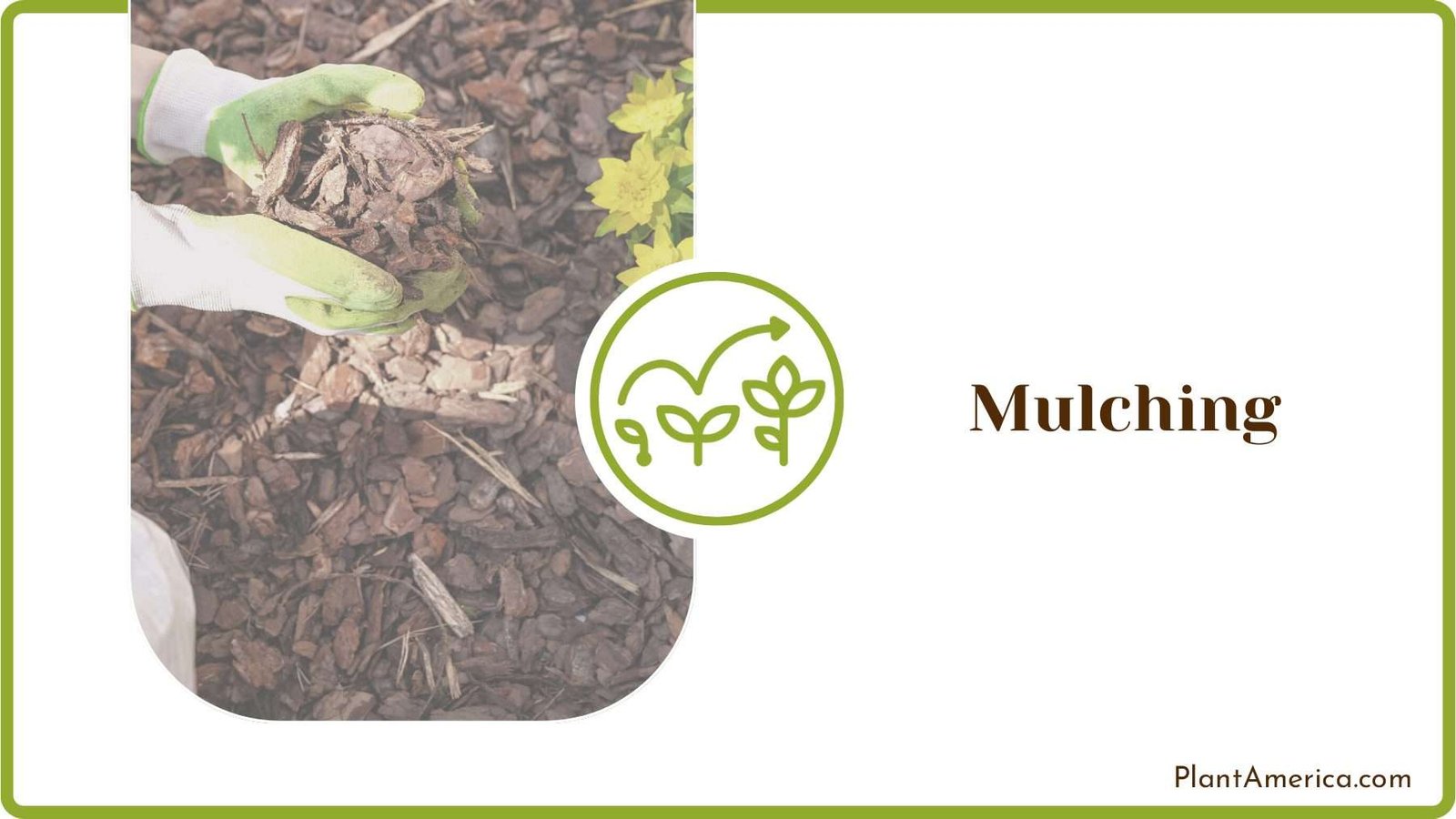
Spread about two to three inches of organic mulch, such as wood chips, straw, or shredded bark, around the tree’s base. Don’t let the mulch touch the tree trunk. Instead, leave a gap to avoid trunk rot. Extend the mulch out to the tree’s drip line, which is its canopy’s outer edge. Just don’t overdo it, though. Excessive mulch can lead to waterlogging and other problems, so stick to the right depth.
8. Post-Transplant Care
Monitor the Pignut hickory’s progress in its first year in the new location. Look for signs of stress or disease, like wilting leaves or strange discoloration. If you spot any issues, address them promptly.
Proper watering is essential for the tree’s survival. Hickories need consistent moisture, especially during dry spells. Water deeply and regularly to keep the soil consistently moist but not waterlogged. You can use a soaker hose or drip irrigation system to avoid water wastage.
To maintain soil moisture, regulate temperature, and control weeds, mulch around the base of the tree. Maintain a two- to three-inch layer of organic mulch. Pruning might be necessary to encourage healthy growth and shape the Pignut hickory’s canopy. But limit pruning in the first year after transplanting to reduce stress on the tree. Remove any dead or diseased branches and make cuts as needed for a balanced canopy.
Hold off on fertilization right after transplanting to avoid stressing the tree. Wait until the second growing season to apply a balanced, slow-release fertilizer, following the manufacturer’s guidelines.
Keep an eye on the Pignut hickory’s health and growth as it settles into its new home. With patience and consistent care, your hickory will thrive, providing shade, beauty, and maybe even a harvest of delicious hickory nuts in the years ahead.
FAQs
– How Can a Hickory Tree Be Transplanted from Seed?
To transplant hickory from seed, collect mature hickory nuts from the tree during the fall. Store these nuts in a cool, dry place until spring. In early spring, prepare a well-draining planting site with nutrient-rich soil. Plant the hickory nuts about an inch deep in rows or groups.
Space them apart, preferably within a six-inch distance. Water the area well and maintain consistent moisture levels. As the seedlings emerge from the soil, thin them to ensure proper spacing and growth. Transplant the healthiest seedlings to their permanent locations after the first growing season, making sure they have enough space and ideal growing conditions.
– What is the Growth Rate of Hickory Trees?
The growth rate of hickory trees varies depending on factors like species, environmental conditions, and care. Some species tend to grow slower, while others may grow faster. Generally, hickories can grow between one to two feet per year under optimal conditions.

Hickories typically show faster growth in their early years and slow down as they mature. Adequate sunlight, well-drained soil, and proper care encourage faster growth. Patience is essential when growing hickories, as they often take several decades to reach their full height and produce a significant number of nuts.
– Are There Any Specific Hickory Species That Are Easier to Transplant?
Yes, some hickory species are easier to transplant than others. For example, the Shagbark hickory (Carya ovata) and the Shellbark Hickory (Carya laciniosa) are known for their relatively robust root systems, which can adapt well to transplantation, as opposed to the Bitternut hickory.
The Shagbark hickory tree is particularly popular for transplanting due to its distinctive shaggy hickory bark and manageable size. The well-developed roots of the Shagbark hickory tree tend to handle the stress of transplanting with greater resilience.
Shellbark hickories are also favored for transplantation projects. These trees have similar adaptability, making them suitable choices for those seeking to establish hickories in new locations.
Conclusion
Now that we’ve covered the process extensively, it’s time for a quick refresh before we end things up!
- Transplant hickories during late winter or early spring for best results.
- Younger hickories transplant more successfully than mature ones.
- Protect transplanted trees from wildlife with fencing and repellents.
- Regularly monitor for pests and diseases like shuckworm and anthracnose.
- The rate of hickory tree growth varies by species but generally ranges from one to two feet per year.
Keep this guide with you when you plan to transplant your hickory. Remember, it’s never too late to prepare!