
How to transplant a pecan tree without any hurdles is something people want to know. The pecan tree produces tasty and nutritious nuts native to North America.
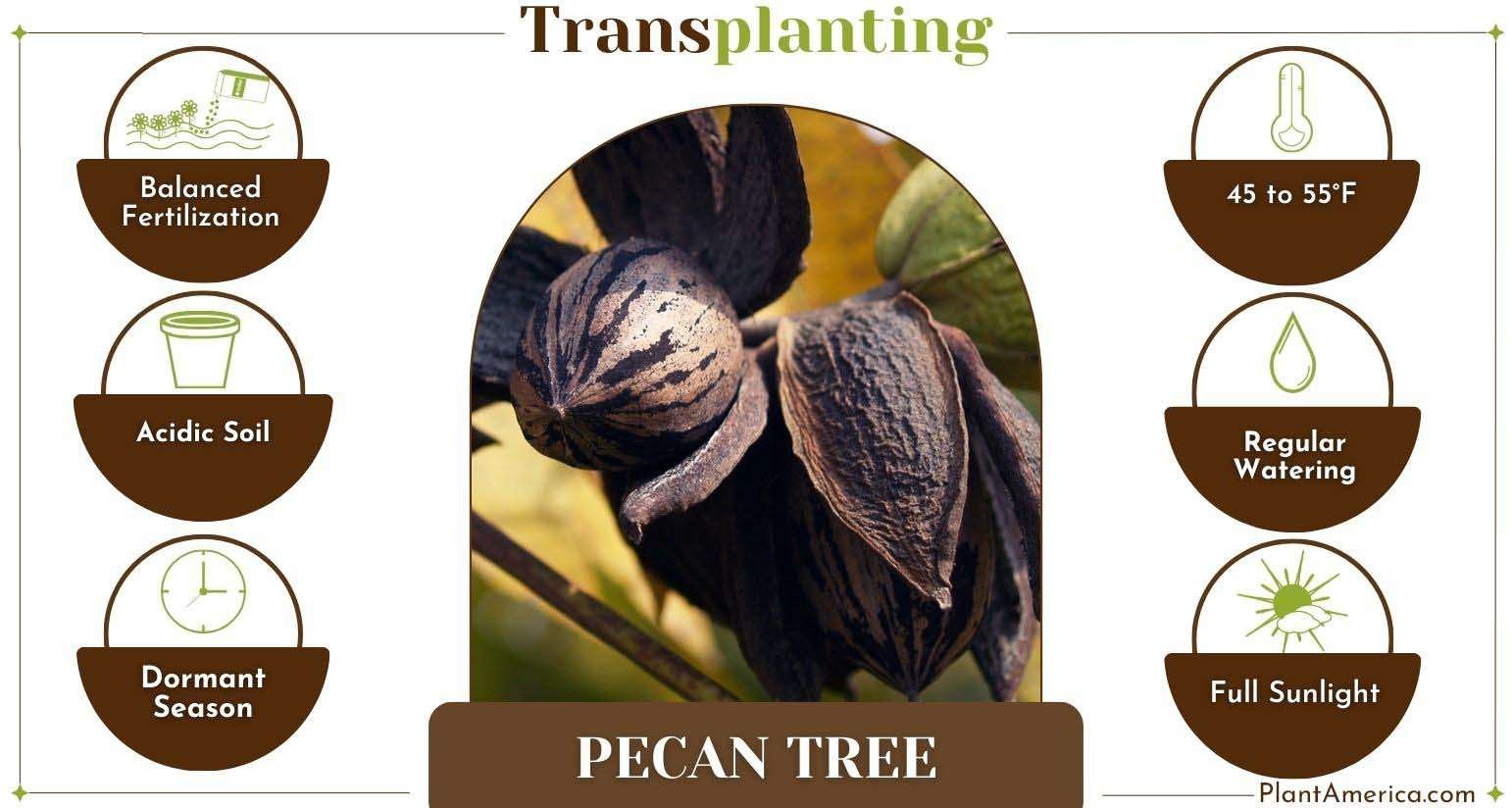
A pecan tree can grow to 100 feet in height and 40 to 75 feet in width. It is a pleasure to grow at home, and this comprehensive guide teaches you how to transplant this fantastic plant into your garden.
How Can You Transplant a Pecan Tree Into Your Garden?
To transplant a pecan tree into your garden or landscape, prepare the ideal location to transplant the plant and the essential tools, provide adequate watering to maintain the plant’s health, create an appropriate hole to minimize stress, and promote the plant’s health and growth.

Let’s explore them one by one and see how they work.
1. Choose an Ideal Location
If you want to transplant a tree in the ground, find the ideal spot. Select a sunny location with well-drained soil. These trees thrive in sunlight, and well-drained soil helps them grow delectable nuts.
When these trees mature, they need ample space, so make sure this when you’re finding the spot for your plant. Air circulation is vital for trees and prevents them from diseases, so avoid transplanting them in areas with heavy, stagnant air.
2. Soil Preparation
Soil preparation is essential when you transplant a pecan into the ground. These trees prefer to grow in slightly acidic soil because that soil carries essential nutrients that help plants produce high-quality nuts. A soil test is essential to examine the soil quality, and then the soil’s pH level should be 6.0. You can add some organic materials to achieve the pH level based on the soil test results.
3. Digging the Hole
Digging a deep hole for a pecan, the hole should be larger than a bare root. Use a shovel for perfect digging and clean the hole from weeds and debris. Weeds and debris harm plants’ health and damage their stems and roots.
4. Transplant the Tree
Gently pick the tree from its current location and shift it into the new home, not damaging the plant’s root ball. Place it precisely in the middle of the hole, make sure the top of the root ball is at the surface level. After planting trees, fill the hole with the soil and ensure no air pockets with the roots.
5. Organic Mulch Layer
The organic mulch layer is very effective for the newly transplanted plant. It comes with endless benefits, such as weed protection. Always use a suitable mulch layer that protects your plant from diseases and pests. Mulch layers also retain moisture and keep the soil moist. A mulch layer should be 2 to 4 inches deep.
Over time, mulch can be old, so if you notice it’s not working correctly, you should replenish it. It is recommended that mulch be replenished once a year. Always use high-quality mulch for prolonged results. Plant care is your priority if you want to enjoy nuts.
Most Important Factors When Transplanting Pecan Trees
The most important factors when transplanting pecan trees depend on several essential factors to ensure the tree’s health and survival, such as suitable timing to transplant, well-draining and acidic soil for proper growth, suitable light and temperature requirements, balanced fertilization, and proper potting techniques for amazing results.
1. Best Time to Transplant
The ideal time for transplanting pecans is during its dormant season, typically in late winter or early spring, beforehand new growth starts. Transplanting this time motivates plants to perform well and minimize the stress level. In addition, the right time helps the tree accumulate to its new location and reduce the transplant shock.

2. Temperature Requirements
Pecan trees need a specific temperature for optimal growth and exceptional development. They can grow in different temperatures, but certain temperature thresholds are vital to maintain their health and productivity.
Pecan trees don’t like too much cold; that’s why 45 to 55 degrees Fahrenheit in winter is ideal for their growth. But they cannot tolerate temperatures down to 20 degrees below zero. Ensure that you always plant pecan trees at a suitable time. You may be deprived of nutrients and nuts.
3. Light Requirements
Pecan trees are classified as full-sun trees; they need six to eight hours of direct sunlight to produce nuts. They do best in locations where they receive full sunlight all day.
Sunlight is essential for photosynthesis. In this process, plants convert sunlight into energy and produce fruits and nuts. To produce a bountiful crop of nuts, because nuts grow on tree branches, lack of sunlight can result in reduced wild production. Light requirements matter a lot if you want to get excellent results.
4. Proper Pot
The pecan can be grown in pots only when they are young. Once they mature, they typically need ample space for proper growth so that you can shift them into an outdoor container or in the ground. You can choose the pot option if you have limited space or want to transplant it for a few hours. At one stage, you have to move the container trees into the ground.
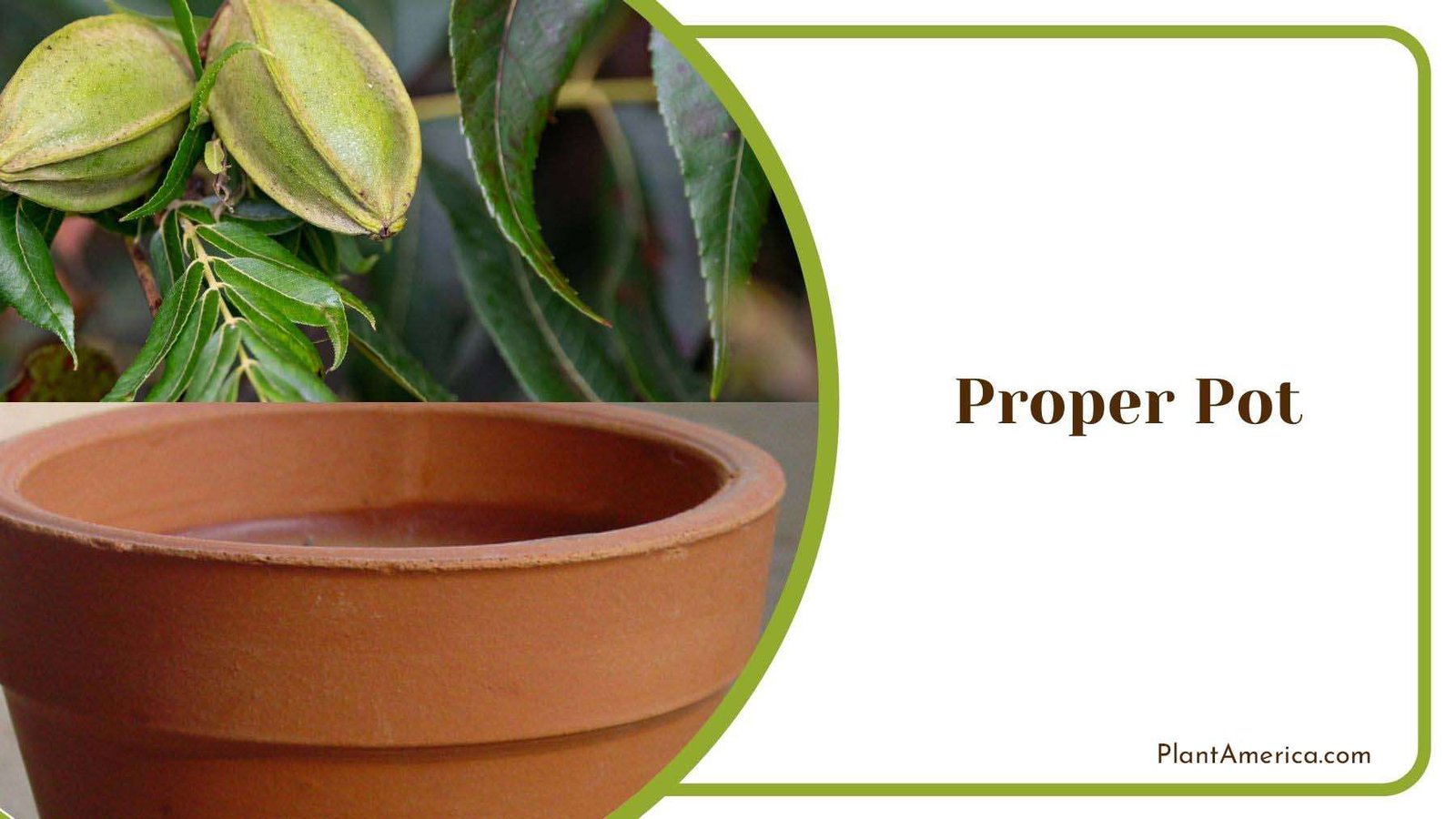
The young pot needs a larger container than its root-ball size because a large container is essential to accommodate its growing root system. Start with a container of at least 5 to 10 gallons in size. Container-grown pecans need extra care and attention because of limited space.
5. Watering
Water is essential for trees before and after transplantation. Before transplantation, it helps to remove the tree from its current location nicely. After transplantation, it helps the root ball adjust to the soil for stable growth.
So, give the water regularly and try to keep the soil wet, but don’t over-water because pecans do not like water. In addition, water logging is difficult for plants and damages their roots, and it can cause root rot.
6. Fertilization
These trees love to grow in slightly acidic soil; that’s why this soil is used in fertilization to make it more suitable for pecan plants. The ideal time of fertilization starts from late winter to early spring and before new growth starts.
Start with balanced fertilization. Over-fertilizing is unsuitable for plants because fertilization contains nitrogen, and a large amount of nitrogen can damage the plant’s leaves and turn them yellow. Avoid fertilizing during late summer to early fall if you want to keep your plants healthy.
Common Pecan Tree Transplanting Problems
There are different ways to handle common pecan plant problems, like using pesticides, insecticides, sprays, neem oil, and some homemade remedies that are very effective against pecan tree diseases, protect plants from all kinds of pest attacks, and encourage them to establish themselves.
Like other plants, these trees can be susceptible to various problems and diseases. Here are some common problems that face these trees, and let’s discuss how to handle them.
1. Pecan Scab
It is a most common disease that attacks on trees. It causes dark, scaly lesions on leaves, twigs, and nuts. You can control this disease by applying fungicides according to instructions; if you don’t know how to apply, always consult a professional. Prune your tree to reduce the humidity around the air.
2. Aphids Attack
Aphids are tiny insects that attack these trees to suck the fresh juice from stems, and leaves can curl and become distorted. Use neem oil and insecticidal soap to kill the aphids.
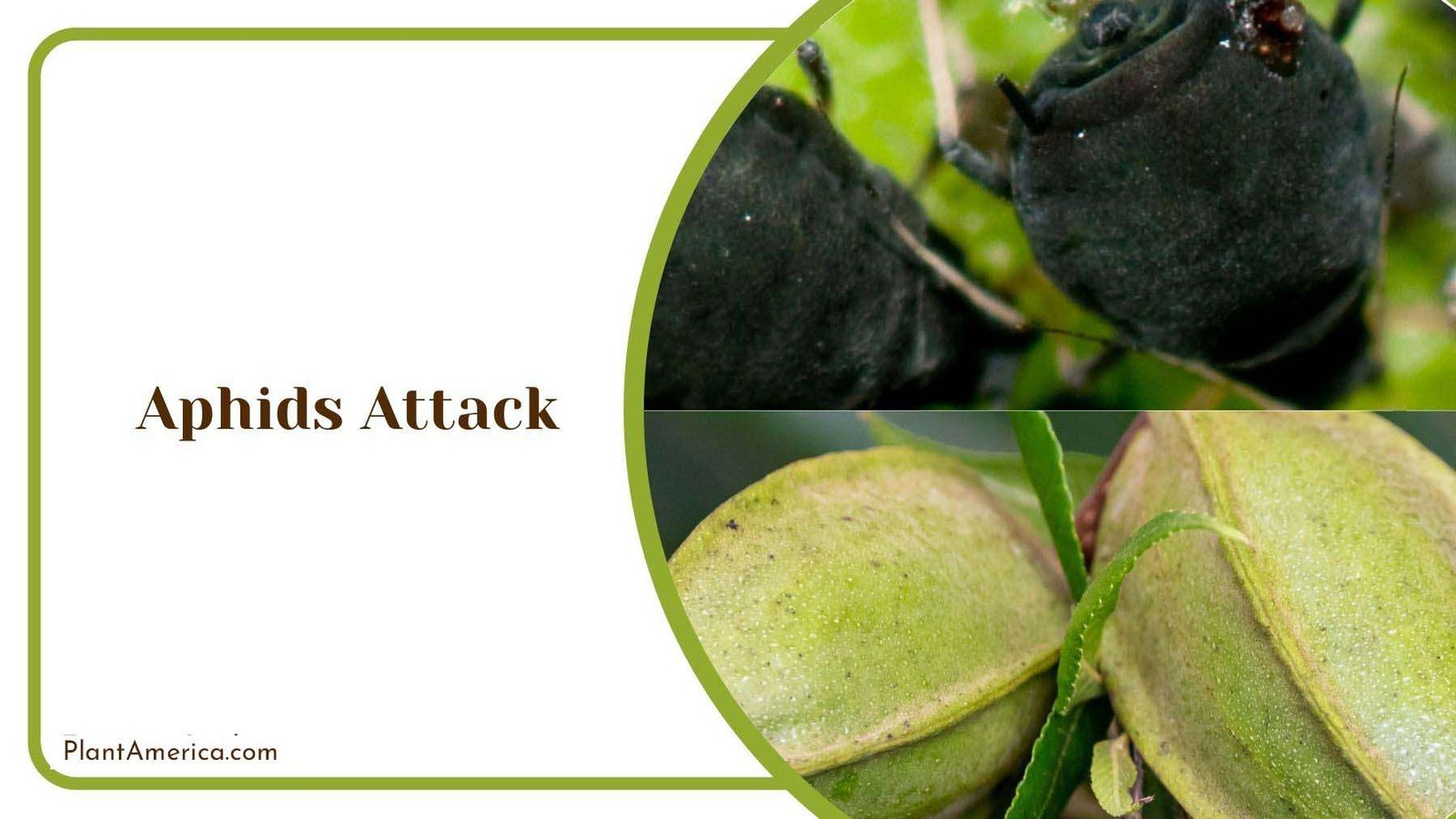
If there is less infestation, then you can remove aphids manually. Otherwise, you can use these remedies. In addition, you can invite natural predators like ladybugs to eat the aphids and protect your tree from these insects.
3. Nut Rot
Nut rot is another common problem. It’s a fungus disease and can lead to the deterioration of nuts on the tree and the ground. There is one solution: collect fallen nuts from the ground to prevent the spread of fungus. In addition, you can use fungicides to remove this fungus and provide a plant with good air circulation.
4. Root Rot
Root rot occurs when a pecan is transplanted in poor drainage because poor drainage keeps the soil wet. There is no practical solution to protect your tree from this disease, so prevention is the key. Always use well-drained soil when you transplant the pecan nut. There is only one way to protect your plant from this dangerous disease.
5. Inadequate Pollination
Cross-pollination is essential to produce delectable nuts. You will avoid poor nut development if you have one tree variety that pollutes well together. But don’t worry, there is a solution: plant two or more pecan varieties to ensure proper cross-pollination. If you need to know the best varieties, then you can help by consulting with a local extension or nursery.
6. Nutritional Deficiency
Plants may suffer from nutritional deficiencies, such as magnesium and zinc. There is a simple solution: conduct a soil test to identify the nutritional deficiency and add organic material such as compost to fulfill that deficiency. You can use fertilizers to fill the plant deficiency.
Conclusion
Growing pecan trees is suitable for those who want to eat delectable nuts. These trees produce delicious and healthy nuts, too.
- The transplantation procedure is straightforward, and everyone can transplant it easily.
- Choose an ideal location and create a hole; clean this hole of debris and weeds before transplanting a plant.
- Keep an eye on and monitor daily progress; if you notice anything wrong, consult with a professional gardener for better advice.
You have learned how to transplant a pecan tree in your Garden. So, plant this tree and enjoy delicious nutrients with endless benefits.