
Florida flowering bushes bring vibrant color all year, from delicate spring blooms to lush fall foliage to the Florida landscape. Florida flowering bushes are some of the most beautiful and colorful plants you can grow in your Florida landscape.

With so many different varieties to choose from, from colorful bushes in full bloom to those with stunning foliage year-round, you’re sure to find many flowering bushes you’ll love for your Florida garden. In this article, we’ll highlight the best Florida flowering bushes that will bring beauty and joy to your yard all year.
18 Florida Flowering Bushes to Consider for Your Landscape
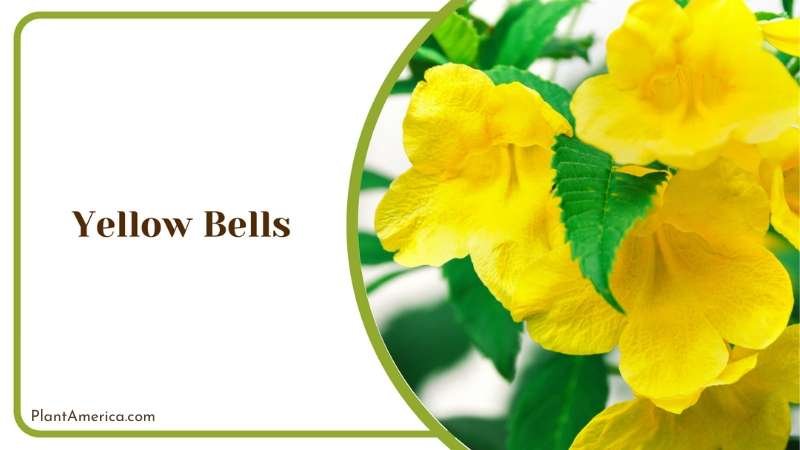
1. Yellow Bells
- Growing Season: Spring, Fall, Deciduous
- Leaf Shape: Trumpet-shaped, Yellow flowers
- Specific Needs: Well-drained soil, Full sun, Moist soil
- Common Pests: None
Foro Rhachis citrine, commonly known as yellow bells, is an everblooming Florida native shrub valued for its colorful year-round flowers. The trumpet-shaped blooms dangle from arching branches in brilliant shades of yellow, orange, and apricot that attract native pollinators like hummingbirds and bees.
Yellow bells thrive in warm, full sun and well-draining soil rich in organic matter. Provide shelter from harsh winter weather below 40 degrees Fahrenheit to protect foliage; otherwise, it is freeze tolerant once established. Prune after flowering in late spring to maintain compact form and shape. Fertilize regularly during the growing season from spring through fall.
In South Florida and Caribbean landscapes, yellow bells are a simple yet stunning native addition for borders, mass plantings, and foundation gardens due to their continuous flowering nature and compact size, reaching four to six feet tall and wide.
The non-fussy nature and Drought tolerance make it perfect for tropical landscaping with minimal upkeep requirements. The bell-shaped flowers shimmy gracefully in the slightest breeze, adding cheerful color and visual interest.
Experiment with yellow bells varieties that differ in flower size and color tone, from the large yellow blooms of ‘Flava Giant’ to the compact, cherry red flowers of ‘Cherry Opal.’ Provide consistent moisture while the plant establishes to help it acclimate, then incrementally reduce watering.
Yellow bells thrive with less frequent deep irrigation once established, although it appreciates more frequent light watering during peak flowering periods in spring and fall. Apply a one-two-inch layer of organic mulch, pine straw for instance, around the base of the plant to help conserve moisture, suppress weeds and provide winter insulation.
2. Sawtooth Zinnia
- Growing Season: Spring, Fall, Annual
- Leaf Shape: Ruffled edges, Rough texture
- Specific Needs: Well-drained soil, Full sun, Moist soil
- Common Pests: None
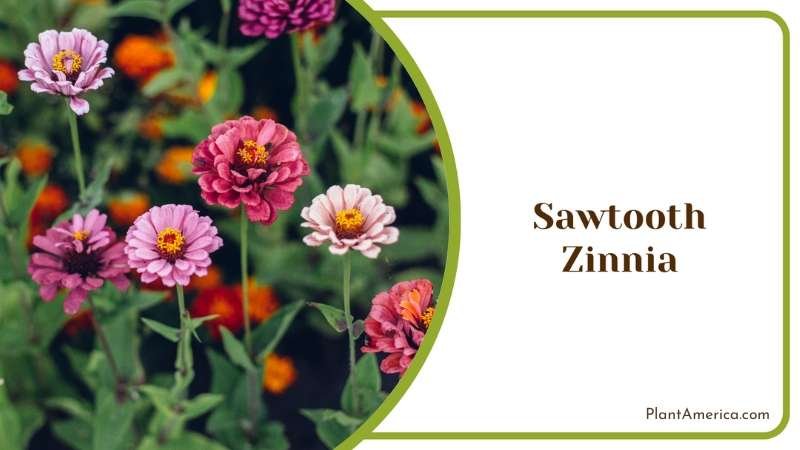
Zinnia angustifolia, commonly called the sawtooth zinnia, is an annual wildflower native to Florida, where it naturally occurs in dry, sandy areas. Its rough textured, narrow leaves have distinctive serrated edges resembling the teeth of a saw.
The sawtooth zinnia thrives in full sun and well-draining soil rich in organic matter. Provide shelter from brief periods of cold below 40 degrees Fahrenheit that may cause leaf drop or stem dieback until roots are well established. Deadhead spent blooms to encourage reblooming through fall. Fertilize monthly while plants are actively growing to maximize flower production.
In Florida gardens, the upright habit, delicate gray-green foliage, and linear daisy-like blooms of the sawtooth zinnia make it a fine choice for borders, cottage gardens, and rockeries. Though short-lived, the abundant seasonal flowering and minimal care requirements make this Florida native wildflower a worthwhile annual addition for those with a penchant for xeriscaping and dry, sunny sites where fewer plants tend to thrive.
Experiment with various hybrid zinnia species to discover additional options in a rainbow of colors from red and orange to lavender and rose.
3. Wax Myrtle
- Growing Season: Spring, Fall, Year-round
- Leaf Shape: Elliptic, Leathery, Oval
- Specific Needs: Well-drained soil, Partial shade, Moist soil
- Common Pests: None
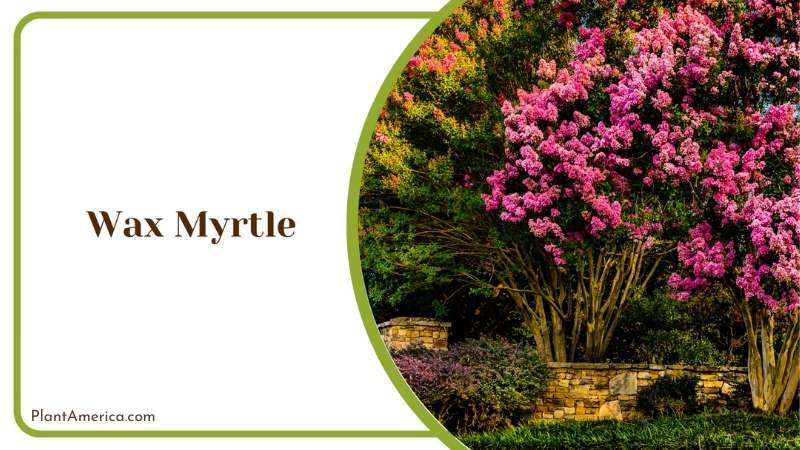
Morella cerifera, the wax myrtle or southern bayberry, is an evergreen shrub native to the southeastern United States and north Florida coast. Its aromatic, leathery leaves are elliptic to oval in shape and appear grayish due to a waxy coating. Clusters of tiny white flowers bloom from spring into summer.
Wax myrtle thrives in moist, acidic soil and partial shade. Once established, plants can tolerate full sun and drier soil conditions. Provide shelter from severe winter cold below 20 degrees Fahrenheit until well-rooted. Deadhead blooms to maintain an attractive shape. Wait to prune until after flowering in spring to minimize stress.
In native Florida gardens, wax myrtle is highly valued for its attractive evergreen foliage and drought tolerance once established. As an ideal native landscaping plant, it provides a habitat for wildlife while tolerating heat, humidity, and a range of difficult soil conditions, making it suitable for foundation planting, hedges, and specimen plantings. Monitor for leaf gall induced by eriophyid mites which cause stunted, curled leaves and can decrease vigor over time.
4. Copper Leaf

- Growing Season: Spring, Fall, Perennial
- Leaf Shape: Deep lobed, Stellated
- Specific Needs: Well-drained soil, Full sun
- Common Pests: None
Acalypha wilkesiana ‘Copper Leaf,’ commonly called copper leaf, is a compact perennial shrub prized for its brilliant foliage. The deeply cut, stellate-shaped leaves emerge bronze in spring and intensify to shades of scarlet and burgundy in fall.
Copper leaf thrives in well-draining soil and full sun to part shade. Shelter from wind and protect from frost below 30 degrees Fahrenheit until established. Prune after flowering in winter to maintain a compact form. Fertilize monthly during the growing season from spring to fall.
In Florida gardens, copper leaf excels as a colorful, low-maintenance flowering shrub for bedding, mass plantings, and adding tropical flair. Although short-lived, the vivid foliage provides maximum visual impact year-round. Copper leaf tolerates heat, humidity, and occasional Drought once established, making it ideal for tropical or subtropical landscapes with minimal hardscape requirements.
Experiment with other varieties of Acalypha to discover options like ‘Pink Dragon’ with magenta foliage and ‘Silver Dragon’ with silvery-white variegated leaves. For the best leaf color, supplement the soil around the copper leaf with organic compost before planting to boost the richness and water retention.
Then provide consistent moisture and fertilizer to help it establish robust roots. Once past the first year, the copper leaf can tolerate drier spells between soakings, especially during winter when growth slows. Fertilize monthly from spring to fall with organic liquid food or granular fertilizer specifically formulated for foliage plants. Increase frequency during peak growing periods to maximize color intensity. Apply an inch or two of mulch to help conserve water and suppress weeds.
5. Plumbago
- Growing Season: Spring, Fall, Year-round
- Leaf Shape: Oval, Opposite, Simple
- Specific Needs: Well-drained soil, Full sun, Drought tolerant
- Common Pests: None
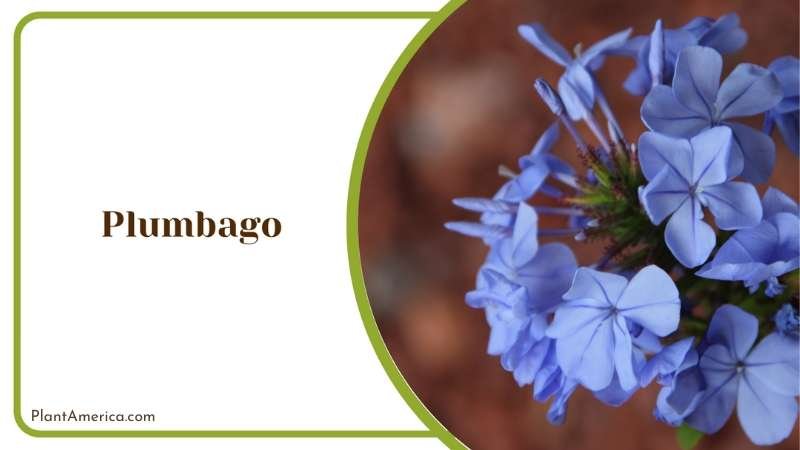
Plumbago auriculata, or cape leadwort, is an evergreen flowering shrub native to South Africa. Its small Oval to lance-shaped leaves grow oppositely along the stems. Clusters of tubular blue, pink, or white flowers bloom sporadically along the stems from spring through fall.
Plumbago thrives in full sun and well-draining soil—shelter from wind and cold below 30 degrees Fahrenheit until well established. Prune lightly after flowering to maintain form. Fertilize monthly during spring and summer to promote blooms.
In Florida and other subtropical gardens, plumbago is widely valued for its spring through fall blooming nature and heat and drought tolerance once established. The plant performs well in mass plantings, along patios and walkways or cascading from walls and containers.
Monitor for potential issues like leaf spot disease, which causes brown spots on leaves and reduced vigor. Good air circulation and organic fertilizer can help mitigate issues while providing Plumbago with the cultural conditions it needs to thrive.
6. Turk’s Cap
- Growing Season: Spring, Fall, Deciduous
- Leaf Shape: Palmate, Sharp texture
- Specific Needs: Well-drained soil, Partial shade, Moist soil
- Common Pests: None
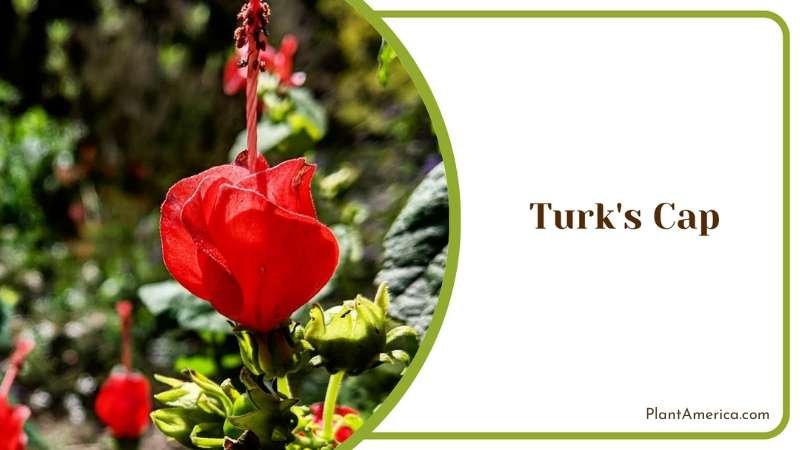
Malvaviscus arboreus, also known as Turk’s cap, Chinese hibiscus, or wax mallow, is a deciduous shrub valued for its brilliant flowering display. The palmately lobed leaves appear rough and sharp to the touch. Large, scarlet hibiscus-like flowers bloom throughout the growing season.
Turk’s cap thrives in partial shade, rich soil, and consistent moisture. Shelter from harsh winter cold below 30 degrees Fahrenheit until well established. Prune lightly after flowering to maintain shape. Fertilize regularly from spring through fall with a balanced, water-soluble fertilizer.
In Florida and other warm-climate gardens, Turk’s cap is an excellent choice for border and mass plantings due to its heat tolerance, continuous bloom time, and minimal maintenance once established.
Though short-lived as a perennial, Turk’s cap can self-sow readily, so it is often treated as an annual in colder zones. For maximum visual punch, plant Turk’s cap en masse and provide consistent moisture during blooming periods to help flowers last longer on the plant
7. Firebush
- Growing Season: Spring, Fall, Deciduous
- Leaf Shape: Elliptic, Simple
- Specific Needs: Well-drained soil, Full sun, Moist soil
- Common Pests: None
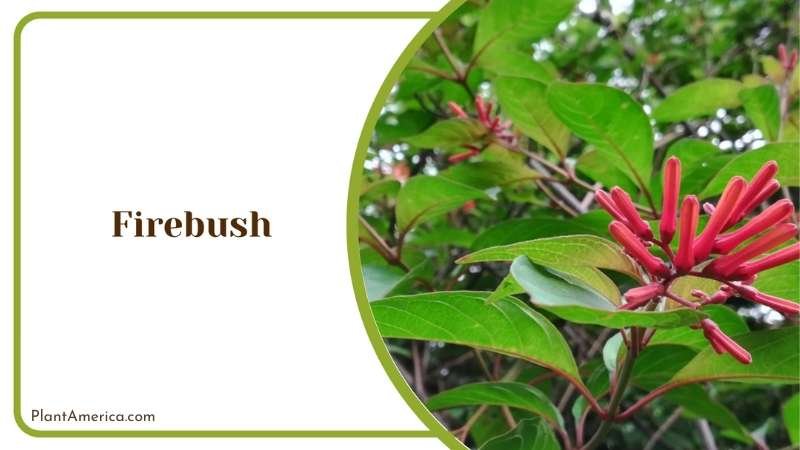
Hamelia patens, commonly called fire bush, prove itself a worthy addition to Florida gardens with its brilliant fall foliage and summer bloom time. The elliptical leaves emerge green in spring, then intensify to hues of yellow, orange, and crimson in autumn. Tubes of scarlet, coral, or orange flowers bloom from late spring through summer.
Firebush thrives in full sun, well-draining soil, and consistent moisture. Shelter plants from harsh winter cold below 20 degrees Fahrenheit until established. Fertilize in early spring before bud break with an all-purpose fertilizer. Cut fire bush to the ground after bloom to encourage a flush of new growth and thicker stems.
Across Florida and other warm-climate landscapes, fire bush stands as a colorfully dependable choice for planting in the sun and shade, thriving in borders, along walkways, and among foundation plantings.
Though short-lived as a perennial, fire bush self-sows readily and tolerates heat and Drought well once established. Monitor regularly for any leaf spot disease and remove affected leaves. Apply organic mulch and refrain from excess fertilizer, which can promote new growth susceptible to damage.
8. Coral Honeysuckle
- Growing Season: Spring, Fall, Evergreen
- Leaf Shape: Elliptical, Glossy, Oval
- Specific Needs: Well-drained soil, Partial shade, Moist soil
- Common Pests: Aphids
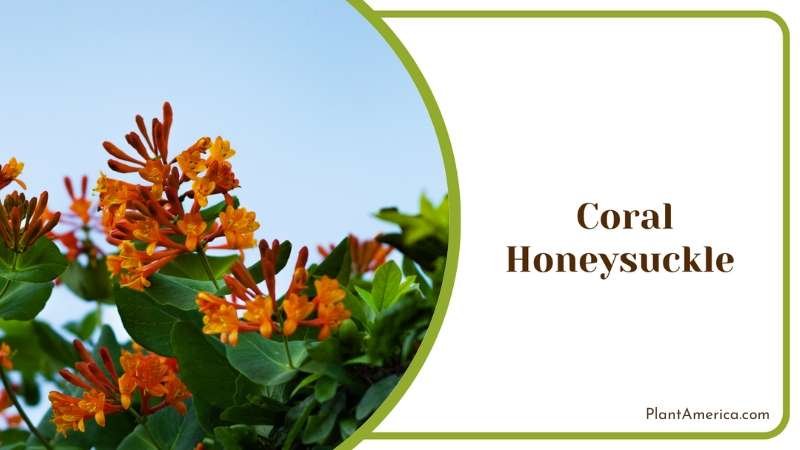
Lonicera sempervirens, commonly called coral honeysuckle, is an evergreen woody vine valued for its fragrant blooms and year-round decorative foliage. The Oval to elliptical leaves appear glossy green with hints of bronze. Tubes of red to coral flowers bloom from spring into summer.
Coral honeysuckle thrives in partial shade and well-draining soil. Shelter young vines from harsh winter weather below 15 degrees Fahrenheit until established. Prune lightly after bloom to maintain shape and encourage new growth. Fertilize in early spring before bud break with an all-purpose plant food.
In Florida landscapes, coral honeysuckle serves admirably as a utilitarian plant for covering walls, trellises, fences, and arbors. It also excels in mixed borders, foundation plantings, and container gardens. The evergreen foliage and summer flowering make it a lovely addition that provides four-season interest while attracting pollinators.
To maximize the display of vibrantly colored flowers, cite the vine in partial shade and provide consistent moisture during bloom time. Also, shelters young vines from the harsh sun and winds that may scorch or damage new growth.
9. Capparis Cynophallophora
- Growing Season: Spring, Fall, Year-round
- Leaf Shape: Simple lobes, Leathery texture, Elliptic, Ovate
- Specific Needs: Well-drained soil, Full sun, Drought tolerant
- Common Pests: None
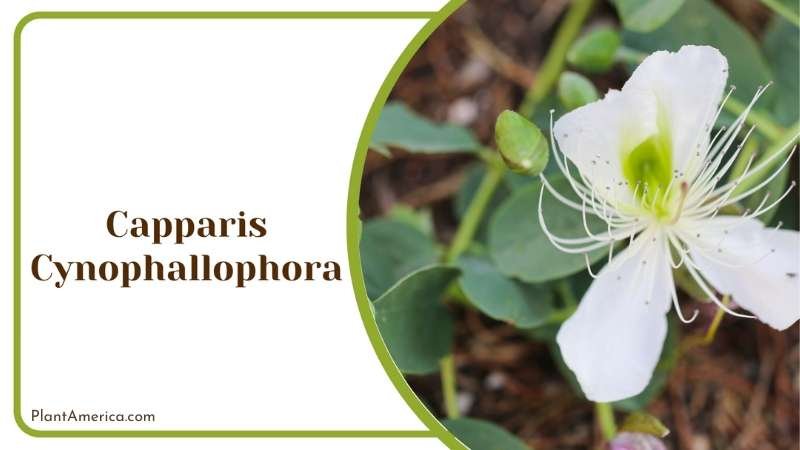
Capparis cynophallophora, commonly known as Jamaica caper or Mauritius caper, is an evergreen, drought-tolerant shrub native to Florida and the Caribbean. The simple elliptic to ovate leaves are leathery in texture and appear grayish due to a waxy coating. Clusters of white to pale pink flowers bloom in spring.
Jamaica caper thrives in full sun and well-draining soil. Shelter young plants from harsh winter cold below 25 degrees Fahrenheit until established. Prune lightly after bloom to maintain shape. Fertilize early spring before bud break and again in late summer.
In Florida and other subtropical landscapes, Jamaica caper shines as an excellent, low-maintenance native shrub for mass plantings, foundation gardens, and drought-prone areas. Once established, the plant tolerates heat, humidity, salt spray, and sandy soils well. Occasionally monitor leaves for any signs of leaf spot disease, which causes brown spots and leaf drops.
Providing good circulation, organic fertilizer, and consistent moisture will promote optimal health. The three-season interest, including fragrant flowers, durable foliage, and ornamental seed pods, make Jamaica caper a highly functional landscape choice
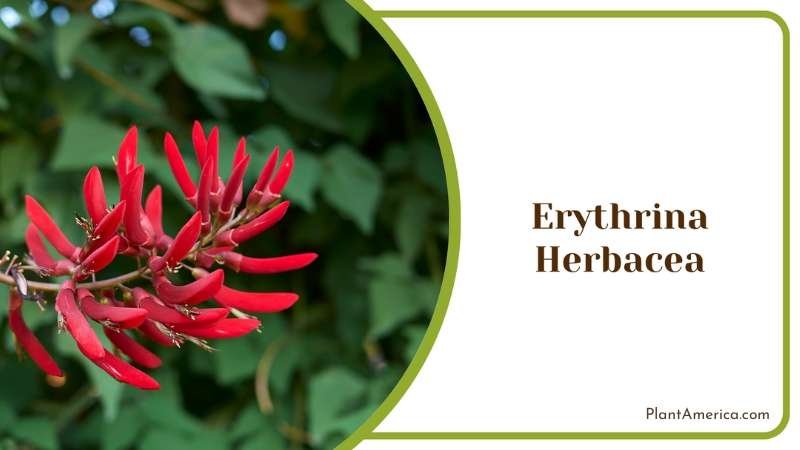
10. Erythrina Herbacea
- Growing Season: Spring, Fall, Deciduous
- Leaf Shape: Compound leaves, Tripinnate
- Specific Needs: Well-drained soil, Full sun, Drought tolerant
- Common Pests: None
Erythrina herbacea, commonly known as coral bean, is a deciduous shrub native to southern Florida and the Caribbean. The tripinnate leaves are compound, consisting of many leaflets that emerge green in spring and then transition to hues of yellow and orange in fall. Brilliant red flowers cluster at stem ends in spring.
Coral beans thrive in full sun, lean soil with good drainage and heat tolerance once established. Shelter young plants from harsh winter cold below 15 degrees Fahrenheit. Prune lightly after bloom to maintain shape. Fertilize annually in early spring before bud break with a balanced, slow-release plant food.
Across Florida and subtropical landscapes, coral bean stands as a reliable, low-maintenance native option for foundation plantings, bedding, and groupings suited to heat and Drought. The fall foliage color, and spring flowering, followed by ornamental inflated seed pods, provide visual interest all year long.
Coral bean tolerates sandy soils and presents few pest issues when sited in appropriate conditions with good drainage, air circulation, and consistent spring moisture to promote optimal health and winter hardiness.
To maximize coral bean’s fall color, provide full sun, lean soil, and supplement nutrient levels as needed using organic top dressings or granular fertilizer in early spring. Then provide good amounts of moisture, especially during the heat of summer, until leaves begin to change.
As cooler temperatures arrive, reduce irrigation and let the soil become slightly dry between waterings. As leaves change color and drop during fall, prune stems back hard to the groundline; cutting stems will encourage the growth of fuller or multi-stemmed shrubs next season.
11. Southern Wax Myrtle

- Growing Season: Spring, Fall, Year-round
- Leaf Shape: Oblong, Leathery texture, Elliptic
- Specific Needs: Well-drained soil, Partial shade, Drought tolerant, Moist soil
- Common Pests: None
Morella cerifera, commonly known as southern wax myrtle or bayberry, is an evergreen shrub or small tree native to the southeastern United States, including northern and coastal Florida. The small aromatic leaves are elliptic to oblong in shape, with edges rolled underneath, appearing grayish due to a waxy coating. Clusters of tiny white flowers bloom sporadically throughout the year.
Wax myrtle thrives in moist, acidic soil and partial shade. Once established, plants can tolerate full sun and drier soil conditions. Provide shelter from severe winter cold around 20 degrees Fahrenheit. Deadheads spend blooms to maintain attractiveness and shape. Prune lightly after flowering in spring to stimulate new growth while minimizing stress.
In native Florida landscapes and gardens, wax myrtle proves a highly valued plant for attractive evergreen foliage, drought tolerance, year-round interest, and providing habitat for wildlife. Ideal for foundation plantings, hedges, mass plantings, and specimen use, this native alternative to boxwood requires minimal upkeep once established.
However, occasionally monitor for leaf galls caused by eriophyid mites which result in stunted, curled leaves and reduced vigor over time. Boosting ambient air circulation, organic fertilization, and routine removal of galls can help mitigate potential issues.
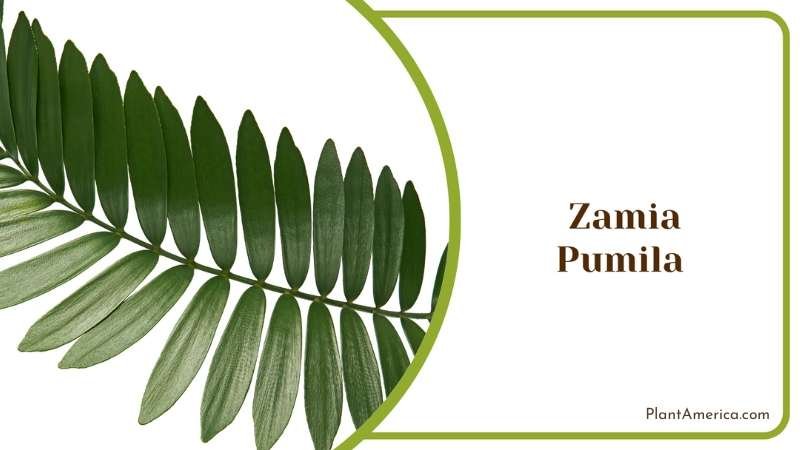
`12. Zamia Pumila
- Growing Season: Spring, Fall, Year-round
- Leaf Shape: Compound, Stiff leaves
- Specific Needs: Well-drained soil, Partial shade, Drought tolerant
- Common Pests: None
Zamia pumila, the Florida coontie or Seminole potato, is an evergreen flowering plant native to Florida and the Caribbean. The compound leaves form a low rosette with stiff, durable leaflets that resemble the foliage of cycads.
Florida Coontie thrives in well-draining soil and partial shade. Once established, plants tolerate full sun and periods of Drought. Shelter from harsh winter weather below 20 degrees Fahrenheit until roots are well established. Little to no fertilizer is needed due to the slow growth rate.
In Florida gardens, Florida coontie serves well as a low-maintenance, drought-resistant native plant suited to naturalized landscapes. The stiff, tropical-looking foliage adds architectural contrast to groupings.
Though traditionally grown for the edible starch found in roots, Florida coontie now also serves as an excellent alternative to cycads without the invasive potential. Periodically inspect foliage for any signs of stress from disease, pests, or environmental factors and correct cultural conditions as needed to promote optimal health.
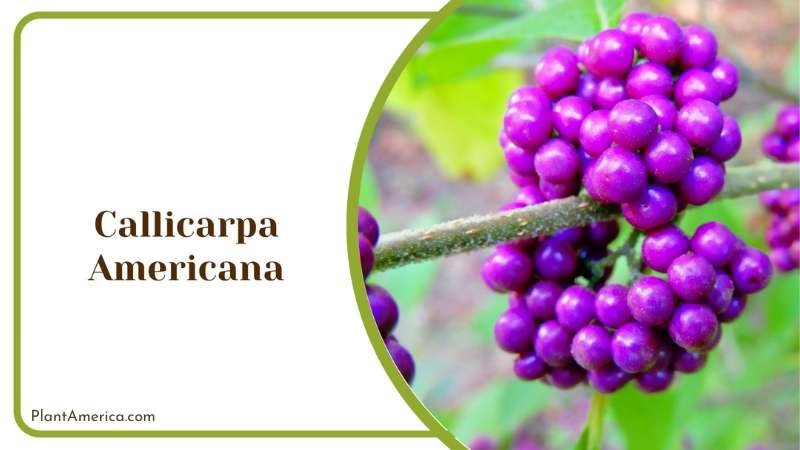
13. Callicarpa Americana
- Growing Season: Summer, Fall, Deciduous
- Leaf Shape: Oblong, Simple lobes, Elliptic
- Specific Needs: Well-drained soil, Partial shade, Drought tolerant, Full sun
- Common Pests: None
Callicarpa americana, commonly known as American beautyberry, is a deciduous flowering shrub valued for its colorful autumn foliage and fruiting display. The simple, elliptic to oblong leaves emerge green, then transition to yellow, orange, and red in fall. Clusters of lavender berries appear in late summer and persist through winter.
American beautyberry thrives in full sun to light shade and well-draining, acidic soil rich in organic material. Shelter young plants from harsh winter cold below 15 degrees Fahrenheit until established. Prune lightly after bloom to maintain shape. Fertilize in early spring and again in late summer.
In Florida gardens, American beautyberry stands out as an excellent native option for fall color, winter interest, and minimal maintenance once established. The fruiting nature and drought tolerance make it well suited to naturalized landscapes and habitat gardens for wildlife.
Monitor leaves regularly for potential issues like leaf spot disease and remove affected foliage to promote health as needed. Increase air circulation, apply organic fertilizer in moderation, and provide consistent moisture while the plant establishes to help mitigate potential cultural conditions that may reduce vigor over time.
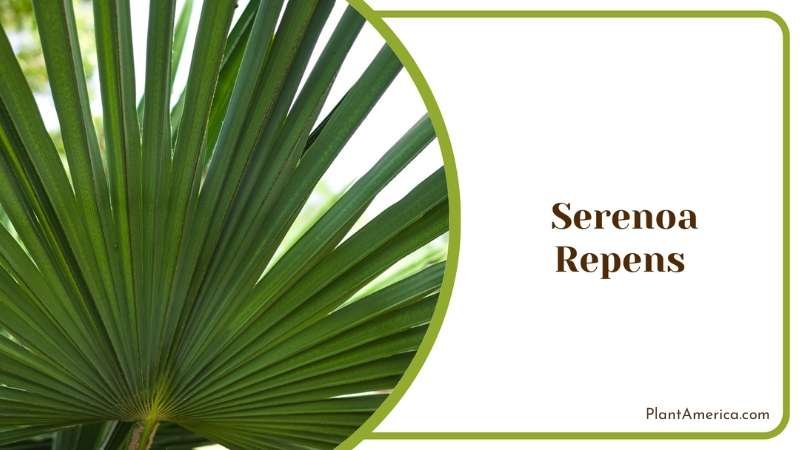
14. Serenoa Repens
- Growing Season: Spring, Fall, Year-round
- Leaf Shape: Compound leaves, Feathery, Saw palmetto
- Specific Needs: Well-drained soil, Partial shade, Drought tolerant, Moist soil
- Common Pests: None
Serenoa repens, commonly called saw palmetto, is an evergreen, flowering shrub native to Florida and the southeastern United States. The compound leaves are fan-shaped with numerous feathery leaflets that give a haze of texture to the landscape. Small cream-colored flowers bloom sporadically throughout the year.
Saw palmetto thrives in well-draining sandy soil and full sun conditions. Once established, plants can tolerate Drought and a range of difficult soil issues. Provide shelter from severe winter cold below 15 degrees Fahrenheit for young plants. Fertilize sparingly with balanced, organic plant food in spring.
In Florida landscapes, saw palmetto excels as an excellent native flowering groundcover for naturalized settings, dunes, and other coastal plantings due to its low maintenance requirements. The blue-green foliage adds tropical texture while fruiting nature provides food for wildlife.
Monitor leaves periodically for potential issues like leaf spot disease and remove affected foliage. Otherwise, saw palmetto thrives with minimal grooming needed beyond the periodic removal of dead or crowded leaves. Experiment with hybrid dwarf varieties like ‘Barbie Doll’ for smaller spaces and ornamental landscaping needs.
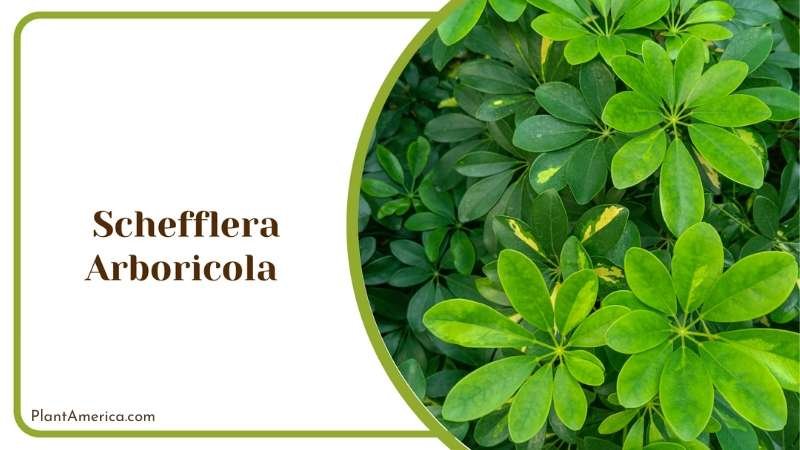
15. Schefflera Arboricola
- Growing Season: Spring, Fall, Deciduous
- Leaf Shape: Palmate, Broad, Leathery texture
- Specific Needs: Well-drained soil, Even moisture, Partial shade
- Common Pests: None
Schefflera arboricola, commonly called Florida umbrella tree, dwarf umbrella tree, or bristle leaf, is an evergreen shrub or small multi-trunked tree native to southern Florida and the Caribbean. The palmately compound leaves are broad, up to two feet wide, with seven to 13 leaflets that form an open, umbrella-like shape.
Florida umbrella trees thrive in partial shade, preferring at least four hours of filtered or dappled sunlight daily. They grow best with consistent moisture and well-draining soil, so the roots do not sit in wet areas for long.
Shelter young plants from harsh winter cold below 20 degrees Fahrenheit until established. Mature specimens can withstand brief periods down to 15 degrees. Prune Florida umbrella trees lightly after new growth appears in spring to maintain a dense, bushy shape and remove any damaged or crossing branches.
Fertilize Florida umbrella trees annually in early spring before bud break with a balanced, all-purpose fertilizer. The succulent trunk and branches allow Florida umbrella trees to store water for long periods of drought, aiding their adaptability. The bristly petioles along the leaf midrib give the plants a fuzzy texture and tropical appearance.
Mature Florida umbrella trees reach heights between 10 to 15 feet tall and wide. The arching branches form a densely foliaged habit that can provide shade from the midafternoon sun. The umbrella-like canopy also shelters wildlife from predators.
The flowers of Florida umbrella trees are small and greenish-white, produced in loose terminal panicles. They add minimal ornamental value. Instead, the umbrella-like canopy, lush foliage, and tropical appearance bring visual interest year-round.
Florida umbrella trees thrive in virtually frost-free zones nine through 11. The trees adapt well to containers where they can be brought indoors during winter in colder regions. Their tolerance of varying conditions, low maintenance requirements, and attractive evergreen leaves make Florida umbrella trees a desirable addition to tropical gardens, patios, and screened porches.
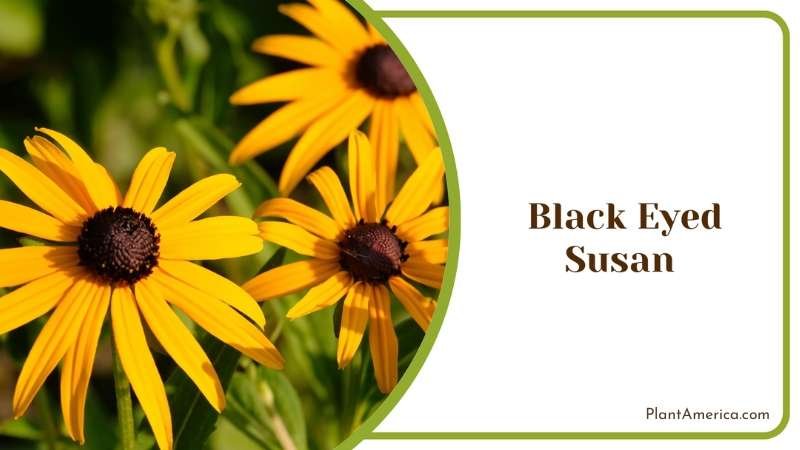
16. Black-eyed Susan
- Growing Season: Summer, Fall, Perennial
- Leaf Shape: Alternate, Lobed texture
- Specific Needs: Well-drained soil, Full sun
- Common Pests: None
Rudbeckia hirta, commonly called black-eyed Susan, is a perennial wildflower valued for its nonstop summertime bloom. The lobed, alternate leaves form a low basal rosette. Golden yellow daisy flowers with dark brown centers bloom from summer into early fall. Black-eyed Susan thrives in full sun and well-draining soil.
Shelter young plants from harsh winter cold below -10 degrees Fahrenheit until established. Prune back stems to the ground after bloom to promote bushier regrowth the following spring. Fertilize lightly in early spring before new growth emerges.
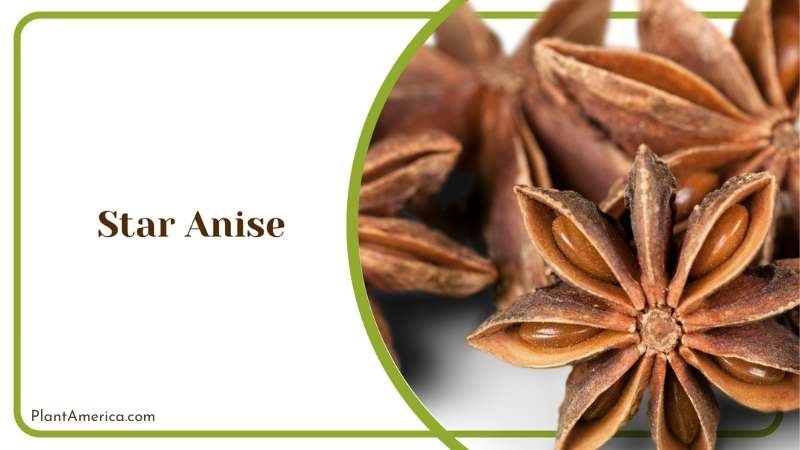
17. Star Anise
- Growing Season: Slow growth, Year-round
- Leaf Shape: Compound, Yellow flower
- Specific Needs: Well-drained soil, Full sun, Partial shade
- Common Pests: None
Illicium verum, commonly called star anise or Chinese star anise, is an evergreen, flowering plant native to southern China and Southeast Asia. It is a medium-sized tree that can grow up to 15 meters tall in its natural habitat. The compound leaves are dark green and glossy, forming alternate branches along the stems.
Clusters of small, yellowish flowers bloom sporadically in spring, usually appearing in March and April after the winter dormancy period. Each flower is approximately five to ten millimeters in diameter with five petals. Following pollination, star-shaped fruits called pyrenes form in the fall months. Each pyrene is star-shaped with 8 radiating points, resembling the shape they are named after.
Star anise thrives in partial shade, preferably receiving morning sun and protection from the hottest afternoon sun. It requires evenly moist but very well-draining soil that does not retain water. The soil should be nutrient-rich to support new growth.
Young star anise plants are more susceptible to cold damage and frost. To help them become established, gardeners should shelter seedlings and saplings from harsh winter cold below 15 degrees Fahrenheit, such as in a cold frame or high tunnel, until they reach three to five years of age.
Prune lightly in early spring after new growth appears, usually in March or April, to maintain a bushy shape and remove any damaged or diseased branches. Fertilize annually in early spring before bud break using a balanced, all-purpose fertilizer to promote strong growth throughout the growing season.
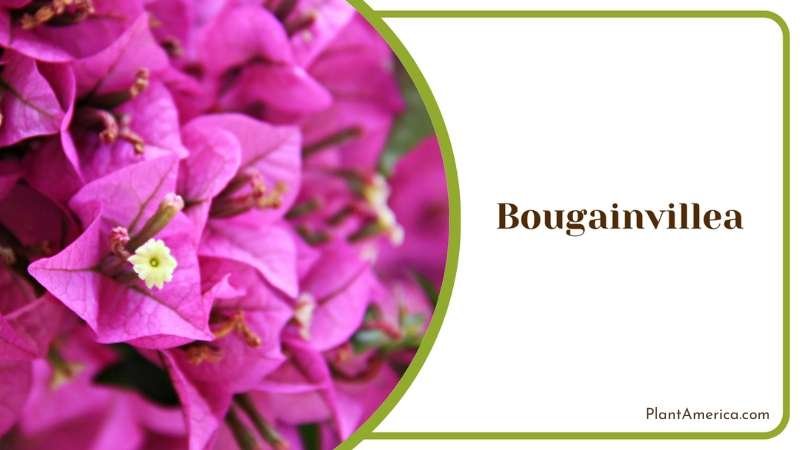
18. Bougainvillea
- Growing Season: Spring, Fall, Deciduous
- Leaf Shape: Simple, Thin texture
- Specific Needs: Well-drained soil, Full sun
- Common Pests: Scale insects, Fungal leaf blight
Bougainvillea is an ornamental, thorny, vining shrub known for its colorful bracts which resemble flowers. The simple, thin leaves emerge green and turn shades of orange and red in fall. The multi-colored bracts appear in summer and persist into fall if temperatures remain warm.
Bougainvillea thrives with full sun, well-draining soil, and consistent moisture while blooming. Shelter plants from harsh winters below 35 degrees Fahrenheit until established. Prune hard after bloom to maximize subsequent flowering. Fertilize monthly while the plant is actively growing.