
Pine trees in Florida thrive in the warm sunny climate, providing nesting places for wildlife, food for many animals, and an aromatic natural haven. They provide a unique habitat for wildlife and many interesting facts for nature lovers.

With these fascinating evergreens, you’ll discover how they help shape the Florida landscape, provide shelter for dozens of species, and release aromatic oils we enjoy each time we walk among them. We’ll cover the top varieties of these aromatic plants and reveal interesting facts you may not know about these tall conifers dotting the Florida coastline.
9 Pine Trees in Florida You Should Consider For Your Backyard
1. Slash Pine

- Growing Season: Spring, Summer
- Leaf Shape: Needle-like, Long, Clustered
- Specific Needs: Well-drained sandy soil, Full sun
- Common Pests: Pine sawflies, Nantucket pine tip moths, Bark beetles
Slash pines are native evergreen trees that are well-suited to Florida’s hot, humid environment. They thrive in sandy, acidic soil with good drainage. Slash pines have fast growth rates when young and produce strong, durable timber for construction products once mature.

Slash pines tend to quickly dominate disturbed areas and the edges between woodlands and fields due to their rapid reproduction through seed dispersal and sprouting from cut stumps. The long, narrow needles range from bluish-green to dark green and bundle in fascicles of two or three.
The trees develop tall, straight trunks that produce an irregular oval or oblong crown of crowded branches. As slash pines age, their reddish-brown bark develops deep fissures that add visual appeal, particularly during winter months.
When grown in backyards, slash pines provide large shade trees, a habitat for birds and other wildlife as well as wind protection. However, they require regular maintenance due to susceptibility to damage from pitch canker disease, wildfires, drought, and insects like the pine beetle.
With proper care and selective pruning of dead or diseased wood, slash pines can thrive in Florida landscapes for decades, growing to heights over 100 feet tall. Homeowners should space slash pine trees at least 30 feet apart to accommodate their spreading canopy and reduce competition for water, nutrients, and light.
Slash pines are a good option for homeowners seeking native evergreen trees that adapt well to Florida’s hot, humid conditions with minimal input. Regular maintenance like pruning and irrigation during drought periods helps slash pines remain healthy and sustain their rapid growth rates.
Applying mulch around the base of young trees also helps conserve moisture and suppress weed growth. With these practices, slash pines can provide benefits to gardens and backyards for many years while remaining relatively low maintenance once established.
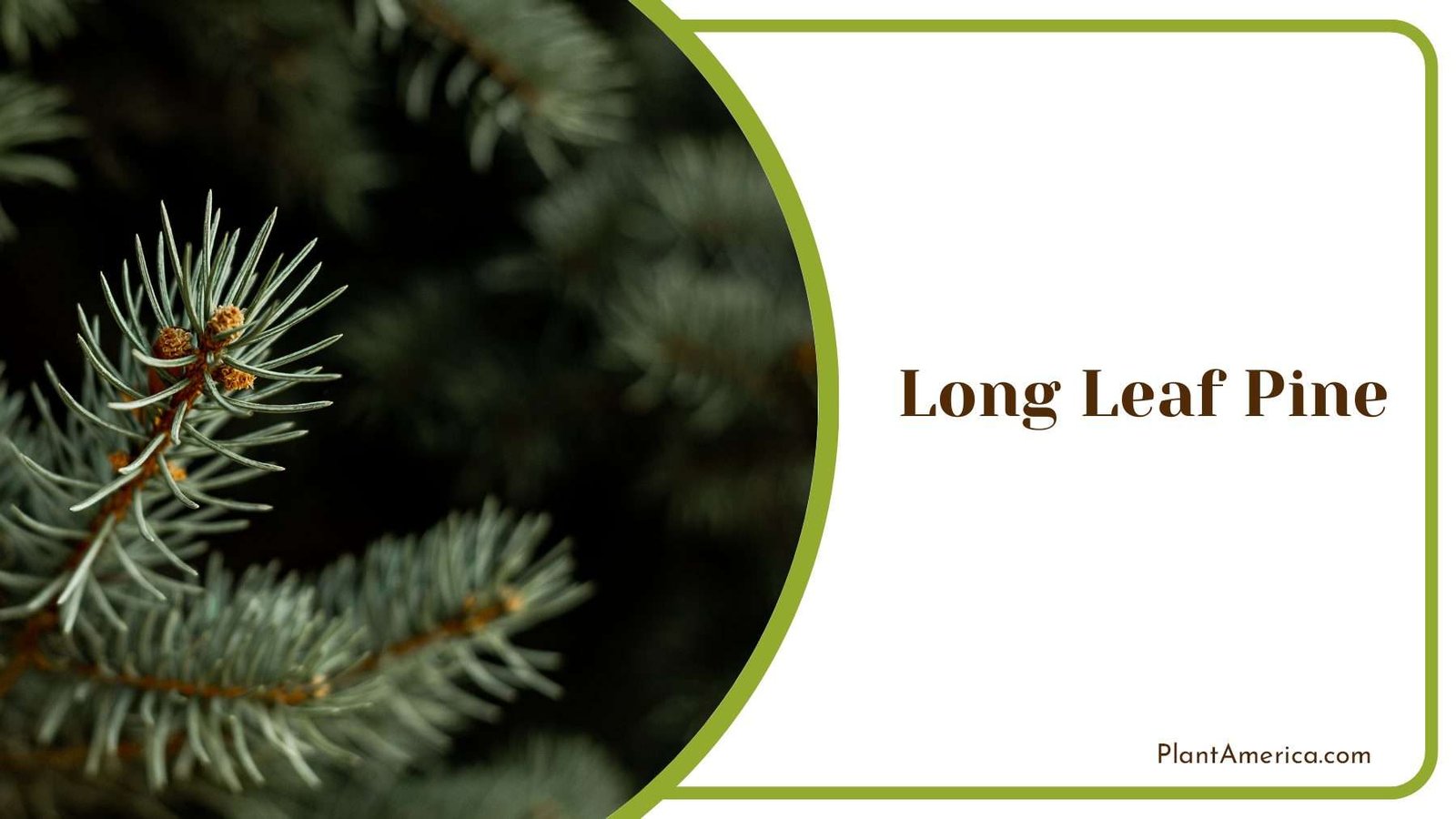
2. Long Leaf Pine
- Growing Season: Spring, Summer, Fall
- Leaf Shape: Long, Slender
- Specific Needs: Sandy, Acidic soil, Good drainage
- Common Pests: Pine tip moth larvae, Bark beetles
Longleaf pine trees are native to the southeastern coastal plains of the United States. They are exceptionally well adapted to periodic wildfires and extreme drought conditions. As seedlings, longleaf pines grow slowly over their first decade.
But once established, they can persist for centuries thanks to their long, slender evergreen needles that minimize water loss. For millennia, longleaf pines dominated the landscapes and flatwoods of the Southeast coast until extensive logging in the late 1800s and early 1900s.
Planting longleaf pines in your Florida backyard helps restore this imperiled ecosystem. Their dense shade and tall stature provide structure while sheltering a diversity of native plants and wildlife that depend on longleaf habitats.
Longleaf pines produce rot-resistant timber that is valuable for construction, woodworking, and utility poles. When properly managed, they yield high-quality lumber prized for furniture, flooring, and millwork.
To thrive, longleaf pines require periodic controlled burning or understory clearing mimicking natural fire regimes. The open canopy allows enough sunlight for native ground covers while reducing competition. Combined with drought and nutrient-poor soil adaptations, this fire dependence enabled longleaf pines to dominate for millennia.
Planting longleaf pines in your Florida garden helps restore a piece of this fire-adapted ecosystem. With proper care including targeted understory treatments every three to five years, longleaf pines offer decades of shade, beauty, and biodiversity benefits by replicating their native role.
Their resilient nature represents some of the finest qualities of all pine species: hardiness, longevity, and persistence in the face of challenge. Even after hectares were cleared, longleaf pines survived, linking past ecosystems to modern landscapes through their very presence.
3. Native American

- Growing Season: Spring, Summer, Fall
- Leaf Shape: Bundled, Slender
- Specific Needs: Moist soil, Acidic soil, Full sun
- Common Pests: Pine tip moth larvae, Bark beetles
Loblolly pines are fast-growing, hardy trees native to the southeastern United States. They tolerate a wide range of soil and weather conditions, making them well-suited for landscapes across the South.
Loblolly pines produce thick layers of needles that help conserve moisture and shelter their roots from extreme temperatures. The trees have tall, straight trunks that produce high-quality timber prized for construction.
Loblolly pines growing in your Florida backyard provide many benefits. Their vertical structure, cooling shade, and privacy screening enhance residential properties. The thick canopy helps reduce stormwater runoff while providing habitat and cover for birds and small mammals.
However, as loblolly pines age, they require more maintenance due to susceptibility to weather damage, insect infestations, and fungal diseases. Regular pruning helps remove dead or diseased wood to improve tree health and structure. Pest control treatments may also be needed to combat potential issues like pine bark adelgids, sawflies, and needle rust.
With proper care, loblolly pines can thrive in residential landscapes for many years. Regular watering, fertilizing, and mulching during establishment help ensure strong root systems that will sustain the trees as they mature.
Ongoing pruning to raise lower branches and selectively remove crossing or damaged limbs allows the crowns to develop full, symmetrical shapes while improving airflow. This pruning also reduces hazards from falling limbs as loblolly pines expand to their full height of 80 to 120 feet tall and width of 30 to 50 feet wide.
By providing the right conditions and ongoing maintenance, loblolly pines planted in your Florida backyard can reward you with decades of vertical greenery, summer shade, and natural aesthetics that complement both traditional and modern landscapes. With proper pruning and pest control, loblolly pines remain resilient through storms, heatwaves, and seasonal pest issues to continue offering their benefits for years to come
4. Sand Pine

- Growing Season: Spring, Summer, Fall
- Leaf Shape: Long, Slender
- Specific Needs: Sandy, Acidic soil, Good drainage
- Common Pests: Pine tip moth larvae, Bark beetles, Pine tortoise scale
Sand pines are an ecologically important native pine species found in Florida’s coastal dune and scrub ecosystems. They have unique adaptations that enable them to thrive in these dynamic, harsh environments.
Sand pines have long, narrow needles and produce large cones that release windborne seeds, aiding in dispersal across shifting sand dunes. The trees form wide, shallow root systems that help stabilize coastal dunes against wind erosion. These shallow roots also allow sand pines to access groundwater during periods of drought.
Sand pines are hardy and well-suited to Florida’s hot, humid climate. In your coastal backyard, they provide benefits like deep shade, soil stabilization, and wildlife habitat. The dense needles offer cover for nesting birds while the open canopy lets sunlight reach understory plants.
However, sand pines require more maintenance compared to other pines due to susceptibility to insect infestations and dieback. They are prone to damage from pine tip moths and scale insects, which feed on the new growth.
With proper care, sand pines can thrive in coastal landscapes for decades. Regular pruning helps improve tree structure and health by removing dead or diseased wood. Pest control treatments may be needed to combat issues like tip moths and scale insects before they cause irreversible damage.
When managed properly through measures like pruning, pest control, and supplemental irrigation during droughts, sand pines planted in your coastal Florida garden can stabilize shifting sands, provide shady refuges for native wildlife and enrich your property with their natural aesthetics for many years. The ongoing care requirements reflect the inhospitable conditions sand pines have adapted to while highlighting the value of conserving these resilient native trees.
5. Pond Pines

- Growing Season: Year-round
- Leaf Shape: Long, Slender
- Specific Needs: Sandy, Acidic soil, Good drainage
- Common Pests: Pine tip moth larvae, Bark beetles, Wood borers
Pond pines are an ancient pine species that has adapted to survive in inhospitable environments. Native to the swampy lowlands and pocosins of the Southeast coast, pond pines are slow-growing, long-lived trees that develop gnarled, stunted forms.
Pond pines have short needles and produce small cones that release their seeds after becoming submerged in water. These characteristics make them well-suited to enduring periodic flooding and saturated soils. The trees form shallow root systems that can access oxygen in the substrate.
In your Florida backyard, pond pines can offer benefits like year-round greenery, rainfall interception, and cover for wildlife. The trees can tolerate periodic flooding and wet soils, filtering runoff and stabilizing shorelines.
However, pond pines are challenging landscape trees due to their intolerance for disturbances and sensitivity to drought. They require minimal pruning and zero fertilizers. Pond pines are also susceptible to damage from bark beetles, moths, and wood borers. Despite these limitations, pond pines can persist for centuries in native habitats where natural disturbances like fire also play a role in maintaining populations.
If you can provide the conditions pond pines need — wet soils, minimal intervention, and occasional burns — these ancient trees may bring timeless natural beauty to your Florida property while filtering runoff, providing wildlife habitat, and linking you to past ecosystems through their very presence. The ongoing efforts required reflect the resilience of pond pines, survivors that continue thriving against challenging odds.
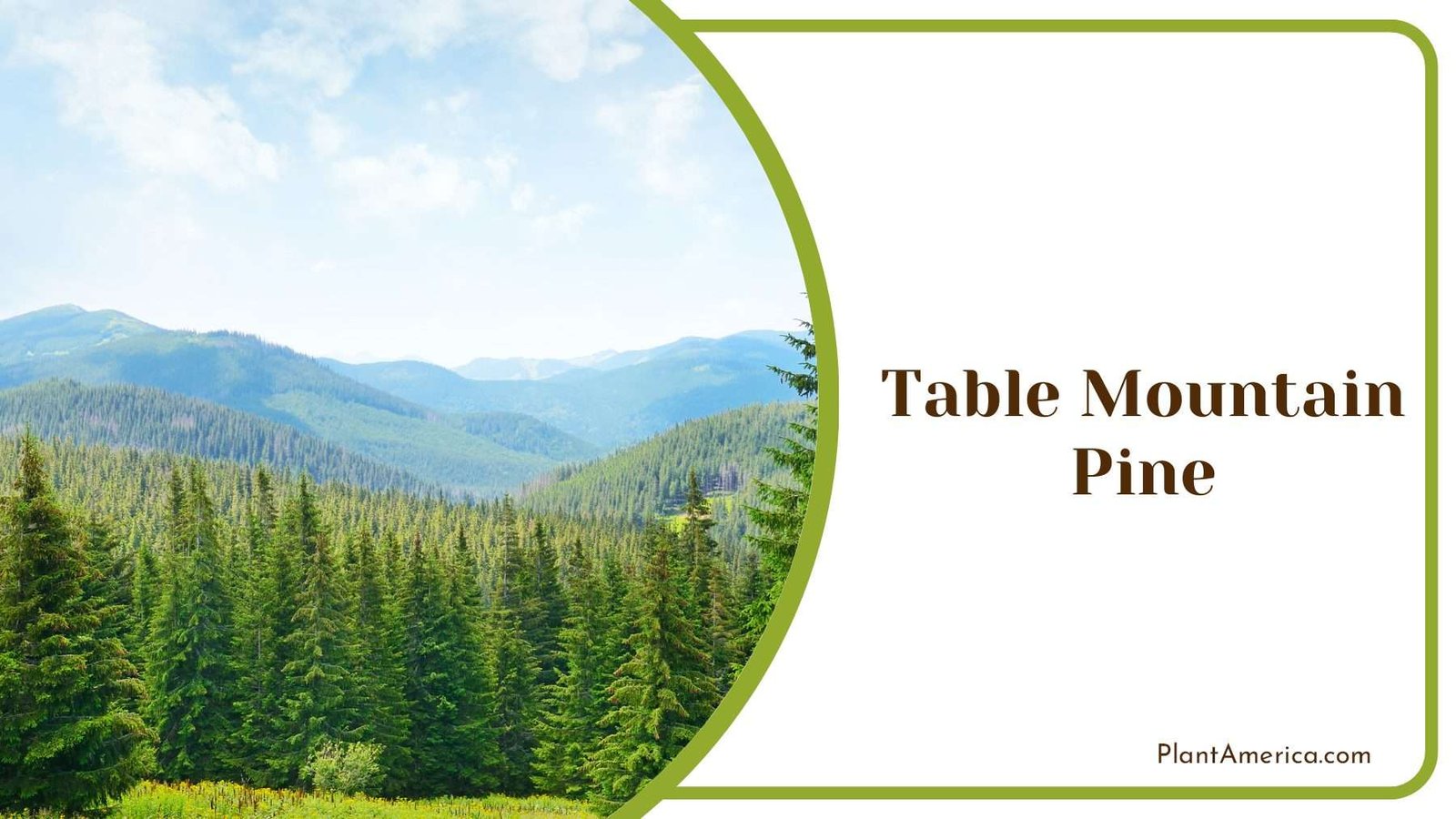
6. Table Mountain Pine
- Growing Season: Spring, Summer
- Leaf Shape: Long, Slender
- Specific Needs: Sandy, Good drainage
- Common Pests: Pine tip moth larvae, Bark beetles, Pine sawyers
Table mountain pines are well adapted to survive and persist in fire-prone ecosystems. Native to the Appalachian Mountains, they thrive in nutrient-poor, rocky soils and are extremely resistant to fire. Several adaptations enable table mountain pines to withstand periodic wildfires. Their thick bark acts as insulation, protecting the cambium from heat damage. The trees also produce a resin that acts as a natural flame retardant, sealing wounds during and after fires.
In Florida landscapes, table mountain pines provide aesthetic appeal with their shaggy bark and short, stiff needles. Once established, they can tolerate hot, dry conditions typical of the Southern landscape.
However, being toward the lower end of pine hardiness, table mountain pines may struggle in areas with extreme temperature fluctuations. They are susceptible to damage from ice storms and late frosts. Still, table mountain pines make attractive, low-maintenance landscape specimens. They require minimal care beyond periodic pruning to improve structure. The thick canopy helps screen and shelter plants growing below while moderating soil temperatures with shade.
In conserving sites that mimic their native ecosystems, table mountain pines can thrive for decades, offering benefits like vertical structure, screening, and wildlife habitat. Their adaptations to fire and nutrient-poor soils allow them to persist where other species fail.
By providing hot, dry conditions and occasional low-intensity burns, table mountain pines planted in your Florida garden can enrich your landscape for years with their aesthetic appeal, dense shade, and link to Appalachian ecosystems. Their very survival in inhospitable conditions reflects the resilience of this fascinating fire-adapted pine species.
7. Pitch Pine

- Growing Season: Spring, Summer
- Leaf Shape: Needle-like, Linear
- Specific Needs: Well-drained soil, Regular watering
- Common Pests: Pine shoot beetle, Pine bark adelgid, Pine tip moths
Pitch pines are a resilient native species found throughout the eastern regions of North America, ranging from southern Maine down the coastal plains to northern Florida. Through millennia of evolution within fire-adapted ecosystems, they have developed remarkable adaptations to thrive where many other plant varieties struggle – on nutrient-deficient sandy soils unable to retain moisture.
With their deeply furrowed bark that can exceed an inch in thickness, pitch pines are highly insulated from the radiant heat of periodic low-intensity surface fires. Additionally, their extra resinous sap not only protects the tree from insect pests and fungal infections, but also acts as a natural flame retardant when burns do occur.
Perhaps their most notable fire-dependent trait is bearing serotinous pine cones that remain tightly sealed with resin, only opening once exposed to heat intense enough to melt and disperse their winged seeds for the next generation.
In Florida gardens where land area may be constrained, pitch pines make excellent selections that provide environmental and aesthetic benefits far out of proportion to their moderate size. Typically developing gnarly, windswept trunks and distinctive branching silhouettes as they age, these rugged but picturesque trees lend rustic natural charm and habitat value when used singularly as specimen plants.
Their compact growth allows pitch pines to thrive in smaller residential yards without dominating limited space, as they tend to grow no more than 30 feet tall yet branch thickly outwards in their lower canopies. Once established, little ongoing care is required to sustain these seasoned natives accustomed to nutrient-poor conditions and periods of seasonal drought.
Cultivating self-sustaining pitch pine populations helps restore more natural ecosystem processes within disturbed coastal habitats they have inhabited for millennia. Through recurring low-intensity surface fires stimulated by their dependence on heat-triggered seed release, and dynamic relationships with native insect communities and neighboring plant species, pitch pine
forests can perpetuate for centuries while persistent in marginal lands unable to support other vegetation. Their fire-adaptive resilience makes them ideal landscape additions that not only provide scenic visual interest, but simultaneously foster regional biodiversity through regenerating lost indigenous plant communities.
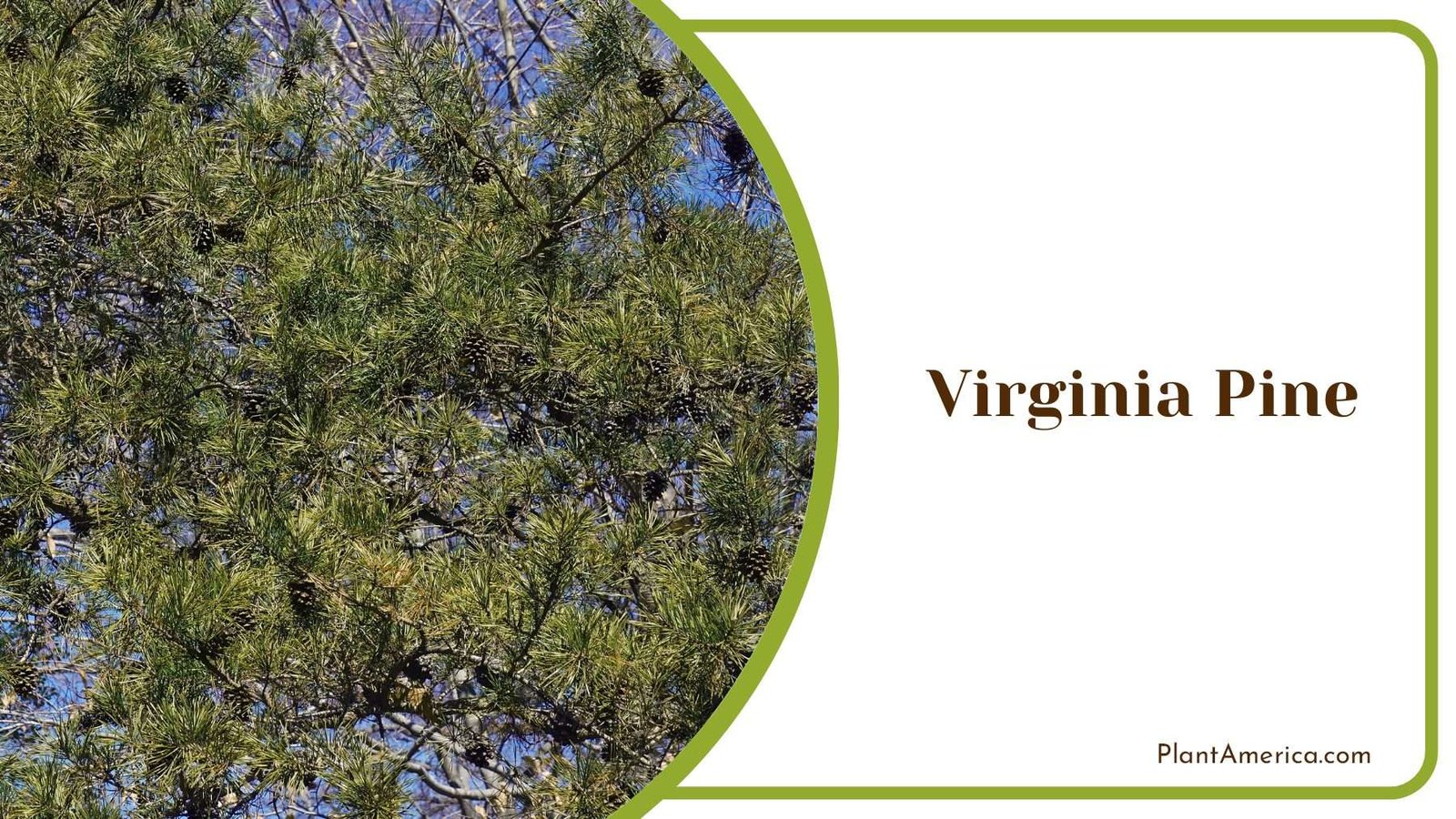
8. Virginia Pine
- Growing Season: Spring, Summer, Fall
- Leaf Shape: Needle-like, Linear
- Specific Needs: Well-drained soil, Regular watering
- Common Pests: Nantucket pine tip moth, Pine sawfly, Pine bark adelgid
Virginia pine (Pinus virginiana) is a fast-growing, pioneer conifer species native to the eastern United States. Virginia pine trees can quickly colonize disturbed areas and open habitats, thriving in nutrient-poor soils where other plants struggle to survive.
Virginia pine has serotinous cones that remain tightly closed until exposed to fire or intense heat. This enables the trees to regenerate after forest fires by releasing seeds from opened cones onto bare, ash-covered ground with fewer competing plants.
In your Florida backyard, Virginia pine provides dense shade during the long, hot summer months while also tolerating seasonal drought once established. The soft, blue-green needles give the trees an ornamental appeal, especially in winter when they reflect sunlight and complement the bare branches of nearby deciduous trees.
However, Virginia pine is susceptible to insect infestations and fungal diseases that require regular maintenance. The shallow root system also makes the trees vulnerable to wind damage during tropical storms and hurricanes. Virginia pine roots do not form deep anchors to stabilize the trees.
Still, if properly sited and cared for, Virginia pine can thrive in small residential landscapes, growing between 30 to 40 feet tall with a pyramidal crown. The stiff, horizontal branch pattern leaves few lower limbs, so pruning is not typically needed beyond training when young.
The blue-green foliage of Virginia pine pairs well with other broadleaf evergreens and deciduous trees in the urban landscape. Come winter, the trees stand out against dormant flowering shrubs while providing visual interest from a distance.
Able to grow in acidic, alkaline, and clay soils, Virginia pine is an adaptable addition to Florida gardens. With their ability to colonize disturbed ground and poor soils, Virginia pines are genetically programmed for survival, contributing year-round vertical structure and soft texture where other plants struggle.
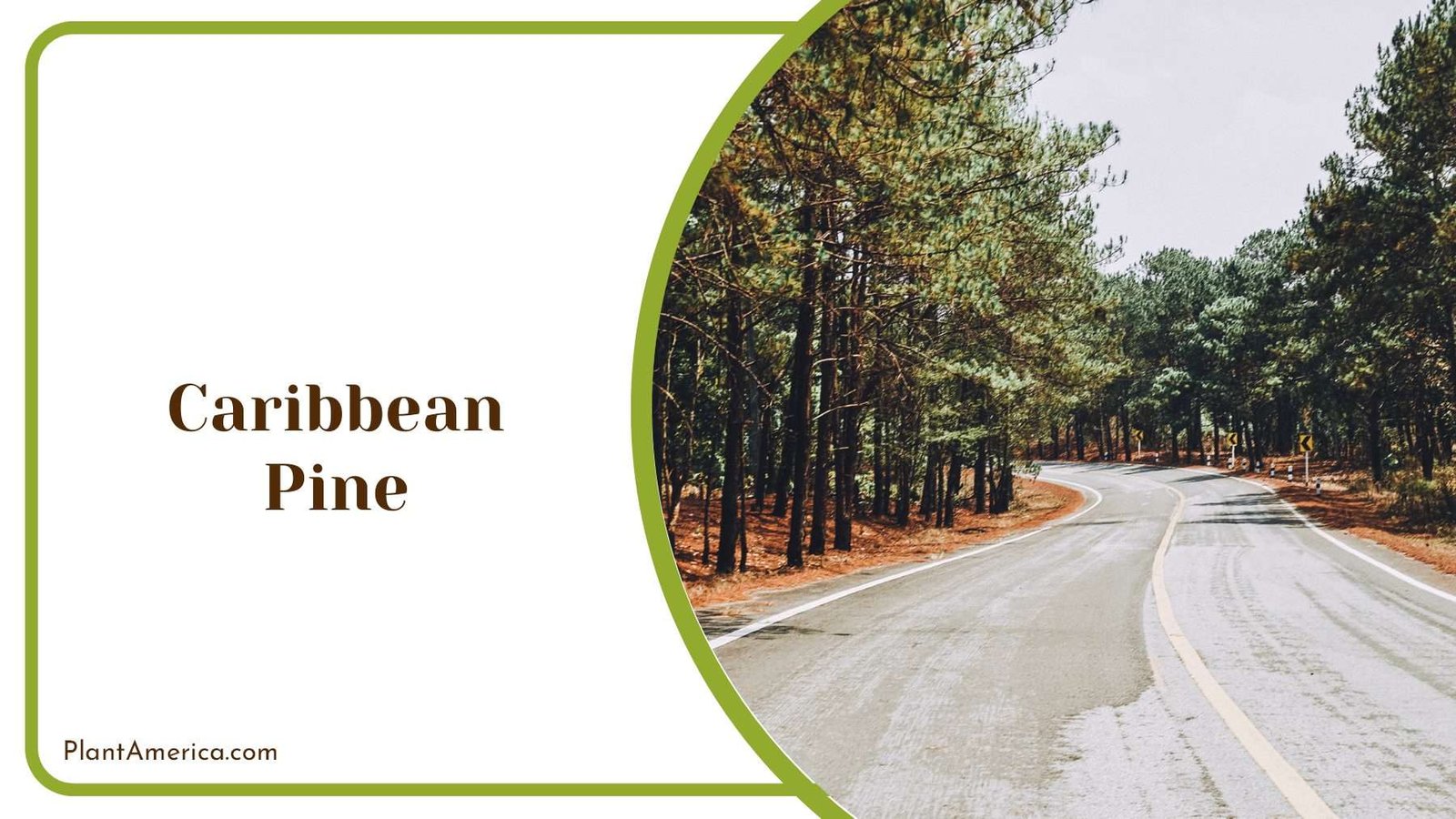
9. Caribbean Pine
- Growing Season: Year-round
- Leaf Shape: Needle-like, Linear
- Specific Needs: Well-drained soil, Regular watering
- Common Pests: Bark beetles, Budworms
Caribbean pine (Pinus caribaea) is native to subtropical and tropical regions from Florida to the Caribbean Basin. Over time, Caribbean pines have adapted to harsh coastal conditions, tolerating salty winds, salt spray from the ocean, and periodic flooding.
Caribbean pines have thick, coarse bark that insulates the cambium layer and protects the tree from heat and high temperatures. The trees grow slowly over many decades with twisted branches and gnarled, irregular trunks. Old specimens often develop stunted, picturesque forms.
In your Florida garden, Caribbean pines provide a lush canopy of dark green needles as well as a habitat for native birds and wildlife. The thick evergreen foliage offers shelter for small animals while the low-hanging branches make excellent perches for birds.
However, due to their slow growth rates, Caribbean pines require minimal pruning. Heavy pruning can shock older specimens and stunt new growth.
Caribbean pines are well-suited to coastal landscapes where they can resemble their native habitat. The trees thrive best with ample sunshine, good drainage to withstand flooding, and infrequent disturbance once established. The thick, fibrous bark of Caribbean pines helps withstand powerful wind gusts and seasonal storm surges. The deep root systems anchor the trees during hurricanes and nor’easters.
The curved, twisted branches and windswept silhouette of mature Caribbean pines evoke the rugged beauty of coastal scrublands and barrier islands. Scattered individuals or groupings create a naturalistic, informal composition that suggests the wildness of undisturbed shoreline habitats.
Caribbean pines enrich coastal landscapes with their ability to persist where few other trees can survive. Their presence lends character and authenticity to any seaside garden while providing refuge for wildlife. Their gnarled forms and rough-textured bark convey the resilience necessary to make a home amid wind and salt.